
Nutrition comparison
Quiche vs Quiche Lorraine: Which Is Healthier and What Are the Real Tradeoffs?
Compare Quiche and Quiche Lorraine on nutrition, processed meat risk, sodium, and flavor. Find out which version is better for everyday eating and when to choose the classic.
Overall winner · Quiche
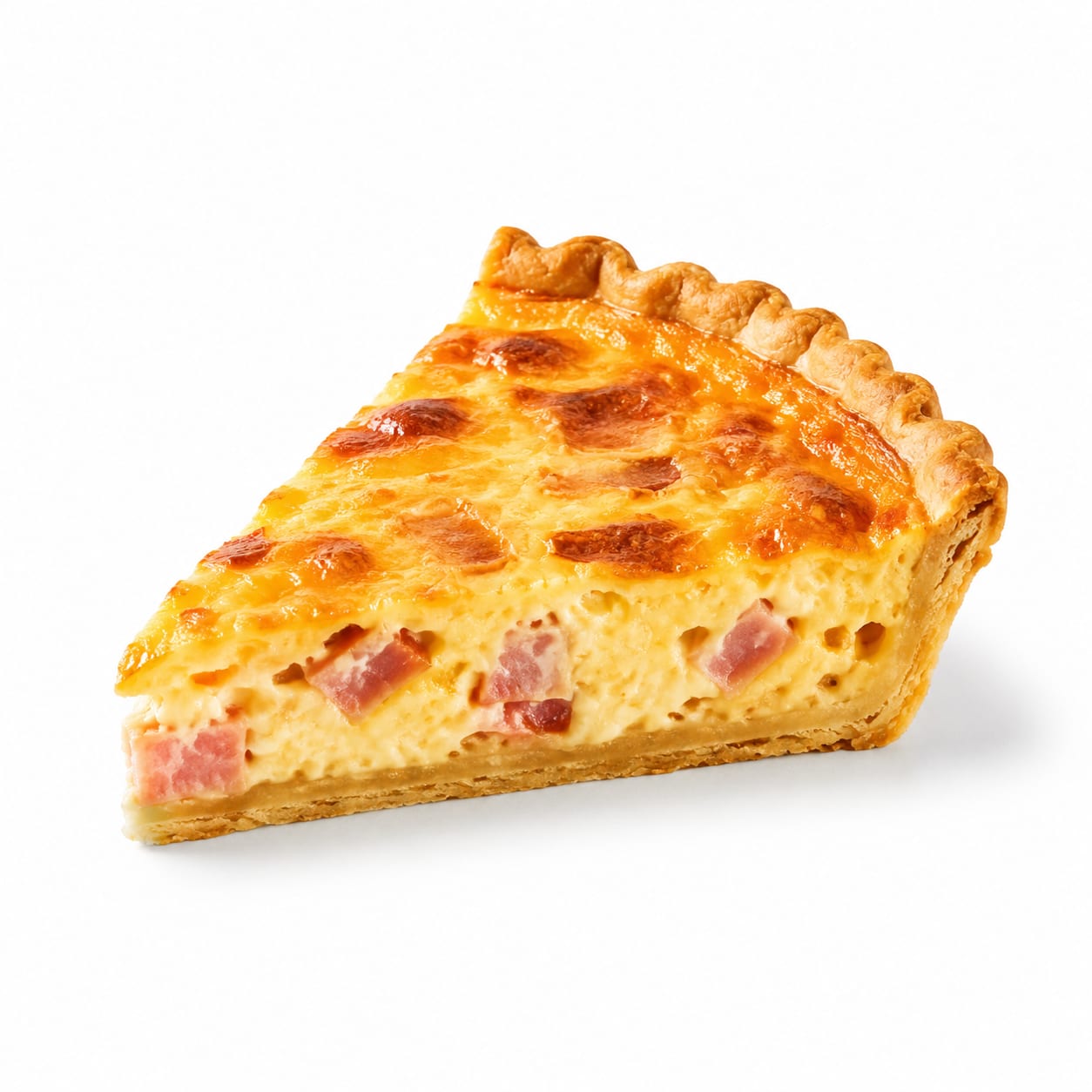
Quiche
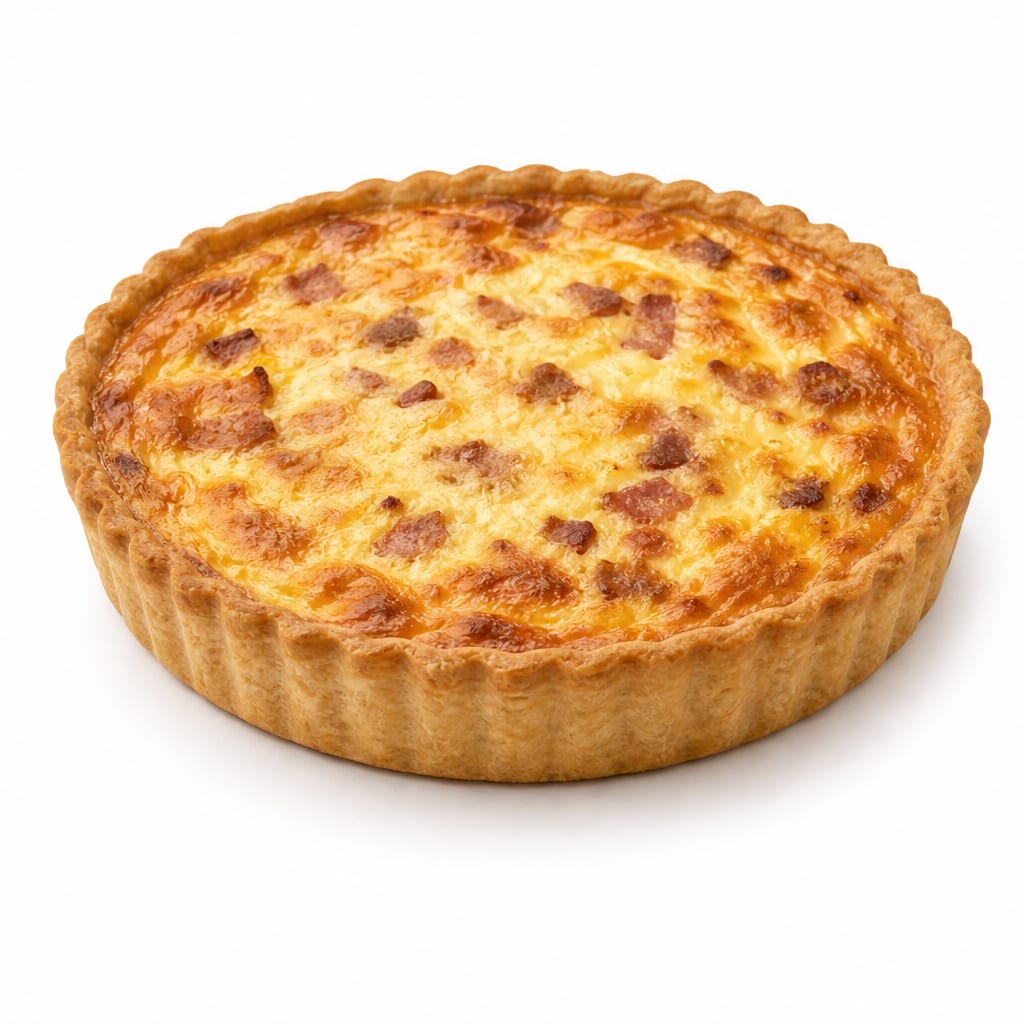
Quiche Lorraine
A standard quiche gives you flexibility to skip processed meat and load up on vegetables, making it the smarter everyday choice. Quiche Lorraine is a richer, more indulgent experience that comes with real nutritional costs.
Quiche scores notably higher because it avoids the processed meat penalty and offers filling flexibility. Quiche Lorraine loses ground on sodium, saturated fat, and long-term health risk from cured pork. The gap would narrow if comparing Quiche Lorraine against a heavily cheese-laden standard quiche, but the typical comparison favors the adaptable version.
Quiche Lorraine delivers deeper savory flavor from bacon but carries significantly more sodium, saturated fat, and processed meat risk. A standard quiche lets you control those downsides through filling choices.
At a glance
Executive summary
Overall
Quiche
Healthier
Quiche
More practical
Quiche
Daily use
Quiche
Key comparison lenses
processed meat health tradeoffs
Quiche Lorraine contains bacon or lardons, introducing processed meat risks that a standard quiche can avoid entirely
sodium and saturated fat load
The cured pork in Quiche Lorraine significantly raises sodium and saturated fat compared to vegetable or cheese quiche variants
versatility and dietary flexibility
A generic quiche can be adapted to many dietary needs while Quiche Lorraine is locked into its traditional rich formula
indulgence vs everyday eating
Users often wonder whether the classic version is worth the nutritional cost or if a lighter quiche satisfies equally
Best choice for
Quiche
- Heart-conscious eaters avoiding processed meat
- People managing blood pressure or sodium intake
- Anyone wanting more vegetables and fiber in their meal
- Meal preppers who want a lighter recurring option
Quiche Lorraine
- Special occasion diners craving classic French comfort food
- Those who rarely eat processed meat and want the traditional experience
- People seeking maximum richness and satiety from a single slice
Least suitable for
Quiche
- Those seeking the most authentic French bistro experience
Quiche Lorraine
- Anyone monitoring sodium closely
- People reducing processed meat intake
- Frequent quiche eaters who need a lighter rotation
Deep comparison
Dimension by dimension
Each lens scores both foods and breaks down who each option suits.
- Dimension 1 · Priority 95Quiche
processed meat exposure
Quiche · 90Quiche Lorraine · 25Quiche Lorraine relies on bacon or lardons, which the WHO classifies as Group 1 carcinogens. A standard quiche can skip processed meat entirely.
Tradeoff
You gain smoky depth and umami with Quiche Lorraine but take on a well-established cancer risk that adds up with frequency.
Why it matters
Even occasional processed meat consumption increases colorectal cancer risk. Regular intake compounds the concern significantly.
Real-world impact
Eating Quiche Lorraine weekly means repeated processed meat exposure. A vegetable quiche avoids this entirely without sacrificing the comfort of the dish.
Quiche
- Long-term health outcomes
- Cancer risk reduction
- Clean eating goals
Better for
- Missing the signature smoky bacon element
Worse for
Quiche Lorraine
- Traditional flavor authenticity
Better for
- Cumulative processed meat risk
- Less suitable for regular rotation
Worse for
- Dimension 2 · Priority 88Quiche
sodium load
Quiche · 60Quiche Lorraine · 30Cured pork adds hundreds of milligrams of sodium per serving. A standard quiche with vegetables and moderate cheese contains significantly less.
Tradeoff
Quiche Lorraine's saltiness is part of its appeal but easily pushes a single slice past 600mg of sodium.
Why it matters
High sodium intake directly raises blood pressure and cardiovascular risk. Most people already exceed daily limits without trying.
Real-world impact
One slice of Quiche Lorraine can deliver a third of your daily sodium allowance before you add any sides.
Quiche
- Blood pressure management
- Kidney health
- Less post-meal thirst and bloating
Better for
- May taste slightly less bold without cured meat
Worse for
Quiche Lorraine
- More intensely seasoned flavor
Better for
- Hypertension risk
- Water retention
Worse for
- Dimension 3 · Priority 82Quiche
saturated fat and calorie density
Quiche · 50Quiche Lorraine · 30Both foods are rich due to the egg custard and pastry base, but Quiche Lorraine adds rendered bacon fat and often extra cream, making it the heavier option.
Tradeoff
More richness and mouthfeel versus a heavier digestive load and higher calorie count per slice.
Why it matters
Saturated fat from multiple sources in Quiche Lorraine compounds quickly, impacting heart health and calorie budgets.
Real-world impact
A Quiche Lorraine slice can easily exceed 450 calories while a vegetable quiche slice might land closer to 300-350.
Quiche
- Weight management
- Heart health
- Lighter lunch options
Better for
- May feel less indulgent
Worse for
Quiche Lorraine
- Maximum satisfaction per slice
- Cold weather comfort eating
Better for
- Higher cardiovascular load
- Easier to overeat calories
Worse for
- Dimension 4 · Priority 75Quiche
fiber and micronutrient density
Quiche · 70Quiche Lorraine · 35A standard quiche can be packed with spinach, broccoli, mushrooms, or peppers. Quiche Lorraine offers minimal plant matter beyond the egg custard.
Tradeoff
Vegetable fillings bring fiber, vitamins, and antioxidants that bacon simply cannot provide.
Why it matters
Fiber improves digestion, steadies blood sugar, and helps you feel full longer without adding calories.
Real-world impact
A spinach and mushroom quiche feels lighter and keeps you satisfied longer. Quiche Lorraine can leave you full but heavy.
Quiche
- Digestive regularity
- Blood sugar stability
- Vitamin and mineral intake
Better for
- Depends heavily on filling choice
Worse for
Quiche Lorraine
- Protein density from pork
Better for
- Very low fiber
- Limited micronutrient variety
Worse for
- Dimension 5 · Priority 70Quiche Lorraine
flavor satisfaction and culinary tradition
Quiche · 55Quiche Lorraine · 85Quiche Lorraine is a benchmark of French cuisine for a reason. The interplay of smoky bacon, rich custard, and buttery pastry is iconic.
Tradeoff
You sacrifice some nutritional quality for a deeply satisfying, culturally authentic eating experience.
Why it matters
Food pleasure matters for sustainability. A diet that never includes satisfying dishes is harder to maintain.
Real-world impact
When you want the real bistro experience, Quiche Lorraine delivers in a way that a spinach quiche simply cannot replicate.
Quiche
- Broader flavor possibilities
- Adaptable to seasonal ingredients
Better for
- Can feel like a compromise version
Worse for
Quiche Lorraine
- Classic comfort food appeal
- Deeper umami and smoky notes
- More memorable dining experience
Better for
- One-dimensional flavor profile
Worse for
- Dimension 6 · Priority 72Quiche
dietary flexibility and customization
Quiche · 90Quiche Lorraine · 20Quiche is a template. You can make it vegetarian, lower-fat, dairy-free, or vegetable-forward. Quiche Lorraine is a fixed recipe with little room for adaptation.
Tradeoff
Creative freedom versus culinary tradition.
Why it matters
People with dietary restrictions or health goals need options that bend to their needs rather than the other way around.
Real-world impact
A vegetarian guest can enjoy a standard quiche. Quiche Lorraine excludes them entirely.
Quiche
- Vegetarian diets
- Customizable nutrition profiles
- Accommodating diverse eaters
Better for
- Quality varies widely by preparation
Worse for
Quiche Lorraine
- Consistency and predictability
Better for
- Inflexible for dietary needs
- Excludes vegetarians and many religious diets
Worse for
Timeline
Health impact over time
Short-term
Hours to days
Quiche
- Steadier energy from vegetable fiber content
- Lighter post-meal feeling depending on filling
- Moderate sodium load from cheese and crust
Quiche Lorraine
- Heavier fullness from higher fat and protein content
- More pronounced post-meal sluggishness due to saturated fat density
- Noticeable thirst from high sodium in cured pork
Long-term
Months to years
Quiche
- Lower cumulative processed meat exposure
- Better cardiovascular profile when vegetable-heavy fillings are chosen
- More sustainable as a recurring meal option
Quiche Lorraine
- Increased colorectal cancer risk from regular processed meat consumption
- Higher cardiovascular strain from repeated saturated fat and sodium loads
- Potential for elevated blood pressure with frequent consumption
Risk profile
Safety & processing
Both involve a pastry crust and egg custard, placing them in processed territory. Quiche Lorraine raises the concern level because cured bacon typically contains nitrates, nitrites, and sometimes sodium erythorbate or smoke flavoring. A standard quiche with fresh vegetables and moderate cheese stays closer to whole ingredients.
Quiche
Undercooked egg custard
mediumEggs must reach 160°F internally to eliminate salmonella risk. Soft or wobbly centers indicate insufficient cooking.
Dairy spoilage
lowCream and cheese in quiche require proper refrigeration. Left at room temperature over two hours, bacterial growth becomes a concern.
Quiche Lorraine
Undercooked egg custard
mediumSame salmonella concern as any quiche. Internal temperature verification is essential.
Processed meat contamination
mediumBacon and lardons can harbor Listeria if not properly cooked before adding to the custard. Pre-cooking is standard but not always done thoroughly.
Nitrite and nitrosamine exposure
mediumCured pork products contain nitrites that can form nitrosamines during high-heat cooking, compounds linked to cancer.
Who wins for whom
Audience fit
Same foods, different winners depending on your goal.
children
QuicheKids benefit from vegetable-forward options with less sodium. Processed meat is best minimized in developing bodies.
daily consumption
QuicheRegular processed meat intake is a clear health risk. A standard quiche can be a reasonable recurring meal; Quiche Lorraine should be occasional.
diabetes
QuicheA vegetable-heavy quiche has more fiber to slow glucose absorption. Quiche Lorraine's higher saturated fat content may worsen insulin resistance over time.
elderly
QuicheOlder adults need to manage sodium and saturated fat carefully for cardiovascular and bone health. A lighter quiche supports those goals better.
muscle gain
Quiche LorraineQuiche Lorraine provides slightly more total protein from the addition of bacon, though both offer solid protein from eggs. The edge is modest.
weight loss
QuicheA vegetable quiche delivers more volume and fiber per calorie. Quiche Lorraine packs more calories and saturated fat into each slice without adding satiety benefits from fiber.
Your move
Decision guide
Choose Quiche
- You eat quiche more than once a month
- You are watching sodium, saturated fat, or processed meat intake
- You want to sneak more vegetables into your meals
- You are cooking for vegetarians or people with diverse dietary needs
- You prefer feeling light and energized after eating rather than heavy
Choose Quiche Lorraine
- It is a special occasion and you want the classic French experience
- You rarely eat processed meat and want the authentic version
- You are serving guests who expect the traditional recipe
- Cold weather comfort food is the priority
Either works if
- You are eating quiche only occasionally and portion size is moderate
- Both are homemade with quality ingredients
Avoid both if
- You have an egg allergy
- You are strictly avoiding dairy
- You need a low-fat diet for gallbladder or pancreatic conditions
- You are following a gluten-free diet unless using a gluten-free crust
Final recommendation
Make Quiche Lorraine an occasional treat and a standard vegetable quiche your regular go-to. The health gap between them comes down to processed meat and sodium, both of which add up fast with frequency. If you love the smoky flavor, try adding a small amount of smoked paprika or a few crumbles of bacon to a vegetable quiche as a compromise that captures the spirit without the full nutritional cost.
Practical
Consumer tips
- 1
Use smoked paprika or smoked salt in a vegetable quiche to mimic bacon flavor without processed meat
- 2
If making Quiche Lorraine, use uncured bacon to reduce nitrite exposure
- 3
Blind-bake the crust to avoid a soggy bottom regardless of which version you choose
- 4
A side salad helps balance the richness of either quiche and adds fiber
- 5
Leftover quiche reheats well at 325°F for 15 minutes and makes an excellent next-day lunch
- 6
Consider a crustless quiche to cut calories and saturated fat by roughly 20-25%