
Nutrition comparison
Quiche vs Egg Bake: Which Is Healthier for Daily Breakfast?
Quiche and Egg Bake share eggs, cheese, and fillings, but the crust and cream make Quiche significantly higher in calories and saturated fat. See which is better for weight loss, meal prep, and everyday eating.
Overall winner · Egg Bake
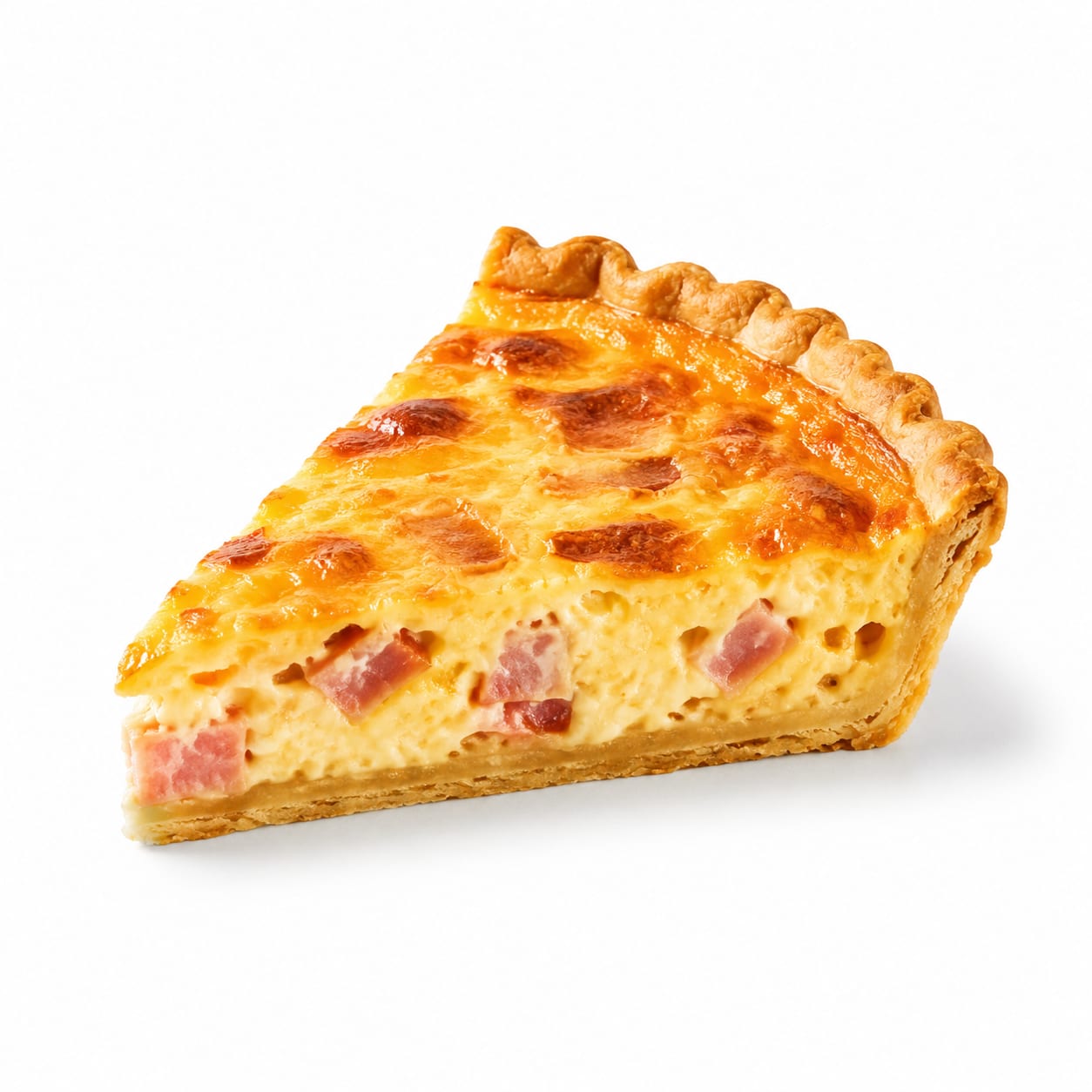
Quiche
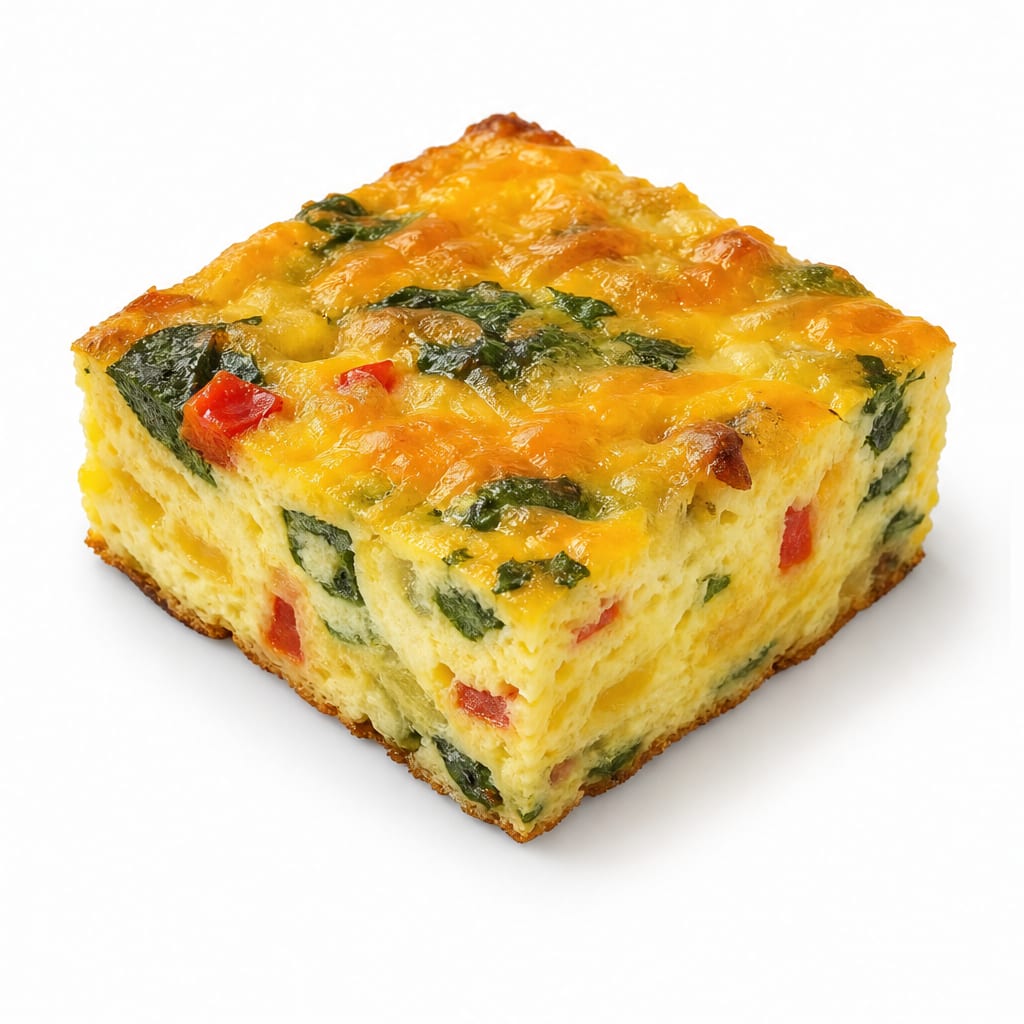
Egg Bake
Egg Bake gives you nearly the same flavors and protein as Quiche but drops the calorie-dense crust and heavy cream, making it the smarter everyday choice.
Egg Bake scores noticeably higher because it delivers similar protein and flavor with fewer calories, less saturated fat, and no refined-carb crust. Quiche stays relevant for indulgent occasions but carries real nutritional downsides for regular consumption.
Quiche tastes richer and feels more indulgent thanks to its buttery crust and creamier filling, but you pay for that in extra calories, saturated fat, and refined carbs.
At a glance
Executive summary
Overall
Egg Bake
Healthier
Egg Bake
More practical
Egg Bake
Daily use
Egg Bake
Key comparison lenses
calorie and carb consciousness
The crust in Quiche adds significant refined carbs and calories that Egg Bake avoids entirely, making this the most impactful difference for most eaters
heart health and saturated fat
Both dishes rely on eggs and cheese, but Quiche adds butter-laden crust and cream, stacking saturated fat higher
meal prep and batch cooking
Both are popular make-ahead options, but Egg Bake is simpler to scale and reheats more consistently without a soggy crust
blood sugar management
The pastry crust creates a refined-carb spike that Egg Bake sidesteps, relevant for anyone watching glucose
comfort and satisfaction
Quiche delivers a richer, more indulgent eating experience that matters for emotional eating and social occasions
Best choice for
Quiche
- Special brunches where indulgence matters more than macros
- Anyone who finds crustless dishes unsatisfying and ends up overeating later
- Entertaining guests where presentation elevates the meal
Egg Bake
- Weekly meal prep and grab-and-go breakfasts
- Anyone tracking calories, carbs, or saturated fat
- People managing blood sugar who want a hearty breakfast without the crash
Least suitable for
Quiche
- Daily breakfast if you are watching weight or cholesterol
- Anyone with gluten sensitivity unless using a gluten-free crust
- Low-carb or keto eaters due to the flour-based crust
Egg Bake
- Formal brunch events where a crustless dish may feel too casual
- Those who find egg-heavy dishes repetitive and need variety in texture
Deep comparison
Dimension by dimension
Each lens scores both foods and breaks down who each option suits.
- Dimension 1 · Priority 92Egg Bake
Calorie Density
Quiche · 40Egg Bake · 78A typical slice of Quiche runs 350-450 calories versus 200-280 for a comparable serving of Egg Bake, largely because of the buttery crust.
Tradeoff
You sacrifice the crispy, buttery texture of pastry but save 150+ calories per serving with almost no reduction in protein or fullness.
Why it matters
Over a week of daily breakfasts, that calorie difference compounds to over 1,000 calories saved without feeling deprived.
Real-world impact
Choosing Egg Bake most mornings could mean the difference between maintaining weight and slowly gaining it, with no change in satiety.
Quiche
- Active individuals who easily burn extra calories
- Underweight individuals needing energy-dense meals
Better for
- Consistent daily eaters trying to lose or maintain weight
Worse for
Egg Bake
- Anyone with a sedentary job watching calorie intake
- People who prefer larger portion sizes for the same calories
Better for
- Those who need calorie-dense meals to meet high energy needs
Worse for
- Dimension 2 · Priority 80It depends
Satiety and Fullness
Quiche · 72Egg Bake · 75Quiche feels heavier initially due to fat from crust and cream, but Egg Bake's higher protein-to-calorie ratio provides longer-lasting fullness.
Tradeoff
Quiche delivers immediate satisfaction from richness; Egg Bake keeps hunger away longer per calorie consumed.
Why it matters
If you are hungry again two hours after Quiche, the extra calories were wasted. Protein-driven satiety from Egg Bake is more efficient.
Real-world impact
After Egg Bake, you are less likely to snack before lunch. After Quiche, the refined carbs may trigger earlier hunger despite more calories.
Quiche
- People who value the emotional satisfaction of a rich meal
Better for
- People sensitive to blood sugar dips that trigger cravings
Worse for
Egg Bake
- Anyone trying to reduce between-meal snacking
- Those who eat breakfast early and need it to last until lunch
Better for
- Those who feel unsatisfied without a carbohydrate component
Worse for
- Dimension 3 · Priority 85Egg Bake
Heart Health
Quiche · 38Egg Bake · 62Both dishes contain eggs and cheese, but Quiche piles on saturated fat from butter crust and heavy cream, pushing cholesterol and heart risk higher.
Tradeoff
Egg Bake still has saturated fat from cheese and eggs, but skipping the butter crust and cream removes a significant cardiovascular burden.
Why it matters
For anyone with elevated LDL or family history of heart disease, the crust alone can add 8-12g of saturated fat per slice.
Real-world impact
Swapping Quiche for Egg Bake a few times a week is a realistic way to cut saturated fat without giving up eggs or cheese entirely.
Quiche
- People with no heart health concerns eating it occasionally
Better for
- Regular consumers already exceeding saturated fat limits
Worse for
Egg Bake
- Anyone monitoring cholesterol or blood pressure
- People with family history of cardiovascular disease
Better for
- Those who add excessive cheese, negating the crust advantage
Worse for
- Dimension 4 · Priority 75Egg Bake
Blood Sugar Stability
Quiche · 42Egg Bake · 78Quiche's flour crust creates a refined-carb load that can spike blood sugar, while Egg Bake is essentially zero-carb without the pastry.
Tradeoff
You lose the satisfying crunch of crust but gain steady energy without the mid-morning crash.
Why it matters
For prediabetics, diabetics, or anyone prone to energy dips, the crust is the single worst component of Quiche for glucose control.
Real-world impact
After Egg Bake, energy stays even through the morning. After Quiche, you may feel a dip 90 minutes later as blood sugar falls from its peak.
Quiche
- Healthy individuals eating it as part of a balanced meal with fiber
Better for
- Insulin-resistant individuals
- Those who experience brain fog after refined carbs
Worse for
Egg Bake
- Diabetics and prediabetics
- Anyone who experiences afternoon energy crashes after carb-heavy breakfasts
Better for
- Endurance athletes who need carbs for morning training fuel
Worse for
- Dimension 5 · Priority 78Egg Bake
Meal Prep and Convenience
Quiche · 55Egg Bake · 82Egg Bake is faster to assemble, easier to scale, and reheats without a soggy crust problem that plagues leftover Quiche.
Tradeoff
Quiche requires making or buying crust, blind-baking it, and careful handling. Egg Bake is essentially mix, pour, and bake.
Why it matters
When meal prep needs to be fast and reliable, every extra step is a barrier to consistency.
Real-world impact
You can make a week's worth of Egg Bake in the time it takes to prepare one Quiche, and it reheats beautifully every day.
Quiche
- Cooking for a special occasion where effort is part of the experience
Better for
- People short on time who need quick batch cooking
Worse for
Egg Bake
- Busy professionals doing Sunday meal prep
- Anyone who reheats breakfast throughout the week
Better for
- Those who find crustless dishes unappealing and skip breakfast entirely
Worse for
- Dimension 6 · Priority 82Egg Bake
Nutrient Density Per Calorie
Quiche · 45Egg Bake · 80Egg Bake delivers more protein, vitamins, and minerals per calorie because it skips the empty-calorie crust and heavy cream.
Tradeoff
Quiche offers broader micronutrient variety if the crust is whole-grain, but most Quiche uses refined white flour with minimal nutritional value.
Why it matters
When every calorie counts, spending 150+ of them on butter and white flour is a poor nutritional investment.
Real-world impact
With Egg Bake, more of what you eat is actually nourishing you. With Quiche, a third of your calories come from the least nutritious part.
Quiche
- Whole-grain crust variations that add fiber and B vitamins
Better for
- Standard refined-flour crust versions that add calories without nutrients
Worse for
Egg Bake
- Anyone trying to maximize nutrition within a calorie budget
- Older adults who need protein efficiency per bite
Better for
- Versions loaded with processed meats that add sodium over nutrients
Worse for
Timeline
Health impact over time
Short-term
Hours to days
Quiche
- Heavier post-meal feeling due to fat and carb density
- Possible energy dip 1-2 hours after eating from refined-carb spike and crash
- More immediate satisfaction from rich, comforting flavors
Egg Bake
- Steadier energy through the morning with minimal blood sugar fluctuation
- Lighter feeling after eating while still being full
- Less food coma effect, making it better before a workday
Long-term
Months to years
Quiche
- Higher cumulative saturated fat intake if eaten regularly, raising cardiovascular risk
- Extra daily calories from crust can contribute to gradual weight gain
- Refined-carb habit may reinforce cravings for similar foods
Egg Bake
- Better weight maintenance over time due to lower calorie density
- Consistent protein intake supports muscle preservation, especially important with aging
- Lower saturated fat exposure reduces long-term heart disease risk
Risk profile
Safety & processing
Quiche's crust typically involves refined flour, butter, and sometimes preservatives if store-bought. Egg Bake uses whole eggs, vegetables, and cheese with minimal intermediary processing, keeping it closer to whole food.
Quiche
Undercooked egg center
mediumQuiche's creamy custard center must reach 160°F to be safe. Underbaking is common in home kitchens, especially with deep-dish versions.
Dairy spoilage at buffets
mediumQuiche left at room temperature for extended brunches can enter the danger zone quickly due to its cream and egg content.
Egg Bake
Undercooked egg center in large batches
lowEgg Bake is typically baked longer and firmer than Quiche, reducing the risk of undercooked centers, but deep pans can still hide soft spots.
Added processed meat concerns
mediumMany Egg Bake recipes include sausage or bacon, which carry nitrite and sodium concerns. This is optional but common.
Who wins for whom
Audience fit
Same foods, different winners depending on your goal.
children
It dependsKids often prefer Quiche's familiar pastry texture, but Egg Bake is nutritionally superior. Letting children choose vegetables for Egg Bake can win them over.
daily consumption
Egg BakeLower calorie density, less saturated fat, better reheating, and simpler prep make Egg Bake the sustainable daily choice.
diabetes
Egg BakeNo refined-carb crust means minimal blood sugar impact, making it a safe and satisfying option for glucose management.
elderly
Egg BakeHigher protein efficiency per calorie supports muscle maintenance, and the softer texture without crust is easier to chew and digest.
muscle gain
Egg BakeHigher protein-to-calorie ratio means more muscle-building amino acids per bite, and you can add extra egg whites easily.
weight loss
Egg BakeEgg Bake saves 150+ calories per serving with equal protein, making it far easier to sustain a calorie deficit without feeling deprived.
Your move
Decision guide
Choose Quiche
- You are hosting a special brunch and want something visually impressive and indulgent
- You rarely eat either dish and want the richer experience when you do
- You have no concerns about calories, carbs, or saturated fat and simply prefer the taste
Choose Egg Bake
- You eat egg dishes regularly and want a version that supports long-term health
- You meal prep breakfasts and need something that reheats well all week
- You are managing weight, blood sugar, or cholesterol and need a smarter default
Either works if
- You load both with the same vegetables and use moderate cheese
- You only eat these dishes occasionally and overall diet quality is strong
Avoid both if
- You have an egg allergy or severe egg intolerance
- You are on a strict vegan diet
- You have acute gallbladder issues and cannot tolerate high-fat meals regardless of crust
Final recommendation
Make Egg Bake your everyday breakfast and save Quiche for occasions worth indulging. You get 90% of the flavor and satisfaction with significantly better nutritional math. If you miss the crust experience, try lining the pan with a thin layer of hash browns for a compromise that still beats traditional pastry.
Practical
Consumer tips
- 1
Boost Egg Bake nutrition by adding spinach, bell peppers, and mushrooms. The volume increases without meaningful calorie addition.
- 2
If making Quiche, try a whole-grain crust or crustless version to capture most of the indulgence with fewer downsides.
- 3
Use milk instead of heavy cream in either dish. The texture difference is minimal, but the saturated fat savings are substantial.
- 4
Make Egg Bake in muffin tins for perfectly portioned grab-and-go breakfasts that freeze and reheat well.
- 5
Watch cheese amounts in both dishes. An extra handful adds 100+ calories of saturated fat quickly. A little goes a long way for flavor.