
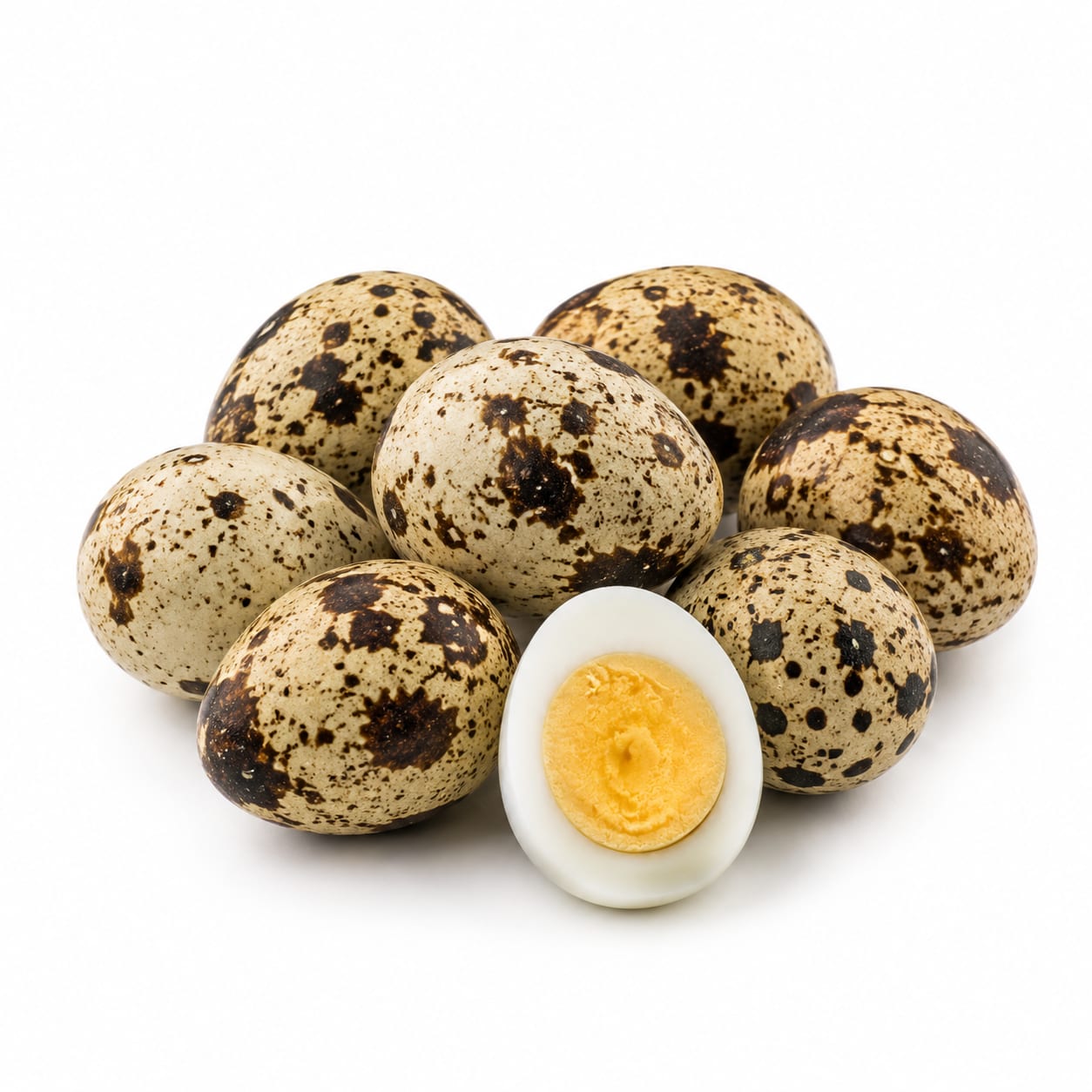
Poultry Egg
Quail Egg
A miniature, nutrient-dense poultry egg often used as a gourmet ingredient or portable high-protein snack.
A small, speckled egg produced by various species of quail, prized in many cuisines for its delicate flavor and gourmet presentation, often consumed whole due to its small size.
protein-dense animal food
Typical serving · 50g
Common varieties · coturnix quail egg, bobwhite quail egg, japanese quail egg, manchurian golden quail egg
Overall context score across nutrition, safety, and diet fit
At a glance
Quick facts
Simple indicators based on nutrition, processing, and diet fit.
The story
What makes it unique
Quail eggs are fast-digesting, high-biological-value protein sources with a macronutrient profile rich in fats and complete proteins. They provide strong satiety relative to their volume and contain zero carbohydrates, resulting in no glycemic response. As an unprocessed whole food, they retain their native micronutrient matrix and bioavailability.
Varieties: coturnix quail egg · bobwhite quail egg · japanese quail egg · manchurian golden quail egg
Per 100g
Nutrition breakdown
Macro balance and key metrics at a glance.
Energy
Density 1.58 kcal/g
Protein
Carbs
Fat
Fiber
Sugar
0.4 g
Sodium
141 mg
Potassium
132 mg
Glycemic index
0
Glycemic load
0
Water content
74%
Standout compounds
Nutrient highlights
Vitamin B12
highEssential for nerve function, DNA synthesis, and red blood cell formation.
Selenium
highActs as a powerful antioxidant and supports thyroid hormone metabolism.
Riboflavin (Vitamin B2)
highCrucial for cellular energy production and metabolizing fats and drugs.
Choline
moderateSupports brain health, memory, and cell membrane structure.
Iron
moderateNecessary for oxygen transport in the blood and energy production.
Wellness map
Health scores & processing
NOVA processing scale
unprocessed · Whole food
Whole, natural animal product harvested directly from quail with no additional processing or additives.
Diet compatibility
- Weight loss
- Muscle gain
- Diabetes
- Gut health
- Low carb
- High protein
- Heart health
Relative standing
Food rankings
Qualitative ranks compared to similar whole foods.
- Satietygood
- Blood sugarexcellent
- Nutrient densityexcellent
- Fitness fuelgood
- Processing qualityexcellent
Eat with confidence
Food safety profile
Quail eggs are generally safe when cooked thoroughly. While historically believed to be free of Salmonella due to higher body temperature in quails, modern outbreaks confirm they can carry the bacteria. Pasteurized versions are safer for raw applications.
Evidence confidence 85%
- Pesticideslow
- Antibioticslow
- Heavy metalslow
- Contaminationmoderate
Watch for
- salmonella
- avian influenza
Safer choices
Pasteurized quail eggs for raw or lightly cooked preparations.
Prep tips
Cook thoroughly until the white and yolk are firm. If boiling, simmer for 3-4 minutes. Store in the refrigerator and wash hands after handling shells.
Similar to chicken eggs, raw or undercooked quail eggs pose a risk of Salmonella contamination. Commercially farmed quail in regulated environments have lower risk.
Deep dive
Health analysis
How this food may fit different goals and preparation choices.
Weight loss
Their high protein and fat content promotes satiety, but their low volume means eating multiple eggs can quickly increase calorie intake. Portion control is essential.
Blood sugar
Contains virtually zero carbohydrates, resulting in no glycemic spike and excellent blood sugar stability.
Fitness & energy
Provides a dense source of complete protein and B vitamins, supporting muscle repair and energy metabolism, making them a convenient post-workout snack.
Gut health
Lacks dietary fiber, so they do not directly feed the gut microbiome. However, they are generally easy to digest for individuals without egg allergies.
Processing quality
A completely unprocessed whole food with a naturally intact micronutrient matrix and high bioavailability.
Food safety
Must be cooked thoroughly to mitigate the risk of Salmonella, which is present at moderate levels similar to other poultry eggs.
Common mistakes
Assuming they are hypoallergenic and safe for those with chicken egg allergies, or overconsuming them because of their small size, which can lead to excess calorie and cholesterol intake.
Best preparation
Soft-boiled, hard-boiled, or poached. Boiling is optimal for preserving nutrients while ensuring food safety without adding cooking fats.
Practical guide
Best use cases
When and how this food fits real eating patterns.
Gourmet appetizer
Their small size and elegant appearance make them perfect for upscale canapés, tapas, and presentation-focused dishes.
Portable post-workout snack
Hard-boiled quail eggs are a convenient, mess-free, high-protein snack to consume after exercise.
Low-carb breakfast addition
Ideal for ketogenic or low-carb diets, providing high-quality protein and fats with zero carbohydrates.
Balance sheet
Pros & cons
Upsides
- Highly nutrient-dense with essential vitamins and minerals
- Zero carbohydrates making them ideal for keto diets
- Complete protein source with all essential amino acids
- Convenient small size for snacking and portion control
- Richer yolk-to-white ratio offers a creamier texture
Trade-offs
- Expensive compared to chicken eggs per calorie
- Tedious to peel due to the hard inner membrane
- High in dietary cholesterol which may concern some individuals
- Small size can lead to overconsumption if eating mindlessly
- Cross-reactive allergen for those with chicken egg allergies
Fit check
Who is it for?
Great match
- low-carb diets
- keto diets
- post-workout recovery
- gourmet cooking
- high-volume low-calorie snacking
Consider alternatives
- strict low-fat diets
- budget-conscious eating
- vegans and strict vegetarians
- those with severe poultry or egg allergies
Side by side
How it compares
Open the full head-to-head analysis for nutrition, safety, and practical tradeoffs.
This food
Quail Egg
VS95% alike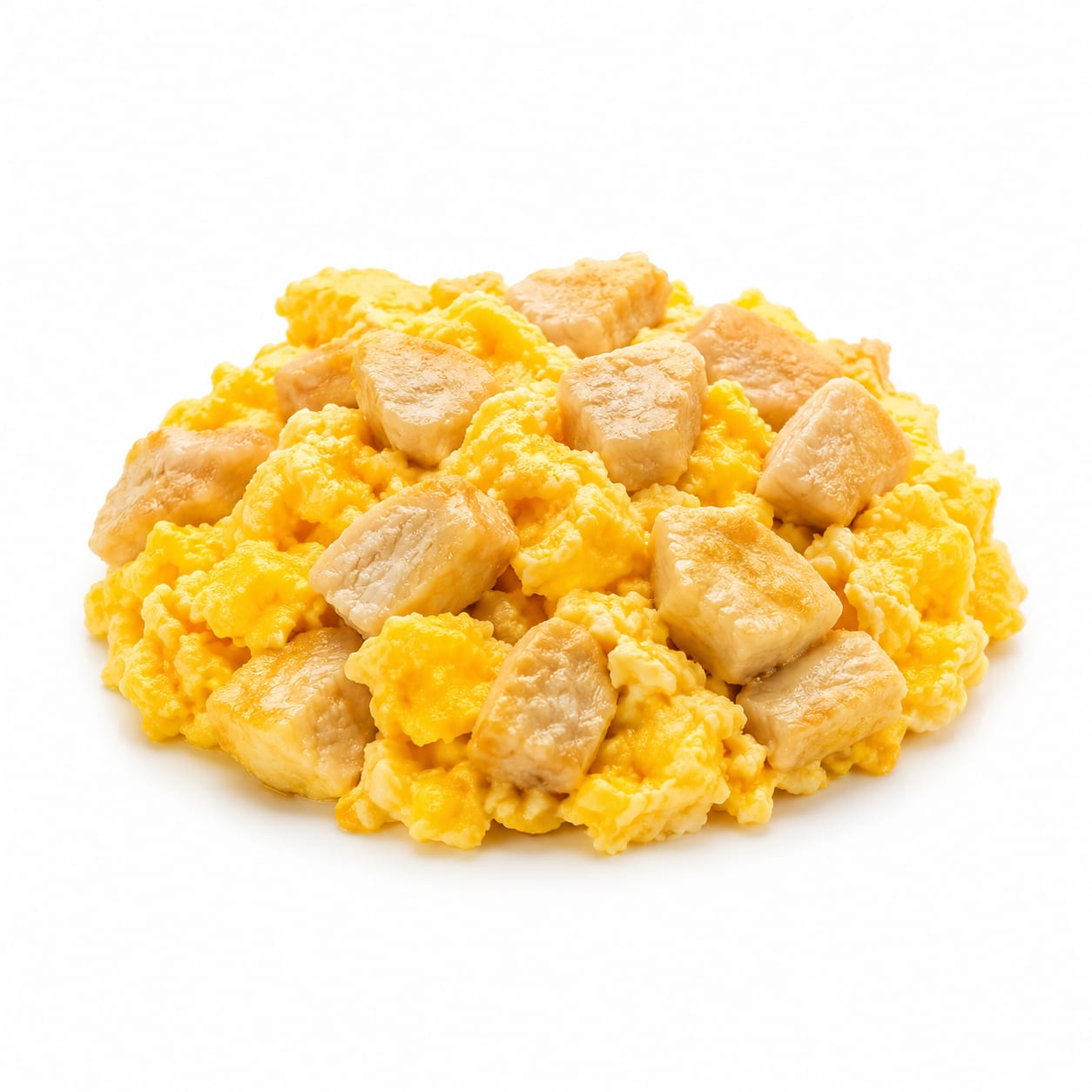
Compare with
Chicken Egg
Quail eggs are richer per gram in iron and B12, but chicken eggs are far more cost-effective and practical for everyday consumption.
Quail eggs offer more iron and B12 per gram, while chicken eggs provide better portion control and value for daily protein intake.
This food
Quail Egg
VS85% alike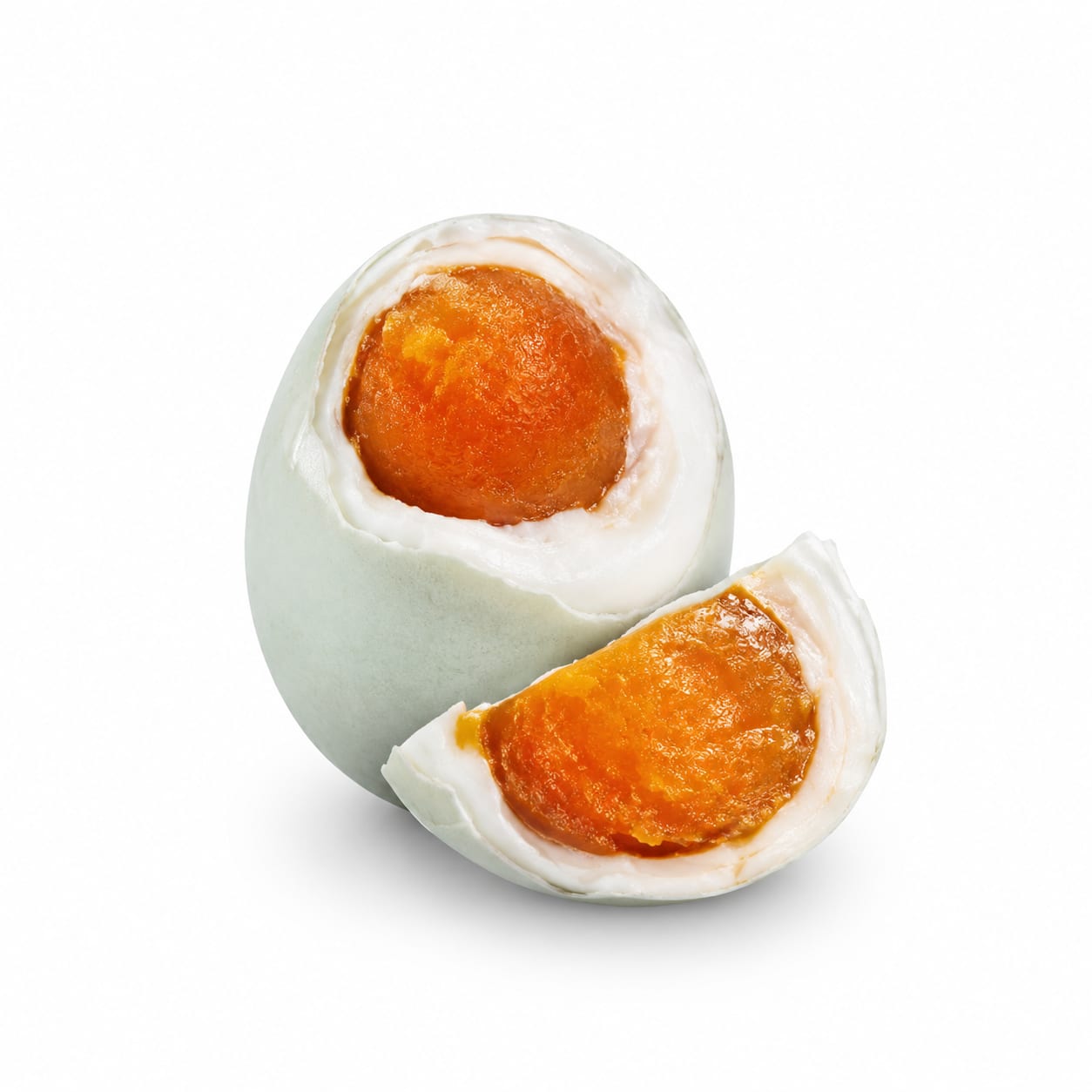
Compare with
Duck Egg
Duck eggs are much larger and higher in fat and calories, making quail eggs a lighter, more portion-friendly option.
Duck eggs provide more calories and fat for larger appetites, while quail eggs offer a lighter, bite-sized alternative with similar zero-carb benefits.
This food
Quail Egg
VS70% alike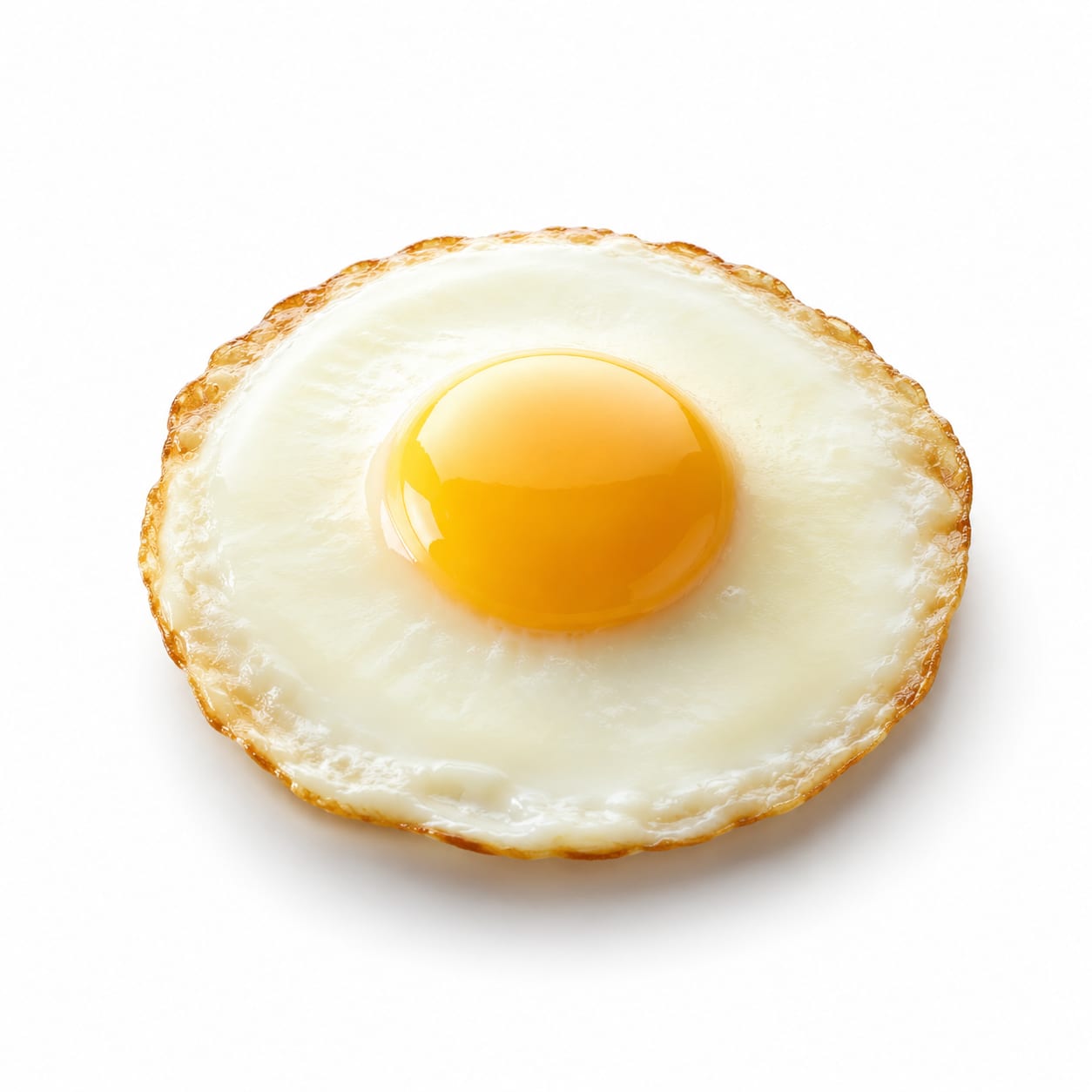
Compare with
Ostrich Egg
An ostrich egg equals roughly 24 chicken eggs, making quail eggs vastly superior for portion control and practical snacking.
Quail eggs are perfect for single-bite snacking, whereas a single ostrich egg is a massive caloric commitment best suited for large groups.
This food
Quail Egg
VS55% alike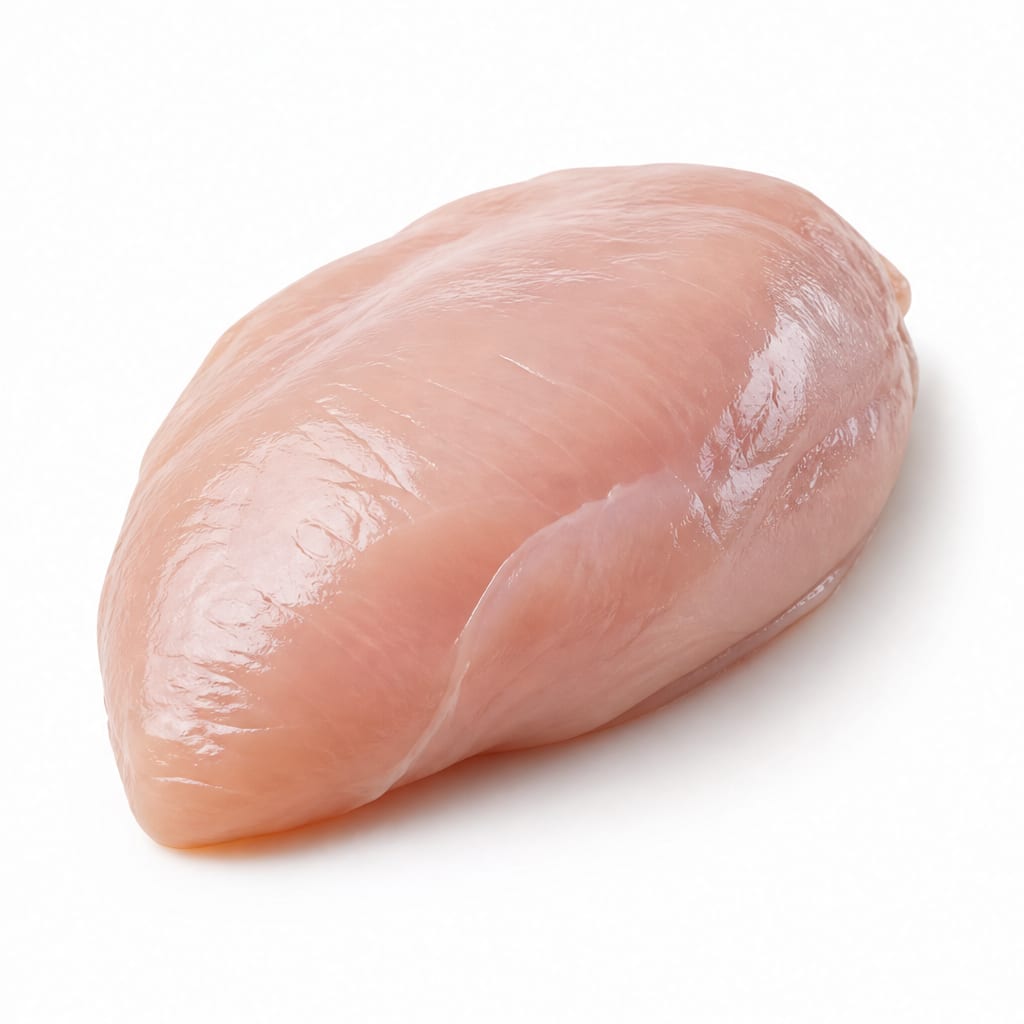
Compare with
Chicken Breast
Chicken breast provides significantly more protein with fewer calories and fat, making it better for strict weight loss, while quail eggs offer broader micronutrients.
Chicken breast is superior for lean protein and weight loss, while quail eggs provide a convenient, fat-rich protein source with more B vitamins.
This food
Quail Egg
VS50% alike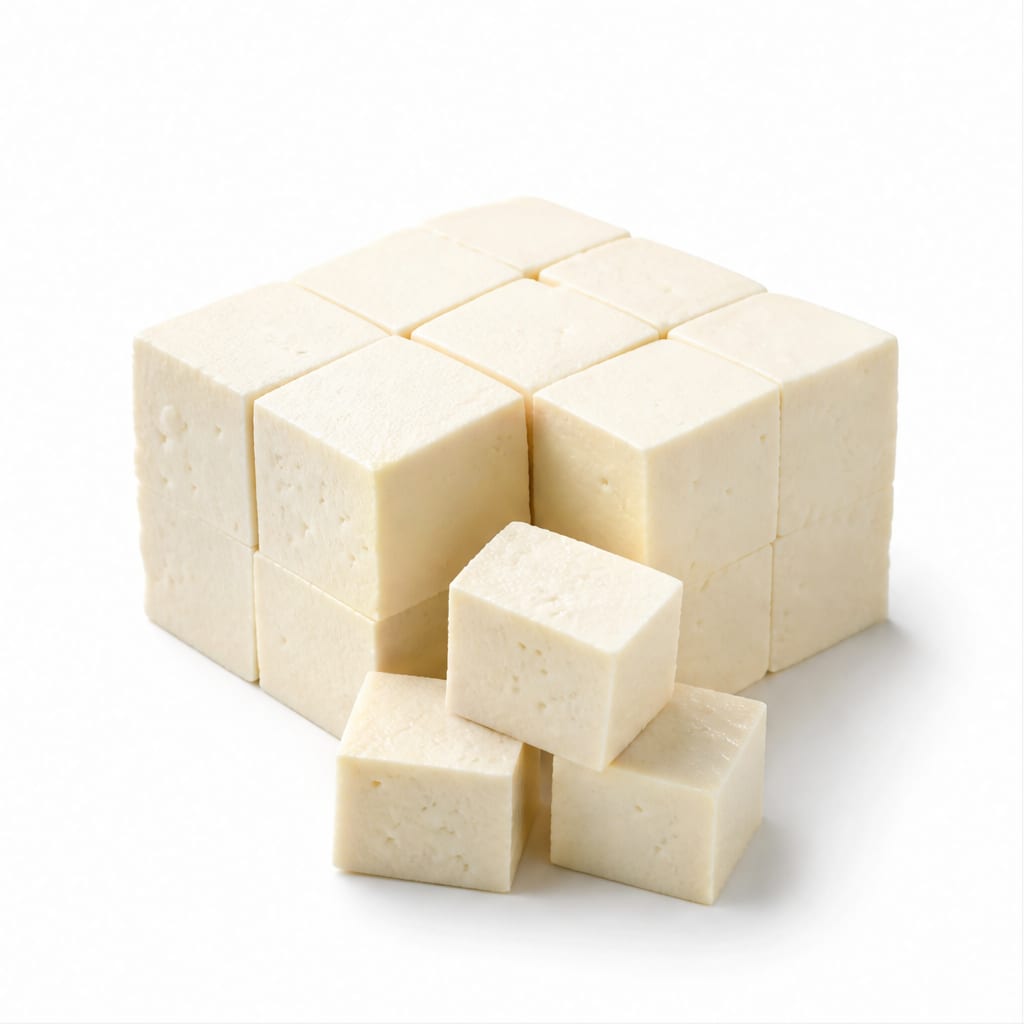
Compare with
Firm Tofu
Tofu is lower in calories and fat with some fiber, whereas quail eggs offer zero carbs and higher vitamin B12.
Tofu provides a low-calorie plant protein with fiber, while quail eggs deliver a zero-carb, vitamin-rich animal protein.
This food
Quail Egg
VS50% alike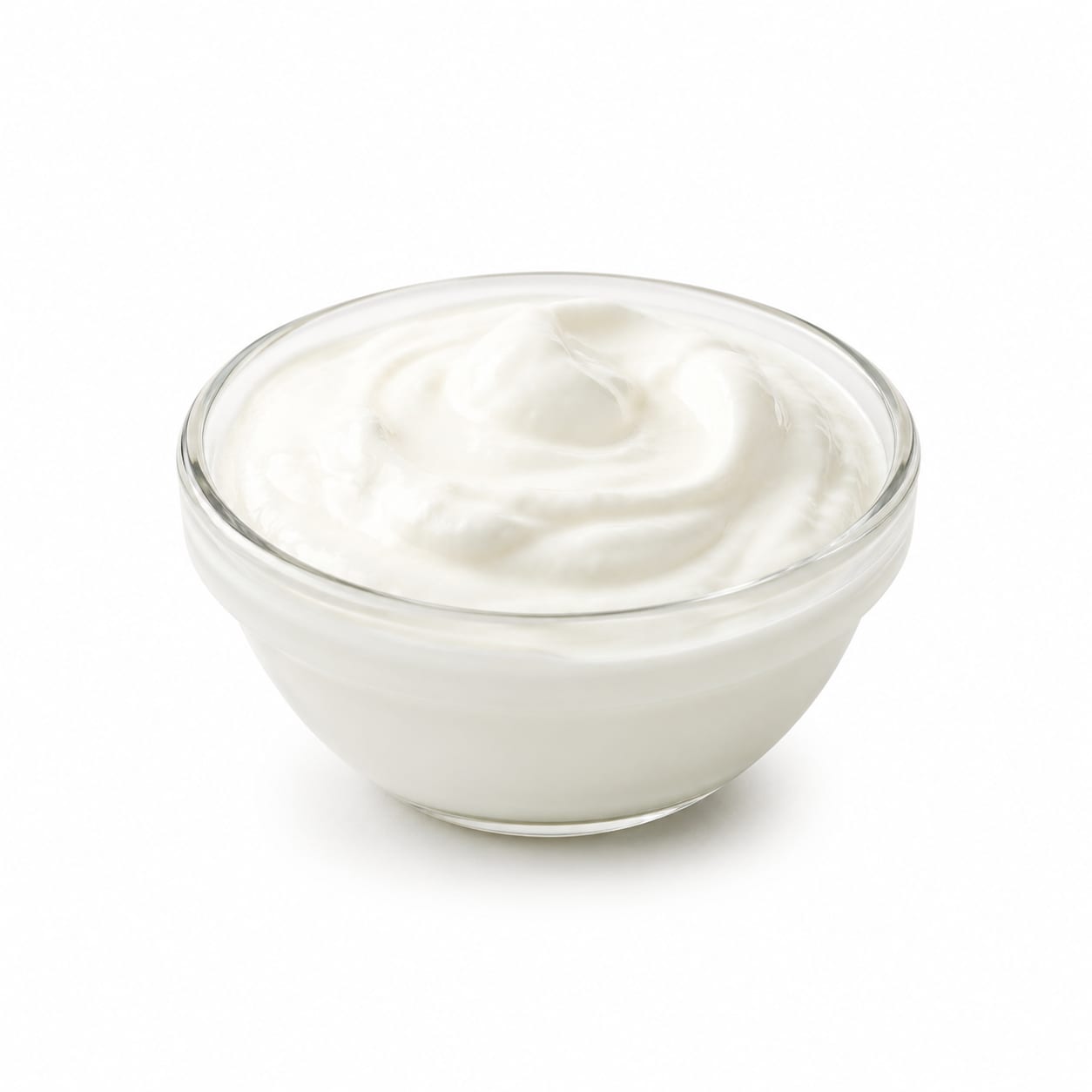
Compare with
Greek Yogurt
Greek yogurt provides probiotics and calcium with some carbs, while quail eggs are carb-free and richer in iron and B12.
Greek yogurt is better for gut health and calcium, while quail eggs are strictly zero-carb and better for blood sugar control.
This food
Quail Egg
VS50% alike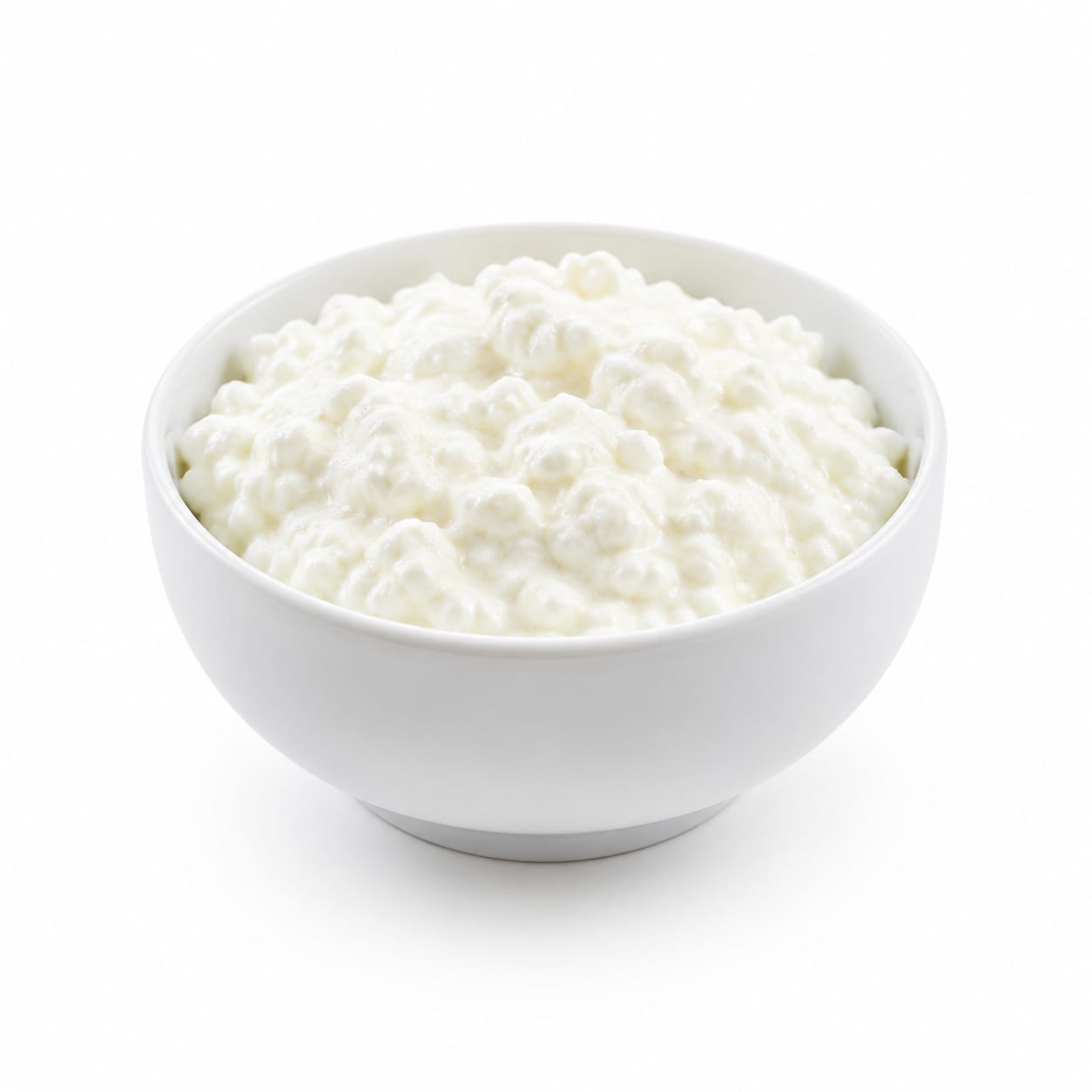
Compare with
Cottage Cheese
Cottage cheese offers slow-digesting casein protein, while quail eggs provide a more nutrient-dense, zero-carb whole food snack.
Cottage cheese is higher in protein per calorie, but quail eggs win for zero-carb, blood-sugar-friendly snacking.
This food
Quail Egg
VS45% alike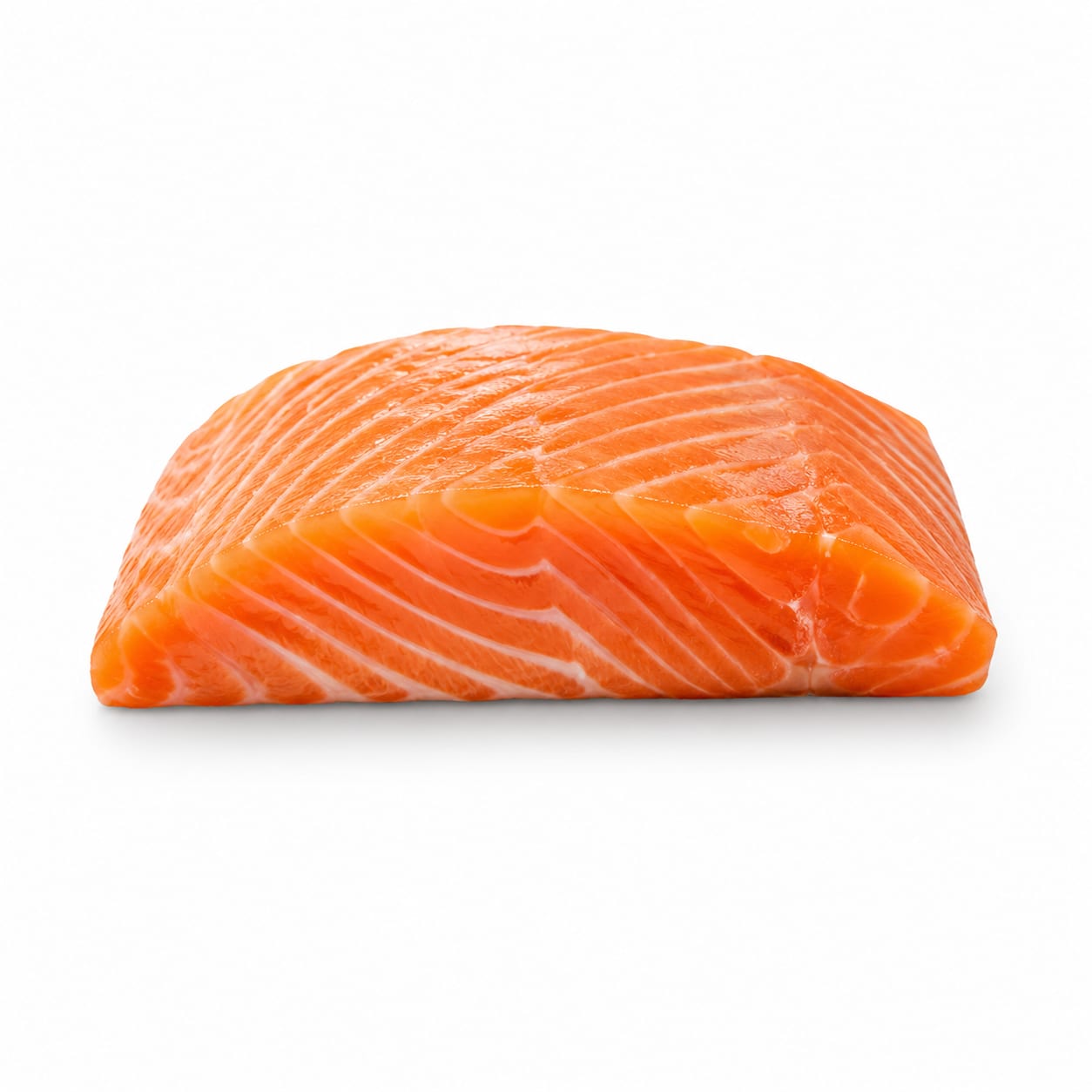
Compare with
Salmon
Salmon provides abundant omega-3 fatty acids, while quail eggs are a more convenient, shelf-stable snack with less overall fat.
Salmon is superior for heart-healthy omega-3s and meal satiety, while quail eggs serve as a convenient, bite-sized protein snack.
This food
Quail Egg
VS40% alike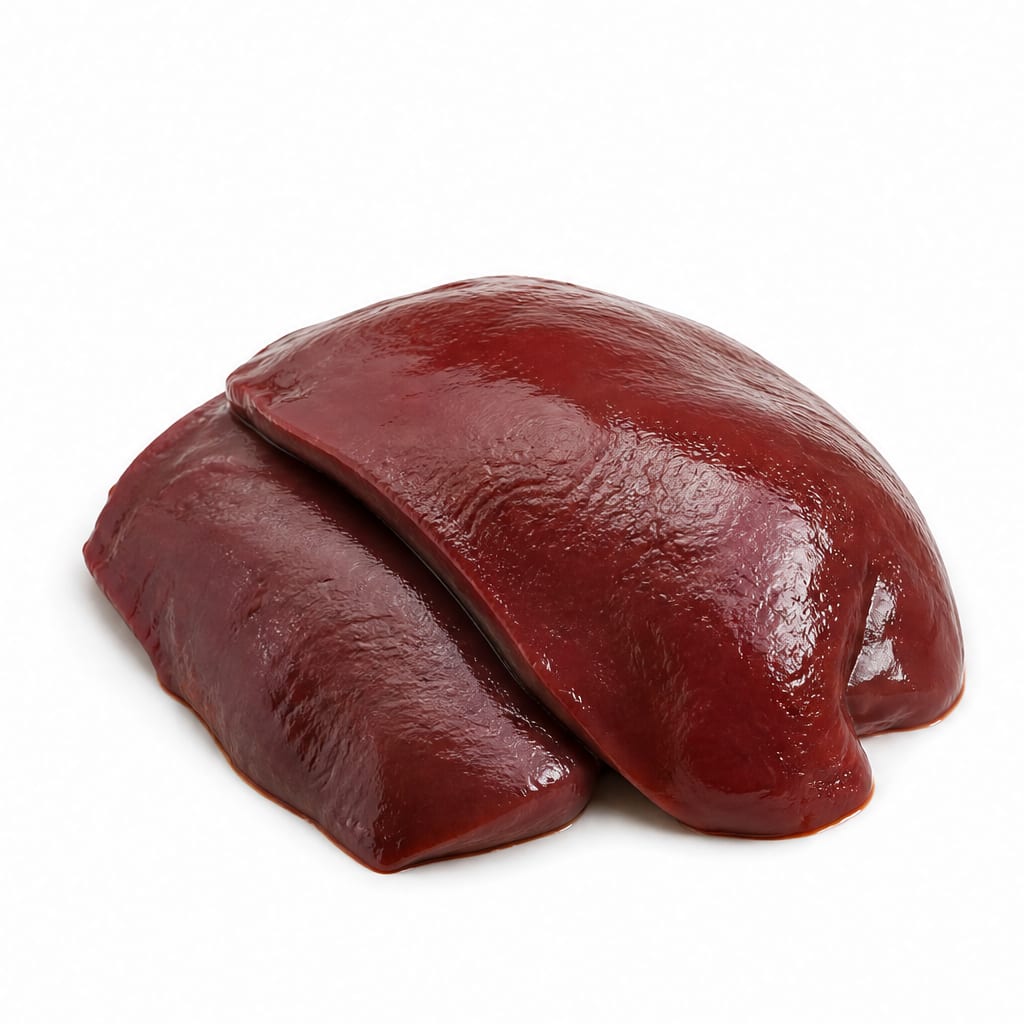
Compare with
Beef Liver
Beef liver is the ultimate micronutrient powerhouse but is an acquired taste, whereas quail eggs are milder and easier to consume regularly.
Beef liver offers unmatched vitamin A and copper, while quail eggs provide a milder, more palatable source of B12 and selenium.
This food
Quail Egg
VS45% alike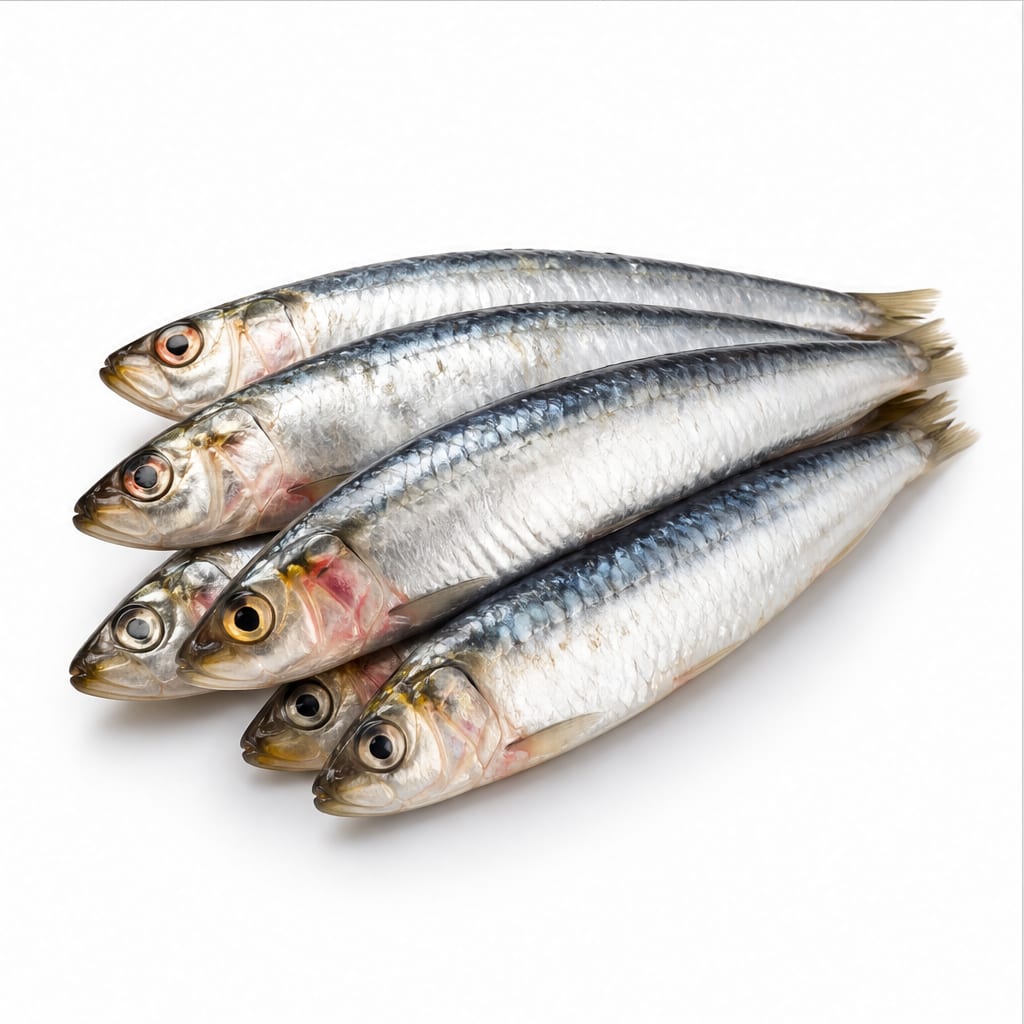
Compare with
Sardines
Sardines provide calcium and omega-3s, while quail eggs offer a milder flavor and zero-carb protein without the fishy taste.
Sardines are better for omega-3s and bone health, while quail eggs are a neutral-flavored, zero-carb alternative for snacking.
Common questions
FAQ
Answers aligned with how people search for this food.
Are quail eggs healthier than chicken eggs?
Quail eggs are slightly more nutrient-dense per gram, offering more iron, riboflavin, and vitamin B12 than chicken eggs. However, both are highly nutritious, and the small serving size of quail eggs means you must eat several to achieve the same total nutrient intake as one chicken egg.
Can you eat quail eggs raw?
It is not recommended to eat raw quail eggs. Despite a historical belief that quail eggs are immune to Salmonella, they can still carry harmful bacteria. Always cook them thoroughly to ensure food safety.
Are quail eggs safe for people with chicken egg allergies?
Not necessarily. Quail eggs contain similar proteins to chicken eggs, and cross-reactivity is common. Many individuals allergic to chicken eggs will also react to quail eggs. Consult an allergist before trying them as an alternative.
How many quail eggs equal one chicken egg?
Approximately 3 to 5 quail eggs equal the volume and nutritional content of one standard large chicken egg.
Do quail eggs have cholesterol?
Yes, quail eggs contain a significant amount of cholesterol, even slightly more per gram than chicken eggs. However, for most healthy individuals, dietary cholesterol has a minimal impact on blood cholesterol levels compared to saturated fats.
Are quail eggs good for weight loss?
They can be beneficial due to their high protein content which promotes satiety. However, they are calorie-dense for their size, so monitoring portion sizes is important to avoid overconsumption.
What do quail eggs taste like?
Quail eggs taste very similar to chicken eggs but are often described as slightly richer and creamier due to a higher yolk-to-white ratio.
How do you peel quail eggs easily?
The best method is to boil them, then immediately transfer them to an ice bath. Once cooled, roll them gently on a hard surface to crack the shell and peel under running water to help separate the membrane.
Transparency
Data confidence
Estimated confidence for nutrition data, interpretation, safety notes, and comparisons.
Nutrition data
Health analysis
Food safety
Comparisons