
Nutrition comparison
Duck Egg vs Quail Egg: Nutrition, Cholesterol & Health Comparison
Comparing duck eggs and quail eggs? Discover the key differences in cholesterol, protein, and calories to find out which egg is healthier for your diet.
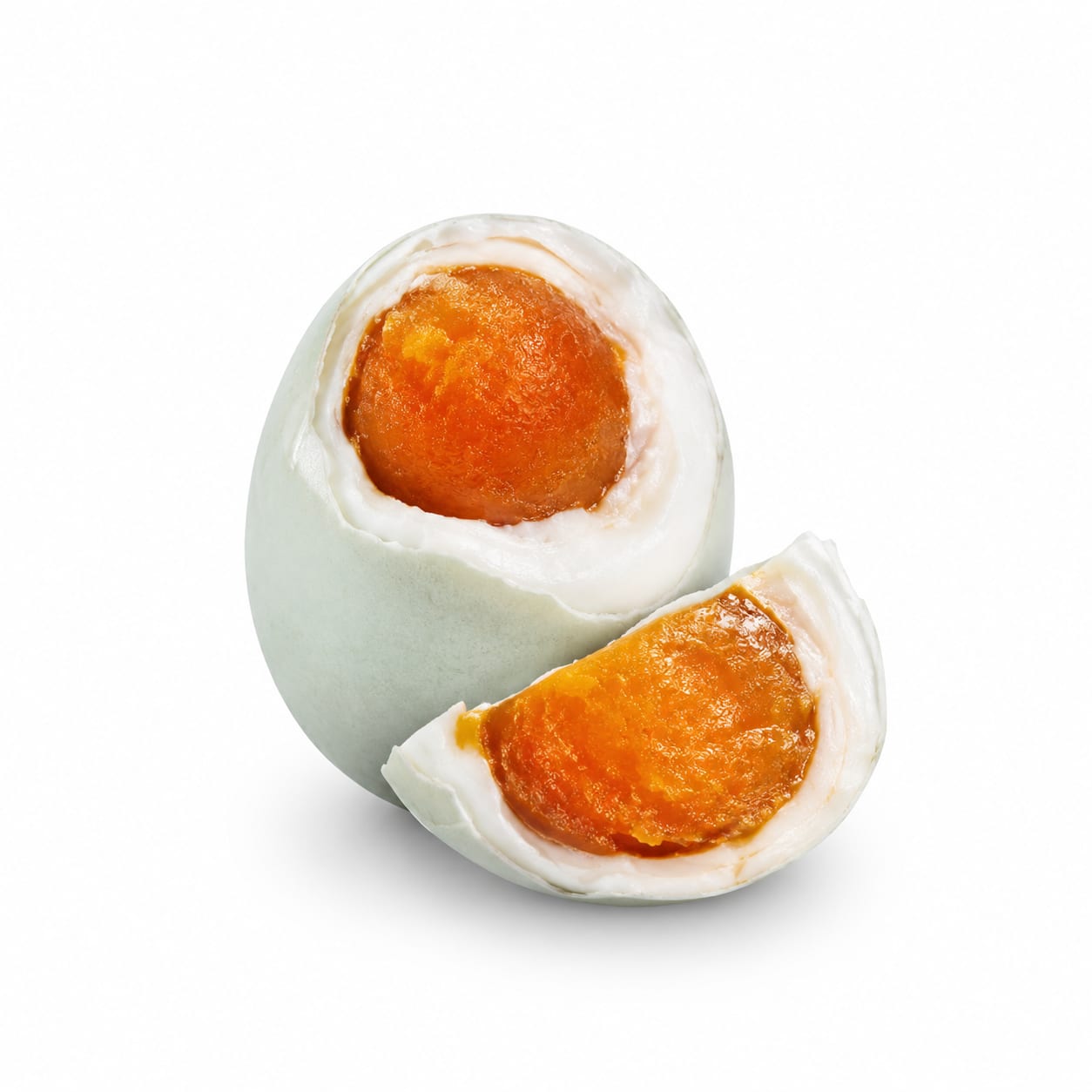
Duck Egg
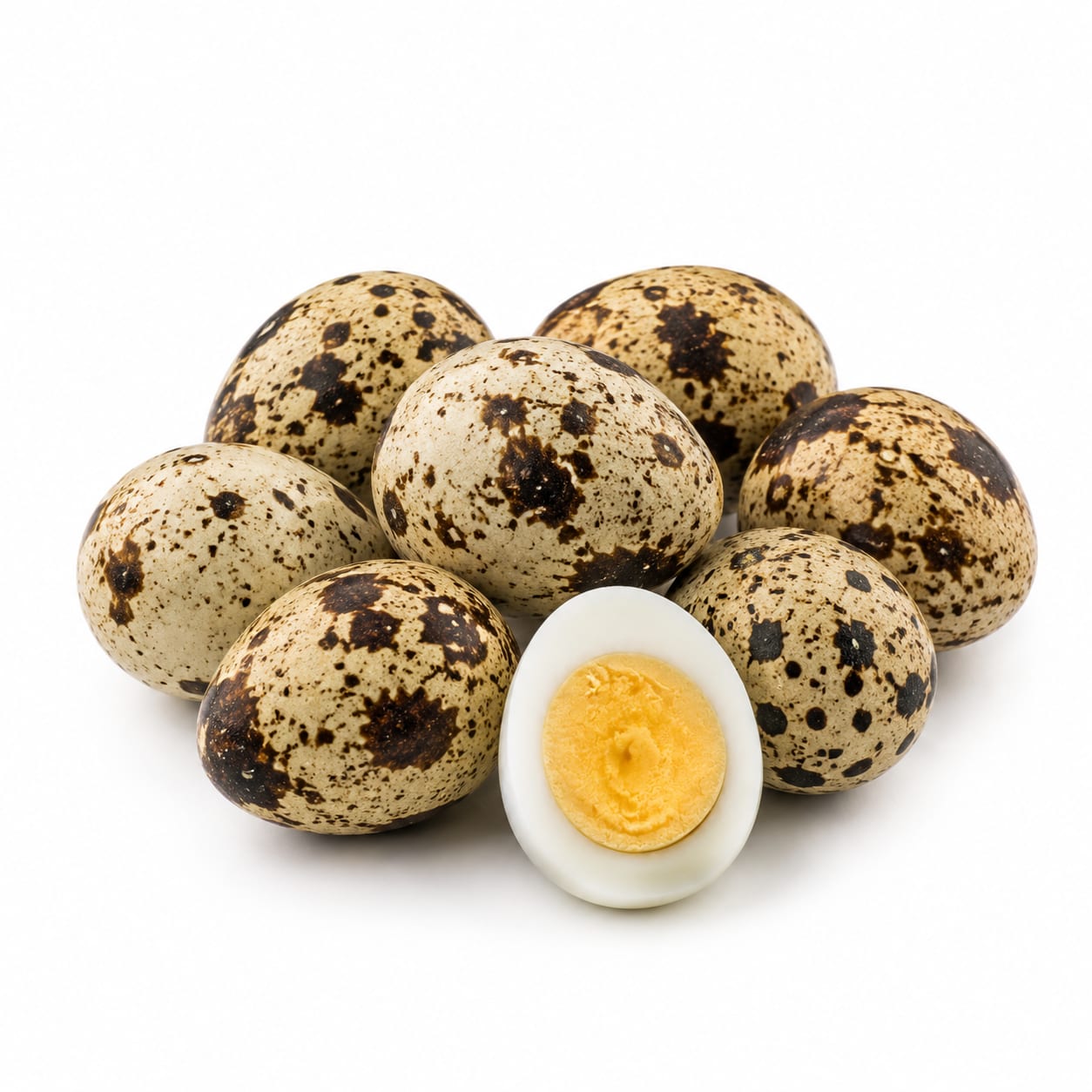
Quail Egg
Duck eggs are rich, nutrient-dense powerhouses, while quail eggs offer delicate portion control and lighter eating.
Quail eggs score slightly higher due to easier portion control and lower cholesterol, making them more versatile for daily diets. Duck eggs are nutritionally superior per egg but their density makes them harder to eat frequently without overconsuming fat and calories.
You trade the high protein and rich texture of a duck egg for the lower calorie and cholesterol-friendly flexibility of quail eggs.
At a glance
Executive summary
Overall
It depends
Healthier
It depends
More practical
Quail Egg
Daily use
Quail Egg
Key comparison lenses
Cholesterol and heart health impact
Duck eggs contain significantly more cholesterol than quail eggs, making heart health a primary concern for comparison.
Protein intake and muscle building
Users comparing eggs often care about protein density, where duck eggs offer a much larger serving per egg.
Portion control and calorie management
Quail eggs offer built-in portion control due to their tiny size, while duck eggs are calorie-dense.
Culinary use and convenience
Cracking and peeling differences make a big real-world impact on which egg people actually reach for.
Best choice for
Duck Egg
- Bodybuilders needing high protein in a single serving
- Bakers wanting richer, fluffier pastries
- People on keto or low-carb diets needing higher fat
Quail Egg
- People monitoring their cholesterol closely
- Those wanting a light protein snack without overeating
- Parents introducing eggs to toddlers in bite-sized portions
Least suitable for
Duck Egg
- People with high cholesterol or heart disease risk
- Those counting calories who struggle with portion control
- Anyone wanting a quick, light breakfast
Quail Egg
- Athletes needing large protein amounts without eating dozens of eggs
- Those on a tight food budget since quail eggs are expensive per calorie
- People who find peeling tiny eggs frustrating
Deep comparison
Dimension by dimension
Each lens scores both foods and breaks down who each option suits.
- Dimension 1 · Priority 90Duck Egg
Protein & Muscle Building
Duck Egg · 92Quail Egg · 65A single duck egg delivers about 9 grams of protein, whereas a quail egg only offers about 1.2 grams.
Tradeoff
You would need to eat 7 to 8 quail eggs to match the protein of one duck egg, which is tedious and expensive.
Why it matters
For muscle recovery or staying full, getting enough protein in one sitting is much easier with a duck egg.
Real-world impact
After a workout, one duck egg gets you noticeably closer to your protein goal than a couple of quail eggs.
Duck Egg
- Post-workout recovery meals
- High-protein breakfasts without eating large volumes
Better for
- Situations where you want a very light pre-workout snack
Worse for
Quail Egg
- Light snacking where you only need a tiny protein boost
Better for
- Anyone needing 20+ grams of protein without eating a mountain of eggs
Worse for
- Dimension 2 · Priority 88Quail Egg
Cholesterol & Heart Health
Duck Egg · 45Quail Egg · 85Duck eggs contain nearly double the cholesterol of a chicken egg, while quail eggs have much less per serving.
Tradeoff
Duck eggs provide healthy fats but pack a heavy cholesterol load, whereas quail eggs let you enjoy eggs without stressing your daily limits.
Why it matters
If you are watching your heart health or have been told to limit dietary cholesterol, duck eggs can quickly use up your daily budget.
Real-world impact
Eating two duck eggs for breakfast puts you over 100% of the daily cholesterol limit, while quail eggs keep you well within safe margins.
Duck Egg
- Keto dieters who prioritize fat intake over cholesterol concerns
Better for
- Daily breakfasts for cholesterol-sensitive individuals
Worse for
Quail Egg
- Older adults managing heart health
- People with a family history of high cholesterol
Better for
- Situations where you need dense, sustained energy from fats
Worse for
- Dimension 3 · Priority 82Quail Egg
Portion Control & Calorie Density
Duck Egg · 50Quail Egg · 90A duck egg has about 130 calories, while a quail egg has only 14 calories, making it effortless to control intake.
Tradeoff
Duck eggs are filling but calorie-heavy, while quail eggs let you add protein to a meal without significantly increasing calories.
Why it matters
It is easy to accidentally overeat calories with large, rich eggs, but quail eggs naturally prevent this.
Real-world impact
Tossing a few quail eggs into a salad adds protein without turning a light lunch into a heavy meal.
Duck Egg
- Heavy laborers or highly active people needing calorie-dense fuel
Better for
- Late-night snacking where you want something light
Worse for
Quail Egg
- Weight loss diets requiring strict calorie tracking
- Adding aesthetic garnishes to dishes
Better for
- Hiking or camping where you need maximum calories per ounce
Worse for
- Dimension 4 · Priority 75Duck Egg
Micronutrient Density
Duck Egg · 88Quail Egg · 80Duck eggs provide more B vitamins, iron, and selenium per egg, though quail eggs are surprisingly nutrient-dense for their size.
Tradeoff
You get a larger absolute dose of vitamins from one duck egg, but quail eggs offer excellent nutrition relative to their tiny calories.
Why it matters
If you need to correct a nutrient deficiency, a duck egg gets you there faster with a single serving.
Real-world impact
Eating a duck egg gives you a substantial chunk of your daily B12, helping with energy levels more effectively than a single quail egg.
Duck Egg
- Pregnant women needing high iron and B12 in compact meals
- Those recovering from illness needing nutrient-dense foods
Better for
- Those who only need a small nutrient top-up without the heavy calories
Worse for
Quail Egg
- Light eaters who want high nutrient density per calorie
Better for
- Situations requiring large absolute amounts of iron or B12
Worse for
- Dimension 5 · Priority 70Duck Egg
Culinary Convenience
Duck Egg · 80Quail Egg · 55Duck eggs are easy to crack and cook like chicken eggs, while quail eggs are tedious to peel and require many more shells for a meal.
Tradeoff
Duck eggs save time in the kitchen, but quail eggs offer a unique, delicate presentation for specialty dishes.
Why it matters
If you are in a rush on a Tuesday morning, cracking one duck egg is far less frustrating than peeling a dozen quail eggs.
Real-world impact
Making an omelet with quail eggs takes significantly longer and creates more waste, while a duck egg omelet is ready in minutes.
Duck Egg
- Quick weekday breakfasts
- Baking recipes requiring standard egg-to-yolk ratios
Better for
- Dishes requiring tiny, bite-sized egg portions
Worse for
Quail Egg
- Gourmet dinner parties for visual appeal
- Tapas or appetizer platters
Better for
- Meal prepping in bulk
- Baking where cracking 20 tiny eggs is impractical
Worse for
Timeline
Health impact over time
Short-term
Hours to days
Duck Egg
- High fat and protein content provides long-lasting fullness and sustained energy
- Richness can feel heavy on the stomach if you are not used to it
Quail Egg
- Light on the stomach, making them a comfortable snack
- Will not provide sustained energy on their own due to tiny portion size
Long-term
Months to years
Duck Egg
- Frequent consumption could raise cholesterol levels in sensitive individuals
- Excellent for maintaining muscle mass and preventing nutrient deficiencies if eaten in moderation
Quail Egg
- Easier to include regularly without negatively impacting heart health
- Helps maintain a balanced diet without excessive calorie intake
Risk profile
Safety & processing
Both duck eggs and quail eggs are whole, natural foods with virtually no processing or artificial additives when bought fresh.
Duck Egg
Salmonella contamination
mediumLike all poultry eggs, duck eggs must be cooked thoroughly to avoid foodborne illness, especially since they are often sold from smaller farms.
Quail Egg
Salmonella contamination
lowQuail eggs have a slightly lower risk of salmonella due to the bird's higher body temperature, but they should still be cooked properly for safety.
Who wins for whom
Audience fit
Same foods, different winners depending on your goal.
children
Quail EggQuail eggs are bite-sized, fun to eat, and less likely to overwhelm a small appetite, making them perfect for toddlers and kids.
daily consumption
Quail EggBecause they are lower in cholesterol and calories, quail eggs are safer and easier to eat every day without health tradeoffs.
diabetes
Quail EggQuail eggs offer a lighter, lower-calorie option that will not heavily spike fat intake, making insulin management easier.
elderly
Quail EggQuail eggs are gentler on the digestive system and much lower in cholesterol, aligning better with heart health needs in older age.
muscle gain
Duck EggDuck eggs provide significantly more protein and calories per egg, which is essential for building and repairing muscle.
weight loss
Quail EggQuail eggs make it incredibly easy to control calories and add light protein to meals without overdoing it.
Your move
Decision guide
Choose Duck Egg
- You need a heavy, filling breakfast to power through a physically demanding morning
- You are baking and want the richest, fluffiest texture possible
- You are on a keto diet and actively seeking high-fat whole foods
Choose Quail Egg
- You want a light protein topping for a salad or soup
- Your doctor has told you to watch your cholesterol
- You are meal-prepping light snacks for the week
Either works if
- You just want a high-quality protein source and can adjust the quantity to match your macros
- You are making a charcuterie board and want variety
Avoid both if
- You have a severe egg allergy or egg protein intolerance
Final recommendation
Let your health goals guide you. If you need dense nutrition and heavy fuel, go for a duck egg. If you want everyday flexibility, heart-healthiness, and light eating, quail eggs are the smarter choice.
Practical
Consumer tips
- 1
About 3 to 4 quail eggs equal the volume of one chicken egg, while one duck egg equals roughly one large chicken egg plus a yolk.
- 2
Duck eggs have larger, richer yolks that make baked goods incredibly fluffy and moist.
- 3
To peel quail eggs easily, roll them gently on the counter after boiling, then peel under running water.
- 4
If you find duck eggs too heavy, try mixing one duck egg with a couple of quail eggs for a balanced texture and flavor.