
Nutrition comparison
Quail Eggs vs Sardines: Which Is Healthier and Why It Is Not Close
Quail eggs are a delicacy with solid nutrition, but sardines dominate on omega-3s, calcium, and value. Here is exactly when to choose each.
Overall winner · Sardines
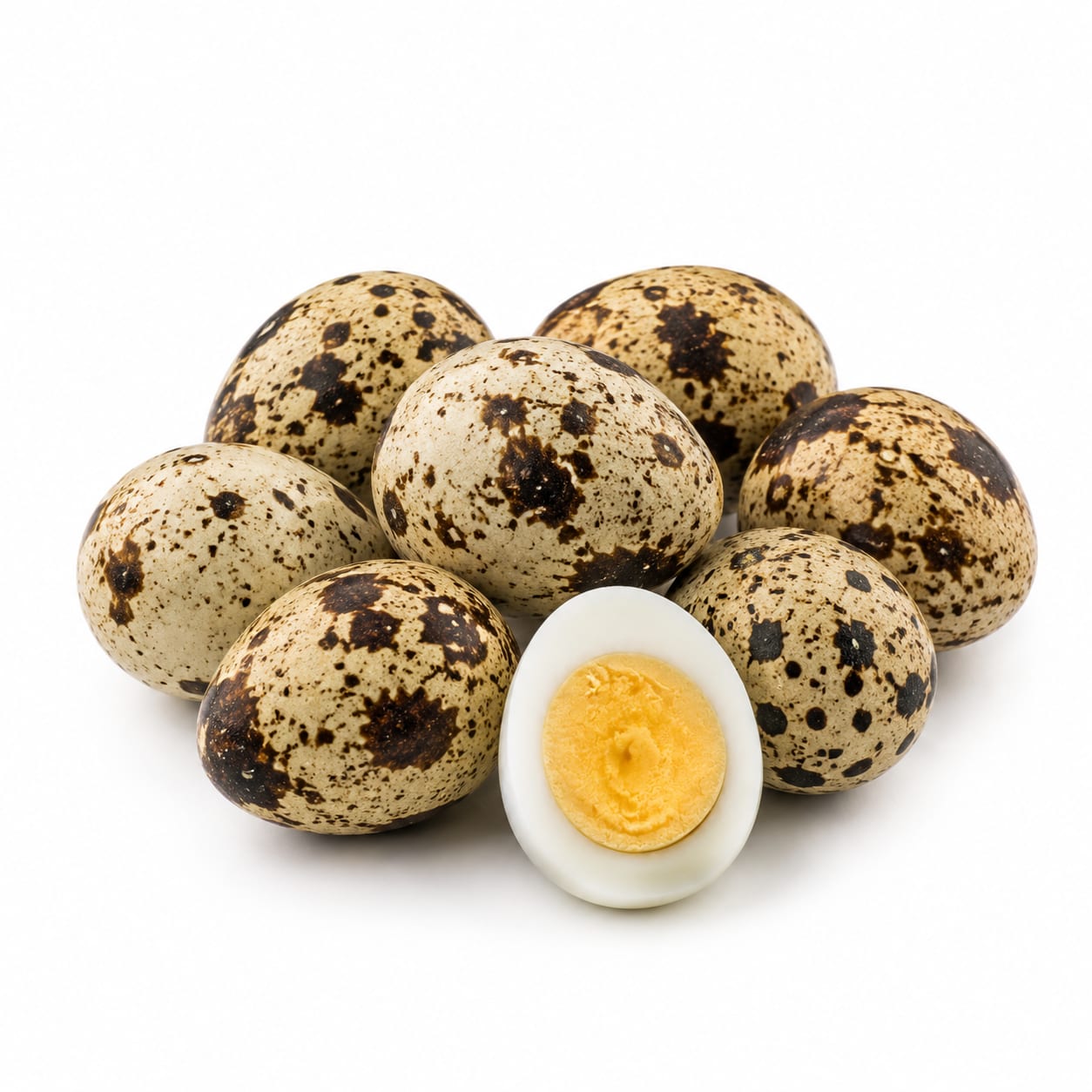
Quail Egg
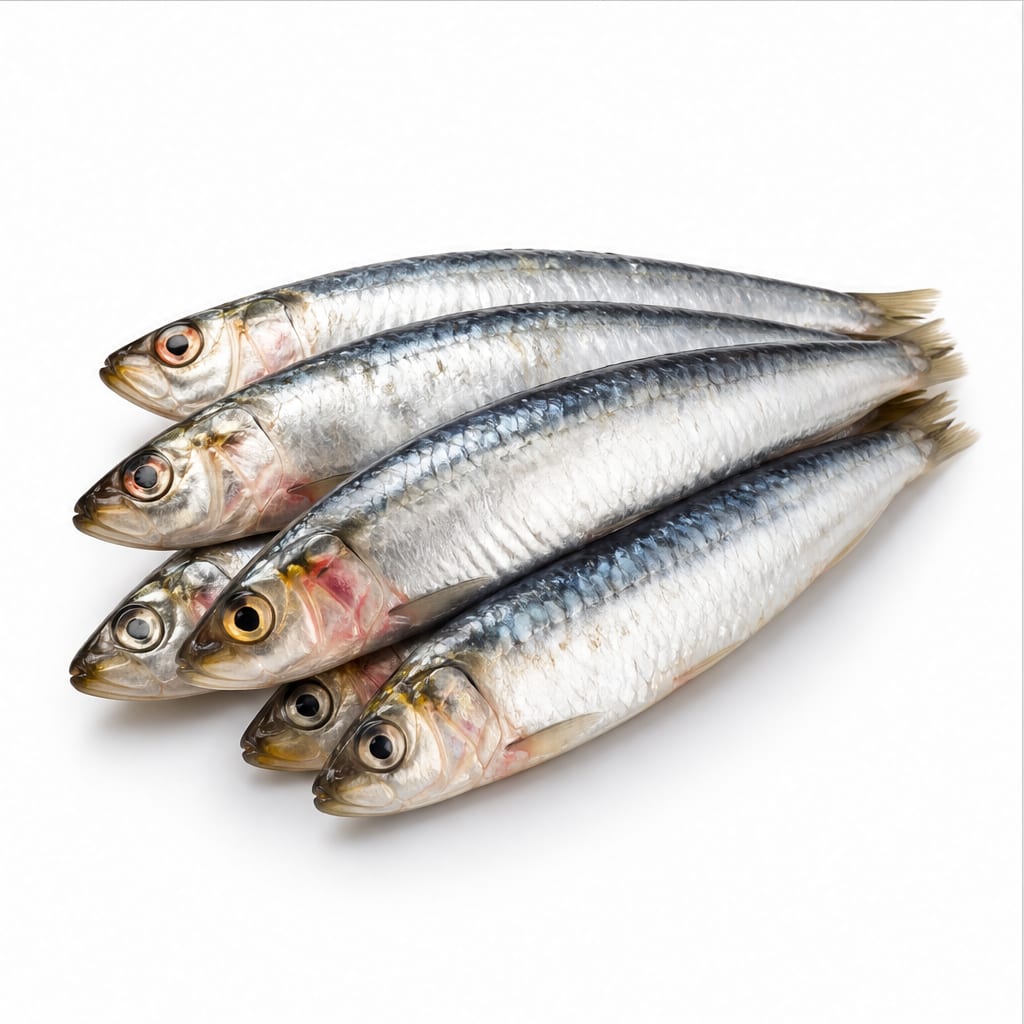
Sardines
Sardines deliver far more health impact per bite thanks to omega-3s, calcium, and vitamin D, while quail eggs are a delicacy with solid nutrition but no standout super-nutrient.
Sardines score significantly higher because their omega-3, calcium, and vitamin D content addresses major nutritional gaps most people have. Quail eggs are nutritious but overlap heavily with cheaper chicken eggs without offering a compelling unique benefit.
Sardines win on heart and bone health by a wide margin; quail eggs win on culinary versatility and milder flavor, but cost more and do less heavy lifting nutritionally.
At a glance
Executive summary
Overall
Sardines
Healthier
Sardines
More practical
Sardines
Daily use
Sardines
Key comparison lenses
omega-3 and heart health comparison
Sardines are one of the richest omega-3 sources available; quail eggs have virtually none, making this the starkest nutritional divide
protein quality and completeness
Both are premium protein sources but with different amino acid profiles and digestibility
bone and mineral density support
Sardines with bones deliver exceptional calcium and vitamin D; quail eggs offer selenium and B vitamins instead
practicality and everyday accessibility
Canned sardines are shelf-stable and ready to eat; quail eggs require sourcing, storing, and cooking
allergen and sensitivity considerations
Some people with chicken egg allergies tolerate quail eggs; sardines avoid egg allergens entirely but introduce fish allergies
Best choice for
Quail Egg
- People with chicken egg allergies seeking an alternative
- Those wanting a gentle, easy-to-digest protein for recovery meals
- Culinary enthusiasts exploring gourmet or delicate ingredients
- Anyone avoiding fish due to taste, allergy, or vegetarian-adjacent diets
Sardines
- People prioritizing heart and brain health through omega-3s
- Those needing calcium and vitamin D without dairy
- Budget-conscious eaters seeking maximum nutrition per dollar
- Anyone wanting shelf-stable, ready-to-eat protein
Least suitable for
Quail Egg
- People needing omega-3s from food sources
- Budget-conscious households (quail eggs are expensive)
- Those wanting convenient, grab-and-go nutrition
- Anyone expecting a dramatic nutritional upgrade over chicken eggs
Sardines
- People with fish allergies
- Those sensitive to strong flavors or smells
- Anyone on a low-sodium diet eating canned varieties
- Diners who find whole small fish visually unappealing
Deep comparison
Dimension by dimension
Each lens scores both foods and breaks down who each option suits.
- Dimension 1 · Priority 95Sardines
omega-3 and anti-inflammatory impact
Quail Egg · 5Sardines · 97Sardines are an omega-3 powerhouse; quail eggs have essentially zero.
Tradeoff
You cannot get meaningful EPA or DHA from quail eggs. If reducing inflammation or supporting heart and brain health is a priority, sardines are in a different league entirely.
Why it matters
Most people are deficient in omega-3s, and this gap drives chronic inflammation, poor heart outcomes, and cognitive decline over time.
Real-world impact
Eating sardines twice a week can meaningfully shift your omega-3 index within months. Quail eggs cannot move that needle regardless of quantity.
Quail Egg
- Anyone already meeting omega-3 needs through supplements or other fish
Better for
- Relying on quail eggs for any anti-inflammatory benefit
Worse for
Sardines
- People with inflammatory conditions
- Anyone concerned about heart disease risk
- Older adults wanting cognitive protection
- Those who do not take fish oil supplements
Better for
- People on blood thinners who must limit omega-3 intake
Worse for
- Dimension 2 · Priority 80Sardines
bone health and mineral density
Quail Egg · 35Sardines · 92Bone-in sardines deliver calcium and vitamin D in a highly absorbable form. Quail eggs offer modest selenium but lack the bone-building duo.
Tradeoff
A single serving of sardines with bones provides roughly a third of daily calcium needs. You would need to eat dozens of quail eggs to approach that, which is impractical and expensive.
Why it matters
Bone density declines silently after age 30. Getting calcium from food rather than supplements is linked to better outcomes and fewer kidney stone risks.
Real-world impact
Replacing a dairy serving with sardines covers your calcium and vitamin D simultaneously. Quail eggs cannot fill that role.
Quail Egg
- People who get calcium and vitamin D from other reliable sources
Better for
- Using quail eggs as a bone-health strategy
Worse for
Sardines
- Dairy-free or lactose-intolerant individuals
- Post-menopausal women at risk for osteoporosis
- Older adults needing easy calcium absorption
- Anyone avoiding dairy for ethical reasons
Better for
- People who cannot tolerate even soft bones in fish
Worse for
- Dimension 3 · Priority 82Sardines
protein quality and satiety
Quail Egg · 68Sardines · 85Both offer excellent complete protein, but sardines provide more protein per calorie and keep you fuller longer due to their fat content.
Tradeoff
Quail eggs are satisfying in small portions but you need many to match the protein of one sardine serving. Sardines also combine protein with omega-3 fats, which slows digestion and extends fullness.
Why it matters
Protein that keeps you full for hours reduces snacking and makes healthy eating feel easier rather than forced.
Real-world impact
A sardine tin at lunch can carry you to dinner without cravings. A few quail eggs make a nice appetizer but will not hold you over the same way.
Quail Egg
- Light eaters who prefer smaller, delicate portions
- Those wanting a gentle protein source post-illness
Better for
- Using quail eggs as a primary protein source gets expensive fast
Worse for
Sardines
- Athletes needing efficient protein intake
- Anyone trying to reduce between-meal snacking
- People doing intermittent fasting who need satiating meals
Better for
- People who find oily fish too heavy in warm weather
Worse for
- Dimension 4 · Priority 75Sardines
convenience and everyday practicality
Quail Egg · 30Sardines · 88Canned sardines are ready to eat, shelf-stable for years, and available everywhere. Quail eggs require specialty shopping, refrigeration, and cooking.
Tradeoff
Quail eggs are a niche ingredient that takes effort to source and prepare. Sardines are arguably the most convenient protein on the planet — open a can and eat.
Why it matters
The healthiest food is the one you actually eat regularly. Convenience often determines whether a food becomes a habit or a one-time experiment.
Real-world impact
You can keep sardines in your desk, car, or pantry for months. Quail eggs require a trip to a specialty store and same-week consumption.
Quail Egg
- Home cooks who enjoy preparing delicate, beautiful dishes
- Those who value the ritual of cooking over grab-and-go eating
Better for
- Expecting quail eggs to be a convenient everyday staple
Worse for
Sardines
- Busy professionals needing no-prep protein
- Travelers and campers wanting shelf-stable nutrition
- Anyone building an emergency food supply
- People who hate cooking but want to eat well
Better for
- Situations where fish smell is socially problematic
Worse for
- Dimension 5 · Priority 70Sardines
cholesterol and cardiovascular load
Quail Egg · 40Sardines · 78Quail eggs are cholesterol-dense for their size, while sardines actively improve cholesterol profiles through omega-3s.
Tradeoff
Dietary cholesterol does not affect everyone equally, but sardines give you heart-protective fats alongside their cholesterol. Quail eggs give you cholesterol without the counterbalancing omega-3s.
Why it matters
For people with existing lipid issues, the direction a food pushes your cholesterol matters more than the absolute amount.
Real-world impact
Sardines tend to lower triglycerides and improve the HDL-to-LDL ratio. Quail eggs are neutral at best for heart markers and potentially unhelpful at higher intakes.
Quail Egg
- People with normal cholesterol who eat eggs in moderation without issues
Better for
- Eating large quantities of quail eggs if you have hypercholesterolemia
Worse for
Sardines
- Anyone with elevated triglycerides
- People with family history of heart disease
- Those looking to improve lipid panels through food
Better for
- People on strict low-fat diets for gallbladder issues
Worse for
- Dimension 6 · Priority 65Quail Egg
flavor versatility and enjoyment
Quail Egg · 82Sardines · 55Quail eggs have a mild, creamy flavor that fits into almost any cuisine. Sardines have a distinct fishy intensity that limits their use.
Tradeoff
Quail eggs can be boiled, fried, pickled, or used as garnish across Asian and European dishes. Sardines work beautifully in specific preparations but are hard to hide if you dislike fish.
Why it matters
Food you enjoy eating consistently beats food you choke down for health benefits. Palate fatigue is real and kills dietary changes.
Real-world impact
You can sneak quail eggs into soups, salads, and bento boxes effortlessly. Sardines require either genuine enjoyment or creative recipes to sustain regular consumption.
Quail Egg
- Picky eaters or those new to nutrient-dense foods
- Cooks who want a versatile, crowd-pleasing ingredient
- Parents introducing eggs to children in fun, bite-sized form
Better for
- Expecting quail eggs to carry a meal nutritionally the way sardines can
Worse for
Sardines
- Mediterranean diet enthusiasts who love bold flavors
- Anyone who grew up eating fish and finds it comforting
Better for
- Serving sardines to guests who are not adventurous eaters
Worse for
Timeline
Health impact over time
Short-term
Hours to days
Quail Egg
- Quick energy from B vitamins and easily digested protein
- Mild satiety from protein and fat, but small portions may leave you hungry sooner
- Generally easy on the stomach, well-tolerated even after illness
Sardines
- Lasting fullness from combined protein and omega-3 fats
- Potential fishy aftertaste or breath for a few hours
- Immediate sodium hit if eating canned varieties with added salt
Long-term
Months to years
Quail Egg
- Consistent selenium intake supports thyroid and immune function
- Choline supports memory and liver health, though no more than chicken eggs
- No meaningful omega-3 contribution, so inflammatory risk remains unchanged
Sardines
- Reduced cardiovascular risk through regular omega-3 intake
- Stronger bones from consistent calcium and vitamin D delivery
- Lower Alzheimer's risk correlation in populations eating small fish regularly
- Potential uric acid elevation in susceptible individuals
Risk profile
Safety & processing
Both foods are close to their natural state. Fresh quail eggs are completely unprocessed. Canned sardines are minimally processed — just cooked and sealed, often with only salt or olive oil added. Choose water-packed or olive-oil-packed sardines without extra preservatives for the cleanest option.
Quail Egg
Salmonella contamination
lowQuail eggs have a lower salmonella rate than chicken eggs due to higher lysozyme content, but raw consumption still carries some risk.
Allergen cross-reactivity
mediumSome people with chicken egg allergies can tolerate quail eggs, but cross-reactivity is possible. Always confirm with an allergist.
Sardines
Heavy metal exposure
lowSardines are among the lowest-mercury fish because they are small and low on the food chain. Safe for frequent consumption.
Sodium from canning
mediumCanned sardines often contain 200-400mg sodium per serving. Choose no-salt-added varieties if blood pressure is a concern.
Microplastic exposure
lowAll seafood carries some microplastic load, but sardines accumulate less than larger, longer-lived fish species.
Who wins for whom
Audience fit
Same foods, different winners depending on your goal.
children
Quail EggQuail eggs are fun, bite-sized, and mild-flavored — much easier to get kids to eat than strong-tasting fish with visible bones.
daily consumption
SardinesSardines are affordable, shelf-stable, and nutritionally irreplaceable. Quail eggs are too expensive and nutritionally redundant with regular eggs for daily use.
diabetes
SardinesOmega-3s improve insulin sensitivity and reduce inflammation. Sardines have near-zero carbs and a gentler impact on blood sugar regulation overall.
elderly
SardinesThe calcium, vitamin D, and omega-3s in sardines directly address the top health concerns of aging: bone loss, heart disease, and cognitive decline.
muscle gain
SardinesMore protein per serving and per calorie makes sardines more efficient for muscle repair and growth.
weight loss
SardinesSardines provide more satiety per calorie. Their protein and fat combination keeps hunger away for hours, reducing the urge to snack.
Your move
Decision guide
Choose Quail Egg
- You have a chicken egg allergy and need an egg alternative
- You want a delicate, beautiful ingredient for special meals
- You are feeding children who need gentle, appealing protein
- You already eat oily fish regularly and want variety
Choose Sardines
- You want the most nutrient-dense protein per dollar spent
- Heart, brain, or bone health is a top priority
- You need convenient, no-cook nutrition for busy days
- You are trying to fix an omega-3 deficiency through food
Either works if
- You want high-quality complete protein from whole food sources
- You are avoiding ultra-processed snacks and want real food instead
- You value traditional foods with long cultural histories
Avoid both if
- You have both egg and fish allergies
- You are on a strict low-purine diet for gout management
- You require very low-fat eating for gallbladder or pancreatic conditions
Final recommendation
Make sardines your regular — two or three times a week delivers omega-3s, calcium, and vitamin D that are hard to get elsewhere. Save quail eggs for when you want something special: a beautiful dish, a gentle protein for a sensitive stomach, or an egg alternative if chicken eggs bother you. Sardines are the daily driver; quail eggs are the occasional luxury.
Practical
Consumer tips
- 1
Choose bone-in sardines for calcium — the bones are soft and barely noticeable
- 2
Opt for water-packed or olive-oil-packed sardines without added preservatives
- 3
If sodium is a concern, rinse canned sardines before eating to remove surface salt
- 4
Boil quail eggs for exactly 2.5 minutes for a perfect soft-center result
- 5
Quail eggs can often be found at Asian markets for better prices than specialty grocers
- 6
If new to sardines, start with skinless boneless fillets in olive oil — milder and more approachable
- 7
Freeze fresh quail eggs in ice cube trays if you cannot use them within a week