
Nutrition comparison
Quail Egg vs Salmon: Nutrition, Omega-3, and Health Comparison
Compare quail eggs vs salmon for protein, omega-3s, cholesterol, and safety. Find out which is better for weight loss, muscle gain, and daily health.
Overall winner · Salmon
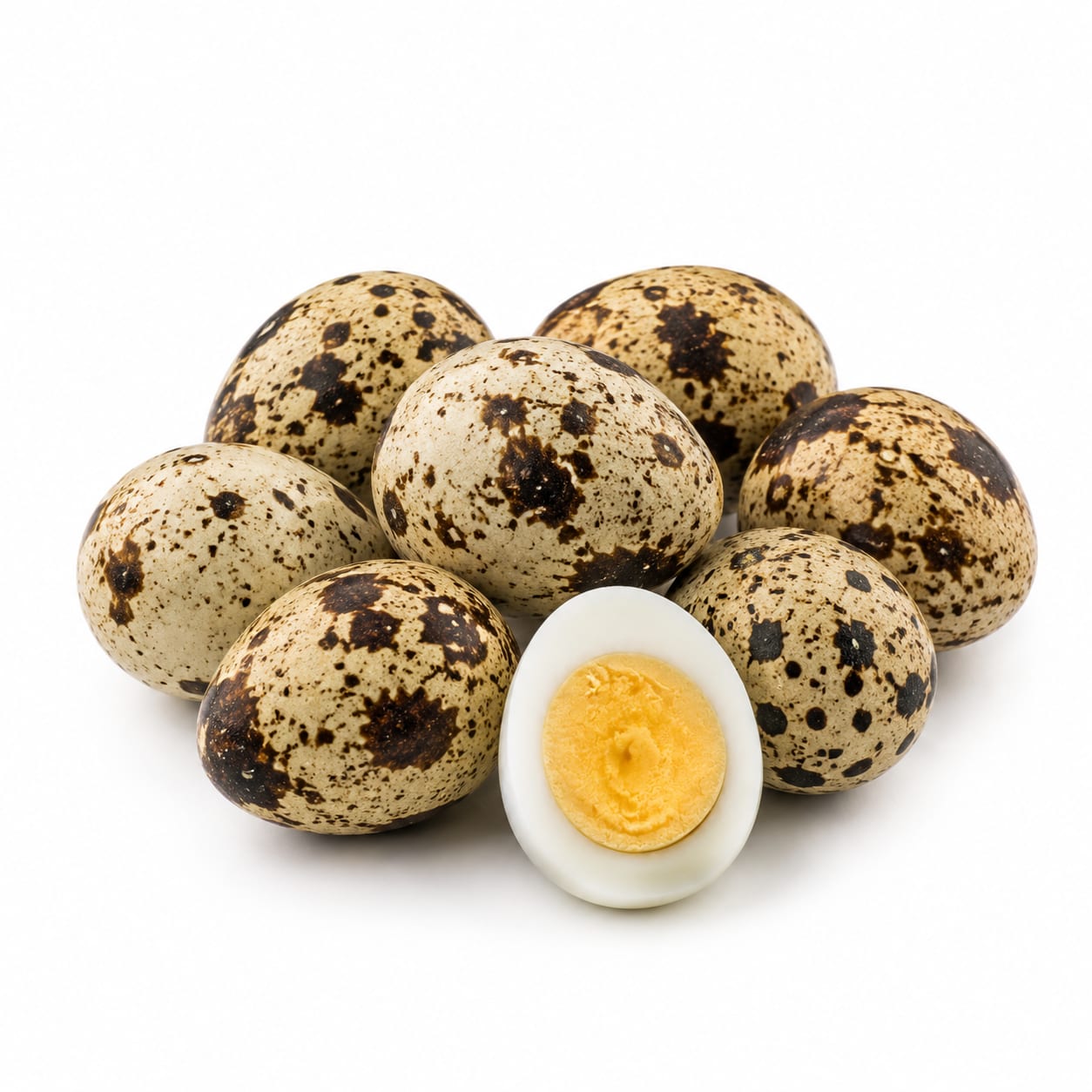
Quail Egg
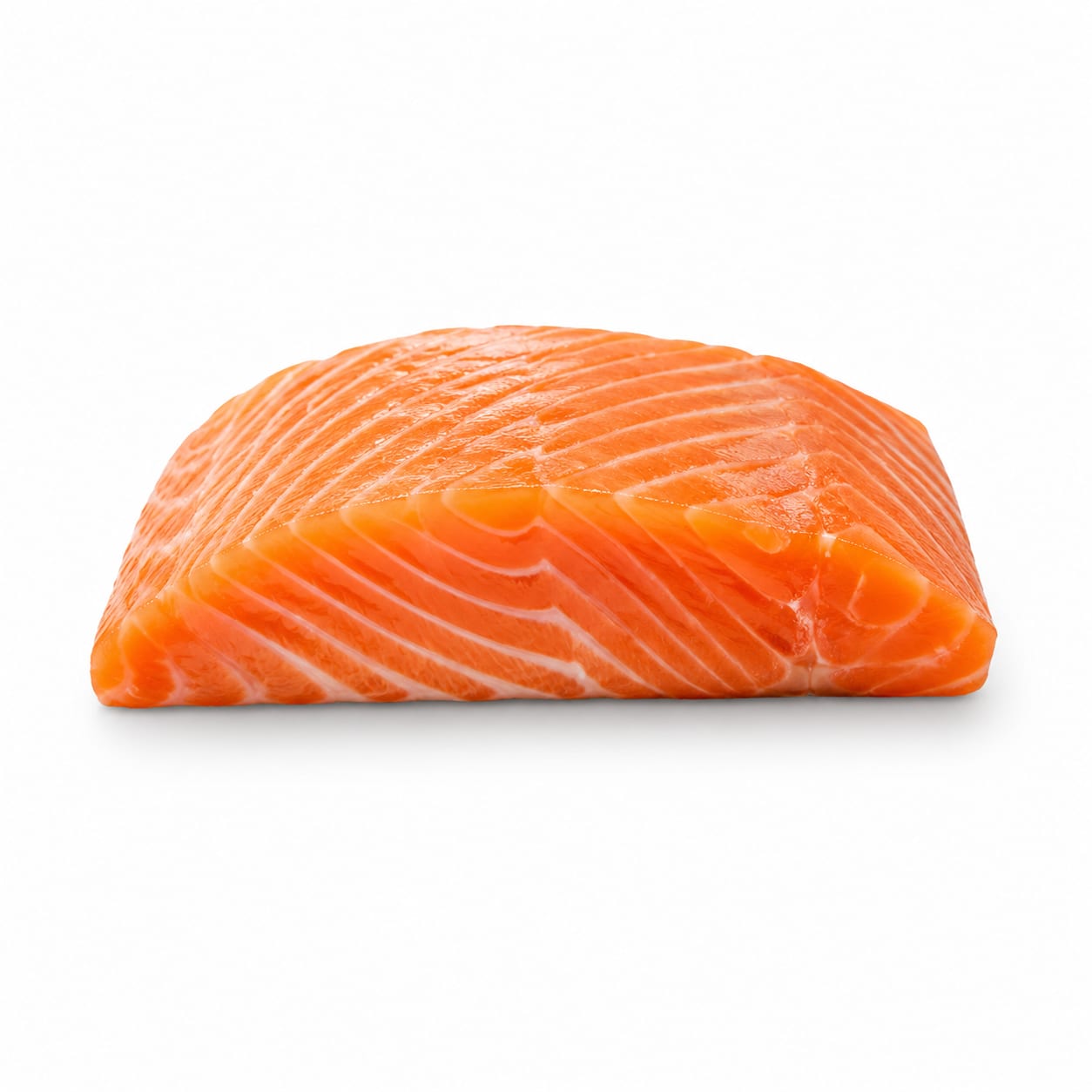
Salmon
Salmon dominates for omega-3s, heart health, and satiety, while quail eggs offer dense micronutrition in a tiny, cholesterol-rich package.
Salmon scores significantly higher due to its unmatched omega-3 content, superior satiety, and broader long-term health benefits, though quail eggs remain a nutrient-dense specialty food.
You trade the massive anti-inflammatory omega-3s of salmon for the bite-sized B-vitamin boost and high cholesterol of quail eggs.
At a glance
Executive summary
Overall
Salmon
Healthier
Salmon
More practical
Salmon
Daily use
Salmon
Key comparison lenses
Omega-3 and anti-inflammatory benefits
Salmon is a top-tier source of EPA and DHA, while quail eggs provide negligible omega-3s, making this the most dramatic nutritional divide.
Protein practicality and satiety
Salmon delivers a large, filling protein portion in one sitting, whereas quail eggs are tiny and require consuming many to achieve the same fullness.
Cholesterol vs healthy fats
Quail eggs are very high in cholesterol per calorie, while salmon offers heart-healthy fats that actively improve lipid profiles.
Contaminant and safety tradeoffs
Choosing between ocean-borne heavy metals in salmon and potential farming antibiotics in quail eggs is a key consumer concern.
Best choice for
Quail Egg
- People wanting a nutrient-dense garnish or snack
- Those avoiding fish due to allergies or taste
- Cholesterol-insensitive individuals seeking B-vitamins
Salmon
- Heart health and cardiovascular optimization
- Anti-inflammatory diets and joint support
- Sustained energy and deep satiety
Least suitable for
Quail Egg
- People strictly limiting dietary cholesterol
- Those needing large, practical protein portions
- Impatient cooks who dislike fussy prep
Salmon
- People with fish or seafood allergies
- Those highly concerned about heavy metal exposure
- Budget-conscious shoppers needing daily cheap protein
Deep comparison
Dimension by dimension
Each lens scores both foods and breaks down who each option suits.
- Dimension 1 · Priority 95Salmon
Omega-3 & Anti-Inflammatory Power
Quail Egg · 15Salmon · 98Salmon is one of the best omega-3 sources on the planet; quail eggs barely register on this metric.
Tradeoff
You miss out on EPA and DHA if you pick quail eggs over salmon.
Why it matters
Omega-3s are critical for brain health, joint comfort, and heart protection.
Real-world impact
Eating salmon regularly can reduce joint stiffness and improve mood stability, whereas quail eggs will not move the needle here.
Quail Egg
- Meeting daily omega-3 needs
- Reducing systemic inflammation
Worse for
Salmon
- Reducing chronic inflammation
- Supporting brain health and mood
- Lowering heart disease risk
Better for
- Dimension 2 · Priority 90Salmon
Protein & Satiety
Quail Egg · 40Salmon · 92Salmon provides a large, filling protein hit. Quail eggs require eating many to feel satisfied.
Tradeoff
A single salmon fillet fills you up for hours; you would need a dozen quail eggs for the same fullness.
Why it matters
Satiety prevents overeating and keeps energy stable between meals.
Real-world impact
A salmon dinner keeps you full until morning. Quail eggs are more of a light appetizer or garnish.
Quail Egg
- Feeling satisfied after eating
- Getting enough protein without overeating cholesterol
Worse for
Salmon
- Post-workout muscle recovery
- Staying full for hours
- Building muscle efficiently
Better for
- Dimension 3 · Priority 80It depends
Micronutrient Density
Quail Egg · 85Salmon · 88Both are micronutrient powerhouses, but they shine in completely different areas.
Tradeoff
Quail eggs pack more B-vitamins and iron per bite, while salmon delivers rare vitamin D and astaxanthin.
Why it matters
Covering your micronutrient bases prevents fatigue and supports immunity.
Real-world impact
Salmon boosts your vitamin D on dark winter days; quail eggs are a quick B12 and selenium top-up.
Quail Egg
- Boosting B-vitamin intake
- Adding highly bioavailable iron to the diet
Better for
- Getting adequate vitamin D
Worse for
Salmon
- Getting natural vitamin D
- Benefiting from astaxanthin antioxidants
Better for
- Dimension 4 · Priority 75It depends
Safety & Contaminants
Quail Egg · 75Salmon · 70Salmon carries heavy metal and microplastic risks; quail eggs depend heavily on farming practices.
Tradeoff
You choose between ocean-borne contaminants and potential poultry-farming antibiotics.
Why it matters
Long-term accumulation of toxins can undermine the health benefits of these foods.
Real-world impact
Choosing wild salmon minimizes but does not eliminate mercury risk; sourcing organic quail eggs reduces antibiotic exposure.
Quail Egg
- Avoiding mercury
- Dodging microplastics
Better for
- Risk of salmonella if undercooked
- Potential antibiotic residues in conventional farming
Worse for
Salmon
- Avoiding cholesterol overload
- Lower risk of bacterial contamination when cooked properly
Better for
- Mercury exposure
- Microplastic ingestion
Worse for
Timeline
Health impact over time
Short-term
Hours to days
Quail Egg
- Quick nutrient boost in a small portion
- Light on the stomach
- Potential cholesterol spike post-meal if eating many
Salmon
- Deep satiety and fullness
- Steadier energy for hours
- Brain-boosting omega-3 intake
Long-term
Months to years
Quail Egg
- Excellent B-vitamin status
- Possible cholesterol concerns if eaten in large volumes daily
- No significant omega-3 anti-inflammatory benefits
Salmon
- Strong cardiovascular protection
- Reduced systemic inflammation
- Potential heavy metal accumulation if overconsumed
Risk profile
Safety & processing
Both are whole, minimally processed foods. The main concern is not additives, but rather farming practices and environmental contaminants.
Quail Egg
Salmonella
mediumLike all eggs, quail eggs can carry salmonella on the shell or inside if not properly handled and cooked.
Antibiotic residues
mediumConventional quail farming may use antibiotics; sourcing organic or free-range mitigates this.
Salmon
Mercury and heavy metals
mediumLarger fish accumulate mercury; wild salmon is generally lower than farmed in some toxins, but still a factor.
Microplastics
mediumOcean-caught salmon inevitably contains some microplastics due to ocean pollution.
PCBs in farmed salmon
mediumFarmed salmon can have higher PCB levels; wild is preferred for safety.
Who wins for whom
Audience fit
Same foods, different winners depending on your goal.
children
SalmonSalmon's omega-3s are crucial for brain development, though portion size and mercury should be monitored; quail eggs are a safe, bite-sized alternative for variety.
daily consumption
SalmonDaily salmon provides consistent anti-inflammatory benefits; daily quail eggs can push cholesterol too high for some people.
diabetes
SalmonSalmon's omega-3s improve insulin sensitivity, whereas the high cholesterol in quail eggs offers no specific diabetic advantage.
elderly
SalmonSalmon protects against heart disease and cognitive decline, which are top concerns with aging.
muscle gain
SalmonSalmon provides a much larger, more practical dose of high-quality protein for muscle repair.
weight loss
SalmonSalmon's high protein and healthy fats keep you full longer, making it easier to eat less overall.
Your move
Decision guide
Choose Quail Egg
- You have a fish allergy but still want nutrient-dense animal protein
- You want an elegant, bite-sized garnish for salads or ramen
- You are specifically looking for a B-vitamin and selenium boost without eating fish
Choose Salmon
- You want to aggressively lower inflammation and support heart health
- You need a filling, satisfying main course that keeps hunger away for hours
- You want to optimize brain function and mood with DHA and EPA
Either works if
- You are cycling protein sources for a diverse diet
- You want a high-quality, minimally processed whole food
Avoid both if
- You are following a strict vegan or plant-based diet
- You have severe kidney issues requiring very low protein intake
Final recommendation
Make salmon your dietary anchor for omega-3s and satiety, and use quail eggs as a fun, nutrient-dense accent food when you want variety.
Practical
Consumer tips
- 1
Buy wild-caught salmon when possible to avoid PCBs and get better omega-3 ratios.
- 2
If buying quail eggs, look for organic or free-range to minimize antibiotic exposure.
- 3
Do not try to replace a salmon fillet with quail eggs—you would need to eat too many and consume excessive cholesterol.
- 4
Quail eggs are notoriously tedious to peel; use a specialized quail egg scissors or peeler for sanity.
- 5
Canned wild salmon is a budget-friendly, safe way to get daily omega-3s without the fresh fish price tag.