
Nutrition comparison
Quail Egg vs Greek Yogurt: Which Is Better for Protein, Gut Health, and Daily Nutrition?
Compare Quail Eggs and Greek Yogurt for protein, satiety, probiotics, and practicality. Learn which food fits your health goals, budget, and lifestyle best.
Overall winner · Greek Yogurt
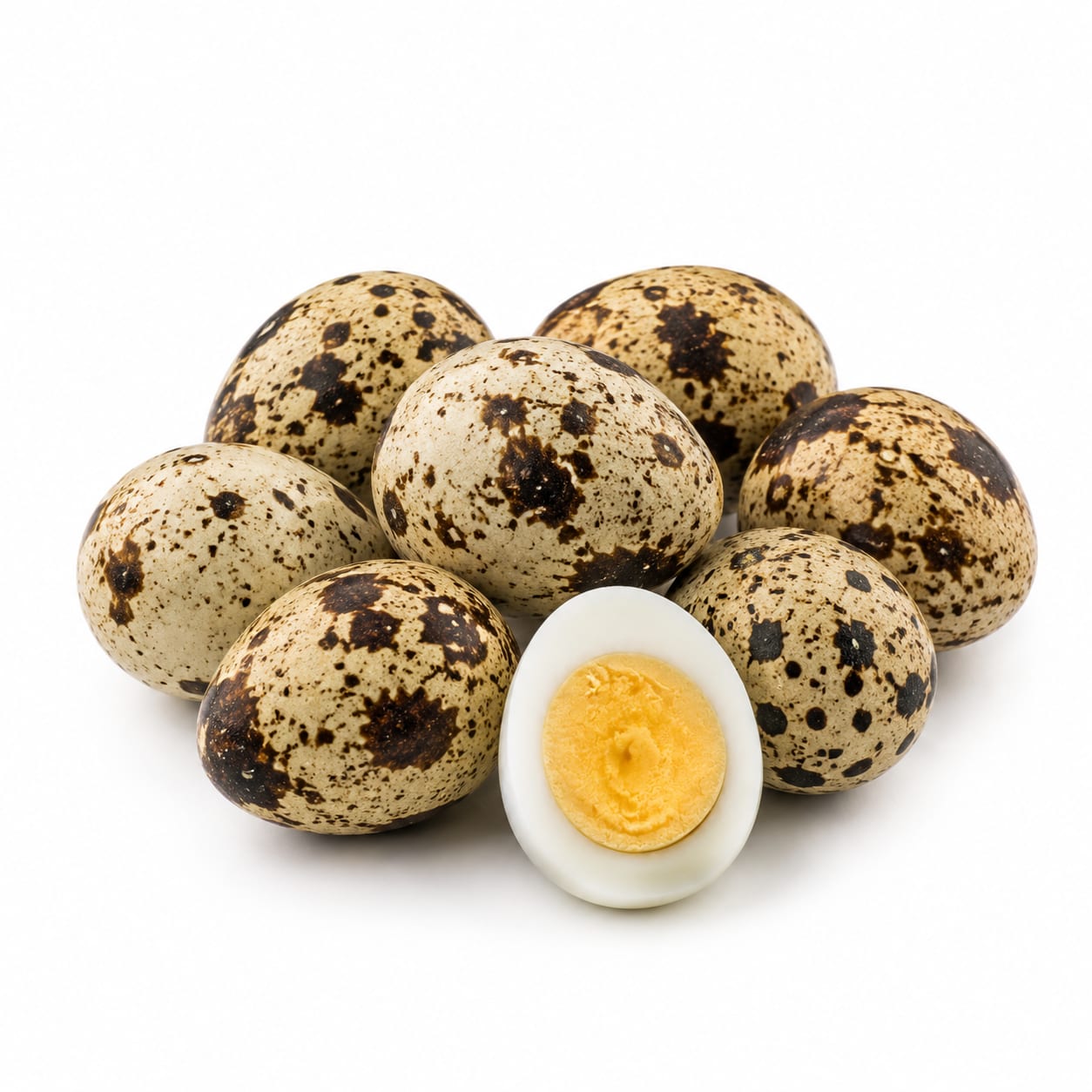
Quail Egg
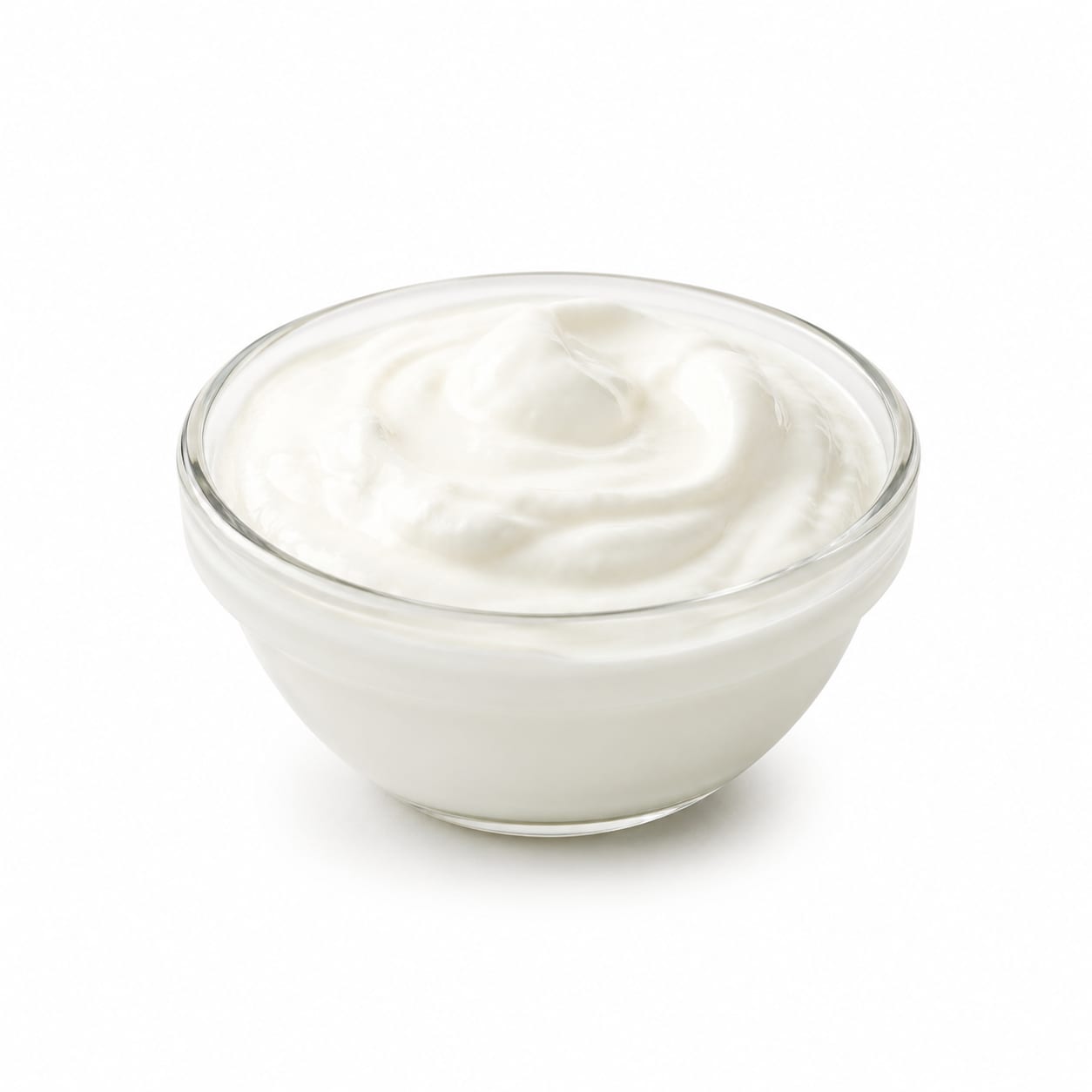
Greek Yogurt
Greek Yogurt wins for daily practicality, satiety, and gut health, while Quail Eggs offer impressive micronutrient density in a tiny package that's hard to rely on as a staple protein source.
Greek Yogurt scores notably higher due to superior daily practicality, satiety, probiotic content, and affordability. Quail Eggs are nutritionally impressive per gram but their tiny serving size, cost, and cooking requirement limit real-world usefulness.
Nutrient-packed delicacy versus filling, probiotic-rich everyday food — Quail Eggs give you more vitamins per bite, but Greek Yogurt gives you more usable nutrition per meal.
At a glance
Executive summary
Overall
Greek Yogurt
Healthier
Greek Yogurt
More practical
Greek Yogurt
Daily use
Greek Yogurt
Key comparison lenses
protein source comparison
Both are valued primarily as high-protein foods, but their protein profiles and serving practicality differ significantly
daily versus occasional use
Greek Yogurt is an easy daily staple while Quail Eggs are more of a specialty item, making everyday practicality a key decision factor
gut health and digestion
Greek Yogurt offers probiotics and is gentler on digestion for most people, while Quail Eggs have no probiotic benefit and can feel heavy
allergy and tolerance concerns
Egg allergies and lactose intolerance are both common, making tolerance a real-world dealbreaker for many users
nutrient density per calorie
Quail Eggs are extremely nutrient-dense per gram, but the tiny serving size changes how that plays out in actual meals
Best choice for
Quail Egg
- People avoiding dairy or lactose
- Those seeking B12 and selenium in a compact form
- Culinary enthusiasts wanting variety
- Individuals with chicken egg allergies who tolerate quail eggs
Greek Yogurt
- Anyone prioritizing gut health and probiotics
- People wanting a filling, high-protein snack
- Those managing weight through satiety
- Busy individuals needing quick, no-cook nutrition
Least suitable for
Quail Egg
- People with egg allergies
- Anyone on a tight grocery budget
- Those needing large protein servings without cooking
- Individuals watching cholesterol closely
Greek Yogurt
- People with severe lactose intolerance
- Vegans and dairy avoiders
- Those sensitive to dairy proteins like casein
Deep comparison
Dimension by dimension
Each lens scores both foods and breaks down who each option suits.
- Dimension 1 · Priority 93Greek Yogurt
protein_quality_and_quantity
Quail Egg · 62Greek Yogurt · 88Quail Eggs have excellent complete protein, but you'd need 5-6 eggs to match the protein in a single serving of Greek Yogurt, which is impractical for most people.
Tradeoff
Quail Egg protein is slightly more bioavailable per gram, but Greek Yogurt delivers far more total protein per realistic serving with zero cooking.
Why it matters
Most people comparing these foods want a reliable protein source, and Greek Yogurt simply delivers more usable protein in a normal portion.
Real-world impact
A cup of Greek Yogurt gives you 15-20g of protein ready to eat. Getting that from Quail Eggs means peeling and eating at least 8-10 tiny eggs.
Quail Egg
- Compact protein for small appetites
- Complete amino acid profile with leucine
Better for
- Impractical to eat enough for high protein goals
- Requires cooking for food safety
Worse for
Greek Yogurt
- Large protein dose in one serving
- No cooking required
- Easy to pair with fruit or granola for a complete meal
Better for
- Less concentrated protein per gram
- Protein quality slightly lower than egg protein
Worse for
- Dimension 2 · Priority 90Greek Yogurt
satiety_and_fullness
Quail Egg · 45Greek Yogurt · 89Greek Yogurt is thick, substantial, and genuinely filling. Quail Eggs are so small that even several leave you wanting more food.
Tradeoff
You'd need a large portion of Quail Eggs to feel as satisfied as one cup of Greek Yogurt, which makes them inefficient for hunger control.
Why it matters
If you're choosing between these for a snack or breakfast, staying full matters more than almost anything else for adherence and satisfaction.
Real-world impact
Greek Yogurt as an afternoon snack can easily hold you until dinner. A few Quail Eggs will leave you reaching for something else within an hour.
Quail Egg
- Can be part of a larger meal for added richness
Better for
- Tiny portion size fails to trigger fullness signals
- Low volume means rapid return of hunger
Worse for
Greek Yogurt
- Thick texture promotes physical fullness
- High protein keeps hunger away for hours
- Easy to add fiber-rich toppings for even more satiety
Better for
- Can feel too heavy right before exercise
Worse for
- Dimension 3 · Priority 87Greek Yogurt
gut_health_and_probiotics
Quail Egg · 30Greek Yogurt · 92Greek Yogurt contains live probiotic cultures that directly support gut health. Quail Eggs have no probiotic content whatsoever.
Tradeoff
If digestive health is a priority, Greek Yogurt is actively beneficial while Quail Eggs are simply neutral on this dimension.
Why it matters
Gut health affects everything from immunity to mood, and fermented dairy is one of the most accessible probiotic sources available.
Real-world impact
Regular Greek Yogurt eaters often notice less bloating and more regular digestion. Quail Eggs won't hurt your gut, but they won't help it either.
Quail Egg
- No negative impact on gut flora
Better for
- Zero probiotic benefit
- No fermentation-derived compounds
Worse for
Greek Yogurt
- Live cultures support beneficial bacteria
- Lactic acid may improve nutrient absorption
- Regular consumption linked to better digestive comfort
Better for
- Can cause bloating in lactose-sensitive individuals
Worse for
- Dimension 4 · Priority 82Quail Egg
micronutrient_density
Quail Egg · 91Greek Yogurt · 72Per gram, Quail Eggs pack more B12, selenium, iron, and choline than Greek Yogurt. They're one of the most nutrient-dense foods available by weight.
Tradeoff
The density advantage shrinks when you account for realistic serving sizes — a cup of Greek Yogurt still delivers substantial calcium and B vitamins in total.
Why it matters
If you eat small portions or have limited appetite, Quail Eggs deliver more nutrition per bite. For normal portions, the gap narrows considerably.
Real-world impact
A few Quail Eggs can meaningfully boost your B12 and selenium intake for the day. Greek Yogurt covers calcium needs better but is less concentrated overall.
Quail Egg
- Exceptional B12 and selenium per gram
- Good choline source for brain health
- Iron content useful for those with low intake
Better for
- Low calcium compared to dairy
- Iron from eggs has lower absorption than heme iron
Worse for
Greek Yogurt
- Much more calcium per serving
- Still solid B-vitamin content in realistic portions
- Phosphorus and potassium in meaningful amounts
Better for
- Lower total micronutrient variety per gram
- Minimal iron and choline
Worse for
- Dimension 5 · Priority 86Greek Yogurt
convenience_and_practicality
Quail Egg · 38Greek Yogurt · 94Greek Yogurt is grab-and-go ready. Quail Eggs require boiling or cooking, peeling tiny shells, and planning ahead.
Tradeoff
The convenience gap is enormous. Greek Yogurt works for busy mornings, travel, and office snacks. Quail Eggs demand time and effort most people won't invest daily.
Why it matters
The healthiest food is the one you actually eat consistently. Convenience often determines whether a food becomes a habit or a one-time novelty.
Real-world impact
Greek Yogurt is a 10-second breakfast. Quail Eggs are a 15-minute project with cleanup, making them a weekend luxury rather than a daily staple.
Quail Egg
- Long shelf life when refrigerated raw
- Compact for storage
Better for
- Hard to find in regular stores
- Time-consuming to prepare
- Tiny shells are frustrating to peel
- Expensive per serving
Worse for
Greek Yogurt
- Ready to eat immediately
- No preparation or cleanup
- Available at every grocery store
- Portable for work or travel
Better for
- Requires refrigeration at all times
- Shorter shelf life once opened
Worse for
- Dimension 6 · Priority 76Greek Yogurt
cholesterol_and_heart_health
Quail Egg · 55Greek Yogurt · 80Quail Eggs are high in cholesterol per serving, which matters for some people. Greek Yogurt has minimal cholesterol and may actively support heart health through calcium and probiotics.
Tradeoff
Dietary cholesterol doesn't affect everyone equally, but for those who are sensitive, Greek Yogurt is the clearly safer choice.
Why it matters
Heart disease risk is cumulative over decades. Small daily choices matter more than occasional indulgences.
Real-world impact
If you have elevated cholesterol or a family history of heart disease, Greek Yogurt is the easier daily choice. Quail Eggs are fine in moderation but not ideal as a daily staple for cholesterol-sensitive individuals.
Quail Egg
- Contains heart-protective choline and omega-3s if from pastured quail
Better for
- High cholesterol per calorie
- Daily consumption could raise LDL in sensitive individuals
Worse for
Greek Yogurt
- Very low cholesterol
- Probiotics may help reduce LDL cholesterol
- Calcium supports healthy blood pressure
Better for
- Full-fat versions contain saturated fat
Worse for
- Dimension 7 · Priority 74Greek Yogurt
cost_and_accessibility
Quail Egg · 28Greek Yogurt · 88Quail Eggs are a specialty product costing 3-5 times more per protein gram than Greek Yogurt, and they're not available at most grocery stores.
Tradeoff
Greek Yogurt is affordable and everywhere. Quail Eggs are a luxury ingredient that most people cannot justify as a regular protein source.
Why it matters
Cost and availability determine whether a food can realistically be part of your routine or remains an occasional treat.
Real-world impact
A week of Greek Yogurt breakfasts costs roughly $5-8. The same protein from Quail Eggs would cost $20-35 and require a specialty store trip.
Quail Egg
- Available at some farmers markets and Asian grocers
- Shelf-stable when uncooked
Better for
- Very expensive per serving
- Hard to find outside specialty stores
- Inconsistent availability
Worse for
Greek Yogurt
- Available at every supermarket
- Very affordable per gram of protein
- Frequently on sale
Better for
- Premium brands can be pricey
- Organic versions add cost
Worse for
Timeline
Health impact over time
Short-term
Hours to days
Quail Egg
- Quick energy from B vitamins and healthy fats
- Moderate satiety that fades within an hour due to small portion
- Possible digestive heaviness if eating many at once
Greek Yogurt
- Immediate feeling of fullness and satisfaction
- Steadier energy without spikes due to slow-digesting protein
- Possible mild bloating if lactose sensitive
Long-term
Months to years
Quail Egg
- Strong B12 and selenium status with regular consumption
- Potential cholesterol concern if eaten daily in large amounts
- Risk of treating a novelty food as a staple, leading to inconsistent nutrition
Greek Yogurt
- Improved gut microbiome diversity from regular probiotic intake
- Better calcium status for bone density over decades
- Consistent protein intake supporting muscle maintenance and metabolic health
Risk profile
Safety & processing
Both foods are minimally processed in their plain forms. Quail Eggs are as natural as any whole food gets. Plain Greek Yogurt contains only milk and live cultures, though flavored versions can hide significant added sugar and thickeners.
Quail Egg
Salmonella contamination
mediumQuail Eggs carry lower Salmonella risk than chicken eggs but are not risk-free. Cooking thoroughly eliminates this concern.
Allergic reactions
mediumPeople with egg allergies may react to Quail Eggs, though some tolerate them better than chicken eggs. Always test cautiously.
Inconsistent sourcing and regulation
lowQuail Egg farming is less regulated than chicken egg production in many countries, so sourcing quality matters more.
Greek Yogurt
Lactose intolerance reactions
mediumGreek Yogurt has less lactose than milk, but sensitive individuals may still experience bloating, gas, or discomfort.
Added sugars in flavored varieties
mediumMany commercial Greek Yogurts contain 10-20g of added sugar per serving, which undermines the health benefits significantly.
Dairy protein allergy
lowCasein and whey allergies are less common than lactose intolerance but can cause serious reactions in affected individuals.
Who wins for whom
Audience fit
Same foods, different winners depending on your goal.
children
Greek YogurtGreek Yogurt is easier for kids to eat, gentler on small stomachs, and provides calcium for growing bones. Quail Eggs are a choking hazard for very young children and less appealing to picky eaters.
daily consumption
Greek YogurtGreek Yogurt is affordable, convenient, and well-tolerated by most people, making it one of the easiest healthy foods to eat every single day.
diabetes
Greek YogurtPlain Greek Yogurt has minimal impact on blood sugar and provides steady, slow-digesting protein. Quail Eggs are also low-carb but offer less practical portion control.
elderly
Greek YogurtGreek Yogurt is soft, easy to digest, probiotic-rich, and high in calcium for bone health — all critical for older adults. Quail Eggs are harder to prepare and less gentle on aging digestive systems.
muscle gain
Greek YogurtA single serving of Greek Yogurt delivers 15-20g of protein without cooking, making it far easier to hit daily protein targets consistently.
weight loss
Greek YogurtGreek Yogurt provides more volume and protein per calorie, keeping you full longer and reducing overall food intake throughout the day.
Your move
Decision guide
Choose Quail Egg
- You avoid dairy and need an animal-based protein alternative
- You want a nutrient-dense garnish or delicacy for special meals
- You tolerate quail eggs but not chicken eggs due to allergy
- You enjoy cooking and want to experiment with gourmet ingredients
Choose Greek Yogurt
- You want a reliable daily protein source that requires zero effort
- Gut health and probiotics are a priority for you
- You need something filling that prevents overeating later
- You're feeding a family and need affordable, accessible nutrition
- You want calcium for bone health without taking supplements
Either works if
- You're simply looking for whole-food protein sources and have no dairy or egg restrictions
- You enjoy variety and want to rotate between different protein-rich foods throughout the week
Avoid both if
- You follow a strict vegan diet
- You have both egg and dairy allergies
- You need a portable protein source that doesn't require refrigeration
Final recommendation
Make Greek Yogurt your daily protein staple and treat Quail Eggs as an occasional nutrient boost. Greek Yogurt gives you more practical health benefits per dollar and per minute of effort. Save Quail Eggs for when you want something special — they're impressive nutrition wrapped in an impractical package.
Practical
Consumer tips
- 1
Always choose plain Greek Yogurt over flavored versions to avoid added sugar — sweeten it yourself with fruit or honey
- 2
If trying Quail Eggs, boil them for 3-4 minutes and peel under running water — the shells are notoriously fragile
- 3
Look for Greek Yogurt with live active cultures listed on the label to ensure probiotic benefit
- 4
Buy Quail Eggs from reputable farms or Asian markets with good turnover to ensure freshness
- 5
Full-fat Greek Yogurt is more satisfying and often has less sugar than fat-free versions with hidden additives
- 6
Freeze extra Quail Eggs if you buy in bulk — they thaw well and reduce waste