
Nutrition comparison
Quail Egg vs Cottage Cheese: Nutrition, Protein, and Health Comparison
Compare quail eggs vs cottage cheese for protein, satiety, and daily nutrition. Find out which is better for weight loss, muscle gain, and heart health.
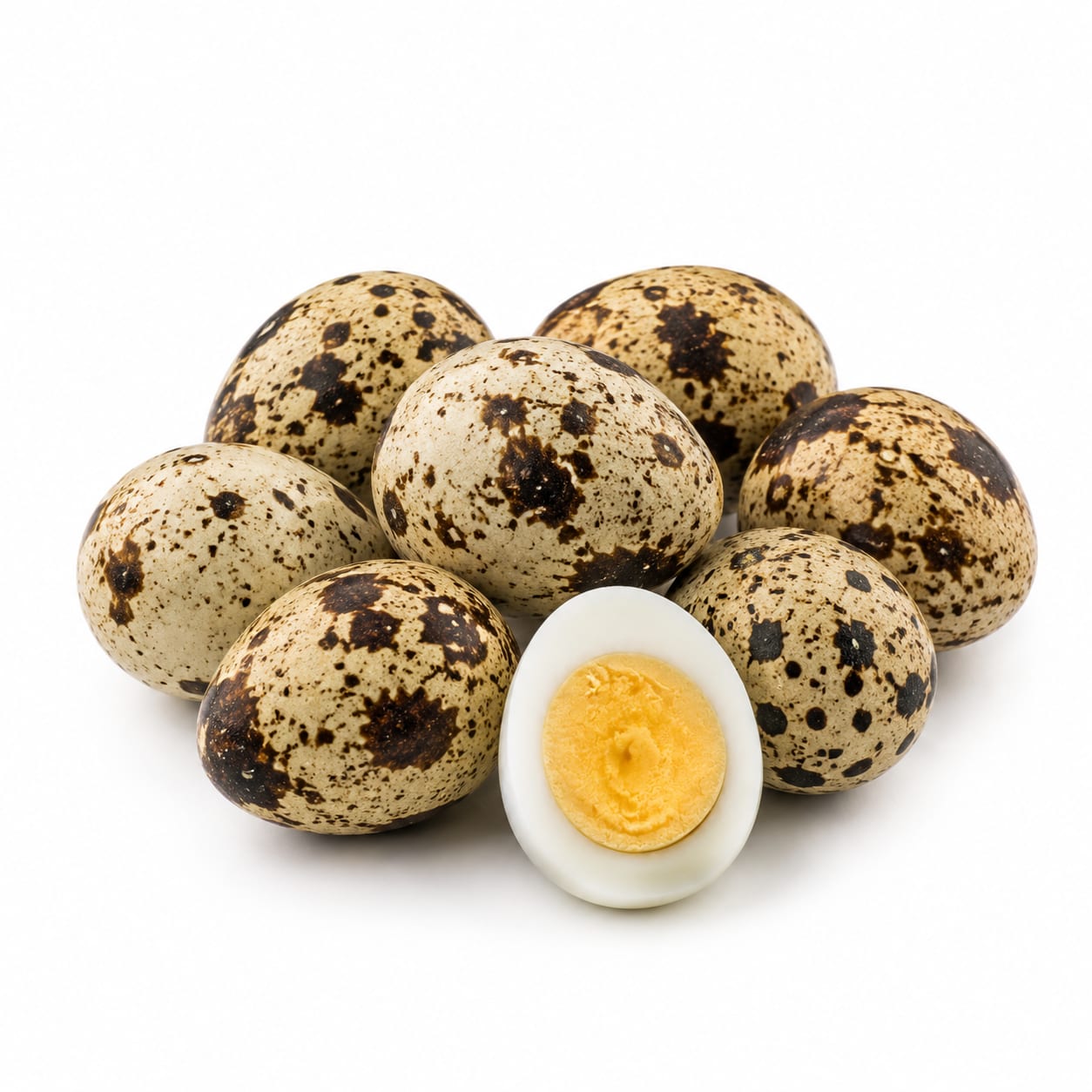
Quail Egg
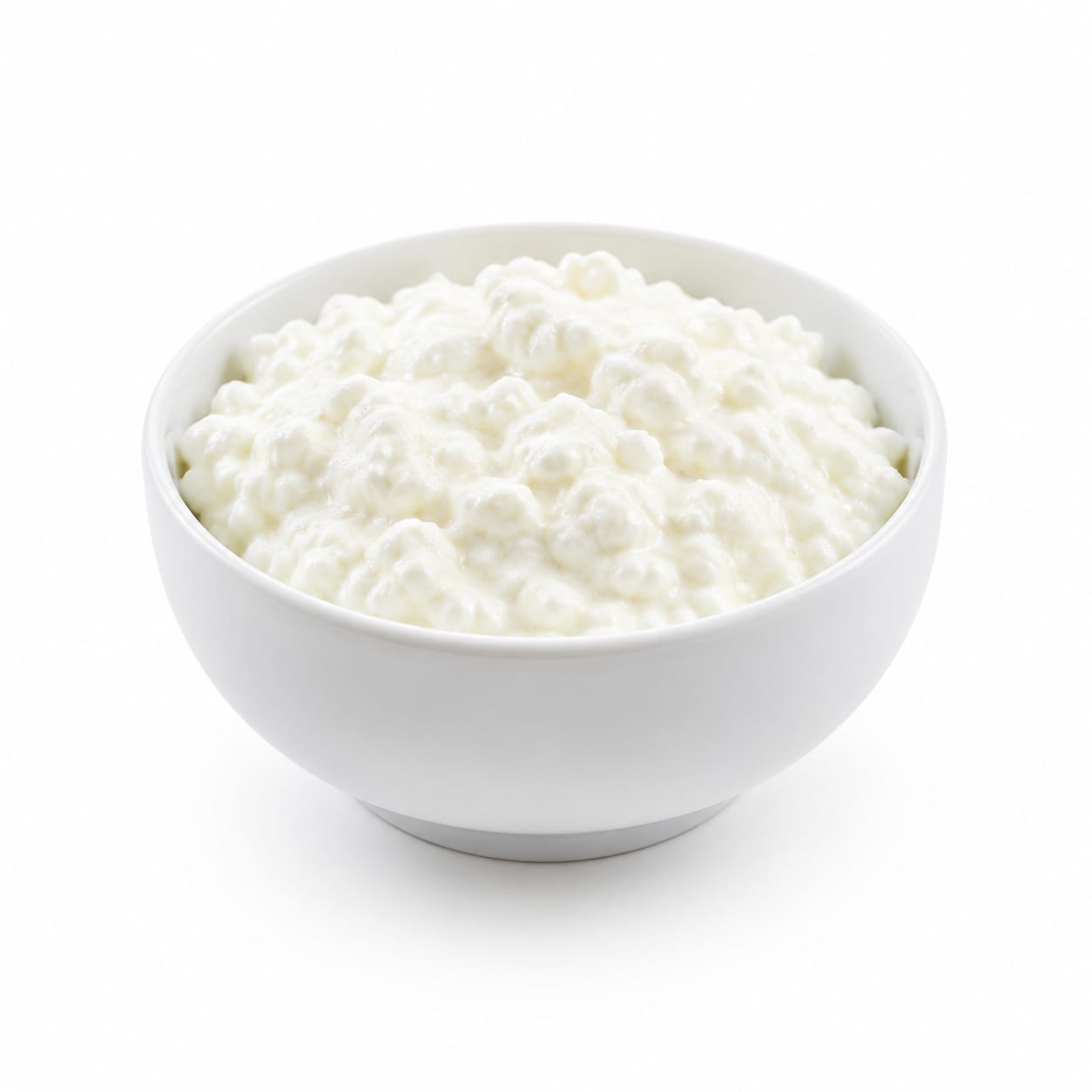
Cottage Cheese
Cottage cheese offers more filling protein per serving and easier daily eating, while quail eggs deliver denser micronutrition in a tiny, cholesterol-rich package.
Cottage cheese scores higher due to its practicality, satiety, and lower cholesterol, but quail eggs remain a strong micronutrient contender depending on dietary needs.
Volume and sustained protein versus compact nutrient density and higher cholesterol.
At a glance
Executive summary
Overall
It depends
Healthier
It depends
More practical
Cottage Cheese
Daily use
Cottage Cheese
Key comparison lenses
High-protein snack selection
Both are popular protein sources, but they differ drastically in volume and satiety.
Cholesterol versus sodium tradeoff
Quail eggs are high in cholesterol, while cottage cheese can be high in sodium.
Convenience and meal prep practicality
Cottage cheese is ready-to-eat, whereas quail eggs require cooking and peeling.
Dairy-free versus egg-free allergen navigation
Choosing between them often comes down to dairy intolerance versus egg allergies.
Best choice for
Quail Egg
- People needing iron and B-vitamin boosts
- Those wanting a low-calorie flavor booster
- Dairy-free eaters looking for whole-food protein
Cottage Cheese
- People seeking high satiety between meals
- Those needing sustained protein release like casein
- Anyone wanting a quick, zero-prep snack
Least suitable for
Quail Egg
- People strictly managing high blood cholesterol
- Anyone needing a large, filling meal component
- Those who find peeling tiny eggs frustrating
Cottage Cheese
- People with lactose intolerance or dairy allergy
- Those watching sodium intake strictly
- Individuals avoiding animal dairy products
Deep comparison
Dimension by dimension
Each lens scores both foods and breaks down who each option suits.
- Dimension 1 · Priority 95Cottage Cheese
Protein & Satiety
Quail Egg · 65Cottage Cheese · 90Cottage cheese provides far more protein per typical serving, keeping you full much longer.
Tradeoff
You would need to eat many quail eggs to match the protein volume of a single bowl of cottage cheese.
Why it matters
Satiety drives weight management and prevents overeating later in the day.
Real-world impact
A bowl of cottage cheese can easily replace a meal; quail eggs are merely a side or light snack.
Quail Egg
- Light snackers who want a bite-sized taste
Better for
- Bodybuilders needing bulk protein
Worse for
Cottage Cheese
- Post-workout recovery
- People who skip meals and need lasting energy
Better for
- People who dislike eating large food volumes
Worse for
- Dimension 2 · Priority 85Quail Egg
Micronutrient Density
Quail Egg · 92Cottage Cheese · 75Quail eggs pack significantly more iron, vitamin B12, and selenium per calorie than cottage cheese.
Tradeoff
You get more vitamins in a tiny quail egg, but cottage cheese offers far more calcium.
Why it matters
Micronutrients support energy levels, immunity, and bone health.
Real-world impact
Adding a few quail eggs to a salad boosts iron and B-vitamins effortlessly.
Quail Egg
- Those with iron-deficiency anemia
- People needing B12 support
Better for
- Those who need high calcium without supplements
Worse for
Cottage Cheese
- People who need calcium for bone health but dislike milk
Better for
- People needing a concentrated source of dietary iron
Worse for
- Dimension 3 · Priority 80Cottage Cheese
Heart Health & Lipids
Quail Egg · 60Cottage Cheese · 80Cottage cheese is much lower in cholesterol, making it easier on heart health markers.
Tradeoff
Quail eggs bring dietary cholesterol, which is fine for most but risky for hyper-responders.
Why it matters
Managing cholesterol intake is crucial for long-term cardiovascular health.
Real-world impact
If your doctor told you to lower cholesterol, cottage cheese is the safer everyday choice.
Quail Egg
- Healthy individuals who tolerate dietary cholesterol well
Better for
- People on strict low-cholesterol diets
Worse for
Cottage Cheese
- People with familial hypercholesterolemia
- Those monitoring heart health markers closely
Better for
- Those extremely sensitive to sodium, depending on the brand
Worse for
- Dimension 4 · Priority 75Cottage Cheese
Convenience & Practicality
Quail Egg · 45Cottage Cheese · 92Cottage cheese is ready to eat straight from the container, while quail eggs require peeling and cooking.
Tradeoff
Quail eggs take time to prepare and peel, whereas cottage cheese is instant.
Why it matters
Convenience often dictates whether a healthy food actually gets eaten.
Real-world impact
Cottage cheese is a grab-and-go breakfast; quail eggs are a weekend cooking project.
Quail Egg
- Home cooks who enjoy preparing intricate meals
Better for
- People with only 5 minutes to prep food
Worse for
Cottage Cheese
- Busy professionals
- Anyone needing quick protein on the go
Better for
- Those without refrigeration available at work
Worse for
Timeline
Health impact over time
Short-term
Hours to days
Quail Egg
- Quick energy boost from B-vitamins
- Mild satiety due to small portion size
Cottage Cheese
- High fullness from slow-digesting casein protein
- Possible bloating if lactose intolerant
Long-term
Months to years
Quail Egg
- Improved iron status and energy
- Potential cholesterol concerns if eaten in large quantities daily
Cottage Cheese
- Better muscle retention from sustained protein
- Stronger bones from calcium, but blood pressure concerns if sodium is high
Risk profile
Safety & processing
Quail eggs are a whole food straight from nature. Cottage cheese undergoes fermentation and curdling, often including added stabilizers, gums, or salt.
Quail Egg
Salmonella
lowQuail eggs have a higher internal body temperature, making them somewhat resistant to salmonella, but the risk is never zero.
Allergenicity
mediumEgg allergies are common, and quail eggs can cross-react with chicken egg allergies.
Cottage Cheese
Listeria or spoilage
mediumDairy products are prone to bacterial growth if not kept consistently cold.
High sodium load
mediumMany commercial varieties contain significant sodium, which can impact blood pressure over time.
Who wins for whom
Audience fit
Same foods, different winners depending on your goal.
children
It dependsQuail eggs are nutrient-dense but pose a choking hazard for toddlers; cottage cheese is easy to eat but carries a dairy allergy risk.
daily consumption
Cottage CheeseIt is far easier to incorporate a quick bowl of cottage cheese into a daily routine than preparing and peeling quail eggs.
diabetes
Cottage CheeseBoth are low-carb, but cottage cheese offers a more substantial snack that prevents blood sugar dips without the cholesterol load.
elderly
Cottage CheeseCottage cheese is easy to chew, requires no cooking, and provides high calcium for bone density.
muscle gain
Cottage CheeseA single serving delivers far more total protein and casein, which is ideal for sustained muscle repair.
weight loss
Cottage CheeseCottage cheese provides high volume and slow-digesting protein, making it much easier to stay in a calorie deficit.
Your move
Decision guide
Choose Quail Egg
- You need an iron and B12 boost
- You are dairy-free but want a high-quality animal protein
- You enjoy gourmet cooking and want a visually appealing ingredient
Choose Cottage Cheese
- You want a high-protein, filling snack with zero prep
- You need sustained energy between meals
- You are focused on bone health and calcium intake
Either works if
- You just need a low-carb protein source
- You are an omnivore with no dairy or egg allergies
Avoid both if
- You follow a strict vegan diet
- You have both egg and dairy allergies
Final recommendation
Cottage cheese is the more practical daily staple for satiety and convenience, while quail eggs serve best as an occasional nutrient-dense garnish or dairy-free alternative.
Practical
Consumer tips
- 1
Rinse cottage cheese under cold water to reduce sodium by up to 30%.
- 2
Look for cottage cheese brands with simple ingredients: milk, cream, salt, and live cultures.
- 3
Boil quail eggs for 3-4 minutes for a perfect soft boil; peel under running water for easier shell removal.
- 4
Pair quail eggs with vitamin C-rich foods like tomatoes to boost iron absorption.