
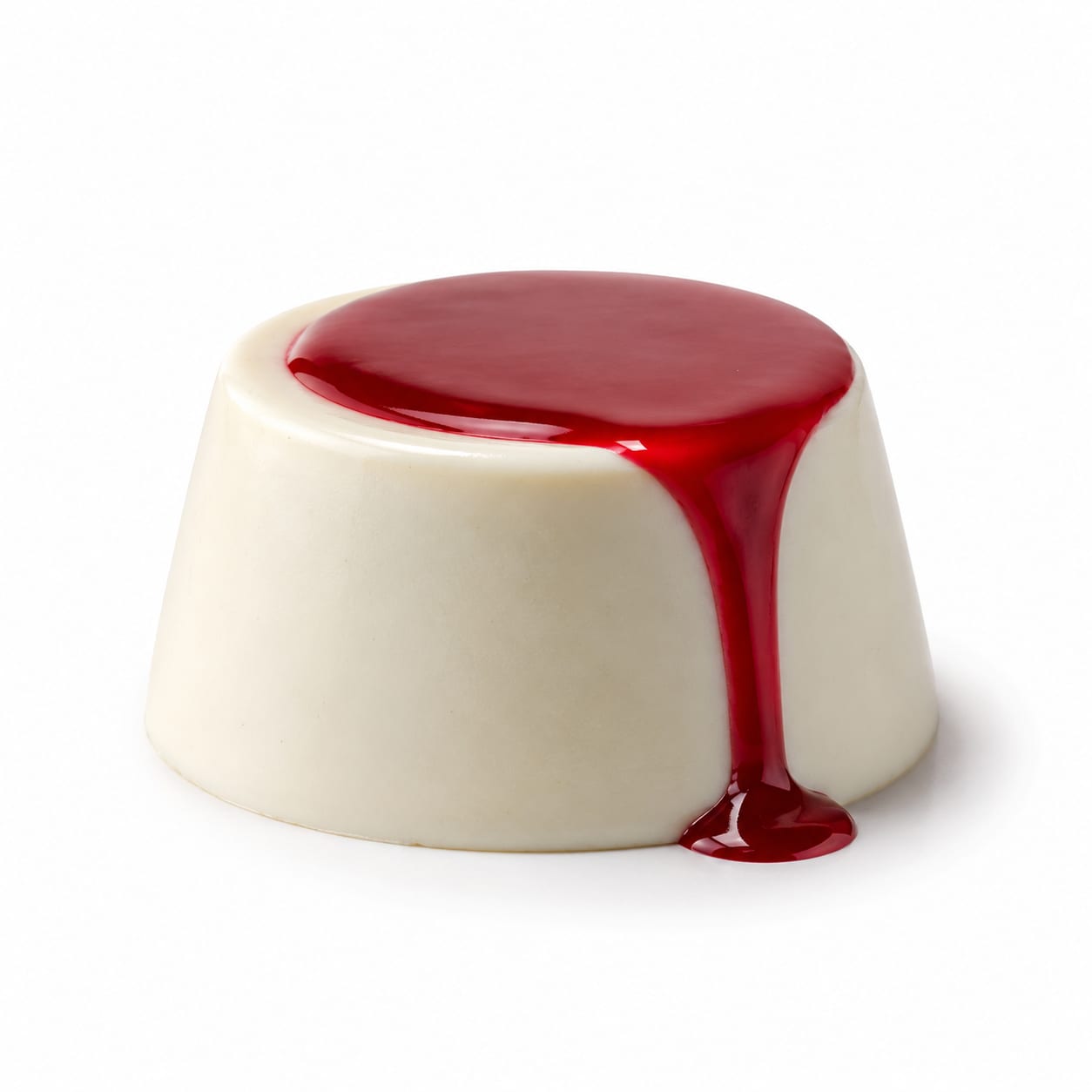
Dairy Dessert
Panna Cotta
A sweet, gelatin-set Italian cream dessert known for its smooth, silky texture.
An Italian dessert made from sweetened cream thickened with gelatin and molded, often served with berries, caramel, or fruit coulis.
high-fat high-sugar dairy dessert
Typical serving · 100g
Common varieties · vanilla, chocolate, strawberry, caramel, coffee +1 more
Overall context score across nutrition, safety, and diet fit
At a glance
Quick facts
Simple indicators based on nutrition, processing, and diet fit.
The story
What makes it unique
Panna cotta is a high-fat, moderate-sugar dairy dessert. The high saturated fat content from heavy cream slows gastric emptying, which moderates the glycemic response despite the added sugars. Gelatin provides a small amount of hydrolyzed collagen but lacks essential amino acids like tryptophan. It is low in volume and fiber, resulting in a moderate satiety profile relative to its high energy density.
Varieties: vanilla · chocolate · strawberry · caramel · coffee · coconut milk
Per 100g
Nutrition breakdown
Macro balance and key metrics at a glance.
Energy
Density 2.80 kcal/g
Protein
Carbs
Fat
Fiber
Sugar
16 g
Sodium
40 mg
Potassium
80 mg
Glycemic index
35
Glycemic load
6
Water content
55%
Standout compounds
Nutrient highlights
Saturated Fat
highProvides rich texture and slows digestion, but excessive intake raises LDL cholesterol.
Calcium
moderateSupports bone health and muscle function, derived from the heavy cream.
Added Sugars
highProvides quick energy but contributes to empty calories and metabolic strain.
Gelatin
lowContains collagen peptides which may support joint and skin health, though it is an incomplete protein.
Wellness map
Health scores & processing
NOVA processing scale
Moderately processed · Whole food
Traditional panna cotta uses minimally processed ingredients (cream, sugar, gelatin, vanilla), but commercial versions often contain thickeners, emulsifiers, and artificial flavors, pushing them into ultra-processed territory.
Diet compatibility
- Weight loss
- Muscle gain
- Diabetes
- Gut health
- Low carb
- High protein
- Heart health
Relative standing
Food rankings
Qualitative ranks compared to similar whole foods.
- Satietypoor
- Blood sugarmoderate
- Nutrient densitypoor
- Fitness fuelpoor
- Processing qualitymoderate
Eat with confidence
Food safety profile
Panna cotta is generally safe due to the use of pasteurized dairy and boiled gelatin. The primary risk is spoilage or bacterial growth if not stored at proper refrigeration temperatures, as it is served cold and contains high-moisture dairy.
Evidence confidence 85%
- Pesticideslow
- Antibioticslow
- Heavy metalslow
- Contaminationlow
Watch for
- listeria
- salmonella
Safer choices
Organic dairy options reduce antibiotic and pesticide exposure risks associated with conventional dairy farming.
Prep tips
Ensure proper refrigeration below 40°F (4°C) and consume within a few days of preparation. Do not leave at room temperature for more than 2 hours.
Dairy pasteurization standards apply. Commercial gelatin sourcing is regulated but varies by region.
Deep dive
Health analysis
How this food may fit different goals and preparation choices.
Weight loss
Poor fit for weight loss due to high energy density and low satiety. The high fat and sugar content provide concentrated calories without volume or fiber to promote fullness.
Blood sugar
The high saturated fat content slows digestion, preventing sharp blood sugar spikes. However, the added sugars still contribute to glycemic load and insulin demand over time.
Fitness & energy
Not a suitable pre- or post-workout food. The high fat content delays gastric emptying, causing sluggishness, while the protein content is too low to support muscle recovery.
Gut health
Lacks dietary fiber, offering no prebiotic benefits. High saturated fat and sugar can negatively alter gut microbiome composition if consumed frequently.
Processing quality
Homemade versions use simple culinary ingredients, but store-bought varieties frequently contain artificial flavors, modified starches, and preservatives.
Food safety
Safe when made with pasteurized dairy and properly refrigerated. High moisture and protein content make it susceptible to bacterial growth if left unrefrigerated.
Common mistakes
Assuming it is a light dessert because it is served cold and jiggly. Portion sizes in restaurants are often double the standard serving, adding over 500 calories.
Best preparation
Making it at home allows for portion control and ingredient swaps, such as using low-fat milk, reducing sugar, or substituting agar-agar for gelatin.
Practical guide
Best use cases
When and how this food fits real eating patterns.
Occasional indulgent dessert
Suitable as a rich, satisfying treat for special occasions when controlling portions carefully.
Make-ahead dinner party dessert
Ideal for entertaining because it must be made hours in advance and looks elegant with minimal plating effort.
Customizable dietary base
Easily adapted for specific diets by swapping cream for coconut milk (vegan) or sugar for erythritol (keto).
Balance sheet
Pros & cons
Upsides
- Rich, satisfying flavor and mouthfeel
- Gluten-free by default
- Easy to make ahead for gatherings
- Gelatin provides some collagen
- High fat prevents rapid blood sugar spikes
Trade-offs
- Very high in calories and saturated fat
- Contains significant added sugars
- Low in essential vitamins and minerals
- Lacks dietary fiber
- Easy to overconsume due to high palatability
Fit check
Who is it for?
Great match
- occasional dessert indulgence
- dinner parties
- high-calorie diets
- gluten-free dessert options
Consider alternatives
- weight loss
- diabetes management
- heart-healthy diets
- low-fat diets
- high-volume eating
Side by side
How it compares
Open the full head-to-head analysis for nutrition, safety, and practical tradeoffs.
This food
Panna Cotta
VS90% alike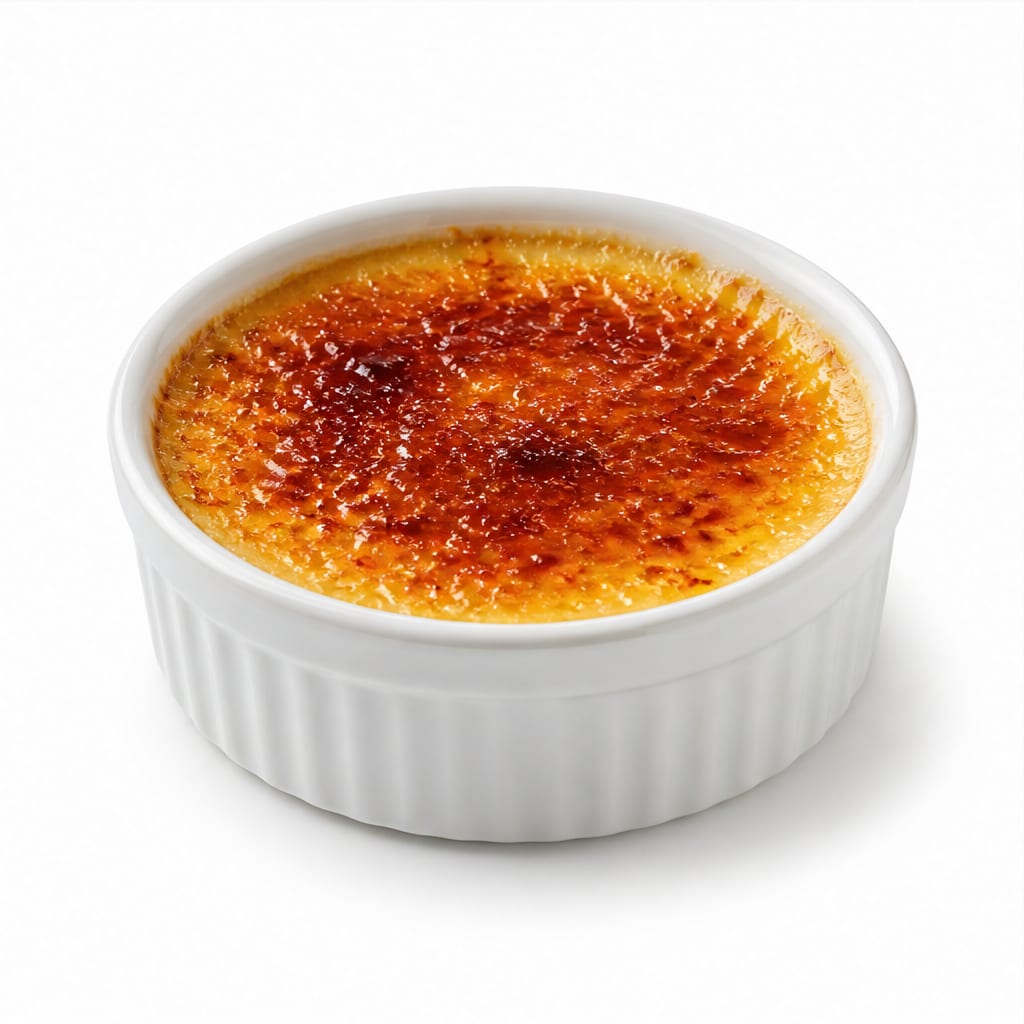
Compare with
Creme Brulee
Creme brulee uses eggs for thickening and has a hard caramel top, while panna cotta uses gelatin and is softer. Both are high in calories and fat.
Panna cotta and creme brulee are equally rich, but panna cotta uses gelatin while creme brulee uses eggs and adds a high-sugar caramel crust.
This food
Panna Cotta
VS85% alike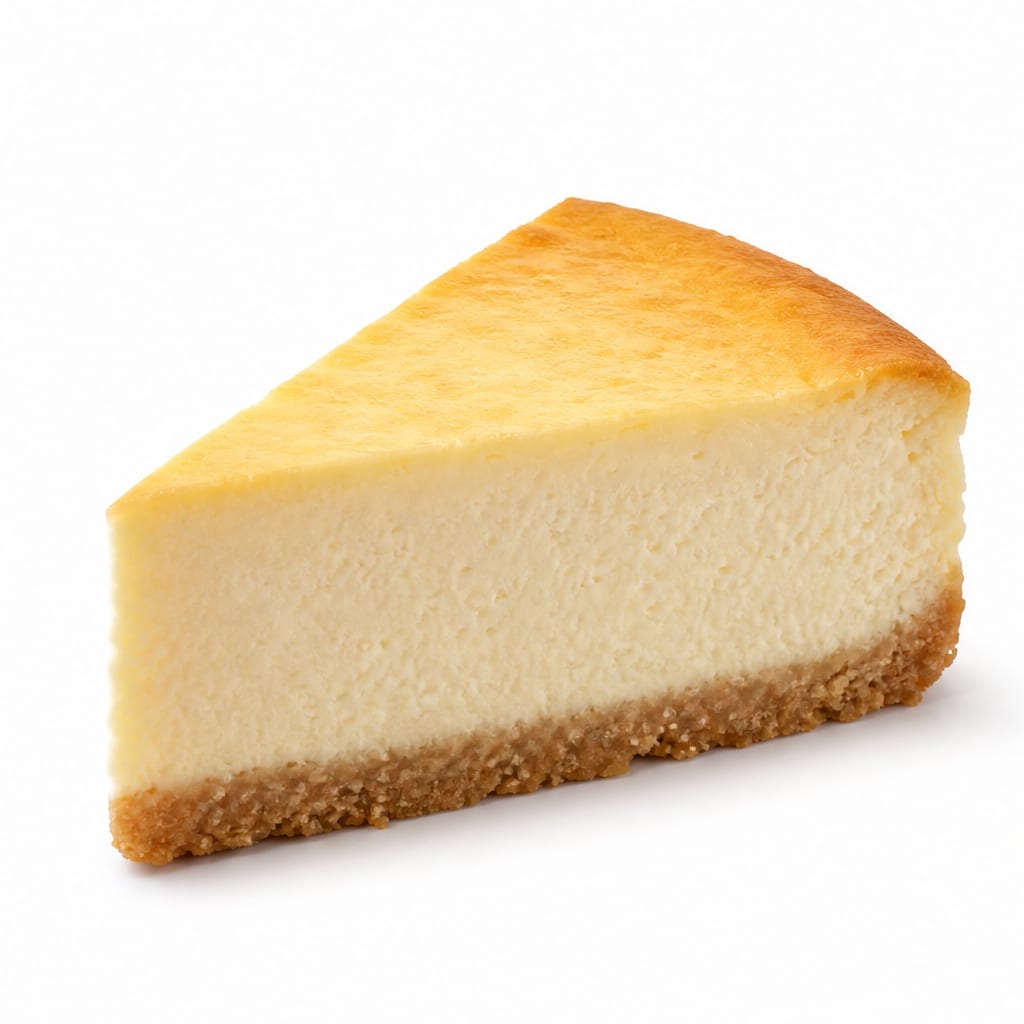
Compare with
Cheesecake
Cheesecake is denser and higher in protein due to cream cheese, but also higher in calories and often larger in portion size.
Panna cotta is lighter and lower in calories than cheesecake, but cheesecake offers slightly more protein and satiety.
This food
Panna Cotta
VS80% alike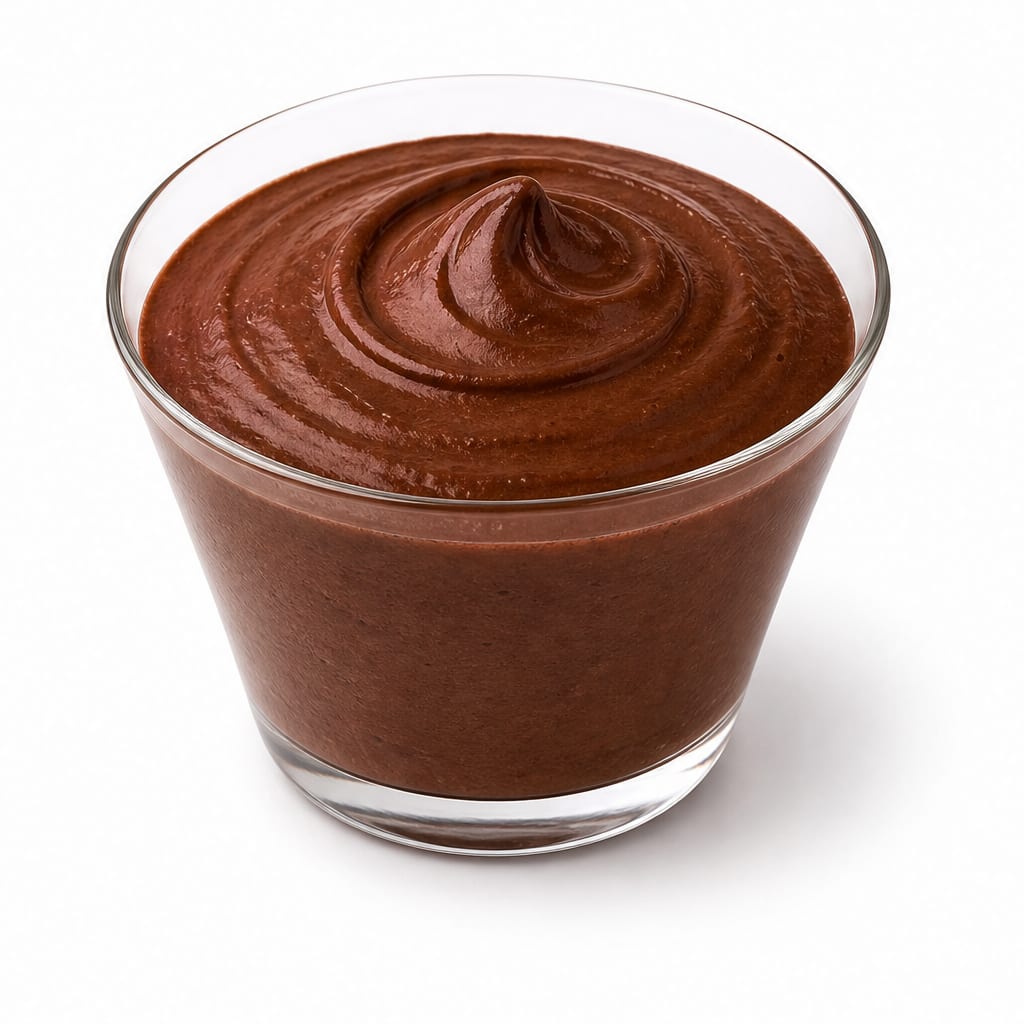
Compare with
Chocolate Mousse
Mousse contains chocolate and often eggs, providing a different flavor profile and slightly more antioxidants but similar calorie density.
Panna cotta is usually lower in calories and sugar than chocolate mousse, which relies on dense chocolate and egg yolks.
This food
Panna Cotta
VS85% alike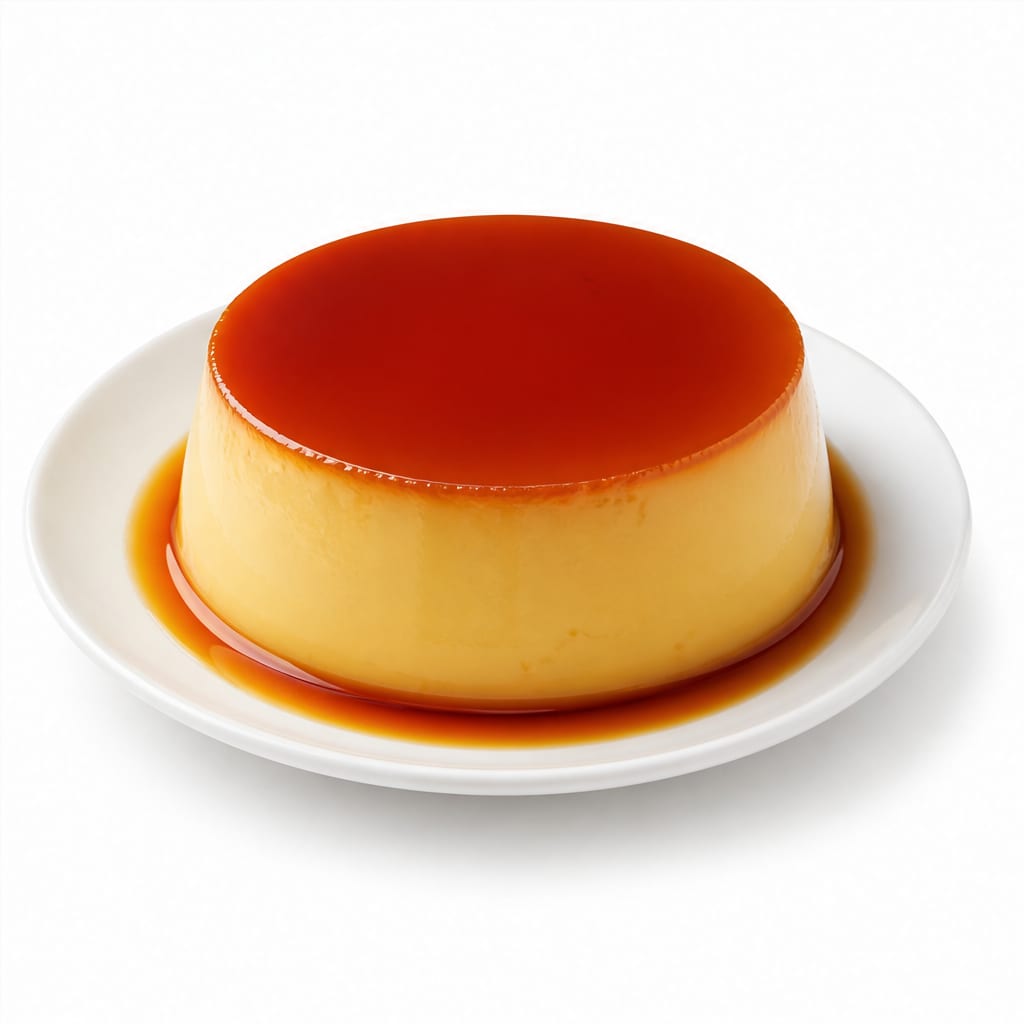
Compare with
Flan
Flan is egg-based and features a liquid caramel topping, making it slightly higher in protein but also higher in sugar from the caramel.
Flan provides more protein from eggs but more sugar from the caramel top, whereas panna cotta is lower in sugar but higher in saturated fat.
This food
Panna Cotta
VS75% alike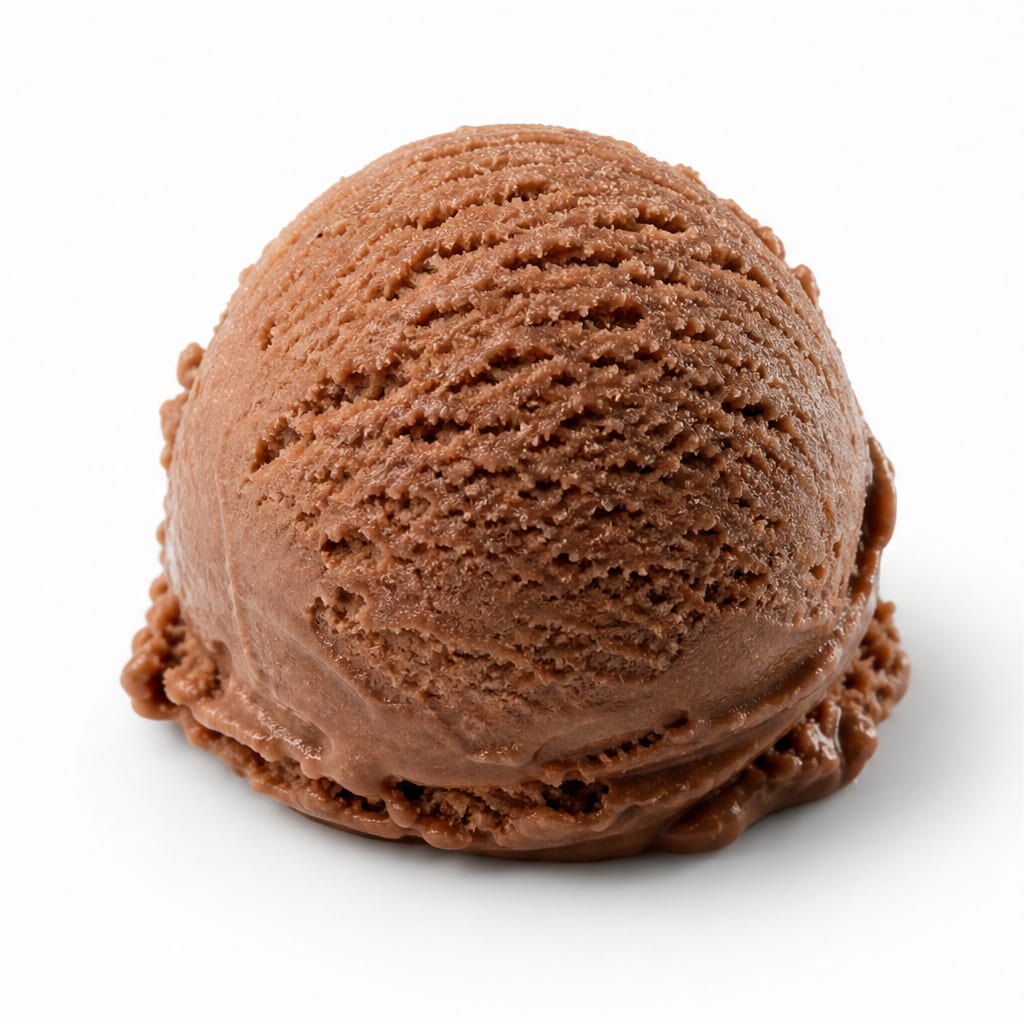
Compare with
Ice Cream
Ice cream is frozen and churned, while panna cotta is set. Ice cream often has more air (overrun) but is typically served in larger, more caloric portions.
Panna cotta is easier to portion control than ice cream and has a lower glycemic impact due to being served solid rather than liquid.
This food
Panna Cotta
VS70% alike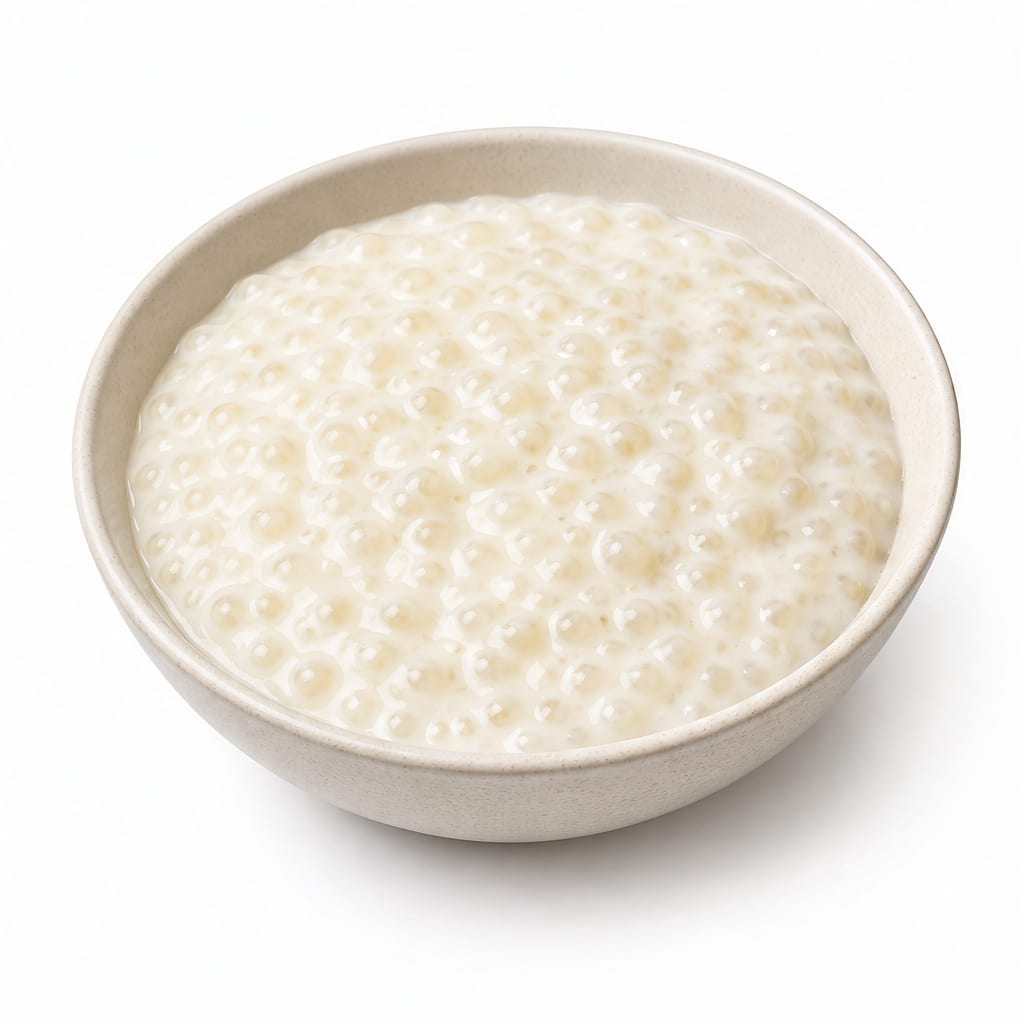
Compare with
Tapioca Pudding
Tapioca pudding uses milk and tapioca pearls, making it lower in fat but higher in carbohydrates than cream-based panna cotta.
Tapioca pudding is lower in fat and calories than panna cotta, but its carbs digest faster, giving panna cotta the edge for blood sugar stability.
This food
Panna Cotta
VS65% alike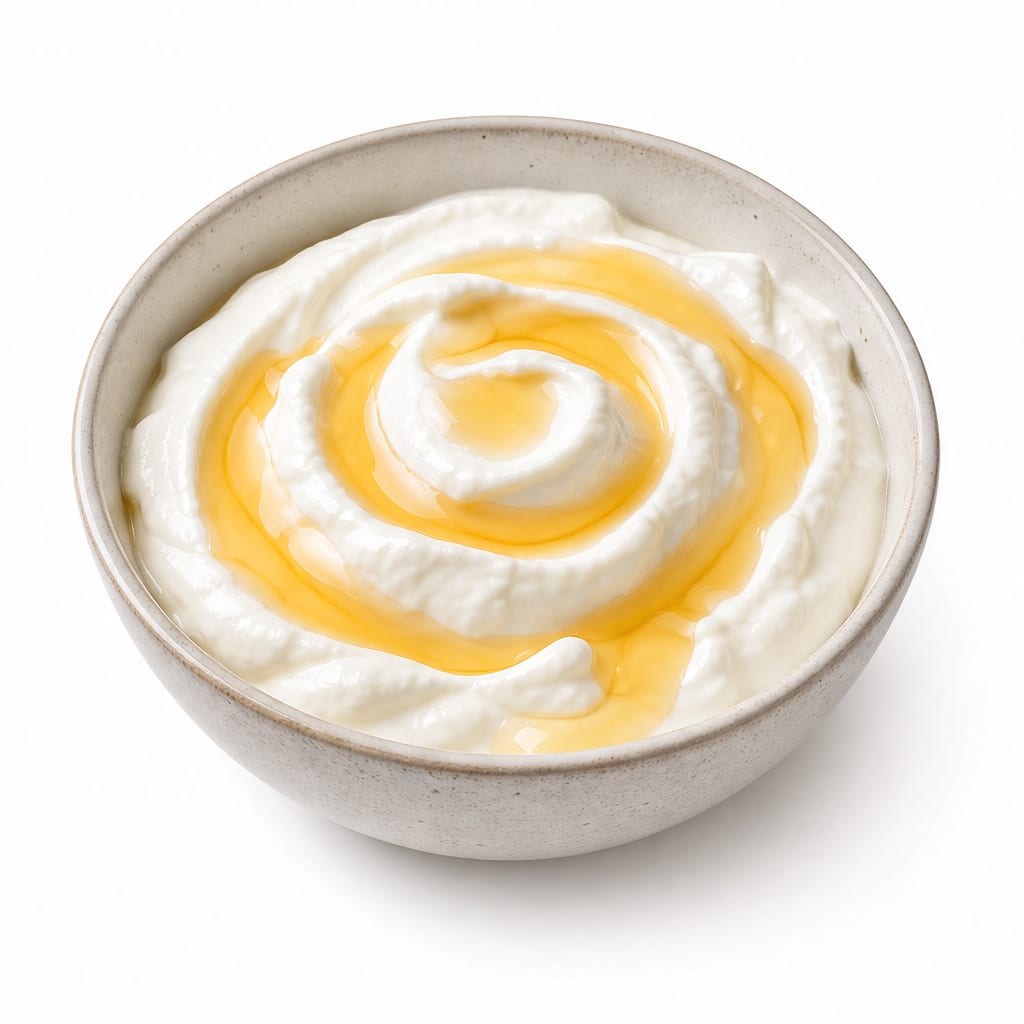
Compare with
Greek Yogurt with Honey
Greek yogurt is high in protein, probiotic-rich, and much lower in fat and calories, making it a vastly healthier alternative.
Greek yogurt with honey provides high protein and gut-friendly probiotics, making it far superior to panna cotta for weight loss and health.
This food
Panna Cotta
VS60% alike.jpg)
Compare with
Gelatin Dessert (Jell-O)
Jell-O is water-based and very low in calories, while panna cotta is cream-based and highly caloric.
Sugar-free gelatin is a low-calorie alternative to panna cotta, though it lacks the rich creaminess and healthy fats of the original.
This food
Panna Cotta
VS80% alike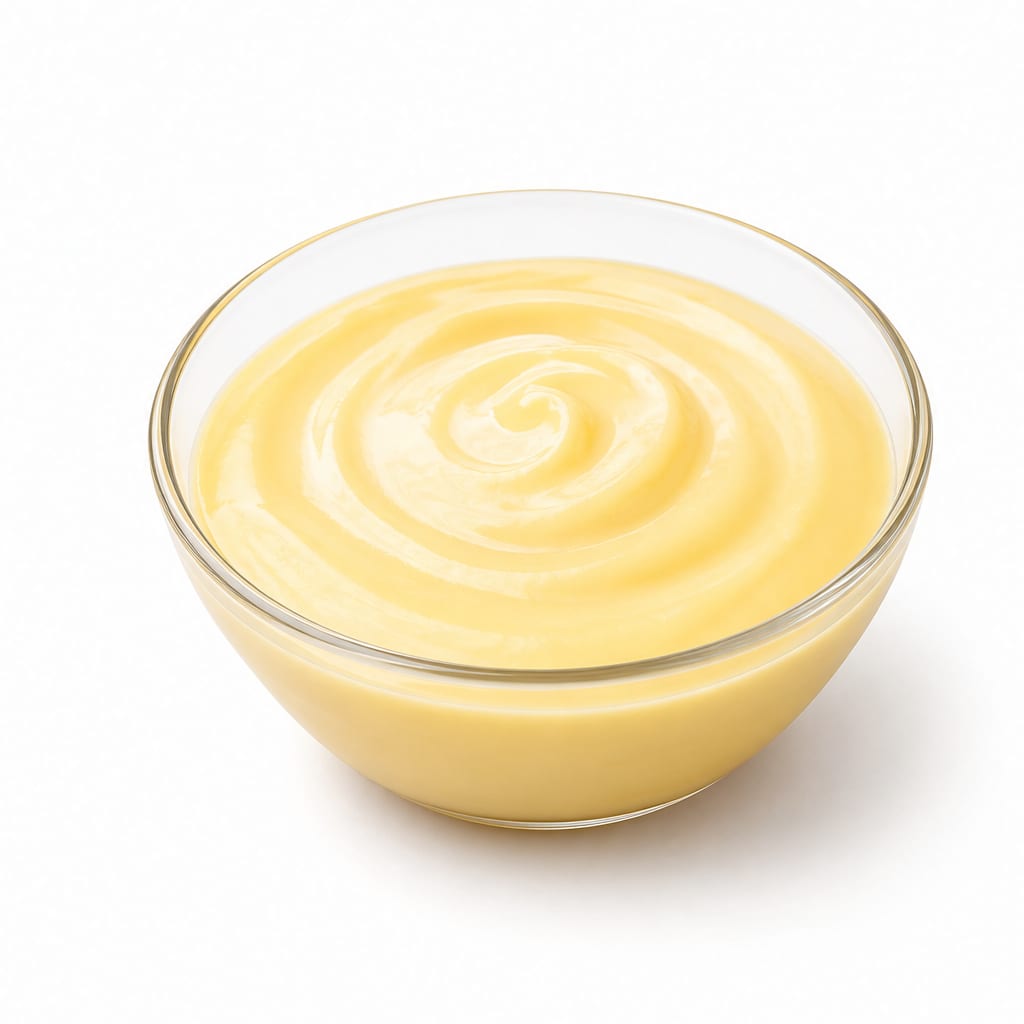
Compare with
Custard
Custard is thickened with eggs instead of gelatin, offering more protein but a similar calorie and fat profile depending on the cream used.
Custard provides more protein from eggs, while panna cotta provides a silkier texture with gelatin and slightly fewer calories per serving.
This food
Panna Cotta
VS75% alike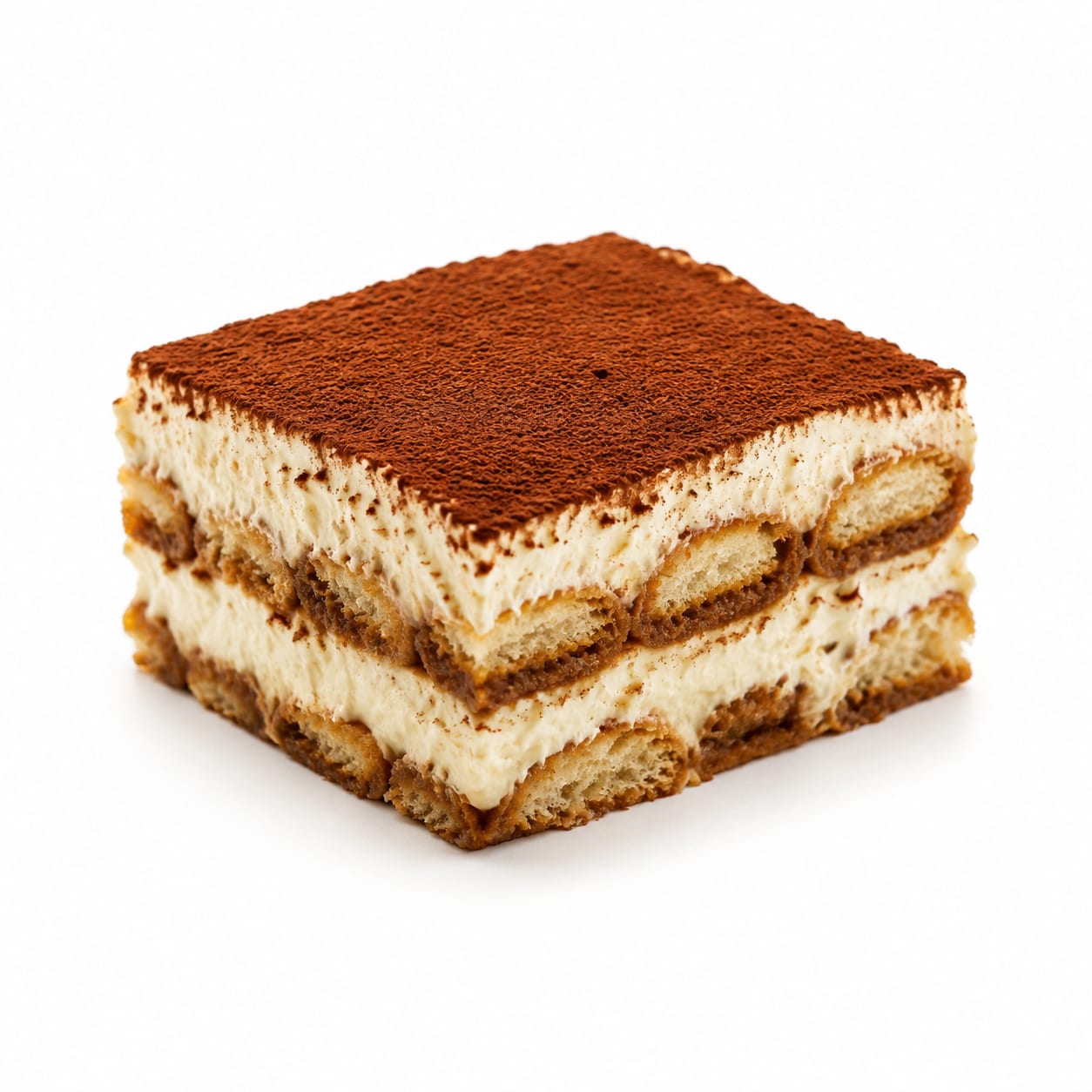
Compare with
Tiramisu
Tiramisu includes ladyfingers, mascarpone, and coffee, making it higher in carbohydrates and overall calories than panna cotta.
Panna cotta is lighter and lower in carbs than tiramisu, which contains sugar-soaked ladyfingers and rich mascarpone.
Common questions
FAQ
Answers aligned with how people search for this food.
Is panna cotta high in calories?
Yes, panna cotta is high in calories. A standard 100g serving contains around 280 calories, primarily from heavy cream and added sugar. Restaurant portions can easily exceed 400-500 calories.
Can diabetics eat panna cotta?
Panna cotta is not ideal for diabetics due to its high added sugar content. While the high fat slows down sugar absorption, preventing an immediate spike, it still significantly impacts blood sugar and insulin levels.
Is panna cotta keto-friendly?
Traditional panna cotta is not keto-friendly because it contains added sugar. However, you can make a keto-friendly version by substituting the sugar with a low-carb sweetener like erythritol or stevia.
What is the difference between panna cotta and creme brulee?
Panna cotta is thickened with gelatin and served cold, while creme brulee is thickened with eggs and baked, served with a caramelized sugar crust. Panna cotta is generally lighter in texture but similar in fat content.
Is panna cotta gluten-free?
Yes, traditional panna cotta is naturally gluten-free as it is made from cream, sugar, gelatin, and vanilla. However, always check labels on commercial versions or restaurant servings for gluten-containing thickeners or additives.
Does panna cotta have any protein?
Panna cotta contains a very small amount of protein (about 2.5g per 100g), mostly coming from the dairy and gelatin. It is not considered a significant source of protein.
How can I make panna cotta healthier?
You can make a healthier panna cotta by replacing heavy cream with coconut milk or low-fat milk, reducing the sugar by half, and using fresh fruit puree as a topping instead of sugary syrups.
Is panna cotta good for weight loss?
No, panna cotta is not good for weight loss. It is highly calorie-dense and low in fiber, meaning it provides a lot of calories without making you feel full for long.
Transparency
Data confidence
Estimated confidence for nutrition data, interpretation, safety notes, and comparisons.
Nutrition data
Health analysis
Food safety
Comparisons