
Nutrition comparison
Panna Cotta vs Cheesecake: Which Dessert Is Healthier?
Compare Panna Cotta and Cheesecake on calories, fat, sugar, digestion, and satiety. Find out which creamy dessert is the smarter choice for your health goals.
Overall winner · Panna Cotta
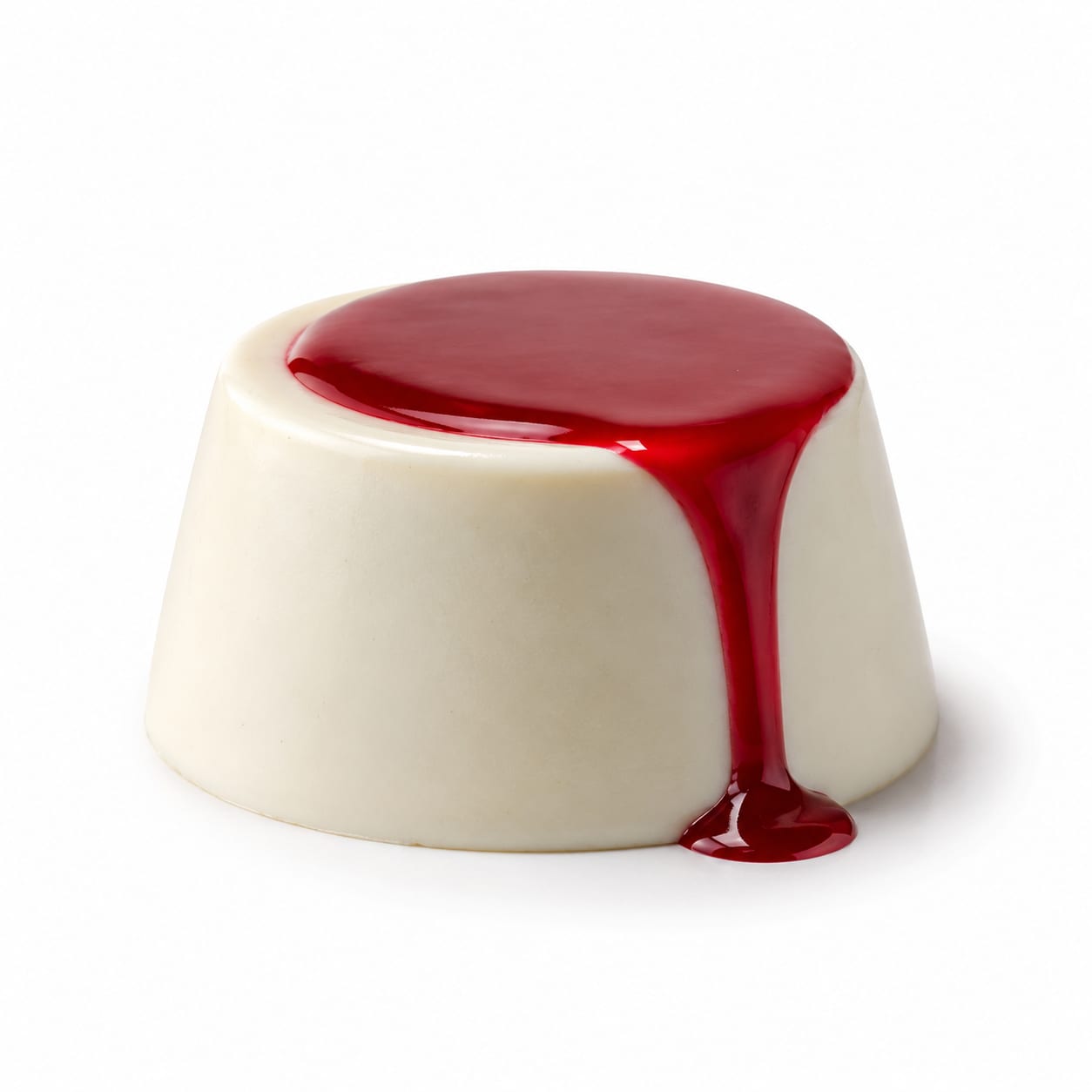
Panna Cotta
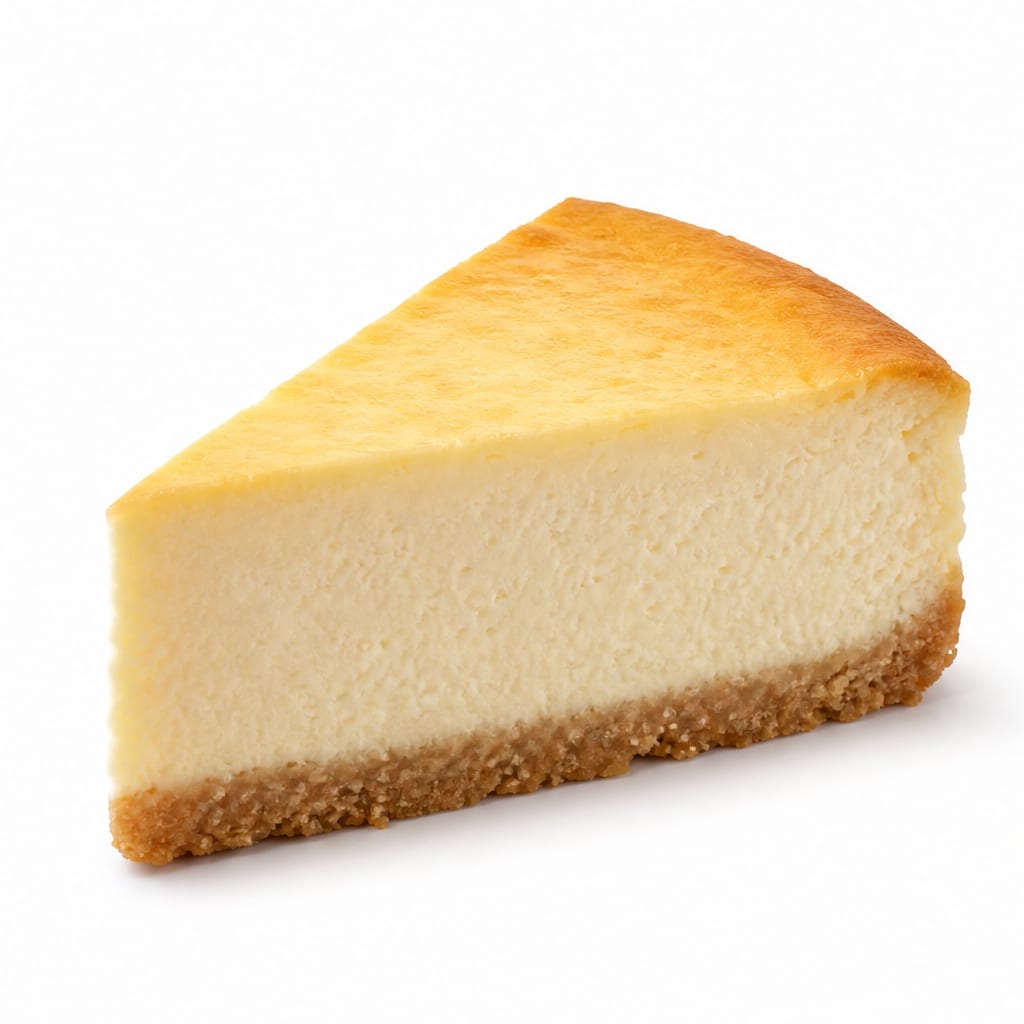
Cheesecake
Panna Cotta delivers the creamy dessert experience with noticeably fewer calories and a lighter feel, while cheesecake offers more protein and satiety at the cost of heaviness and higher fat.
Panna Cotta scores moderately as a lighter dessert with fewer calories and less digestive burden, while cheesecake ranks lower due to higher calorie density and saturated fat, though it offers more protein and satiety.
Lightness and lower calories versus richer nutrition and more filling satisfaction
At a glance
Executive summary
Overall
Panna Cotta
Healthier
Panna Cotta
More practical
It depends
Daily use
Panna Cotta
Key comparison lenses
dessert indulgence with less guilt
Both are rich desserts, so users likely want to know which satisfies cravings with fewer consequences
calorie and fat comparison
Cream-based versus cream cheese-based creates significant calorie and fat differences
digestive comfort after eating
Panna Cotta is notably lighter while cheesecake sits heavy, a key real-world concern
blood sugar impact
Both are sugar-heavy desserts but differ in how they affect blood sugar due to fat and protein content
portion control and overeating risk
Density and richness directly affect how much someone eats in one sitting
Best choice for
Panna Cotta
- Lighter after-dinner treat without feeling stuffed
- Warm weather desserts when heavy food sounds unappealing
- Controlling calorie intake while still enjoying something creamy
- People with sensitive digestion who find rich desserts uncomfortable
Cheesecake
- Special occasion indulgence where maximum satisfaction matters
- Those wanting more protein alongside their dessert
- When one slice needs to double as a filling snack
- People who find light desserts unsatisfying and end up eating more
Least suitable for
Panna Cotta
- Those needing substantial protein intake
- People who find small portions unsatisfying
- Vegans and vegetarians due to gelatin content
Cheesecake
- Anyone watching calorie intake closely
- People with acid reflux or sensitive stomachs
- Those trying to limit saturated fat
Deep comparison
Dimension by dimension
Each lens scores both foods and breaks down who each option suits.
- Dimension 1 · Priority 90Panna Cotta
Calorie Density
Panna Cotta · 62Cheesecake · 35Panna Cotta typically runs 200-300 calories per serving versus cheesecake's 350-500+ calories.
Tradeoff
Fewer calories means less energy intake, but also less satiety per serving
Why it matters
If you eat dessert regularly, the calorie gap adds up significantly over weeks
Real-world impact
Choosing Panna Cotta a few times a week instead of cheesecake could save 300-600 calories weekly without eliminating dessert entirely
Panna Cotta
- Weight-conscious dessert lovers
- Those tracking calories
Better for
- Anyone needing sustained energy from their snack
Worse for
Cheesecake
- People who need higher calorie intake
- Those replacing a meal with dessert
Better for
- Consistent calorie surplus leading to gradual weight gain
Worse for
- Dimension 2 · Priority 82Cheesecake
Satiety and Fullness
Panna Cotta · 38Cheesecake · 72Cheesecake's dense fat and protein content keeps you full longer, while Panna Cotta digests quickly.
Tradeoff
Feeling full longer versus feeling comfortably light after eating
Why it matters
If dessert leaves you hungry 30 minutes later, you may end up snacking again
Real-world impact
A cheesecake slice after dinner often ends the evening. Panna Cotta might leave you reaching for something else before bed.
Panna Cotta
- Those who hate feeling stuffed after meals
- Late-night dessert eaters wanting something light
Better for
- Chronic snackers who need satiety signals to stop eating
Worse for
Cheesecake
- People using dessert as a filling treat
- Those who tend to snack after dessert
Better for
- People who feel uncomfortably full after rich meals
Worse for
- Dimension 3 · Priority 78Panna Cotta
Sugar Impact
Panna Cotta · 45Cheesecake · 38Both are sugar-heavy, but Panna Cotta generally contains slightly less sugar per serving.
Tradeoff
Marginally less sugar spike versus more fat slowing sugar absorption in cheesecake
Why it matters
The fat in cheesecake actually slows sugar absorption, creating a more gradual blood sugar rise
Real-world impact
Panna Cotta may cause a quicker blood sugar spike followed by a crash, while cheesecake's fat blunts the spike but adds its own metabolic burden
Panna Cotta
- Those limiting total sugar grams
Better for
- Those sensitive to rapid blood sugar fluctuations
Worse for
Cheesecake
- People concerned about sharp blood sugar spikes
- Diabetics who benefit from fat slowing glucose absorption
Better for
- Anyone monitoring both sugar and saturated fat simultaneously
Worse for
- Dimension 4 · Priority 85Panna Cotta
Digestive Comfort
Panna Cotta · 78Cheesecake · 40Panna Cotta is gentle and light on the stomach. Cheesecake is dense and slow to digest.
Tradeoff
Easy digestion versus feeling substantively fed
Why it matters
Heavy desserts before bed commonly trigger acid reflux, bloating, and poor sleep quality
Real-world impact
If you have dessert after dinner, Panna Cotta lets you sleep comfortably. Cheesecake may have you reaching for antacids.
Panna Cotta
- Acid reflux sufferers
- People who eat dessert close to bedtime
- Those with sensitive digestion
Better for
- Those who want dessert to feel like a real meal
Worse for
Cheesecake
- People with iron stomachs who never get heartburn
Better for
- Prone to heartburn, bloating, or indigestion after rich food
Worse for
- Dimension 5 · Priority 65Cheesecake
Protein and Nutrients
Panna Cotta · 20Cheesecake · 55Cheesecake provides meaningful protein from cream cheese and eggs. Panna Cotta offers minimal protein.
Tradeoff
Some nutritional value versus a treat that makes no pretense of being healthy
Why it matters
Protein in dessert slightly offsets the sugar impact and supports muscle maintenance
Real-world impact
A cheesecake slice provides 5-8g protein, which is modest but not nothing. Panna Cotta delivers almost zero protein.
Panna Cotta
- Those who prefer honest treats without pretending dessert is nutritious
Better for
- Anyone relying on snacks to contribute meaningful protein
Worse for
Cheesecake
- People trying to sneak protein into every eating occasion
- Those with higher protein needs
Better for
- People who use protein content to justify overeating dessert
Worse for
- Dimension 6 · Priority 75Panna Cotta
Saturated Fat Load
Panna Cotta · 55Cheesecake · 30Cheesecake packs significantly more saturated fat from cream cheese, butter, and crust. Panna Cotta uses cream but in smaller quantities per serving.
Tradeoff
Less heart-stressing fat versus richer mouthfeel and flavor
Why it matters
Regular high saturated fat intake directly impacts cardiovascular health over time
Real-world impact
A single cheesecake slice can deliver 15-25g saturated fat, approaching or exceeding a full day's recommended limit. Panna Cotta typically contains 6-12g.
Panna Cotta
- Those monitoring heart health
- People with high cholesterol
Better for
- People who want maximum richness and flavor from their indulgence
Worse for
Cheesecake
- Active individuals burning through fat calories
- Those on ketogenic diets
Better for
- Anyone with cardiovascular risk factors
Worse for
- Dimension 7 · Priority 72Panna Cotta
Portion Control
Panna Cotta · 70Cheesecake · 42Panna Cotta's lightness makes reasonable portions feel satisfying. Cheesecake's richness can trigger overeating or leave you wanting more.
Tradeoff
Easier to stop eating versus harder to resist going back for seconds
Why it matters
The dessert you can moderate matters more than the dessert with slightly better nutrition
Real-world impact
Most people can eat one Panna Cotta and feel done. Cheesecake often triggers the 'one more small slice' spiral.
Panna Cotta
- Those who struggle with dessert portion control
- Mindful eaters
Better for
- Those who find light desserts unsatisfying and compensate with other snacks
Worse for
Cheesecake
- People who naturally stop at one serving
Better for
- Emotional eaters who find rich foods harder to moderate
Worse for
Timeline
Health impact over time
Short-term
Hours to days
Panna Cotta
- Quick energy from sugar with a moderate crash risk
- Comfortable digestion without heaviness
- Less post-meal drowsiness compared to heavier desserts
Cheesecake
- Sustained fullness but potential sluggishness after eating
- Higher likelihood of heartburn or acid reflux
- More stable blood sugar due to fat content but greater digestive burden
Long-term
Months to years
Panna Cotta
- Lower cumulative calorie intake if eaten regularly instead of denser desserts
- Moderate saturated fat exposure from cream
- Gelatin provides minor joint and skin benefits from collagen
Cheesecake
- Significant saturated fat accumulation if consumed frequently
- Higher calorie habit that contributes to gradual weight gain
- More protein intake but not enough to justify regular consumption
Risk profile
Safety & processing
Both are homemade-friendly desserts with recognizable ingredients. Panna Cotta uses cream, sugar, and gelatin with minimal additives. Cheesecake often includes processed cream cheese, graham crackers with preservatives, and sometimes emulsifiers in commercial versions.
Panna Cotta
Gelatin sourcing concerns
lowCommercial gelatin comes from animal byproducts. Quality varies by brand, but food safety risk is minimal.
Dairy spoilage
mediumCream-based desserts require proper refrigeration and have a shorter safe window at room temperature.
Cheesecake
Raw or undercooked eggs
mediumSome cheesecake recipes use minimally cooked eggs, creating salmonella risk if not handled properly.
Dairy spoilage
mediumCream cheese and dairy components spoil quickly when left unrefrigerated.
Who wins for whom
Audience fit
Same foods, different winners depending on your goal.
children
Panna CottaLighter texture and smaller portions suit kids better. Cheesecake's density can overwhelm smaller appetites and deliver excessive saturated fat for children.
daily consumption
Panna CottaNeither should be daily, but Panna Cotta's lower calorie and fat burden makes it less harmful as an occasional regular treat.
diabetes
It dependsPanna Cotta has slightly less sugar, but cheesecake's higher fat content slows glucose absorption. Individual blood sugar response varies.
elderly
Panna CottaEasier to digest and gentler on aging digestive systems. Cheesecake's heaviness can trigger reflux and discomfort in older adults.
muscle gain
CheesecakeCheesecake provides more protein per serving, though neither dessert should be a primary protein source.
weight loss
Panna CottaLower calorie density and easier portion control make Panna Cotta the less damaging dessert choice for weight management.
Your move
Decision guide
Choose Panna Cotta
- You want dessert without feeling uncomfortably full afterward
- Calorie awareness matters but you refuse to skip dessert entirely
- You get heartburn from rich foods
- It's a warm evening and heavy food sounds unappealing
- You struggle with portion control and need a dessert that's easier to moderate
Choose Cheesecake
- It's a celebration and only the most indulgent option feels right
- You want dessert to actually fill you up, not just satisfy a craving
- You're sharing with others who expect a showstopper dessert
- You naturally stop at one serving and want maximum satisfaction from it
- You're active enough that the extra calories and fat are manageable
Either works if
- You only eat dessert occasionally and the nutritional differences barely matter
- You're making dessert from scratch and can control sugar and fat in either recipe
Avoid both if
- You're managing diabetes and need to strictly limit sugar
- You have dairy intolerance or a milk allergy
- You're following a vegan diet and neither traditional recipe works
- You're trying to eliminate processed sugar entirely
Final recommendation
For regular dessert enjoyment, Panna Cotta is the smarter default: lighter, easier to digest, and less calorically punishing. Save cheesecake for moments when only the richest option will do. The best strategy is making Panna Cotta your weekly treat and cheesecake your monthly celebration.
Practical
Consumer tips
- 1
Make Panna Cotta with less sugar than recipes call for. Most taste just as good with 25-30% less.
- 2
Use Greek yogurt in place of some cream in Panna Cotta for added protein and lighter texture.
- 3
If choosing cheesecake, skip the crust to save 80-120 calories and significant saturated fat per slice.
- 4
Let either dessert sit out for 10 minutes before eating. Warmer temperatures enhance flavor, so you need less to feel satisfied.
- 5
Consider mini portions: a small Panna Cotta or a thin cheesecake slice often satisfies the craving without the full caloric impact.
- 6
Check restaurant portions before ordering. Cheesecake slices in restaurants are often 2-3 standard servings.