
Nutrition comparison
Panna Cotta vs Flan: Which Creamy Dessert Is Better for You?
Compare Panna Cotta and Flan on sugar, protein, cholesterol, and digestion. Find out which custard dessert fits your health goals and when to choose each.
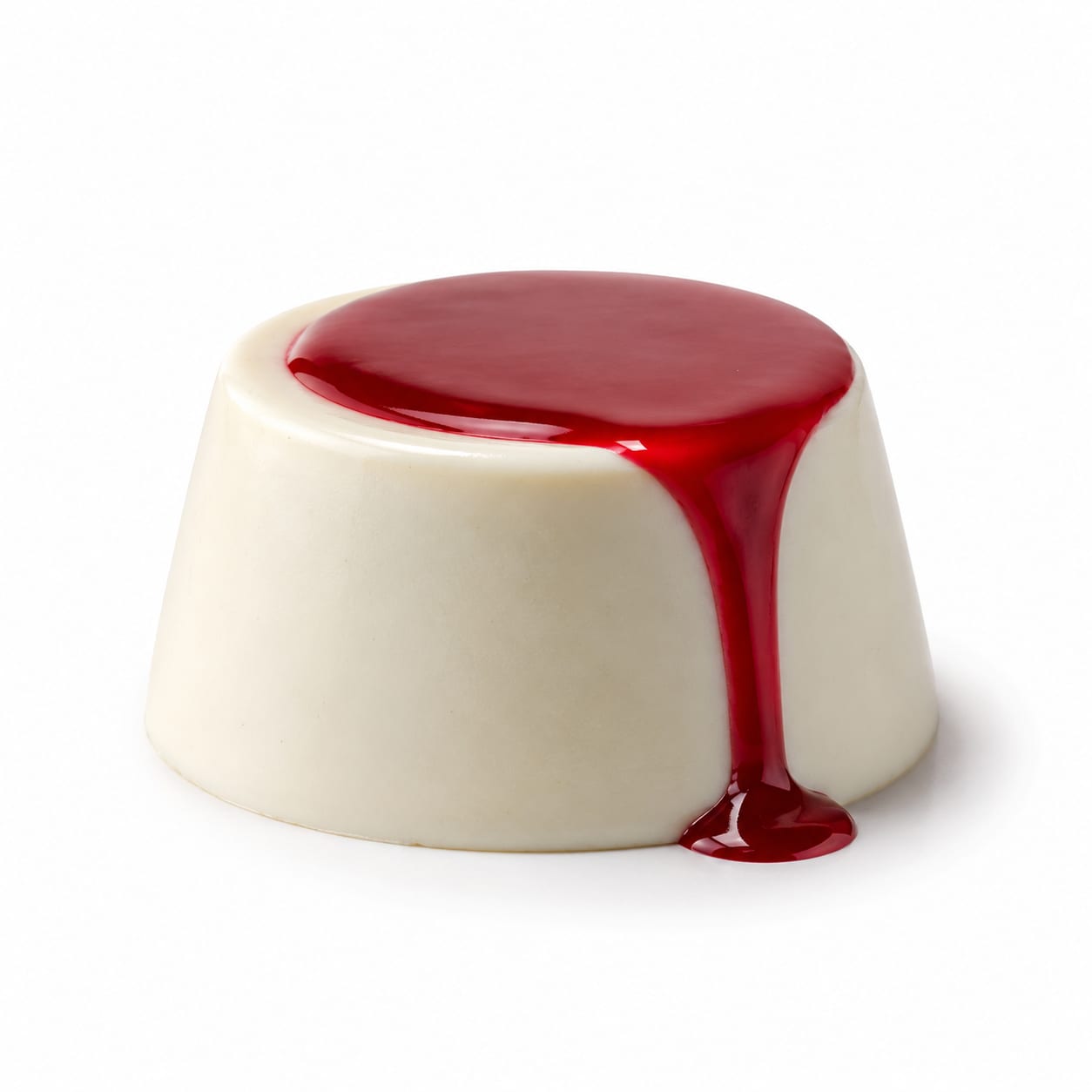
Panna Cotta
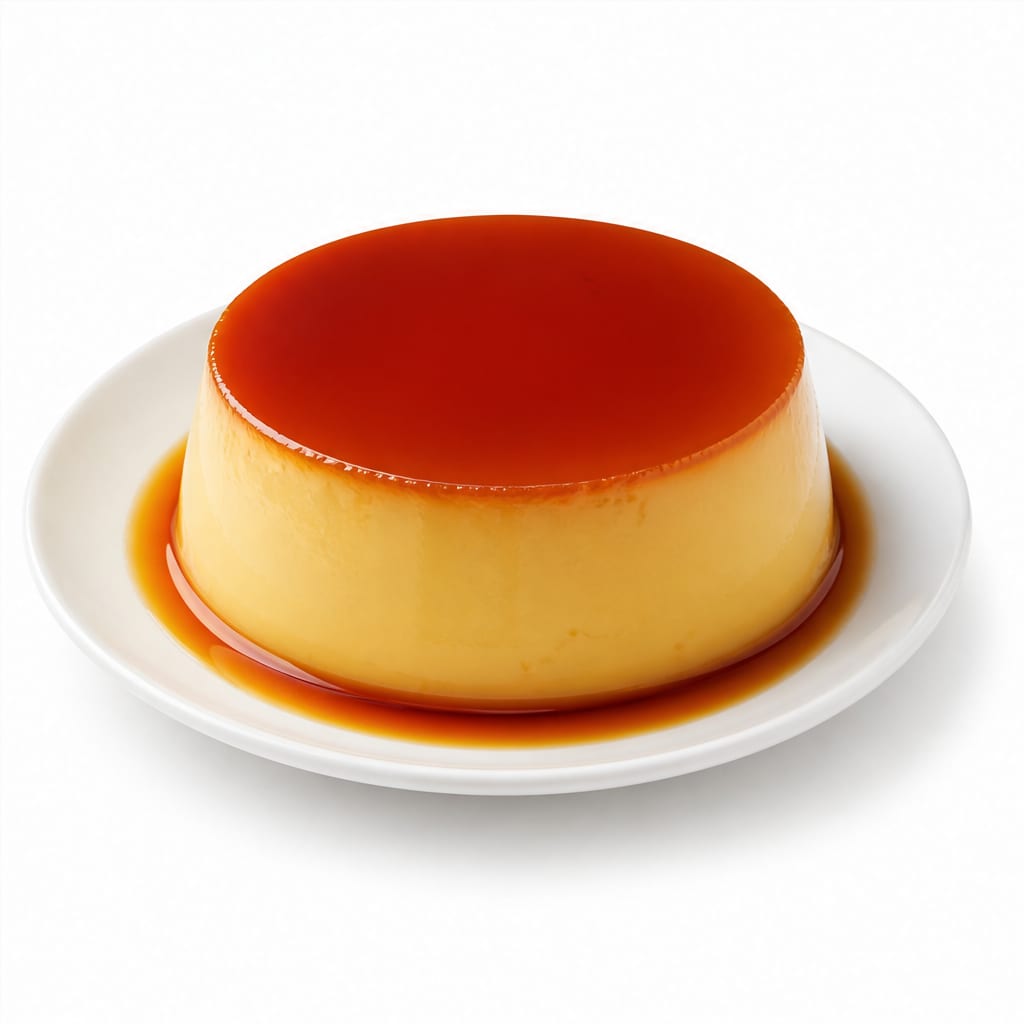
Flan
Flan wins on protein and satiety; Panna Cotta wins on lightness and lower cholesterol. Both are dessert-first choices, not health foods.
Flan edges ahead due to egg protein and better satiety, but both are indulgent desserts with high sugar. Neither scores well nutritionally — the gap reflects small but meaningful differences in protein and fullness.
Flan gives you eggs and more staying power but with cholesterol and heavier caramel sugar. Panna Cotta feels lighter and simpler but offers almost no protein.
At a glance
Executive summary
Overall
It depends
Healthier
It depends
More practical
Flan
Daily use
It depends
Key comparison lenses
choosing a lighter vs richer creamy dessert
Both are indulgent custards but differ significantly in fat source and texture, driving most real-world decisions
managing sugar intake from desserts
Sugar is the dominant nutritional concern in both, but caramel topping makes Flan uniquely sugary
protein and satiety from dessert choices
Flan's egg content provides meaningful protein that Panna Cotta lacks entirely
digestive tolerance and lightness
Panna Cotta's gelatin base feels lighter, while Flan's egg custard sits heavier for some
cholesterol and heart-health awareness
Flan contains eggs and dairy, raising cholesterol questions that Panna Cotta avoids despite its cream content
Best choice for
Panna Cotta
- People watching cholesterol intake
- Those wanting a lighter post-dinner treat
- Anyone who finds egg-based desserts too heavy
- Gelatin seekers for joint-friendly dessert options
Flan
- Those wanting more protein even from dessert
- People who find creamy desserts unsatisfying without substance
- Anyone prioritizing satiety over lightness
- Those who prefer naturally set custards without gelatin
Least suitable for
Panna Cotta
- People needing protein from every meal
- Those avoiding high-fat dairy
- Vegans and vegetarians who avoid gelatin
Flan
- People strictly limiting cholesterol
- Those sensitive to caramelized sugar spikes
- Anyone with egg allergies
Deep comparison
Dimension by dimension
Each lens scores both foods and breaks down who each option suits.
- Dimension 1 · Priority 95Panna Cotta
sugar load and blood sugar impact
Panna Cotta · 35Flan · 25Panna Cotta typically has less total sugar than Flan, which gets a double hit from both the custard base and the caramel topping.
Tradeoff
Flan's caramel layer adds concentrated sugar that hits your bloodstream fast. Panna Cotta's sugar is more moderate and distributed through the cream base.
Why it matters
Both will spike blood sugar, but Flan's caramel creates a sharper, faster spike that can trigger stronger cravings afterward.
Real-world impact
After Flan, you're more likely to want another sweet within an hour. Panna Cotta's cream slows sugar absorption slightly, giving a gentler rise.
Panna Cotta
- Steadier energy after dessert
- Less intense sugar cravings post-meal
Better for
Flan
- Sharper blood sugar spike from caramel
- Higher risk of the dessert-rebound craving cycle
Worse for
- Dimension 2 · Priority 88Flan
protein and satiety
Panna Cotta · 15Flan · 45Flan's eggs provide 4-6g protein per serving. Panna Cotta has almost none, relying solely on fat for fullness.
Tradeoff
Flan fills you up more because protein triggers lasting satiety signals. Panna Cotta's cream fat feels rich but fades faster.
Why it matters
Protein from eggs makes Flan surprisingly satisfying for a dessert. Panna Cotta's richness is more about mouthfeel than actual fullness.
Real-world impact
A serving of Flan after dinner may actually keep you satisfied until morning. Panna Cotta might leave you hunting for a snack before bed.
Panna Cotta
- Almost zero protein contribution
- Fullness fades quickly despite rich taste
Worse for
Flan
- More filling dessert experience
- Protein supports muscle maintenance even from a treat
- Longer-lasting satisfaction between meals
Better for
- Dimension 3 · Priority 80Panna Cotta
fat quality and cholesterol
Panna Cotta · 38Flan · 30Panna Cotta uses heavy cream but no eggs, meaning zero dietary cholesterol. Flan combines eggs and milk, adding roughly 100-150mg cholesterol per serving.
Tradeoff
Panna Cotta's saturated fat is high, but it skips the cholesterol load entirely. Flan brings both saturated fat and cholesterol together.
Why it matters
For anyone monitoring heart health or cholesterol numbers, Panna Cotta avoids one major dietary concern that Flan cannot.
Real-world impact
If your doctor said 'watch your cholesterol,' Flan is the worse pick. Panna Cotta still isn't heart-healthy, but it's the simpler fat profile.
Panna Cotta
- Zero dietary cholesterol
- Simpler fat profile for those tracking intake
- Easier fit into cholesterol-conscious eating
Better for
- Very high in saturated fat from heavy cream
Worse for
Flan
- Egg yolk cholesterol adds up quickly
- Double hit of saturated fat and cholesterol
Worse for
- Dimension 4 · Priority 72Panna Cotta
digestive comfort and lightness
Panna Cotta · 60Flan · 40Panna Cotta's gelatin-set texture feels lighter and digests more easily for most people. Flan's egg custard is denser and can feel heavy.
Tradeoff
Gelatin may actually soothe the gut lining, while Flan's egg-milk combo can feel like a brick in sensitive stomachs.
Why it matters
After a big meal, Panna Cotta slides down easily. Flan can feel like adding a second dinner's worth of density.
Real-world impact
Choose Panna Cotta when you want dessert without the food coma. Flan is better when dessert IS the experience and you want substance.
Panna Cotta
- Lighter feeling after eating
- Gelatin may support gut lining health
- Better choice after already-heavy meals
Better for
- May feel insubstantial if you're genuinely hungry
Worse for
Flan
- More substantial when dessert replaces a snack
Better for
- Can feel overly heavy after large dinners
- Egg custard may cause bloating in sensitive people
Worse for
- Dimension 5 · Priority 65Flan
ingredient simplicity and additives
Panna Cotta · 40Flan · 55Traditional Flan uses just eggs, milk, sugar, and vanilla — all whole foods. Panna Cotta requires gelatin, which is processed even if natural-origin.
Tradeoff
Flan sets naturally through egg coagulation. Panna Cotta needs added gelatin, which is a processed ingredient regardless of quality.
Why it matters
If you prefer desserts that work without setting agents, Flan is the more self-sufficient recipe. Panna Cotta always depends on that gelatin.
Real-world impact
Homemade Flan from scratch uses pantry staples. Homemade Panna Cotta requires sourcing quality gelatin, which adds a step and an additive.
Panna Cotta
- Requires processed gelatin to set
- Gelatin sourcing can be unclear in restaurant versions
Worse for
Flan
- Sets naturally without added gelling agents
- Uses only whole-food ingredients in traditional recipes
- No concern about gelatin sourcing or quality
Better for
- Dimension 6 · Priority 60Panna Cotta
portion control and overeating risk
Panna Cotta · 50Flan · 40Panna Cotta's richness makes small portions feel complete. Flan's softer texture and caramel pool make it easier to overeat.
Tradeoff
A little Panna Cotta goes a long way because the fat signals fullness fast. Flan's smooth, sweet profile tempts larger portions.
Why it matters
Richness can be a natural portion limiter. Flan's caramel sweetness overrides fullness cues more easily.
Real-world impact
You're more likely to stop at one small Panna Cotta. With Flan, the caramel bottom tempts you to scrape the dish clean and consider seconds.
Panna Cotta
- Natural portion limiter due to richness
- Small serving feels like enough
Better for
Flan
- Caramel encourages overconsumption
- Softer texture makes larger portions easy to finish
Worse for
Timeline
Health impact over time
Short-term
Hours to days
Panna Cotta
- Quick satiety from fat content, but it fades within an hour
- Moderate blood sugar rise that cream fat slows slightly
- Light digestive load — unlikely to cause bloating
Flan
- More sustained fullness from egg protein lasting 2-3 hours
- Sharper blood sugar spike from caramel, potential energy dip after
- Heavier digestive feeling, possible bloating in egg-sensitive people
Long-term
Months to years
Panna Cotta
- High saturated fat intake if consumed frequently
- No cholesterol concern, but cream fat still impacts heart health over time
- Gelatin may offer minor joint and gut benefits with regular consumption
Flan
- Regular egg cholesterol intake may concern those with lipid issues
- Protein contribution adds up if Flan replaces less nutritious desserts
- Caramel sugar habit reinforces sweet cravings if eaten often
Risk profile
Safety & processing
Flan uses only whole ingredients that naturally set together. Panna Cotta requires gelatin, which is processed even when high-quality. Restaurant versions of both may add stabilizers, but Flan's traditional recipe is simpler.
Panna Cotta
Gelatin sourcing uncertainty
lowCommercial gelatin origin can be unclear. Quality varies, and some people avoid it for dietary or religious reasons.
Dairy spoilage
mediumCream-based desserts spoil faster than egg-set custards if left unrefrigerated. Panna Cotta is more temperature-sensitive.
Flan
Undercooked egg concerns
mediumHomemade Flan uses eggs that may not reach full pasteurization temperatures. Pregnant women and immunocompromised people should be cautious with homemade versions.
Caramel burn risk in preparation
lowMaking caramel for Flan involves very high sugar temperatures. This is a kitchen safety issue, not a consumption risk.
Who wins for whom
Audience fit
Same foods, different winners depending on your goal.
children
FlanFlan's egg protein supports growing bodies, and kids tend to love the caramel flavor. The softer texture is also easier for young eaters.
daily consumption
It dependsNeither dessert should be daily, but if forced to choose, it depends on whether you need protein (Flan) or lighter digestion (Panna Cotta).
diabetes
Panna CottaBoth are high-sugar desserts to limit, but Panna Cotta avoids Flan's concentrated caramel spike. Cream fat also slows glucose absorption slightly.
elderly
Panna CottaPanna Cotta is gentler on aging digestive systems, contains no cholesterol, and gelatin may support joint health. The light texture is easier to eat.
muscle gain
FlanFlan's egg protein, while modest, is real protein. Panna Cotta offers essentially zero muscle-supporting amino acids.
weight loss
Panna CottaPanna Cotta's richness naturally limits portions and it has slightly fewer calories per typical serving when caramel is factored into Flan's total.
Your move
Decision guide
Choose Panna Cotta
- You want a lighter dessert that won't sit heavy after a big meal
- You're watching cholesterol and prefer to avoid eggs
- You find egg-based desserts too rich or bloating
- You want easier portion control — a little feels like enough
- You're eating late and want something that won't disrupt sleep
Choose Flan
- You want dessert to actually fill you up, not just taste good
- You prefer whole-food ingredients without setting agents
- You're active and want some protein even from treats
- You're sharing with kids who benefit from the egg nutrition
- You find purely cream-based desserts unsatisfying
Either works if
- You're celebrating and just want a delicious custard
- Neither is a regular habit — occasional indulgence is fine either way
- You can control portions and sugar doesn't dominate your diet
Avoid both if
- You're strictly managing blood sugar or following a low-sugar protocol
- Saturated dairy fat is a concern for your heart health plan
- You're trying to break a daily dessert habit entirely
Final recommendation
Pick Panna Cotta when you want something light and elegant after dinner. Pick Flan when you want substance and satisfaction from your dessert. Neither is a health food, but Flan's protein edge makes it slightly more functional while Panna Cotta's lighter feel makes it easier to enjoy without overdoing it. The best choice is whichever one you'll savor slowly in a smaller portion.
Practical
Consumer tips
- 1
Ask for Panna Cotta with berry compote instead of extra sugar syrup — the tartness balances the richness and adds antioxidants
- 2
Make Flan with less caramel to cut 15-20% of the sugar without losing the experience
- 3
Restaurant Panna Cotta portions are often double homemade size — consider sharing
- 4
If making either at home, reduce sugar by 25% — you'll barely notice and your blood sugar will
- 5
Choose Panna Cotta at restaurants that make it in-house to avoid commercial stabilizers
- 6
For Flan, use whole milk instead of condensed milk to dramatically lower sugar content