
Nutrition comparison
Panna Cotta vs Chocolate Mousse: Which Dessert Is Healthier?
Compare Panna Cotta and Chocolate Mousse on calories, safety, ingredients, and nutrition. Find out which creamy dessert is the smarter choice for your health goals.
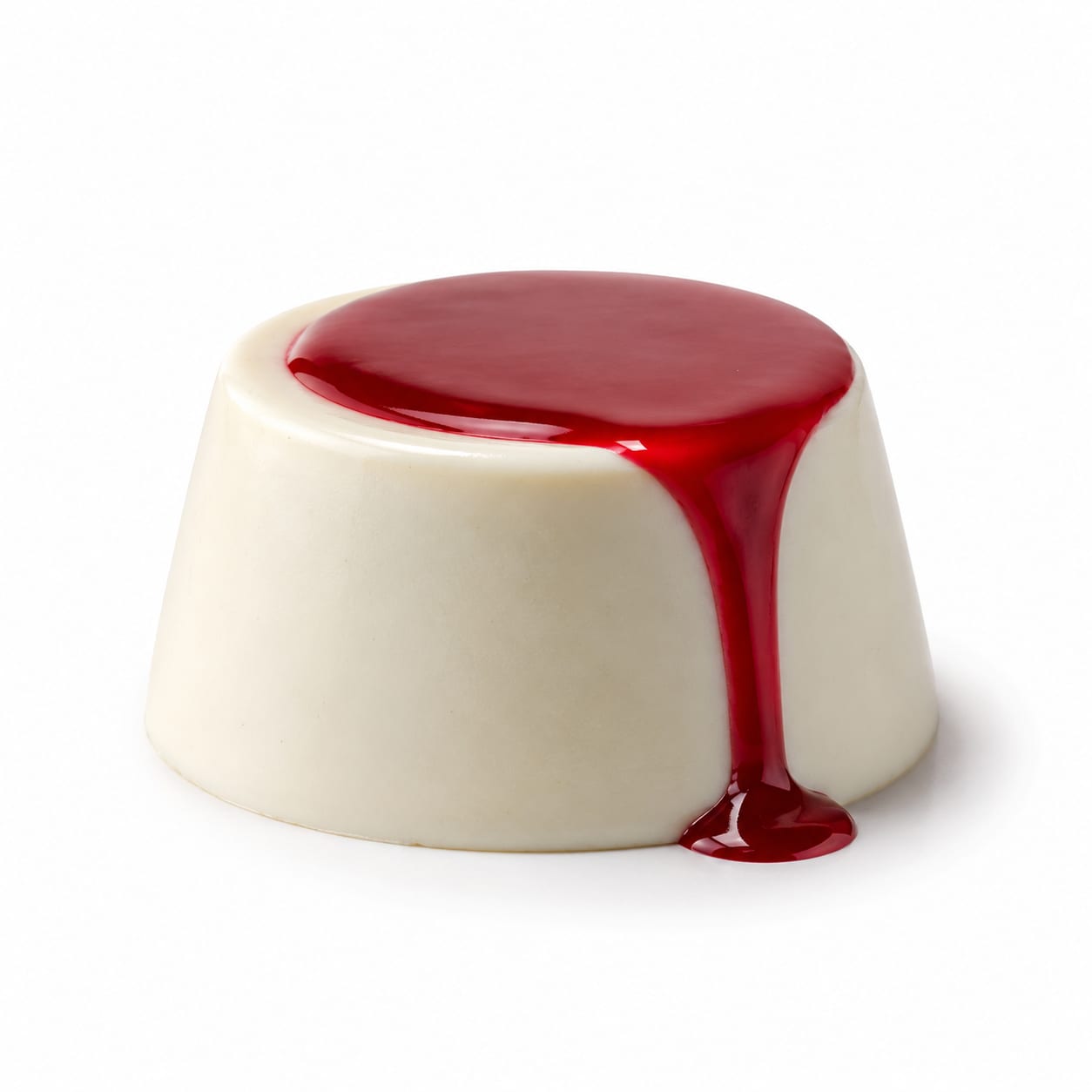
Panna Cotta
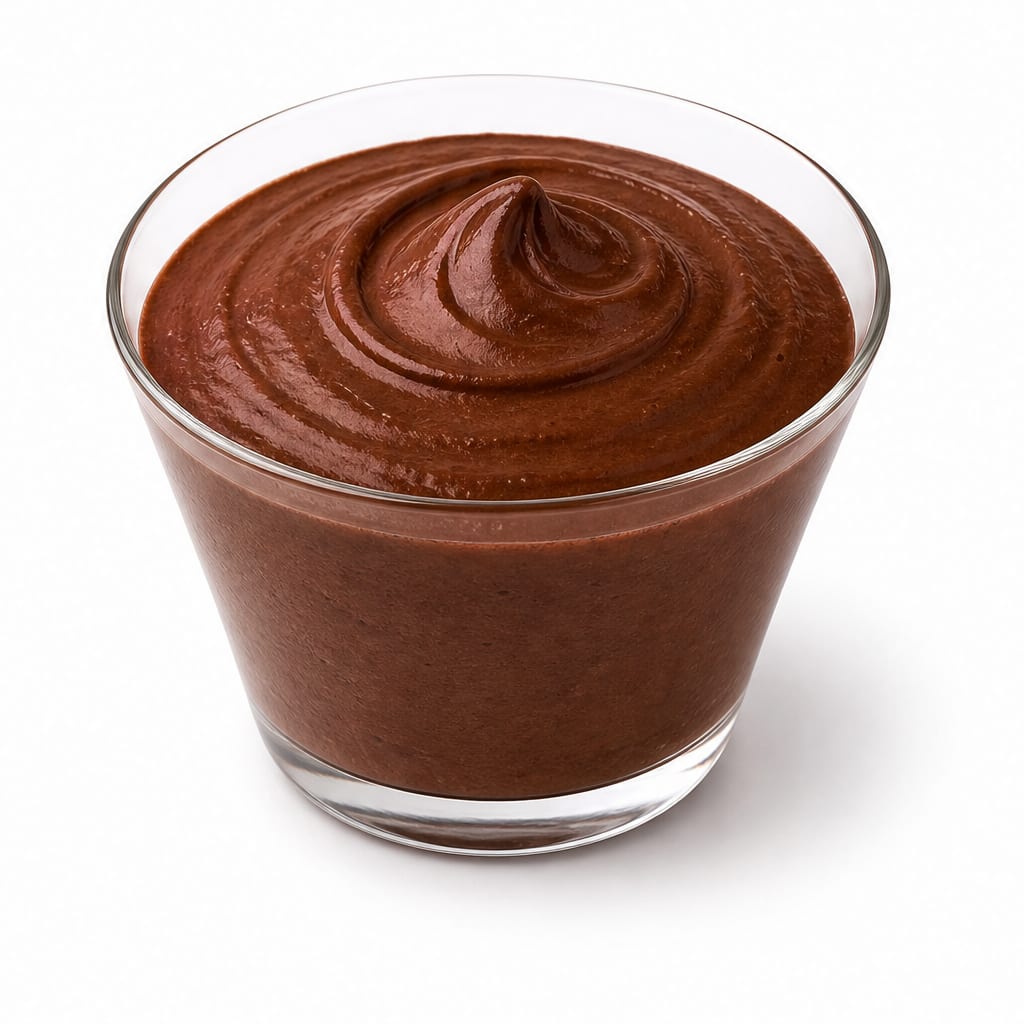
Chocolate Mousse
Panna Cotta is lighter and simpler, while Chocolate Mousse is richer and offers cocoa antioxidants but carries raw egg risk.
Panna Cotta scores slightly higher due to simpler ingredients, lower calorie density, and no raw egg risk. Chocolate Mousse offers more protein and antioxidants but loses points on safety and heaviness.
Lighter simplicity versus deeper flavor and antioxidant benefits, with a food safety tradeoff many underestimate.
At a glance
Executive summary
Overall
It depends
Healthier
Panna Cotta
More practical
Panna Cotta
Daily use
neither
Key comparison lenses
dessert indulgence with less guilt
Both are classic creamy desserts people choose when wanting something sweet but relatively refined
calorie and sugar awareness
Cream-based desserts are calorie-dense; users want to know which does less damage
food safety concerns
Traditional chocolate mousse uses raw eggs, a real safety consideration many people overlook
dietary restriction compatibility
Gelatin in panna cotta excludes vegetarians; eggs and dairy in mousse exclude vegans and some allergies
ingredient simplicity and processing
Home cooks want to know which is easier to make with cleaner ingredients
Best choice for
Panna Cotta
- People avoiding raw eggs including pregnant women
- Those wanting a lighter dessert after heavy meals
- Home cooks seeking an easy, foolproof recipe
- Anyone watching calorie density who still wants indulgence
Chocolate Mousse
- Chocolate lovers seeking deep cocoa flavor and antioxidants
- Those wanting a more filling, protein-rich dessert
- People who find chocolate satisfying and eat less overall
- Special occasions where richness is the whole point
Least suitable for
Panna Cotta
- Vegetarians and vegans due to gelatin and dairy
- Anyone wanting significant protein from their dessert
- People who find plain desserts unsatisfying and end up eating more
Chocolate Mousse
- Pregnant women and immunocompromised people due to raw eggs
- Those sensitive to caffeine or theobromine in chocolate
- People with egg allergies
Deep comparison
Dimension by dimension
Each lens scores both foods and breaks down who each option suits.
- Dimension 1 · Priority 90Panna Cotta
Calorie Density and Portion Control
Panna Cotta · 65Chocolate Mousse · 50Panna Cotta is typically lighter per serving, making it easier to enjoy without overdoing calories.
Tradeoff
Chocolate Mousse feels more filling per serving, which can help some people stop at one portion.
Why it matters
Dessert calories add up fast. A lighter option you can enjoy mindfully often beats a richer one you regret.
Real-world impact
A typical panna cotta runs 200-300 calories versus 300-450 for chocolate mousse. That difference matters when dessert is a regular habit.
Panna Cotta
- Smaller appetites who want dessert without feeling stuffed
- People tracking calories who prefer saving room elsewhere
Better for
- People who find light desserts unsatisfying and end up snacking later
Worse for
Chocolate Mousse
- Those who prefer one rich serving over going back for seconds of something lighter
Better for
- Anyone prone to overeating rich foods once they start
Worse for
- Dimension 2 · Priority 82Panna Cotta
Ingredient Simplicity and Naturalness
Panna Cotta · 72Chocolate Mousse · 60Panna Cotta needs just cream, sugar, gelatin, and vanilla. Chocolate Mousse requires chocolate, eggs, cream, and sugar with more steps.
Tradeoff
Simpler ingredients mean fewer variables but also less nutritional complexity. Mousse brings eggs and cocoa, which add nutrients.
Why it matters
Fewer ingredients make it easier to control quality and avoid unwanted additives, especially in store-bought versions.
Real-world impact
Homemade panna cotta is genuinely five ingredients. Store-bought mousse often contains stabilizers, emulsifiers, and preservatives you would never use at home.
Panna Cotta
- Clean-eating advocates who want minimal ingredient lists
- Home cooks wanting a dessert that is hard to mess up
Better for
- Anyone bothered by gelatin, which is an animal product
Worse for
Chocolate Mousse
- People who value the nutritional contribution of eggs and cocoa alongside indulgence
Better for
- Those wary of raw eggs or complex preparation steps
Worse for
- Dimension 3 · Priority 80Panna Cotta
Food Safety
Panna Cotta · 85Chocolate Mousse · 45Traditional chocolate mousse uses raw eggs, creating a real risk of salmonella. Panna Cotta poses minimal safety concerns.
Tradeoff
Pasteurized eggs or egg-free mousse recipes eliminate most risk, but many restaurants and home cooks still use conventional raw eggs.
Why it matters
Pregnant women, elderly people, and anyone with weakened immunity should avoid raw eggs entirely. This is not theoretical.
Real-world impact
A classic French mousse at a restaurant likely contains raw eggs. If you would not eat raw cookie dough, you should think twice about traditional mousse.
Panna Cotta
- Pregnant women
- Older adults
- Immunocompromised individuals
- Anyone who gets nervous about raw eggs
Better for
- No significant safety downside
Worse for
Chocolate Mousse
- Healthy adults comfortable with the low but real risk of raw eggs
Better for
- Pregnant women must avoid traditional versions
- Children and elderly face higher risk from raw eggs
Worse for
- Dimension 4 · Priority 72Chocolate Mousse
Nutritional Value Beyond Calories
Panna Cotta · 35Chocolate Mousse · 58Chocolate Mousse provides more protein from eggs and cream, plus antioxidants and minerals from cocoa. Panna Cotta is mostly fat and sugar.
Tradeoff
The nutritional edge is modest since both are desserts, but cocoa flavanols and egg nutrients give mousse a meaningful advantage.
Why it matters
If you are going to eat dessert anyway, getting some antioxidants and protein along the way is better than empty calories.
Real-world impact
Dark chocolate in mousse provides magnesium, iron, and flavanols. Eggs add choline and complete protein. Panna Cotta offers calcium from cream but little else.
Panna Cotta
- Those who view dessert purely as pleasure and get nutrients from real meals
Better for
- Anyone hoping their dessert contributes something nutritionally
Worse for
Chocolate Mousse
- People who appreciate that cocoa and eggs bring some nutritional value to indulgence
- Those wanting slightly more protein even in desserts
Better for
- People who overestimate how healthy dark chocolate makes a dessert
Worse for
- Dimension 5 · Priority 70Chocolate Mousse
Satiety and Satisfaction
Panna Cotta · 50Chocolate Mousse · 72Chocolate Mousse is denser and more filling. Its richness signals your brain to stop eating sooner.
Tradeoff
Higher satiety comes with higher calories. Panna Cotta is easier to eat more of without feeling full, which can backfire.
Why it matters
A dessert that truly satisfies with less is often better than one that leaves you hunting for more snacks.
Real-world impact
One serving of mousse tends to feel like a complete experience. Panna Cotta can feel like a light starter, tempting you toward a second helping or additional treats.
Panna Cotta
- People who prefer a light finish after a big meal
- Those who like pairing dessert with fruit or other sides
Better for
- Grazers who keep eating because they never feel quite satisfied
Worse for
Chocolate Mousse
- Anyone who finds that rich desserts naturally limit their intake
- People who want dessert to feel like an event, not an afterthought
Better for
- Those who find rich desserts heavy and uncomfortable after meals
Worse for
- Dimension 6 · Priority 68It depends
Dietary Restriction Friendliness
Panna Cotta · 40Chocolate Mousse · 40Neither dessert works well for common restrictions. Panna Cotta blocks vegetarians with gelatin; mousse blocks egg-allergic people and those avoiding raw eggs.
Tradeoff
Both contain dairy. Both exclude vegans. The specific restriction determines which is worse for you personally.
Why it matters
If you are cooking for a group, someone at the table likely cannot eat one or both of these.
Real-world impact
Vegetarians often do not realize panna cotta contains gelatin. Egg allergy sufferers know to avoid mousse. Both require modifications for vegan guests.
Panna Cotta
- People without gelatin concerns who need to avoid eggs
Better for
- Vegetarians and vegans
- Those who avoid animal-derived ingredients
Worse for
Chocolate Mousse
- People without egg concerns who need to avoid gelatin
Better for
- People with egg allergies
- Vegans
Worse for
Timeline
Health impact over time
Short-term
Hours to days
Panna Cotta
- Light, comfortable feeling after eating
- Less likely to cause post-dessert sluggishness
- Easy to digest for most people
- May leave you wanting more due to lightness
Chocolate Mousse
- Rich, satisfying feeling that signals completion
- Possible slight energy dip from sugar and fat combination
- Cocoa may provide a mild alertness boost from theobromine
- Heavier feeling that may interfere with sleep if eaten late
Long-term
Months to years
Panna Cotta
- Lower cumulative calorie intake if portion discipline is strong
- Minimal nutritional contribution over time
- Gelatin provides some collagen peptides, though amounts are small
- Regular sugar consumption still impacts metabolic health
Chocolate Mousse
- Cocoa flavanols may support cardiovascular health when consumed regularly
- Higher calorie density requires more mindful portion management
- Egg nutrients contribute choline and protein to overall intake
- Raw egg consumption carries ongoing low-level infection risk if traditional recipes are used repeatedly
Risk profile
Safety & processing
Homemade versions of both are relatively clean. Store-bought panna cotta can contain stabilizers, but commercial mousse often has more emulsifiers, preservatives, and artificial flavors to maintain its airy texture and chocolate taste.
Panna Cotta
Dairy spoilage
lowCream-based dessert requires proper refrigeration. Low risk if stored correctly and consumed within a couple of days.
Gelatin sourcing concerns
lowCommercial gelatin quality varies. Most is safe, but sourcing is opaque. Not a safety risk per se, but worth knowing.
Chocolate Mousse
Salmonella from raw eggs
highTraditional recipes use uncooked eggs. Salmonella risk is low per egg but real, especially for vulnerable populations. Pasteurized eggs eliminate this concern.
Dairy spoilage
lowSame refrigeration needs as panna cotta. Not a distinguishing factor.
Heavy metal exposure in chocolate
lowSome dark chocolate contains trace cadmium and lead. Occasional dessert consumption makes this a minor concern, but worth noting for frequent chocolate eaters.
Who wins for whom
Audience fit
Same foods, different winners depending on your goal.
children
Panna CottaNo raw egg risk, lighter texture is often more appealing to kids, and simpler ingredients are easier on developing digestive systems.
daily consumption
neitherBoth are high-sugar, high-fat desserts. Daily consumption of either is not recommended. Rotate with fruit-based desserts for better long-term health.
diabetes
It dependsBoth are high in sugar. Panna Cotta may cause a slightly lower glycemic spike due to less total carbs per serving, but the difference is marginal. Neither is recommended for frequent consumption.
elderly
Panna CottaRaw egg risk is more serious for older adults. Panna Cotta's soft texture is also easy to eat for those with dental or swallowing concerns.
muscle gain
Chocolate MousseEggs provide complete protein, and the higher calorie content supports a surplus. Still, both are poor protein sources relative to actual protein foods.
weight loss
Panna CottaLower calorie density per serving makes it easier to fit into a calorie deficit, though neither is a weight loss food.
Your move
Decision guide
Choose Panna Cotta
- You are pregnant, elderly, or serving dessert to someone who is
- You want a lighter finish after a heavy meal
- You prefer simple, clean ingredient lists
- You are new to making desserts and want something foolproof
- You are watching calories more carefully
Choose Chocolate Mousse
- You crave deep chocolate flavor and find nothing else satisfies
- You are a healthy adult comfortable with raw egg risk or using pasteurized eggs
- You want a dessert that feels like a complete, filling experience
- You value the antioxidants and minerals in dark chocolate
- It is a special occasion and richness is the whole point
Either works if
- You are making dessert for a group with mixed preferences and plan to offer both
- You are comfortable modifying recipes to address safety or dietary concerns
- You simply want a treat and neither poses a specific risk for you
Avoid both if
- You are managing blood sugar and need to limit sweets strictly
- You are vegan or dairy-free unless using modified recipes
- You are trying to break a daily dessert habit
- You have severe allergies to dairy, eggs, or gelatin
Final recommendation
For most everyday situations, Panna Cotta is the safer and lighter choice. Choose Chocolate Mousse when you specifically want that rich chocolate experience and can manage the raw egg consideration. Neither should be a daily habit, but both can fit into a balanced approach to eating.
Practical
Consumer tips
- 1
If making chocolate mousse at home, use pasteurized eggs to eliminate salmonella risk entirely
- 2
Look for panna cotta made with agar-agar instead of gelatin if you need a vegetarian version
- 3
Pair panna cotta with fresh berries to add fiber and antioxidants without much extra sugar
- 4
Choose dark chocolate mousse recipes with 70% cocoa or higher for maximum flavanol benefits
- 5
Restaurant mousse almost always contains raw eggs. Ask if you are concerned, especially when pregnant
- 6
Portion control matters more than choosing between these two. A small serving of either is fine occasionally
- 7
Store-bought versions of both tend to have more additives than homemade. Read labels if this matters to you
- 8
Freeze leftover mousse in small portions for a longer-lasting frozen treat