
Nutrition comparison
Panna Cotta vs Custard: Which Creamy Dessert Is Healthier?
Compare Panna Cotta and Custard nutrition, calories, protein, and health impact. Discover which dessert offers more nutritional value and which fits your dietary needs better.
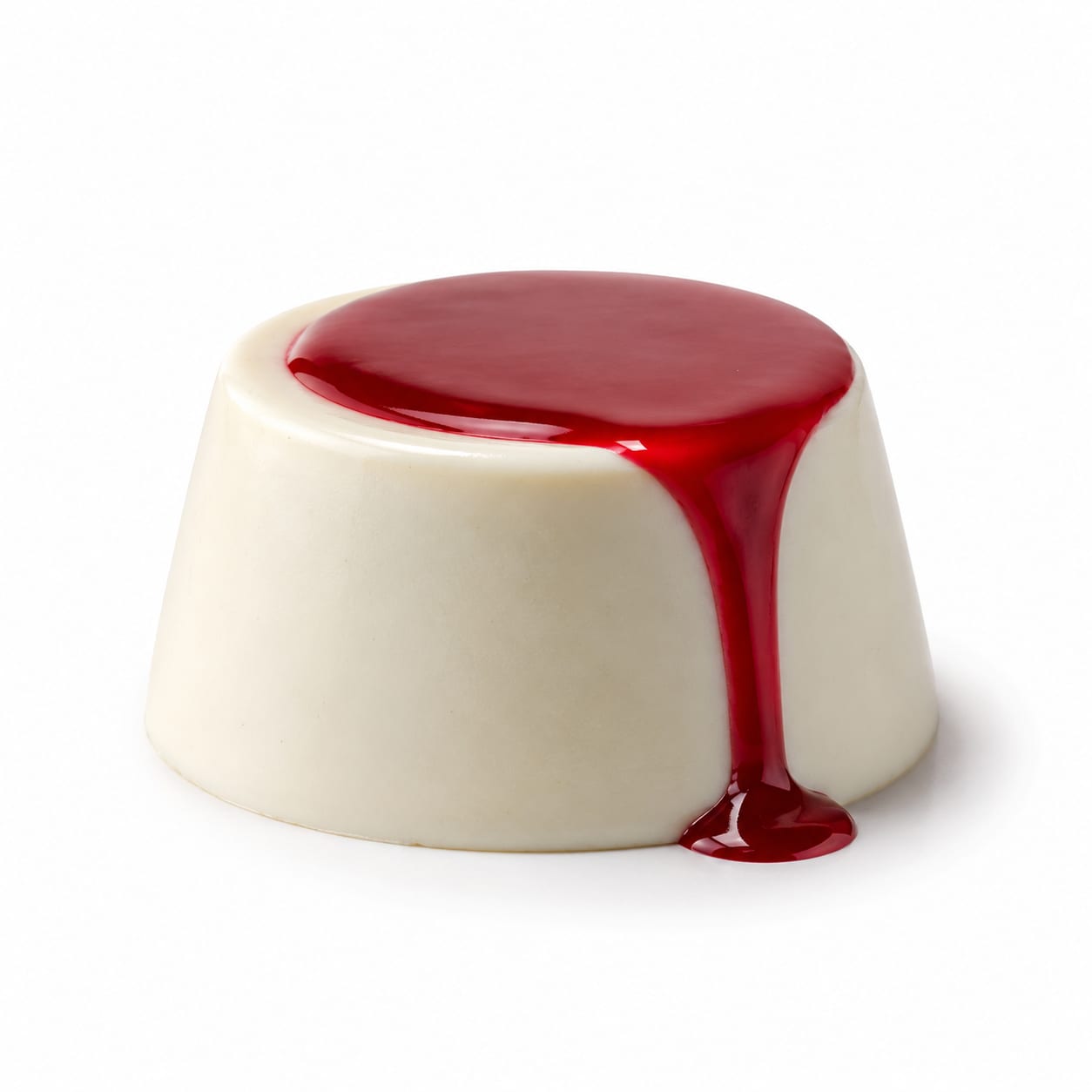
Panna Cotta
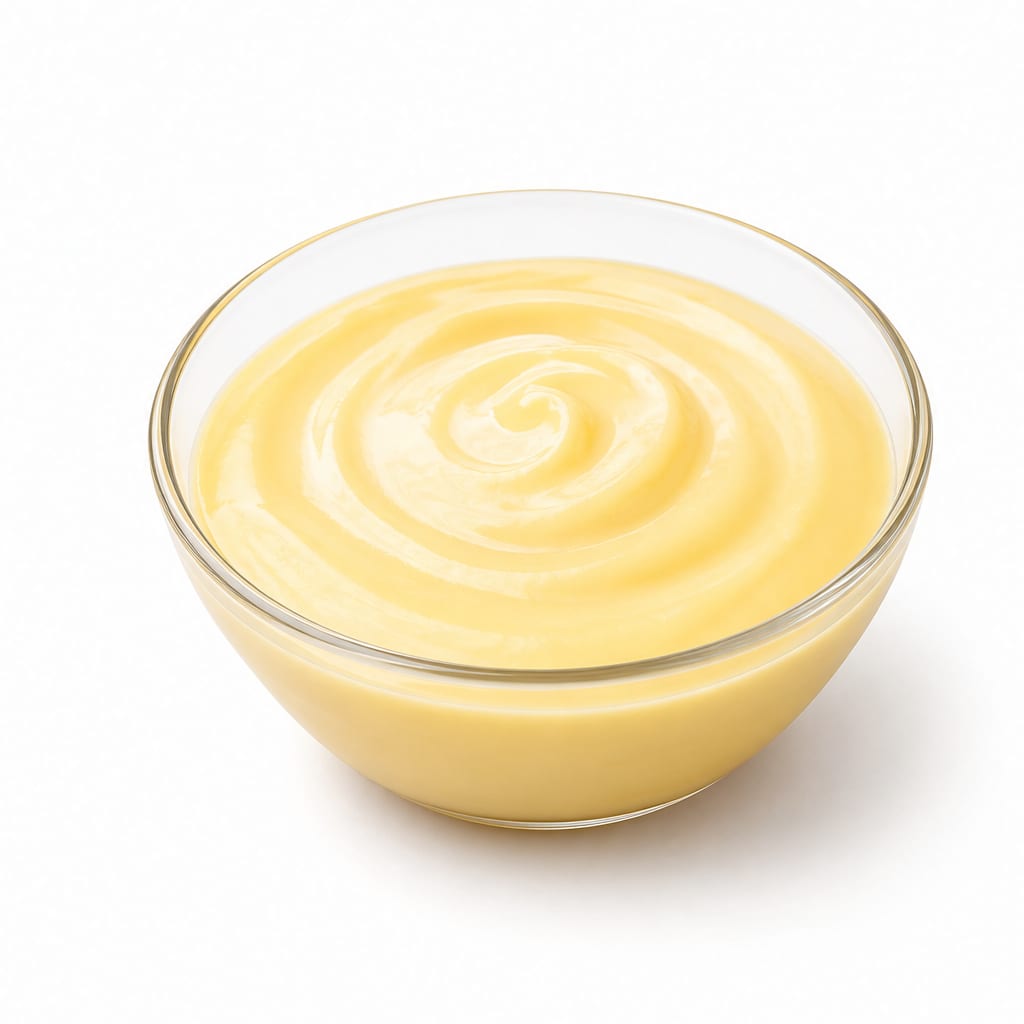
Custard
Custard offers more nutritional value from eggs, while Panna Cotta delivers a lighter texture with fewer allergens but more saturated fat.
Custard scores moderately higher due to its egg content providing protein, choline, and vitamins. Panna Cotta is not nutritionally empty but relies heavily on cream and sugar with less to offer beyond calories and satisfaction.
Custard gives you protein, choline, and vitamins from eggs but carries egg allergy risk. Panna Cotta is egg-free and silkier but heavier in cream-based saturated fat.
At a glance
Executive summary
Overall
It depends
Healthier
Custard
More practical
Custard
Daily use
Custard
Key comparison lenses
Dessert guilt and indulgence tradeoffs
Both are creamy desserts people choose when wanting something sweet but may feel conflicted about
Fat content and calorie density
Panna Cotta relies on heavy cream making it significantly richer per bite
Protein and satiety from eggs vs cream
Custard's eggs add meaningful protein and nutrients that Panna Cotta lacks
Digestive tolerance and allergen concerns
Eggs in custard are a common allergen while gelatin in Panna Cotta is animal-derived
Blood sugar impact of sweetened desserts
Both are sugar-sweetened desserts that affect blood glucose similarly
Best choice for
Panna Cotta
- People with egg allergies or intolerances
- Those wanting a lighter, less filling dessert after a big meal
- Anyone avoiding eggs for dietary or religious reasons
- Occasions where an elegant, simple dessert is preferred
Custard
- Anyone wanting more protein and nutrients from dessert
- Children who benefit from egg-based nutrition
- Older adults needing extra choline and vitamin D
- People who find egg-based desserts more satisfying and filling
Least suitable for
Panna Cotta
- People watching saturated fat intake closely
- Anyone seeking protein-rich dessert options
- Those avoiding animal-derived gelatin including vegetarians
- People managing high cholesterol
Custard
- People with egg allergies
- Vegans and strict vegetarians
- Those concerned about salmonella risk from undercooked eggs
- People who find egg-rich desserts too heavy
Deep comparison
Dimension by dimension
Each lens scores both foods and breaks down who each option suits.
- Dimension 1 · Priority 90Custard
Protein and Nutritional Density
Panna Cotta · 15Custard · 60Custard wins decisively because eggs contribute complete protein, choline, vitamin D, and B12. Panna Cotta offers minimal protein from gelatin and little else nutritionally.
Tradeoff
You gain real nutrients from Custard but take on egg allergy and food safety considerations that Panna Cotta avoids entirely.
Why it matters
Dessert that also delivers protein and micronutrients is rare. Custard quietly adds nutritional value to an indulgent moment.
Real-world impact
A serving of Custard can provide 5-8g of protein and meaningful choline, while Panna Cotta offers under 3g with almost no micronutrients.
Panna Cotta
- Those who need zero egg exposure
- Light dessert seekers who eat protein elsewhere
Better for
- Anyone relying on snacks for protein intake
- Nutrient-conscious eaters wanting value from calories
Worse for
Custard
- Growing children needing extra protein
- Older adults benefiting from choline and vitamin D
- Anyone wanting dessert to contribute real nutrition
Better for
- People with severe egg allergies
- Those worried about undercooked egg safety
Worse for
- Dimension 2 · Priority 88Custard
Saturated Fat and Calorie Density
Panna Cotta · 30Custard · 50Panna Cotta is typically made with heavy cream, making it more calorie-dense and higher in saturated fat per serving. Custard can use milk or a milk-cream blend, offering more flexibility.
Tradeoff
Panna Cotta's signature silky texture requires heavy cream, which drives up saturated fat. Custard achieves richness through eggs, which add nutrients instead of just fat calories.
Why it matters
Saturated fat from cream adds calories without nutritional payoff. Egg fat comes packaged with protein and vitamins.
Real-world impact
A typical Panna Cotta can pack 20-30g of saturated fat per serving. Custard made with whole milk and eggs usually lands around 8-15g.
Panna Cotta
- Those who only eat small portions and want maximum richness
- Special occasions where calorie density is acceptable
Better for
- People managing high cholesterol
- Anyone eating large portions regularly
Worse for
Custard
- Anyone monitoring heart health and saturated fat
- People who want satisfying dessert without excessive cream fat
- Those counting calories who still want richness
Better for
- Those who find milk-based desserts less satisfying than cream-based
Worse for
- Dimension 3 · Priority 80Custard
Satiety and Fullness
Panna Cotta · 35Custard · 65Custard is more filling because eggs provide protein and fat that slow digestion. Panna Cotta digests quickly due to its gelatin and cream base with little protein.
Tradeoff
Custard keeps you satisfied longer but may feel too heavy after a large meal. Panna Cotta is lighter in the stomach but leaves you hungry again sooner.
Why it matters
A dessert that actually satisfies prevents late-night snacking and second helpings.
Real-world impact
After eating Custard, you are less likely to crave something else within an hour. Panna Cotta's lightness can trigger a desire for more sweets shortly after.
Panna Cotta
- End of heavy multi-course meals where lightness is preferred
- Hot weather when heavy dessert feels unappealing
Better for
- Anyone using dessert to curb hunger between meals
- Emotional eaters who need lasting satisfaction
Worse for
Custard
- Afternoon snack replacement where satiety matters
- Standalone dessert when you need it to hold you over
- Preventing late-night cravings after dinner
Better for
- Those who feel uncomfortably full easily
- People eating dessert right after a large meal
Worse for
- Dimension 4 · Priority 72It depends
Blood Sugar Impact
Panna Cotta · 40Custard · 45Both desserts contain significant sugar and will spike blood glucose similarly. Custard has a slight edge because protein from eggs slows sugar absorption somewhat.
Tradeoff
Neither is a good choice for blood sugar management. The small advantage Custard has from protein is real but modest.
Why it matters
Sugar spikes from dessert can trigger energy crashes and cravings, especially in the evening.
Real-world impact
Both will cause noticeable blood sugar rises. Custard's protein blunts the spike slightly, but not enough to call it a safe choice for diabetics.
Panna Cotta
- Those who eat very small portions and want less total sugar grams
- People pairing dessert with fiber-rich fruit
Better for
- Diabetics or pre-diabetics needing blood sugar control
- Those prone to sugar crashes and afternoon energy dips
Worse for
Custard
- Anyone wanting slightly steadier blood sugar response
- People who find protein helps stabilize their energy
Better for
- Anyone assuming Custard is a low-sugar option
- People sensitive to even moderate sugar intake
Worse for
- Dimension 5 · Priority 78Panna Cotta
Allergen and Dietary Restriction Compatibility
Panna Cotta · 55Custard · 35Panna Cotta is egg-free, making it safer for the common egg allergy. However, both contain dairy, and Panna Cotta's gelatin is not vegetarian.
Tradeoff
Panna Cotta avoids eggs but uses animal gelatin, excluding vegetarians. Custard contains eggs but can be made vegetarian-friendly.
Why it matters
Dessert choices at gatherings must accommodate allergies and dietary restrictions. Egg allergy is one of the most common food allergies.
Real-world impact
At a dinner party, Panna Cotta works for egg-allergic guests but not vegetarians. Custard works for vegetarians but not egg-allergic guests.
Panna Cotta
- Events where egg allergies are a concern
- People who tolerate dairy but not eggs
Better for
- Vegetarians and those avoiding animal gelatin
- Vegans and plant-based eaters
Worse for
Custard
- Lacto-ovo vegetarians who avoid gelatin
- Those who want to avoid animal-derived setting agents
Better for
- Anyone with egg allergy or intolerance
- Vegans and plant-based eaters
Worse for
- Dimension 6 · Priority 68Panna Cotta
Food Safety and Contamination Risk
Panna Cotta · 70Custard · 45Panna Cotta is safer because it uses gelatin and boiled cream with no raw or undercooked egg risk. Custard requires careful egg cooking to avoid salmonella.
Tradeoff
Custard's food safety depends entirely on preparation skill and egg handling. Panna Cotta is nearly foolproof from a contamination standpoint.
Why it matters
Improperly prepared Custard can cause foodborne illness, especially risky for pregnant women, elderly, and immunocompromised individuals.
Real-world impact
Homemade Custard made with undercooked eggs is a real salmonella risk. Panna Cotta's ingredients are all cooked or pasteurized, making it inherently safer.
Panna Cotta
- Pregnant women avoiding undercooked eggs
- Immunocompromised individuals
- Home cooks worried about food safety
Better for
- Those concerned about dairy spoilage when left out
Worse for
Custard
- Those using pasteurized eggs or egg substitutes
- Experienced cooks confident in tempering technique
Better for
- Anyone serving vulnerable populations
- Beginners unfamiliar with safe egg handling
Worse for
Timeline
Health impact over time
Short-term
Hours to days
Panna Cotta
- Quick sugar rush from sweetened cream followed by a crash
- Light feeling in the stomach initially but hunger returns within an hour
- Potential digestive discomfort from high cream fat if lactose sensitive
Custard
- More sustained energy from protein and fat combination
- Feeling fuller for longer due to egg protein slowing digestion
- Possible stomach heaviness if portion is large
Long-term
Months to years
Panna Cotta
- Regular consumption contributes significant saturated fat to diet
- Gelatin provides small amounts of collagen peptides but not therapeutically meaningful
- High calorie density without nutritional payoff can contribute to weight gain if eaten frequently
Custard
- Eggs provide choline supporting brain health over time
- Regular egg consumption from Custard contributes to vitamin D and B12 intake
- Still a sugar-containing dessert so frequency matters for metabolic health
Risk profile
Safety & processing
Both are homemade desserts with recognizable ingredients, but Panna Cotta often uses packaged gelatin which can contain additives. Custard's ingredient list is typically just milk, eggs, sugar, and vanilla, making it slightly more natural.
Panna Cotta
Dairy spoilage
mediumCream-based Panna Cotta must be refrigerated and consumed within a few days. Leaving it at room temperature for extended periods invites bacterial growth.
Gelatin sourcing concerns
lowCommercial gelatin quality varies. Some lower-quality products may come from animals raised with antibiotics or hormones, though risk is minimal.
Custard
Salmonella from undercooked eggs
highStovetop Custard requires careful tempering. If eggs are not heated to 160°F (71°C), salmonella risk remains significant, especially with farm-fresh unpasteurized eggs.
Dairy spoilage
mediumLike Panna Cotta, Custard is dairy-based and requires proper refrigeration. Its egg content can make spoilage more unpleasant if it occurs.
Who wins for whom
Audience fit
Same foods, different winners depending on your goal.
children
CustardChildren benefit from the protein, choline, and vitamin D in eggs. Custard delivers these nutrients in a form kids enjoy. However, avoid serving raw or undercooked Custard to young children.
daily consumption
CustardNeither should be eaten daily, but if choosing between them regularly, Custard at least contributes protein and micronutrients alongside its sugar and fat.
diabetes
It dependsNeither is recommended for diabetics. Custard has a slight edge from protein slowing glucose absorption, but both contain too much sugar to be safe choices for blood sugar management.
elderly
CustardOlder adults need choline for cognitive health and protein for muscle maintenance. Custard contributes both. Panna Cotta's soft texture is also easy to eat but lacks nutritional support.
muscle gain
CustardNeither dessert is ideal for muscle gain, but Custard's egg protein provides at least some amino acids. Panna Cotta offers negligible protein for muscle support.
weight loss
CustardCustard's protein content increases satiety, making it easier to eat a smaller portion and feel satisfied. Panna Cotta's high calorie density without satiety makes portion control harder.
Your move
Decision guide
Choose Panna Cotta
- You or your guests have egg allergies
- You want a lighter dessert after a heavy meal
- You are serving dessert at a warm weather gathering
- Food safety is a top concern and you want minimal risk
- You prefer a clean, simple ingredient list without eggs
Choose Custard
- You want more nutritional value from your indulgence
- Satiety matters and you want dessert to actually fill you
- You are serving children who benefit from egg nutrients
- You are making dessert at home with pasteurized eggs and feel confident in technique
- You want a comforting, warming dessert especially in cold weather
Either works if
- Neither is a health food and both should be enjoyed occasionally
- You are comfortable with dairy and have no egg allergies
- You want a creamy dessert and are flexible on which type
- Special occasions where nutritional differences matter less than enjoyment
Avoid both if
- You are lactose intolerant without access to dairy-free alternatives
- You are managing diabetes and need to strictly limit sugar
- You are following a vegan diet
- You are trying to eliminate saturated fat from your diet
Final recommendation
Choose Custard when you want your dessert to contribute something nutritionally beyond pleasure. Its eggs provide protein, choline, and vitamins that make the indulgence slightly more worthwhile. Choose Panna Cotta when you need an egg-free option, want a lighter finish to a heavy meal, or prioritize food safety at a gathering. Neither should be a daily habit, but Custard gives you more per calorie when you do indulge.
Practical
Consumer tips
- 1
Make Custard with pasteurized eggs to eliminate salmonella risk while keeping the nutritional benefits
- 2
Reduce sugar in either dessert by 25-30% without noticeably affecting texture or enjoyment
- 3
Try making Panna Cotta with coconut cream and agar-agar for a vegetarian version
- 4
Pair either dessert with fresh berries to add fiber and antioxidants, which helps blunt the blood sugar spike
- 5
Make Custard with whole milk instead of cream to cut saturated fat significantly while keeping the egg benefits
- 6
Serve smaller portions of either dessert in elegant glasses to feel satisfied with less
- 7
If making Panna Cotta at home, use high-quality grass-fed gelatin for slightly better amino acid profile