
Prepared Dish
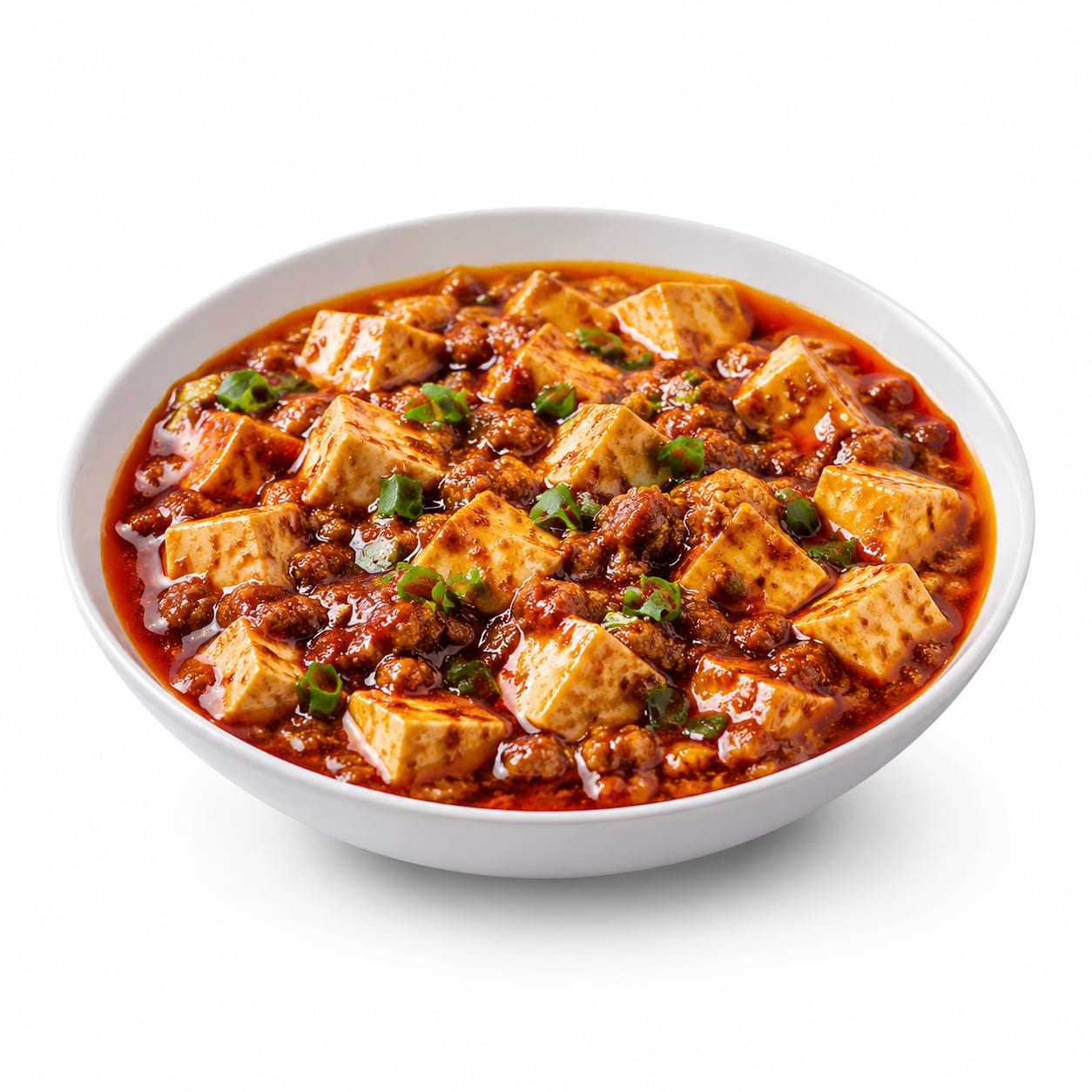
Mapo Tofu
A spicy, oily Sichuan tofu and minced meat dish known for its bold flavors and high fat content.
A popular Chinese dish from Sichuan province consisting of tofu set in a spicy, oily sauce, typically containing chili oil, doubanjiang (fermented broad bean paste), Sichuan peppercorns, and minced meat, usually pork or beef.
high-fat high-sodium protein dish
Typical serving · 250g
Common varieties · traditional pork, beef mapo tofu, vegetarian mapo tofu, mala mapo tofu, seafood mapo tofu
Overall context score across nutrition, safety, and diet fit
At a glance
Quick facts
Simple indicators based on nutrition, processing, and diet fit.
The story
What makes it unique
Mapo tofu combines plant-based protein from tofu with animal protein and saturated fat from minced meat. The high oil content significantly increases energy density, while doubanjiang contributes substantial sodium. Capsaicin and Sichuan peppercorns may slightly increase thermogenesis, but the overall high fat content slows gastric emptying and extends satiety.
Varieties: traditional pork · beef mapo tofu · vegetarian mapo tofu · mala mapo tofu · seafood mapo tofu
Per 100g
Nutrition breakdown
Macro balance and key metrics at a glance.
Energy
Density 1.80 kcal/g
Protein
Carbs
Fat
Fiber
Sugar
2 g
Sodium
450 mg
Potassium
180 mg
Glycemic index
35
Glycemic load
2
Water content
70%
Standout compounds
Nutrient highlights
Protein
moderateSupports muscle repair and satiety
Sodium
highElectrolyte balance but easily overconsumed
Fat
highProvides sustained energy and slows digestion
Capsaicin
moderateMay boost metabolism and reduce inflammation
Isoflavones
moderatePlant compounds from soy that support bone health
Wellness map
Health scores & processing
NOVA processing scale
ultra-processed culinary dish · Ultra-processed
Contains industrially processed ingredients like doubanjiang, soy sauce, and refined oils, classifying it as a Nova Group 4 dish despite the whole tofu base.
Diet compatibility
- Weight loss
- Muscle gain
- Diabetes
- Gut health
- Low carb
- High protein
- Heart health
Relative standing
Food rankings
Qualitative ranks compared to similar whole foods.
- Satietygood
- Blood sugarexcellent
- Nutrient densitymoderate
- Fitness fuelmoderate
- Processing qualitypoor
Eat with confidence
Food safety profile
Generally safe when cooked at high temperatures. Main concerns involve the sourcing of soy and meat, plus high sodium intake from sauces.
Evidence confidence 80%
- Pesticidesmoderate
- Antibioticsmoderate
- Heavy metalslow
- Contaminationlow
Watch for
- soy pesticide residues
- meat pathogens if undercooked
Safer choices
Organic tofu and antibiotic-free meat; homemade versions with low-sodium soy sauce.
Prep tips
Rinse tofu before use. Use low-sodium doubanjiang and soy sauce when cooking at home.
Sodium content in restaurant preparations often exceeds daily recommended limits.
Deep dive
Health analysis
How this food may fit different goals and preparation choices.
Weight loss
Challenging for weight loss due to high fat content and energy density; portion control is critical.
Blood sugar
Excellent for blood sugar control due to low carbohydrate content and high fat/protein slowing digestion.
Fitness & energy
Provides solid protein for muscle repair, but high fat content can cause sluggishness if eaten pre-workout.
Gut health
Spicy chili oil and Sichuan peppercorns can irritate the gut lining in sensitive individuals, though fermented bean paste offers some probiotic benefit.
Processing quality
Restaurant versions rely on highly processed sauces and refined oils; homemade allows for better ingredient control.
Food safety
Safe when cooked thoroughly. Watch for excessive sodium intake from soy sauce and doubanjiang.
Common mistakes
Assuming it is a low-calorie health food just because it features tofu.
Best preparation
Pan-frying with minimal oil, using lean ground turkey or chicken, and reducing sauce sodium.
Practical guide
Best use cases
When and how this food fits real eating patterns.
Low-carb dining out
A flavorful option at Chinese restaurants for those avoiding carbohydrates.
Keto diet meal
Fits macronutrient profiles for ketogenic diets due to high fat and low carb content.
Muscle maintenance
Provides a substantial protein hit from both soy and animal sources.
Balance sheet
Pros & cons
Upsides
- Excellent low-carb and keto-friendly option
- High combined protein from soy and meat
- Very low glycemic load
- Capsaicin may offer mild metabolic benefits
- Rich and satisfying flavor profile
Trade-offs
- Very high in sodium from fermented sauces
- High calorie density due to generous oil usage
- Can irritate the gut with heavy spices
- Restaurant versions often use low-quality refined oils
- Saturated fat content is high when made with pork
Fit check
Who is it for?
Great match
- ketogenic diets
- low-carb eating
- post-workout protein intake
- flavor-seeking diners avoiding carbs
Consider alternatives
- strict low-fat diets
- low-sodium diets
- people with IBS or spice sensitivity
- aggressive calorie deficit weight loss
Side by side
How it compares
Open the full head-to-head analysis for nutrition, safety, and practical tradeoffs.
This food
Mapo Tofu
VS80% alike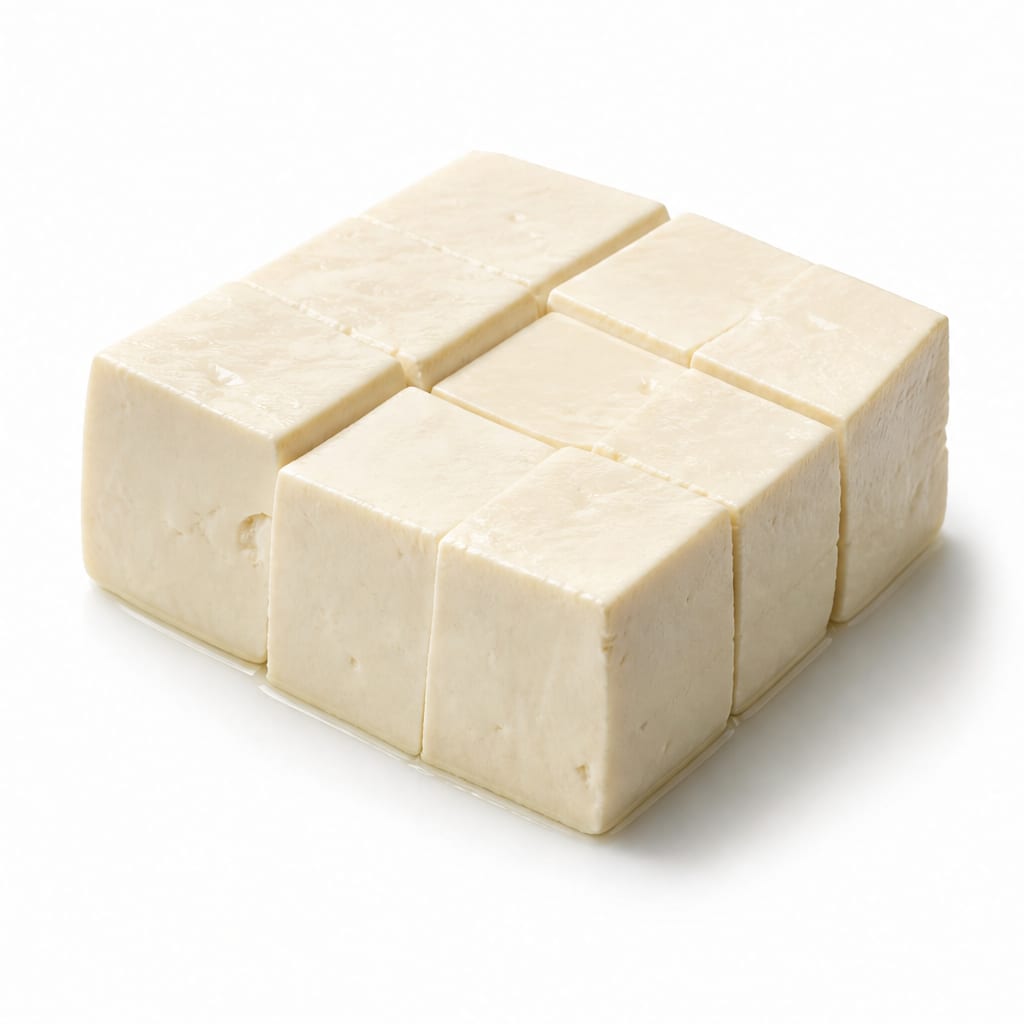
Compare with
Steamed Tofu
Steamed tofu is much lower in calories and fat, while mapo tofu offers more flavor and higher fat for keto diets.
Steamed tofu is a low-calorie lean protein, while mapo tofu is a high-fat, high-flavor dish better suited for keto.
This food
Mapo Tofu
VS75% alike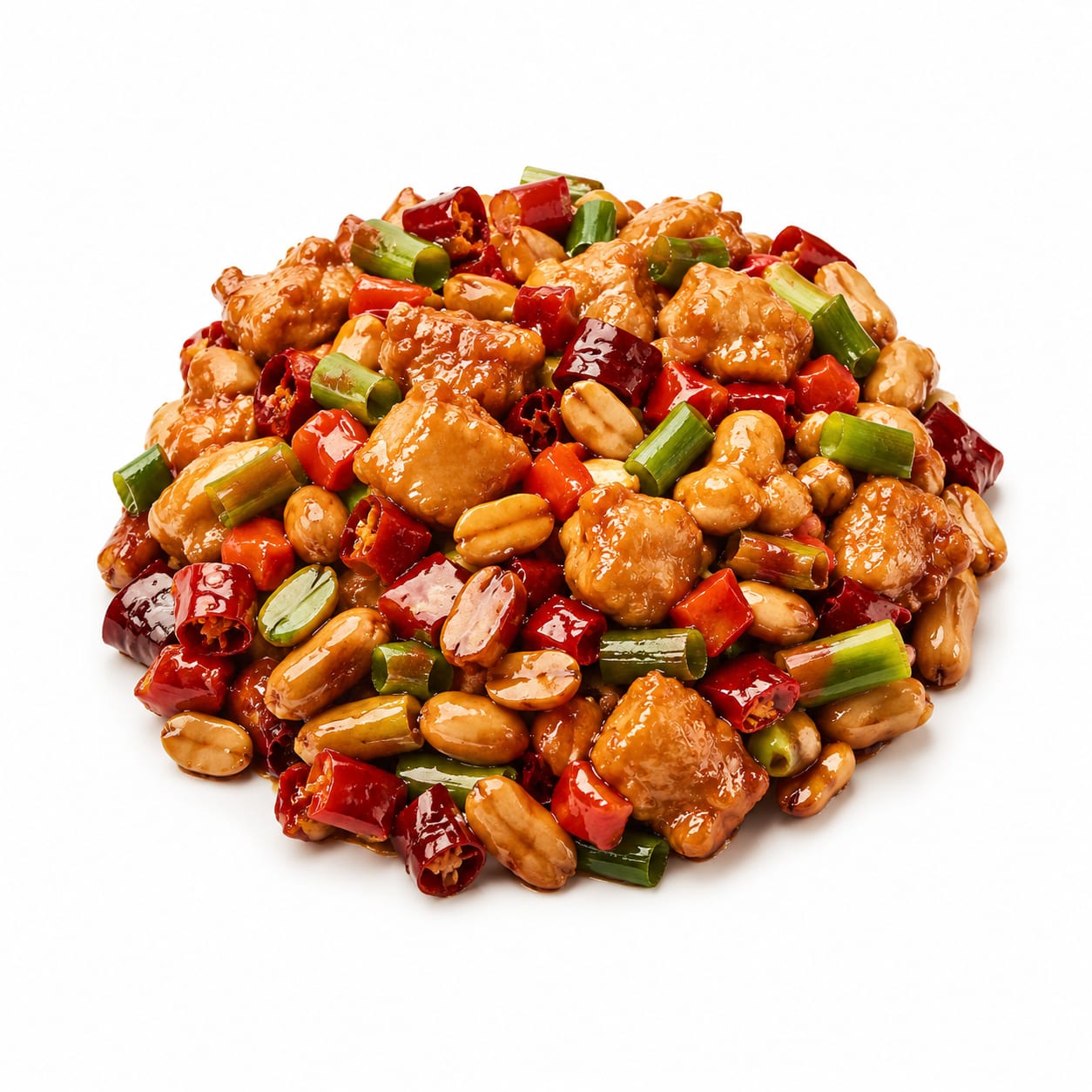
Compare with
Kung Pao Chicken
Kung Pao chicken is higher in protein but contains more carbs from vegetables and thickener, while mapo tofu is lower carb.
Kung Pao chicken provides leaner protein, but mapo tofu is lower in carbohydrates and better for blood sugar control.
This food
Mapo Tofu
VS60% alike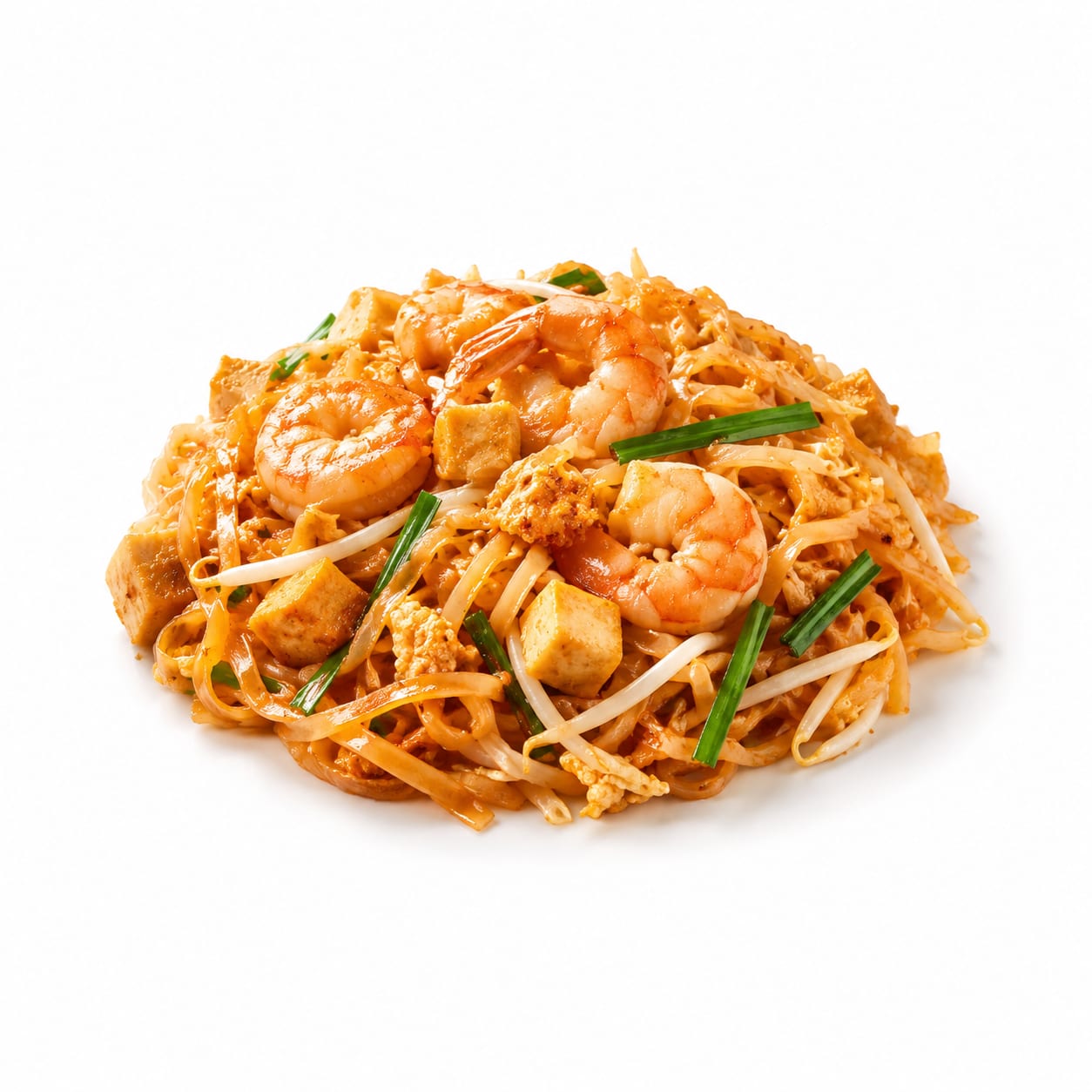
Compare with
Pad Thai
Mapo tofu is far lower in carbs and sugar than pad thai, making it better for blood sugar control.
Mapo tofu is a low-carb alternative to pad thai, which spikes blood sugar due to high carbohydrate noodles.
This food
Mapo Tofu
VS65% alike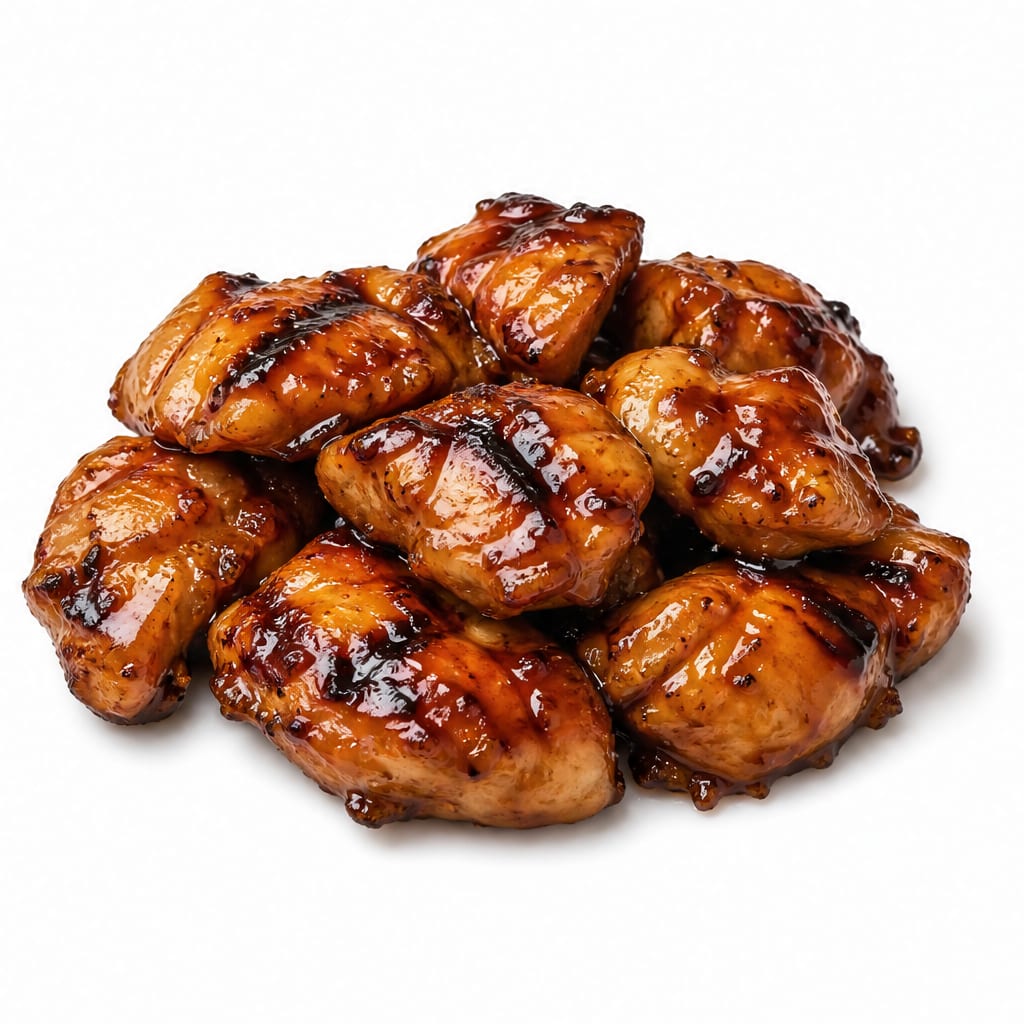
Compare with
Chicken Teriyaki
Chicken teriyaki is often loaded with sugar, whereas mapo tofu relies on fat and spice for flavor, keeping blood sugar lower.
Chicken teriyaki is high in sugar, while mapo tofu uses fat and spice, making it a safer bet for low-carb diets.
This food
Mapo Tofu
VS70% alike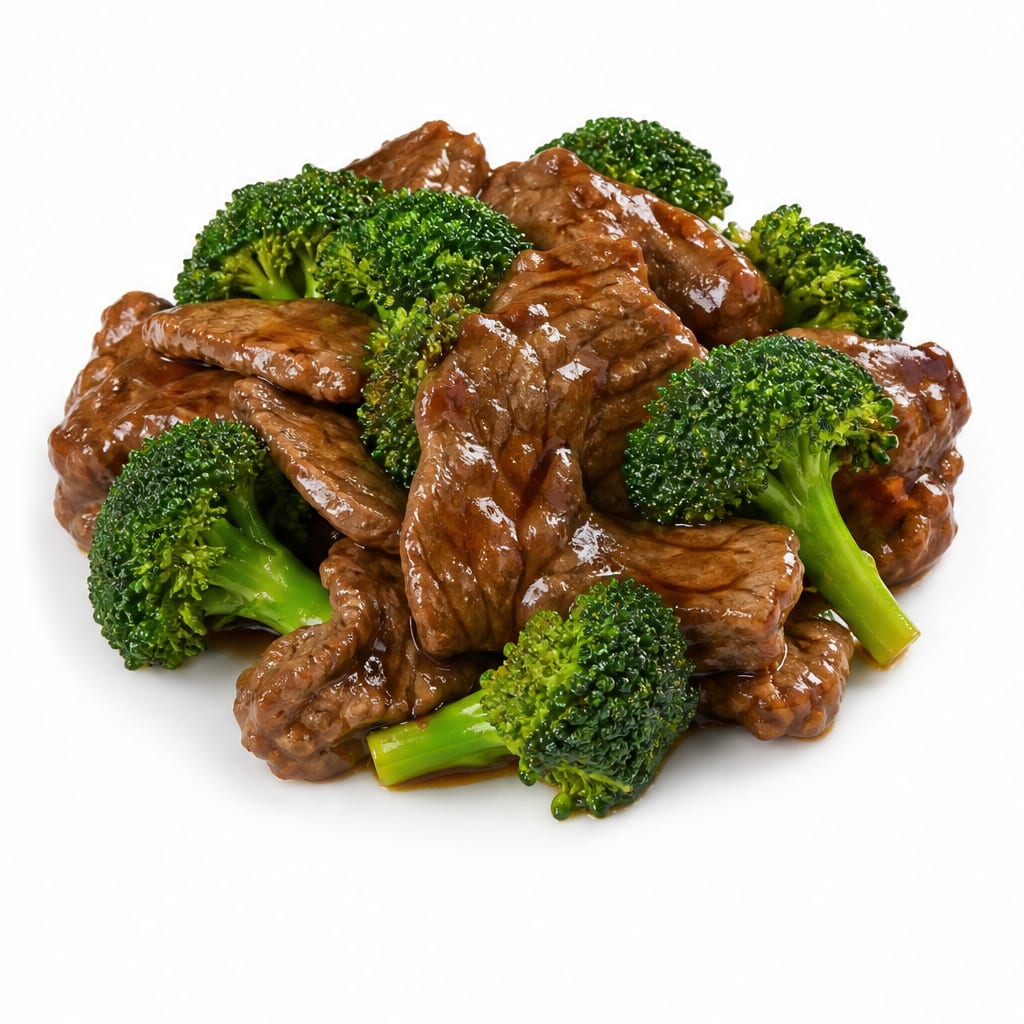
Compare with
Beef and Broccoli
Beef and broccoli provides leaner protein and fiber, while mapo tofu is higher in fat and lower in carbs.
Beef and broccoli offers leaner protein and fiber, while mapo tofu is a higher-fat, lower-carb option.
This food
Mapo Tofu
VS50% alike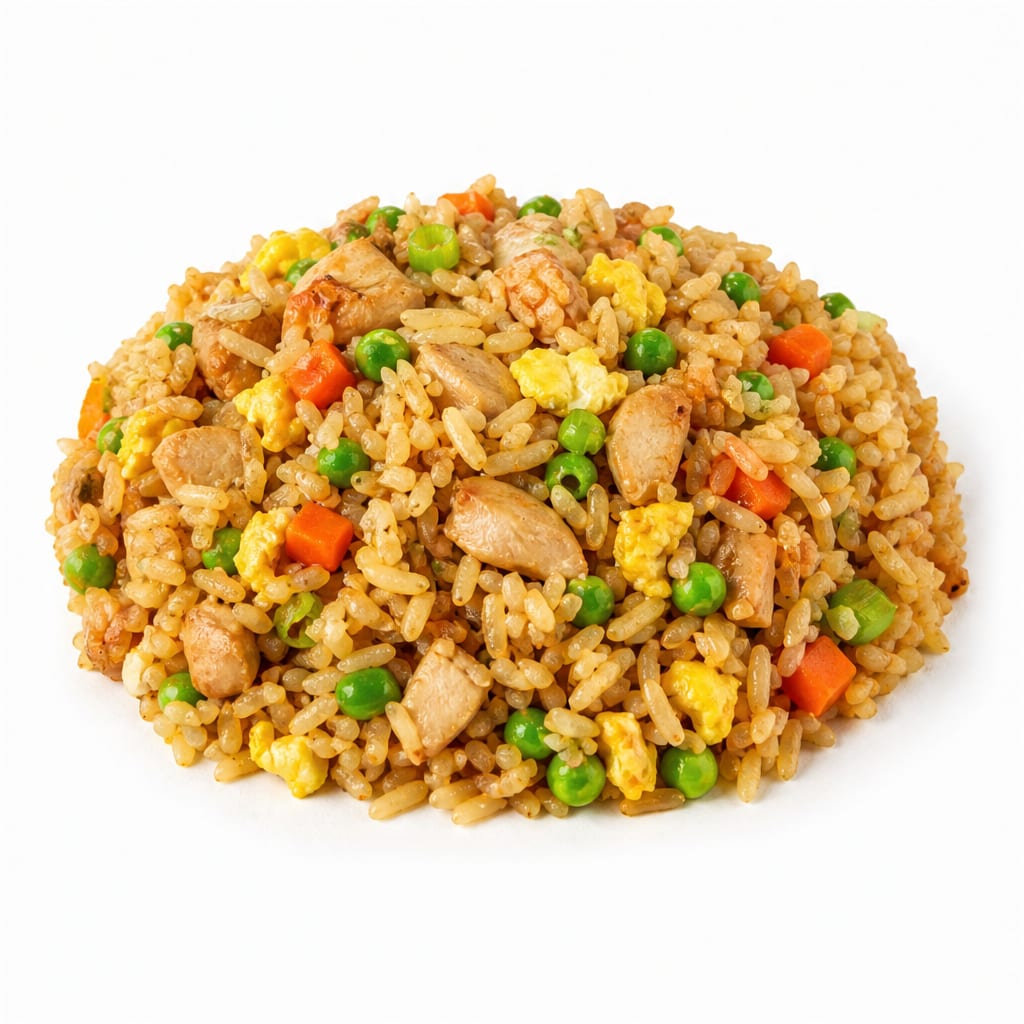
Compare with
Fried Rice
Mapo tofu is a low-carb alternative to fried rice, which spikes blood sugar due to high carbohydrate content.
Mapo tofu is far lower in carbs and higher in protein than fried rice, making it vastly superior for blood sugar control.
This food
Mapo Tofu
VS85% alike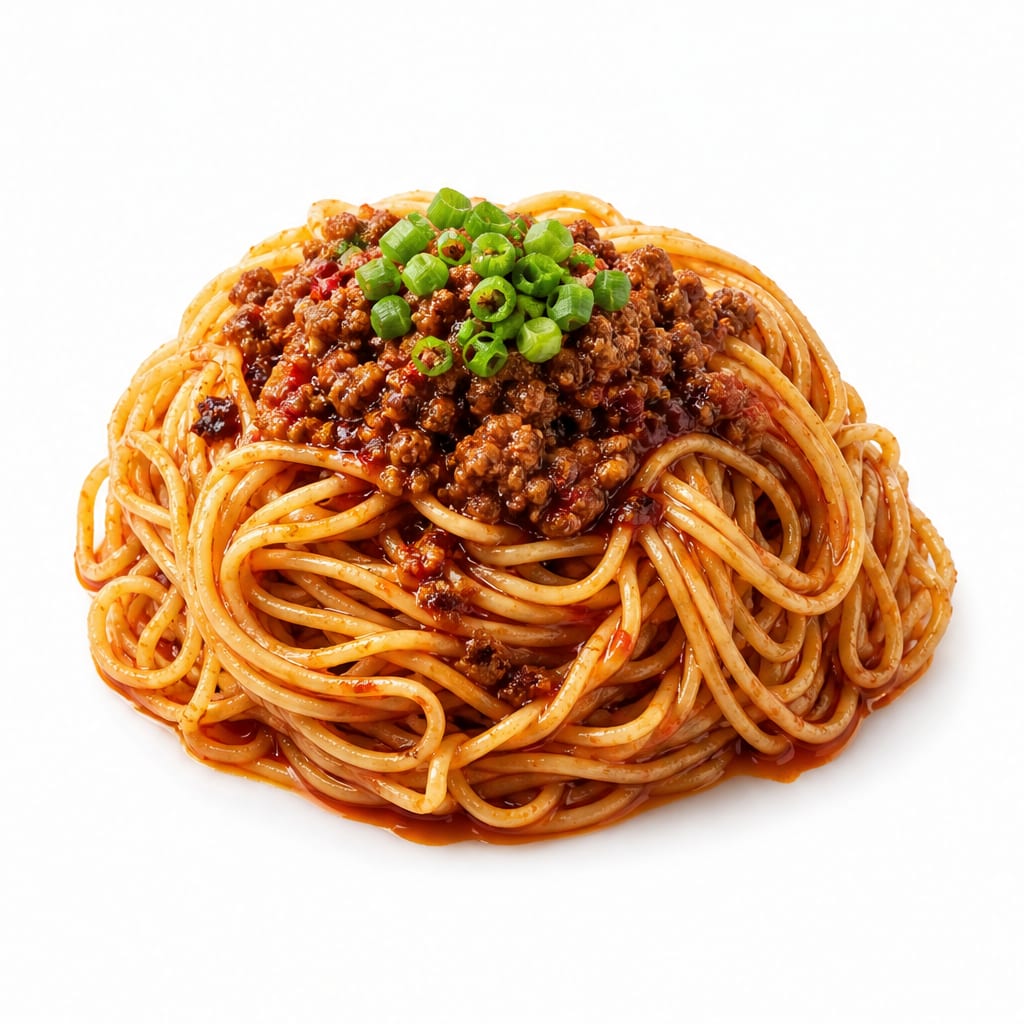
Compare with
Dan Dan Noodles
Dan dan noodles share similar spicy flavors but add carb-heavy noodles; mapo tofu is the lower-carb choice.
Dan dan noodles share similar spicy flavors but add carb-heavy noodles; mapo tofu is the lower-carb choice.
This food
Mapo Tofu
VS60% alike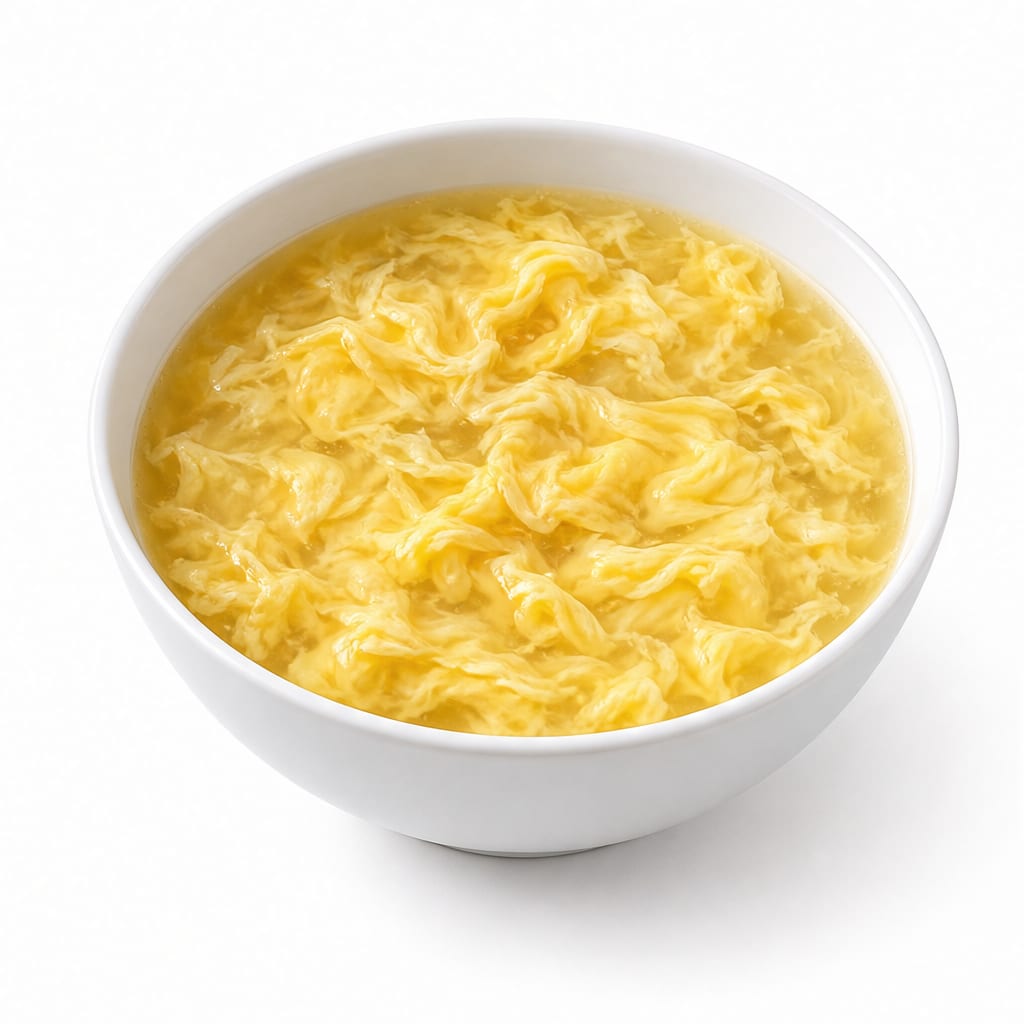
Compare with
Egg Drop Soup
Egg drop soup is a low-calorie starter, while mapo tofu is a high-fat, high-protein main dish.
Egg drop soup is a light, low-calorie starter, while mapo tofu is a heavy, high-fat main dish with more protein.
This food
Mapo Tofu
VS70% alike
Compare with
General Tso's Chicken
General Tso's chicken is battered and sugar-laden, whereas mapo tofu avoids carbs and focuses on fat and protein.
General Tso's chicken is deep-fried and full of sugar, while mapo tofu is lower in carbs and better for blood sugar.
This food
Mapo Tofu
VS65% alike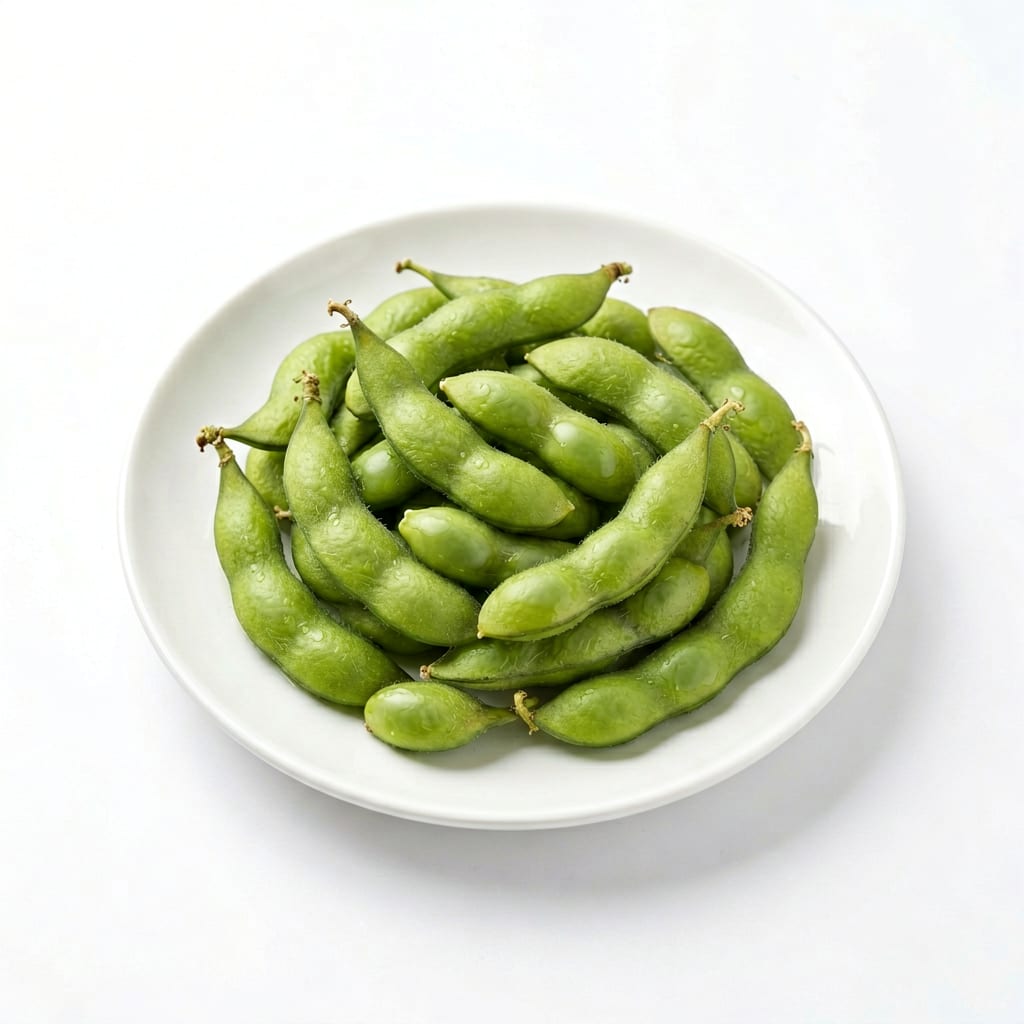
Compare with
Edamame
Edamame is a whole food low in calories and fat, while mapo tofu is a processed, high-fat dish with stronger flavor.
Edamame is a whole, low-fat soy food, while mapo tofu is a highly processed, high-fat dish with more intense flavor.
Common questions
FAQ
Answers aligned with how people search for this food.
Is mapo tofu good for weight loss?
Traditional mapo tofu is high in calories and fat, making it difficult for weight loss unless portions are strictly controlled or the recipe is modified with less oil.
How many calories are in mapo tofu?
A typical restaurant serving of mapo tofu contains roughly 450 calories, largely from the generous amount of chili oil and fatty ground meat.
Is mapo tofu keto-friendly?
Yes, mapo tofu is naturally low in carbohydrates and high in fat, fitting well into a ketogenic diet.
Can diabetics eat mapo tofu?
Yes, the low carbohydrate and low glycemic index make it a safe choice for blood sugar control, though the high fat content requires moderation.
Is mapo tofu high in sodium?
Yes, the doubanjiang and soy sauce make it very high in sodium, which can be a concern for those with hypertension.
How can I make mapo tofu healthier?
Use lean meat like ground chicken, significantly reduce the chili oil, and opt for low-sodium soy sauce and doubanjiang.
Does mapo tofu have a lot of protein?
Yes, the combination of tofu and minced meat provides a solid amount of complete protein, averaging 10g per 100g.
Why is mapo tofu so high in calories?
The high calorie count comes from the traditional preparation method which uses large amounts of oil to achieve the signature mouthfeel and flavor.
Transparency
Data confidence
Estimated confidence for nutrition data, interpretation, safety notes, and comparisons.
Nutrition data
Health analysis
Food safety
Comparisons