
Nutrition comparison
Mapo Tofu vs Chicken Teriyaki: Which Is Healthier?
Compare Mapo Tofu and Chicken Teriyaki on protein, sugar, sodium, and health impact. Find out which dish fits your goals — weight loss, muscle gain, or daily eating.
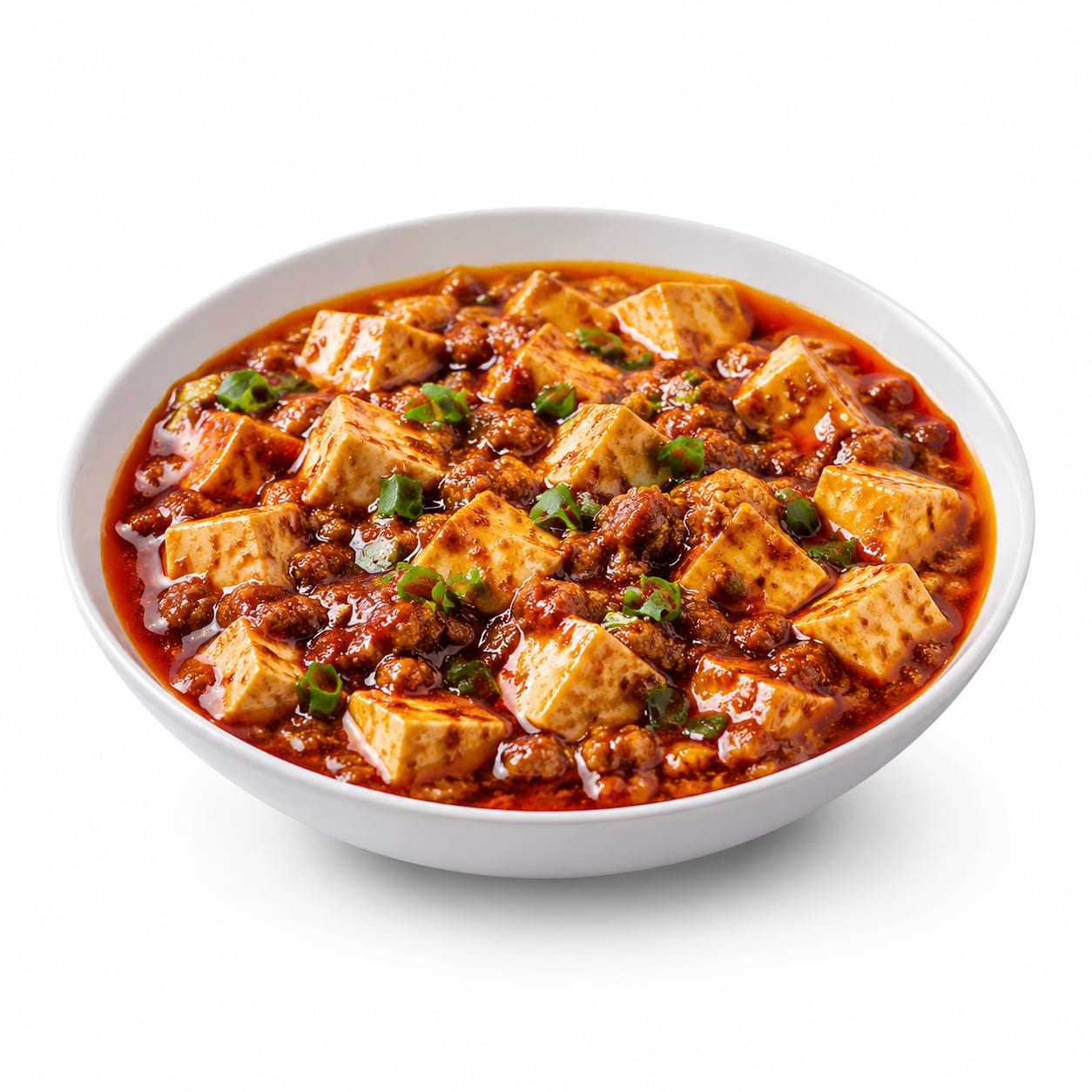
Mapo Tofu
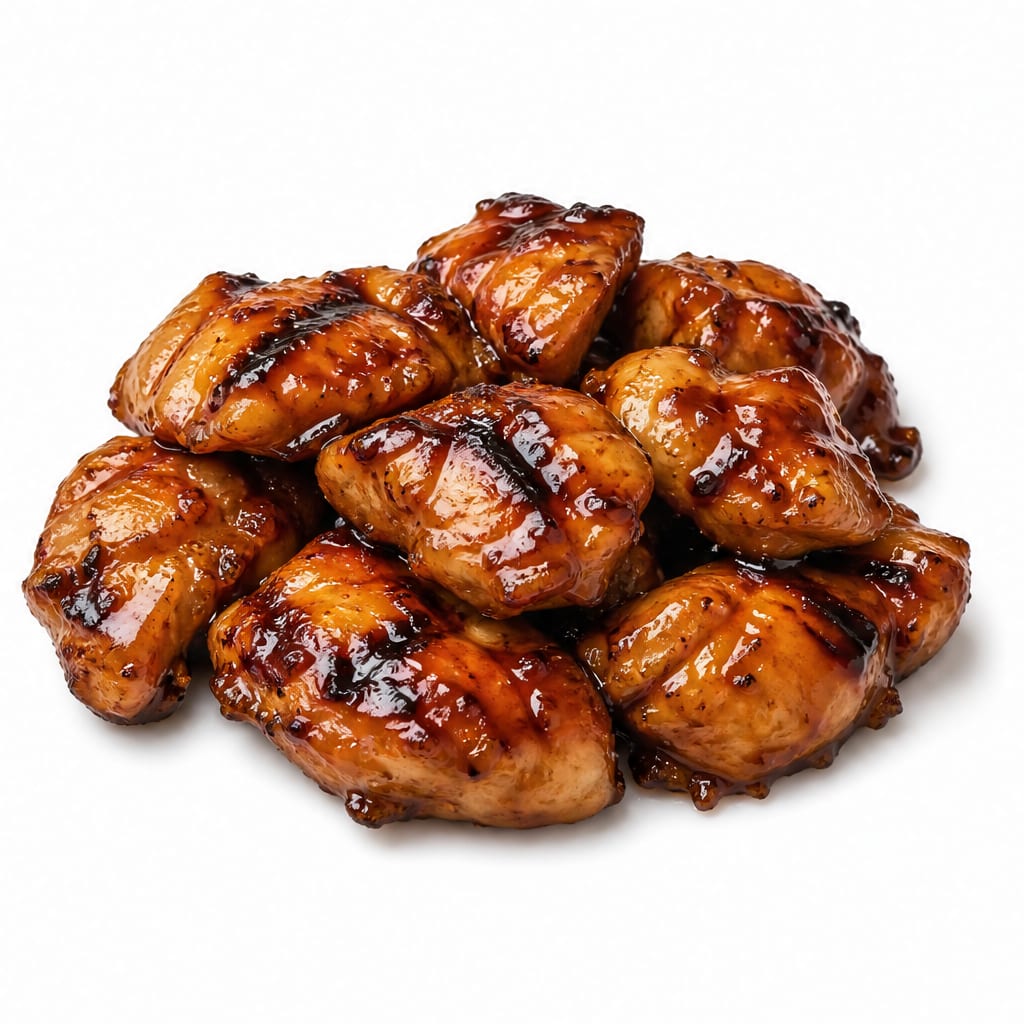
Chicken Teriyaki
Mapo Tofu wins for lower sugar and anti-inflammatory spice benefits, while Chicken Teriyaki wins for higher complete protein and broader appeal. Your goals decide the winner.
Mapo Tofu scores slightly higher due to lower sugar, beneficial spice compounds, and plant-based advantages. Chicken Teriyaki remains strong on protein quality and accessibility but loses ground on sugar content and metabolic impact.
Plant-based protein with gut-friendly fermentation vs animal protein with a sugar-laden glaze — each sacrifices something the other provides.
At a glance
Executive summary
Overall
It depends
Healthier
Mapo Tofu
More practical
Chicken Teriyaki
Daily use
Mapo Tofu
Key comparison lenses
protein source comparison: plant vs animal
Mapo Tofu offers soy-based protein while Chicken Teriyaki delivers complete animal protein — a fundamental choice affecting amino acid profile and satiety
sodium and sauce-driven health impact
Both dishes rely heavily on salty sauces — doubanjiang vs teriyaki — making sodium a critical differentiator for blood pressure and heart health
sugar and insulin impact
Teriyaki sauce is significantly sweeter due to sugar and mirin, creating a larger blood sugar spike compared to the savory-spicy profile of Mapo Tofu
weight management and calorie density
Users comparing these dishes often want to know which keeps them fuller with fewer calories
inflammatory and metabolic profile
Sichuan peppercorns and capsaicin in Mapo Tofu may offer anti-inflammatory benefits, while teriyaki's sugar content can promote inflammation
Best choice for
Mapo Tofu
- People managing blood sugar or insulin resistance
- Those seeking anti-inflammatory eating patterns
- Anyone reducing meat consumption
- Plant-forward dieters wanting bold flavor without sugar
- People watching sugar intake
Chicken Teriyaki
- Athletes and gym-goers needing complete protein
- Children or picky eaters who avoid spicy food
- People wanting a familiar, accessible protein source
- Anyone meal-prepping lean protein in bulk
- Those who need higher protein per calorie
Least suitable for
Mapo Tofu
- People with soy allergies or sensitivities
- Those on low-sodium diets who cannot control restaurant preparation
- Anyone who cannot tolerate spicy food
- People avoiding fermented foods due to histamine issues
Chicken Teriyaki
- People managing diabetes or insulin resistance
- Those on strict low-sugar diets
- Anyone watching sodium closely
- Vegetarians and vegans
Deep comparison
Dimension by dimension
Each lens scores both foods and breaks down who each option suits.
- Dimension 1 · Priority 93Chicken Teriyaki
protein quality and content
Mapo Tofu · 62Chicken Teriyaki · 88Chicken Teriyaki delivers more complete protein with all essential amino acids in optimal ratios. Mapo Tofu provides decent plant protein but relies on soy, which is slightly less bioavailable.
Tradeoff
You get higher total and more usable protein from Chicken Teriyaki, but Mapo Tofu adds isoflavones and plant compounds that animal protein cannot offer.
Why it matters
For muscle recovery and satiety, complete animal protein has a measurable edge. For long-term health diversity, plant protein carries unique benefits.
Real-world impact
After a workout, Chicken Teriyaki will rebuild muscle faster. Over months of eating, Mapo Tofu may offer more metabolic protection.
Mapo Tofu
- Long-term metabolic health
- Phytoestrogen benefits for women
- Dietary diversity
Better for
- Lower leucine content for muscle signaling
- Less total protein per serving
Worse for
Chicken Teriyaki
- Post-workout muscle recovery
- Higher protein per calorie
- Complete amino acid profile
Better for
- No plant phytonutrients
- Missing isoflavone benefits
Worse for
- Dimension 2 · Priority 88Mapo Tofu
sugar and blood sugar impact
Mapo Tofu · 82Chicken Teriyaki · 38Mapo Tofu is savory and virtually sugar-free. Chicken Teriyaki's glaze packs significant sugar from mirin, sake, and added sweeteners, causing sharper blood sugar spikes.
Tradeoff
Choosing Chicken Teriyaki means accepting a sugar hit that can trigger cravings and energy crashes. Mapo Tofu keeps blood sugar far steadier.
Why it matters
Sugar in savory meals is sneaky — it adds up without feeling like dessert. Over time, sauce-driven sugar contributes to insulin resistance.
Real-world impact
Chicken Teriyaki can leave you hungry again within two hours. Mapo Tofu provides steadier energy without the afternoon crash.
Mapo Tofu
- Stable blood sugar
- No sugar-driven cravings
- Better for insulin-sensitive diets
Better for
- Less immediate energy boost
Worse for
Chicken Teriyaki
- Quick energy if needed before activity
- Palatability for sugar-preferring eaters
Better for
- Post-meal energy crash
- Cravings 1-2 hours later
- Hidden sugar in a savory meal
Worse for
- Dimension 3 · Priority 86It depends
sodium load
Mapo Tofu · 35Chicken Teriyaki · 40Both dishes are sodium bombs. Mapo Tofu uses doubanjiang and soy sauce, while Chicken Teriyaki relies on soy sauce and teriyaki glaze. Neither is low-sodium, but Chicken Teriyaki is slightly worse.
Tradeoff
If blood pressure is a concern, both require portion control or homemade versions with reduced-sodium sauces.
Why it matters
Restaurant versions of both dishes easily exceed 1000mg sodium per serving. This matters daily for anyone with hypertension or kidney concerns.
Real-world impact
Eating either dish at a restaurant means consuming half your daily sodium allowance. Home preparation is the only way to meaningfully reduce this.
Mapo Tofu
- Slightly lower sodium in traditional preparations
- Spice reduces need for salt-based flavor
Better for
- Doubanjiang is extremely salty
- Hard to modify at restaurants
Worse for
Chicken Teriyaki
- Easier to request sauce on the side
- More predictable sodium in standard recipes
Better for
- Teriyaki glaze adds sodium plus sugar
- Soy sauce base is very concentrated
Worse for
- Dimension 4 · Priority 78Mapo Tofu
anti-inflammatory and metabolic benefits
Mapo Tofu · 80Chicken Teriyaki · 42Mapo Tofu contains capsaicin, Sichuan peppercorns, and fermented bean compounds that actively fight inflammation. Chicken Teriyaki's sugar content promotes inflammation.
Tradeoff
The spice in Mapo Tofu is functional medicine on a plate. Chicken Teriyaki's sugar works against long-term inflammation goals.
Why it matters
Chronic low-grade inflammation drives aging and disease. Daily food choices that reduce inflammation compound over years.
Real-world impact
Regularly choosing Mapo Tofu over sugary-sauced proteins may meaningfully reduce inflammatory markers over months.
Mapo Tofu
- Capsaicin boosts metabolism and reduces inflammation
- Fermented doubanjiang supports gut health
- Isoflavones modulate inflammatory pathways
Better for
- Spice can irritate existing GI conditions
- High heat may bother sensitive stomachs
Worse for
Chicken Teriyaki
- Lean chicken itself is not inflammatory
- Simple ingredient list is easier to tolerate digestively
Better for
- Sugar drives systemic inflammation
- Advanced glycation end products from caramelized glaze
Worse for
- Dimension 5 · Priority 82Chicken Teriyaki
satiety and fullness
Mapo Tofu · 70Chicken Teriyaki · 79Chicken Teriyaki's higher complete protein content keeps you fuller longer. Mapo Tofu fills you up with volume but the satiety fades faster.
Tradeoff
Volume eaters may prefer Mapo Tofu's bulk, but protein-driven satiety from Chicken Teriyaki lasts more hours.
Why it matters
Staying full between meals prevents snacking and overeating. Protein quality matters more than food volume for lasting satiety.
Real-world impact
Chicken Teriyaki as lunch likely carries you to dinner. Mapo Tofu may need a snack bridge around 3pm.
Mapo Tofu
- High water volume from tofu creates immediate fullness
- Lower calorie per bite allows larger portions
Better for
- Fullness fades within 2-3 hours
- May need supplemental protein to stay satisfied
Worse for
Chicken Teriyaki
- Complete protein triggers stronger satiety hormones
- Longer-lasting fullness between meals
Better for
- Smaller portion size feels less immediately filling
Worse for
- Dimension 6 · Priority 72Chicken Teriyaki
digestive tolerance
Mapo Tofu · 50Chicken Teriyaki · 78Chicken Teriyaki is gentler on most digestive systems. Mapo Tofu's spice, fermented paste, and soy can trigger issues for sensitive guts.
Tradeoff
If you have IBS, acid reflux, or soy sensitivity, Chicken Teriyaki is safer. If your digestion is robust, Mapo Tofu's fermented elements may actually help gut flora.
Why it matters
A perfectly nutritious meal that causes bloating or heartburn negates its benefits. Tolerance is personal and often overrides nutrition logic.
Real-world impact
Mapo Tofu before bed is a reflux recipe for many. Chicken Teriyaki is more likely to sit comfortably at any time of day.
Mapo Tofu
- Fermented compounds may benefit healthy gut microbiomes
- Tofu is generally easy to digest when spice is tolerated
Better for
- Chili oil triggers acid reflux
- Soy causes bloating in sensitive individuals
- Sichuan peppercorns can irritate IBS
Worse for
Chicken Teriyaki
- Lower spice means less reflux risk
- Widely tolerated across digestive sensitivities
Better for
- Sugar can ferment in the gut causing gas
- No probiotic or fermented benefits
Worse for
Timeline
Health impact over time
Short-term
Hours to days
Mapo Tofu
- Warming sensation and mild metabolism boost from capsaicin
- Possible heartburn or GI irritation from spice
- Steady energy without sugar crash
- Immediate fullness from tofu volume
Chicken Teriyaki
- Quick protein satisfaction and muscle-fueling amino acids
- Possible energy dip 1-2 hours after sugar spike
- Mild thirst from high sodium
- Comforting, easy-to-digest meal feeling
Long-term
Months to years
Mapo Tofu
- Isoflavones may support bone density and heart health
- Regular fermented food intake supports gut microbiome diversity
- Lower sugar intake protects against insulin resistance
- Sustained high sodium intake if eaten frequently at restaurants
Chicken Teriyaki
- Consistent high-quality protein supports muscle maintenance
- Regular sugar exposure from teriyaki sauce may increase metabolic risk
- High sodium intake may raise blood pressure over time
- Simple preparation makes it easier to sustain as a regular meal
Risk profile
Safety & processing
Both dishes fall into similar processing territory. Mapo Tofu uses fermented bean paste and chili oil — traditional but processed ingredients. Chicken Teriyaki uses commercial teriyaki sauce which often contains preservatives, corn syrup, and thickeners. Homemade versions of both dramatically improve naturalness.
Mapo Tofu
Soy allergen exposure
highTofu and doubanjiang are both soy-based, making this dish completely unsafe for those with soy allergies.
Histamine from fermented paste
mediumDoubanjiang is fermented and can trigger symptoms in histamine-intolerant individuals, causing headaches or flushing.
Restaurant oil quality
mediumMany restaurants use low-quality or reused oil for the chili oil base, increasing oxidative stress and potential toxin exposure.
Chicken Teriyaki
Undercooked chicken
highImproperly cooked chicken carries salmonella risk. This is primarily a concern with home preparation or unreliable vendors.
Added preservatives in commercial teriyaki sauce
mediumStore-bought teriyaki sauces often contain sodium benzoate, caramel color, and corn syrup — additives with questionable long-term safety profiles.
Antibiotic residue in conventional chicken
lowConventionally raised chicken may carry trace antibiotic residues. Choosing organic or antibiotic-free chicken eliminates this concern.
Who wins for whom
Audience fit
Same foods, different winners depending on your goal.
children
Chicken TeriyakiMild sweet flavor and familiar chicken make this far more kid-friendly. Most children reject Mapo Tofu's intense spice and numbing sensation.
daily consumption
Mapo TofuLower sugar, anti-inflammatory spices, and plant-based diversity make Mapo Tofu more sustainable as a near-daily option — provided sodium is managed.
diabetes
Mapo TofuVirtually zero sugar and a lower glycemic impact keep blood sugar stable. Chicken Teriyaki's sweet glaze is a clear disadvantage for glucose management.
elderly
Chicken TeriyakiEasier to chew, gentler on aging digestive systems, and higher leucine to prevent age-related muscle loss. Spice in Mapo Tofu can aggravate common elderly GI issues.
muscle gain
Chicken TeriyakiHigher complete protein with optimal leucine content makes Chicken Teriyaki more effective for building and maintaining muscle mass.
weight loss
Mapo TofuLower calories per volume, no sugar-driven cravings, and capsaicin's modest metabolism boost make Mapo Tofu more weight-loss friendly when portions are controlled.
Your move
Decision guide
Choose Mapo Tofu
- You want steady energy without sugar crashes
- Anti-inflammatory eating is a priority
- You are reducing meat intake or eating more plant-based meals
- Blood sugar management matters to you
- You enjoy bold, spicy flavors and want functional food benefits
Choose Chicken Teriyaki
- You need high-quality protein for muscle recovery or growth
- You are feeding children or people who avoid spicy food
- You want a reliable, accessible lean protein option
- Digestive sensitivity makes spicy food uncomfortable
- You meal-prep and need a simple, repeatable protein base
Either works if
- You are comfortable managing sodium through portion control
- Neither dish will be eaten more than twice per week
- You alternate between plant and animal protein sources throughout the week
Avoid both if
- You are on a strict low-sodium diet and cannot control preparation
- You have both soy allergy and poultry sensitivity
- You require ultra-minimally processed foods only
Final recommendation
For most health-conscious adults, Mapo Tofu is the slightly better regular choice due to its anti-inflammatory profile and zero sugar. However, if your priority is protein intake, muscle maintenance, or feeding a family, Chicken Teriyaki is the more practical and palatable option. The smartest approach is rotating both — Mapo Tofu on days you want metabolic benefits and lighter eating, Chicken Teriyaki on training days when protein matters most. In both cases, homemade versions with controlled sodium and sugar are dramatically superior to restaurant preparations.
Practical
Consumer tips
- 1
Ask for teriyaki sauce on the side when ordering Chicken Teriyaki — you will likely use half the default amount and cut sugar significantly
- 2
Make Mapo Tofu at home with reduced-sodium doubanjiang to cut salt by 30-40% without losing flavor
- 3
Choose chicken breast over thigh for Chicken Teriyaki to reduce calories and saturated fat by roughly 25%
- 4
Add steamed broccoli or bok choy to either dish to increase fiber, reduce calorie density, and slow sugar absorption
- 5
Freeze extra Mapo Tofu — it reheats well and the flavors deepen overnight, making it ideal for batch cooking
- 6
If ordering Chicken Teriyaki at a Japanese restaurant, request light sauce and brown rice instead of white to blunt the glycemic impact
- 7
Check restaurant teriyaki sauce ingredients — some contain high-fructose corn syrup, which is worse than sugar for metabolic health