
Nutrition comparison
Mapo Tofu vs Edamame: Which Soy Food Is Healthier for Daily Eating?
Compare Mapo Tofu and Edamame on sodium, protein, calories, and daily health impact. Find out which soy food fits your goals better with practical tradeoff analysis.
Overall winner · Edamame
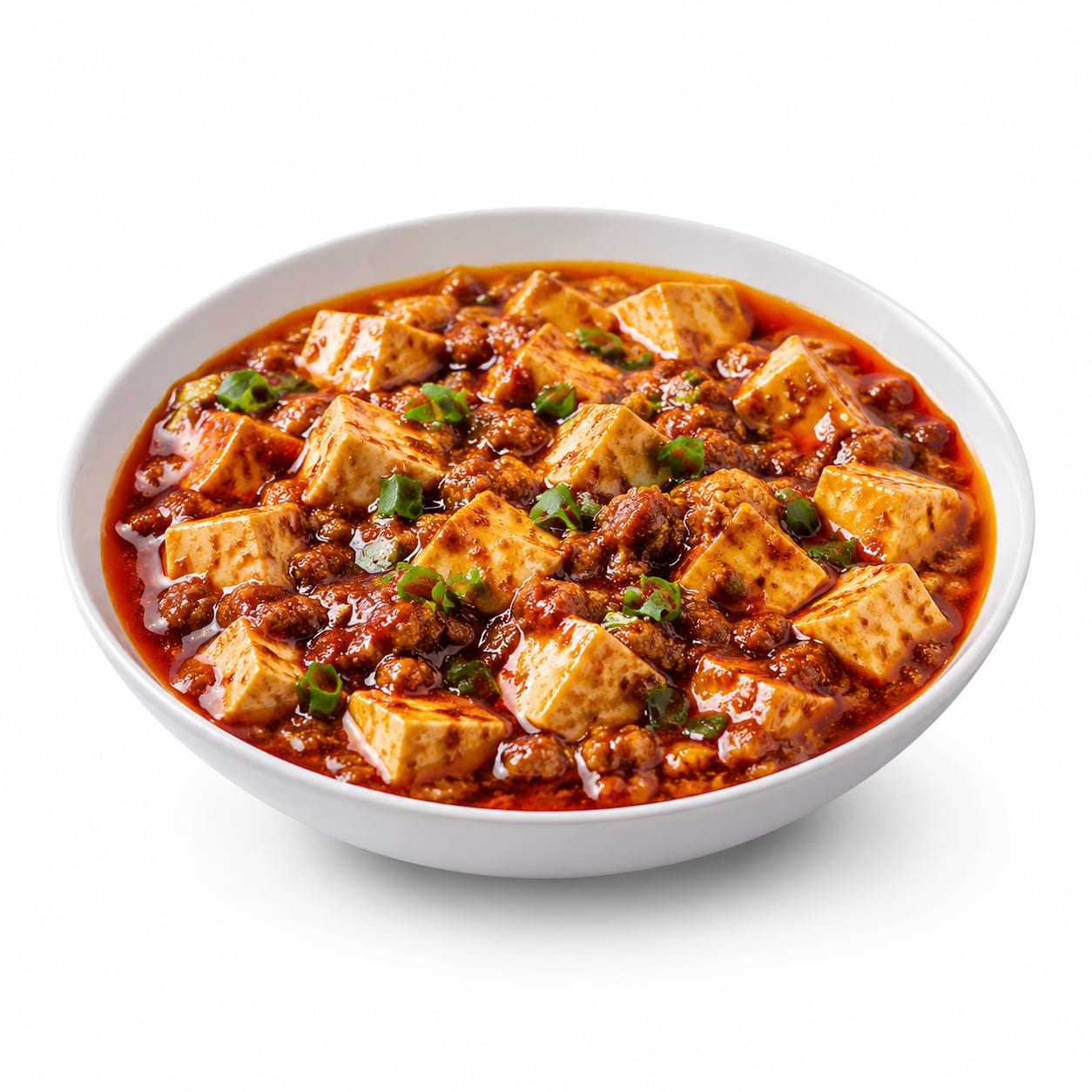
Mapo Tofu
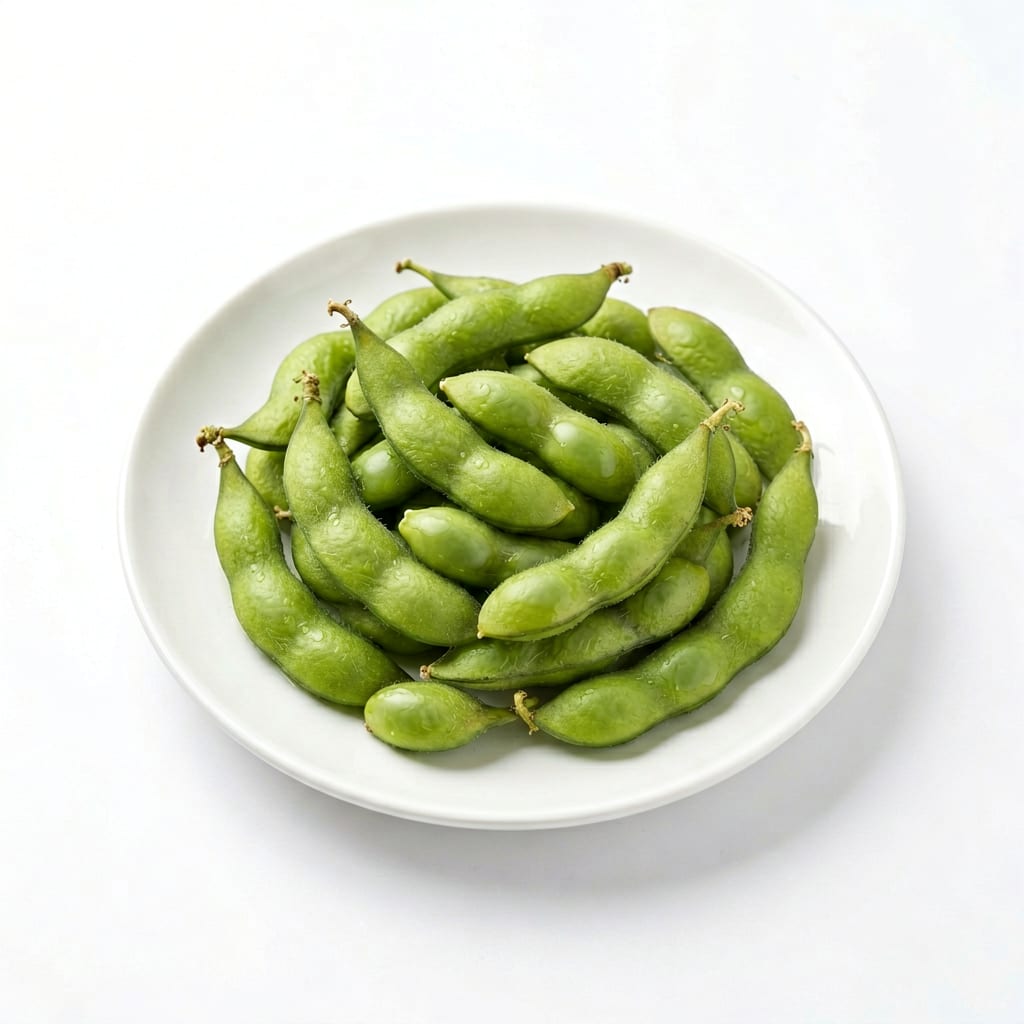
Edamame
Edamame wins for everyday health — cleaner, lower sodium, and a true whole food. Mapo Tofu delivers bold flavor and more protein but at a real sodium and calorie cost.
Edamame scores significantly higher due to its whole-food status, low sodium, and clean nutrient profile. Mapo Tofu loses ground on sodium density, calorie load, and processing variability. The gap would narrow if comparing homemade low-sodium Mapo Tofu.
Flavor intensity and protein variety versus sodium control and ingredient simplicity
At a glance
Executive summary
Overall
Edamame
Healthier
Edamame
More practical
Edamame
Daily use
Edamame
Key comparison lenses
Sodium and heart health impact
Mapo Tofu is notoriously high in sodium from doubanjiang and soy sauce, while edamame is naturally low-sodium unless salted
Whole food vs prepared dish tradeoffs
Edamame is a single-ingredient whole food; Mapo Tofu is a multi-ingredient cooked dish with additives and variable preparation
Plant protein quality and completeness
Both are soy-based protein sources but differ dramatically in protein density per calorie and amino acid accompaniments
Weight management and calorie density
Mapo Tofu is oil-heavy and calorie-dense; edamame offers more volume and fiber per calorie
Daily eating sustainability
Edamame is easier to eat daily without health compromises; Mapo Tofu's sodium load makes frequent consumption riskier
Best choice for
Mapo Tofu
- People wanting a high-protein, satisfying main dish
- Those seeking bold, comforting flavors in a meal
- Active individuals who can handle higher sodium
- Anyone eating soy as part of a mixed restaurant meal
Edamame
- People managing blood pressure or heart health
- Anyone wanting a clean, low-calorie protein snack
- Those avoiding ultra-processed or restaurant-prepared foods
- Daily snackers who want something light and sustainable
Least suitable for
Mapo Tofu
- People with hypertension or sodium sensitivity
- Anyone tracking calories closely
- Those avoiding meat or animal products
- People sensitive to spicy or rich foods
Edamame
- People needing a filling, hot meal
- Those wanting bold or complex flavors
- Anyone with soy allergies
- People prone to bloating from legumes
Deep comparison
Dimension by dimension
Each lens scores both foods and breaks down who each option suits.
- Dimension 1 · Priority 95Edamame
Sodium and Blood Pressure Impact
Mapo Tofu · 22Edamame · 90Mapo Tofu can pack 800-1500mg sodium per serving from doubanjiang, soy sauce, and fermented pastes. Edamame naturally contains almost no sodium unless you add salt.
Tradeoff
You get deep, complex umami flavor in Mapo Tofu but at the cost of consuming half or more of your daily sodium budget in one dish.
Why it matters
Consistently high sodium intake raises blood pressure and stroke risk. Most people already exceed daily limits, making Mapo Tofu a contributor to an existing problem.
Real-world impact
A single Mapo Tofu meal can leave you thirsty and bloated. Edamame as a snack won't move the needle on your sodium intake at all.
Mapo Tofu
- Those who sweat heavily and need sodium replenishment
- Active athletes in hot climates losing salt through sweat
Better for
- Salt-sensitive individuals who retain water easily
- People on low-sodium diets for kidney or heart conditions
Worse for
Edamame
- Anyone with hypertension or prehypertension
- People over 40 watching cardiovascular risk
- Anyone already eating processed or restaurant foods daily
Better for
- Endurance athletes who actually need electrolyte replacement
Worse for
- Dimension 2 · Priority 90Edamame
Whole Food Integrity and Processing
Mapo Tofu · 35Edamame · 95Edamame is a single whole food — steamed soybeans. Mapo Tofu combines tofu with fermented pastes, oil, meat, and multiple seasonings, making it a processed prepared dish.
Tradeoff
Mapo Tofu's complexity creates its signature flavor but introduces more variables: oil quality, additive exposure, and hidden ingredients you can't control at restaurants.
Why it matters
Whole foods give you predictable nutrition. Prepared dishes introduce uncertainty — especially restaurant versions where you can't see what goes in.
Real-world impact
With edamame, what you see is what you get. With Mapo Tofu, you're trusting the cook's hand with oil, salt, and sauce quantities.
Mapo Tofu
- People who value culinary tradition and food as experience
- Those eating home-cooked versions with controlled ingredients
Better for
- Those avoiding unknown or variable ingredients
- People sensitive to MSG or flavor enhancers
Worse for
Edamame
- Clean-eating advocates avoiding hidden additives
- Anyone tracking macros precisely
- People who want full transparency about what they consume
Better for
- Anyone finding plain whole foods boring or unsustainable long-term
Worse for
- Dimension 3 · Priority 85Mapo Tofu
Protein Quality and Density
Mapo Tofu · 78Edamame · 72Mapo Tofu typically provides more total protein per serving thanks to the combination of tofu and ground meat. Edamame offers solid plant protein but at a lower density per serving.
Tradeoff
Mapo Tofu delivers more protein but it comes wrapped in more calories and fat. Edamame's protein is leaner and comes with fiber.
Why it matters
For muscle maintenance and satiety, total protein matters. But protein quality per calorie matters more for weight-conscious eaters.
Real-world impact
After a Mapo Tofu meal, you'll feel full from protein and fat. After edamame, you'll feel satisfied but lighter — and may need to eat more volume to match protein.
Mapo Tofu
- People needing higher protein intake in fewer bites
- Those recovering from illness needing calorie-protein density
Better for
- Those trying to limit fat or calorie intake
- Vegetarians and vegans avoiding meat
Worse for
Edamame
- Anyone wanting protein without the calorie overhead
- Plant-based eaters seeking clean soy protein
Better for
- Athletes needing concentrated post-workout protein
Worse for
- Dimension 4 · Priority 82Edamame
Calorie Density and Weight Management
Mapo Tofu · 38Edamame · 85Mapo Tofu is cooked in oil and often includes fatty ground pork, pushing it to 300-500+ calories per serving. Edamame delivers roughly 190 calories per cup with far more volume and fiber.
Tradeoff
Mapo Tofu is more calorie-efficient for gaining weight or fueling heavy activity. Edamame is far better for staying full without overconsuming calories.
Why it matters
Calorie density determines how easily you overeat. Rich, oily foods bypass fullness signals. High-fiber, low-fat foods let you stop naturally.
Real-world impact
You can eat a large bowl of edamame and feel stuffed on 200 calories. Mapo Tofu can quietly deliver 500+ calories before you feel satisfied.
Mapo Tofu
- People trying to gain weight healthily
- Highly active individuals with large calorie needs
Better for
- People who struggle with portion control
- Anyone tracking calories for weight loss
Worse for
Edamame
- Anyone in a calorie deficit trying to stay full
- People who snack mindlessly and need low-calorie options
Better for
- Underweight individuals needing calorie density
Worse for
- Dimension 5 · Priority 78Edamame
Fiber and Digestive Health
Mapo Tofu · 30Edamame · 88Edamame provides about 8g fiber per cup — excellent for gut health and blood sugar stability. Mapo Tofu's tofu base has minimal fiber, and the meat adds none.
Tradeoff
Edamame supports digestion and steady energy. Mapo Tofu may sit heavy due to fat and low fiber, potentially causing sluggishness after eating.
Why it matters
Fiber isn't just about digestion — it moderates blood sugar, feeds gut bacteria, and helps you feel full longer without extra calories.
Real-world impact
Edamame gives you steady energy that lasts. Mapo Tofu can cause a heavy feeling followed by an energy dip as your body processes the fat load.
Mapo Tofu
- People with sensitive digestion who can't tolerate high fiber
- Those recovering from digestive surgery needing low-residue foods
Better for
- People prone to constipation or sluggish digestion
Worse for
Edamame
- Anyone wanting better gut health and regularity
- People managing blood sugar who need fiber to slow absorption
Better for
- Those with IBS who react to legume fiber
- People experiencing acute bloating or gas
Worse for
- Dimension 6 · Priority 75Edamame
Convenience and Everyday Practicality
Mapo Tofu · 40Edamame · 88Edamame requires only steaming or microwaving — ready in 5 minutes from frozen. Mapo Tofu demands multiple ingredients, active cooking, and technique to make well.
Tradeoff
Edamame sacrifices culinary excitement for speed and simplicity. Mapo Tofu rewards effort with a deeply satisfying meal but demands time and skill.
Why it matters
The food you can actually make on a Tuesday night wins over the food that requires a weekend cooking session.
Real-world impact
Frozen edamame is a 3-minute snack. Mapo Tofu is a 30-minute cook with specialty ingredients — or a restaurant order with unknown sodium and oil.
Mapo Tofu
- Home cooks who enjoy preparing meals as an activity
- Those with access to good Asian grocery stores
Better for
- Beginner cooks intimidated by multi-ingredient recipes
- People without access to specialty ingredients
Worse for
Edamame
- Busy people needing fast protein options
- Anyone stocking a freezer with healthy staples
Better for
- Those who find plain snacks unsatisfying and need variety
Worse for
Timeline
Health impact over time
Short-term
Hours to days
Mapo Tofu
- Immediate thirst from high sodium content
- Possible bloating or heaviness from oil and fat load
- Satisfying fullness that can prevent later snacking
- Potential heartburn from spice and richness
Edamame
- Light, clean energy without heaviness
- Possible gas or bloating if unaccustomed to legume fiber
- Steady blood sugar with no crash
- Quick preparation means you eat before getting overly hungry
Long-term
Months to years
Mapo Tofu
- Regular consumption may contribute to elevated blood pressure
- High sodium intake increases cardiovascular risk over time
- Soy isoflavones from tofu may support bone health
- Restaurant versions may expose you to low-quality oils repeatedly
Edamame
- Consistent fiber intake supports gut microbiome diversity
- Low sodium profile protects cardiovascular health long-term
- Soy protein may help maintain healthy cholesterol levels
- Sustained plant protein intake supports healthy aging
Risk profile
Safety & processing
Edamame is about as close to unprocessed as soy gets — just steamed beans. Mapo Tofu involves fermented pastes, added oils, and often meat, placing it firmly in processed territory. Restaurant versions can include MSG, modified starches, and preservatives in pre-made sauce packets.
Mapo Tofu
High sodium from fermented sauces
highDoubanjiang and soy sauce can deliver 1000mg+ sodium per serving, straining cardiovascular health with regular consumption
Low-quality cooking oils at restaurants
mediumMany restaurants use refined vegetable oils repeatedly heated, creating inflammatory compounds
Pork contamination or spoilage
lowGround pork in Mapo Tofu must be handled and cooked properly to avoid foodborne illness
Edamame
Pesticide residue on conventional soybeans
mediumSoy is a heavily sprayed crop; choosing organic edamame significantly reduces exposure
Allergic reactions in soy-sensitive individuals
mediumSoy is a top 9 allergen; edamame delivers concentrated soy protein that can trigger reactions
GMO exposure with non-organic varieties
lowMost US edamame is conventionally grown from GMO soybeans unless labeled organic
Who wins for whom
Audience fit
Same foods, different winners depending on your goal.
children
EdamameEdamame is a fun, finger-friendly snack with mild flavor kids often enjoy. Mapo Tofu's spice and sodium make it less appropriate for young children.
daily consumption
EdamameEdamame can be eaten daily without negative health tradeoffs. Mapo Tofu's sodium load makes daily consumption inadvisable for most people.
diabetes
EdamameEdamame's fiber slows sugar absorption and stabilizes blood glucose. Mapo Tofu's sodium and fat can worsen insulin resistance over time.
elderly
EdamameOlder adults need sodium restriction for blood pressure and bone-preserving nutrients. Edamame delivers both; Mapo Tofu works against sodium targets.
muscle gain
Mapo TofuMapo Tofu provides more total protein per serving with the tofu-meat combination, plus extra calories that support a muscle-building surplus.
weight loss
EdamameEdamame's high fiber and low calorie density make it far easier to eat in a deficit while staying full. Mapo Tofu's oil and calorie load works against fat loss goals.
Your move
Decision guide
Choose Mapo Tofu
- You're cooking at home and can control the sodium and oil
- You need a satisfying, protein-rich main dish after heavy training
- You're eating out and want a tofu-based option over fried alternatives
- You value bold flavors and culinary experience over nutritional optimization
Choose Edamame
- You want a clean, low-maintenance protein source you can eat daily
- You're watching your blood pressure, weight, or overall sodium intake
- You need something quick from the freezer that requires zero cooking skill
- You prefer whole foods with transparent, simple nutrition
Either works if
- You're just looking for plant-based protein and both sound good
- You rotate foods regularly and neither will dominate your diet
- You eat soy in moderation and want variety in how you consume it
Avoid both if
- You have a diagnosed soy allergy or intolerance
- You're following a soy-free protocol for hormonal health concerns
- You're on a strict low-oxalate diet for kidney stone prevention
Final recommendation
Make edamame your daily soy staple and treat Mapo Tofu as an occasional meal — ideally homemade where you control the salt. This gives you the health consistency of a whole food with the pleasure of a rich dish in moderation. If you eat Mapo Tofu at restaurants, balance it with low-sodium choices the rest of the day.
Practical
Consumer tips
- 1
Choose organic edamame to avoid GMO soy and reduce pesticide exposure
- 2
If making Mapo Tofu at home, cut doubanjiang and soy sauce quantities by half — you'll keep the flavor with far less sodium
- 3
Keep frozen edamame stocked for a 3-minute protein snack that requires zero planning
- 4
When ordering Mapo Tofu at restaurants, ask for less oil and sauce — most kitchens will accommodate
- 5
Pair Mapo Tofu with steamed vegetables and plain rice to dilute the sodium per bite
- 6
Avoid edamame with heavy salt coatings; lightly salted or unsalted versions are healthier
- 7
If you're new to edamame, start with small portions to assess digestive tolerance before making it a daily habit