
Nutrition comparison
Mapo Tofu vs Pad Thai: Which Is Healthier? Nutrition Comparison
Mapo Tofu delivers more protein and steadier blood sugar. Pad Thai offers carb comfort but spikes glucose. Compare calories, sodium, and health tradeoffs to pick the right dish for your goals.
Overall winner · Mapo Tofu
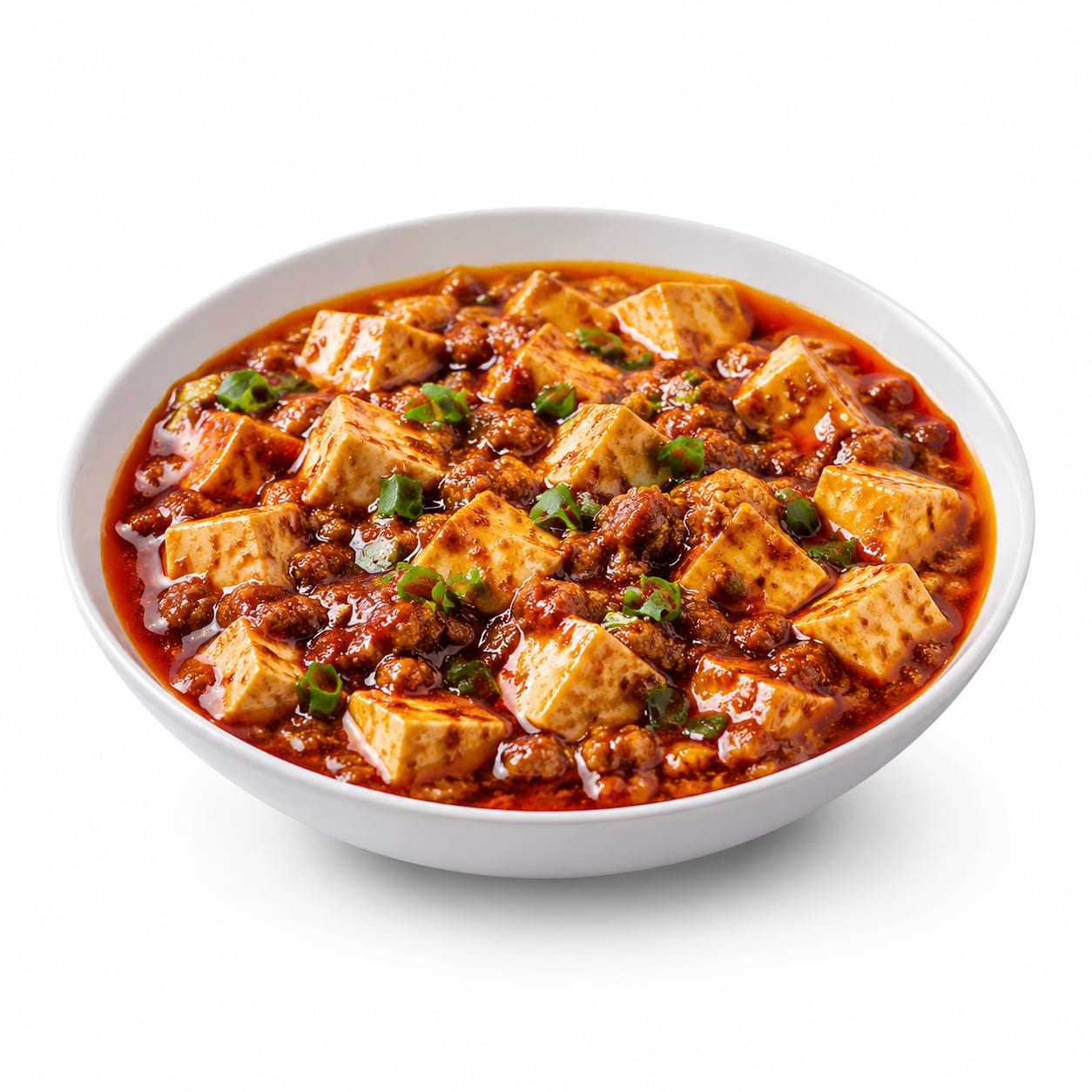
Mapo Tofu
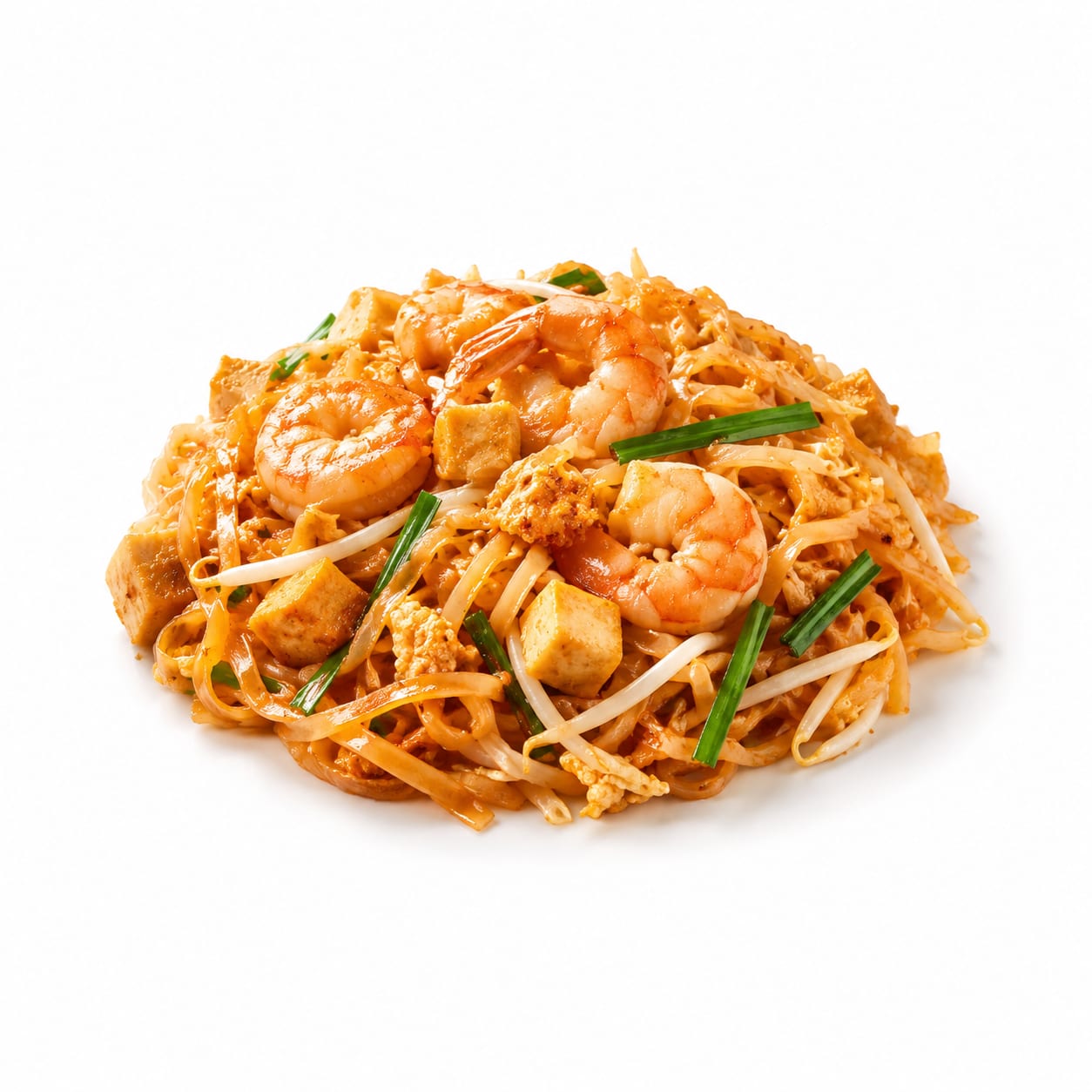
Pad Thai
Mapo Tofu wins on protein density, blood sugar stability, and satiety, while Pad Thai offers more satisfying carb comfort but spikes blood sugar harder and delivers less protein per calorie.
Mapo Tofu scores notably higher due to superior protein-to-calorie ratio, lower glycemic impact, and fermentation benefits. Pad Thai loses ground on blood sugar spike risk and lower protein density, though it remains a reasonable occasional choice for active individuals.
You trade steadier energy and better muscle fuel in Mapo Tofu for the comforting, filling noodle experience of Pad Thai — which comes with a heavier glycemic price.
At a glance
Executive summary
Overall
Mapo Tofu
Healthier
Mapo Tofu
More practical
Pad Thai
Daily use
Mapo Tofu
Key comparison lenses
blood sugar and carb load comparison
Pad Thai is rice noodle-based with significant refined carbs, while Mapo Tofu is protein-forward with minimal starch — this is the single biggest nutritional divergence between the two
sodium and heart health tradeoffs
Both dishes are sodium-heavy from soy sauce, fish sauce, and fermented pastes, making cardiovascular risk a key concern for regular consumers
protein quality and satiety
Mapo Tofu delivers concentrated soy and meat protein, while Pad Thai spreads protein across noodles, eggs, and small portions of tofu or shrimp
gut health and fermentation benefits
Mapo Tofu contains doubanjiang and fermented bean paste with potential probiotic activity, whereas Pad Thai relies on fish sauce with less microbial benefit
weight management and calorie density
Both are restaurant dishes prone to heavy oil usage, but Pad Thai's noodle base makes it easier to overconsume calories without feeling full
Best choice for
Mapo Tofu
- People managing blood sugar or insulin resistance
- Anyone prioritizing protein intake without supplements
- Those seeking a low-carb restaurant option
- People who find carb-heavy meals cause afternoon crashes
Pad Thai
- Active people needing carb replenishment after exercise
- Those who find low-carb meals unsatisfying
- People seeking a balanced single-plate meal with carbs, fat, and protein
- Anyone wanting a milder, less spicy dish
Least suitable for
Mapo Tofu
- People with soy allergies or sensitivities
- Those on low-sodium diets unless homemade
- People who cannot tolerate spicy food
- Anyone avoiding fermented foods due to histamine issues
Pad Thai
- People with diabetes or prediabetes
- Those on low-carb or keto diets
- People with peanut allergies
- Anyone monitoring refined carbohydrate intake
Deep comparison
Dimension by dimension
Each lens scores both foods and breaks down who each option suits.
- Dimension 1 · Priority 92Mapo Tofu
blood sugar stability
Mapo Tofu · 82Pad Thai · 35Mapo Tofu keeps blood sugar far steadier. Pad Thai's rice noodles create a rapid glycemic spike followed by a crash.
Tradeoff
You sacrifice the satisfying carb fullness of Pad Thai for energy that lasts without the rollercoaster.
Why it matters
Blood sugar spikes drive hunger returns, fatigue, and over time, insulin resistance — especially relevant if you eat Asian takeout frequently.
Real-world impact
After Pad Thai, you may feel hungry again within 90 minutes. After Mapo Tofu, energy holds steadier for 3-4 hours.
Mapo Tofu
- People with prediabetes or metabolic syndrome
- Office workers who sit after lunch
- Anyone prone to afternoon energy crashes
Better for
- Those who feel weak without carbs at a meal
Worse for
Pad Thai
- Athletes within 2 hours post-workout
- People doing prolonged physical labor
Better for
- Sedentary individuals
- People on glucose-lowering medications
- Anyone trying to reduce carb cravings
Worse for
- Dimension 2 · Priority 80Mapo Tofu
protein quality and density
Mapo Tofu · 85Pad Thai · 50Mapo Tofu delivers substantially more bioavailable protein per serving from both soy and ground meat. Pad Thai's protein is diluted across noodles and small additions.
Tradeoff
If you need muscle-building protein, Mapo Tofu is clearly superior. Pad Thai requires portion control or additions to hit protein targets.
Why it matters
Protein drives satiety, muscle maintenance, and metabolic health. Many restaurant meals are protein-deficient despite being calorie-dense.
Real-world impact
A typical Mapo Tofu serving provides 25-35g protein. Pad Thai often lands at 15-20g — barely enough to trigger fullness signals.
Mapo Tofu
- Older adults preventing muscle loss
- Anyone eating one main meal per day
- Strength training individuals
Better for
- Vegans avoiding the traditional pork addition
Worse for
Pad Thai
- Endurance athletes who need carbs alongside protein
Better for
- People relying on a single meal for protein needs
- Anyone trying to stay full on fewer calories
Worse for
- Dimension 3 · Priority 85It depends
sodium and cardiovascular load
Mapo Tofu · 30Pad Thai · 35Both dishes are sodium bombs at restaurants. Pad Thai's fish sauce and Mapo Tofu's doubanjiang and soy sauce create comparable sodium loads that are problematic for regular consumption.
Tradeoff
Neither dish wins here. Both require homemade versions or explicit restaurant requests for reduced sodium to be heart-safe for frequent eating.
Why it matters
A single restaurant serving of either dish can deliver 1500-3000mg sodium — your entire daily limit in one meal.
Real-world impact
Eating either dish regularly at restaurants without modification raises blood pressure risk meaningfully over months and years.
Mapo Tofu
- Slightly better if homemade where you control soy sauce
Better for
- People with hypertension
- Those on sodium-restricted diets
Worse for
Pad Thai
- Marginally less sodium when lime juice replaces some fish sauce
Better for
- People with hypertension
- Those on sodium-restricted diets
Worse for
- Dimension 4 · Priority 72Mapo Tofu
gut health and fermentation
Mapo Tofu · 75Pad Thai · 45Mapo Tofu's doubanjiang and fermented bean paste offer live microbial metabolites and short-chain fatty acid precursors. Pad Thai's fish sauce is fermented but typically heat-processed, killing beneficial microbes.
Tradeoff
You gain genuine fermentation benefits from Mapo Tofu's chili bean paste, while Pad Thai's fermentation is more flavor than function.
Why it matters
Fermented foods support gut microbiome diversity, which influences immunity, mood, and inflammation — but only if live cultures or their metabolites survive cooking.
Real-world impact
Regular Mapo Tofu consumption may modestly support gut health. Pad Thai offers minimal gut benefit beyond basic fiber from bean sprouts.
Mapo Tofu
- People seeking fermented food variety
- Those with mild digestive concerns wanting anti-inflammatory options
Better for
- People on low-histamine diets
- Those with severe IBS triggered by spicy fermented foods
Worse for
Pad Thai
- People with histamine intolerance who react to fermented foods
Better for
- Anyone specifically seeking probiotic food benefits
Worse for
- Dimension 5 · Priority 70Mapo Tofu
calorie density and portion control
Mapo Tofu · 65Pad Thai · 45Mapo Tofu is easier to portion reasonably because its protein and fat trigger fullness faster. Pad Thai's noodle base encourages overeating before satiety kicks in.
Tradeoff
Mapo Tofu fills you up sooner with fewer calories. Pad Thai is easier to overeat because refined carbs delay fullness signals.
Why it matters
Restaurant portions of Pad Thai often exceed 1000 calories. Mapo Tofu portions are typically smaller and more self-limiting.
Real-world impact
It's remarkably easy to finish an entire Pad Thai order and still feel you could eat more. Mapo Tofu stops most people naturally.
Mapo Tofu
- People tracking calories
- Those who struggle with portion control
Better for
- Those wanting a large satisfying plate of food
Worse for
Pad Thai
- Underweight individuals needing calorie surplus
- Athletes in bulking phases
Better for
- Anyone trying to lose weight
- People who eat until physically stuffed rather than satisfied
Worse for
- Dimension 6 · Priority 68It depends
allergen and sensitivity risk
Mapo Tofu · 55Pad Thai · 50Mapo Tofu centers on soy — a top 8 allergen. Pad Thai contains peanuts, shellfish, and eggs. Both carry significant allergen exposure depending on the person.
Tradeoff
Your personal allergy profile determines which dish is riskier. Soy allergy points away from Mapo Tofu; peanut or shellfish allergy points away from Pad Thai.
Why it matters
Cross-contamination in restaurant kitchens makes both dishes risky for severe allergy sufferers regardless of modifications.
Real-world impact
Someone with peanut allergy cannot safely eat Pad Thai at most restaurants. Someone with soy allergy must avoid Mapo Tofu entirely.
Mapo Tofu
- People with peanut or shellfish allergies
- Those avoiding eggs
Better for
- People with soy allergies
- Those with histamine sensitivity
Worse for
Pad Thai
- People with soy allergies
- Those sensitive to fermented soy products
Better for
- People with peanut allergies
- Those with shellfish allergies
- Vegans unless tofu version is confirmed egg-free
Worse for
- Dimension 7 · Priority 65Mapo Tofu
inflammatory potential
Mapo Tofu · 60Pad Thai · 45Mapo Tofu's soy isoflavones and capsaicin have anti-inflammatory properties. Pad Thai's refined carbs and sugar promote inflammatory pathways, especially with repeated consumption.
Tradeoff
The spice that makes Mapo Tofu fiery also makes it anti-inflammatory. Pad Thai's sweetness and refined carbs tilt the other direction.
Why it matters
Chronic low-grade inflammation underlies most lifestyle diseases. Repeated food choices accumulate inflammatory or anti-inflammatory effects.
Real-world impact
Eating Mapo Tofu twice weekly may modestly reduce inflammatory markers. Pad Thai twice weekly may nudge them upward, especially in sedentary people.
Mapo Tofu
- People with inflammatory conditions like arthritis
- Those seeking anti-inflammatory dietary patterns
Better for
- Those with GERD or acid reflux triggered by spice
Worse for
Pad Thai
- People whose digestive systems cannot tolerate spicy food
Better for
- People with chronic inflammation
- Those with metabolic syndrome
Worse for
Timeline
Health impact over time
Short-term
Hours to days
Mapo Tofu
- Strong satiety within 20-30 minutes due to protein and fat content
- Possible heartburn or stomach warmth from Sichuan peppercorns and chili oil
- Steady energy without the carb crash typical of noodle dishes
- Potential sweating and thermic effect from capsaicin
Pad Thai
- Rapid fullness from noodle volume that may fade within an hour
- Blood sugar spike within 30-60 minutes followed by energy dip
- Comforting and satisfying mouthfeel from sweet-sour-salty balance
- Possible bloating from large carbohydrate load in a single sitting
Long-term
Months to years
Mapo Tofu
- Better muscle maintenance with age due to consistent protein intake
- Potential cardiovascular risk from sodium if eaten frequently at restaurants
- Modest anti-inflammatory and gut microbiome benefits from fermented paste
- Soy isoflavones may support bone density in postmenopausal women
Pad Thai
- Increased insulin resistance risk with frequent consumption due to refined carb load
- Higher likelihood of weight gain if eaten regularly as a full portion
- Sodium contribution to blood pressure concerns over time
- Minimal fermented food benefits compared to other Asian dishes
Risk profile
Safety & processing
Both dishes use processed condiments — doubanjiang and soy sauce for Mapo Tofu, fish sauce and tamarind paste for Pad Thai. Neither is ultra-processed in the way fast food is, but restaurant versions often include added MSG, sugar, and preservatives. Homemade versions of both are significantly cleaner.
Mapo Tofu
Soy contamination and GMO exposure
lowMost restaurant tofu is conventionally grown and may be GMO-derived. This is a long-term concern rather than an acute safety issue.
Spice-induced digestive distress
mediumThe Sichuan peppercorns and chili oil can trigger IBS symptoms, acid reflux, or stomach discomfort in sensitive individuals.
Ground meat handling
mediumTraditional Mapo Tofu uses ground pork, which requires careful cooking to avoid foodborne illness. Restaurant preparation is generally safe but worth noting.
Pad Thai
Peanut cross-contamination
highPad Thai contains crushed peanuts and is prepared in woks that handle peanut ingredients. Severely allergic individuals should avoid it entirely at restaurants.
Shellfish in fish sauce
mediumFish sauce contains anchovy derivatives that can trigger reactions in people with shellfish or fish allergies, and this is rarely disclosed on menus.
Noodle spoilage and reheating
lowRice noodles can harbor Bacillus cereus if left at room temperature and reheated improperly. Takeout Pad Thai should be refrigerated promptly.
Who wins for whom
Audience fit
Same foods, different winners depending on your goal.
children
Pad ThaiPad Thai's milder flavor profile and noodle texture appeal more to children. Mapo Tofu's intense spice is often rejected by kids.
daily consumption
Mapo TofuMapo Tofu's protein density, lower glycemic impact, and fermentation benefits make it more sustainable as a regular meal. Pad Thai's carb heaviness becomes tiresome and metabolically costly with daily repetition.
diabetes
Mapo TofuMinimal refined carbohydrates and a low glycemic load make Mapo Tofu far safer for blood sugar management. Pad Thai's rice noodles are a glycemic spike risk.
elderly
Mapo TofuMapo Tofu's soft tofu is easy to chew and digest, and its protein content helps prevent age-related muscle loss. The sodium is a concern but manageable with portion control.
muscle gain
Mapo TofuMapo Tofu delivers substantially more complete protein per serving, especially versions with ground pork or beef added.
weight loss
Mapo TofuHigher protein and lower refined carb content make Mapo Tofu more satiating per calorie, reducing the likelihood of overeating.
Your move
Decision guide
Choose Mapo Tofu
- You want steady energy without a post-meal crash
- You are tracking protein intake or building muscle
- You have blood sugar concerns or are reducing refined carbs
- You enjoy bold, spicy flavors and fermented food complexity
- You want a dish that naturally limits overeating
Choose Pad Thai
- You just finished a hard workout and need carb replenishment
- You are craving something comforting and noodle-based
- You are sharing a casual meal where everyone wants something familiar
- You have trouble feeling satisfied without a carb-heavy base
- You are eating with children who prefer milder flavors
Either works if
- You are eating out occasionally and both fit your calorie budget
- You are ordering for a group and want variety
- You have no specific health restrictions driving the choice
Avoid both if
- You are on a strict low-sodium diet for blood pressure management
- You have multiple food allergies spanning soy, peanuts, and shellfish
- You are seeking a whole-food, minimally processed meal — both rely on processed condiments
Final recommendation
For most people eating Asian takeout regularly, Mapo Tofu is the smarter default — it delivers more protein, steadier energy, and genuine fermentation benefits. Save Pad Thai for post-workout meals or occasional comfort cravings. If sodium is your primary concern, neither dish is ideal at restaurants; both improve dramatically when you cook them at home where you control the salt.
Practical
Consumer tips
- 1
Ask restaurants to reduce oil in Mapo Tofu — many use excessive chili oil that adds hundreds of hidden calories
- 2
Order Pad Thai with extra vegetables and less noodle to lower the glycemic impact significantly
- 3
Request reduced-sodium soy sauce or fish sauce when possible — most restaurants will accommodate
- 4
Split a Pad Thai portion and add a protein side to balance the macronutrients
- 5
Make Mapo Tofu at home with lean ground turkey and low-sodium doubanjiang for a dramatically healthier version
- 6
Refrigerate Pad Thai leftovers within 2 hours — rice noodles are a Bacillus cereus risk at room temperature
- 7
If you have peanut allergies, confirm whether the restaurant uses peanut oil in their Pad Thai wok
- 8
Choose brown rice noodles for homemade Pad Thai to add fiber and slow glucose absorption