
Nutrition comparison
Mapo Tofu vs Kung Pao Chicken: Which Sichuan Dish Is Healthier?
Compare Mapo Tofu and Kung Pao Chicken nutrition — protein, calories, sodium, heart health, and allergens. Find out which dish fits your goals better.
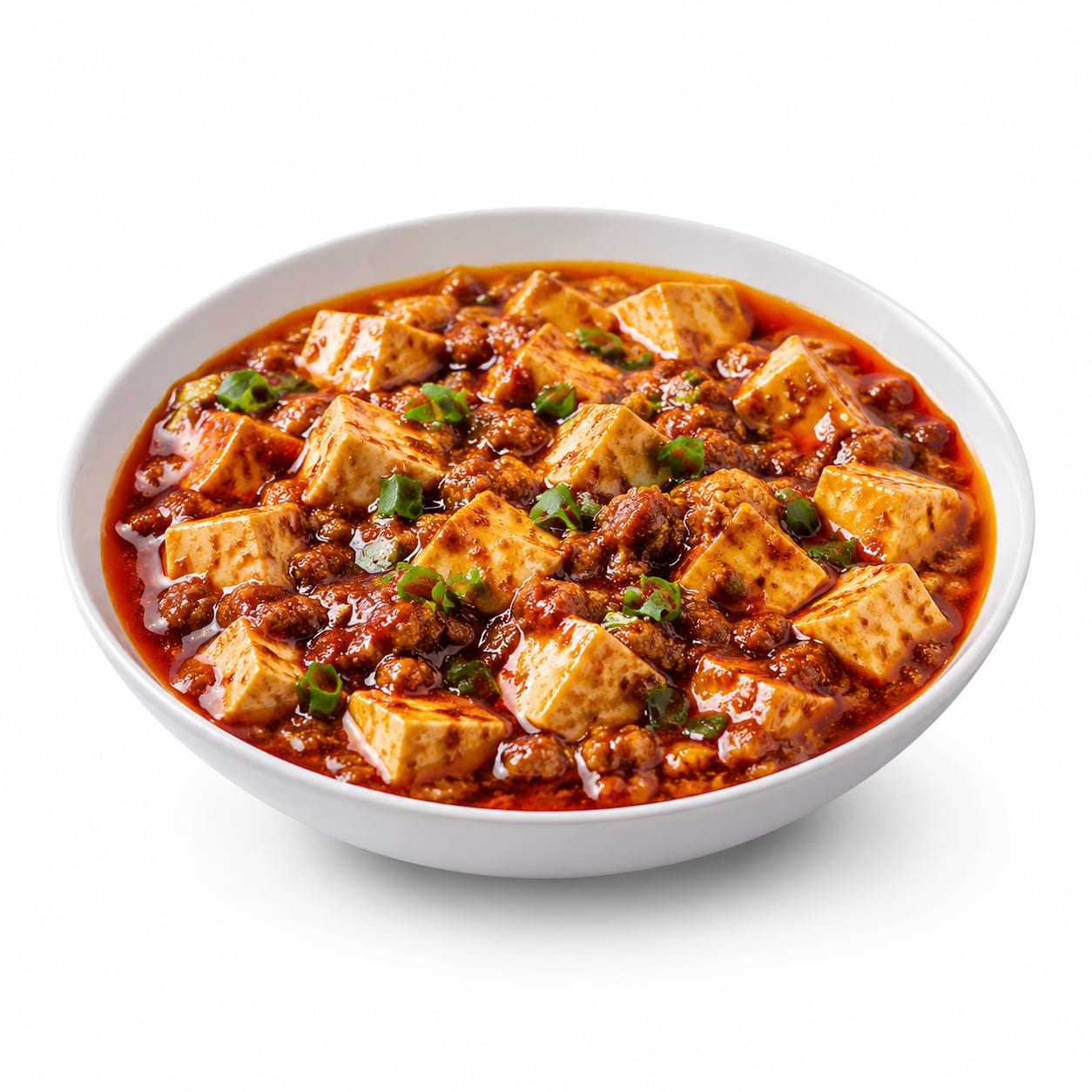
Mapo Tofu
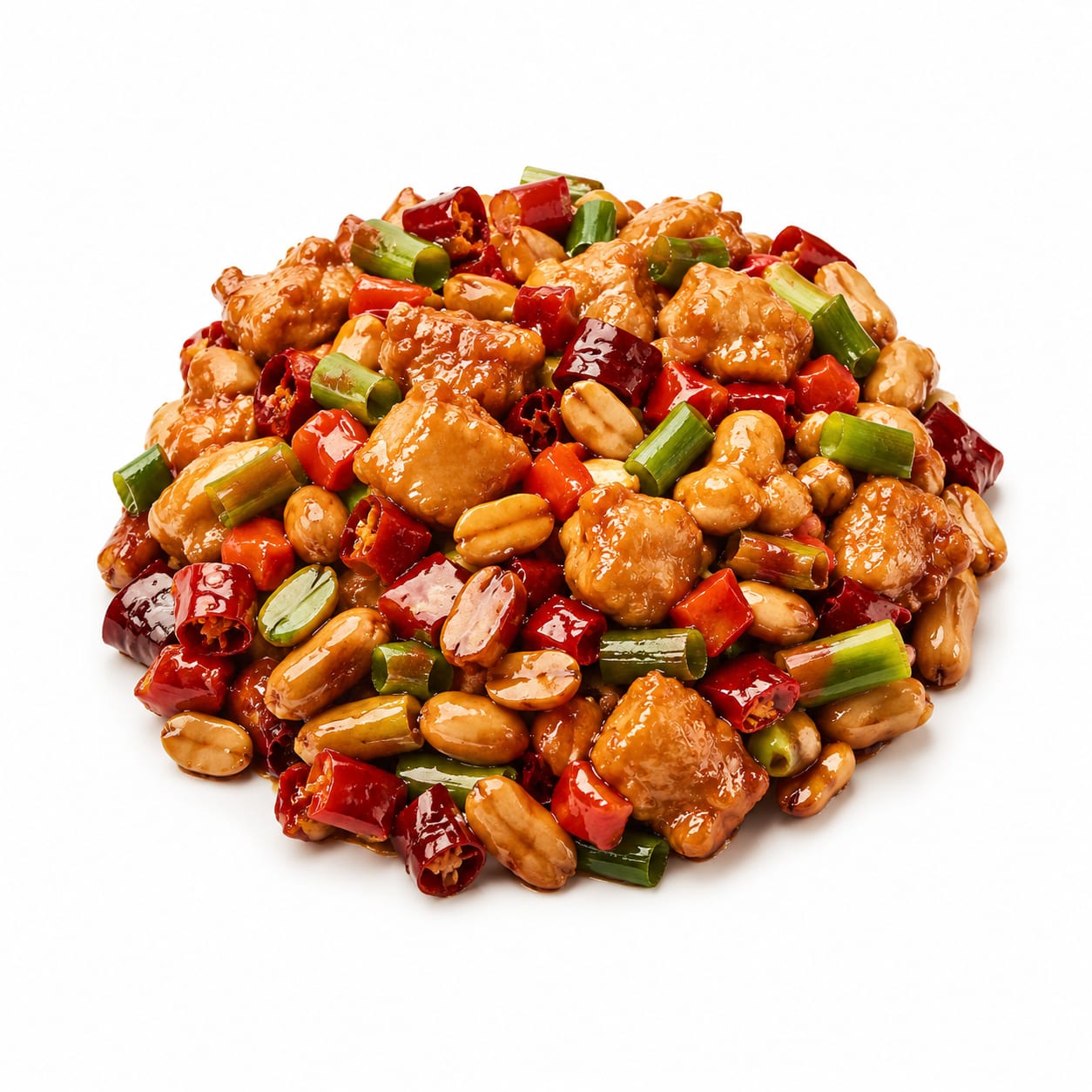
Kung Pao Chicken
Mapo Tofu is lighter and heart-friendlier, while Kung Pao Chicken delivers more protein and staying power. Your goals decide the winner.
Mapo Tofu edges ahead due to lower saturated fat, fewer calories, and heart-protective soy compounds. Kung Pao Chicken scores well for protein and satiety but carries more sodium, more calories, and peanut allergy risk. The gap is modest because both are sauce-heavy restaurant dishes with similar sodium concerns.
Plant-based lightness versus animal-based satiety — Mapo Tofu fills you less but stresses your heart less, while Kung Pao Chicken keeps you fuller but packs more calories and fat.
At a glance
Executive summary
Overall
It depends
Healthier
Mapo Tofu
More practical
Kung Pao Chicken
Daily use
Mapo Tofu
Key comparison lenses
protein source comparison
Plant-based tofu versus animal-based chicken is the core nutritional decision point here
sodium and sauce awareness
Both dishes are Sichuan-style with heavy sauces, making sodium a shared concern
weight management strategy
Calorie density and satiety differ significantly between these options
heart health tradeoff
Saturated fat from chicken versus soy isoflavones from tofu creates a meaningful cardiovascular comparison
digestive comfort
Tofu's soft texture versus chicken and peanuts affects how each dish feels after eating
Best choice for
Mapo Tofu
- Plant-based eaters and vegetarians
- People managing cholesterol or heart disease risk
- Those wanting a lighter meal that won't cause afternoon sluggishness
- Anyone watching calorie intake while still wanting bold flavor
Kung Pao Chicken
- Athletes and anyone needing higher protein intake
- People who need a meal that keeps them full for hours
- Those doing physical labor or intense training days
- Anyone prioritizing muscle maintenance over calorie reduction
Least suitable for
Mapo Tofu
- People with soy allergies or sensitivities
- Anyone needing high protein per meal
- Those who find soft textures unsatisfying
Kung Pao Chicken
- People with peanut allergies
- Anyone on a low-sodium or heart-protective diet
- Those avoiding meat for ethical or environmental reasons
Deep comparison
Dimension by dimension
Each lens scores both foods and breaks down who each option suits.
- Dimension 1 · Priority 95Kung Pao Chicken
Protein Quality and Quantity
Mapo Tofu · 45Kung Pao Chicken · 85Kung Pao Chicken delivers roughly 2-3 times more protein per serving, and animal protein is more bioavailable than soy protein.
Tradeoff
You gain muscle-supporting protein with Kung Pao Chicken but take on more saturated fat and calories to get it.
Why it matters
If you eat only 2-3 meals daily, each one needs to carry meaningful protein. Mapo Tofu may leave you short.
Real-world impact
After Kung Pao Chicken, you stay full for 4-5 hours. After Mapo Tofu, you may be snacking within 2-3 hours.
Mapo Tofu
- Lighter eaters who get protein from other meals
- Anyone reducing animal product consumption
Better for
- Strength training days when protein needs peak
- Growing teenagers with high protein demands
Worse for
Kung Pao Chicken
- Post-workout recovery meals
- Anyone eating fewer meals per day
- Older adults preventing muscle loss
Better for
- Sedentary days when excess protein just becomes calories
- Anyone already exceeding daily protein needs
Worse for
- Dimension 2 · Priority 85Mapo Tofu
Heart Health and Inflammation
Mapo Tofu · 72Kung Pao Chicken · 48Mapo Tofu offers soy isoflavones and zero cholesterol, while Kung Pao Chicken brings saturated fat from meat and oil-heavy peanuts.
Tradeoff
Heart protection from soy compounds versus inflammatory potential from fried chicken and high omega-6 peanut oil.
Why it matters
For anyone with family history of cardiovascular disease, this difference compounds over years of weekly choices.
Real-world impact
Regularly choosing Mapo Tofu over fried chicken dishes may meaningfully lower LDL cholesterol over months. Kung Pao Chicken twice a week is unlikely to harm a healthy person, but daily is a different story.
Mapo Tofu
- People with elevated cholesterol
- Anyone with family history of heart disease
- Anti-inflammatory eating patterns
Better for
- People who assume all tofu dishes are automatically low-fat — the sauce adds oil
Worse for
Kung Pao Chicken
- Healthy active people eating it occasionally
- Those getting omega-3 fats from other sources
Better for
- Anyone already eating multiple high-saturated-fat meals daily
- People with hypertension managing sodium strictly
Worse for
- Dimension 3 · Priority 80Mapo Tofu
Calorie Density and Weight Management
Mapo Tofu · 70Kung Pao Chicken · 50Mapo Tofu typically runs 200-350 calories per serving versus 400-600 for Kung Pao Chicken, mainly due to chicken, peanuts, and more oil.
Tradeoff
Fewer calories with Mapo Tofu but also less satiety — you may eat again sooner.
Why it matters
For weight loss, calorie density matters more than feeling virtuous about choosing tofu.
Real-world impact
A Mapo Tofu lunch might leave you reaching for a 3pm snack. Kung Pao Chicken could carry you to dinner.
Mapo Tofu
- Active weight loss phases
- Smaller appetites and lighter lunch preferences
- Anyone tracking calories closely
Better for
- Rebound snacking when meals feel too light
- Anyone who confuses low-calorie with automatically satisfying
Worse for
Kung Pao Chicken
- Maintenance phases when satiety prevents overeating later
- Active people who burn more calories
Better for
- Unintended calorie surplus when eating large portions
- Restaurant portions that easily exceed 700 calories
Worse for
- Dimension 4 · Priority 88It depends
Sodium and Sauce Load
Mapo Tofu · 35Kung Pao Chicken · 38Both dishes are sodium bombs. Mapo Tofu relies on fermented bean paste and soy sauce, while Kung Pao Chicken uses soy sauce, hoisin, and salted chilies.
Tradeoff
Neither wins here. Both can easily exceed 1000mg sodium per restaurant serving.
Why it matters
If you have blood pressure concerns, both dishes require modification or portion control.
Real-world impact
After either dish, you may notice thirst, bloating, or puffy fingers the next morning. This is the shared weakness of saucy Sichuan cuisine.
Mapo Tofu
- Slightly less sodium when homemade with reduced sauce
Better for
- Anyone on a strict low-sodium diet
- People with kidney disease managing salt intake
Worse for
Kung Pao Chicken
- No meaningful advantage — both are equally problematic
Better for
- Same concerns — hypertension, kidney issues, fluid retention
Worse for
- Dimension 5 · Priority 65Mapo Tofu
Digestive Comfort and Tolerance
Mapo Tofu · 70Kung Pao Chicken · 55Soft tofu is gentle on the digestive tract. Chicken and peanuts require more effort to break down and can trigger sensitivity in some people.
Tradeoff
Easier digestion with Mapo Tofu, but soy can cause bloating in those sensitive to it.
Why it matters
If you have IBS, GERD, or a sensitive stomach, texture and fermentable compounds both matter.
Real-world impact
Mapo Tofu sits lighter in the stomach, making it better for late dinners. Kung Pao Chicken with peanuts can feel heavy before bed.
Mapo Tofu
- Evening meals when you want to sleep comfortably
- People with mild digestive sensitivities
- Post-illness recovery when you need gentle food
Better for
- People with soy sensitivity experiencing gas and bloating
Worse for
Kung Pao Chicken
- Those with soy intolerance or FODMAP sensitivities
- Anyone who feels unsatisfied by soft textures
Better for
- Anyone with peanut sensitivity or diverticulitis concerns
- People prone to acid reflux from heavier meals
Worse for
- Dimension 6 · Priority 72Mapo Tofu
Allergen and Safety Risk
Mapo Tofu · 65Kung Pao Chicken · 40Kung Pao Chicken contains peanuts — one of the top eight allergens with potentially severe reactions. Mapo Tofu's main allergen is soy, which is typically less dangerous.
Tradeoff
Peanut allergy can be life-threatening, while soy allergy is usually milder and less common.
Why it matters
For shared dining, potlucks, or feeding children, peanut presence changes the entire safety calculation.
Real-world impact
Kung Pao Chicken is automatically excluded from nut-free environments like schools. Mapo Tofu is safer for group dining.
Mapo Tofu
- Nut-free households and school lunches
- Shared dining where allergies are unknown
Better for
- Soy-allergic individuals — this dish is off-limits
Worse for
Kung Pao Chicken
- People without any peanut allergy concern
Better for
- Anyone with peanut allergy — strict avoidance required
- Cross-contamination risk in restaurants
Worse for
Timeline
Health impact over time
Short-term
Hours to days
Mapo Tofu
- Lighter post-meal feeling with less food coma risk
- Possible bloating if sensitive to soy or fermented bean products
- High sodium may cause thirst and mild water retention
Kung Pao Chicken
- Stronger satiety lasting several hours
- Heavier feeling in the stomach, especially with large peanut portions
- Similar sodium effects — thirst, bloating, water retention
Long-term
Months to years
Mapo Tofu
- Soy isoflavones may support cardiovascular health and bone density
- Lower saturated fat intake reduces long-term heart disease risk
- Regular high sodium intake remains a concern for blood pressure
Kung Pao Chicken
- Higher protein supports muscle preservation, especially important after age 40
- Peanut consumption linked to reduced cardiovascular risk in some studies
- Sustained high sodium and saturated fat intake may elevate chronic disease risk if eaten frequently
Risk profile
Safety & processing
Both are restaurant-style cooked dishes with sauces containing fermented pastes, added oils, and sodium. Neither is ultra-processed in the packaged-food sense, but neither is whole-food minimal. Homemade versions of either can reduce additive exposure significantly.
Mapo Tofu
Soy allergen exposure
mediumSoy is a top eight allergen. Reactions are typically less severe than peanut but can still cause hives, digestive distress, or in rare cases anaphylaxis.
Fermented bean paste contamination
lowDoubanjiang is traditionally fermented and carries minimal risk when commercially produced. Homemade versions may have inconsistent fermentation safety.
Kung Pao Chicken
Peanut allergen exposure
highPeanuts are among the most dangerous food allergens. Even trace amounts can trigger anaphylaxis in sensitive individuals. Cross-contamination in restaurant kitchens is common.
Undercooked chicken
mediumDiced chicken cooks quickly but unevenly in stir-fry. Restaurant kitchens rushing orders may occasionally undercook pieces, creating foodborne illness risk.
Who wins for whom
Audience fit
Same foods, different winners depending on your goal.
children
It dependsKung Pao Chicken is a peanut allergy minefield for school environments. Mapo Tofu is safer for group settings but its spice level may be too intense for young palates.
daily consumption
Mapo TofuLower calorie load, less saturated fat, and heart-protective soy compounds make Mapo Tofu more sustainable as a regular choice. Kung Pao Chicken is better as an occasional high-protein meal.
diabetes
It dependsBoth are low in simple sugars, but both are high in sodium which worsens cardiovascular risk in diabetes. Mapo Tofu has slightly less calorie impact, while Kung Pao Chicken's protein helps stabilize blood sugar longer.
elderly
Mapo TofuSoft tofu is easier to chew and digest. Soy isoflavones may support bone health. Lower saturated fat is protective for aging cardiovascular systems.
muscle gain
Kung Pao ChickenSignificantly more complete protein per serving. Chicken provides all essential amino acids in amounts that support muscle repair and growth.
weight loss
Mapo TofuLower calorie density gives Mapo Tofu the edge, though you may need a side dish to stay satisfied. Kung Pao Chicken's peanuts and oil add calories quickly.
Your move
Decision guide
Choose Mapo Tofu
- You want a lighter meal that won't weigh you down
- Heart health or cholesterol management is a priority
- You eat vegetarian or are reducing meat intake
- You're eating late and want something gentle before bed
- You need to avoid peanuts for allergy reasons
Choose Kung Pao Chicken
- Protein intake is your top nutritional priority
- You need a meal that keeps you full for hours without snacking
- You're recovering from a workout or physically demanding day
- You have no peanut allergy and want more satisfying texture
- You're eating one main meal and need it to count nutritionally
Either works if
- You're eating at a Sichuan restaurant and both sound good
- Sodium is equally concerning for you regardless of choice
- You plan to pair either with steamed vegetables and brown rice
Avoid both if
- You're on a strict low-sodium diet — both dishes are salt-heavy
- You have severe spice sensitivity — both rely on Sichuan peppercorns and chilies
- You need a quick, light meal — neither is fast or light in sauce load
Final recommendation
For everyday eating, Mapo Tofu is the smarter default — lighter, heart-friendlier, and easier to digest. Save Kung Pao Chicken for days when you need the protein punch and staying power. Both are sodium-heavy, so neither should be a daily habit without modifications like requesting less sauce or making them at home where you control the salt.
Practical
Consumer tips
- 1
Ask restaurants to prepare either dish with half the sauce — you'll cut sodium by 30-40% without losing the flavor experience
- 2
Pair Mapo Tofu with a side of edamame or egg to boost protein without adding meat
- 3
Make Kung Pao Chicken at home using less oil and dry-roasted peanuts to cut 150+ calories per serving
- 4
Order either dish with steamed rice instead of fried rice to avoid compounding the sodium and oil load
- 5
If you have peanut allergies but love the flavor profile, try making Kung Pao Chicken with roasted cashews or sunflower seeds as a substitute
- 6
For Mapo Tofu, choose firm tofu over silken for more protein and better texture that holds up in the sauce