
Nutrition comparison
Mapo Tofu vs Fried Rice: Which Is Healthier for You?
Compare Mapo Tofu and Fried Rice on protein, blood sugar impact, calories, and sodium. Find out which Chinese takeout dish is better for weight loss, diabetes, and daily eating.
Overall winner · Mapo Tofu
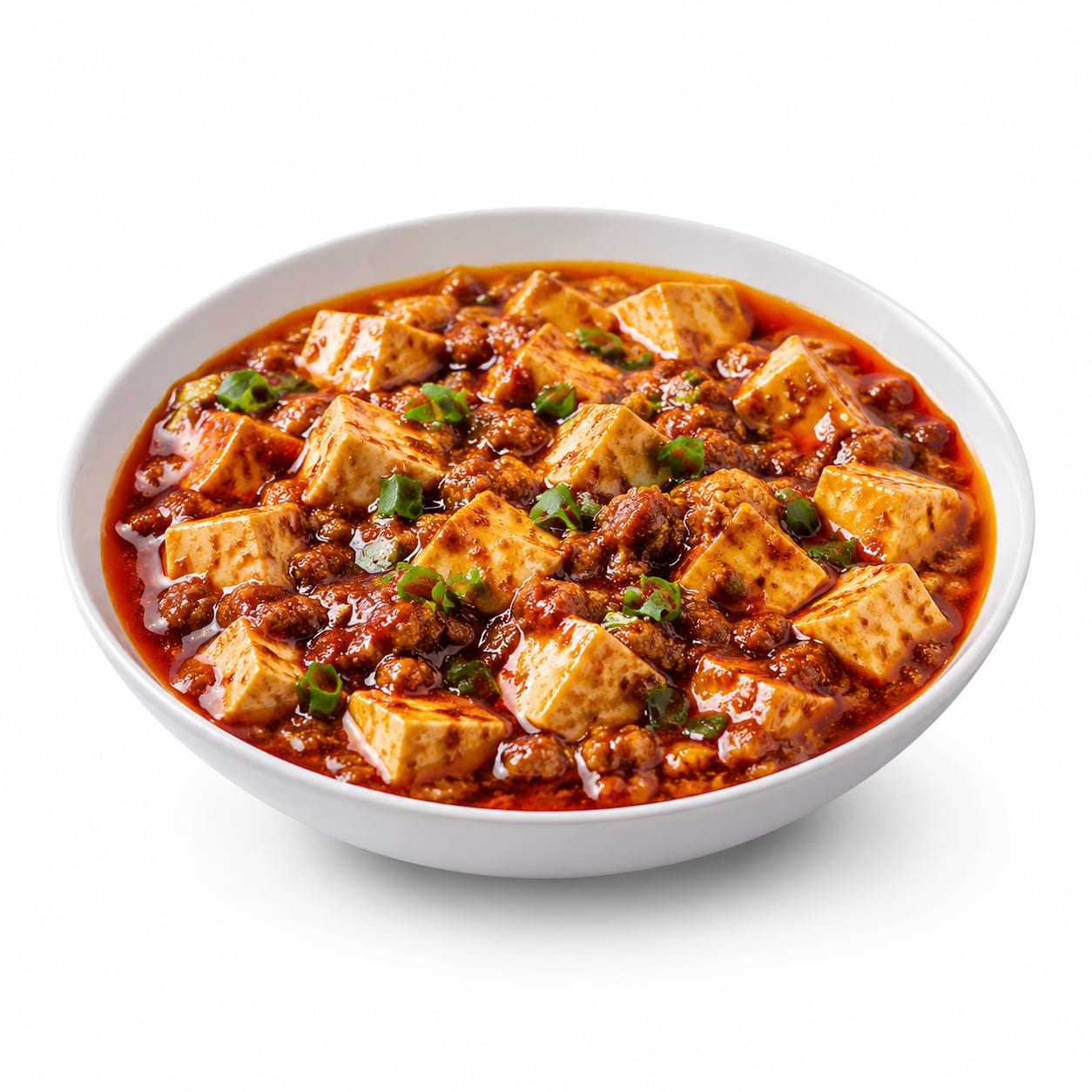
Mapo Tofu
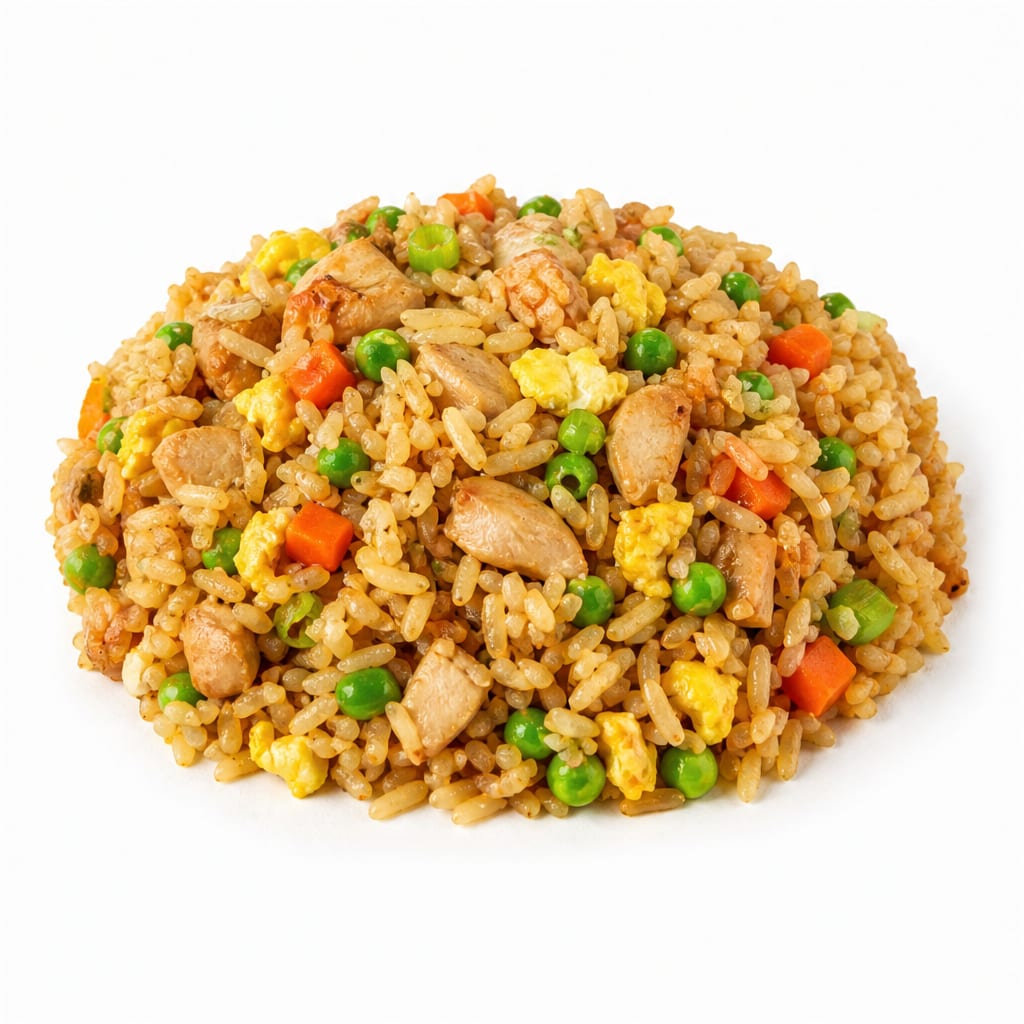
Fried Rice
Mapo Tofu wins on protein, blood sugar stability, and satiety, but Fried Rice is more comforting and easier to eat as a standalone meal.
Mapo Tofu scores notably higher due to its superior protein-to-calorie ratio, lower glycemic impact, and better satiety profile. Fried Rice loses ground on blood sugar spikes, lower protein density, and higher calorie-to-nutrient ratio. Both lose points for high sodium and oil content typical of restaurant preparations.
Mapo Tofu gives you steadier energy and more protein per calorie, while Fried Rice delivers quick satisfaction but spikes blood sugar and leaves you hungry sooner.
At a glance
Executive summary
Overall
Mapo Tofu
Healthier
Mapo Tofu
More practical
Fried Rice
Daily use
Mapo Tofu
Key comparison lenses
Which is better for blood sugar control and weight management
Mapo Tofu is low-carb and protein-forward while Fried Rice is carb-dense with a high glycemic load, making this the most impactful difference for most diners
Which is healthier as a regular takeout order
Both are common Chinese restaurant staples people order weekly, so cumulative health impact matters significantly
Sodium and oil load comparison
Both dishes are restaurant-prepared with heavy seasoning and oil, so understanding which is worse for sodium and fat intake is critical
Which keeps you fuller longer
Protein vs carb density directly affects satiety and overeating risk at dinner
Which fits better into specific diets like keto or low-carb
Mapo Tofu is naturally low-carb while Fried Rice is incompatible with low-carb approaches
Best choice for
Mapo Tofu
- People managing blood sugar or insulin resistance
- Anyone tracking protein intake
- Low-carb or keto dieters
- Those who want to stay full longer between meals
- People trying to reduce refined carbohydrate intake
Fried Rice
- Active individuals needing quick carb replenishment
- Kids who prefer milder flavors
- Anyone eating a single-dish meal without sides
- People recovering from illness who need easy-to-digest calories
Least suitable for
Mapo Tofu
- People with soy allergies or sensitivities
- Those sensitive to spicy food or Sichuan peppercorns
- Anyone on a low-sodium diet eating restaurant versions
- People who dislike soft textures
Fried Rice
- People with diabetes or prediabetes
- Anyone on a low-carb or keto diet
- Those watching calorie density closely
- People prone to afternoon energy crashes after carb-heavy meals
Deep comparison
Dimension by dimension
Each lens scores both foods and breaks down who each option suits.
- Dimension 1 · Priority 95Mapo Tofu
Protein Content and Quality
Mapo Tofu · 82Fried Rice · 45Mapo Tofu delivers significantly more protein per calorie thanks to tofu and often ground meat in the sauce.
Tradeoff
Fried Rice contains some egg and occasional meat bits, but the protein is diluted by large volumes of rice.
Why it matters
Higher protein means better muscle maintenance, more stable appetite, and less temptation to snack later.
Real-world impact
After a Mapo Tofu meal you are less likely to raid the fridge two hours later. Fried Rice often leaves you hungry again by bedtime.
Mapo Tofu
- Athletes needing protein without excess carbs
- Anyone trying to stay full on fewer calories
- Older adults preserving muscle mass
Better for
- People with soy protein allergies
Worse for
Fried Rice
- Endurance athletes who need carbs alongside moderate protein post-workout
Better for
- Anyone struggling to hit daily protein targets
Worse for
- Dimension 2 · Priority 93Mapo Tofu
Blood Sugar Stability
Mapo Tofu · 78Fried Rice · 30Mapo Tofu has minimal impact on blood sugar. Fried Rice causes a rapid spike followed by a crash.
Tradeoff
Fried Rice provides quick energy but at the cost of metabolic volatility that triggers cravings and fatigue.
Why it matters
Blood sugar crashes after high-carb meals drive overeating, brain fog, and long-term insulin resistance.
Real-world impact
Eating Fried Rice for lunch often means an energy dip around 3 PM and a stronger urge for afternoon snacks. Mapo Tofu keeps energy steadier through the afternoon.
Mapo Tofu
- People with diabetes or prediabetes
- Anyone trying to reduce sugar cravings
- Those following low-carb diets
Better for
- None significant for blood sugar
Worse for
Fried Rice
- Athletes mid-carb-load before intense exercise
- Underweight individuals needing easy calories
Better for
- Insulin-resistant individuals
- People prone to energy crashes
- Anyone managing PCOS or metabolic syndrome
Worse for
- Dimension 3 · Priority 88Mapo Tofu
Calorie Density and Weight Management
Mapo Tofu · 70Fried Rice · 40Mapo Tofu is easier to fit into a calorie budget because you get more protein and satiety per calorie. Fried Rice packs calories quickly through oil-soaked rice.
Tradeoff
Fried Rice feels more filling immediately due to volume, but the satiety fades fast while the calories remain.
Why it matters
Calorie density determines whether you accidentally overeat. Rice absorbs oil like a sponge, making portions deceptively caloric.
Real-world impact
A typical restaurant portion of Fried Rice can easily hit 800-1200 calories. Mapo Tofu with a modest portion of rice on the side gives you more control.
Mapo Tofu
- Anyone counting calories
- People who want to feel full without overeating
- Those trying to lose weight gradually
Better for
- Those who eat it with large portions of white rice, negating the advantage
Worse for
Fried Rice
- People who struggle to eat enough and need calorie-dense options
Better for
- Anyone prone to portion distortion
- Emotional eaters who find it hard to stop at one bowl
Worse for
- Dimension 4 · Priority 82It depends
Sodium Load
Mapo Tofu · 35Fried Rice · 38Both are sodium bombs in restaurant form. Mapo Tofu relies on doubanjiang and soy sauce, while Fried Rice is seasoned heavily with soy sauce and salt.
Tradeoff
Neither is a low-sodium winner. The difference is marginal and depends more on the chef than the dish.
Why it matters
High sodium intake drives water retention, bloating, and elevated blood pressure over time.
Real-world impact
After either dish you may wake up puffy and thirsty. If blood pressure is a concern, both need modification.
Mapo Tofu
- Slightly less sodium if prepared at home with reduced-sauce adjustments
Better for
- People with hypertension eating restaurant versions
Worse for
Fried Rice
- Slightly less sodium if made with light soy sauce and less seasoning at home
Better for
- People with hypertension eating restaurant versions
Worse for
- Dimension 5 · Priority 78Mapo Tofu
Heart Health and Inflammatory Profile
Mapo Tofu · 65Fried Rice · 42Tofu contains heart-friendly isoflavones and unsaturated fats. Fried Rice is dominated by refined carbs and repeated cooking oil, which is more inflammatory.
Tradeoff
Mapo Tofu still contains significant oil and chili, but the soy base offers protective compounds Fried Rice lacks entirely.
Why it matters
Chronic inflammation from refined carbs and poor-quality oils underlies heart disease, joint pain, and fatigue.
Real-world impact
Choosing Mapo Tofu a few times a week instead of Fried Rice is a small but meaningful upgrade for long-term cardiovascular health.
Mapo Tofu
- People with family history of heart disease
- Anyone managing cholesterol
- Those reducing refined carbohydrate intake
Better for
- People who react poorly to spicy food triggering acid reflux
Worse for
Fried Rice
- Not applicable for heart health
Better for
- People with elevated triglycerides
- Anyone with existing heart disease risk factors
Worse for
- Dimension 6 · Priority 72Fried Rice
Convenience and Meal Completeness
Mapo Tofu · 50Fried Rice · 80Fried Rice is a complete one-plate meal with carbs, protein, and vegetables. Mapo Tofu typically needs a separate starch to feel like a full meal.
Tradeoff
Fried Rice is self-contained and portable. Mapo Tofu requires pairing with rice or another carb, which adds planning.
Why it matters
In real life, convenience often beats nutrition. The easier meal to grab is the one you will actually eat.
Real-world impact
For lunch takeout or quick dinners, Fried Rice is grab-and-go. Mapo Tofu means ordering or cooking an additional side.
Mapo Tofu
- Family-style meals where multiple dishes are shared
- People who already have rice prepared at home
Better for
- People eating alone who want one-dish simplicity
Worse for
Fried Rice
- Busy weeknights with no time for multiple dishes
- Office lunches needing a single container
- Meal prep scenarios requiring one-dish simplicity
Better for
- Not applicable for convenience
Worse for
- Dimension 7 · Priority 68Fried Rice
Digestive Tolerance
Mapo Tofu · 45Fried Rice · 70Fried Rice is gentler on the stomach for most people. Mapo Tofu's chili oil and Sichuan peppercorns can irritate sensitive digestive systems.
Tradeoff
Mapo Tofu's spice offers metabolic benefits but at the cost of potential stomach discomfort for some.
Why it matters
If a meal causes bloating, heartburn, or GI distress, it does not matter how nutritious it is on paper.
Real-world impact
People with IBS, acid reflux, or spice sensitivity may regret Mapo Tofu at bedtime. Fried Rice is usually the safer bet for delicate stomachs.
Mapo Tofu
- People with healthy digestion who tolerate spice well
Better for
- People prone to heartburn
- Those with sensitive stomachs
Worse for
Fried Rice
- People with acid reflux or GERD
- Those with IBS or spice sensitivity
- Anyone eating late at night before bed
Better for
- Not applicable for digestion
Worse for
Timeline
Health impact over time
Short-term
Hours to days
Mapo Tofu
- High satiety from protein keeps hunger at bay for hours
- Spice may cause mild sweating or warmth from capsaicin
- Possible heartburn or stomach irritation in sensitive individuals
- Sodium may cause noticeable thirst and mild bloating
Fried Rice
- Rapid blood sugar rise followed by energy dip within 1-2 hours
- Immediate fullness from volume that fades quickly
- Sodium causes thirst and possible water retention
- Comforting and satisfying in the moment but may trigger cravings later
Long-term
Months to years
Mapo Tofu
- Soy isoflavones may support cardiovascular and bone health
- Consistent protein intake supports muscle preservation with aging
- Regular high sodium intake from restaurant versions may elevate blood pressure
- Spice consumption is associated with modest metabolic benefits
Fried Rice
- Frequent high-glycemic meals increase risk of insulin resistance and type 2 diabetes
- Refined carbohydrate habit drives persistent cravings and potential weight gain
- Repeated exposure to high-heat cooking oils may increase inflammatory markers
- Low nutrient density per calorie contributes to subtle malnutrition over time
Risk profile
Safety & processing
Both are cooked dishes with multiple processed ingredients like soy sauce, cooking oils, and fermented pastes. Mapo Tofu uses doubanjiang (fermented chili bean paste) which is a traditional fermented food with some probiotic benefit, while Fried Rice relies on refined white rice and soy sauce. Neither is ultra-processed in the way packaged snacks are, but neither is a whole food either. Home versions of both can be significantly cleaner than restaurant versions.
Mapo Tofu
Soy allergen exposure
highTofu is a major allergen. Reactions can range from mild hives to severe anaphylaxis in sensitive individuals.
MSG sensitivity
mediumRestaurant Mapo Tofu often contains added MSG, which can cause headaches or flushing in sensitive people.
Oil quality concerns
mediumRestaurants may reuse cooking oil at high temperatures, generating potentially harmful compounds.
Fried Rice
Bacillus cereus from rice
mediumImproperly stored cooked rice can harbor Bacillus cereus, a bacteria that causes food poisoning. This is a real risk with buffet or leftover fried rice.
MSG sensitivity
mediumSimilar to Mapo Tofu, restaurant Fried Rice commonly includes MSG.
Oil quality concerns
mediumFried Rice requires large amounts of oil, and reused restaurant oil may contain oxidized fats.
Who wins for whom
Audience fit
Same foods, different winners depending on your goal.
children
Fried RiceMilder flavor and familiar texture make Fried Rice far more kid-friendly than spicy Mapo Tofu.
daily consumption
Mapo TofuBetter nutritional profile and lower glycemic load make Mapo Tofu more sustainable as a regular choice, provided sodium is managed.
diabetes
Mapo TofuMinimal glycemic impact from Mapo Tofu compared to the sharp blood sugar spike from white rice.
elderly
Mapo TofuSoft tofu is easy to chew and digest, and protein helps prevent age-related muscle loss. Spice level should be adjusted down.
muscle gain
Mapo TofuTofu and often added ground meat provide more bioavailable protein per serving than the egg bits in Fried Rice.
weight loss
Mapo TofuHigher protein and lower carb content make Mapo Tofu more satiating per calorie, reducing the likelihood of overeating.
Your move
Decision guide
Choose Mapo Tofu
- You want to stay full without a blood sugar rollercoaster
- You are tracking protein or eating low-carb
- Heart health is a priority and you tolerate soy well
- You are sharing a multi-dish meal and need a protein-forward option
- You want something flavorful that does not rely on carbs for satisfaction
Choose Fried Rice
- You need a quick one-plate meal with no sides required
- You are feeding kids or people who avoid spicy food
- You just finished intense exercise and need carb replenishment
- Comfort food is the priority and you accept the energy crash tradeoff
- You are eating late and want something gentle on the stomach
Either works if
- You are ordering takeout and both fit your calorie budget
- You plan to modify either dish at home with less oil and sodium
- You are sharing dishes family-style and can balance both
Avoid both if
- You are on a strict low-sodium diet and cannot control preparation
- You have severe MSG sensitivity and are eating at a restaurant
- You are avoiding all added oils for cardiac or gallbladder reasons
Final recommendation
For most people eating Chinese takeout regularly, Mapo Tofu is the smarter default. It delivers more protein, steadier energy, and better long-term metabolic outcomes. Save Fried Rice for occasional comfort or post-workout carb refueling, not as your weekly go-to. If you order Mapo Tofu, pair it with a small portion of brown rice rather than a large bowl of white rice to preserve its blood sugar advantage.
Practical
Consumer tips
- 1
Ask for Mapo Tofu with less oil and half the sauce to cut sodium and calories significantly without losing flavor
- 2
Order brown rice instead of white rice as a side for Mapo Tofu to add fiber and slow glucose absorption
- 3
When ordering Fried Rice, request less soy sauce and add a side of steamed vegetables to reduce calorie density
- 4
Make Mapo Tofu at home using silken tofu, lean ground chicken, and reduced-sodium doubanjiang for a dramatically healthier version
- 5
Home-made Fried Rice with day-old brown rice, loads of vegetables, and minimal oil is a completely different nutritional profile than the restaurant version
- 6
If you have high blood pressure, both dishes should be occasional treats rather than staples unless you prepare them yourself
- 7
Freeze leftover Fried Rice promptly and reheat thoroughly to reduce Bacillus cereus risk