
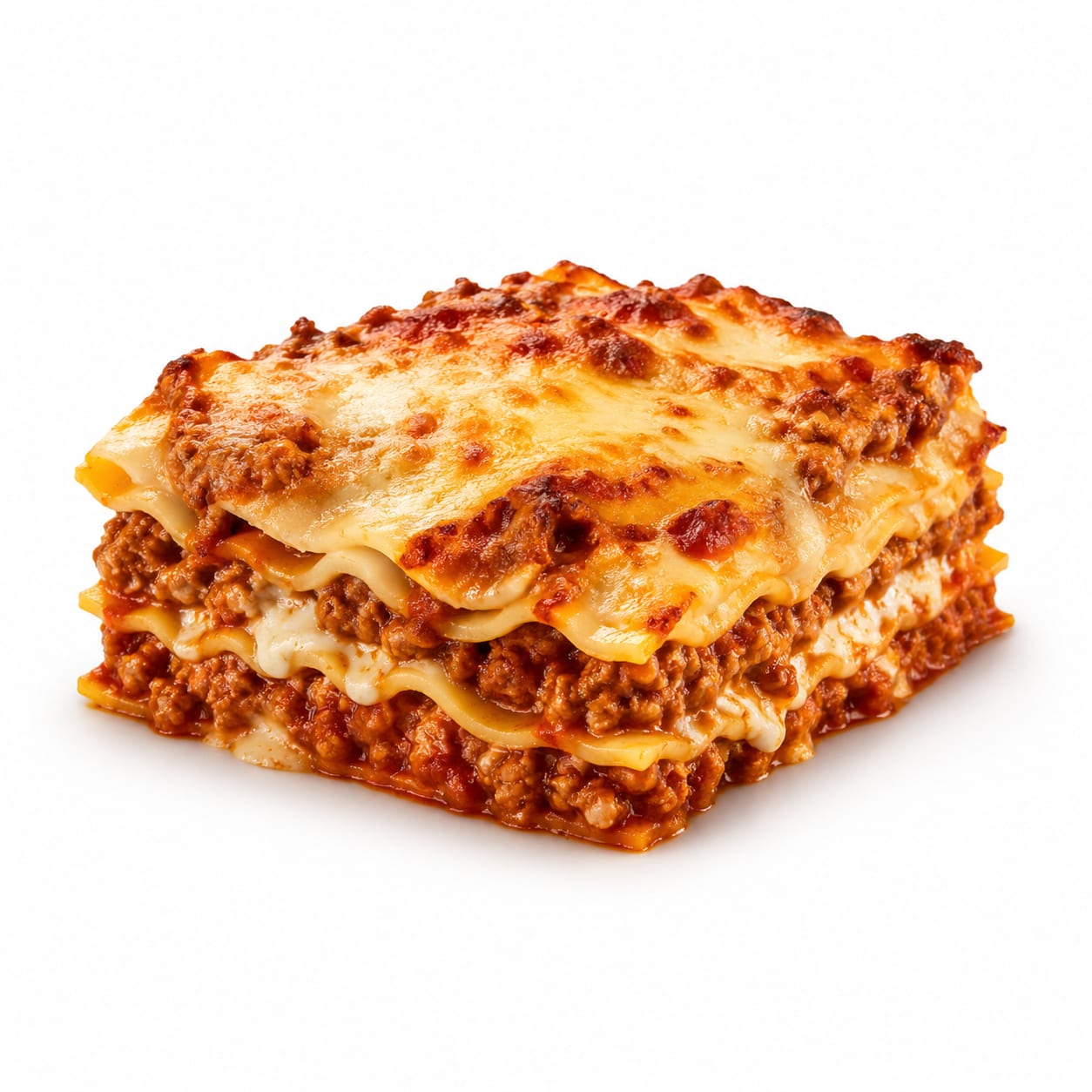
Pasta Casserole
Lasagna
A layered Italian pasta bake combining noodles, sauce, meat, and cheese.
A baked Italian casserole consisting of layered pasta sheets, meat or vegetable sauce, cheese, and often béchamel.
protein and fat-rich composite carbohydrate dish
Typical serving · 250g
Common varieties · meat lasagna, vegetable lasagna, white lasagna (lasagna bianca), gluten-free lasagna
Overall context score across nutrition, safety, and diet fit
At a glance
Quick facts
Simple indicators based on nutrition, processing, and diet fit.
The story
What makes it unique
A composite dish with moderate digestion speed due to fat and protein content, which slows gastric emptying compared to plain pasta. Macronutrient profile is mixed, providing high protein and moderate carbohydrates, but often high in saturated fat and sodium depending on preparation.
Varieties: meat lasagna · vegetable lasagna · white lasagna (lasagna bianca) · gluten-free lasagna
Per 100g
Nutrition breakdown
Macro balance and key metrics at a glance.
Energy
Density 1.35 kcal/g
Protein
Carbs
Fat
Fiber
Sugar
2.8 g
Sodium
350 mg
Potassium
210 mg
Glycemic index
45
Glycemic load
6
Water content
65%
Standout compounds
Nutrient highlights
Protein
highSupports muscle repair and growth
Calcium
moderateEssential for bone health and nerve function
Saturated Fat
highProvides concentrated energy but may impact heart health
Sodium
highElectrolyte balance, but excessive amounts raise blood pressure
Selenium
moderateActs as an antioxidant and supports thyroid function
Wellness map
Health scores & processing
NOVA processing scale
moderately processed · Whole food
Homemade lasagna is a composite of processed culinary ingredients (pasta, cheese) and unprocessed foods (ground meat, tomatoes). Commercial frozen versions often contain additives, pushing them into Nova Group 4.
Diet compatibility
- Weight loss
- Muscle gain
- Diabetes
- Gut health
- Low carb
- High protein
- Heart health
Relative standing
Food rankings
Qualitative ranks compared to similar whole foods.
- Satietygood
- Blood sugarmoderate
- Nutrient densitymoderate
- Fitness fuelgood
- Processing qualitymoderate
Eat with confidence
Food safety profile
Thorough baking eliminates most microbial risks. Primary concerns are antibiotic residues in conventional beef and high sodium levels in processed cheeses and sauces.
Evidence confidence 85%
- Pesticideslow
- Antibioticsmoderate
- Heavy metalslow
- Contaminationlow
Watch for
- listeria in deli meats if used
- cheese pathogens if unpasteurized
Safer choices
Grass-fed beef, whole wheat pasta, and low-sodium sauce.
Prep tips
Ensure ground meat is cooked to 160°F (71°C) before layering.
Sodium and saturated fat content in restaurant preparations.
Deep dive
Health analysis
How this food may fit different goals and preparation choices.
Weight loss
High calorie density makes overconsumption easy; portion control is essential for weight loss.
Blood sugar
Fat and protein slow carbohydrate digestion, resulting in a moderate glycemic response, but total carb load can still spike blood sugar.
Fitness & energy
Provides a balanced mix of carbs for glycogen replenishment and protein for muscle repair, making it a solid post-workout meal.
Gut health
Low fiber content and high saturated fat may slow digestion and negatively impact gut microbiome diversity.
Processing quality
Varies widely; homemade versions using whole ingredients are superior to frozen meals with preservatives and fillers.
Food safety
Safe when cooked thoroughly; primary risks come from undercooked meat or unpasteurized dairy.
Common mistakes
Assuming vegetarian lasagna is low-calorie, as cheese and oil can make it equally energy-dense.
Best preparation
Use lean ground turkey or beef, part-skim ricotta, whole grain noodles, and load with spinach or zucchini to improve nutrient density.
Practical guide
Best use cases
When and how this food fits real eating patterns.
Post-workout recovery
Supplies a mix of fast-digesting carbs and complete proteins to replenish glycogen and repair muscles.
High-calorie bulking diet
Dense in calories and protein, making it easy to consume surplus calories for muscle gain.
Family meal prep
Bakes well in large batches and reheats effectively for convenient weekly meals.
Balance sheet
Pros & cons
Upsides
- High protein content supports muscle maintenance
- Fat and protein combination provides lasting satiety
- Contains calcium from cheese for bone health
- Versatile recipe allows for healthy ingredient substitutions
Trade-offs
- High in saturated fat from cheese and meat
- Refined pasta sheets spike blood sugar
- Restaurant and frozen versions are very high in sodium
- Calorie-dense, making portion control difficult
Fit check
Who is it for?
Great match
- muscle building phases
- post-workout recovery meals
- high-calorie diets
Consider alternatives
- strict weight loss diets
- low-carb or ketogenic diets
- low-sodium heart-healthy diets
Side by side
How it compares
Open the full head-to-head analysis for nutrition, safety, and practical tradeoffs.
This food
Lasagna
VS90% alike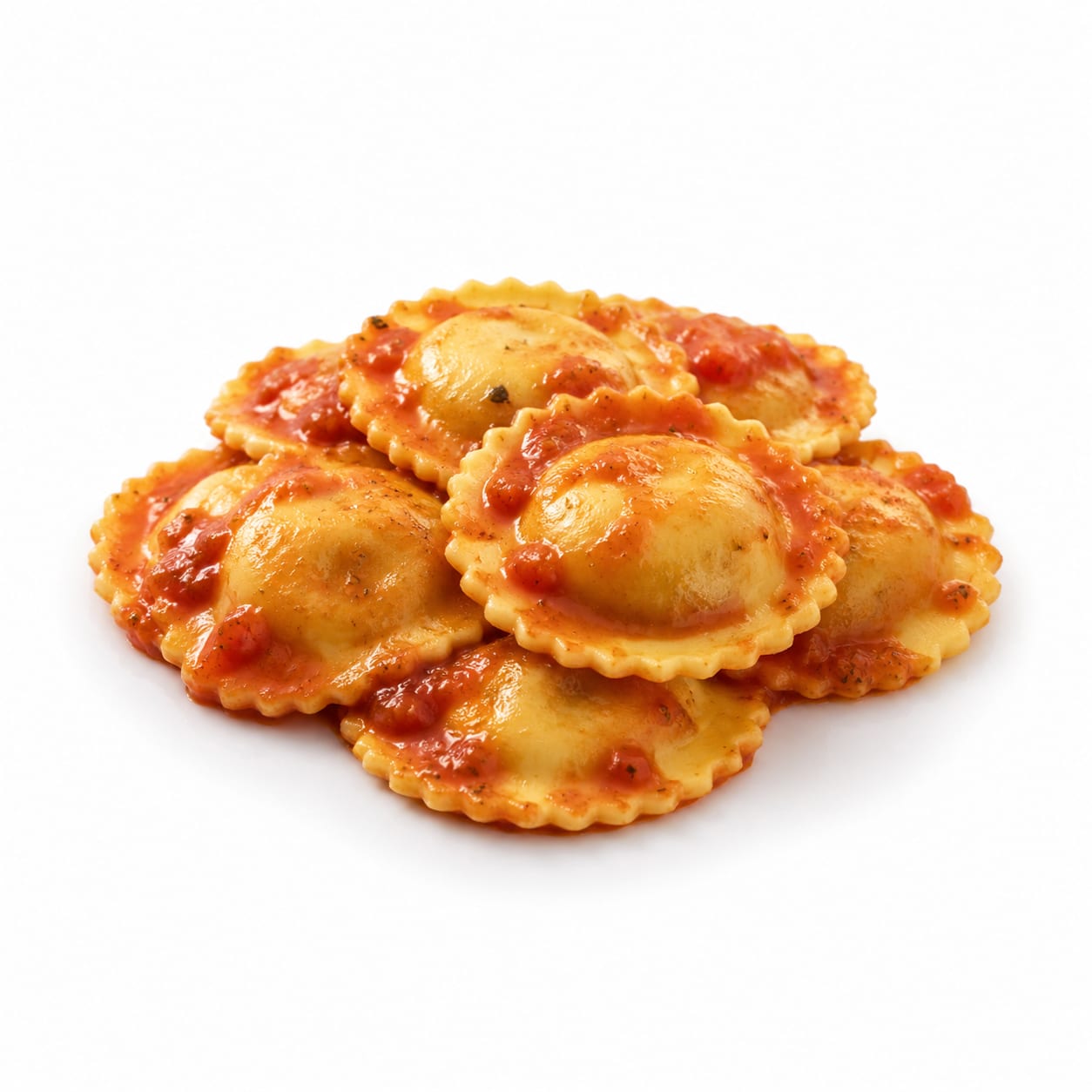
Compare with
Ravioli
Ravioli is lighter per serving due to boiling, while lasagna packs more calories and fat from baked cheese layers.
Ravioli is lower in calories and fat, but lasagna provides more protein and satiety per serving.
This food
Lasagna
VS85% alike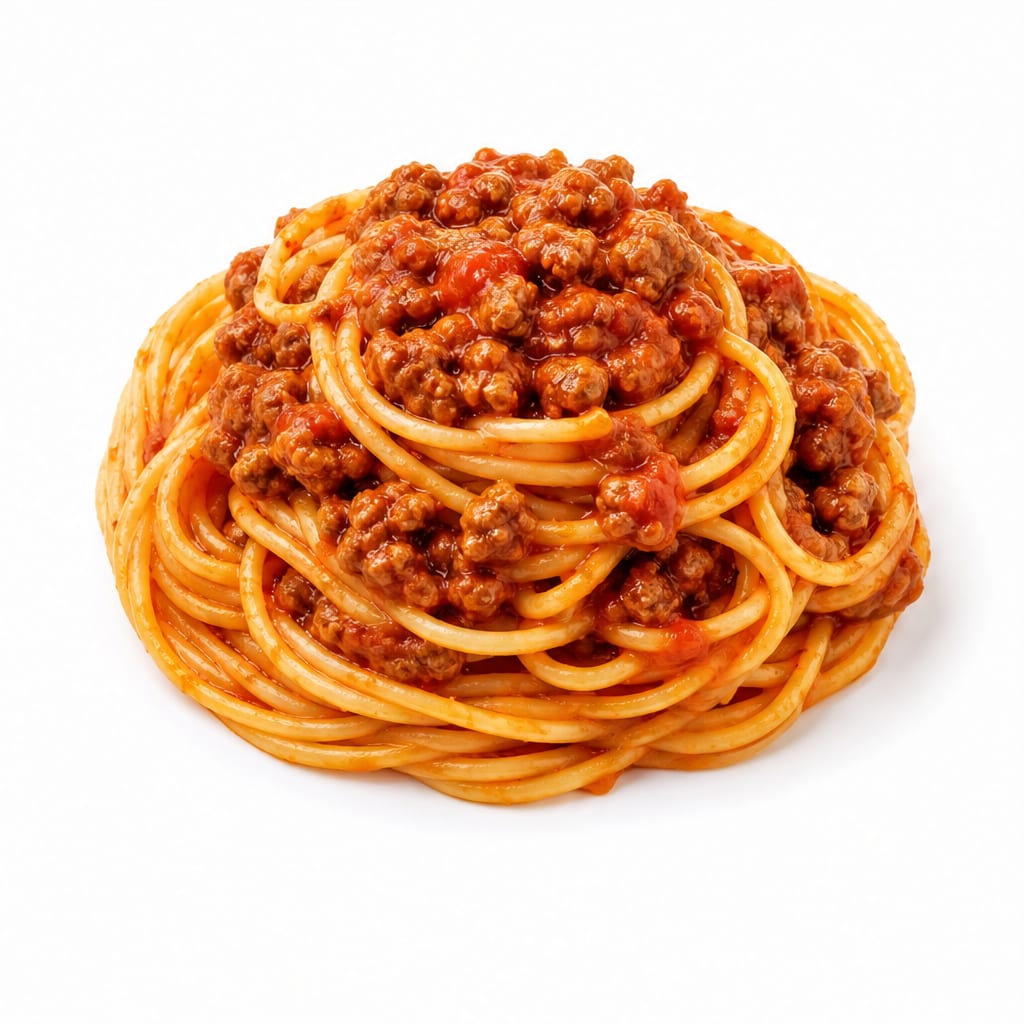
Compare with
Spaghetti with meat sauce
Spaghetti is lighter and simpler, whereas lasagna is a denser, cheese-heavy casserole.
Spaghetti with meat sauce is lower in calories, while lasagna offers higher protein and satiety from extra cheese.
This food
Lasagna
VS80% alike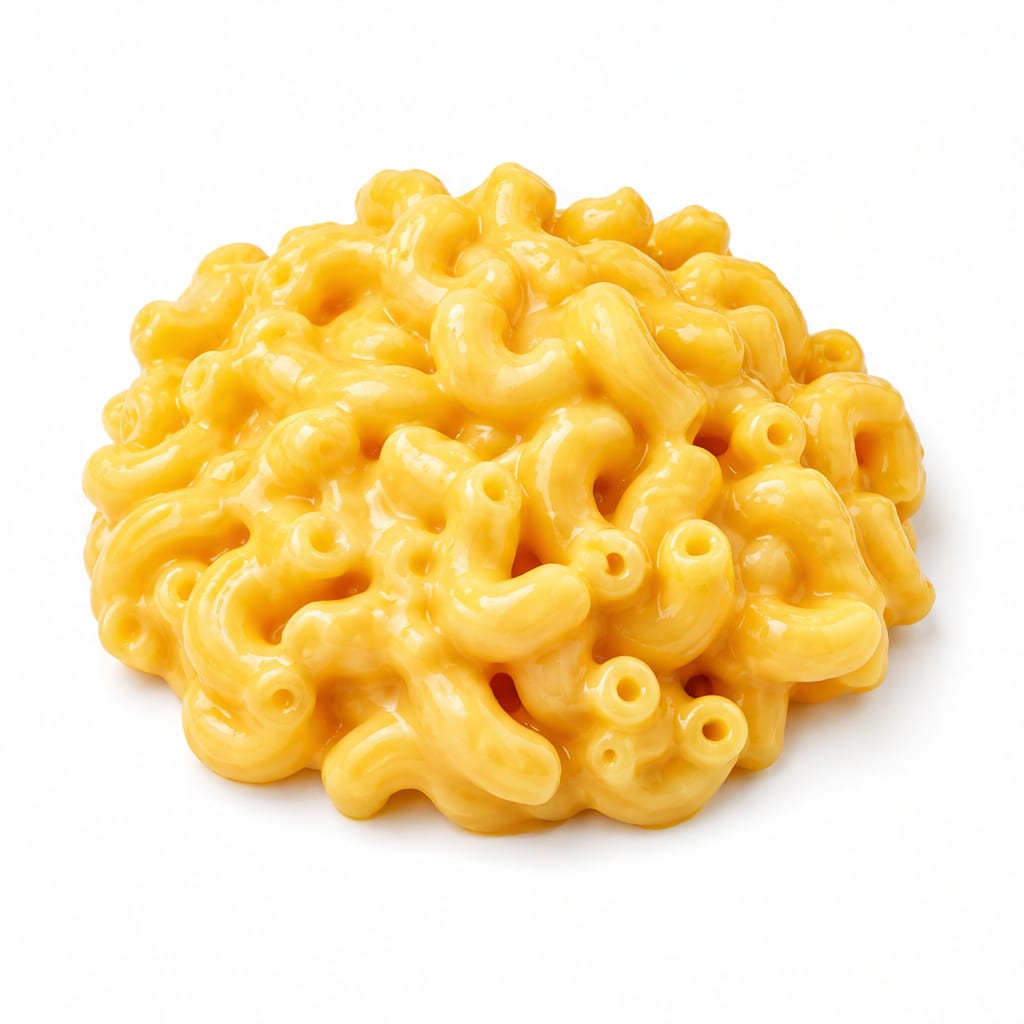
Compare with
Macaroni and cheese
Lasagna provides a better protein profile, whereas mac and cheese is primarily carbs and fat.
Lasagna is higher in muscle-building protein, while mac and cheese is heavier on refined carbs and saturated fat.
This food
Lasagna
VS75% alike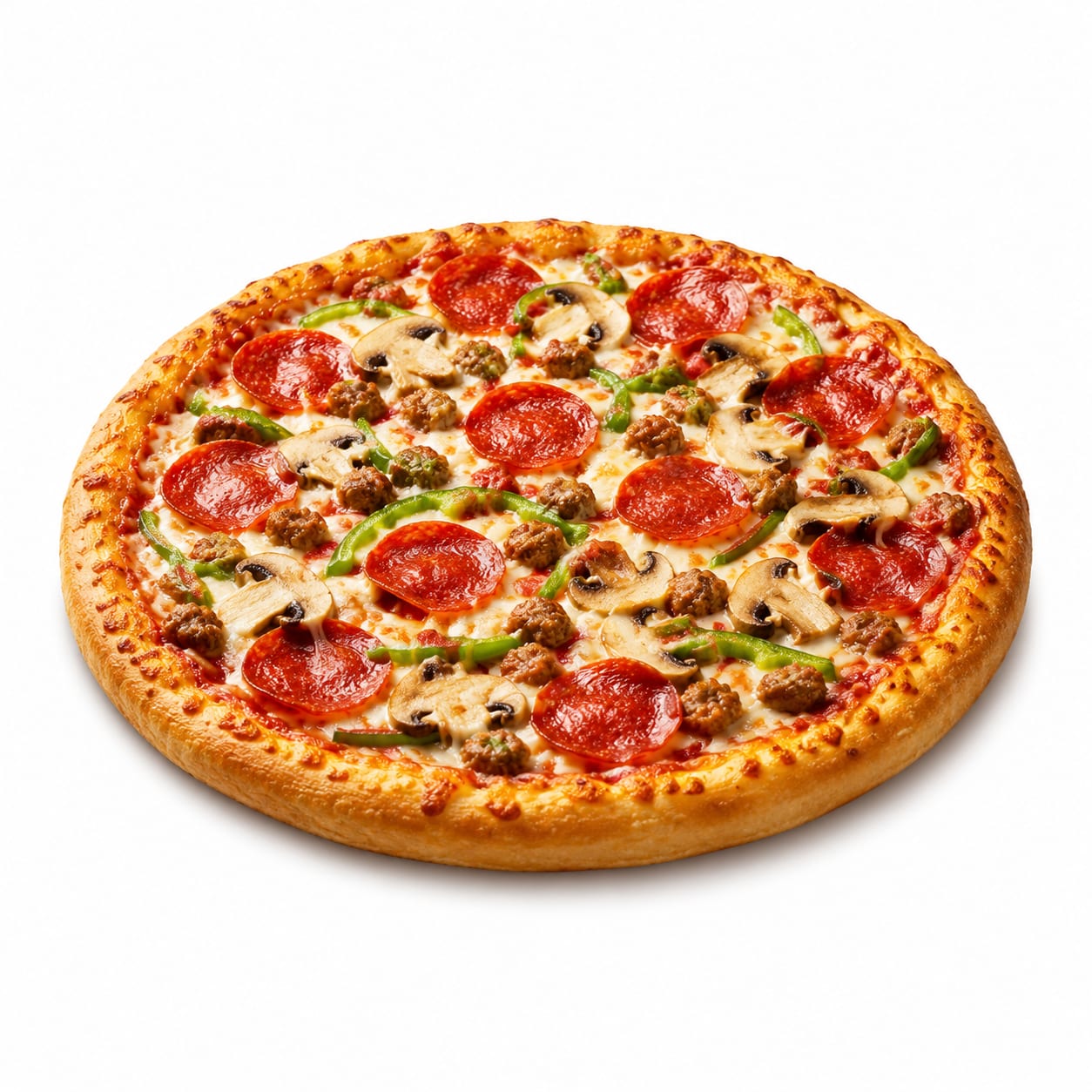
Compare with
Pizza
Pizza is a faster-digesting flatbread, while lasagna is a dense, slow-digesting layered meal.
Pizza is lower in calories per slice, but lasagna provides more sustained energy and protein for recovery.
This food
Lasagna
VS95% alike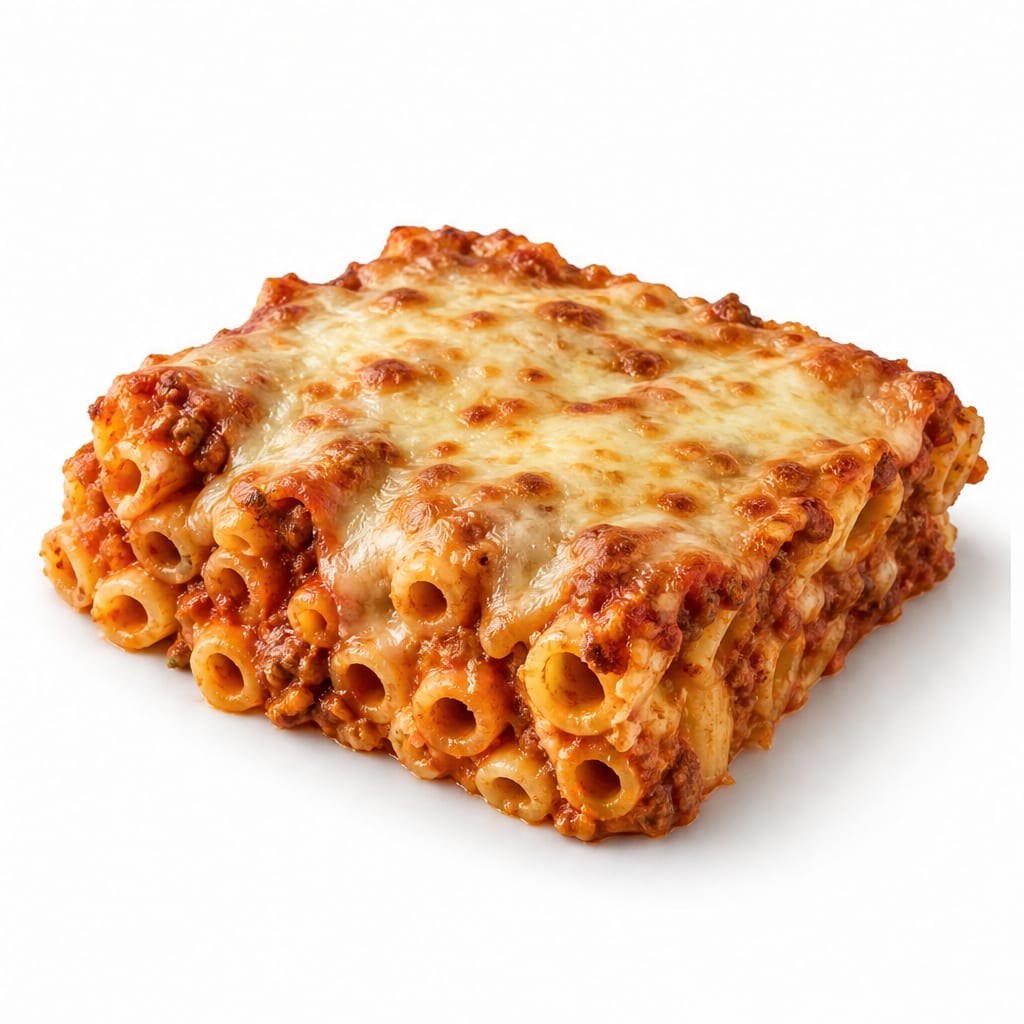
Compare with
Baked ziti
Both are baked pasta casseroles, but lasagna typically contains more distinct layering of dense cheese.
Baked ziti and lasagna are nutritionally similar, but lasagna often packs slightly more protein from thicker cheese layers.
This food
Lasagna
VS90% alike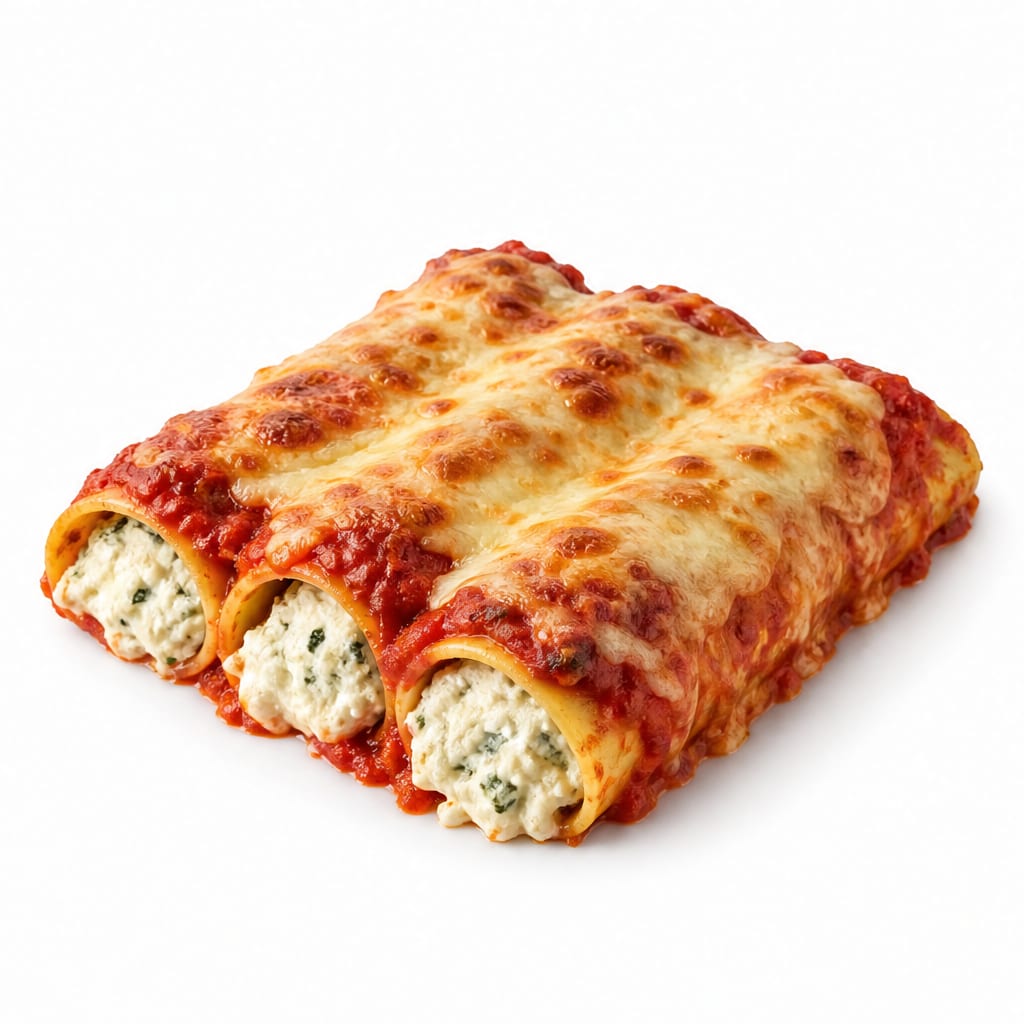
Compare with
Cannelloni
Cannelloni and lasagna share identical ingredients, differing only in pasta shape and presentation.
Cannelloni and lasagna are nutritionally identical, sharing the same cheese, meat, and pasta components.
This food
Lasagna
VS70% alike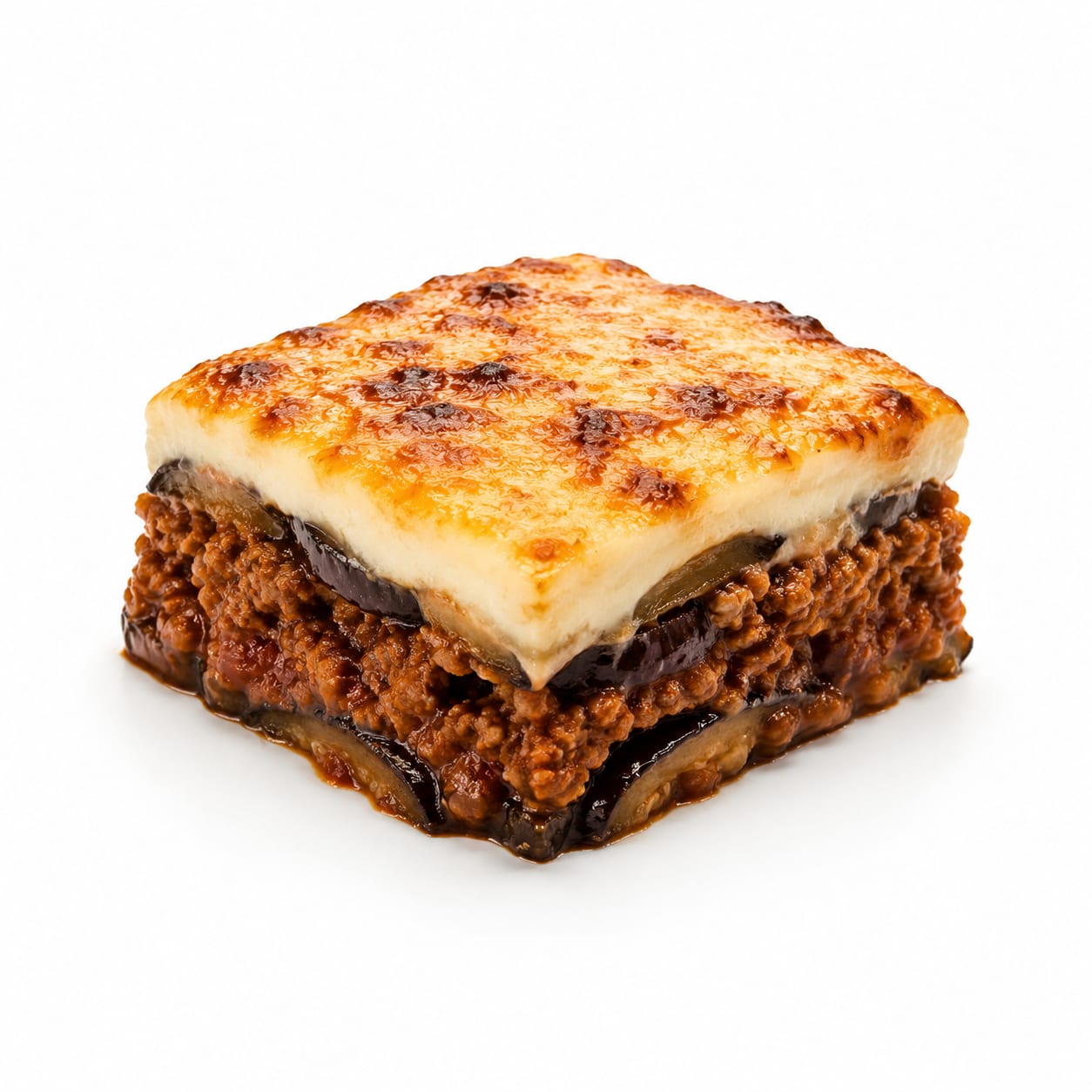
Compare with
Moussaka
Moussaka is lower in carbohydrates but similarly high in saturated fat due to the béchamel sauce.
Moussaka is lower in carbs than lasagna, but both are calorie-dense comfort foods high in saturated fat.
This food
Lasagna
VS65% alike
Compare with
Shepherd's pie
Shepherd's pie relies on potatoes, while lasagna uses wheat pasta, both delivering high calories from meat and fat.
Shepherd's pie offers slightly more fiber from potatoes, while lasagna provides more calcium from cheese.
This food
Lasagna
VS70% alike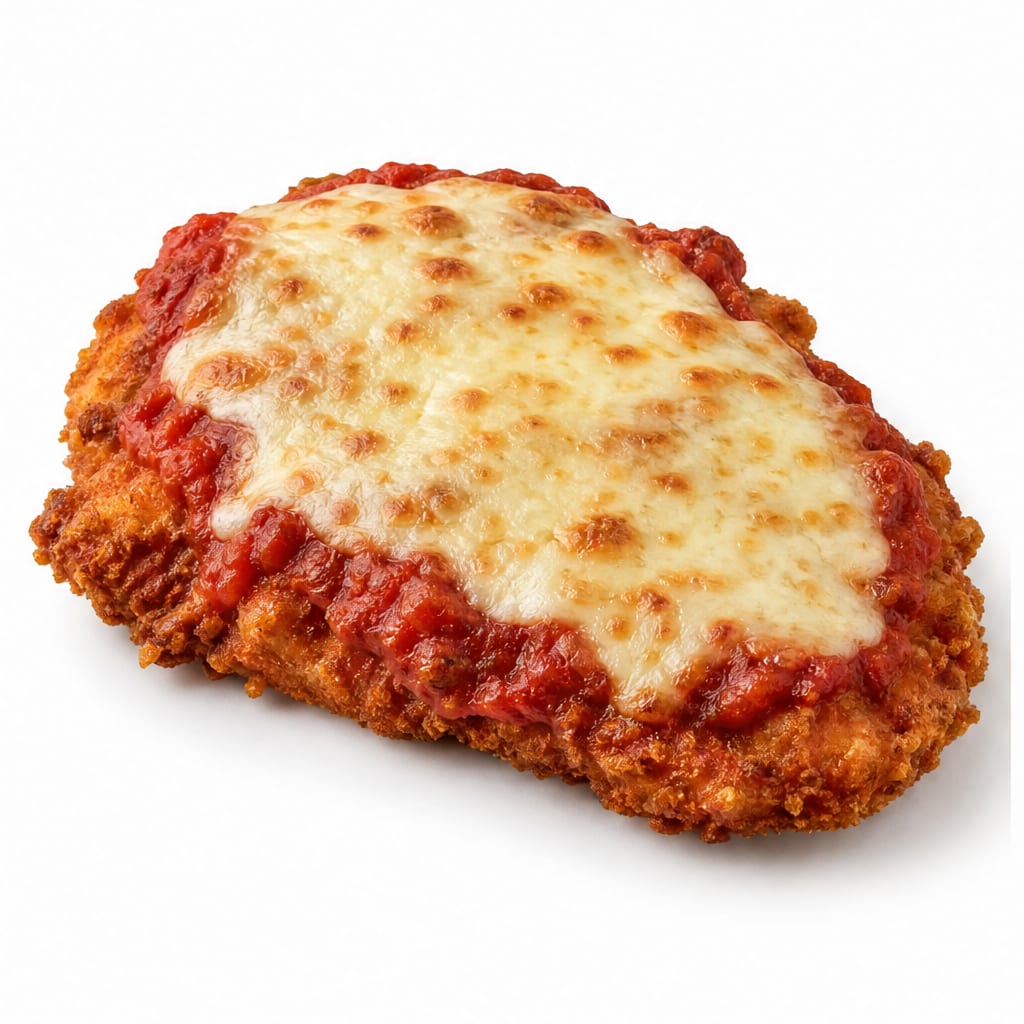
Compare with
Chicken parmesan
Chicken parmesan is a higher-protein, lower-carb alternative to lasagna, though equally high in fat.
Chicken parmesan is lower in carbs and higher in lean protein, making it better for blood sugar control than lasagna.
This food
Lasagna
VS65% alike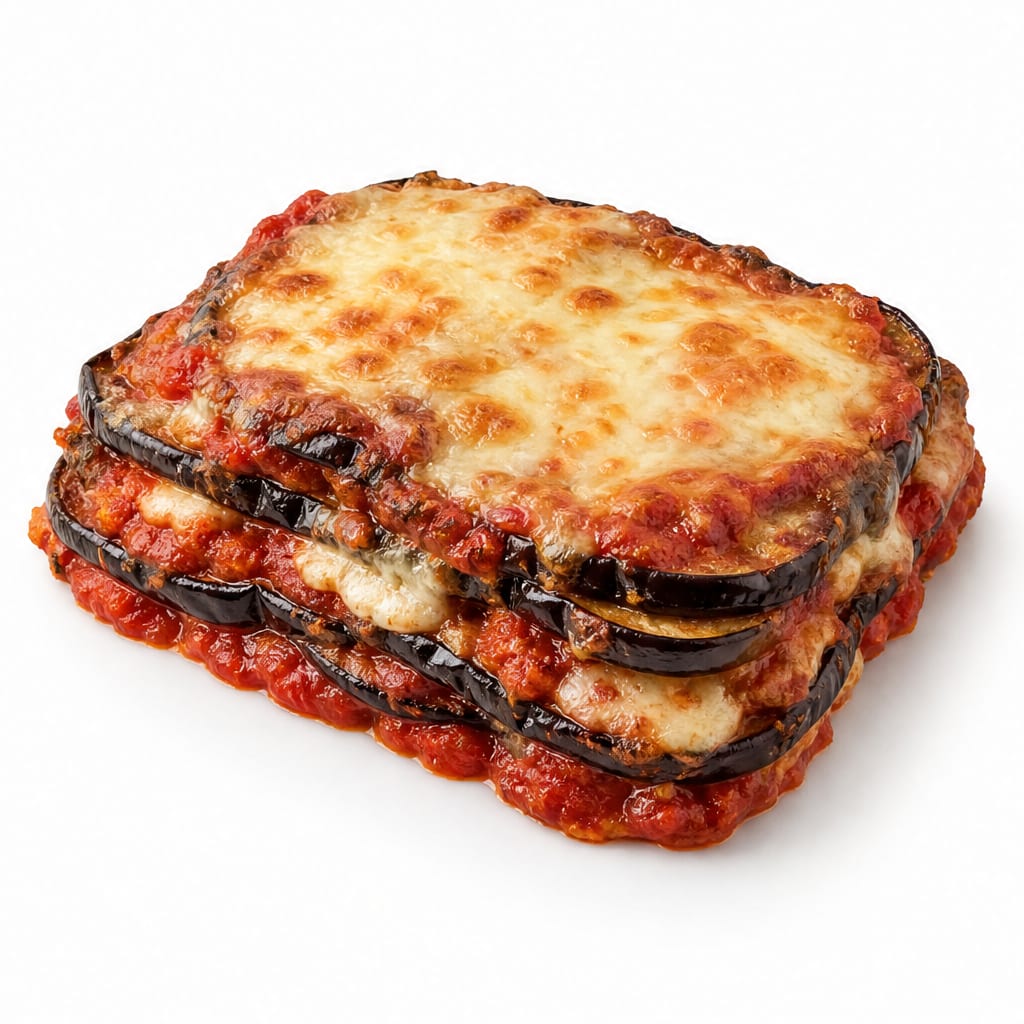
Compare with
Eggplant parmesan
Eggplant parmesan cuts the pasta carbs but retains the high calorie count from breading, frying, and cheese.
Eggplant parmesan is lower in carbohydrates than lasagna, but can be equally high in calories due to frying oil.
Common questions
FAQ
Answers aligned with how people search for this food.
Is lasagna good for weight loss?
Traditional lasagna is high in calories and fat, making it challenging for weight loss unless portions are strictly controlled or ingredients are modified.
Can diabetics eat lasagna?
Diabetics can eat lasagna in moderation; the fat and protein slow carb absorption, but the pasta still raises blood sugar.
How many calories are in a slice of lasagna?
A typical restaurant slice of meat lasagna contains 400 to 600 calories, while a homemade slice is usually around 300 to 400 calories.
Is lasagna high in protein?
Yes, lasagna provides a good amount of protein from the meat, ricotta, and mozzarella cheese.
Is vegetarian lasagna healthier than meat lasagna?
Not necessarily; vegetarian lasagna often replaces meat with extra cheese and oil, which can increase saturated fat and calories.
Can I eat lasagna on a low carb diet?
Traditional lasagna is not low carb due to the pasta sheets, but low carb versions using zucchini or eggplant slices exist.
Is lasagna a good post-workout meal?
It can be, as it provides both carbohydrates for energy replenishment and protein for muscle repair.
Why does lasagna have so much sodium?
The high sodium comes from added salt, processed tomato sauce, cheese, and cured meats used in the recipe.
Transparency
Data confidence
Estimated confidence for nutrition data, interpretation, safety notes, and comparisons.
Nutrition data
Health analysis
Food safety
Comparisons