
Nutrition comparison
Lasagna vs Mac and Cheese: Which Comfort Food Is Actually Better for You?
Compare lasagna and mac and cheese on protein, satiety, sodium, blood sugar impact, and more. Find out which comfort food is the smarter choice for your health goals.
Overall winner · Lasagna
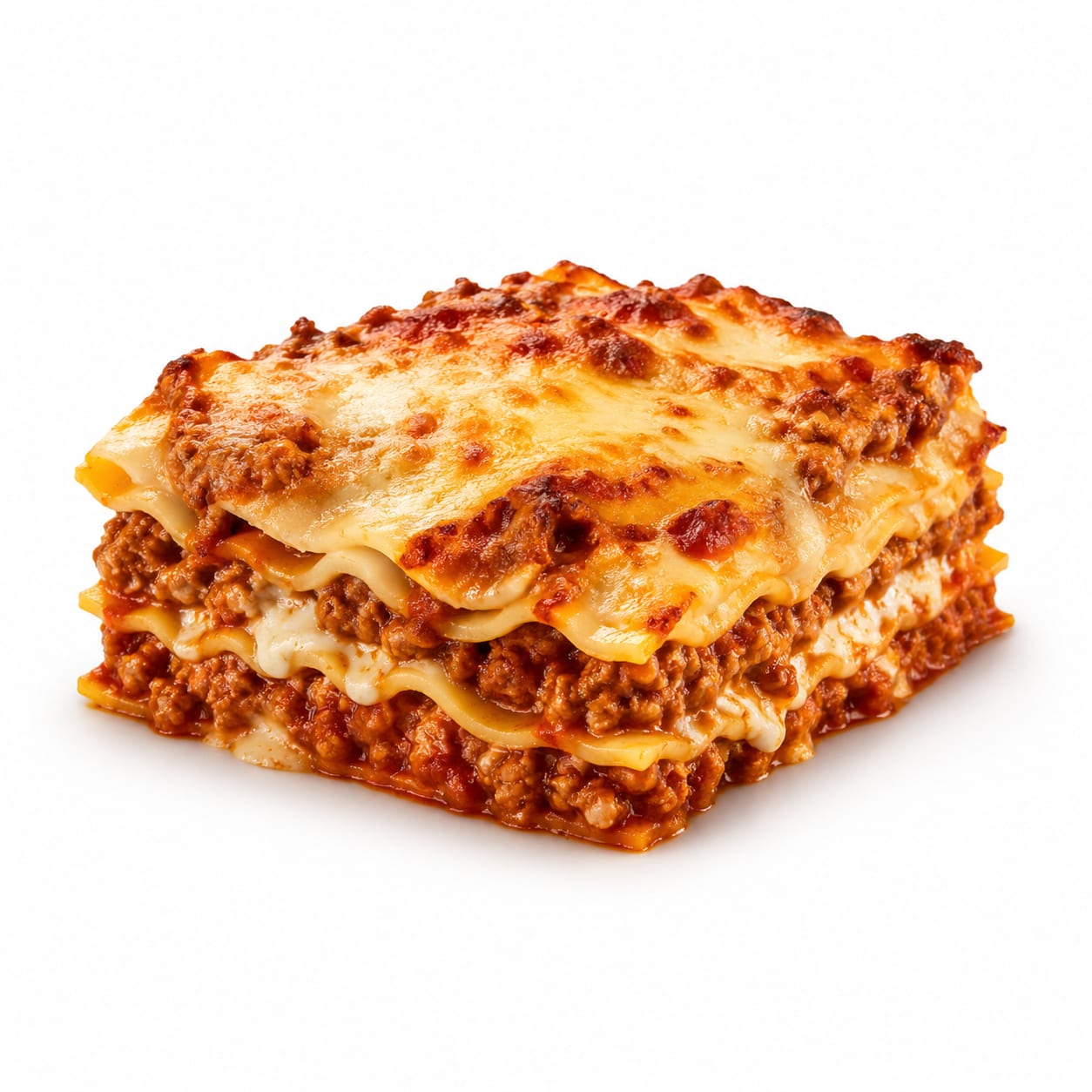
Lasagna
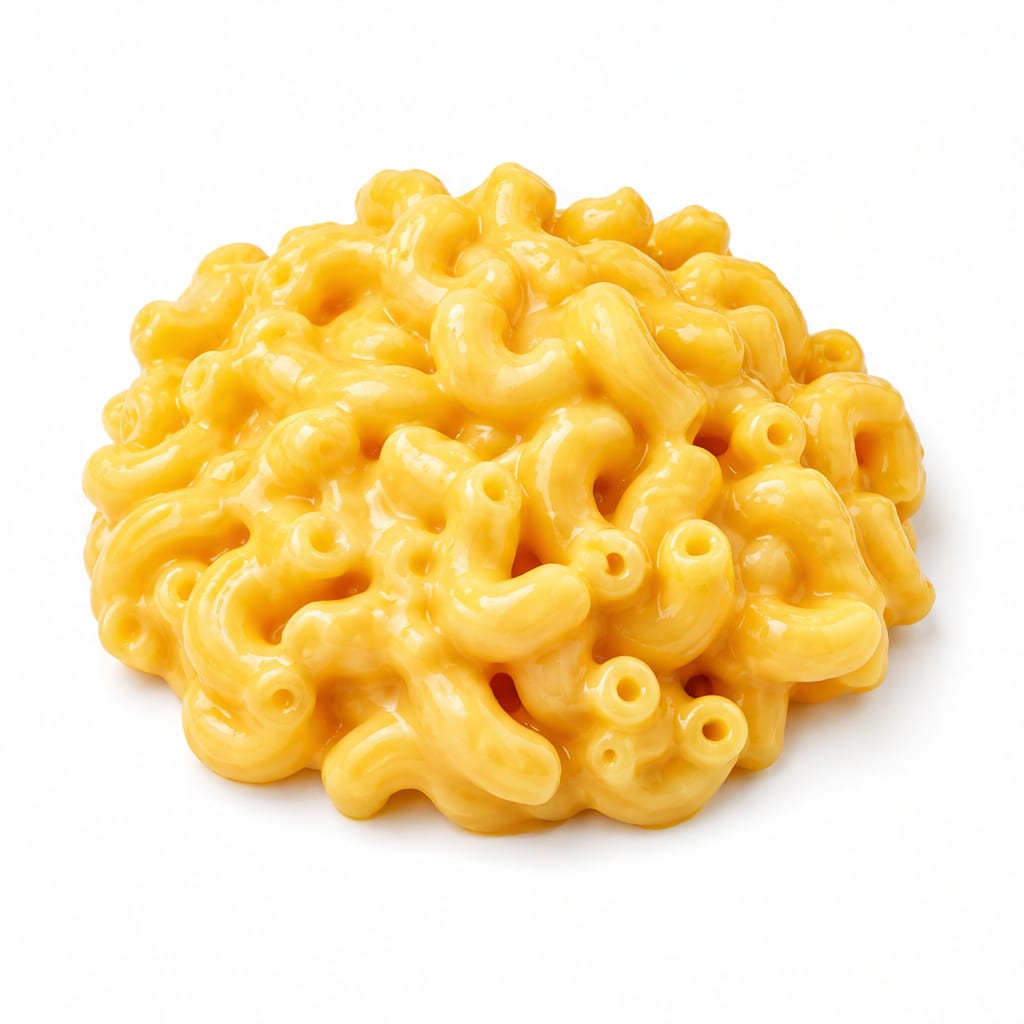
Macaroni and cheese
Lasagna edges out mac and cheese thanks to its protein content, vegetable potential, and greater nutritional diversity — but both are heavy comfort foods best enjoyed moderately.
Lasagna scores notably higher due to superior protein, potential vegetable content, and better satiety. Mac and cheese loses ground on nutritional diversity and blood sugar impact, though it wins on convenience and simplicity.
Lasagna fills you up longer and offers more nutrients, but mac and cheese is simpler, faster, and emotionally comforting in a way that's hard to replicate.
At a glance
Executive summary
Overall
Lasagna
Healthier
Lasagna
More practical
Macaroni and cheese
Daily use
It depends
Key comparison lenses
comfort food nutritional tradeoff
Both are iconic comfort foods, so users are likely deciding which indulgence carries less nutritional damage
protein and satiety comparison
Lasagna typically contains meat and ricotta, making it far more filling than mac and cheese
sodium and heart health impact
Both dishes are sodium bombs, but the sources and severity differ significantly
everyday meal viability
People often eat these as weeknight dinners, so long-term sustainability matters
processing and ingredient quality
Boxed mac and cheese is ultra-processed, while lasagna is usually homemade or semi-homemade
Best choice for
Lasagna
- Active people needing sustained energy
- Anyone wanting a balanced meal in one dish
- Families looking for leftover-friendly dinners
- People trying to increase protein intake without supplements
Macaroni and cheese
- Quick weeknight comfort with minimal effort
- Kids who are picky eaters
- Budget-conscious meals using pantry staples
- Emotional eating when you need simple familiarity
Least suitable for
Lasagna
- People watching calorie intake strictly
- Anyone with multiple dairy sensitivities
- Those needing low-sodium meals
- Busy weeknights with no prep time
Macaroni and cheese
- Anyone managing diabetes or blood sugar
- People needing sustained fullness
- Those avoiding ultra-processed foods
- Anyone seeking nutritional balance in a single dish
Deep comparison
Dimension by dimension
Each lens scores both foods and breaks down who each option suits.
- Dimension 1 · Priority 95Lasagna
Satiety and Fullness
Lasagna · 78Macaroni and cheese · 45Lasagna keeps you full for hours thanks to its protein trio — meat, ricotta, and mozzarella. Mac and cheese digests quickly, leaving you hungry again soon.
Tradeoff
That fullness comes with a heavier calorie load per serving, so portion control matters more with lasagna.
Why it matters
Staying full longer means fewer cravings and less snacking between meals, which adds up over weeks and months.
Real-world impact
After lasagna, you're likely satisfied until your next meal. After mac and cheese, you may find yourself scavenging the kitchen an hour later.
Lasagna
- Long workdays without snack breaks
- Post-workout recovery meals
- Anyone who skips meals and needs one to count
Better for
- Eating right before bed — too heavy to digest comfortably
Worse for
Macaroni and cheese
- Light late-night eating when you want something small
- Days with low appetite where heavy meals feel overwhelming
Better for
- Busy mornings after — you'll be hungry again fast
- Athletes needing sustained fuel for activity
Worse for
- Dimension 2 · Priority 90Lasagna
Protein Quality and Quantity
Lasagna · 82Macaroni and cheese · 35Lasagna delivers complete protein from beef, ricotta, and mozzarella. Mac and cheese relies almost entirely on cheese, offering less protein overall and less amino acid diversity.
Tradeoff
Lasagna's protein advantage assumes a meat-based recipe. Vegetable lasagna narrows this gap considerably.
Why it matters
Protein isn't just about muscles — it drives satiety, immune function, and metabolic health. A protein-poor meal leaves you undernourished even if calories are high.
Real-world impact
A single serving of meat lasagna can provide 25-35g of protein. Mac and cheese typically delivers 10-15g — barely enough to matter.
Lasagna
- Older adults preventing muscle loss
- Growing teenagers with high protein needs
- Anyone trying to hit protein goals without shakes
Better for
- Plant-based eaters using traditional recipes
Worse for
Macaroni and cheese
- Vegetarians who add protein-rich sides
Better for
- Strength athletes or active people needing substantial protein
Worse for
- Dimension 3 · Priority 85Lasagna
Sodium Load
Lasagna · 38Macaroni and cheese · 25Both dishes are sodium heavyweights, but boxed mac and cheese is especially aggressive with sodium, often exceeding 800mg per serving. Even homemade versions rely heavily on salty cheese.
Tradeoff
Homemade lasagna gives you more control over sodium than boxed mac and cheese, but restaurant lasagna can be just as salty.
Why it matters
Regular high-sodium meals raise blood pressure over time and increase cardiovascular risk, even if you feel fine now.
Real-world impact
One serving of boxed mac and cheese can deliver a third of your daily sodium limit. Add any sides and you're well over.
Lasagna
- Home cooks willing to reduce salt in their recipe
- People who make lasagna from scratch with low-sodium ingredients
Better for
- Restaurant or frozen lasagna with hidden sodium
Worse for
Macaroni and cheese
- Situations where you control the recipe and use minimal salt — rare but possible
Better for
- Boxed varieties that pack extreme sodium levels
- Anyone with hypertension eating this regularly
Worse for
- Dimension 4 · Priority 80Lasagna
Blood Sugar Stability
Lasagna · 48Macaroni and cheese · 30Lasagna's protein and fat slow carb absorption, creating a more gradual blood sugar rise. Mac and cheese is mostly refined carbs with cheese fat — a recipe for quicker spikes and crashes.
Tradeoff
Neither food is great for blood sugar, but lasagna's protein acts as a buffer. Mac and cheese offers almost nothing to slow the carb hit.
Why it matters
Blood sugar crashes after meals drive fatigue, irritability, and cravings — creating a cycle of overeating.
Real-world impact
After mac and cheese, you might feel a brief energy surge followed by an afternoon slump. Lasagna tends to produce steadier energy, even if it's heavy.
Lasagna
- Pre-diabetics who still want comfort food occasionally
- People prone to afternoon energy crashes
Better for
- Large portions that overwhelm even the protein buffer
Worse for
Macaroni and cheese
- Situations where you're eating a small portion alongside a protein-rich salad
Better for
- Diabetics — this is one of the worst choices for glucose control
- Anyone sensitive to carb crashes
Worse for
- Dimension 5 · Priority 75Lasagna
Nutritional Diversity
Lasagna · 65Macaroni and cheese · 20Lasagna can incorporate tomatoes, spinach, mushrooms, herbs, and multiple protein sources. Mac and cheese is essentially pasta and cheese — nutritionally one-dimensional.
Tradeoff
Lasagna's diversity depends entirely on how it's made. A bare-bones version isn't much better than mac and cheese.
Why it matters
Eating a wider variety of nutrients in one meal reduces the need for supplementation and supports overall health without extra effort.
Real-world impact
A well-made lasagna can cover protein, vegetables, and calcium in one plate. Mac and cheese covers carbs and calcium — and that's about it.
Lasagna
- Families trying to sneak vegetables into meals
- Anyone eating one-dish meals who needs broad nutrition
Better for
- Minimalist recipes with no vegetables
Worse for
Macaroni and cheese
- Nothing — mac and cheese is inherently limited nutritionally
Better for
- Anyone relying on it as a standalone meal regularly
Worse for
- Dimension 6 · Priority 70Macaroni and cheese
Convenience and Speed
Lasagna · 30Macaroni and cheese · 85Boxed mac and cheese is ready in under 15 minutes with zero skill required. Lasagna demands layering, multiple components, and at least an hour of baking.
Tradeoff
The convenience of mac and cheese comes at a steep nutritional cost. Frozen lasagna options narrow the gap but still take longer.
Why it matters
When people are tired and hungry, convenience wins over nutrition. The easier option is the one you'll actually make.
Real-world impact
On a exhausted Tuesday night, mac and cheese gets made. Lasagna gets postponed — or you order pizza instead.
Lasagna
- Weekend meal prep that creates leftovers for days
- Cooking as a social or family activity
Better for
- Last-minute meals — simply not an option
- Solo cooks who don't want leftovers
Worse for
Macaroni and cheese
- Desperate weeknights with zero energy
- College students with limited cooking facilities
- Anyone with 15 minutes and no plan
Better for
- Meal prep situations — doesn't improve with scale
Worse for
- Dimension 7 · Priority 65It depends
Emotional Comfort Value
Lasagna · 70Macaroni and cheese · 75Mac and cheese is the ultimate childhood nostalgia food — simple, warm, and emotionally safe. Lasagna is comfort too, but it carries more complexity and heaviness.
Tradeoff
Mac and cheese comforts through simplicity. Lasagna comforts through abundance. Different emotional needs, different choices.
Why it matters
Emotional eating isn't inherently bad. Sometimes the right comfort food is genuinely therapeutic, and fighting it creates more stress.
Real-world impact
When you're sad, mac and cheese feels like a hug. When you're celebrating, lasagna feels like a feast. Both have their place.
Lasagna
- Family gatherings and celebrations
- Cold evenings wanting something substantial and warming
Better for
- Emotional moments when heavy food feels like too much
Worse for
Macaroni and cheese
- Sick days when you need gentle, familiar food
- Stress eating when complexity feels overwhelming
Better for
- Social dinners where simplicity feels insufficient
Worse for
Timeline
Health impact over time
Short-term
Hours to days
Lasagna
- Heavy fullness that may cause drowsiness — the classic 'food coma' effect
- Better sustained energy than most comfort foods due to protein content
- Possible bloating if you're sensitive to dairy or rich meals
Macaroni and cheese
- Quick satisfaction followed by hunger returning within 1-2 hours
- Likely energy crash after the initial carb-driven boost
- Easy to overeat because it doesn't trigger strong fullness signals
Long-term
Months to years
Lasagna
- Regular consumption contributes to high saturated fat and sodium intake — both cardiovascular risk factors
- More sustainable as an occasional meal because protein and fat provide genuine nourishment
- Can be modified healthily by adding vegetables and using lean meats without losing its identity
Macaroni and cheese
- Frequent consumption risks weight gain due to high calorie density and low satiety — you keep eating without feeling full
- Consistent blood sugar spikes may worsen insulin sensitivity over time
- Boxed versions expose you to artificial colors, preservatives, and emulsifiers regularly
Risk profile
Safety & processing
Homemade lasagna uses recognizable whole ingredients — pasta, meat, cheese, tomatoes. Boxed mac and cheese contains processed cheese powder, artificial colors, and preservatives. Even homemade mac and cheese relies on highly processed pasta, but the cheese sauce is more natural than powdered alternatives.
Lasagna
Dairy spoilage and foodborne illness
mediumRicotta and meat layers create multiple vectors for bacterial growth if left at room temperature. Leftovers must be refrigerated promptly.
Undercooked meat
mediumThick lasagna layers can leave ground meat undercooked in the center if not baked thoroughly. Internal temperature should reach 165°F.
Macaroni and cheese
Artificial dye exposure
mediumBoxed varieties often use Yellow 5 and Yellow 6, which have been linked to hyperactivity in children and are restricted in some countries.
Phthalate exposure from powdered cheese
mediumProcessing of cheese powders can introduce phthalates, which are endocrine disruptors. This is a concern with regular consumption of boxed versions.
Who wins for whom
Audience fit
Same foods, different winners depending on your goal.
children
It dependsMac and cheese is easier for kids to eat and enjoy, but lasagna provides better nutrition. For picky eaters, mac and cheese wins. For overall health, lasagna wins.
daily consumption
It dependsNeither should be eaten daily, but if forced to choose, leftover lasagna at least provides protein and potential vegetables. Daily mac and cheese would be nutritionally devastating.
diabetes
LasagnaProtein and fat slow glucose absorption. Neither is ideal, but lasagna causes a less severe blood sugar spike than the refined-carb-dominant mac and cheese.
elderly
LasagnaOlder adults need more protein to prevent muscle loss, and lasagna delivers. Mac and cheese is softer and easier to chew, but nutritionally insufficient.
muscle gain
LasagnaSubstantially more complete protein from meat and dairy. Mac and cheese simply doesn't deliver enough protein to support muscle recovery.
weight loss
LasagnaLasagna's higher protein keeps you full longer, reducing the urge to snack. Mac and cheese's low satiety makes portion control extremely difficult.
Your move
Decision guide
Choose Lasagna
- You want one meal to actually nourish you, not just fill you up
- You're feeding a family and need leftovers that hold up
- You care about getting protein without thinking about it
- You're willing to invest cooking time for better nutritional returns
Choose Macaroni and cheese
- You're exhausted and need comfort food in under 15 minutes
- You're feeding a picky child who refuses anything complex
- Your budget is tight and you need maximum calories per dollar
- You want something emotionally simple — no complexity, just warmth
Either works if
- It's a special occasion and nutrition isn't the priority
- You're adding a large side salad to balance the meal
- You only eat this type of food once a month or less
Avoid both if
- You're managing heart disease and need low-sodium, low-saturated-fat meals
- You have diabetes and need stable blood sugar — both are risky choices
- You're trying to break a cycle of emotional eating with heavy comfort foods
- You eat either dish more than twice a week — both are too calorie-dense for regular use
Final recommendation
If you're choosing between the two, lasagna is the smarter nutritional bet — more protein, more potential vegetables, better satiety. But if the real choice is between making boxed mac and cheese or ordering takeout because you're too tired, mac and cheese isn't the worst option. The best version of either dish is homemade, where you control the sodium, the ingredients, and the portion size. Neither should be a staple, but both can have a place at the table when life calls for comfort over optimization.
Practical
Consumer tips
- 1
Make lasagna with lean ground turkey and add spinach or zucchini layers — you'll barely notice the difference but your body will
- 2
If using boxed mac and cheese, add frozen peas or steamed broccoli to introduce some fiber and nutrients
- 3
Always portion these dishes before eating — both are dangerously easy to overeat straight from the pan
- 4
Freeze individual lasagna portions for future meals — it reheats beautifully and removes the convenience advantage of mac and cheese
- 5
For homemade mac and cheese, use sharp cheddar so you can use less cheese overall while maintaining flavor
- 6
Drink water with either meal — both are high in sodium and dehydration makes the salt hit harder
- 7
If you have diabetes or prediabetes, pair either dish with a vinegar-based side salad to blunt the blood sugar spike