
Nutrition comparison
Lasagna vs Eggplant Parmesan: Which Italian Comfort Food Is Healthier?
Compare lasagna and eggplant parmesan on calories, protein, fiber, and heart health. Find out which baked Italian dish is the smarter choice for your goals.
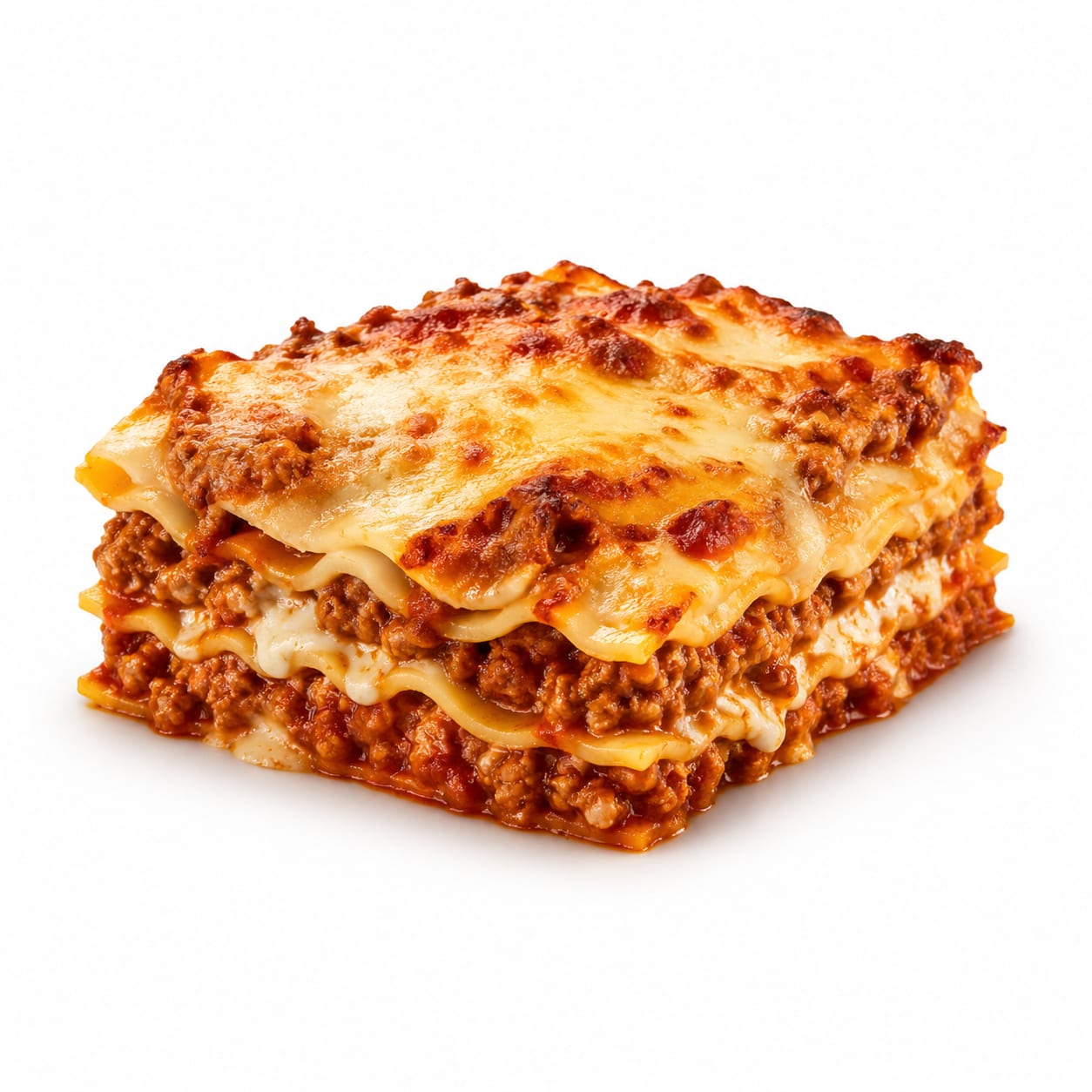
Lasagna
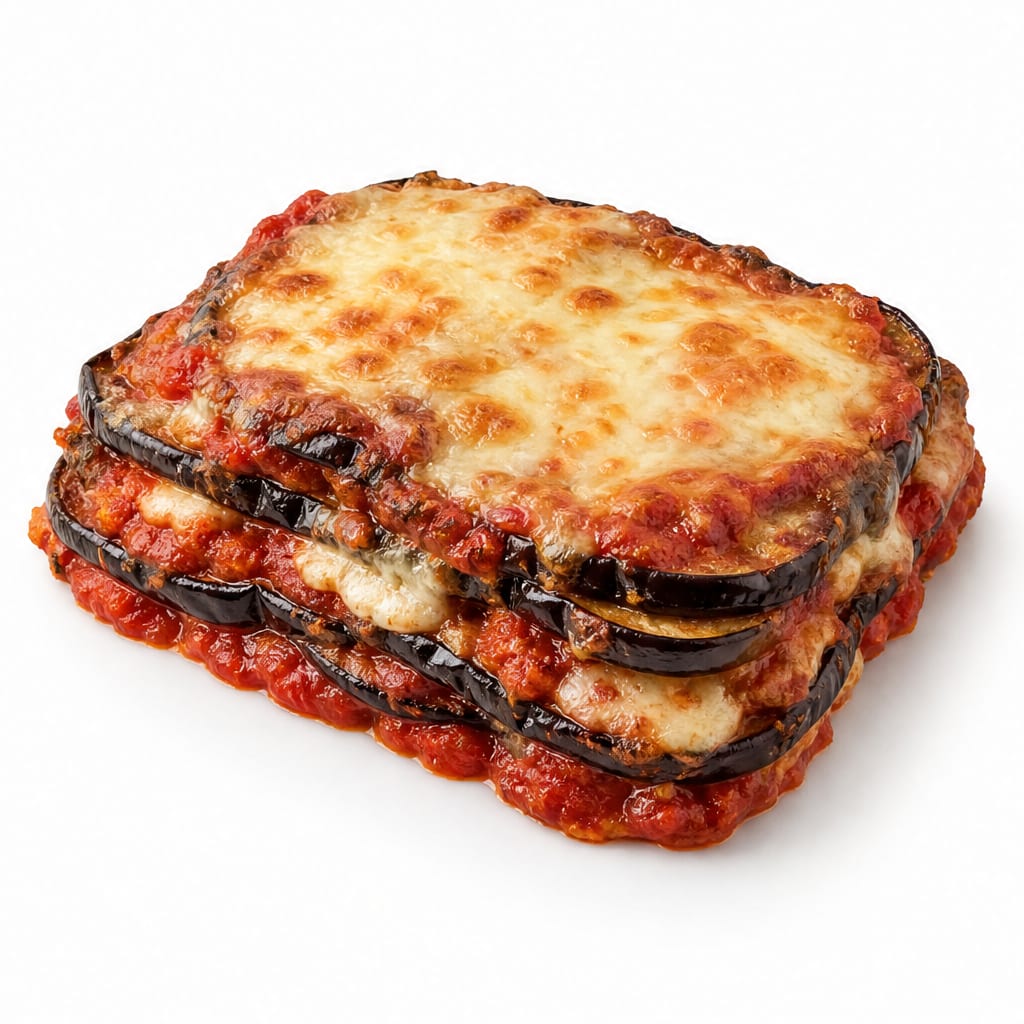
Eggplant parmesan
Lasagna delivers more protein and staying power, while eggplant parmesan offers fewer calories and more fiber in a lighter package.
Eggplant parmesan scores higher mainly due to lower calorie density and more fiber, but lasagna's protein advantage keeps it competitive for active people.
Protein and satisfaction versus calories and digestive lightness — lasagna fills you longer, eggplant parmesan sits lighter.
At a glance
Executive summary
Overall
It depends
Healthier
Eggplant parmesan
More practical
It depends
Daily use
Eggplant parmesan
Key comparison lenses
Choosing between two heavy Italian comfort dishes
Both are cheese-heavy, sauce-drenched baked dishes, so the real question is which comfort food comes with fewer regrets
Weight management and calorie awareness
Both dishes are calorie-dense, but the gap between them is meaningful for anyone watching intake
Protein and satiety comparison
Lasagna's meat content creates a significant protein advantage that affects fullness and muscle maintenance
Vegetarian and plant-forward eating
Eggplant parmesan is a natural vegetarian option, making it relevant for plant-based or flexitarian eaters
Heart health and saturated fat concerns
Both dishes are loaded with cheese, but lasagna adds meat fat on top of dairy fat
Best choice for
Lasagna
- Athletes and active people needing protein
- Anyone who gets hungry again quickly after lighter meals
- Recovery after intense training
- Families wanting a single dish that satisfies everyone
Eggplant parmesan
- Vegetarians and flexitarians
- People managing calorie intake
- Anyone wanting a comfort meal without the heavy aftermath
- Those prioritizing heart health
Least suitable for
Lasagna
- People watching saturated fat or cholesterol
- Anyone trying to reduce calorie density
- Those with reflux or heavy-meal sensitivity
Eggplant parmesan
- People needing high protein intake
- Anyone who finds meatless meals unsatisfying
- Those avoiding fried foods
Deep comparison
Dimension by dimension
Each lens scores both foods and breaks down who each option suits.
- Dimension 1 · Priority 92Eggplant parmesan
Calorie Density and Weight Management
Lasagna · 35Eggplant parmesan · 55Eggplant parmesan typically runs 200-400 fewer calories per serving than lasagna, mainly because it skips the meat layer and pasta.
Tradeoff
You save calories with eggplant parmesan but lose the protein that keeps hunger away for hours.
Why it matters
A single lasagna portion can easily hit 600-800 calories, while eggplant parmesan lands closer to 350-500.
Real-world impact
Choose eggplant parmesan and you might still have room for a side salad. Choose lasagna and you're probably done eating for a while.
Lasagna
- Anyone who struggles with between-meal snacking
- Those who prefer one large satisfying meal
Better for
- Weight loss efforts — easy to overshoot daily calories
- Anyone who feels sluggish after heavy meals
Worse for
Eggplant parmesan
- Consistent calorie deficit without feeling deprived
- Portion control without actually measuring portions
Better for
- Active people who burn through lighter meals fast
Worse for
- Dimension 2 · Priority 90Lasagna
Protein and Satiety
Lasagna · 78Eggplant parmesan · 42Lasagna's meat and ricotta layer delivers roughly 25-35g protein per serving, while eggplant parmesan manages only 12-18g.
Tradeoff
Lasagna keeps you full for hours but at a caloric cost. Eggplant parmesan is lighter but you may be hunting for a snack sooner.
Why it matters
Protein is the main driver of fullness, and the gap here is large enough to change how your afternoon goes.
Real-world impact
After lasagna, you're likely set until your next meal. After eggplant parmesan, a 3pm hunger pang is realistic.
Lasagna
- Muscle maintenance and recovery
- Long stretches between meals without crashing
- Active lifestyles with higher protein needs
Better for
- Smaller appetites that feel overwhelmed by heavy meals
Worse for
Eggplant parmesan
- Lighter eating patterns with snacks between meals
- Anyone who dislikes feeling overly stuffed
Better for
- Anyone relying on one meal to carry them through an active afternoon
Worse for
- Dimension 3 · Priority 82Eggplant parmesan
Heart Health and Saturated Fat
Lasagna · 30Eggplant parmesan · 45Neither dish is heart-healthy, but lasagna stacks saturated fat from both meat and cheese, while eggplant parmesan only brings the cheese layer.
Tradeoff
Eggplant parmesan is less damaging to cardiovascular health, but both are occasional foods at best for anyone watching cholesterol.
Why it matters
A single lasagna serving can deliver 15-25g saturated fat — close to or exceeding a full day's recommended limit.
Real-world impact
If heart health is a priority, neither should be weekly. But eggplant parmesan once every couple weeks is the easier choice to rationalize.
Lasagna
- Not applicable — lasagna is the tougher sell for heart health
Better for
- Blood lipid concerns
- Anyone with a family history of heart disease
Worse for
Eggplant parmesan
- Less saturated fat per serving
- Lower cholesterol impact overall
- Slightly easier to fit into a heart-conscious eating pattern
Better for
- Still high in saturated fat from cheese — not a free pass
Worse for
- Dimension 4 · Priority 75Eggplant parmesan
Fiber and Digestive Comfort
Lasagna · 28Eggplant parmesan · 58Eggplant brings meaningful fiber that pasta simply lacks, making eggplant parmesan easier on digestion and better for gut health.
Tradeoff
More fiber means steadier digestion but also means the breading and frying can offset some benefits if preparation is heavy-handed.
Why it matters
Fiber slows sugar absorption and supports gut bacteria — pasta-based lasagna offers almost none of this.
Real-world impact
Eggplant parmesan is less likely to cause that bloated, sluggish feeling that follows a heavy pasta meal.
Lasagna
- Not applicable — lasagna loses on fiber
Better for
- Sluggish digestion after eating
- Blood sugar spikes from refined pasta with no fiber buffer
Worse for
Eggplant parmesan
- Better digestive regularity
- Steadier blood sugar response
- More comfortable post-meal feeling
Better for
- Fried preparation can cause heartburn in sensitive people
Worse for
- Dimension 5 · Priority 72Eggplant parmesan
Blood Sugar Stability
Lasagna · 32Eggplant parmesan · 50Lasagna's pasta layers create a larger blood sugar spike, while eggplant parmesan's fiber and lower carb content provide a gentler rise.
Tradeoff
Neither is ideal for blood sugar management, but eggplant parmesan's fiber takes the edge off compared to refined pasta.
Why it matters
The pasta-plus-sauce combo in lasagna hits fast and can cause an energy crash within a couple hours.
Real-world impact
After lasagna, a food coma is common. After eggplant parmesan, you're more likely to stay functional.
Lasagna
- The high protein slows absorption somewhat, partially offsetting the pasta
Better for
- Anyone monitoring blood sugar closely
- Afternoon energy crashes
Worse for
Eggplant parmesan
- Less dramatic blood sugar swing
- Better afternoon energy stability
- More manageable for prediabetics
Better for
- Breading still adds refined carbs — not a low-carb food
Worse for
- Dimension 6 · Priority 70Eggplant parmesan
Vegetarian and Plant-Forward Compatibility
Lasagna · 15Eggplant parmesan · 85Eggplant parmesan is naturally vegetarian, while traditional lasagna requires modification to remove meat.
Tradeoff
Vegetarian lasagna exists but loses its protein advantage, while eggplant parmesan was designed as a complete meatless dish.
Why it matters
For the roughly 10% of people eating vegetarian or flexitarian, eggplant parmesan works out of the box.
Real-world impact
Ordering at an Italian restaurant, eggplant parmesan is the reliable vegetarian choice. Lasagna usually requires asking for modifications.
Lasagna
- Not applicable for this dimension
Better for
- Requires significant modification for vegetarians
- Vegetarian versions lose the protein edge
Worse for
Eggplant parmesan
- Natural vegetarian option
- Plant-forward eating without modification
- Easier restaurant ordering
Better for
- Not vegan — still heavy on dairy
Worse for
Timeline
Health impact over time
Short-term
Hours to days
Lasagna
- Heavy fullness that can last 4-5 hours
- Likely food coma or drowsiness within an hour
- Possible heartburn from the rich, dense combination
- High satiety reduces snacking urge for the rest of the day
Eggplant parmesan
- Moderate fullness without the weighted-down feeling
- Mild energy dip but less severe than lasagna
- Fried breading may trigger reflux in sensitive people
- More likely to want a snack within 2-3 hours
Long-term
Months to years
Lasagna
- Regular consumption raises saturated fat and cholesterol intake significantly
- Higher calorie density makes weight gain more likely if eaten frequently
- Low fiber content contributes nothing to long-term gut health
- The protein advantage supports muscle maintenance if portions are controlled
Eggplant parmesan
- Fiber from eggplant supports digestive health over time
- Lower calorie density makes it easier to maintain weight
- Still high in saturated fat from cheese — not a health food
- Antioxidants from eggplant skin offer mild anti-inflammatory benefits
Risk profile
Safety & processing
Both dishes are homemade comfort foods that become more processed when prepared commercially. Lasagna edges into ultra-processed territory due to pasta, pre-made sauce, and sometimes processed meat. Eggplant parmesan stays slightly closer to whole food with the vegetable base, though breading and frying reduce that advantage.
Lasagna
Ground meat contamination
mediumBeef or pork in the meat sauce must reach safe internal temperature. Undercooked ground meat carries E. coli and salmonella risk.
Dairy spoilage
mediumRicotta and mozzarella are perishable. Left at room temperature too long, they become breeding grounds for listeria.
Leftover handling
lowLasagna is often made in large batches and reheated. Multiple reheat cycles increase food safety concerns.
Eggplant parmesan
Oil degradation from frying
mediumFrying eggplant at high heat can oxidize cooking oils, creating inflammatory compounds if oil is reused or overheated.
Dairy spoilage
mediumSame cheese safety concerns as lasagna — mozzarella and parmesan need proper refrigeration.
Solanine sensitivity
lowEggplant contains solanine, which can cause digestive issues in sensitive individuals, though cooking reduces levels significantly.
Who wins for whom
Audience fit
Same foods, different winners depending on your goal.
children
LasagnaKids generally prefer the familiar pasta-and-meat combination, and the higher protein supports growing bodies.
daily consumption
Eggplant parmesanNeither should be eaten daily, but eggplant parmesan's lower calorie density and fiber content make it slightly more sustainable as an occasional regular.
diabetes
Eggplant parmesanLess refined carbohydrate and more fiber create a gentler blood sugar response, though neither is ideal for tight glucose management.
elderly
Eggplant parmesanLighter on digestion and lower in saturated fat, eggplant parmesan is easier on aging cardiovascular systems and sensitive stomachs.
muscle gain
LasagnaLasagna's 25-35g protein per serving supports muscle repair and growth far better than eggplant parmesan's 12-18g.
weight loss
Eggplant parmesanFewer calories per serving and more fiber make eggplant parmesan easier to fit into a calorie deficit without feeling completely deprived.
Your move
Decision guide
Choose Lasagna
- You had a heavy workout and need serious protein recovery
- You want one meal to carry you through an active afternoon
- Comfort food cravings are hitting hard and nothing else will satisfy
- You're feeding a family that expects meat at dinner
Choose Eggplant parmesan
- You want the comfort of Italian food without the heavy aftermath
- You're eating vegetarian or reducing meat intake
- Calorie awareness matters but you still want something satisfying
- Heart health is a priority and you're choosing the lesser of two rich dishes
Either works if
- It's a special occasion and you're choosing based on preference
- You're at an Italian restaurant and both sound good
- Neither is a regular part of your diet — just pick what sounds better
Avoid both if
- You're managing strict cholesterol or blood pressure issues
- You need a light meal before physical activity
- You're sensitive to rich, heavy foods or prone to reflux
- You're eating late at night and want to sleep comfortably
Final recommendation
For most people most of the time, eggplant parmesan is the smarter choice — fewer calories, more fiber, lighter digestion. But if you genuinely need the protein or lasagna is what your body is craving, enjoy it without guilt and balance the rest of your day accordingly. Neither is a health food, and that's perfectly fine for an occasional meal.
Practical
Consumer tips
- 1
Ask for eggplant parmesan baked instead of fried — it cuts calories and avoids oxidized oil concerns
- 2
If making lasagna at home, use part-skim ricotta and lean ground turkey to reduce saturated fat significantly
- 3
Portion control matters more than which dish you pick — a small piece of either is fine, a giant slab of either is trouble
- 4
Add a side salad to either dish to increase fiber and fullness without many extra calories
- 5
Restaurant portions of both dishes are typically 2-3 servings — consider boxing half before you start eating
- 6
If choosing lasagna, whole wheat pasta versions add fiber and soften the blood sugar impact
- 7
Making eggplant parmesan at home with grilled eggplant instead of breaded transforms it into a genuinely healthy meal