
Nutrition comparison
Lasagna vs Spaghetti with Meat Sauce: Which Is Healthier?
Compare lasagna and spaghetti with meat sauce on calories, satiety, nutrition, and convenience. Find out which Italian comfort dish fits your health goals better.
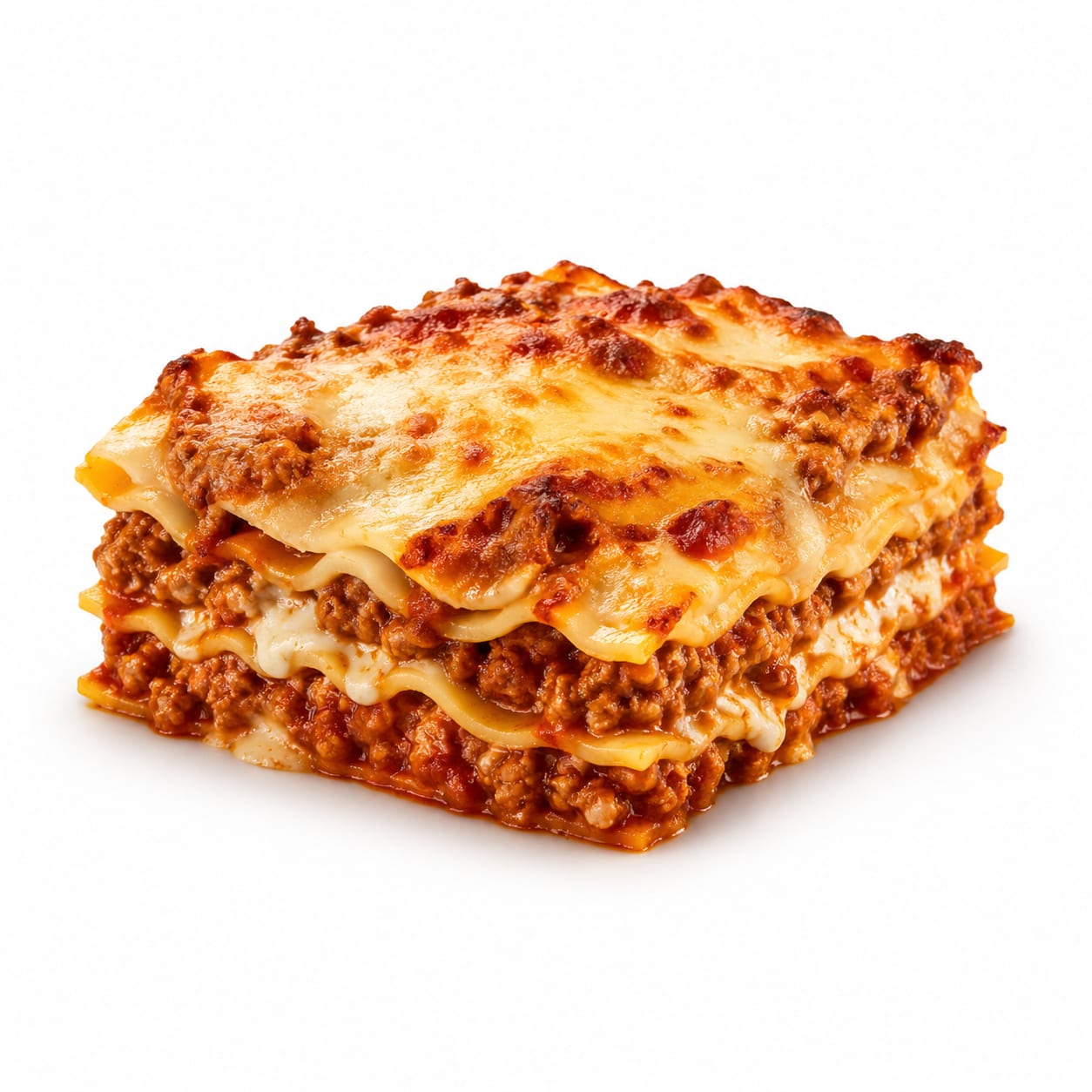
Lasagna
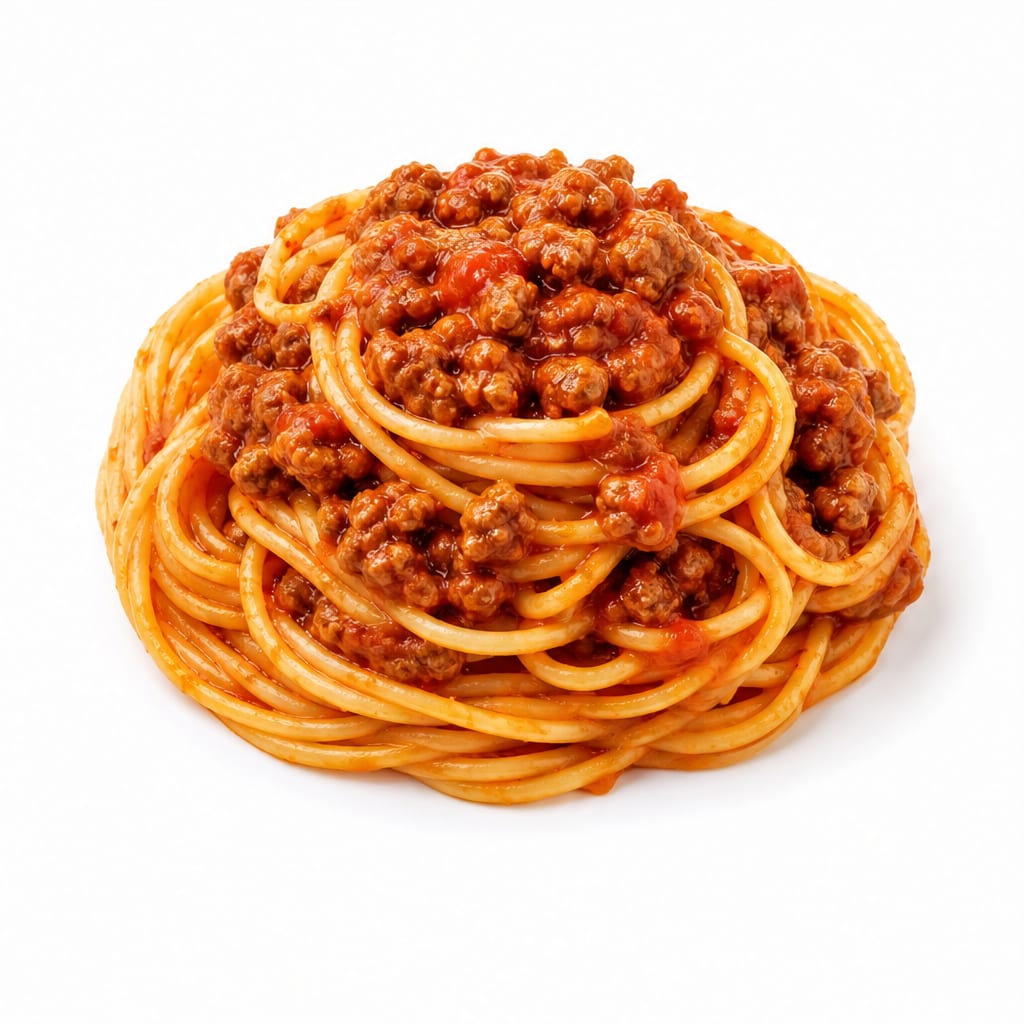
Spaghetti with meat sauce
Spaghetti with meat sauce is lighter and easier to portion, while lasagna is more filling and satisfying but significantly heavier.
Spaghetti with meat sauce scores higher mainly due to easier portion control, lower calorie density, and faster preparation. Lasagna earns points for satiety and calcium but loses ground on heaviness and calorie load.
Comfort and satiety versus calorie control and convenience — lasagna fills you up but at a steep caloric cost.
At a glance
Executive summary
Overall
It depends
Healthier
Spaghetti with meat sauce
More practical
Spaghetti with meat sauce
Daily use
Spaghetti with meat sauce
Key comparison lenses
comfort food meal selection
Both are iconic Italian-American comfort dishes, often chosen for the same craving
calorie and portion control
Lasagna is significantly more calorie-dense due to layered cheese, making portion awareness critical
satiety and fullness duration
The denser composition of lasagna keeps you fuller longer, while spaghetti may leave you hungry sooner
weeknight dinner practicality
Spaghetti is far quicker to prepare, making it the default busy-night choice
blood sugar impact
Both are pasta-heavy, but the higher fat and protein in lasagna slows glucose absorption
Best choice for
Lasagna
- Those wanting a deeply satisfying meal that prevents late-night snacking
- People needing high calorie intake for weight gain or heavy training
- Family gatherings where one pan feeds everyone with minimal plating
- Anyone craving rich, comforting food on a cold evening
Spaghetti with meat sauce
- Those tracking calories or trying to lose weight
- Busy weeknights when cooking time is limited
- People who prefer lighter dinners that won't leave them sluggish
- Anyone wanting easier portion control and leftover flexibility
Least suitable for
Lasagna
- People watching their calorie intake closely
- Anyone with lactose intolerance or dairy sensitivity
- Those prone to feeling sluggish after heavy meals
- Someone cooking for one with limited time
Spaghetti with meat sauce
- People who find plain pasta unsatisfying and end up overeating
- Anyone needing a calorie-dense meal after intense training
- Those wanting a dish that reheats well without texture changes
- People seeking a high-calcium meal
Deep comparison
Dimension by dimension
Each lens scores both foods and breaks down who each option suits.
- Dimension 1 · Priority 92Lasagna
satiety and fullness
Lasagna · 85Spaghetti with meat sauce · 62Lasagna keeps you full for hours thanks to its dense layers of cheese, meat, and pasta. Spaghetti with meat sauce digests faster and may leave you reaching for a snack sooner.
Tradeoff
That fullness comes with a heavy calorie price — a single serving of lasagna can pack 600-900 calories versus 400-550 for spaghetti.
Why it matters
If you tend to snack after dinner, lasagna might actually prevent overeating later. But if you prefer feeling light after meals, spaghetti is the better pick.
Real-world impact
After lasagna, you likely will not want dessert. After spaghetti, you might.
Lasagna
- Preventing late-night snacking
- Feeling satisfied for 5+ hours
- Avoiding between-meal hunger
Better for
- Feeling sluggish or overly full afterward
- Difficulty being active after the meal
Worse for
Spaghetti with meat sauce
- Avoiding that overly stuffed feeling
- Eating a lighter dinner before an active evening
- Leaving room for a small dessert without guilt
Better for
- Getting hungry again within 2-3 hours
- Needing a snack before bed
Worse for
- Dimension 2 · Priority 90Spaghetti with meat sauce
calorie density and portion control
Lasagna · 40Spaghetti with meat sauce · 72Spaghetti with meat sauce is far easier to portion reasonably. Lasagna's layered cheese and béchamel make it extremely calorie-dense, and a normal-looking slice can easily exceed 700 calories.
Tradeoff
Lasagna portions look deceptively modest but pack far more calories than an equivalent visual portion of spaghetti.
Why it matters
If you eat until visually satisfied rather than weighing food, lasagna will quietly deliver far more calories than you expect.
Real-world impact
A reasonable plate of spaghetti with meat sauce feels like a normal meal. A reasonable slice of lasagna can be half your daily calories.
Lasagna
- Situations where you genuinely need high calorie intake
Better for
- Easy to overeat without realizing
- Hard to estimate calories by eye
Worse for
Spaghetti with meat sauce
- Weight loss or maintenance
- Counting calories accurately
- Eating a satisfying volume of food for fewer calories
Better for
- Smaller portions may feel unsatisfying without extra sides
Worse for
- Dimension 3 · Priority 78Lasagna
blood sugar stability
Lasagna · 68Spaghetti with meat sauce · 55Both dishes are pasta-heavy and will raise blood sugar, but lasagna's higher fat and protein content from cheese slows digestion and softens the glucose spike.
Tradeoff
Slower digestion means steadier energy with lasagna, but also means that heavy, lethargic feeling lasts longer.
Why it matters
If you are sensitive to blood sugar crashes, the extra fat in lasagna actually helps — but at the cost of feeling heavier.
Real-world impact
After spaghetti, you might get an energy dip in 90 minutes. After lasagna, the dip is gentler but the meal sits heavier.
Lasagna
- More stable blood sugar over 3-4 hours
- Less dramatic energy crash after eating
Better for
- Heavy digestive load offsets the glycemic benefit
Worse for
Spaghetti with meat sauce
- Lighter post-meal energy if you need to be active
Better for
- Sharper blood sugar spike and potential crash
- Less sustained energy
Worse for
- Dimension 4 · Priority 82Spaghetti with meat sauce
convenience and preparation
Lasagna · 35Spaghetti with meat sauce · 88Spaghetti with meat sauce can be on the table in 30 minutes with minimal effort. Lasagna is a project — layering, baking, and resting take over an hour, and it cools unevenly.
Tradeoff
Lasagna rewards patience with a more complex, satisfying dish. Spaghetti delivers 80% of the comfort in 40% of the time.
Why it matters
On a Tuesday night after work, lasagna is unrealistic for most people. Spaghetti is always doable.
Real-world impact
You will actually make spaghetti on a weeknight. Lasagna is a weekend or special occasion dish.
Lasagna
- Cooking once to eat for several days
- Impressive dish for guests
Better for
- Over an hour of active and passive cooking time
- Multiple dishes to clean
- Needs resting time before cutting
Worse for
Spaghetti with meat sauce
- Weeknight dinners under 30 minutes
- Minimal cleanup — one pot and one pan
- Cooking when tired or rushed
Better for
- Less impressive for dinner parties
- Simpler flavor profile
Worse for
- Dimension 5 · Priority 75Lasagna
nutritional value
Lasagna · 64Spaghetti with meat sauce · 58Lasagna delivers more calcium, more protein, and more B12 from the layered cheeses. Spaghetti with meat sauce offers similar meat nutrients but less dairy benefit.
Tradeoff
The nutritional edge of lasagna comes alongside significantly more saturated fat and sodium from cheese.
Why it matters
If you do not eat much dairy otherwise, lasagna contributes meaningful calcium. If dairy is not a concern, the advantage shrinks.
Real-world impact
A serving of lasagna can provide 30-40% of your daily calcium. Spaghetti with meat sauce provides maybe 10-15%.
Lasagna
- Higher calcium intake from ricotta and mozzarella
- More total protein per serving
- Greater B12 and phosphorus content
Better for
- High saturated fat from multiple cheese layers
- Sodium load from cheese and processed ingredients
Worse for
Spaghetti with meat sauce
- Less saturated fat per serving
- Lower sodium if cheese is limited
- Easier to add vegetables as a side
Better for
- Lower calcium and overall micronutrient density
Worse for
- Dimension 6 · Priority 70Spaghetti with meat sauce
digestive comfort
Lasagna · 45Spaghetti with meat sauce · 68Spaghetti with meat sauce is gentler on digestion for most people. Lasagna combines heavy dairy, dense carbs, and rich meat in a way that commonly causes bloating or discomfort.
Tradeoff
Lasagna's richness is what makes it satisfying, but that same richness is what makes it harder to digest.
Why it matters
If you have any dairy sensitivity, reflux, or tend toward bloating, lasagna is a common trigger meal.
Real-world impact
After spaghetti, you can go for a walk. After lasagna, you might want to lie down.
Lasagna
- Situations where you want one meal to carry you for many hours
Better for
- Common trigger for heartburn and bloating
- Heavy feeling that lingers for hours
Worse for
Spaghetti with meat sauce
- People with acid reflux or heartburn
- Anyone with mild lactose intolerance
- Eating before any physical activity
Better for
- May not feel substantial enough on its own
Worse for
Timeline
Health impact over time
Short-term
Hours to days
Lasagna
- Strong fullness that prevents snacking for 4-5 hours
- Possible bloating or heaviness, especially if portions are large
- More stable energy with less crash risk due to higher fat content
- Higher likelihood of post-meal drowsiness
Spaghetti with meat sauce
- Lighter post-meal feeling with more immediate comfort
- Potential hunger returning within 2-3 hours
- Possible energy dip as refined carbs digest quickly without much fat to slow absorption
- Easier to stay active after eating
Long-term
Months to years
Lasagna
- Higher saturated fat intake if eaten frequently may impact heart health
- Better calcium intake supports bone density over time
- Greater calorie load increases weight gain risk if portions are not managed
- More consistent protein intake supports muscle maintenance
Spaghetti with meat sauce
- Easier to maintain healthy weight due to lower calorie density
- Lower saturated fat intake benefits cardiovascular health long-term
- Less dairy means less calcium unless supplemented elsewhere
- Refined carb-heavy meals may affect insulin sensitivity if eaten very frequently without fiber-rich sides
Risk profile
Safety & processing
Both dishes use refined pasta and processed meat, placing them in similar processing territory. Lasagna edges higher on additive concern because store-bought versions often include preservatives in the cheese layers and stabilizers in pre-made béchamel. Homemade versions of both reduce this gap significantly.
Lasagna
Dairy-related foodborne illness
mediumRicotta and mozzarella can harbor listeria if not handled properly, especially in make-ahead preparations where lasagna sits at room temperature.
Inadequate reheating
mediumLasagna's dense layers reheat unevenly, creating cold spots where bacteria can survive. Microwaving is particularly risky for even heating.
Spaghetti with meat sauce
Ground meat contamination
mediumGround beef in meat sauce must reach 160°F internally. Undercooked ground meat carries higher E. coli risk than whole cuts.
Sauce storage
lowMeat sauce left at room temperature for over 2 hours enters the danger zone. Refrigerate promptly.
Who wins for whom
Audience fit
Same foods, different winners depending on your goal.
children
Spaghetti with meat sauceKids often prefer the simpler texture of spaghetti, and portion sizes are easier to adjust. Lasagna can be overwhelming in richness for smaller appetites.
daily consumption
Spaghetti with meat sauceLower calorie density, faster preparation, and lighter digestive load make spaghetti a more sustainable everyday option.
diabetes
It dependsLasagna's fat content slows sugar absorption, but its higher calorie load complicates weight management. Spaghetti causes a faster spike but is easier to pair with fiber-rich sides. Individual response matters more than the dish itself.
elderly
Spaghetti with meat sauceLighter digestion and lower saturated fat make spaghetti with meat sauce gentler for aging digestive systems and cardiovascular concerns.
muscle gain
LasagnaHigher total protein and calorie content from cheese and meat layers support muscle building and caloric surplus needs.
weight loss
Spaghetti with meat sauceLower calorie density and easier portion control make spaghetti with meat sauce more manageable in a calorie deficit.
Your move
Decision guide
Choose Lasagna
- You want one meal to keep you full for 5+ hours without snacking
- You are cooking for a group and need one pan to serve everyone
- You are actively trying to gain weight or increase calorie intake
- It is a weekend and you have time to enjoy the cooking process
- You crave something rich and deeply comforting
Choose Spaghetti with meat sauce
- You want a satisfying dinner under 30 minutes on a weeknight
- You are watching your calorie intake or trying to lose weight
- You prefer feeling light after meals rather than stuffed
- You want easier control over how much you eat
- You need a versatile base that pairs well with salads or vegetables
Either works if
- You are craving Italian comfort food and either will hit the spot
- You are eating mindfully and can stop when satisfied regardless of the dish
- You pair your meal with a large salad or vegetable side
Avoid both if
- You have celiac disease or gluten intolerance and are not using gluten-free pasta
- You are strictly limiting refined carbohydrates for metabolic health reasons
- You have severe dairy intolerance and cannot tolerate the cheese in either dish
Final recommendation
For most people eating on a regular weeknight, spaghetti with meat sauce is the smarter default — it is lighter, faster, and easier to eat in moderation. Save lasagna for when you genuinely want the richer experience and can afford the calorie hit. Neither is a health food, but both can fit a balanced diet when you are honest about portions.
Practical
Consumer tips
- 1
Add a large side salad to either dish to increase volume and fiber without many extra calories.
- 2
If making lasagna, use part-skim mozzarella and reduce the béchamel layer to cut 150-200 calories per serving.
- 3
For spaghetti, choose a meat sauce with lean ground turkey or beef to lower saturated fat without sacrificing protein.
- 4
Let lasagna rest for 15 minutes after baking — it holds its shape better and you will eat a more reasonable portion.
- 5
Whole wheat pasta works well in spaghetti but can make lasagna layers gummy — stick to regular pasta for lasagna.
- 6
If you are meal prepping, lasagna actually reheats better over multiple days, making the longer cook time worthwhile.
- 7
Half your plate should be vegetables regardless of which pasta dish you choose — this single habit changes the nutritional profile more than switching between the two.