
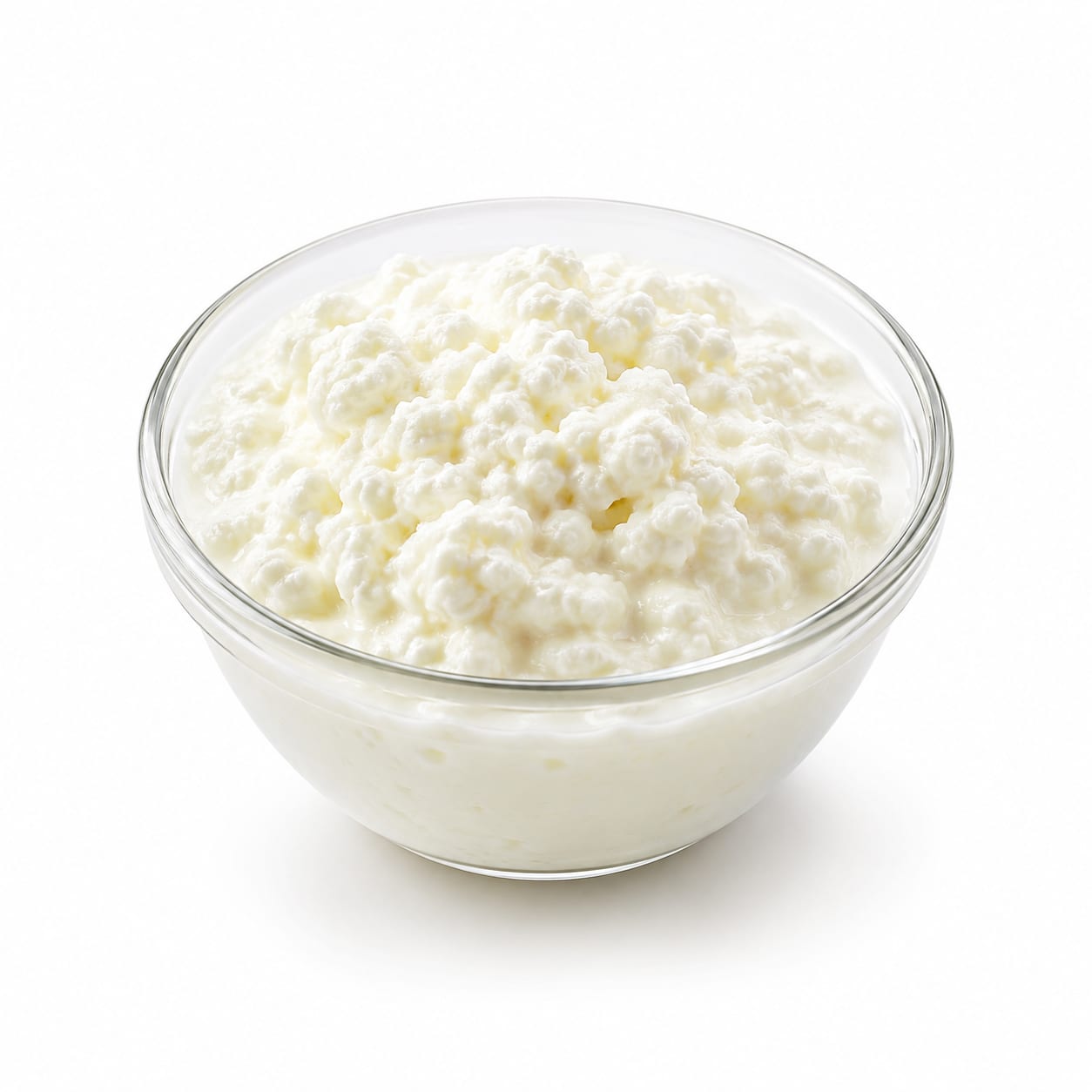
Fermented Dairy
Kefir
A probiotic-rich, fermented milk drink that supports gut health and digestion.
Kefir is a fermented milk drink similar to a thin yogurt, made using kefir grains which contain a complex symbiosis of lactic acid bacteria and yeasts.
probiotic-rich fermented dairy beverage
Typical serving · 240g
Common varieties · whole milk kefir, low-fat kefir, non-fat kefir, goat milk kefir, coconut milk kefir +2 more
Overall context score across nutrition, safety, and diet fit
At a glance
Quick facts
Simple indicators based on nutrition, processing, and diet fit.
The story
What makes it unique
Kefir undergoes mixed lactic-alcoholic fermentation, resulting in a slightly effervescent, tangy beverage. The fermentation process partially breaks down lactose and casein, enhancing digestibility. It provides moderate protein, slow-digesting dairy fats, and bioactive peptides. Satiety is high due to protein and liquid volume. The diverse microbial consortium differentiates it from standard yogurt cultures.
Varieties: whole milk kefir · low-fat kefir · non-fat kefir · goat milk kefir · coconut milk kefir · water kefir · kefir cheese
Per 100g
Nutrition breakdown
Macro balance and key metrics at a glance.
Energy
Density 0.61 kcal/g
Protein
Carbs
Fat
Fiber
Sugar
4.8 g
Sodium
40 mg
Potassium
130 mg
Glycemic index
36
Glycemic load
1.7
Water content
88%
Standout compounds
Nutrient highlights
Probiotics
highEnhances gut microbiome diversity and digestive health
Calcium
moderateSupports bone density and muscle function
Protein
moderateSupports muscle repair and satiety
Vitamin K2
moderateDirects calcium to bones and prevents arterial calcification
Vitamin B12
moderateEssential for nerve function and red blood cell formation
Wellness map
Health scores & processing
NOVA processing scale
minimally processed · Whole food
Plain kefir is made by fermenting milk with kefir grains, a traditional process that enhances nutritional value without adding artificial ingredients.
Diet compatibility
- Weight loss
- Muscle gain
- Diabetes
- Gut health
- Low carb
- High protein
- Heart health
Relative standing
Food rankings
Qualitative ranks compared to similar whole foods.
- Satietygood
- Blood sugarexcellent
- Nutrient densitygood
- Fitness fuelgood
- Processing qualityexcellent
Eat with confidence
Food safety profile
Commercial kefir is generally safe due to pasteurization and an acidic environment that inhibits pathogens. Raw milk variants carry a higher risk of foodborne illness.
Evidence confidence 90%
- Pesticideslow
- Antibioticsmoderate
- Heavy metalslow
- Contaminationlow
Watch for
- listeria (if raw milk base is used)
- antibiotic residues (conventional dairy)
Safer choices
Organic pasteurized kefir
Prep tips
Keep refrigerated and consume before the expiration date to maintain probiotic viability and safety.
Raw milk kefir poses higher pathogen risks; commercial kefir is typically made from pasteurized milk.
Deep dive
Health analysis
How this food may fit different goals and preparation choices.
Weight loss
Moderate calories and high protein promote satiety, making plain kefir a strong weight-loss friendly food when replacing higher-calorie snacks.
Blood sugar
Low glycemic index due to dairy protein and fat content, which slows the digestion of residual lactose, resulting in a minimal blood sugar spike.
Fitness & energy
Provides a balanced ratio of fast-digesting protein and simple carbs, useful for post-workout recovery and muscle repair.
Gut health
Contains up to 60 strains of bacteria and yeasts, significantly supporting microbiome diversity, outperforming standard yogurt in probiotic density.
Processing quality
Fermentation enhances nutrient bioavailability, synthesizes B vitamins, and reduces lactose content compared to regular milk.
Food safety
Safe when made from pasteurized milk; raw milk kefir carries pathogen risks and should be avoided by vulnerable populations.
Common mistakes
Buying flavored kefir loaded with added sugar, which feeds harmful gut bacteria and spikes insulin, negating probiotic benefits.
Best preparation
Consume plain and cold; blend with fresh berries or a small amount of honey for natural sweetness without refined sugar.
Practical guide
Best use cases
When and how this food fits real eating patterns.
Daily gut health maintenance
Consuming a cup daily supports microbiome diversity and regular digestion.
Post-workout recovery drink
Provides a convenient mix of protein and carbohydrates to aid muscle repair.
Smoothie base
Adds creaminess, probiotics, and protein to fruit and vegetable smoothies.
Lactose-sensitive dairy option
A highly digestible dairy alternative for those who cannot tolerate regular milk.
Balance sheet
Pros & cons
Upsides
- Rich in diverse probiotic strains that colonize the gut
- Significantly lower lactose than regular milk due to fermentation
- Good source of bioavailable calcium and vitamin K2
- Contains bioactive peptides that may lower blood pressure
- Supports immune system function via gut microbiome modulation
Trade-offs
- Flavored commercial versions are often high in added sugars
- Contains some residual lactose which may affect highly sensitive individuals
- Taste can be overly sour or tart for some palates
- Dairy-based versions are unsuitable for vegans or those with dairy allergies
- Can cause temporary bloating when first introduced to the diet
Fit check
Who is it for?
Great match
- gut microbiome support
- post-workout recovery
- lactose-sensitive individuals
- bone density maintenance
- improving digestion regularity
Consider alternatives
- strict dairy-free diets
- severe histamine intolerance
- strict low-carb or ketogenic diets
- those with dairy allergies
Side by side
How it compares
Open the full head-to-head analysis for nutrition, safety, and practical tradeoffs.
This food
Kefir
VS90% alike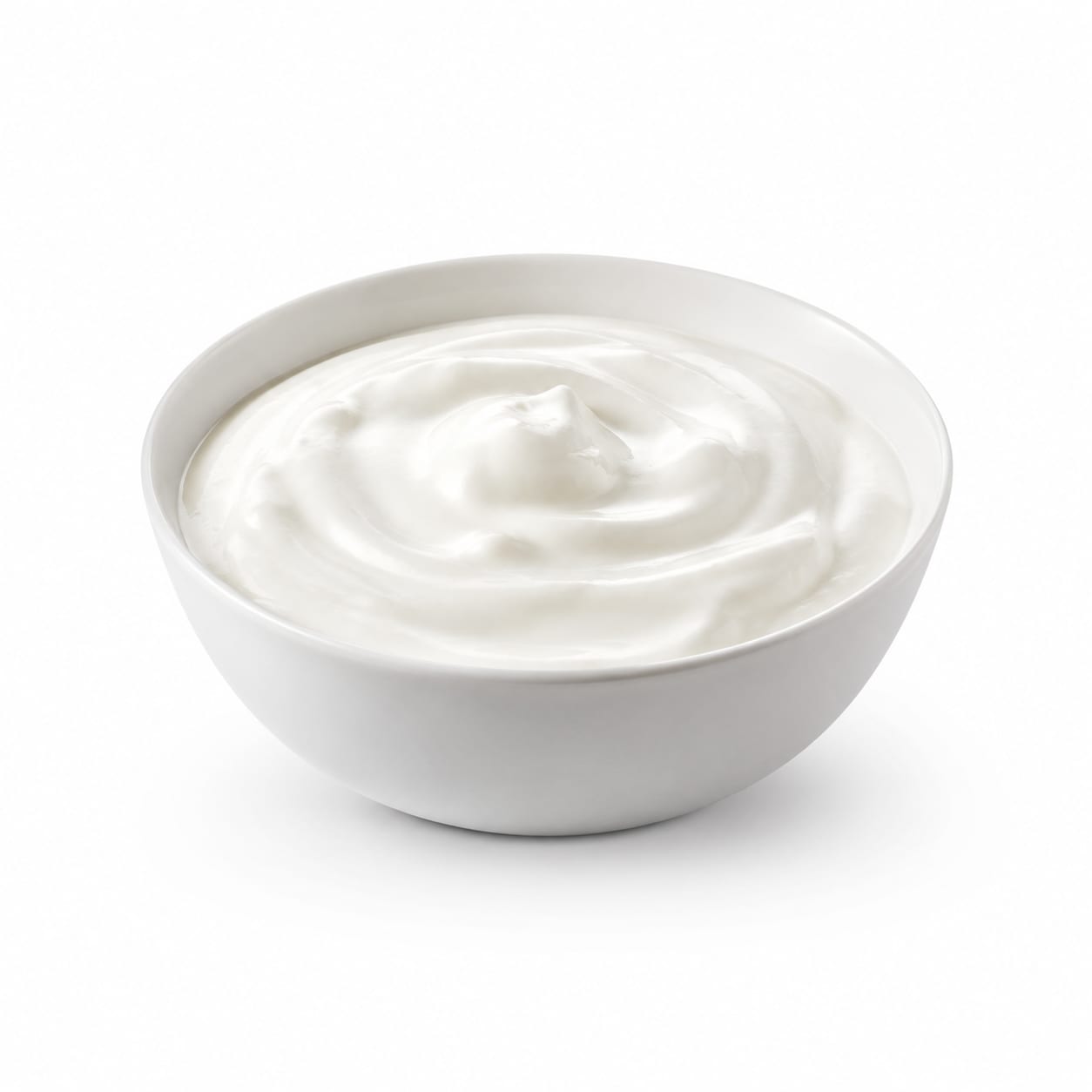
Compare with
Yogurt
Kefir offers more diverse probiotic strains and is thinner, while yogurt provides a thicker texture and slightly higher protein content.
Kefir provides a wider variety of probiotics and a drinkable texture, while yogurt offers more protein and a thicker consistency.
This food
Kefir
VS80% alike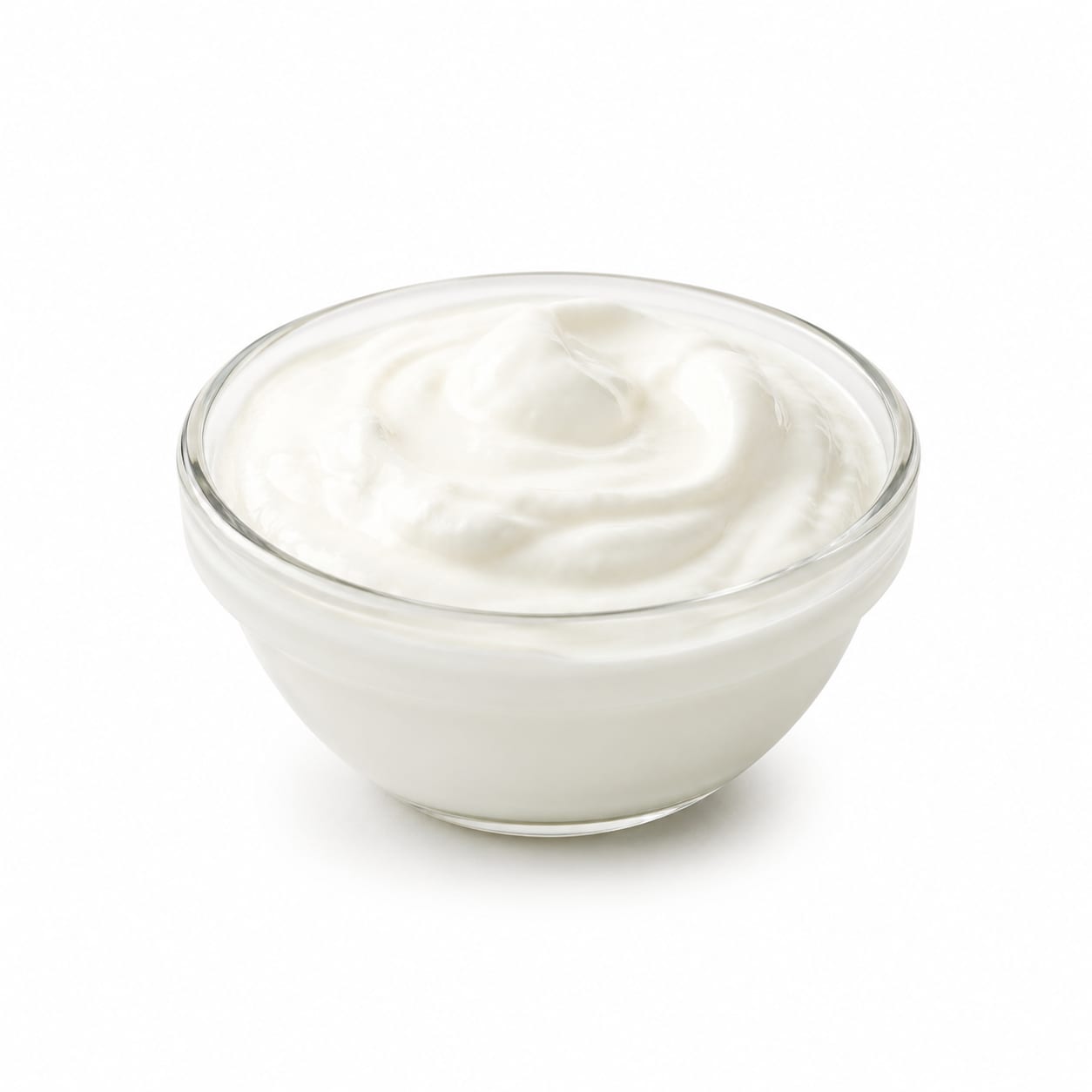
Compare with
Greek Yogurt
Greek yogurt provides significantly more protein for satiety, whereas kefir delivers a broader spectrum of probiotics for gut health.
Greek yogurt is superior for protein and satiety, making it better for weight loss, while kefir wins for probiotic diversity.
This food
Kefir
VS75% alike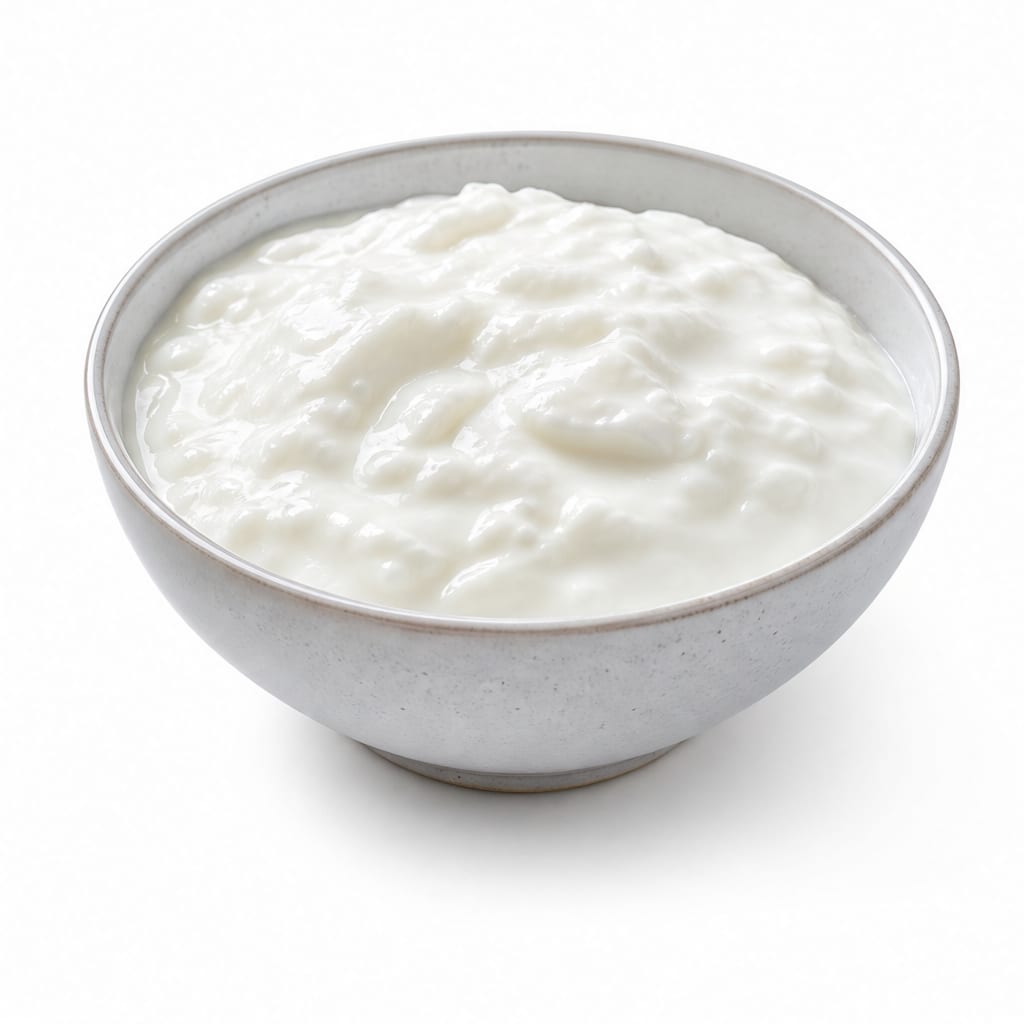
Compare with
Skyr
Skyr is a high-protein Icelandic yogurt ideal for muscle gain, while kefir is a drinkable fermented milk superior for diverse probiotic intake.
Skyr provides much more protein per calorie for satiety and fitness, whereas kefir offers better probiotic support for the gut.
This food
Kefir
VS85% alike
Compare with
Buttermilk
Kefir contains live active probiotic cultures, whereas traditional buttermilk is often cultured without the same diverse microbial benefits.
Kefir is richer in probiotics and protein, while buttermilk is lower in calories but lacks the same gut health benefits.
This food
Kefir
VS70% alike
Compare with
Whole Milk
Kefir is easier to digest than whole milk due to fermentation reducing lactose, and offers probiotics that whole milk lacks.
Kefir is much easier to digest and provides probiotics, while whole milk offers slightly more protein and natural lactose-sugar for energy.
This food
Kefir
VS60% alike
Compare with
Kombucha
Kefir provides protein and calcium from dairy, while kombucha is a lighter, dairy-free tea ferment with less macronutrient value.
Kefir provides protein and calcium for fitness and satiety, while kombucha is a low-calorie, dairy-free alternative for gut health.
This food
Kefir
VS50% alike
Compare with
Sauerkraut
Sauerkraut is a low-calorie vegetable probiotic with fiber, while kefir offers dairy-based protein and calcium alongside gut-friendly bacteria.
Sauerkraut is lower in calories and high in fiber, while kefir provides more protein and calcium for muscle and bone support.
This food
Kefir
VS65% alike
Compare with
Coconut Yogurt
Kefir provides complete protein and calcium, whereas coconut yogurt is a lower-protein, dairy-free alternative suitable for vegans.
Kefir is higher in protein and probiotics, while coconut yogurt is a dairy-free option but often lacks protein unless fortified.
This food
Kefir
VS70% alike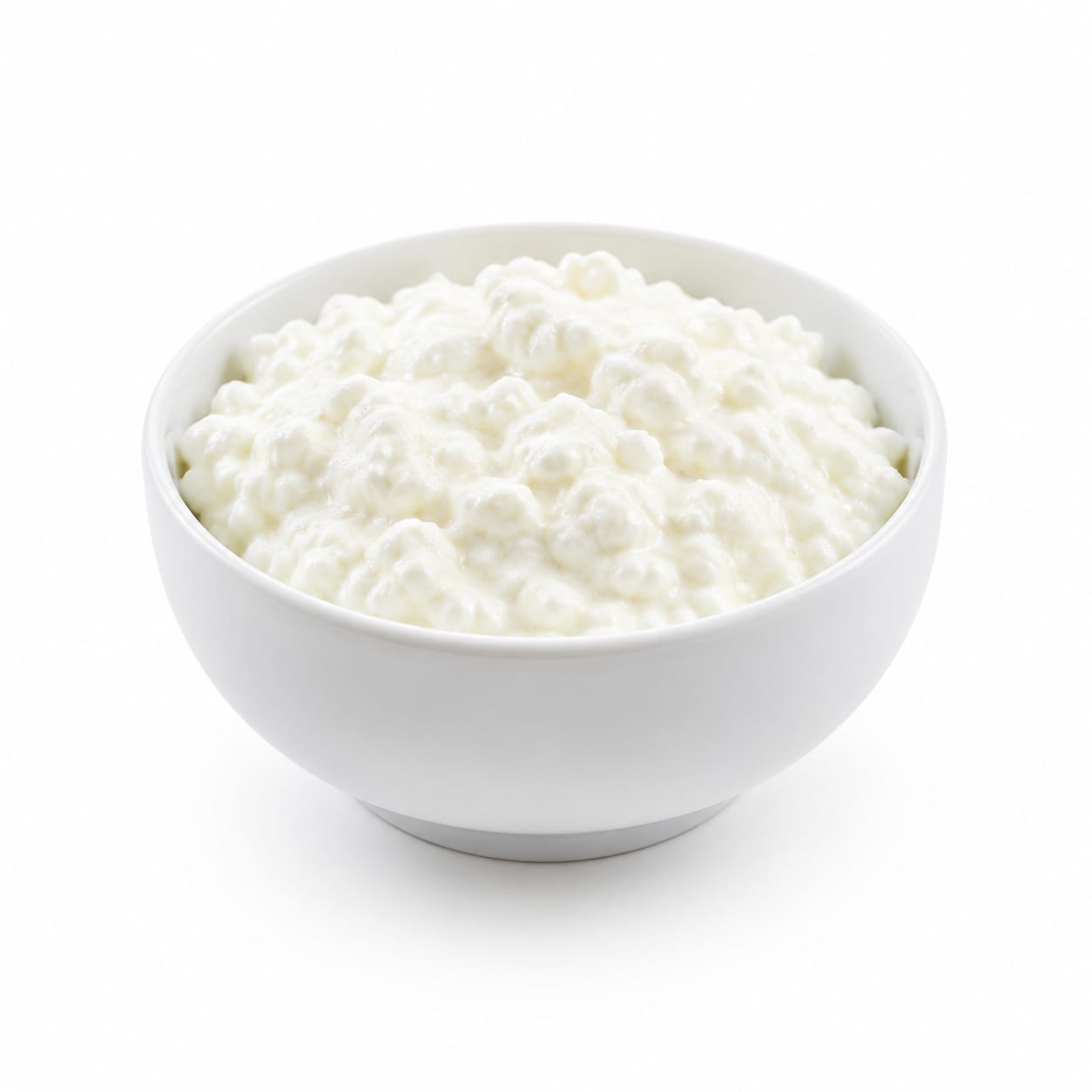
Compare with
Cottage Cheese
Cottage cheese is significantly higher in protein and better for satiety, while kefir excels in probiotic diversity and drinkable convenience.
Cottage cheese is superior for protein and satiety, while kefir is better for quick probiotic intake and hydration.
This food
Kefir
VS40% alike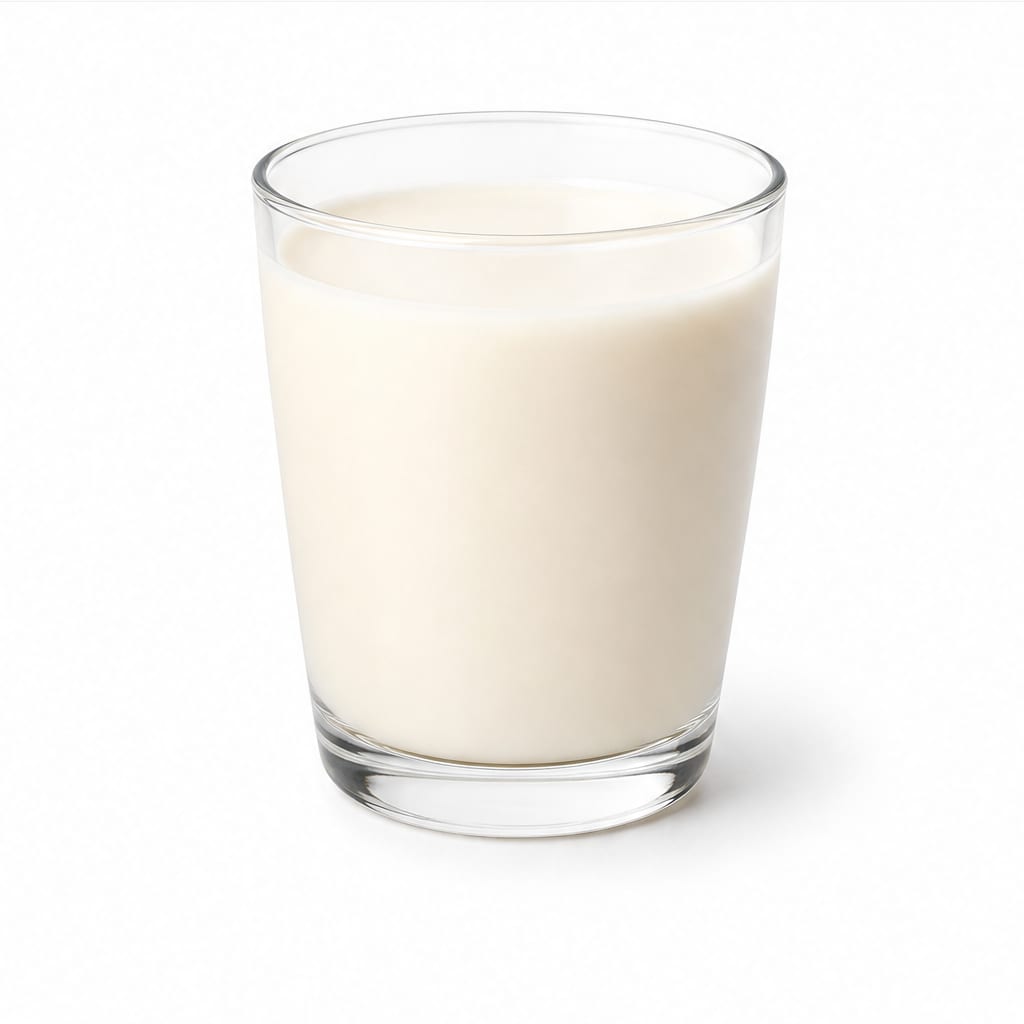
Compare with
Almond Milk
Unsweetened almond milk is much lower in calories and fat, but kefir provides substantially more protein, probiotics, and bone-supporting minerals.
Almond milk is lower in calories and carbs, while kefir provides significantly more protein, probiotics, and calcium for active diets.
Common questions
FAQ
Answers aligned with how people search for this food.
Is kefir good for weight loss?
Yes, plain kefir is good for weight loss. It is relatively low in calories and high in protein, which increases satiety and helps control appetite.
Can diabetics drink kefir?
Yes, diabetics can drink plain kefir. It has a low glycemic index, meaning it causes a slow, steady rise in blood sugar rather than a sharp spike.
Is kefir better than yogurt for probiotics?
Kefir generally contains more diverse probiotic strains than yogurt. While yogurt provides transient bacteria, kefir's microflora can colonize the gut more effectively.
Does kefir have lactose?
Kefir contains very little lactose. The fermentation process consumes most of the lactose in the milk, making it well-tolerated by many people with lactose sensitivity.
What happens if you drink kefir every day?
Drinking kefir daily can improve digestion, enhance gut microbiome diversity, and support immune function. Start with a small amount to avoid temporary bloating.
Is kefir good for IBS?
Kefir can help some IBS symptoms by improving gut bacteria, but the dairy and fermentable carbs may trigger symptoms in others. Introduce it slowly to test tolerance.
Can you make kefir with non-dairy milk?
Yes, kefir grains can ferment non-dairy milks like coconut, oat, or soy milk, though you may need to add a sugar source to keep the grains nourished.
How much kefir should I drink a day?
A typical serving is about 1 cup (240ml) per day. This provides a robust dose of probiotics without overwhelming the digestive system.
Transparency
Data confidence
Estimated confidence for nutrition data, interpretation, safety notes, and comparisons.
Nutrition data
Health analysis
Food safety
Comparisons