
Nutrition comparison
Kefir vs Cottage Cheese: Which Is Better for Gut Health, Protein, and Weight Loss?
Compare Kefir and Cottage Cheese on probiotics, protein, satiety, sodium, and digestion. Find out which dairy food fits your health goals and when to choose each.
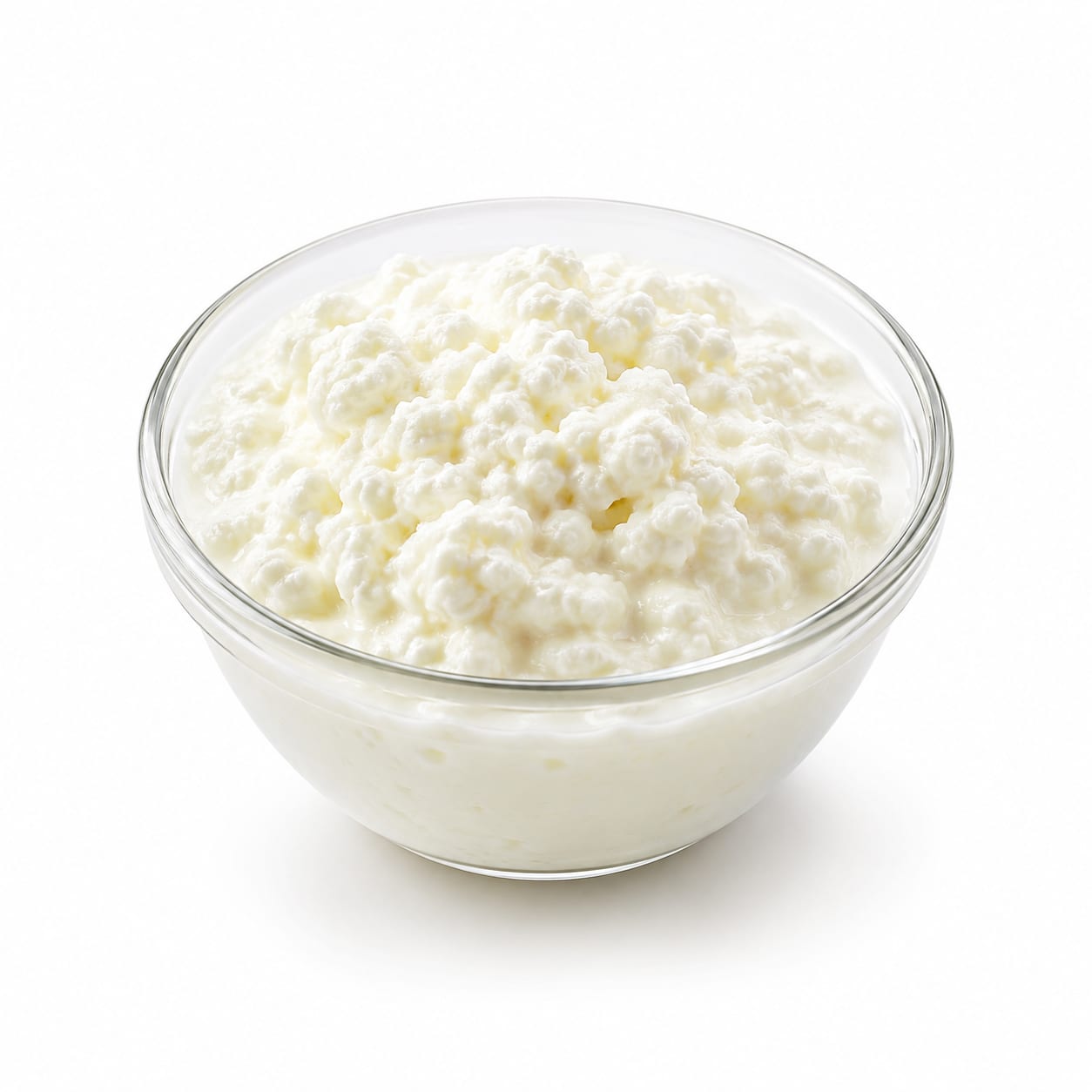
Kefir
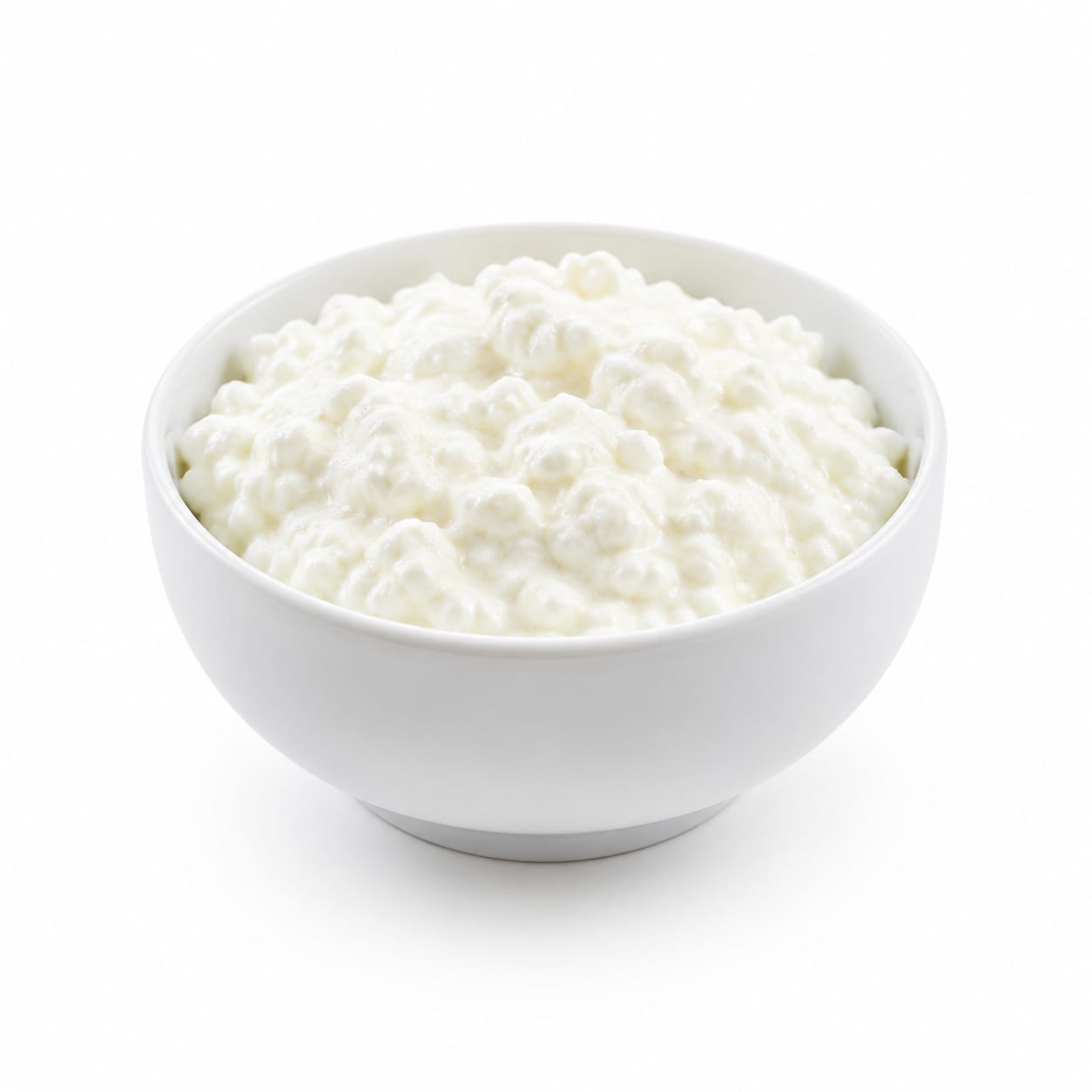
Cottage Cheese
Kefir excels for gut health and easy digestion, while Cottage Cheese dominates for protein and fullness. Your pick depends on what your body needs most.
Cottage Cheese edges ahead slightly due to superior protein density and satiety, but Kefir's probiotic advantage makes it indispensable for gut-focused diets. The close scores reflect that neither is universally better.
Probiotic diversity and drinkable convenience versus dense satiating protein and meal versatility.
At a glance
Executive summary
Overall
It depends
Healthier
It depends
More practical
Cottage Cheese
Daily use
It depends
Key comparison lenses
gut health and probiotics
Kefir is one of the most probiotic-rich foods available, while Cottage Cheese offers minimal probiotic benefit
protein and satiety
Cottage Cheese is a protein powerhouse, making this a key differentiator for meal planning and fitness goals
weight management strategy
Users commonly choose between these two foods for weight loss or body composition goals
digestive tolerance
Both are dairy but differ significantly in lactose content and digestibility
convenience and versatility
Drinkable vs spoonable format affects how people actually use these foods daily
Best choice for
Kefir
- People rebuilding gut health after antibiotics
- Those who struggle with constipation or bloating
- Anyone wanting a quick drinkable breakfast or snack
- Lactose-sensitive individuals who tolerate fermented dairy better
- People seeking immune support through microbiome diversity
Cottage Cheese
- Strength athletes needing slow-digesting casein protein
- Anyone trying to stay full for hours on few calories
- Late-night snackers wanting something satisfying before bed
- People building muscle while losing fat
- Those who prefer savory high-protein meals
Least suitable for
Kefir
- People who dislike tangy or sour flavors
- Anyone needing high protein per calorie
- Those avoiding liquid calories
- People sensitive to even trace lactose
Cottage Cheese
- People with severe lactose intolerance
- Anyone on a low-sodium diet (especially salted varieties)
- Those who find the texture off-putting
- People wanting probiotic benefits from dairy
Deep comparison
Dimension by dimension
Each lens scores both foods and breaks down who each option suits.
- Dimension 1 · Priority 95Kefir
Probiotic and Gut Health
Kefir · 96Cottage Cheese · 18Kefir contains 30-50 strains of beneficial bacteria and yeast, making it one of the most probiotic-dense foods available. Cottage Cheese has minimal live cultures.
Tradeoff
You sacrifice protein density for dramatically better microbiome support with Kefir.
Why it matters
Gut health affects everything from immunity to mood. If your microbiome needs rebuilding, Kefir delivers what Cottage Cheese simply cannot.
Real-world impact
After a course of antibiotics, drinking Kefir daily can help repopulate beneficial bacteria noticeably within a week or two.
Kefir
- Post-antibiotic gut recovery
- Chronic bloating or irregular digestion
- Immune system support during cold season
Better for
- Anyone needing concentrated protein per serving
Worse for
Cottage Cheese
- Situations where protein matters more than probiotics
Better for
- Gut healing protocols
- Microbiome diversity goals
Worse for
- Dimension 2 · Priority 92Cottage Cheese
Protein Content and Quality
Kefir · 38Cottage Cheese · 93Cottage Cheese delivers roughly 24-28g of protein per cup, predominantly slow-digesting casein. Kefir provides only 8-11g per cup.
Tradeoff
Choosing Kefir means getting a fraction of the protein, but you gain probiotic benefits instead.
Why it matters
Casein protein provides a slow, steady amino acid release over hours. This makes Cottage Cheese uniquely valuable for muscle preservation and long-lasting fullness.
Real-world impact
A bowl of Cottage Cheese before bed can keep you satisfied until morning and support overnight muscle repair. Kefir would leave you hungry again much sooner.
Kefir
- Light post-workout hydration with some protein
Better for
- Meeting daily protein targets efficiently
Worse for
Cottage Cheese
- Muscle building and recovery
- Staying full between sparse meals
- Late-night protein without heaviness
Better for
- When you want a light refreshing snack rather than a filling one
Worse for
- Dimension 3 · Priority 88Cottage Cheese
Satiety and Fullness
Kefir · 42Cottage Cheese · 89Cottage Cheese is one of the most filling foods per calorie thanks to its high casein protein and thick texture. Kefir, being a liquid, passes through faster.
Tradeoff
Cottage Cheese keeps hunger away for hours but feels heavy. Kefir feels light and refreshing but hunger returns sooner.
Why it matters
If you are trying to reduce snacking or extend time between meals, Cottage Cheese is dramatically more effective.
Real-world impact
A mid-afternoon Cottage Cheese snack can easily carry you to dinner. A glass of Kefir might only buy you 30-60 minutes before cravings return.
Kefir
- When you want something light that will not sit heavy
- Hot days when heavy food feels unappealing
Better for
- Emotional eaters who need lasting fullness
- Anyone trying to reduce meal frequency
Worse for
Cottage Cheese
- Preventing afternoon energy crashes and cravings
- Replacing higher-calorie meals with something filling
- Busy days with long gaps between eating opportunities
Better for
- People who feel uncomfortably full from dense foods
Worse for
- Dimension 4 · Priority 82Kefir
Digestive Tolerance
Kefir · 85Cottage Cheese · 55Kefir's fermentation predigests much of the lactose and adds enzymes that aid digestion. Cottage Cheese retains more lactose and lacks these digestive helpers.
Tradeoff
Kefir is gentler on sensitive stomachs but contains less protein. Cottage Cheese offers more nutrition but can cause bloating in lactose-sensitive people.
Why it matters
Many adults have some degree of lactose intolerance. The food that digests more easily is often the one you can actually eat consistently.
Real-world impact
Someone who gets bloated from milk can often drink Kefir without issues. The same person might find Cottage Cheese causes discomfort unless they choose lactose-free versions.
Kefir
- Lactose-sensitive individuals
- People with mild IBS symptoms
- Anyone recovering from stomach illness
Better for
- Those who need calorie-dense nutrition when appetite is low
Worse for
Cottage Cheese
- People with no dairy sensitivity who want maximum protein
Better for
- Lactose-intolerant individuals
- People prone to dairy-related bloating
Worse for
- Dimension 5 · Priority 72Kefir
Sodium Load
Kefir · 78Cottage Cheese · 40Cottage Cheese is surprisingly high in sodium, often containing 350-900mg per cup. Kefir typically has 100-150mg per cup.
Tradeoff
The salty taste of Cottage Cheese makes it savory and satisfying, but it can easily push you over daily sodium limits.
Why it matters
If you have blood pressure concerns or eat many processed foods, Cottage Cheese can be a hidden sodium bomb that adds up quickly.
Real-world impact
A single serving of some Cottage Cheese brands delivers nearly half the recommended daily sodium limit. Two servings and you are close to the ceiling before counting any other food.
Kefir
- Low-sodium diets
- Blood pressure management
- Anyone eating restaurant or packaged food regularly
Better for
- Endurance athletes needing electrolyte replacement
Worse for
Cottage Cheese
- Athletes who lose sodium through sweat
- People who find low-sodium food bland and unsatisfying
Better for
- Hypertension patients
- Anyone watching sodium for kidney health
Worse for
- Dimension 6 · Priority 68Kefir
Convenience and Format
Kefir · 82Cottage Cheese · 65Kefir is drinkable and requires zero preparation. Cottage Cheese needs a spoon and is better as a sit-down food or meal component.
Tradeoff
Kefir is faster to consume but less versatile in recipes. Cottage Cheese takes more effort but works in both sweet and savory dishes.
Why it matters
The food that fits your lifestyle is the one you will actually eat consistently. Convenience often beats nutrition on busy days.
Real-world impact
You can chug Kefir on your way out the door. Cottage Cheese works better as a planned meal or snack when you have time to sit and eat.
Kefir
- Rushed mornings
- Post-gym quick nutrition
- Commuting or on-the-go snacking
Better for
- Anyone wanting a substantial meal component
Worse for
Cottage Cheese
- Meal prep and recipe integration
- Building satisfying snack plates with fruit or vegetables
- Replacing higher-calorie ingredients in recipes
Better for
- People who need grab-and-go options
Worse for
- Dimension 7 · Priority 65Cottage Cheese
Versatility in Meals
Kefir · 50Cottage Cheese · 84Cottage Cheese works in smoothies, pancakes, salads, toast, and desserts. Kefir is mainly a drink or smoothie base with limited culinary range.
Tradeoff
Cottage Cheese can replace higher-calorie ingredients in cooking, while Kefir is mostly consumed as-is.
Why it matters
A versatile food prevents diet boredom. If you can use it ten ways, you are less likely to abandon it after two weeks.
Real-world impact
Cottage Cheese can be a base for savory dips, a protein boost in smoothies, or a ricotta substitute in lasagna. Kefir is essentially limited to drinking and smoothies.
Kefir
- Smoothie enhancement
- Quick drinkable snack
Better for
- Anyone tired of the same flavor and format daily
Worse for
Cottage Cheese
- Cooking and baking
- Sweet and savory meal building
- Recipe substitution for higher-calorie ingredients
Better for
- People who only want a simple grab-and-go option
Worse for
Timeline
Health impact over time
Short-term
Hours to days
Kefir
- Quick hydration with a tangy refreshing drink
- Mild digestive comfort within hours due to probiotic activity
- Moderate satiety that fades within 1-2 hours
Cottage Cheese
- Strong fullness that lasts 3-4 hours
- Possible bloating if lactose sensitive
- Salty satisfaction that may trigger thirst
Long-term
Months to years
Kefir
- Improved microbiome diversity with regular consumption
- Better digestive regularity and reduced constipation
- Potential immune resilience from gut-immune axis support
- Possible improved lactose tolerance over time
Cottage Cheese
- Sustained muscle mass from consistent high-quality protein intake
- Better appetite control supporting weight management
- Risk of elevated sodium intake affecting blood pressure
- Bone density support from high calcium and phosphorus content
Risk profile
Safety & processing
Both are minimally processed dairy products with simple ingredient lists. Kefir is fermented milk with live cultures. Cottage Cheese is curdled milk with minimal additives. Some Cottage Cheese brands add gums or stabilizers, so check labels. Flavored varieties of both can contain added sugars or artificial flavors.
Kefir
Spoilage from live cultures
lowKefir continues fermenting in the fridge, becoming more sour over time. Rarely causes illness but taste degrades noticeably after opening.
Contamination in homemade batches
mediumHome-fermented Kefir using grains carries higher contamination risk than commercial products if hygiene is poor.
Cottage Cheese
Listeria in unpasteurized varieties
highRaw milk Cottage Cheese poses serious listeria risk, especially for pregnant women and immunocompromised individuals. Always choose pasteurized.
High sodium contributing to hypertension
mediumRegular consumption of high-sodium Cottage Cheese can contribute to blood pressure issues over time, particularly in sodium-sensitive people.
Who wins for whom
Audience fit
Same foods, different winners depending on your goal.
children
KefirKids often prefer the drinkable, slightly sweet taste of Kefir over the texture of Cottage Cheese. The probiotics also support developing immune systems. Just watch the sugar content in flavored varieties.
daily consumption
It dependsKefir is better for daily gut maintenance and is easier to consume consistently. Cottage Cheese is better if daily protein targets are your priority. Many people benefit from alternating both throughout the week.
diabetes
KefirKefir has a lower glycemic impact and its probiotics may improve insulin sensitivity over time. Cottage Cheese's high sodium is also a concern for diabetic patients with cardiovascular risk.
elderly
It dependsKefir supports digestion and immune function which decline with age. Cottage Cheese provides crucial protein to prevent sarcopenia. Ideally, both would be included in an elderly person's diet for different reasons.
muscle gain
Cottage CheeseWith 2-3 times more protein per serving and slow-digesting casein, Cottage Cheese is far superior for muscle building and recovery. Kefir simply does not deliver enough protein to be a primary muscle-building food.
weight loss
Cottage CheeseCottage Cheese provides dramatically more protein per calorie, keeping you full longer and reducing the urge to overeat. Kefir's liquid calories can be too easy to consume without feeling satisfied.
Your move
Decision guide
Choose Kefir
- You are focused on gut health, digestion, or rebuilding your microbiome
- You want a quick drinkable option for busy mornings or post-workout
- You are sensitive to lactose but still want dairy benefits
- You are watching sodium intake for blood pressure or kidney health
- You prefer light refreshing snacks over heavy filling ones
Choose Cottage Cheese
- Protein intake is your top priority for muscle or satiety
- You want something that keeps you full for hours between meals
- You enjoy savory snacks and want a versatile cooking ingredient
- You need a satisfying late-night option that supports overnight recovery
- You are trying to lose weight and need maximum fullness per calorie
Either works if
- You tolerate dairy well and want to rotate both for complementary benefits
- You are building a high-protein, gut-friendly breakfast routine
- You want calcium and bone-supporting nutrients from whole-food dairy sources
Avoid both if
- You have a diagnosed dairy allergy (not just intolerance)
- You are following a strict vegan diet
- You have severe kidney disease requiring protein and sodium restriction
Final recommendation
The smartest approach is often using both strategically: Kefir in the morning for gut health and hydration, Cottage Cheese later for protein and satiety. If you must pick one, choose based on your bottleneck. Need better digestion? Kefir. Need more protein? Cottage Cheese. Neither is a mistake, but each solves a different problem.
Practical
Consumer tips
- 1
Choose plain unsweetened Kefir to avoid added sugars that feed harmful gut bacteria
- 2
Look for low-sodium Cottage Cheese if blood pressure is a concern — some brands cut sodium by 50%
- 3
Watch for added gums or stabilizers in Cottage Cheese — shorter ingredient lists are better
- 4
Kefir with live active cultures should say so on the label — not all commercial Kefir is equal
- 5
Full-fat versions of both foods keep you satisfied longer and often have cleaner ingredient lists
- 6
If lactose is an issue, try Cottage Cheese made with lactose-free milk or rinse curds briefly
- 7
Kefir continues fermenting after purchase — consume within 5-7 days of opening for best taste
- 8
Freeze Cottage Cheese in portions for longer storage — texture changes slightly but works well in smoothies or cooking