
Nutrition comparison
Kefir vs Kombucha: Which Probiotic Drink is Healthier?
Compare Kefir and Kombucha for probiotics, sugar, and nutrition. Find out which fermented drink is better for gut health, weight loss, and daily use.
Overall winner · Kefir
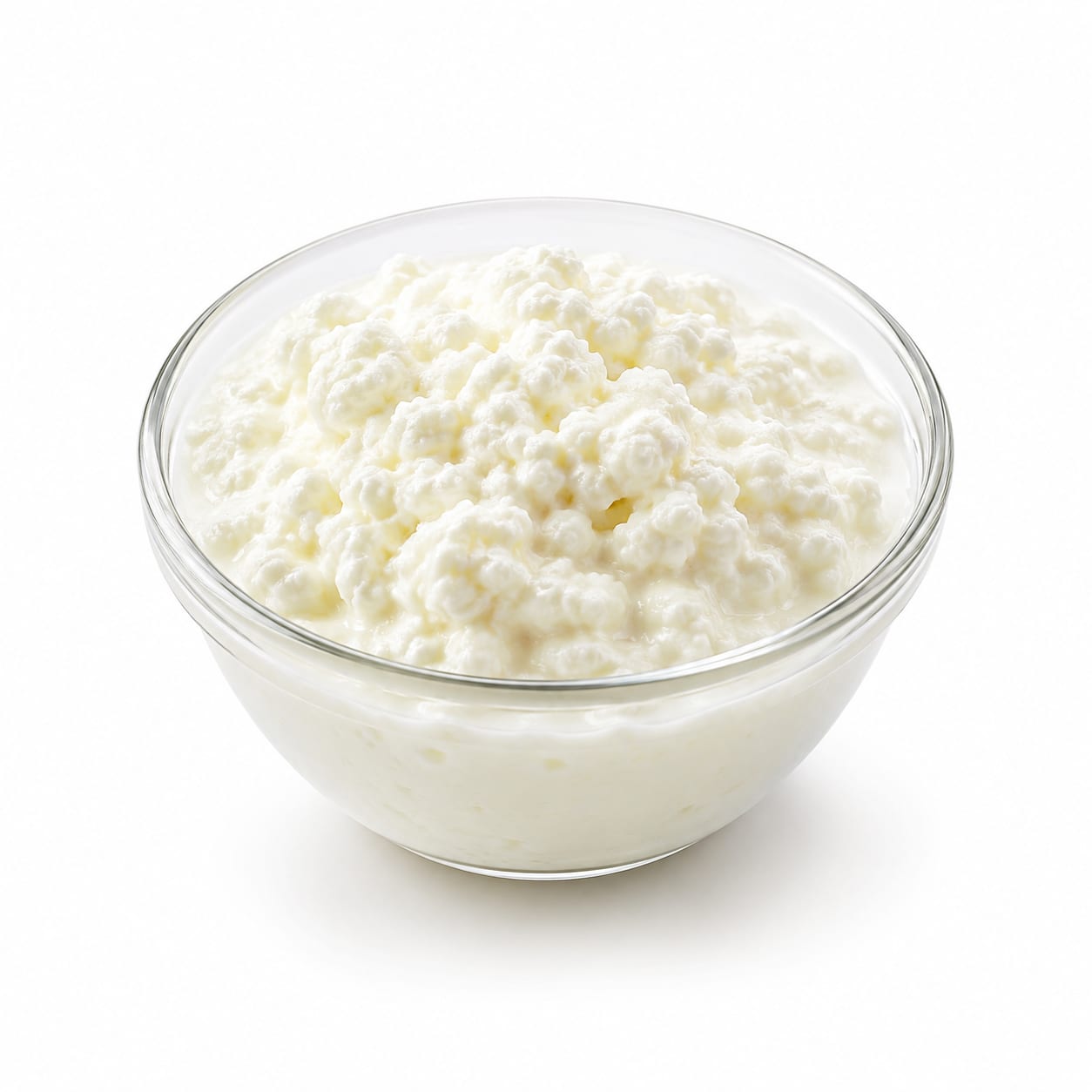
Kefir
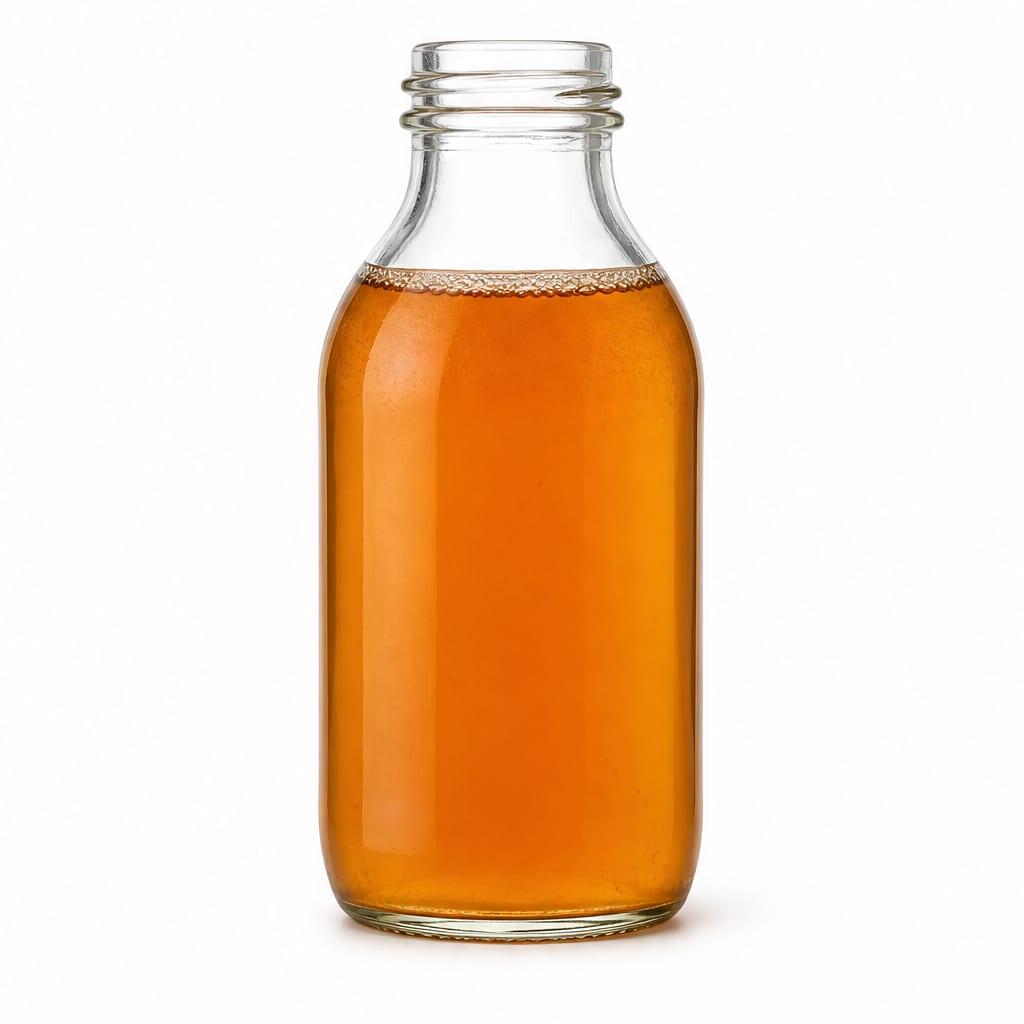
Kombucha
Kefir wins for overall nutrition and reliable probiotic delivery, while Kombucha serves better as a light, dairy-free afternoon refreshment.
Kefir scores significantly higher because it delivers both robust probiotics and essential macronutrients like protein and calcium. Kombucha is a pleasant, low-calorie beverage but lacks nutritional substance and often carries variable sugar levels.
Kefir offers real sustenance with protein and calcium, but requires dairy tolerance. Kombucha is lighter and vegan-friendly, but often delivers hidden sugar and less nutritional value.
At a glance
Executive summary
Overall
Kefir
Healthier
Kefir
More practical
It depends
Daily use
Kefir
Key comparison lenses
Probiotic potency and gut microbiome support
Both are famous fermented drinks, but users want to know which actually delivers more viable, diverse beneficial bacteria.
Nutritional substance vs empty refreshment
Kefir provides protein and calcium, while Kombucha is essentially flavored tea with minimal macros, making their nutritional roles very different.
Sugar content and blood sugar impact
Commercial Kombucha can be surprisingly high in sugar, whereas Kefir contains natural dairy sugars, creating a critical tradeoff for metabolic health.
Dairy vs plant-based digestive tolerance
Kefir contains dairy which rules it out for vegans and some lactose-sensitive individuals, while Kombucha is plant-based but carries its own acidity and trace alcohol concerns.
Best choice for
Kefir
- People wanting a filling, protein-rich snack
- Those seeking maximum probiotic diversity
- Anyone needing more calcium and bone-supporting nutrients
- Individuals looking for a satisfying breakfast addition
Kombucha
- Vegans and strict dairy-avoiders
- People wanting a low-calorie afternoon pick-me-up
- Those who dislike the taste or texture of dairy
- Individuals seeking a light, carbonated alternative to soda
Least suitable for
Kefir
- Vegans and those with severe dairy allergies
- People on strict low-carb or keto diets
- Individuals who dislike sour dairy flavors
Kombucha
- People trying to strictly limit sugar intake
- Children and pregnant women due to trace alcohol and caffeine
- Those with severe acid reflux or sensitive stomachs
Deep comparison
Dimension by dimension
Each lens scores both foods and breaks down who each option suits.
- Dimension 1 · Priority 95Kefir
Probiotic Potency and Diversity
Kefir · 92Kombucha · 70Kefir acts as a potent probiotic supplement, while Kombucha is more of a mild gut tonic.
Tradeoff
Kefir contains up to 60 strains of live bacteria and yeast that actively colonize the gut. Kombucha has fewer strains, and many can be destroyed by stomach acid before reaching the intestines.
Why it matters
More diverse probiotic strains mean better gut flora balance, which impacts digestion, immunity, and even mood.
Real-world impact
Drinking Kefir daily can noticeably reduce bloating and improve regularity faster than Kombucha, which might take longer to show subtle effects.
Kefir
- Recovering gut health after antibiotics
- Managing chronic bloating or IBS symptoms
Better for
- Severe dairy intolerance that triggers inflammation
Worse for
Kombucha
- Light daily maintenance for those already in good digestive shape
Better for
- Reliance on it as a primary probiotic source for serious gut issues
Worse for
- Dimension 2 · Priority 90Kefir
Nutritional Value and Satiety
Kefir · 88Kombucha · 25Kefir is a genuine food that fuels and fills you, whereas Kombucha is essentially a flavored water.
Tradeoff
A cup of Kefir provides around 8-11g of protein and 30% of your daily calcium. Kombucha provides trace vitamins and zero protein, leaving you hungry.
Why it matters
Protein and fat trigger fullness signals, preventing overeating later. Drinks without macros can spike blood sugar without satisfying hunger.
Real-world impact
Kefir works as a quick breakfast or post-workout recovery drink. Kombucha is just a refreshing beverage that will not hold you over until your next meal.
Kefir
- Post-workout muscle recovery
- A satisfying morning meal replacement
- Increasing daily calcium intake naturally
Better for
- Using it as a hydration drink during heavy exercise
Worse for
Kombucha
- A low-calorie treat when you just want flavor without fullness
Better for
- Trying to use it as a meal replacement or substantial snack
Worse for
- Dimension 3 · Priority 85It depends
Sugar Content and Blood Sugar Stability
Kefir · 72Kombucha · 65Kefir has predictable natural sugar, while Kombucha's sugar content is a gamble depending on fermentation length and added juices.
Tradeoff
Plain Kefir contains lactose (milk sugar) which is digested slowly alongside protein, preventing spikes. Commercial Kombucha often adds fruit juice or stops fermentation early for sweetness, leading to unexpected sugar hits.
Why it matters
Hidden sugars in health drinks can easily derail metabolic health, causing energy crashes and cravings.
Real-world impact
A bottle of store-bought Kombucha can contain up to 16g of sugar, hitting your system fast without protein to buffer it. Plain Kefir has around 12g of sugar but is buffered by fat and protein for steadier energy.
Kefir
- Sustained energy without the afternoon crash
- Diabetics needing predictable carb counts
Better for
- Strict keto dieters who must avoid all milk sugars
Worse for
Kombucha
- Those who ferment their own Kombucha long enough to consume all sugar
Better for
- Blood sugar management when drinking highly sweetened commercial brands
Worse for
- Dimension 4 · Priority 80It depends
Digestive Tolerance and Sensitivities
Kefir · 68Kombucha · 65Both drinks have tolerance hurdles, but for entirely different populations.
Tradeoff
Kefir is surprisingly well-tolerated by many with lactose intolerance because the bacteria pre-digest the lactose, but it is a hard no for dairy allergies. Kombucha is dairy-free but its acidity, carbonation, and trace caffeine can irritate sensitive stomachs.
Why it matters
A gut-healthy drink that causes you discomfort defeats its own purpose.
Real-world impact
If you have a dairy allergy, Kombucha is your only safe bet here. If you have acid reflux, Kombucha might trigger heartburn, while Kefir could feel soothing.
Kefir
- Lactose-intolerant individuals who still want dairy probiotics
- People with acid reflux looking for a non-acidic drink
Better for
- Anyone with a true dairy allergy or strict vegan lifestyle
Worse for
Kombucha
- Vegans and those with severe dairy allergies
- People avoiding animal products entirely
Better for
- People with severe GERD or acid reflux triggered by carbonation
Worse for
Timeline
Health impact over time
Short-term
Hours to days
Kefir
- Quickly satisfies hunger due to protein and fat content
- Can cause mild bloating in the first few days as gut bacteria adjust
- Provides steady, crash-free energy
Kombucha
- Offers a mild caffeine buzz and refreshment
- Can cause a sugar crash if drinking a high-sugar commercial brand
- Carbonation provides immediate sensory satisfaction
Long-term
Months to years
Kefir
- Supports bone density through high calcium and vitamin K2
- Helps maintain muscle mass with consistent protein intake
- May significantly improve chronic constipation and gut regularity
Kombucha
- Provides antioxidants from tea polyphenols that support cellular health
- May support liver function due to glucuronic acid content
- Risks contributing to metabolic issues if consuming high-sugar varieties daily
Risk profile
Safety & processing
Both are traditional fermented foods at their core. However, commercial Kombucha often relies on added fruit juices, flavorings, and forced carbonation to make it palatable, while plain Kefir typically remains closer to its traditional two-ingredient recipe.
Kefir
Dairy allergy reaction
highContains milk proteins that can trigger severe allergic responses in sensitive individuals.
Lactose intolerance discomfort
lowMost of the lactose is consumed by the cultures, making it tolerable for many, but not all, lactose-sensitive people.
Kombucha
Trace alcohol consumption
mediumNaturally contains up to 0.5% alcohol, but homebrewed or over-fermented batches can reach much higher levels, posing a risk for pregnant women and children.
Tooth enamel erosion
mediumHigh acidity combined with sugar can wear down tooth enamel over time if consumed frequently.
Homebrew contamination
highDIY Kombucha carries a real risk of harmful mold or pathogenic bacteria if the SCOBY is not handled in a sterile environment.
Who wins for whom
Audience fit
Same foods, different winners depending on your goal.
children
KefirKefir provides essential calcium and protein for growing bodies without the trace alcohol, caffeine, or high acidity found in Kombucha.
daily consumption
KefirKefir provides consistent, measurable nutritional benefits daily. Kombucha is better reserved as an occasional treat due to sugar variability and acidity.
diabetes
KefirPlain Kefir has a low glycemic index because dairy sugars are buffered by protein and fat. Commercial Kombucha can cause unpredictable blood sugar spikes.
elderly
KefirKefir supports bone density and muscle preservation, which are critical concerns for aging bodies, and is easier to digest than milk.
muscle gain
KefirKefir provides high-quality whey and casein protein essential for muscle repair, while Kombucha offers zero protein.
weight loss
KefirKefir's protein and fat content keeps you full for hours, reducing the urge to snack. Kombucha's liquid calories from sugar do not trigger fullness signals.
Your move
Decision guide
Choose Kefir
- You want a two-in-one probiotic and protein supplement
- You are looking for a filling snack that supports bone health
- You tolerate dairy and want the most potent gut health benefits
Choose Kombucha
- You are vegan or strictly avoiding dairy
- You want a refreshing, soda-like alternative without the artificial junk
- You want a light afternoon beverage with a mild caffeine lift
Either works if
- You are simply looking to add more fermented foods into your weekly rotation
- You want to support general gut health and enjoy tangy flavors
Avoid both if
- You have severe histamine intolerance, as fermented foods are high in histamines
- You are currently dealing with a flare-up of SIBO, where probiotics can worsen symptoms
Final recommendation
Choose Kefir as your daily driver for real nutritional benefits and reliable probiotics. Opt for Kombucha occasionally when you want a light, dairy-free refreshment, but always read the label to avoid hidden sugar.
Practical
Consumer tips
- 1
Always choose plain, unsweetened Kefir to avoid added sugars; add your own fruit for flavor.
- 2
If buying Kombucha, check the nutrition label—aim for brands with under 5g of sugar per serving.
- 3
Water Kefir is a great alternative if you want the probiotic diversity of Kefir without the dairy.
- 4
If making Kombucha at home, be extremely careful with sterilization to prevent mold growth.
- 5
Drink Kombucha through a straw to protect your tooth enamel from its high acidity.