
Nutrition comparison
Kefir vs Skyr: Which is Better for Gut Health and Protein?
Compare Kefir and Skyr to find out which dairy superfood is right for you. Discover the differences in probiotics, protein, and satiety.
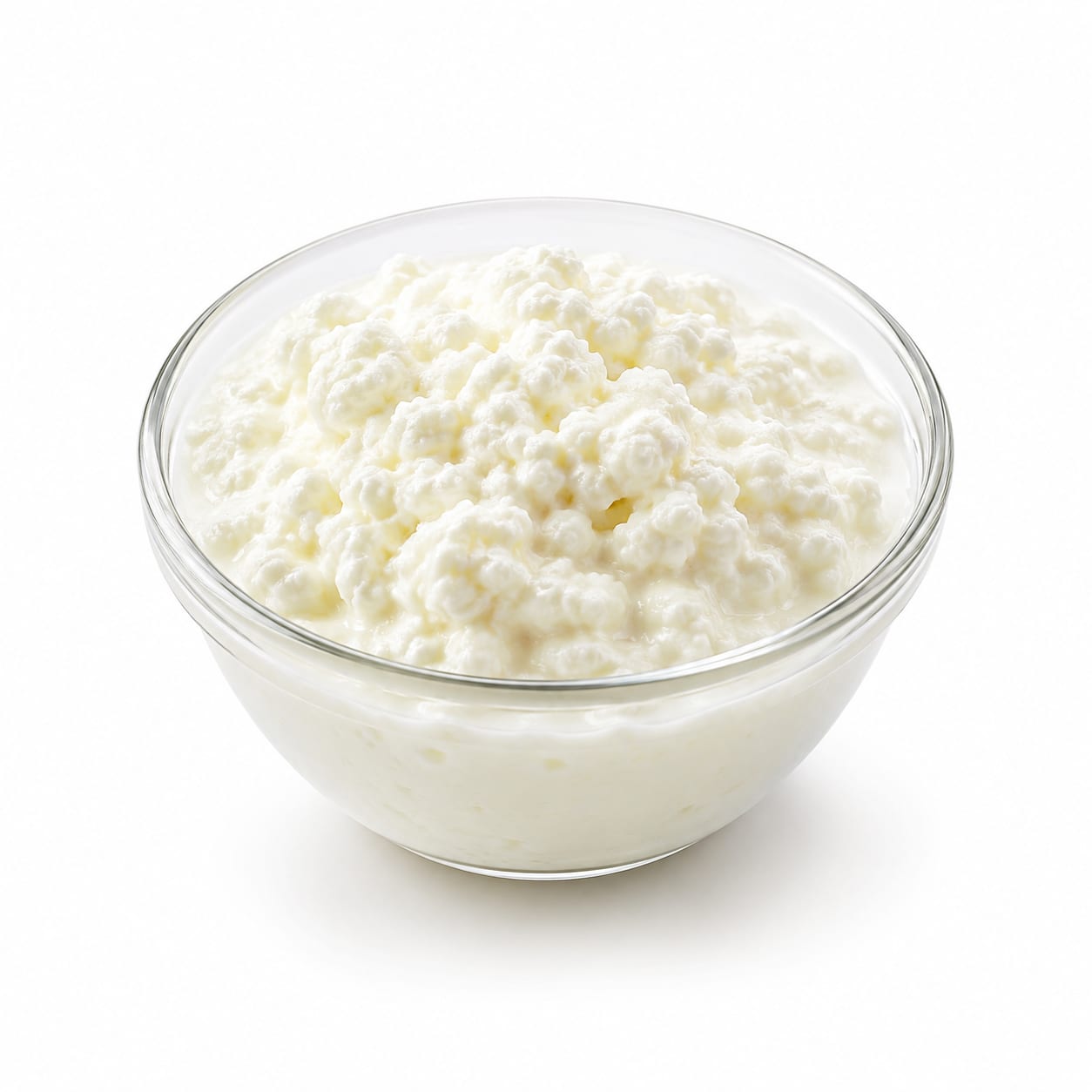
Kefir
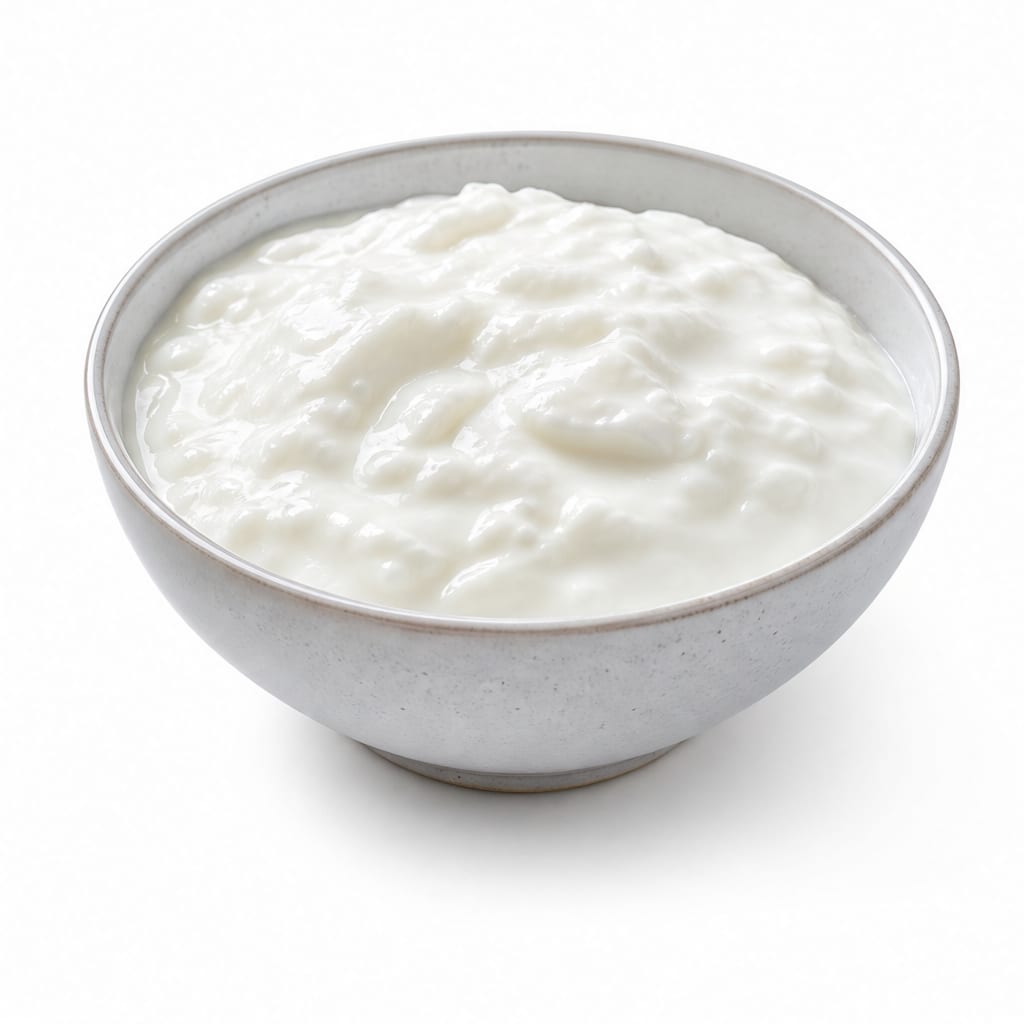
Skyr
Kefir is a probiotic powerhouse for gut health, while Skyr is a protein champion for satiety and muscle.
Skyr edges out slightly due to its exceptional protein-to-calorie ratio, making it more versatile for common dietary goals, though Kefir's probiotic profile is unmatched.
Diverse gut-friendly microbes versus maximum protein and fullness.
At a glance
Executive summary
Overall
It depends
Healthier
It depends
More practical
It depends
Daily use
It depends
Key comparison lenses
Probiotic diversity and gut health
Kefir is renowned for its wide variety of live cultures and yeasts, making gut health the primary differentiator.
Protein content and satiety
Skyr is exceptionally high in protein compared to Kefir, making it a top choice for staying full and building muscle.
Weight management and body composition
The contrast between Kefir's lighter caloric profile and Skyr's heavy protein load impacts weight goals differently.
Digestive tolerance and lactose sensitivity
Both are fermented dairy, but the extent of fermentation differs, affecting how easily sensitive stomachs handle them.
Convenience and format
Kefir is drinkable, while Skyr is eaten with a spoon, which changes how people integrate them into daily routines.
Best choice for
Kefir
- People prioritizing gut health and digestion
- Those wanting a quick, drinkable breakfast
- Anyone seeking diverse probiotic strains
Skyr
- Athletes needing muscle recovery
- People focused on high-protein weight loss
- Those who prefer thick, satisfying snacks
Least suitable for
Kefir
- Bodybuilders needing very high protein
- People who dislike tart, thin liquids
Skyr
- Those looking for a wide variety of probiotics
- People who prefer drinking their dairy on the go
Deep comparison
Dimension by dimension
Each lens scores both foods and breaks down who each option suits.
- Dimension 1 · Priority 95Kefir
Probiotic Diversity & Gut Health
Kefir · 98Skyr · 60Kefir contains dozens of probiotic strains including beneficial yeasts, while Skyr has fewer traditional yogurt cultures.
Tradeoff
You get vastly more gut-friendly microbes in Kefir, but miss out on Skyr's dense protein.
Why it matters
A diverse microbiome supports digestion, immunity, and even mood regulation.
Real-world impact
Drinking Kefir can help regulate digestion and reduce bloating more effectively than Skyr.
Kefir
- People with IBS or bloating
- Those wanting maximum probiotic diversity
Better for
- Those avoiding yeast-based ferments
Worse for
Skyr
- People who only need basic dairy cultures
Better for
- Anyone seeking serious gut microbiome support
Worse for
- Dimension 2 · Priority 90Skyr
Protein Content & Satiety
Kefir · 55Skyr · 97Skyr packs nearly two to three times the protein of Kefir per serving, keeping you full much longer.
Tradeoff
Skyr is a high-protein meal replacement, whereas Kefir is a lighter, less filling drink.
Why it matters
Protein is crucial for muscle maintenance and preventing overeating later in the day.
Real-world impact
A bowl of Skyr at breakfast will easily keep you full until lunch; Kefir might leave you snacking by mid-morning.
Kefir
- Those wanting a light, hydrating snack
Better for
- Bodybuilders
- People who get hungry quickly
Worse for
Skyr
- Athletes
- Anyone needing lasting fullness
- People trying to lose weight
Better for
- Those wanting a light, low-calorie drink
Worse for
- Dimension 3 · Priority 75Kefir
Digestive Tolerance
Kefir · 88Skyr · 82Both are well-tolerated, but Kefir's diverse fermentation breaks down more lactose.
Tradeoff
Kefir is slightly safer for sensitive stomachs, though Skyr is also very low in lactose.
Why it matters
Lactose intolerance affects a large portion of the population, limiting dairy options.
Real-world impact
If regular milk causes bloating, Kefir is the safest first step, followed closely by Skyr.
Kefir
- Highly lactose intolerant individuals
Better for
- Those with histamine intolerance
Worse for
Skyr
- Mildly lactose intolerant individuals
Better for
- Severely lactose intolerant individuals
Worse for
- Dimension 4 · Priority 70It depends
Versatility & Format
Kefir · 80Skyr · 85Kefir is drinkable and great for smoothies; Skyr is thick and better as a bowl or base for toppings.
Tradeoff
Drinkable convenience versus culinary versatility.
Why it matters
How you actually eat your food determines if you will stick with it long-term.
Real-world impact
Grab Kefir for a quick commute; grab Skyr for a sit-down breakfast with fruit and granola.
Kefir
- Commuters
- Smoothie lovers
Better for
- People who want a substantial bowl
Worse for
Skyr
- Parfait fans
- Those who like chewing their food
Better for
- People who eat on the run
Worse for
Timeline
Health impact over time
Short-term
Hours to days
Kefir
- Quick hydration
- Immediate probiotic boost
- Light on the stomach
Skyr
- Strong feeling of fullness
- Steady blood sugar
- Post-workout muscle refuel
Long-term
Months to years
Kefir
- Improved microbiome diversity
- Better immune regulation
- Smoother digestion
Skyr
- Preserved muscle mass
- Easier weight management
- Strong bones from high calcium
Risk profile
Safety & processing
Both are traditional, minimally processed dairy products. Always choose plain varieties to avoid added sugars and thickeners.
Kefir
Spoilage if not refrigerated
mediumLive cultures continue fermenting at room temperature, causing bloating or sour taste.
Histamine intolerance
lowFermented foods can trigger symptoms in histamine-sensitive individuals.
Skyr
Added sugars in flavored versions
mediumFlavored Skyr often contains significant added sugar, negating health benefits.
Who wins for whom
Audience fit
Same foods, different winners depending on your goal.
children
KefirKefir is easier to drink, and its diverse probiotics are excellent for a developing gut.
daily consumption
It dependsChoose Kefir for daily gut maintenance or Skyr for daily protein targets.
diabetes
SkyrHigher protein and lower carbohydrate content in Skyr stabilizes blood sugar more effectively.
elderly
KefirKefir is easier to consume if appetite is low, and provides excellent digestive support for aging bodies.
muscle gain
SkyrSkyr provides a massive dose of casein protein per calorie, ideal for muscle repair.
weight loss
SkyrSkyr's high protein content keeps you fuller for longer, reducing the urge to overeat.
Your move
Decision guide
Choose Kefir
- You want to prioritize gut health and probiotics
- You prefer drinking your breakfast or snack
- You have mild lactose sensitivity
Choose Skyr
- You need a high-protein, filling meal
- You are an athlete or lifting weights
- You enjoy thick, spoonable textures with toppings
Either works if
- You want a low-lactose dairy option
- You are looking for a calcium-rich snack
Avoid both if
- You have a dairy allergy
- You are strictly vegan
Final recommendation
Choose Skyr for satiety and muscle support, or Kefir for gut health and convenience. Both are elite dairy choices—just match the format to your primary goal.
Practical
Consumer tips
- 1
Always buy plain, unsweetened versions of both to avoid hidden sugars.
- 2
Blend Skyr with a splash of milk to make a quick, high-protein substitute for Kefir.
- 3
Use Kefir as a base for smoothies instead of milk for a probiotic upgrade.
- 4
Watch out for kefir-style drinks that use minimal cultures and thickeners instead of real fermentation.