
Pasta / Italian Prepared Dish
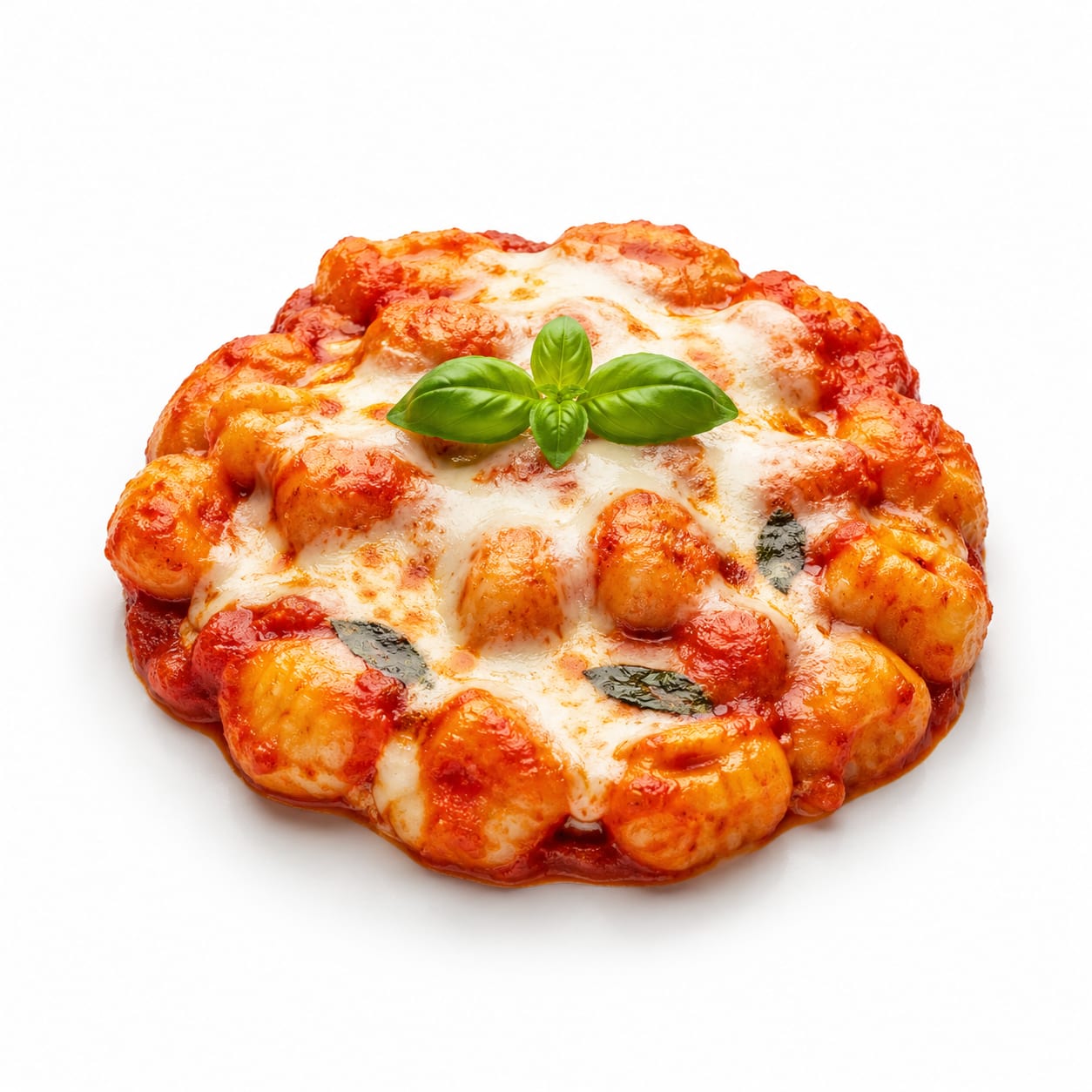
Gnocchi Sorrentina
A baked Italian dish of potato gnocchi, tomato sauce, and melted mozzarella.
Gnocchi Sorrentina is a classic Italian baked dish consisting of potato gnocchi tossed in tomato sauce, topped with mozzarella cheese, and baked until bubbly and golden.
high-carb baked pasta dish with dairy fat
Typical serving · 250g
Common varieties · traditional potato gnocchi sorrentina, whole wheat gnocchi sorrentina, cauliflower gnocchi sorrentina, ricotta gnocchi sorrentina, gluten-free gnocchi sorrentina
Overall context score across nutrition, safety, and diet fit
The story
What makes it unique
Features rapidly digesting potato-based carbohydrates combined with saturated fat from mozzarella. The high glycemic index of potato gnocchi causes quick glucose absorption, while the dairy fat slows gastric emptying slightly, though not enough to prevent significant blood sugar spikes. Energy density is high due to the combination of refined carbs and cheese.
Varieties: traditional potato gnocchi sorrentina · whole wheat gnocchi sorrentina · cauliflower gnocchi sorrentina · ricotta gnocchi sorrentina · gluten-free gnocchi sorrentina
Per 100g
Nutrition breakdown
Macro balance and key metrics at a glance.
Energy
Density 1.70 kcal/g
Protein
Carbs
Fat
Fiber
Sugar
3 g
Sodium
350 mg
Potassium
300 mg
Glycemic index
67
Glycemic load
15
Water content
60%
Standout compounds
Nutrient highlights
Carbohydrates
highProvides rapid energy for high-intensity activity and glycogen replenishment.
Calcium
moderateSupports bone health and muscle contraction, primarily from the mozzarella cheese.
Saturated Fat
highSlows digestion slightly but can raise LDL cholesterol if consumed in excess.
Lycopene
moderateAntioxidant from cooked tomatoes that supports heart health and reduces oxidative stress.
Sodium
highEssential for fluid balance but present in high amounts from cheese and sauce, which may elevate blood pressure.
Wellness map
Health scores & processing
NOVA processing scale
Moderate · Whole food
Typically made with minimally processed fresh ingredients (potato, flour, cheese, tomato) but commercial or restaurant versions may include refined flours, added sugars in sauce, and processed cheese, pushing it toward Nova 4.
Diet compatibility
- Weight loss
- Muscle gain
- Diabetes
- Gut health
- Low carb
- High protein
- Heart health
Relative standing
Food rankings
Qualitative ranks compared to similar whole foods.
- Satietymoderate
- Blood sugarpoor
- Nutrient densitymoderate
- Fitness fuelgood
- Processing qualitymoderate
Eat with confidence
Food safety profile
Baking eliminates most microbial risks from dairy and eggs. Primary concerns stem from the sourcing of the mozzarella (antibiotic/hormone use in dairy) and the packaging of the tomato sauce (BPA in can linings).
Evidence confidence 85%
- Pesticideslow
- Antibioticsmoderate
- Heavy metalslow
- Contaminationlow
Watch for
- listeria in raw dairy
- bisphenol A from canned tomato sauce
Safer choices
Organic mozzarella and tomato sauce in glass jars or Tetra Paks.
Prep tips
If making from scratch, wash fresh basil thoroughly. Ensure dish is baked to an internal temperature of 165°F (74°C) to ensure food safety.
Dairy sourcing and antibiotic use in cattle; BPA exposure from canned tomatoes if not glass-packed.
Deep dive
Health analysis
How this food may fit different goals and preparation choices.
Weight loss
High energy density and palatability from the carb-fat combination make it easy to overconsume, posing a challenge for calorie restriction.
Blood sugar
Potato gnocchi digests quickly, causing sharp blood sugar spikes. The fat from cheese only mildly blunts the glycemic response, making it unsuitable for glucose management.
Fitness & energy
Provides fast-digesting carbohydrates ideal for replenishing muscle glycogen after intense exercise, paired with a moderate amount of protein for recovery.
Gut health
Lacks significant dietary fiber to support beneficial gut bacteria. High saturated fat and low fiber can negatively impact microbiome diversity over time.
Processing quality
Fresh homemade versions use whole foods, but restaurant and frozen versions often rely on refined white flour, modified food starches, and added sugars.
Food safety
Thorough baking neutralizes most pathogen risks associated with dairy. Opting for organic dairy and BPA-free canned tomatoes minimizes chemical exposure.
Common mistakes
Assuming it is a vegetable-heavy dish because of the tomato sauce, and underestimating the calorie density from the heavy cheese layer.
Best preparation
Use cauliflower or whole wheat gnocchi, part-skim mozzarella, and blend extra vegetables like spinach or bell peppers into the tomato sauce to increase volume and fiber.
Practical guide
Best use cases
When and how this food fits real eating patterns.
Post-workout recovery meal
The fast-digesting carbohydrates replenish depleted muscle glycogen, while the mozzarella provides protein for muscle repair.
High-calorie bulking diet
The combination of dense carbs and fats makes it easy to consume a high number of calories without feeling overly full.
Pre-workout carb loading
Eating it 2-3 hours before intense endurance exercise provides a sustained release of glucose for energy, assuming portion control is managed to avoid sluggishness.
Balance sheet
Pros & cons
Upsides
- Provides fast-digesting carbohydrates for athletic recovery
- Contains calcium and protein from mozzarella
- Cooked tomatoes provide bioavailable lycopene
- Highly palatable and satisfying comfort food
- Easy to meal prep and reheat
Trade-offs
- High glycemic index causes rapid blood sugar spikes
- Calorie-dense with low fiber, making overeating easy
- High in saturated fat from mozzarella
- Restaurant versions are often loaded with sodium
- Traditional potato gnocchi offers minimal micronutrients
Fit check
Who is it for?
Great match
- post-workout glycogen replenishment
- athletes carb-loading before endurance events
- people needing high-calorie intake for bulking
Consider alternatives
- strict low-carb or ketogenic diets
- people with insulin resistance or diabetes
- cholesterol-conscious individuals
- weight loss diets requiring high satiety
Side by side
How it compares
Open the full head-to-head analysis for nutrition, safety, and practical tradeoffs.
This food
Gnocchi Sorrentina
VS85% alike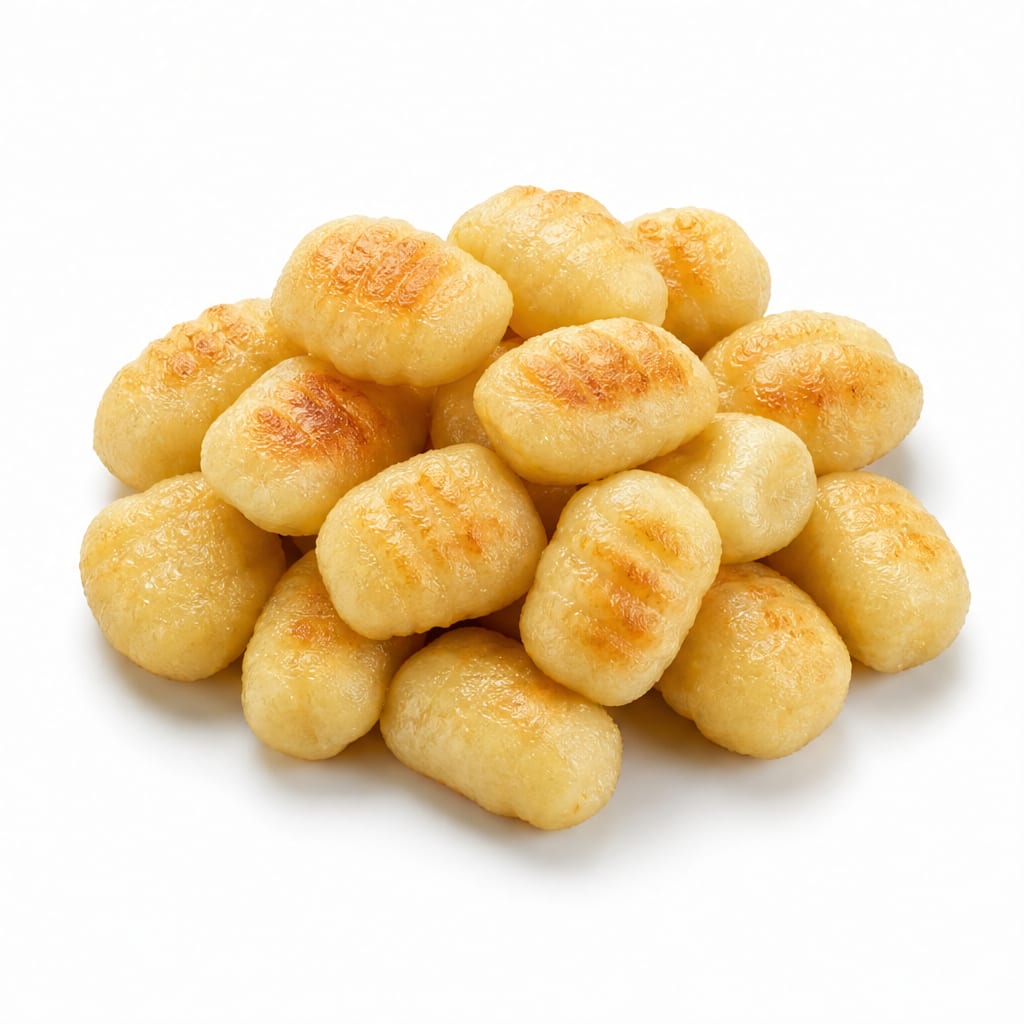
Compare with
Cauliflower Gnocchi
Cauliflower gnocchi drastically reduces carbs and calories while increasing fiber compared to potato gnocchi.
Cauliflower gnocchi is far lower in carbs and calories, making it better for blood sugar control, while potato gnocchi provides more quick energy for workouts.
This food
Gnocchi Sorrentina
VS90% alike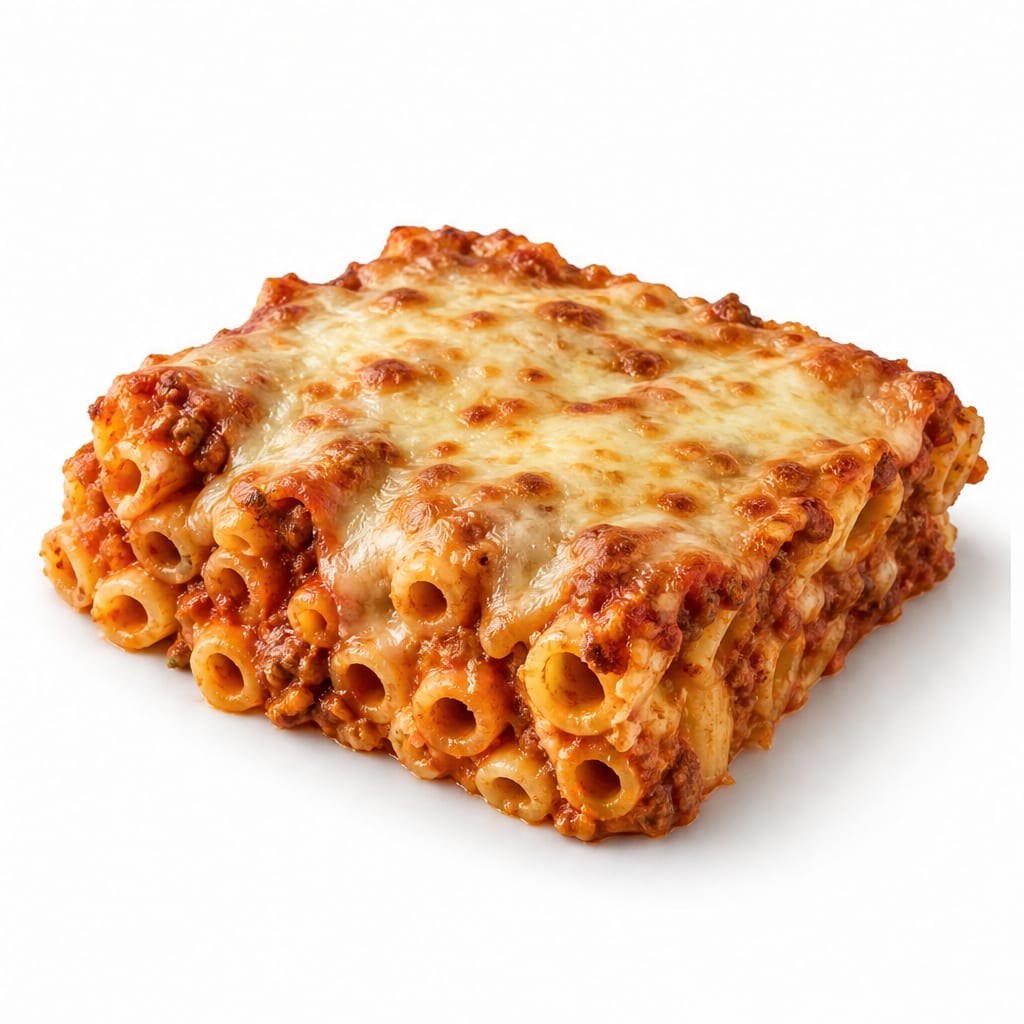
Compare with
Baked Ziti
Baked ziti uses wheat pasta, offering slightly more protein and a lower glycemic index than potato gnocchi.
Baked ziti has a lower glycemic index and slightly more protein than potato gnocchi, making it a marginally better choice for stable blood sugar and satiety.
This food
Gnocchi Sorrentina
VS80% alike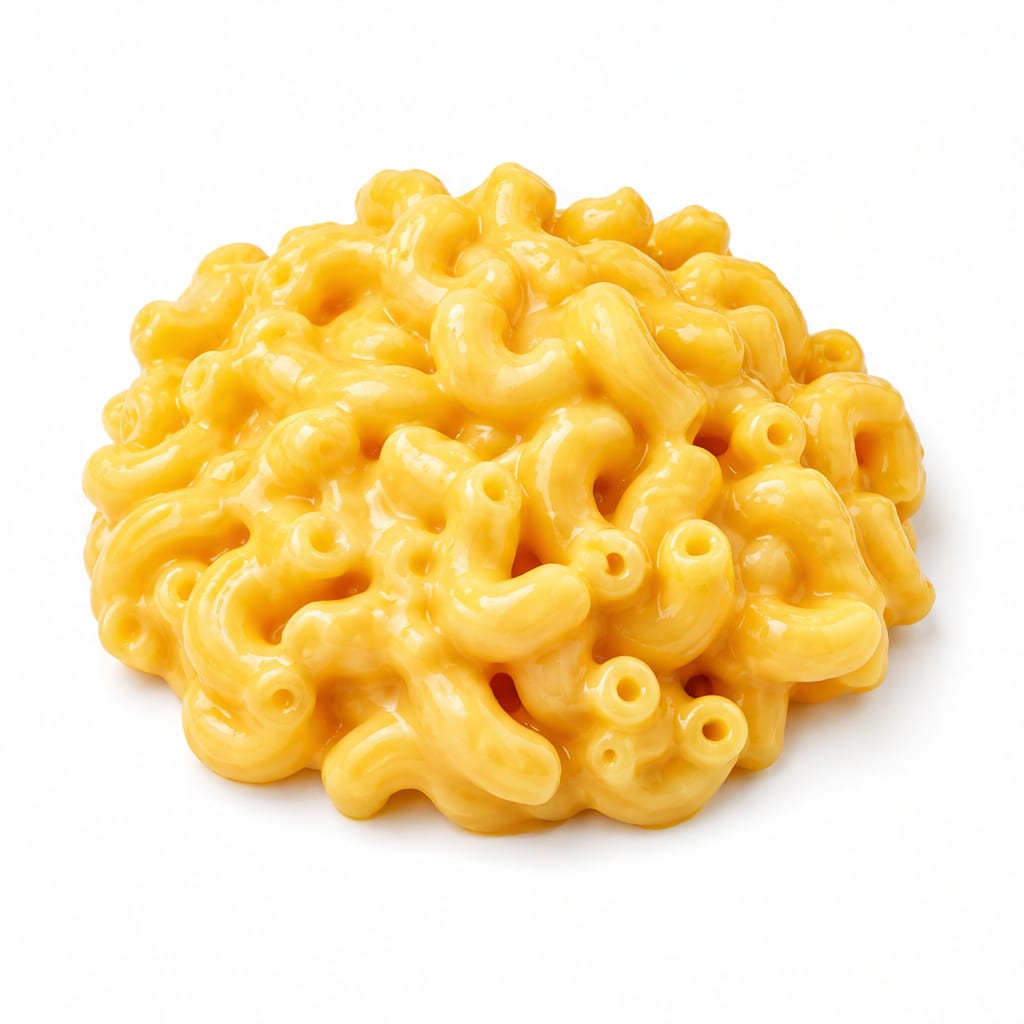
Compare with
Macaroni and Cheese
Mac and cheese lacks the tomato sauce, missing out on lycopene, but is nutritionally similar in carb and fat content.
Gnocchi Sorrentina includes tomato sauce for added vitamins and antioxidants, whereas mac and cheese offers slightly more protein but lacks vegetable nutrients.
This food
Gnocchi Sorrentina
VS85% alike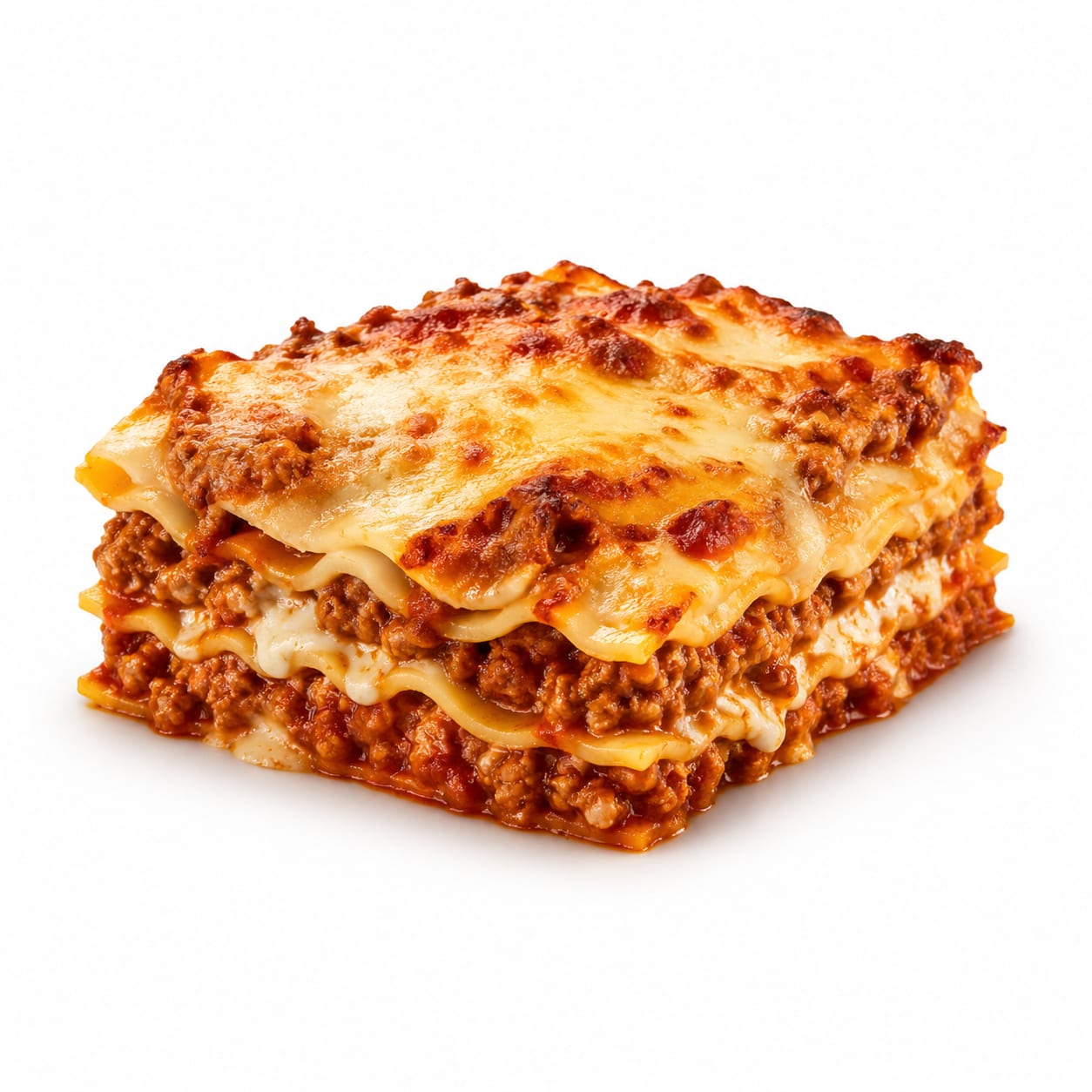
Compare with
Lasagna
Lasagna typically includes ricotta and meat, making it higher in protein and saturated fat than Gnocchi Sorrentina.
Lasagna provides more protein due to meat and ricotta, but Gnocchi Sorrentina is usually lower in overall calories and saturated fat.
This food
Gnocchi Sorrentina
VS75% alike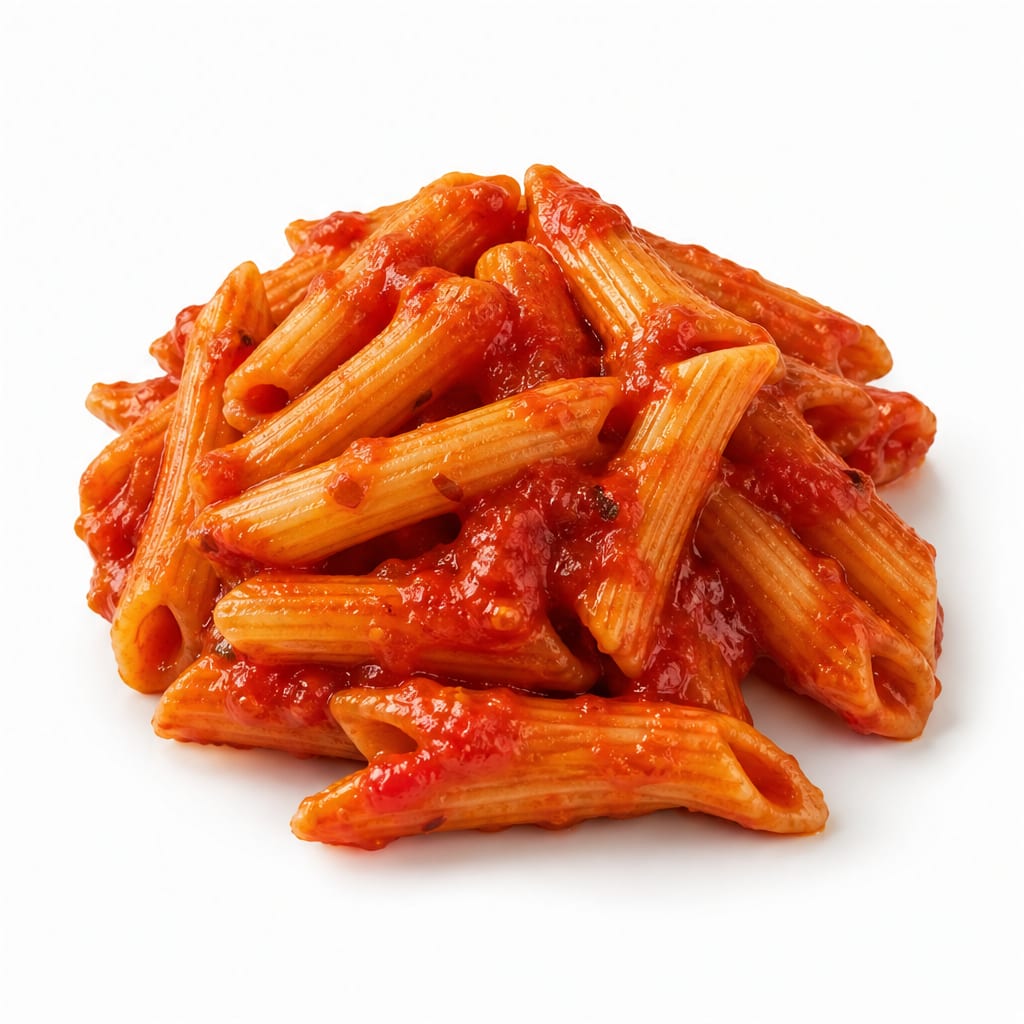
Compare with
Penne Arrabbiata
Penne arrabbiata lacks the heavy cheese layer, making it significantly lower in fat and calories.
Penne arrabbiata is much lower in fat and calories than Gnocchi Sorrentina because it skips the heavy mozzarella layer, making it better for weight loss.
This food
Gnocchi Sorrentina
VS80% alike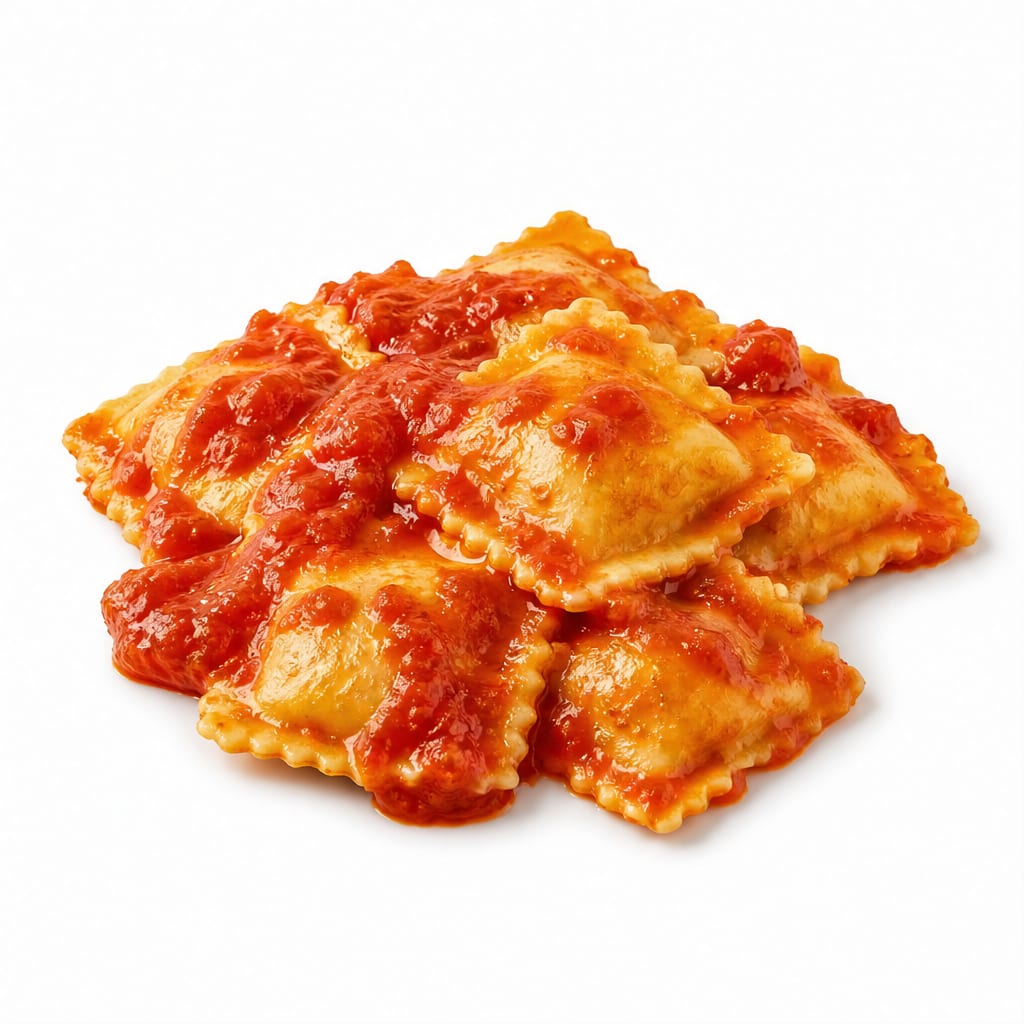
Compare with
Ravioli with Tomato Sauce
Ravioli often contains cheese or meat fillings, offering more protein but similar calorie density.
Cheese ravioli offers more protein than gnocchi, but both are calorie-dense. Gnocchi Sorrentina has a slightly higher glycemic impact due to the potato base.
This food
Gnocchi Sorrentina
VS75% alike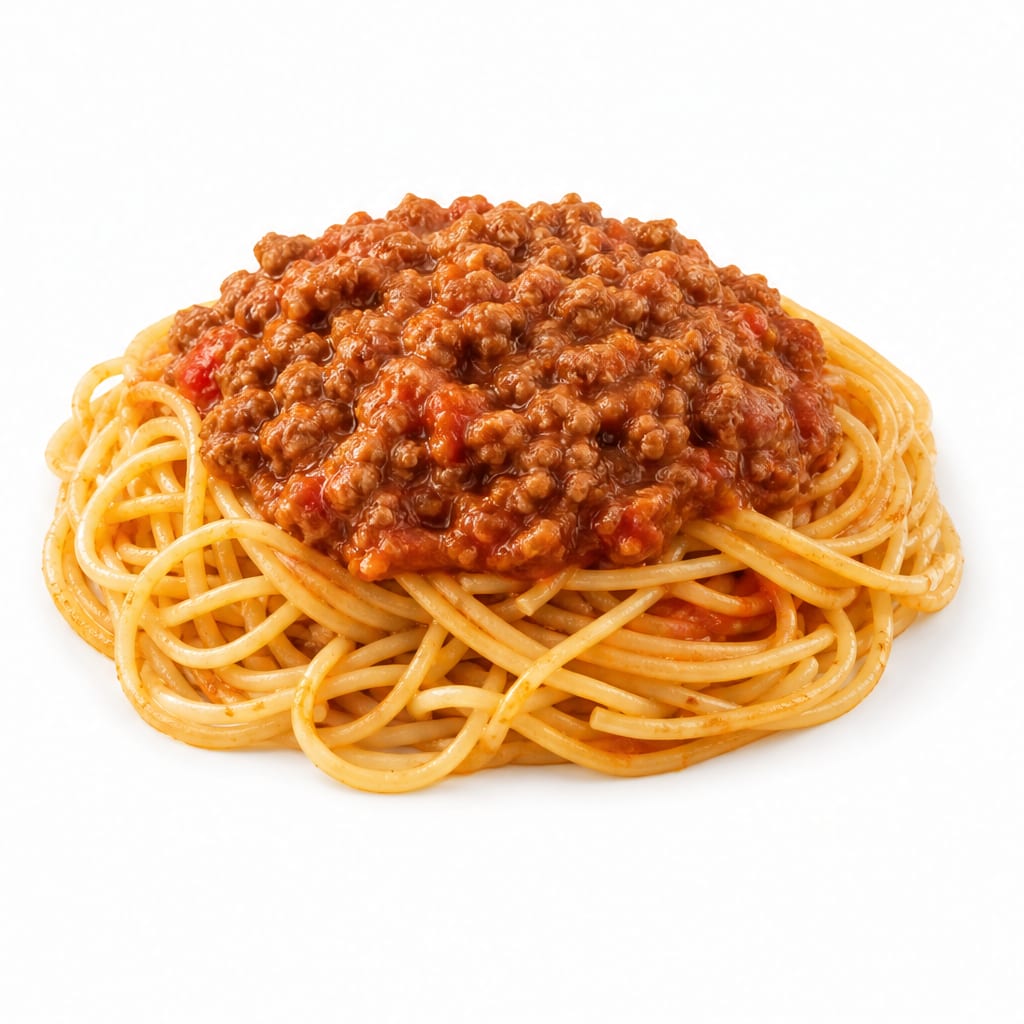
Compare with
Spaghetti Bolognese
Bolognese includes ground meat, providing significantly more protein and iron, but also more saturated fat depending on the meat used.
Spaghetti bolognese provides high protein from meat for muscle repair, while Gnocchi Sorrentina relies mostly on carbs and dairy fat with less protein.
This food
Gnocchi Sorrentina
VS85% alike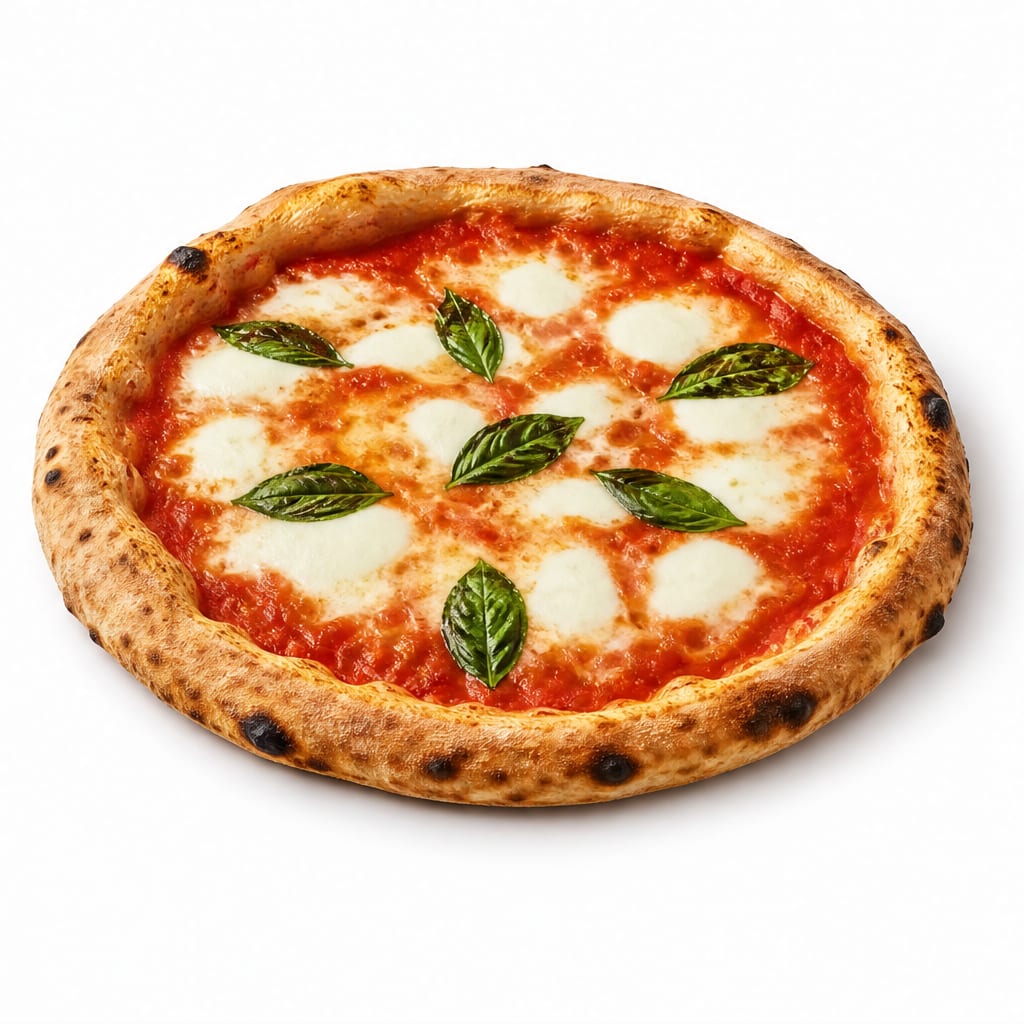
Compare with
Pizza Margherita
Pizza crust is typically lower in glycemic index than potato gnocchi, but both are high-carb comfort foods.
Pizza Margherita uses wheat dough which digests slightly slower than potato gnocchi, but both deliver similar profiles of refined carbs and melted cheese.
This food
Gnocchi Sorrentina
VS70% alike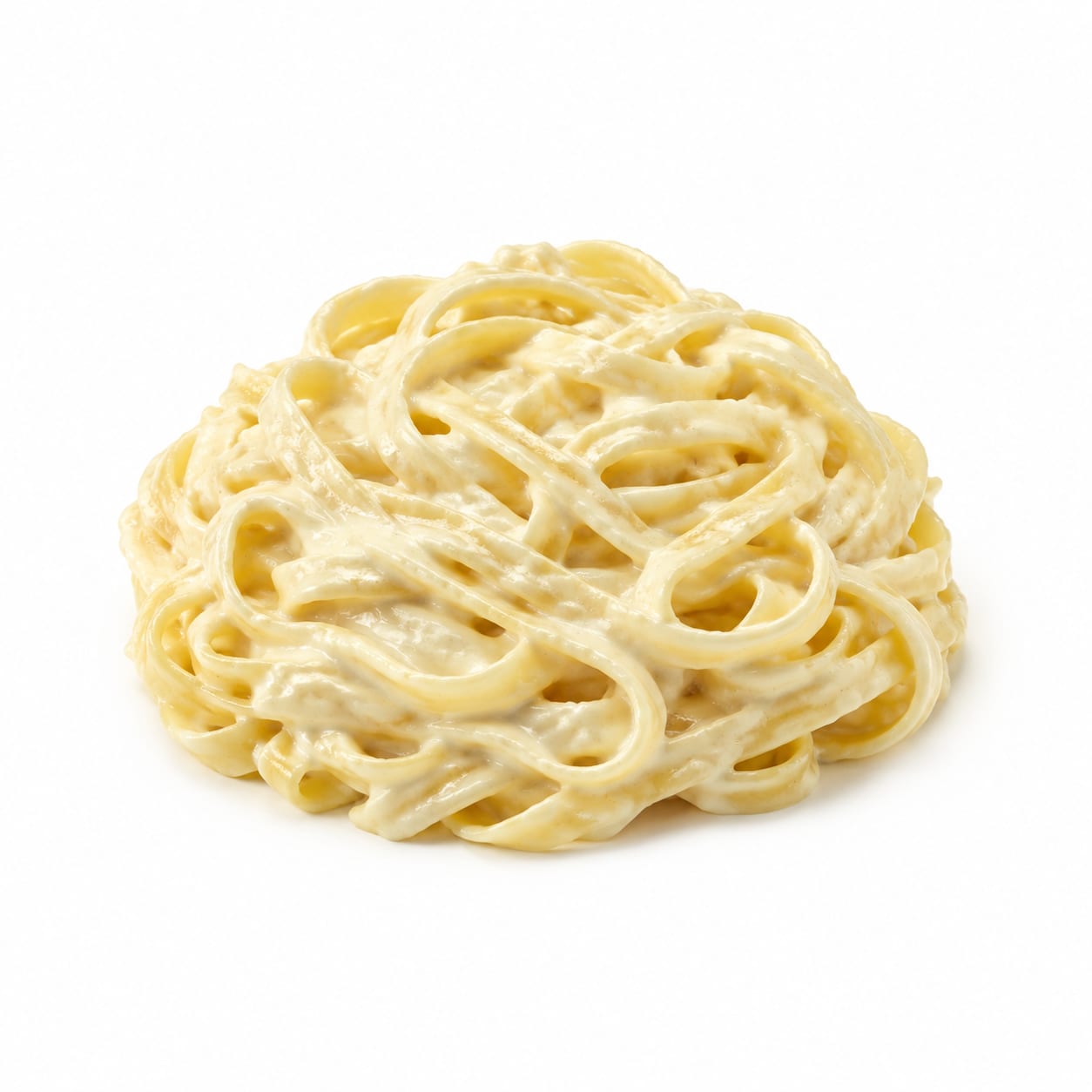
Compare with
Fettuccine Alfredo
Alfredo relies on butter and cream, making it much higher in saturated fat and calories than the tomato-based Sorrentina.
Gnocchi Sorrentina is lower in fat and calories than Fettuccine Alfredo, as the tomato base replaces the heavy cream and butter sauce.
This food
Gnocchi Sorrentina
VS70% alike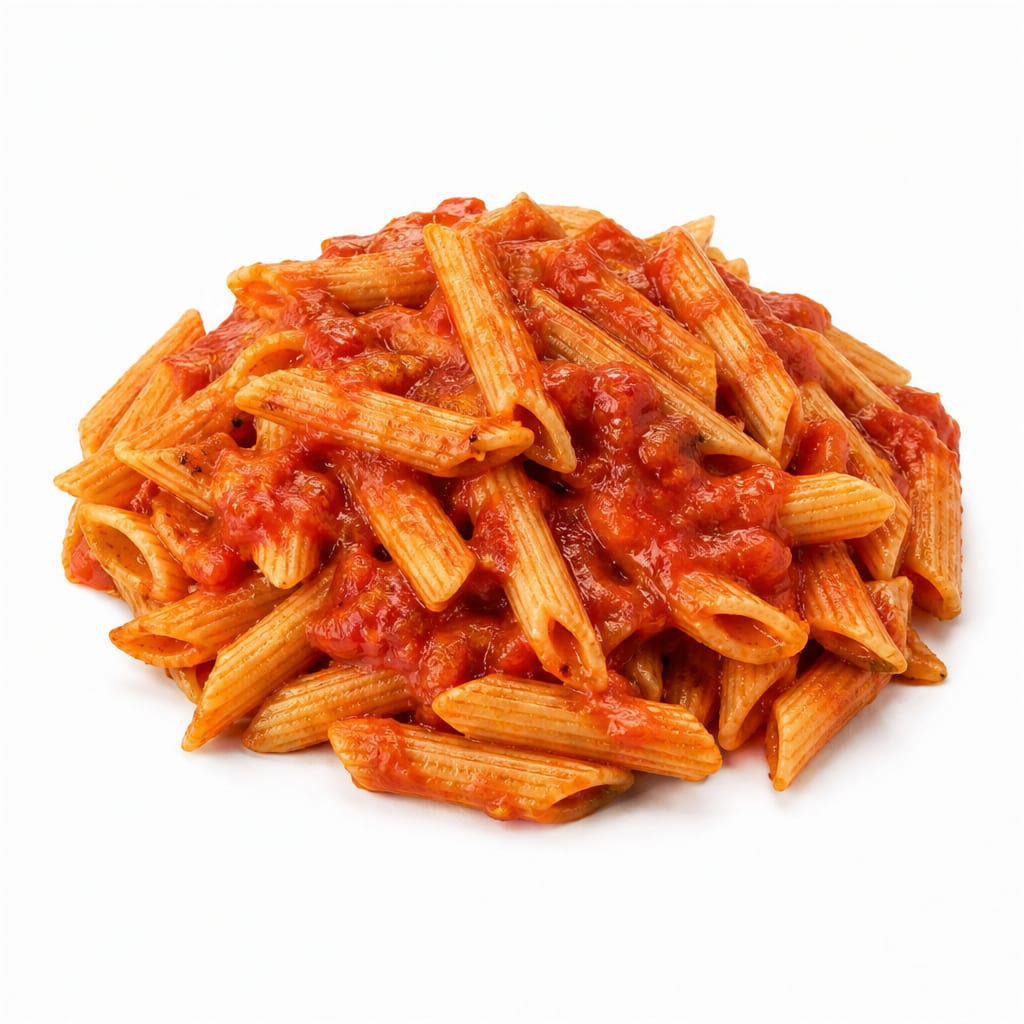
Compare with
Whole Wheat Pasta with Marinara
Whole wheat pasta offers triple the fiber and a lower glycemic index, completely outperforming potato gnocchi in metabolic health.
Whole wheat pasta with marinara provides much more fiber and slower-digesting carbs than Gnocchi Sorrentina, making it far superior for blood sugar and weight management.
Common questions
FAQ
Answers aligned with how people search for this food.
Is Gnocchi Sorrentina good for weight loss?
No, Gnocchi Sorrentina is not ideal for weight loss. It is calorie-dense due to the combination of potato gnocchi and mozzarella cheese, and its low fiber content means it may not keep you full for long relative to its calorie count.
How many calories are in Gnocchi Sorrentina?
A typical 100-gram serving of Gnocchi Sorrentina contains about 170 calories. A standard restaurant portion can easily exceed 400 calories due to heavy cheese and oil usage.
Can diabetics eat gnocchi?
Diabetics should be cautious with gnocchi. Potato gnocchi has a high glycemic index, meaning it digests quickly and can cause rapid blood sugar spikes. Pairing it with fiber or protein can help, but alternatives like cauliflower gnocchi are much better for blood sugar control.
What is the difference between gnocchi and Gnocchi Sorrentina?
Gnocchi refers to the dumpling itself, typically made from potatoes, flour, and eggs. Gnocchi Sorrentina is a specific prepared dish where the gnocchi are baked in tomato sauce with mozzarella cheese, similar to baked ziti but using gnocchi instead of tubular pasta.
Is gnocchi healthier than regular pasta?
Nutritionally, potato gnocchi and regular wheat pasta are similar in calories and carbs, but gnocchi has a higher glycemic index due to the potato content. Pasta made from durum wheat has a denser protein structure that digests slightly slower.
Does Gnocchi Sorrentina have a lot of carbs?
Yes, Gnocchi Sorrentina is a high-carb food. The potato dumplings and flour provide roughly 22 grams of carbohydrates per 100 grams, and the tomato sauce often adds a small amount of sugar as well.
How to make Gnocchi Sorrentina healthier?
To make it healthier, swap potato gnocchi for cauliflower or whole wheat gnocchi, use part-skim mozzarella to reduce saturated fat, and add vegetables like spinach or zucchini to the tomato sauce to increase fiber and nutrient density.
Is gnocchi a potato or pasta?
Gnocchi is technically a dumpling. While it is often served like pasta with sauce, traditional gnocchi is made from mashed potatoes mixed with flour, making it a potato dumpling rather than a traditional wheat pasta.
Transparency
Data confidence
Estimated confidence for nutrition data, interpretation, safety notes, and comparisons.
Nutrition data
Health analysis
Food safety
Comparisons