
Nutrition comparison
Gnocchi Sorrentina vs Ravioli with Tomato Sauce: Which Is Healthier?
Compare Gnocchi Sorrentina and Ravioli with Tomato Sauce on calories, protein, blood sugar impact, and satiety. Find out which Italian pasta dish is better for weight loss, diabetes, and everyday eating.
Overall winner · Ravioli with Tomato Sauce
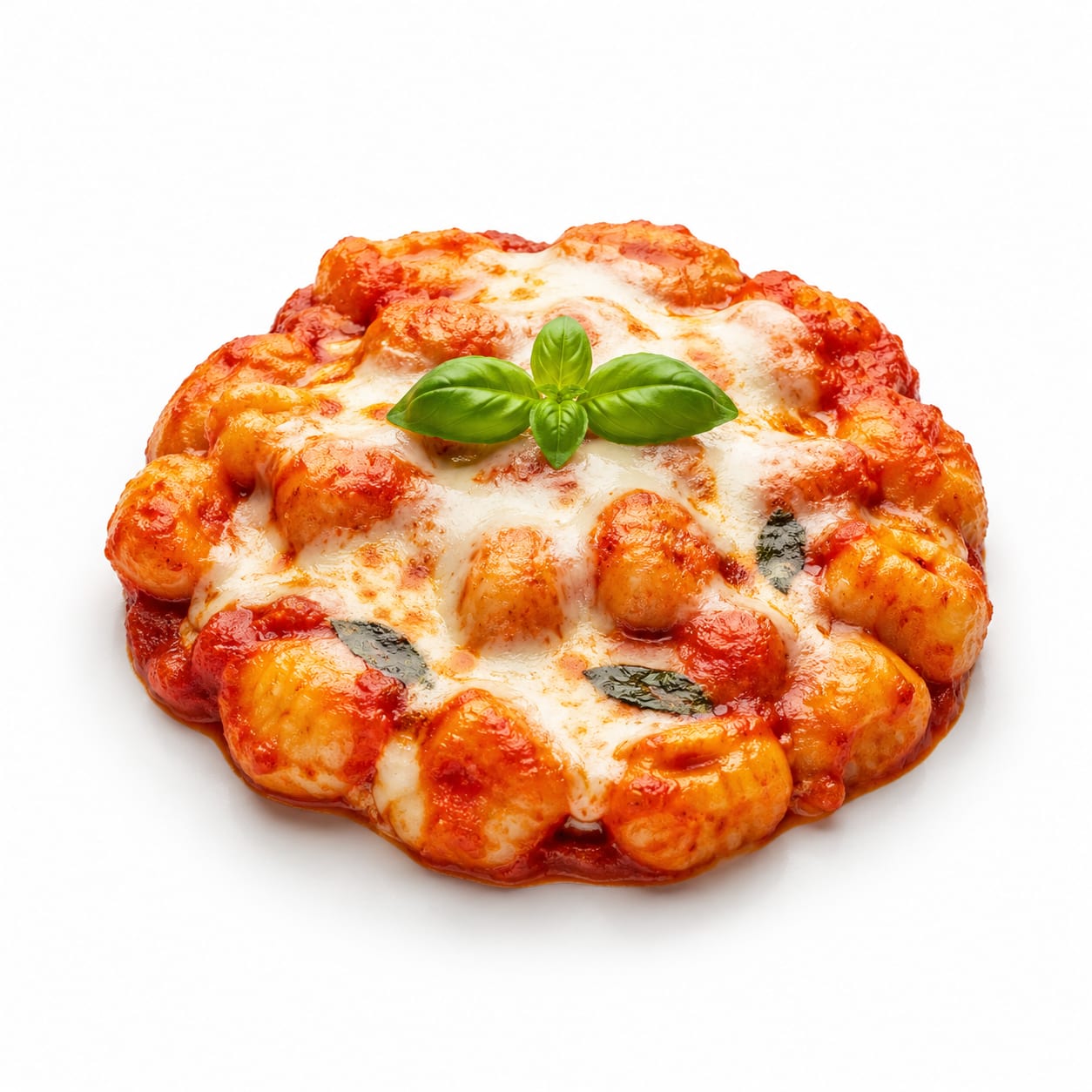
Gnocchi Sorrentina
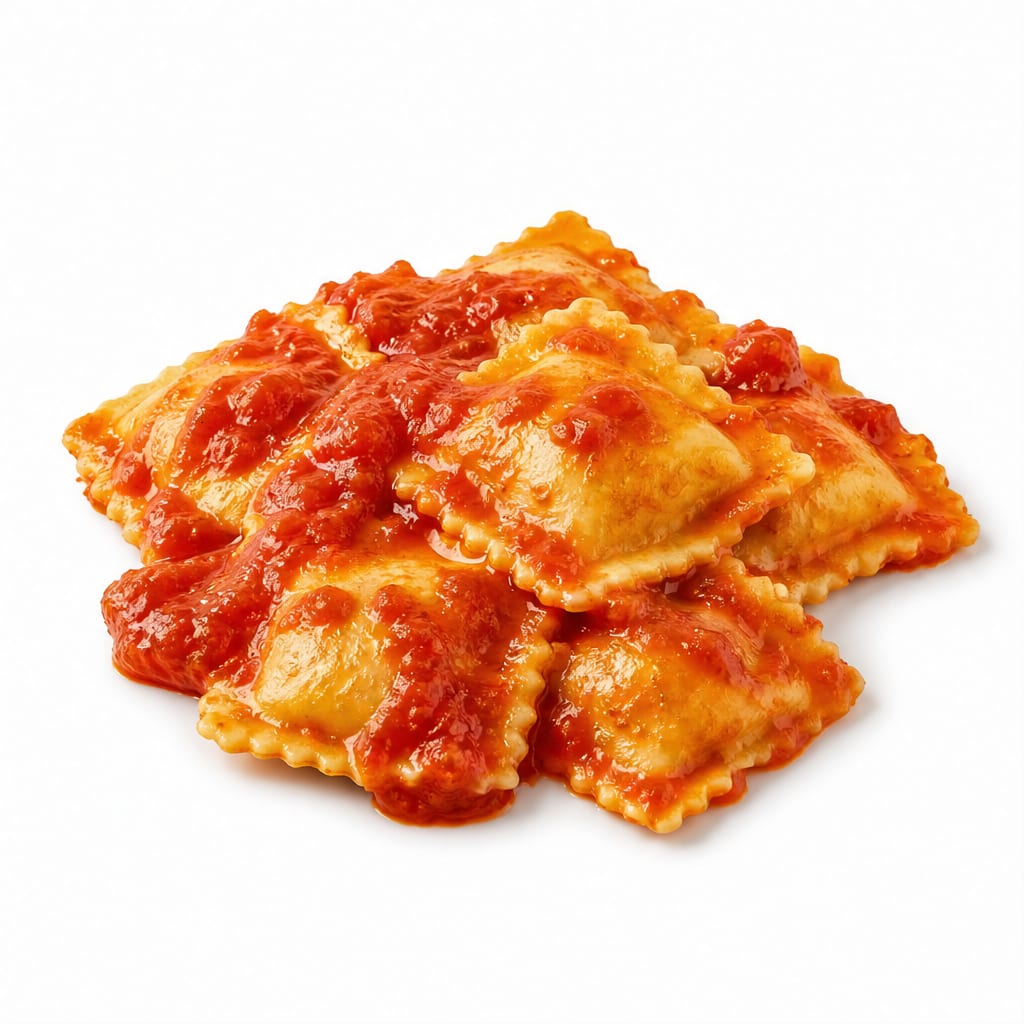
Ravioli with Tomato Sauce
Ravioli with Tomato Sauce edges ahead thanks to better protein content, steadier energy, and lighter calorie density, though Gnocchi Sorrentina wins on pure comfort appeal.
Ravioli with Tomato Sauce scores moderately higher due to superior protein content, better blood sugar stability, and lower calorie density. Gnocchi Sorrentina remains competitive on taste and comfort but loses ground on nutritional balance and daily usability.
Gnocchi Sorrentina delivers a richer, more indulgent experience but spikes blood sugar faster and packs more calories per bite. Ravioli with Tomato Sauce offers more balanced nutrition and sustained energy with less post-meal heaviness.
At a glance
Executive summary
Overall
Ravioli with Tomato Sauce
Healthier
Ravioli with Tomato Sauce
More practical
Ravioli with Tomato Sauce
Daily use
Ravioli with Tomato Sauce
Key comparison lenses
comfort meal selection with blood sugar awareness
Both are comforting Italian dishes but differ significantly in carbohydrate type and glycemic impact
protein and satiety comparison
Ravioli filling typically provides more protein, while gnocchi relies on potato starch which is less filling
calorie density and portion control
Gnocchi Sorrentina's baked cheese layer makes it easier to overconsume calories
digestive comfort and heaviness
Users often wonder which dish feels lighter after eating
meal timing and energy stability
Potato-based vs wheat-based carbs create different energy curves
Best choice for
Gnocchi Sorrentina
- Comfort-seeking diners wanting a cozy weekend meal
- Those who prefer baked, bubbly cheese-topped dishes
- Anyone needing a calorie-dense meal after intense physical activity
- People who find potato-based dishes easier to digest than wheat pasta
Ravioli with Tomato Sauce
- Everyday lunches where you want energy without the crash
- Anyone tracking protein intake or managing portions
- People managing blood sugar who still want a satisfying pasta dish
- Those who prefer a lighter meal that will not slow them down afterward
Least suitable for
Gnocchi Sorrentina
- People managing diabetes or insulin resistance
- Anyone closely monitoring calorie intake
- Those sensitive to high-fat dairy or heavy cheese loads
- People prone to afternoon energy crashes after carb-heavy meals
Ravioli with Tomato Sauce
- Those with wheat or gluten sensitivity who need potato-based alternatives
- Anyone seeking a very calorie-dense meal for weight gain
- People who find wheat pasta harder to digest than potato gnocchi
Deep comparison
Dimension by dimension
Each lens scores both foods and breaks down who each option suits.
- Dimension 1 · Priority 95Ravioli with Tomato Sauce
Blood Sugar Stability
Gnocchi Sorrentina · 42Ravioli with Tomato Sauce · 63Potato gnocchi digests faster than wheat-based ravioli, causing a quicker blood sugar rise and steeper drop.
Tradeoff
Gnocchi Sorrentina gives you quick comfort energy but leaves you hungrier sooner. Ravioli with Tomato Sauce releases energy more gradually.
Why it matters
If you eat this at lunch and need to stay sharp through the afternoon, the slower-digesting option makes a real difference in focus and cravings.
Real-world impact
After Gnocchi Sorrentina, you may feel sleepy within 90 minutes and reach for a snack by 3pm. Ravioli with Tomato Sauce tends to keep you satisfied longer.
Gnocchi Sorrentina
- Post-workout meals where quick glycogen replenishment is desired
- Active individuals who burn through carbs rapidly
Better for
- Sedentary evenings where excess glucose gets stored as fat
- Morning meals before prolonged sitting
Worse for
Ravioli with Tomato Sauce
- Office lunches where afternoon focus matters
- Anyone managing prediabetes or insulin sensitivity
- People trying to reduce between-meal snacking
Better for
- Immediately after endurance training when rapid carb uptake is beneficial
Worse for
- Dimension 2 · Priority 90Ravioli with Tomato Sauce
Protein Content and Satiety
Gnocchi Sorrentina · 38Ravioli with Tomato Sauce · 65Ravioli filling—whether ricotta, meat, or spinach-ricotta—delivers substantially more protein than potato-based gnocchi topped with mozzarella.
Tradeoff
Gnocchi Sorrentina relies on cheese for its protein, which also adds saturated fat. Ravioli gets protein from its filling with a more favorable fat profile.
Why it matters
Protein is what makes a meal actually filling. Without enough, you keep eating past your calorie needs because your body is still searching for satisfaction.
Real-world impact
A portion of Ravioli with Tomato Sauce typically provides 15-20g protein versus 8-12g for Gnocchi Sorrentina. That gap determines whether you feel full or reach for dessert.
Gnocchi Sorrentina
- Vegetarians who combine it with a side salad and legumes for complete protein
Better for
- People relying on this as their main meal without supplemental protein
Worse for
Ravioli with Tomato Sauce
- Anyone eating a single-dish meal who needs it to be filling on its own
- Older adults who need higher protein per meal to maintain muscle
- Active people recovering between workouts
Better for
- Those avoiding dairy if ricotta-filled ravioli is the only option
Worse for
- Dimension 3 · Priority 87Ravioli with Tomato Sauce
Calorie Density and Portion Control
Gnocchi Sorrentina · 40Ravioli with Tomato Sauce · 62The baked mozzarella layer on Gnocchi Sorrentina significantly increases calories per bite compared to ravioli with sauce alone.
Tradeoff
That golden cheese topping is exactly what makes Gnocchi Sorrentina irresistible, but it also makes portion control much harder.
Why it matters
When food is calorie-dense and highly palatable, you naturally eat more before feeling full. This combination is the recipe for unintentional overconsumption.
Real-world impact
A typical restaurant portion of Gnocchi Sorrentina can easily hit 700-900 calories. Ravioli with Tomato Sauce usually lands between 500-650 calories for a similar visual portion size.
Gnocchi Sorrentina
- Underweight individuals who struggle to eat enough calories
- Athletes in bulking phases who want calorie-dense meals
Better for
- Emotional eaters who find it hard to stop at one serving of cheesy baked dishes
Worse for
Ravioli with Tomato Sauce
- Anyone managing weight who still wants to enjoy pasta
- People who prefer larger portion sizes with fewer calories
Better for
- People who feel unsatisfied with normal portions and need higher calorie density
Worse for
- Dimension 4 · Priority 78It depends
Digestive Comfort
Gnocchi Sorrentina · 58Ravioli with Tomato Sauce · 55Potato gnocchi can be gentler on sensitive stomachs, but the heavy cheese and baked preparation may cause bloating. Ravioli is slightly heavier to digest due to wheat pasta but lighter in sauce.
Tradeoff
Gnocchi Sorrentina is softer and easier to chew but the cheese layer adds digestive load. Ravioli requires more digestion effort for the pasta itself but has less heavy sauce.
Why it matters
If you have a sensitive stomach or are eating late, the difference between feeling comfortably full and feeling painfully stuffed matters a lot.
Real-world impact
After Gnocchi Sorrentina, you may feel warm and comforted but also heavy and sluggish. Ravioli with Tomato Sauce tends to sit lighter even though it is still a substantial meal.
Gnocchi Sorrentina
- People with dental issues who need very soft food
- Those who find wheat pasta bloating but tolerate potato well
Better for
- Anyone prone to acid reflux from baked cheese dishes
- People with lactose sensitivity
Worse for
Ravioli with Tomato Sauce
- People sensitive to heavy cheese who prefer tomato-based lightness
- Late dinners where you want to sleep comfortably afterward
Better for
- Those with wheat sensitivity or mild gluten intolerance
Worse for
- Dimension 5 · Priority 72Ravioli with Tomato Sauce
Sodium Load
Gnocchi Sorrentina · 45Ravioli with Tomato Sauce · 58Baked mozzarella and the cheese-heavy preparation of Gnocchi Sorrentina typically push sodium higher than ravioli with tomato sauce.
Tradeoff
The savory depth of Gnocchi Sorrentina comes partly from saltier cheese, while ravioli with sauce can be seasoned more lightly.
Why it matters
For anyone watching blood pressure or prone to bloating, sodium differences between similar-looking meals can be surprisingly significant.
Real-world impact
Gnocchi Sorrentina can deliver 800-1200mg sodium per serving. Ravioli with Tomato Sauce typically ranges 600-900mg, giving you more room before hitting daily limits.
Gnocchi Sorrentina
- Athletes who lose sodium through heavy sweating and need replenishment
Better for
- Those already consuming high-sodium foods earlier in the day
Worse for
Ravioli with Tomato Sauce
- Anyone with hypertension or sodium-sensitive blood pressure
- People who experience bloating from salty meals
Better for
- People who need extra sodium after intense exercise in heat
Worse for
- Dimension 6 · Priority 70Ravioli with Tomato Sauce
Nutritional Variety and Micronutrients
Gnocchi Sorrentina · 48Ravioli with Tomato Sauce · 64Ravioli fillings like spinach, ricotta, or meat add vitamins and minerals that plain potato gnocchi cannot match.
Tradeoff
Gnocchi Sorrentina offers potassium from potatoes and calcium from mozzarella, but ravioli provides a broader micronutrient profile depending on the filling.
Why it matters
Meals that combine multiple ingredients tend to deliver more trace nutrients without any extra effort from you.
Real-world impact
Spinach-ricotta ravioli adds iron, vitamin K, and folate. Meat-filled ravioli adds zinc and B12. Gnocchi Sorrentina mainly offers potassium and calcium but in a narrower nutritional package.
Gnocchi Sorrentina
- Those specifically wanting potassium-rich foods for muscle cramp prevention
Better for
- People relying on this meal as a nutritional cornerstone
Worse for
Ravioli with Tomato Sauce
- Anyone eating limited variety who needs each meal to deliver more nutrients
- Women needing iron from spinach-filled ravioli options
Better for
- Those avoiding specific fillings due to allergies
Worse for
Timeline
Health impact over time
Short-term
Hours to days
Gnocchi Sorrentina
- Quick energy boost from rapidly digesting potato carbohydrates
- Post-meal drowsiness likely within 1-2 hours due to blood sugar spike and crash
- Heavy fullness from baked cheese that may reduce physical activity comfort
- Potential bloating from combination of cheese and dense starch
Ravioli with Tomato Sauce
- Steadier energy release over 2-3 hours from wheat pasta and protein-rich filling
- Moderate satiety that allows comfortable movement after eating
- Less post-meal fatigue compared to the baked cheese-heavy alternative
- Better hunger control between meals due to higher protein content
Long-term
Months to years
Gnocchi Sorrentina
- More frequent consumption may contribute to higher saturated fat intake from mozzarella
- Regular blood sugar spikes could worsen insulin sensitivity over time
- Higher calorie density makes unintentional weight gain more likely if eaten often
- Calcium intake benefits from regular mozzarella consumption
Ravioli with Tomato Sauce
- Better blood sugar patterns support long-term metabolic health
- Higher protein per meal helps preserve muscle mass, especially important with aging
- Lower calorie density makes weight maintenance easier when eaten regularly
- Iron and B-vitamin intake from fillings supports energy metabolism long-term
Risk profile
Safety & processing
Both dishes are traditionally made with whole-food ingredients. Fresh gnocchi uses potatoes, flour, and eggs. Fresh ravioli uses wheat flour, eggs, and filling ingredients. The main concern is restaurant or packaged versions that may include preservatives, but homemade preparations of both are clean and natural.
Gnocchi Sorrentina
Dairy-related foodborne illness
mediumBaked mozzarella must reach proper internal temperature. Improperly stored cheese can harbor Listeria, though baking reduces this risk significantly.
Staphylococcal toxin from cheese
lowIf mozzarella sits at room temperature too long before baking, toxin production can occur. Reheating does not destroy this toxin.
Ravioli with Tomato Sauce
Undercooked filling contamination
mediumMeat-filled ravioli must reach safe internal temperature. The pasta exterior can look done while the filling remains undercooked, especially with frozen ravioli.
Dairy handling in ricotta filling
lowFresh ricotta in ravioli filling is perishable and must be kept cold before cooking. Proper cooking eliminates most bacterial concerns.
Who wins for whom
Audience fit
Same foods, different winners depending on your goal.
children
Gnocchi SorrentinaKids love the soft texture and melted cheese of Gnocchi Sorrentina. It feels like comfort food and is easier for small children to chew.
daily consumption
Ravioli with Tomato SauceBetter nutritional balance, steadier energy, and lower calorie density make Ravioli with Tomato Sauce more sustainable as a regular meal without negative metabolic effects.
diabetes
Ravioli with Tomato SauceWheat pasta digests more slowly than potato gnocchi, creating a gentler blood sugar curve. The extra protein also slows glucose absorption.
elderly
It dependsGnocchi Sorrentina is softer and easier to chew for those with dental issues, but Ravioli with Tomato Sauce provides more protein which elderly adults critically need for muscle preservation.
muscle gain
Ravioli with Tomato SauceRavioli provides more protein per serving from its filling, which is critical for muscle repair and growth.
weight loss
Ravioli with Tomato SauceLower calorie density and higher protein make Ravioli with Tomato Sauce more filling per calorie, helping you eat less without feeling deprived.
Your move
Decision guide
Choose Gnocchi Sorrentina
- You want a cozy, indulgent weekend meal and are not worried about calories
- You are eating after intense exercise and need quick carbs and extra calories
- You find wheat pasta difficult to digest but tolerate potato-based dishes well
- You are cooking for children who prefer soft, cheesy, baked dishes
- You are underweight and actively trying to increase calorie intake
Choose Ravioli with Tomato Sauce
- You want a satisfying pasta meal without the afternoon energy crash
- You are managing your weight, blood sugar, or overall daily calorie intake
- You need more protein from your meals to support activity or healthy aging
- You are eating this as a regular weekday meal rather than an occasional treat
- You prefer a lighter meal that will not leave you feeling sluggish afterward
Either works if
- You are eating occasionally as part of an overall balanced diet
- You have no specific health concerns and simply want a satisfying Italian meal
- You plan to add a side salad or vegetables to balance either option
Avoid both if
- You have celiac disease or severe gluten intolerance unless using gluten-free versions
- You are following a strict low-carb or ketogenic diet
- You are highly sensitive to dairy and cannot tolerate mozzarella or ricotta
- You need a meal under 400 calories for a specific dietary plan
Final recommendation
For most people eating pasta more than occasionally, Ravioli with Tomato Sauce is the smarter everyday choice. It delivers more protein, steadier energy, and easier portion control while still feeling like a proper Italian meal. Save Gnocchi Sorrentina for when you genuinely want that baked cheese comfort experience, and enjoy it mindfully without guilt.
Practical
Consumer tips
- 1
Ask for half-portions of Gnocchi Sorrentina at restaurants or share with someone to manage calorie intake
- 2
Choose spinach or meat-filled ravioli over plain cheese filling for the most nutritional benefit
- 3
Add a side of roasted vegetables or a large green salad to either dish to increase fiber and fullness without many extra calories
- 4
If making gnocchi at home, use less mozzarella on top and add vegetables to the sauce for better balance
- 5
Whole wheat ravioli options provide even more fiber and slower energy release if available
- 6
Avoid eating either dish right before needing to be physically active or mentally sharp for at least 90 minutes
- 7
Restaurant portions of both dishes are typically 2-3 times a reasonable serving size. Consider boxing half before you start eating.