
Nutrition comparison
Gnocchi Sorrentina vs Spaghetti Bolognese: Which Italian Classic Is Healthier?
Compare Gnocchi Sorrentina and Spaghetti Bolognese on protein, blood sugar impact, satiety, and more. Find out which Italian comfort dish better fits your health goals.
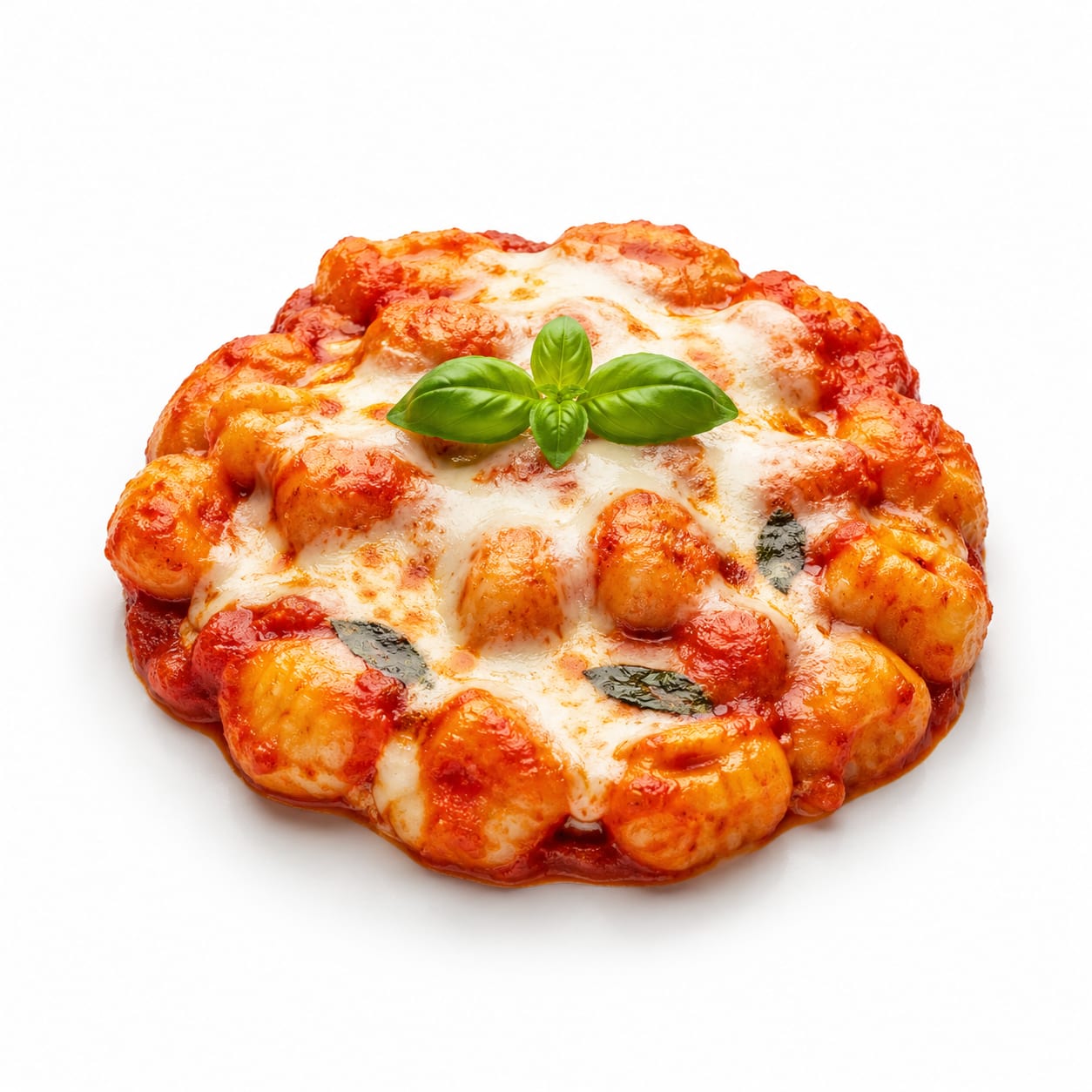
Gnocchi Sorrentina
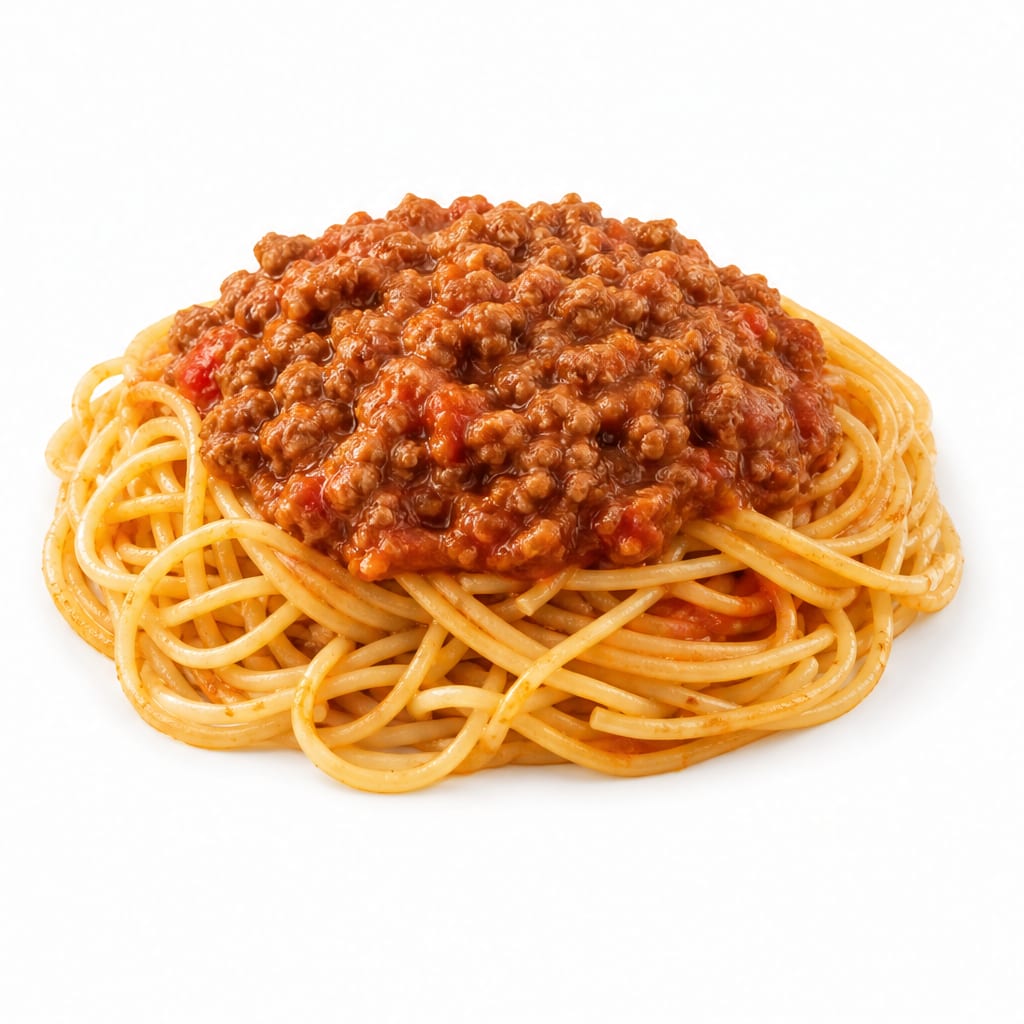
Spaghetti Bolognese
Spaghetti Bolognese delivers more protein and longer-lasting fullness, while Gnocchi Sorrentina offers a lighter, vegetarian-friendly comfort experience with faster energy.
Spaghetti Bolognese scores higher mainly due to superior protein content, better satiety, and more stable blood sugar response. Gnocchi Sorrentina remains competitive for vegetarian diets and lighter appetites but loses ground on fullness and metabolic steadiness.
Sustained satiety and iron from meat ragù versus the quicker-digesting, cheese-forward comfort of baked gnocchi.
At a glance
Executive summary
Overall
It depends
Healthier
Spaghetti Bolognese
More practical
Spaghetti Bolognese
Daily use
Spaghetti Bolognese
Key comparison lenses
comfort meal selection with nutritional awareness
Both are hearty Italian comfort dishes, so users are likely choosing between them for a satisfying meal
protein and satiety comparison
The meat ragù in Spaghetti Bolognese dramatically changes the protein profile compared to the cheese-based Gnocchi Sorrentina
blood sugar impact and carb quality
Potato-based gnocchi vs wheat pasta creates meaningfully different glycemic responses
vegetarian vs meat-eater preference
Gnocchi Sorrentina is naturally vegetarian while Spaghetti Bolognese is firmly not
calorie density and portion control
Both are calorie-dense but in different ways that affect how easily you overeat
Best choice for
Gnocchi Sorrentina
- Vegetarians wanting a hearty Italian meal
- Those seeking quicker pre-workout energy
- People who prefer lighter, cheese-forward flavors
- Anyone avoiding red meat
Spaghetti Bolognese
- Active individuals needing sustained energy
- People focused on muscle maintenance or growth
- Those who stay full longer with protein-rich meals
- Anyone prone to afternoon energy crashes
Least suitable for
Gnocchi Sorrentina
- People managing diabetes or insulin resistance
- Those needing high protein intake
- Anyone sensitive to dairy
- People who struggle with portion control on carb-heavy meals
Spaghetti Bolognese
- Vegetarians and vegans
- People limiting red meat consumption
- Those watching saturated fat intake
- Anyone with tomato sensitivity or acid reflux
Deep comparison
Dimension by dimension
Each lens scores both foods and breaks down who each option suits.
- Dimension 1 · Priority 95Spaghetti Bolognese
Protein Quality and Quantity
Gnocchi Sorrentina · 35Spaghetti Bolognese · 82Spaghetti Bolognese delivers roughly 3-4 times more protein thanks to the meat ragù, making it far more useful for muscle maintenance and satiety.
Tradeoff
You gain complete protein and iron from beef but take on more saturated fat and lose the vegetarian option.
Why it matters
Protein is the main driver of fullness after a meal. Low-protein meals often leave you hungry again within two hours.
Real-world impact
After Spaghetti Bolognese, you are likely satisfied for 4-5 hours. After Gnocchi Sorrentina, you may be searching for a snack within 2-3 hours.
Gnocchi Sorrentina
- Lighter eaters who prefer smaller protein portions
- Those who get protein from other meals in the day
Better for
- People relying on this meal as their main protein source
Worse for
Spaghetti Bolognese
- Anyone needing sustained fullness
- Active people and older adults preserving muscle
Better for
- Those strictly limiting red meat intake
Worse for
- Dimension 2 · Priority 90Spaghetti Bolognese
Blood Sugar Stability
Gnocchi Sorrentina · 38Spaghetti Bolognese · 62Potato gnocchi digests faster than wheat pasta, and the lower protein content in Gnocchi Sorrentina means less slowdown of carbohydrate absorption.
Tradeoff
Gnocchi Sorrentina gives you quicker energy but risks a steeper crash. Spaghetti Bolognese releases energy more gradually.
Why it matters
Faster-digesting carbs can trigger hunger returns and energy dips, especially in sedentary contexts.
Real-world impact
Eat Gnocchi Sorrentina at lunch and you may feel sluggish by 3pm. Spaghetti Bolognese carries you more smoothly through the afternoon.
Gnocchi Sorrentina
- Pre-workout fueling when you need quick-available energy
- People with high metabolic flexibility
Better for
- People with blood sugar management concerns
Worse for
Spaghetti Bolognese
- Office workers sitting through long afternoons
- Anyone managing prediabetes or insulin resistance
Better for
- Those who find heavy meals cause afternoon sluggishness
Worse for
- Dimension 3 · Priority 88Spaghetti Bolognese
Satiety and Fullness
Gnocchi Sorrentina · 45Spaghetti Bolognese · 78The combination of protein, fat, and fiber in Spaghetti Bolognese creates significantly longer-lasting fullness than the cheese-and-potato profile of Gnocchi Sorrentina.
Tradeoff
Deeper satiety comes with heavier digestive load and more calories per serving.
Why it matters
Meals that fail to fill you up lead to snacking and higher total daily intake.
Real-world impact
One plate of Spaghetti Bolognese often genuinely feels like a complete meal. Gnocchi Sorrentina can feel more like a first course.
Gnocchi Sorrentina
- People who prefer eating smaller, more frequent meals
- Those who dislike feeling overly full
Better for
- Chronic snackers who need meals to truly fill them
Worse for
Spaghetti Bolognese
- Anyone trying to reduce between-meal snacking
- People who eat one main meal and need it to last
Better for
- People who feel uncomfortably heavy after large meals
Worse for
- Dimension 4 · Priority 75Gnocchi Sorrentina
Calorie Density and Portion Control
Gnocchi Sorrentina · 55Spaghetti Bolognese · 45Gnocchi Sorrentina is slightly easier to portion reasonably because the baked cheese layer creates natural visual stopping points, while meat sauce blends seamlessly into pasta.
Tradeoff
Easier portioning comes with less nutritional payoff per calorie consumed.
Why it matters
Calorie density determines how easily you overeat without realizing it.
Real-world impact
A reasonable plate of Gnocchi Sorrentina might run 500-600 calories. Spaghetti Bolognese portions in restaurants often exceed 800-1000 calories before you notice.
Gnocchi Sorrentina
- Mindful eaters who use visual cues to stop eating
- Those who prefer smaller, satisfying portions
Better for
- Cheese lovers who go back for seconds
Worse for
Spaghetti Bolognese
- People who count calories and track precisely anyway
Better for
- Anyone who eats until the plate is clean without thinking
Worse for
- Dimension 5 · Priority 72Spaghetti Bolognese
Micronutrient Profile
Gnocchi Sorrentina · 42Spaghetti Bolognese · 68Spaghetti Bolognese provides significantly more iron, zinc, and B12 from the meat ragù. Gnocchi Sorrentina offers more calcium from mozzarella but falls short on most other minerals.
Tradeoff
Better micronutrient density from meat comes with higher saturated fat and potential inflammatory concerns.
Why it matters
Iron and B12 deficiencies are common, especially among women and older adults.
Real-world impact
Regularly choosing Spaghetti Bolognese can meaningfully contribute to iron intake. Gnocchi Sorrentina adds calcium but not much else nutritionally.
Gnocchi Sorrentina
- People who already get plenty of iron from other sources
- Those specifically wanting calcium support
Better for
- Anyone at risk for iron deficiency
Worse for
Spaghetti Bolognese
- Women of reproductive age who need iron
- Older adults at risk for B12 deficiency
Better for
- People with hemochromatosis or iron overload concerns
Worse for
- Dimension 6 · Priority 68Gnocchi Sorrentina
Digestive Comfort
Gnocchi Sorrentina · 65Spaghetti Bolognese · 50Gnocchi Sorrentina is generally easier on the stomach due to simpler ingredients and softer texture. Spaghetti Bolognese combines meat, tomato acidity, and wheat, which can trigger reflux or bloating.
Tradeoff
Gentler digestion comes with less nutritional substance per meal.
Why it matters
Heavy meals late in the day can disrupt sleep and cause discomfort that outweighs nutritional benefits.
Real-world impact
Gnocchi Sorrentina as a late dinner is less likely to cause heartburn. Spaghetti Bolognese eaten after 8pm often means sleeping poorly.
Gnocchi Sorrentina
- People with acid reflux or GERD
- Those who eat dinner close to bedtime
Better for
- Those sensitive to dairy who may react to mozzarella
Worse for
Spaghetti Bolognese
- People with iron stomachs who digest anything easily
Better for
- Anyone prone to heartburn or post-meal bloating
Worse for
- Dimension 7 · Priority 70Gnocchi Sorrentina
Vegetarian and Dietary Flexibility
Gnocchi Sorrentina · 85Spaghetti Bolognese · 15Gnocchi Sorrentina is naturally vegetarian and can be easily adapted for various dietary needs. Spaghetti Bolognese is firmly meat-based with no simple vegetarian equivalent that tastes the same.
Tradeoff
Dietary inclusivity means missing out on the nutritional benefits of red meat.
Why it matters
For vegetarians, this is not a choice at all. For flexible eaters, it determines how shareable the meal is.
Real-world impact
Gnocchi Sorrentina works for nearly everyone at the table. Spaghetti Bolognese requires a separate option for vegetarian guests.
Gnocchi Sorrentina
- Vegetarian households
- Mixed-diet groups sharing a meal
- People reducing meat intake for environmental reasons
Better for
- Vegans who also avoid dairy and eggs
Worse for
Spaghetti Bolognese
- Omnivores who have no dietary restrictions
Better for
- Any vegetarian, pescatarian, or meat-reducing eater
Worse for
Timeline
Health impact over time
Short-term
Hours to days
Gnocchi Sorrentina
- Quick energy boost from easily digested potato carbs
- Possible sleepiness within 90 minutes as blood sugar rises and falls
- Mild satisfaction from cheese fat but hunger may return quickly
- Generally comfortable digestion with low reflux risk
Spaghetti Bolognese
- Steady energy release over 3-4 hours from protein-fat-carb balance
- Strong fullness signals that reduce desire to snack
- Possible heaviness or bloating if portion is large
- Tomato acidity may trigger mild heartburn in sensitive people
Long-term
Months to years
Gnocchi Sorrentina
- Regular consumption without protein balance may reduce muscle maintenance over time
- Higher glycemic load could contribute to insulin resistance if eaten frequently
- Calcium from mozzarella supports bone health
- Lower saturated fat intake compared to meat-based alternatives
Spaghetti Bolognese
- Consistent iron and B12 intake supports energy and cognitive function
- Regular red meat consumption should be moderated to 2-3 times per week for heart health
- Higher protein intake helps preserve muscle mass with aging
- Saturated fat from beef may raise LDL cholesterol if eaten too frequently
Risk profile
Safety & processing
Both dishes use recognizable whole-food ingredients. Gnocchi Sorrentina relies on potatoes, flour, tomato sauce, and mozzarella. Spaghetti Bolognese uses wheat pasta, ground beef, tomatoes, and aromatics. Neither is ultra-processed, though store-bought gnocchi often contains preservatives, and commercial meat sauces may hide added sugars and sodium.
Gnocchi Sorrentina
Dairy-related foodborne illness
lowMozzarella is typically made from pasteurized milk, but fresh varieties can harbor listeria if not handled properly. Refrigeration and prompt consumption minimize this.
Acrylamide from baked cheese
lowThe browned cheese crust on baked Gnocchi Sorrentina contains small amounts of acrylamide, though the levels are minimal and not a practical health concern.
Spaghetti Bolognese
Red meat and heme iron exposure
mediumRegular consumption of red meat is associated with increased colorectal cancer risk. The heme iron in beef can promote formation of N-nitroso compounds in the gut. Moderation to 2-3 servings per week is advisable.
Ground beef contamination
mediumGround beef has higher surface area for bacterial contamination compared to whole cuts. Thorough cooking to 160°F eliminates most risk, but cross-contamination during preparation remains a concern.
Who wins for whom
Audience fit
Same foods, different winners depending on your goal.
children
It dependsGnocchi Sorrentina is often more appealing to kids due to soft texture and mild cheese flavor. Spaghetti Bolognese provides better nutrition for growth but some children resist meat sauce.
daily consumption
Gnocchi SorrentinaGnocchi Sorrentina is lighter and lower in saturated fat, making it more sustainable as an occasional regular meal. Spaghetti Bolognese should be limited to a few times per week due to red meat health considerations.
diabetes
Spaghetti BologneseThe protein and fat in meat ragù slow carbohydrate absorption, resulting in a more gradual blood sugar rise. Potato gnocchi digests quickly and can cause sharper glucose spikes.
elderly
Spaghetti BologneseOlder adults benefit significantly from the protein, iron, and B12 in Spaghetti Bolognese. Sarcopenia prevention requires adequate protein intake that Gnocchi Sorrentina does not provide.
muscle gain
Spaghetti BologneseComplete protein from beef provides all essential amino acids needed for muscle repair and growth. Gnocchi Sorrentina simply cannot compete on protein quantity or quality.
weight loss
Spaghetti BologneseHigher protein content in Spaghetti Bolognese creates stronger satiety signals, reducing the likelihood of overeating later in the day. The tradeoff is that portions must still be controlled due to calorie density.
Your move
Decision guide
Choose Gnocchi Sorrentina
- You are vegetarian or cooking for vegetarian guests
- You want a lighter meal that will not weigh you down
- You are eating late and want something gentle before bed
- You prefer cheese-forward flavors over meat sauce
- You need quick energy before physical activity
Choose Spaghetti Bolognese
- You want a meal that keeps you full for hours
- You are active and need protein for recovery
- You have been feeling low-energy and may need iron
- You are eating lunch and need to power through a long afternoon
- You want one satisfying plate rather than multiple courses
Either works if
- You are craving Italian comfort food and both sound good
- You have no specific dietary restrictions or health goals
- You are eating socially and the choice does not matter much
Avoid both if
- You are strictly managing carbohydrate intake for diabetes or keto
- You have severe gluten intolerance or celiac disease
- You are trying to minimize calorie-dense meals for weight loss
- You have tomato sensitivity or nightshade intolerance
Final recommendation
For most people most of the time, Spaghetti Bolognese is the more nutritionally complete choice. The protein, iron, and sustained energy make it a proper meal rather than just a comfort dish. However, if you are vegetarian, eating late, or simply want something lighter, Gnocchi Sorrentina is a perfectly valid and enjoyable option. The best approach is alternating between both based on what your body needs that day.
Practical
Consumer tips
- 1
If choosing Gnocchi Sorrentina, add a side salad with beans or lentils to boost protein and fiber
- 2
Make Spaghetti Bolognese with lean ground beef or a mix of beef and turkey to reduce saturated fat
- 3
For either dish, use whole wheat or legume-based pasta alternatives to improve fiber content
- 4
Restaurant portions of both dishes are typically 2-3 times a reasonable serving size. Consider sharing or boxing half immediately
- 5
Homemade versions of both dishes allow you to control sodium, oil, and portion size far better than restaurant versions
- 6
If blood sugar is a concern, start your meal with a fiber-rich salad or vegetable soup before either dish to slow glucose absorption
- 7
For Gnocchi Sorrentina, choose fresh or homemade gnocchi over shelf-stable varieties to avoid unnecessary preservatives