
Nutrition comparison
Gnocchi Sorrentina vs Penne Arrabbiata: Which Pasta Is Healthier?
Compare Gnocchi Sorrentina and Penne Arrabbiata on calories, saturated fat, protein, blood sugar impact, and heart health. Find out which Italian pasta fits your goals better.
Overall winner · Penne Arrabbiata
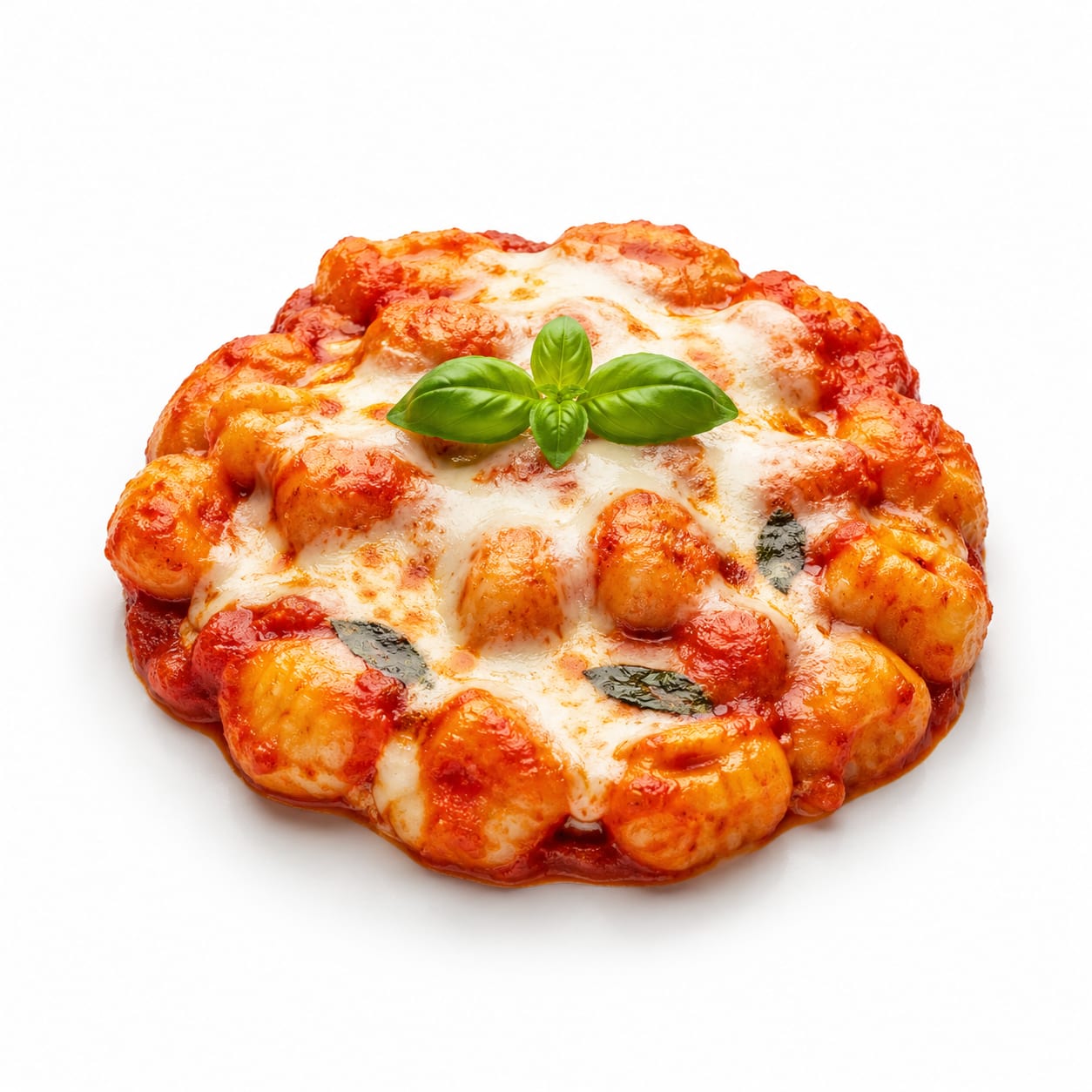
Gnocchi Sorrentina
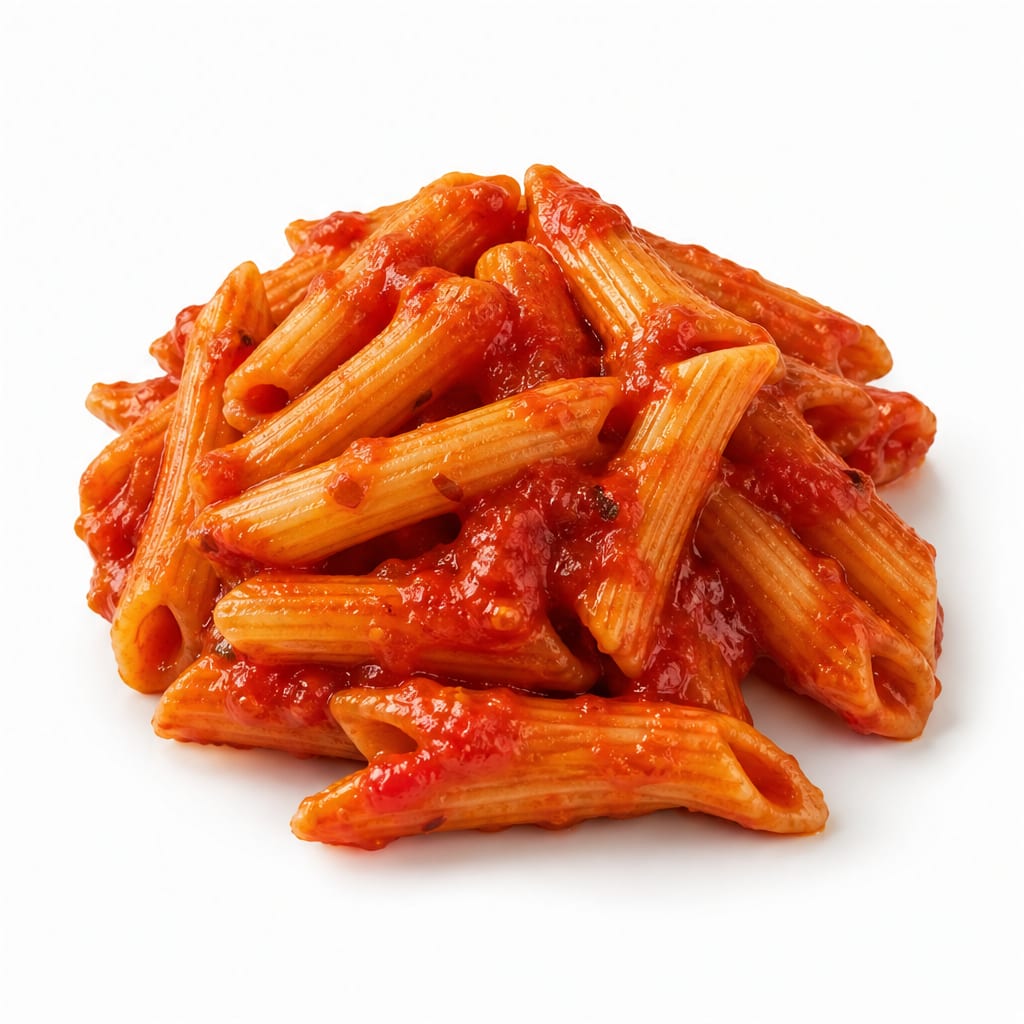
Penne Arrabbiata
Penne Arrabbiata wins for everyday eating — lighter, less saturated fat, and a metabolism-friendly spice kick. Gnocchi Sorrentina is the occasional indulgence that comforts like a warm blanket.
Penne Arrabbiata scores noticeably higher due to lower calorie density, less saturated fat, and better suitability for regular consumption. Gnocchi Sorrentina is not unhealthy but its cheese and baking make it a heavier, less versatile choice for everyday eating.
Creamy satisfaction and protein from mozzarella versus a leaner, spicier plate that leaves you lighter afterward.
At a glance
Executive summary
Overall
Penne Arrabbiata
Healthier
Penne Arrabbiata
More practical
Penne Arrabbiata
Daily use
Penne Arrabbiata
Key comparison lenses
Comfort dining vs lighter pasta choice
Gnocchi Sorrentina is a baked, cheesy comfort dish while Penne Arrabbiata is a leaner, spice-forward option — the core decision is indulgence versus lightness
Calorie and saturated fat awareness
Mozzarella and baking make Gnocchi Sorrentina significantly denser in calories and saturated fat compared to the simpler tomato-chili sauce of Penne Arrabbiata
Blood sugar and energy stability
Potato gnocchi plus cheese creates a different glycemic and satiety profile than durum wheat penne with spicy sauce
Digestive tolerance and spice sensitivity
Arrabbiata's chili heat can irritate sensitive stomachs while Gnocchi Sorrentina's richness can cause heaviness and reflux
Heart health tradeoffs
Saturated fat from mozzarella versus the cleaner lipid profile of olive oil and tomatoes in Arrabbiata matters for cardiovascular decisions
Best choice for
Gnocchi Sorrentina
- Comfort-seeking evenings when you want something warm and satisfying
- Recovery meals after intense physical activity needing extra calories
- Family gatherings where indulgence is the point
- People who dislike spicy food
Penne Arrabbiata
- Weeknight dinners where you want flavor without heaviness
- Weight-conscious eaters who still want satisfying pasta
- Anyone watching saturated fat or cholesterol
- Spice lovers who enjoy a metabolic boost
Least suitable for
Gnocchi Sorrentina
- Anyone actively managing weight or calorie intake
- People with lactose intolerance or dairy sensitivity
- Those watching saturated fat for heart health
- Hot summer evenings when heavy meals feel oppressive
Penne Arrabbiata
- People with acid reflux or GERD triggered by spice
- Those with nightshade sensitivities
- Anyone seeking a high-protein pasta dish
- Diners wanting a comforting, indulgent experience
Deep comparison
Dimension by dimension
Each lens scores both foods and breaks down who each option suits.
- Dimension 1 · Priority 92Penne Arrabbiata
Calorie Density and Weight Management
Gnocchi Sorrentina · 40Penne Arrabbiata · 72Gnocchi Sorrentina packs significantly more calories per serving due to mozzarella and the baked preparation. Penne Arrabbiata is the lighter plate by a wide margin.
Tradeoff
You trade creamy satisfaction for a meal that won't push you over your daily calorie budget.
Why it matters
A single serving of Gnocchi Sorrentina can approach 600-750 calories while Penne Arrabbiata typically lands around 400-500. That difference compounds quickly if pasta is a regular meal.
Real-world impact
Eating Gnocchi Sorrentina twice a week instead of Penne Arrabbiata could mean an extra 400-500 calories weekly — roughly 6-7 pounds of potential weight gain over a year if nothing else changes.
Gnocchi Sorrentina
- Underweight individuals needing calorie density
- Athletes in bulking phases
Better for
- Sedentary evenings when extra calories go unused
Worse for
Penne Arrabbiata
- Anyone tracking calories
- Weight loss or maintenance goals
- People who want to feel satisfied without overeating
Better for
- Situations where you need sustained energy for hours
Worse for
- Dimension 2 · Priority 85Penne Arrabbiata
Heart Health and Saturated Fat
Gnocchi Sorrentina · 38Penne Arrabbiata · 75Mozzarella in Gnocchi Sorrentina adds meaningful saturated fat. Penne Arrabbiata relies on olive oil and tomatoes — a heart-friendlier fat profile.
Tradeoff
Cheese delivers protein and calcium but comes with saturated fat that raises LDL cholesterol over time.
Why it matters
Regular high-saturated-fat meals incrementally increase cardiovascular risk. The American Heart Association recommends limiting saturated fat to 5-6% of total calories.
Real-world impact
Choosing Penne Arrabbiata most days and saving Gnocchi Sorrentina for occasional treats is a practical heart-health strategy that still lets you enjoy both.
Gnocchi Sorrentina
- Growing children who benefit from dairy fat and calcium
- Older adults needing calorie-dense nutrition
Better for
- Daily consumption alongside other cheese-heavy meals
Worse for
Penne Arrabbiata
- Anyone with elevated cholesterol
- People with family history of heart disease
- Mediterranean diet followers
Better for
- Those who add excessive olive oil to compensate for missing cheese
Worse for
- Dimension 3 · Priority 82Gnocchi Sorrentina
Satiety and Fullness
Gnocchi Sorrentina · 80Penne Arrabbiata · 62Gnocchi Sorrentina keeps you fuller longer thanks to protein from mozzarella and the calorie density of the baked dish. Penne Arrabbiata satisfies initially but hunger returns sooner.
Tradeoff
Deeper satiety comes with a heavier digestive feeling that lingers for hours.
Why it matters
If you need one meal to carry you through a long afternoon, Gnocchi Sorrentina does the job better — but you may feel sluggish afterward.
Real-world impact
After Penne Arrabbiata you might want a snack in 3 hours. After Gnocchi Sorrentina you likely won't but might want a nap instead.
Gnocchi Sorrentina
- Long workdays with no snack breaks
- Post-hike or post-workout recovery meals
- One-meal days where satiety matters most
Better for
- Late dinners close to bedtime
Worse for
Penne Arrabbiata
- Multi-course Italian meals where pasta is a first course
- Lunch before an active afternoon
Better for
- Days when you know you won't eat again for 6+ hours
Worse for
- Dimension 4 · Priority 78It depends
Blood Sugar Stability
Gnocchi Sorrentina · 55Penne Arrabbiata · 58Both dishes are carb-forward, but they affect blood sugar differently. Potato gnocchi digests faster than penne, yet the cheese and fat in Gnocchi Sorrentina slow absorption. Penne Arrabbiata has durum wheat which digests more gradually but less fat to buffer the spike.
Tradeoff
Faster-digesting carbs buffered by fat versus slower-digesting carbs with less fat — neither is ideal for blood sugar, but the net effect is surprisingly close.
Why it matters
For people with insulin resistance or diabetes, both require portion control. Neither is a low-glycemic choice.
Real-world impact
Expect a moderate energy rise and dip from either dish. Pairing either with a side salad or vegetables makes a bigger difference than choosing between them.
Gnocchi Sorrentina
- Situations where fat-protein-carb balance slows absorption enough
Better for
- Large portions where the potato-gnocchi glycemic load dominates
Worse for
Penne Arrabbiata
- Those who prefer slower-digesting durum wheat over potato-based pasta
Better for
- Meals with minimal fiber from sides or vegetables
Worse for
- Dimension 5 · Priority 75It depends
Digestive Comfort
Gnocchi Sorrentina · 50Penne Arrabbiata · 48Both have digestive drawbacks. Gnocchi Sorrentina can cause heaviness and reflux from rich cheese. Penne Arrabbiata's chili heat can irritate the stomach lining and worsen heartburn.
Tradeoff
Heavy richness versus spicy heat — pick your digestive discomfort based on your body's tendencies.
Why it matters
People with GERD, IBS, or sensitive stomachs need to consider which trigger affects them more: fat or spice.
Real-world impact
If spicy food gives you heartburn, Gnocchi Sorrentina is the safer bet. If rich, heavy meals make you bloated, Penne Arrabbiata feels lighter going down.
Gnocchi Sorrentina
- People with spice sensitivity or GERD triggered by chili
- Those who find warm, soft foods soothing
Better for
- Anyone prone to post-meal reflux or bloating
Worse for
Penne Arrabbiata
- People with lactose intolerance or dairy sensitivity
- Those who feel sluggish after heavy meals
Better for
- Anyone with gastritis, ulcers, or spice-triggered IBS
Worse for
- Dimension 6 · Priority 70Penne Arrabbiata
Anti-Inflammatory Potential
Gnocchi Sorrentina · 45Penne Arrabbiata · 74Penne Arrabbiata benefits from lycopene-rich tomatoes, olive oil, and capsaicin — all with documented anti-inflammatory properties. Gnocchi Sorrentina's saturated fat and dairy work against this.
Tradeoff
You lose the anti-inflammatory spice and olive oil dominance when you choose the cheese-baked path.
Why it matters
Chronic low-grade inflammation drives aging and disease. Small dietary patterns add up over decades.
Real-world impact
Regular Penne Arrabbiata eaters get more anti-inflammatory compounds per bite. Over years, this contributes to a subtly different inflammatory baseline.
Gnocchi Sorrentina
- Not applicable — Gnocchi Sorrentina does not offer notable anti-inflammatory advantages
Better for
- Regular consumption as part of a saturated-fat-heavy dietary pattern
Worse for
Penne Arrabbiata
- People with inflammatory conditions like arthritis
- Those following anti-inflammatory dietary patterns
- Anyone seeking long-term metabolic health
Better for
- Not applicable — Penne Arrabbiata has minimal inflammatory downside
Worse for
- Dimension 7 · Priority 68Gnocchi Sorrentina
Protein and Nutritional Value
Gnocchi Sorrentina · 65Penne Arrabbiata · 45Mozzarella gives Gnocchi Sorrentina a clear protein advantage along with calcium and vitamin B12. Penne Arrabbiata is leaner but also nutritionally thinner.
Tradeoff
More protein and micronutrients come packaged with more saturated fat and calories.
Why it matters
If pasta is your main dish, protein content determines whether it functions as a complete meal or just a carb load.
Real-world impact
Gnocchi Sorrentina delivers roughly 18-22g protein per serving versus 10-12g for Penne Arrabbiata. That matters for muscle maintenance and meal balance.
Gnocchi Sorrentina
- Older adults needing protein for muscle preservation
- Vegetarians relying on dairy for protein intake
- People eating pasta as a standalone meal
Better for
- Vegans and dairy-avoidant eaters
Worse for
Penne Arrabbiata
- Those who pair pasta with lean protein sides like grilled chicken
Better for
- Standalone meals without added protein sources
Worse for
Timeline
Health impact over time
Short-term
Hours to days
Gnocchi Sorrentina
- Strong satiety and fullness within 30 minutes
- Possible post-meal drowsiness from calorie density and fat content
- Risk of heartburn or reflux if prone to dairy or fat sensitivity
- Warm comfort and emotional satisfaction from cheesy baked dish
Penne Arrabbiata
- Lighter post-meal feeling with less digestive heaviness
- Mild metabolic boost from capsaicin within 1-2 hours
- Potential stomach warmth or irritation from chili if sensitive
- More energized rather than sluggish after eating
Long-term
Months to years
Gnocchi Sorrentina
- Higher saturated fat intake if consumed frequently may raise LDL cholesterol
- Calcium and B12 from mozzarella support bone health and nerve function
- Calorie density contributes to gradual weight gain if portions are not managed
- Dairy fat in moderation may not be harmful but regular large portions add up
Penne Arrabbiata
- Lycopene from cooked tomatoes supports prostate and cardiovascular health over time
- Capasaicin may modestly support metabolic health and pain pathways
- Lower saturated fat intake aligns with heart-healthy dietary patterns
- Insufficient protein if eaten regularly without complementary protein sources
Risk profile
Safety & processing
Both dishes use similar base ingredients — pasta, tomatoes, olive oil, garlic — and are traditionally prepared without artificial additives. Gnocchi Sorrentina adds mozzarella, which is minimally processed when fresh. Store-bought gnocchi can contain preservatives, while dried penne is typically just durum wheat and water. Neither raises significant ultra-processing concerns when made from scratch or quality ingredients.
Gnocchi Sorrentina
Dairy-related foodborne illness
mediumMozzarella in baked Gnocchi Sorrentina must reach safe internal temperature. Improperly stored or underbaked cheese can harbor Listeria or other pathogens, especially with fresh mozzarella.
Acrylamide from baking
lowBaked cheese-topped dishes can develop minor acrylamide at the surface from high-heat browning, though the risk is lower than in starchy baked goods.
Penne Arrabbiata
Capsaicin overexposure
lowExcessive chili in Arrabbiata sauce can cause gastrointestinal irritation, especially for those unaccustomed to spice. Not a food safety issue per se but a tolerance concern.
Canned tomato BPA exposure
lowIf canned tomatoes are used, trace BPA from can linings is possible. Choosing jarred or carton-packed tomatoes eliminates this concern.
Who wins for whom
Audience fit
Same foods, different winners depending on your goal.
children
Gnocchi SorrentinaKids generally prefer mild, cheesy flavors over spicy heat. Gnocchi Sorrentina's soft texture and mozzarella are more child-friendly, and the calcium supports growing bones.
daily consumption
Penne ArrabbiataLower calorie density, less saturated fat, and anti-inflammatory properties make Penne Arrabbiata the more sustainable daily choice. Gnocchi Sorrentina is better reserved for 1-2 times per week maximum.
diabetes
It dependsNeither dish is ideal for blood sugar management. Gnocchi Sorrentina has faster-digesting potato carbs but fat-protein buffering. Penne Arrabbiata has slower-digesting durum wheat but less fat to slow absorption. Portion control matters more than the choice between them.
elderly
Penne ArrabbiataPenne Arrabbiata is lighter and easier to digest for aging digestive systems, with less saturated fat that concerns cardiovascular health in older adults. The anti-inflammatory compounds are also beneficial.
muscle gain
Gnocchi SorrentinaGnocchi Sorrentina provides more protein from mozzarella and more calories overall, both of which support muscle-building when paired with resistance training.
weight loss
Penne ArrabbiataPenne Arrabbiata has significantly fewer calories and less saturated fat per serving, making it easier to fit into a calorie deficit while still feeling like a real meal.
Your move
Decision guide
Choose Gnocchi Sorrentina
- You want a comforting, indulgent meal and have room in your calorie budget
- You're eating pasta as a standalone dish and need the protein from mozzarella
- It's a cold evening and you crave something warm and satisfying
- You're feeding kids or spice-averse eaters
- You've been physically active and need the extra calories
Choose Penne Arrabbiata
- You want pasta flavor without the heavy aftermath
- You're watching your weight, cholesterol, or heart health
- You enjoy spicy food and want a metabolism-friendly kick
- It's a warm day and a heavy baked dish sounds unappealing
- You eat pasta regularly and need a lighter default option
Either works if
- You're having pasta as part of a multi-course meal with salad and vegetables
- You have no specific health concerns and just want a satisfying Italian dinner
- You're dining out and both options use fresh, quality ingredients
Avoid both if
- You're strictly limiting carbohydrates for keto or low-carb protocols
- You have severe gluten intolerance or celiac disease and no gluten-free alternatives are available
- You're managing diabetes and cannot control portion sizes
Final recommendation
Make Penne Arrabbiata your everyday pasta and treat Gnocchi Sorrentina as your reward meal. You get the health benefits of lycopene, capsaicin, and olive oil most days while still enjoying cheesy comfort when it matters. Add a side salad to either dish to boost fiber and slow blood sugar absorption — that single addition does more than switching between the two.
Practical
Consumer tips
- 1
Ask for half-portions of Gnocchi Sorrentina at restaurants — the full serving is often double what you need
- 2
Add grilled chicken or shrimp to Penne Arrabbiata to close the protein gap with Gnocchi Sorrentina
- 3
Choose fresh mozzarella over low-moisture for Gnocchi Sorrentina — slightly less sodium and better flavor
- 4
If making Gnocchi Sorrentina at home, use part-skim mozzarella to cut saturated fat by roughly 30%
- 5
Start Arrabbiata sauce with quality canned San Marzano tomatoes — higher lycopene and better taste
- 6
Pair either dish with a bitter greens salad — the fiber slows carb absorption and the bitterness balances the richness
- 7
Use whole-wheat penne for Arrabbiata to add fiber and further improve blood sugar response
- 8
If store-bought gnocchi, check the ingredient list — shorter is better, and potato should be the first ingredient