
Nutrition comparison
Gnocchi Sorrentina vs Fettuccine Alfredo: Which Italian Pasta Is Healthier?
Compare Gnocchi Sorrentina and Fettuccine Alfredo side by side — calories, fat, heart health impact, and which comfort pasta is the smarter choice for your goals.
Overall winner · Gnocchi Sorrentina
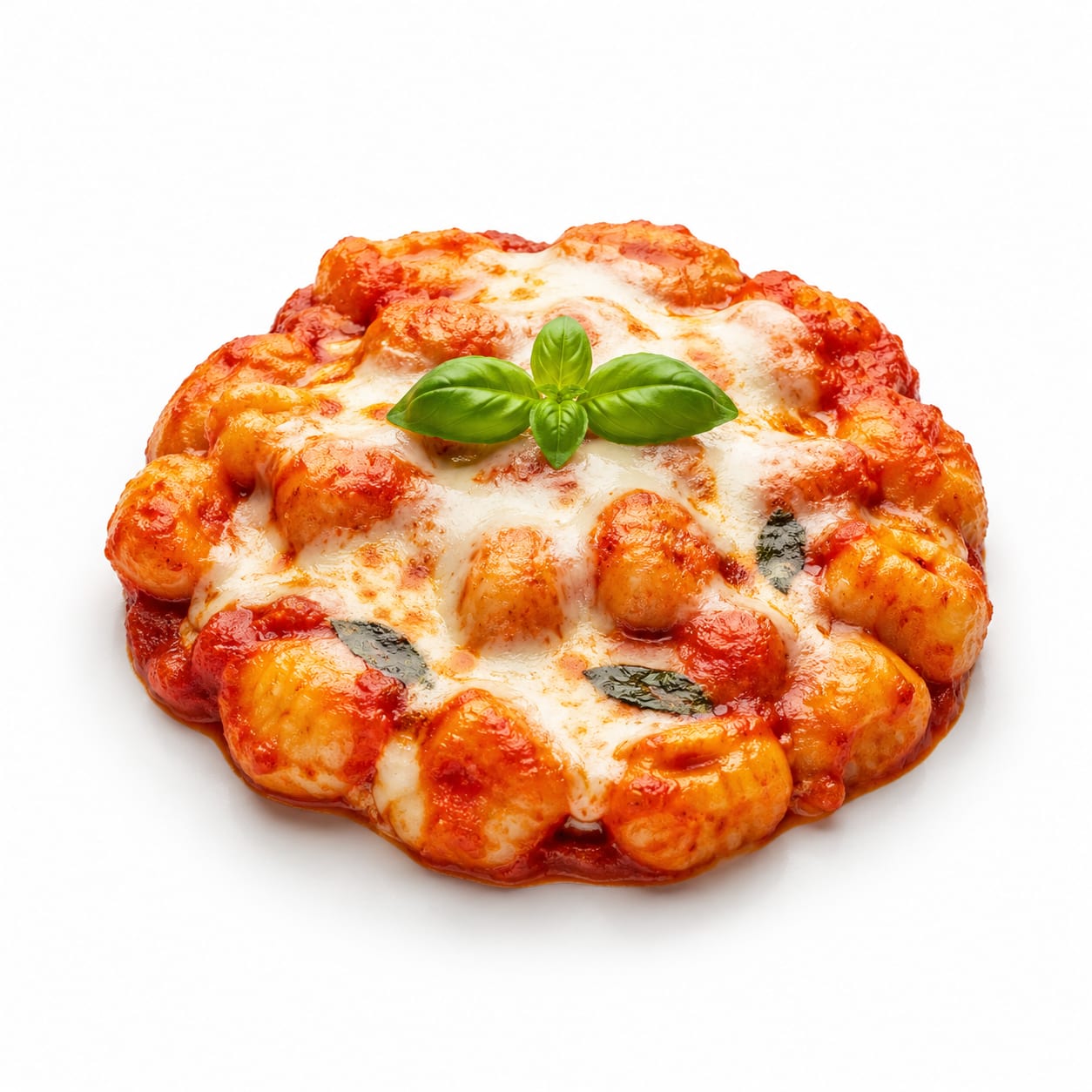
Gnocchi Sorrentina
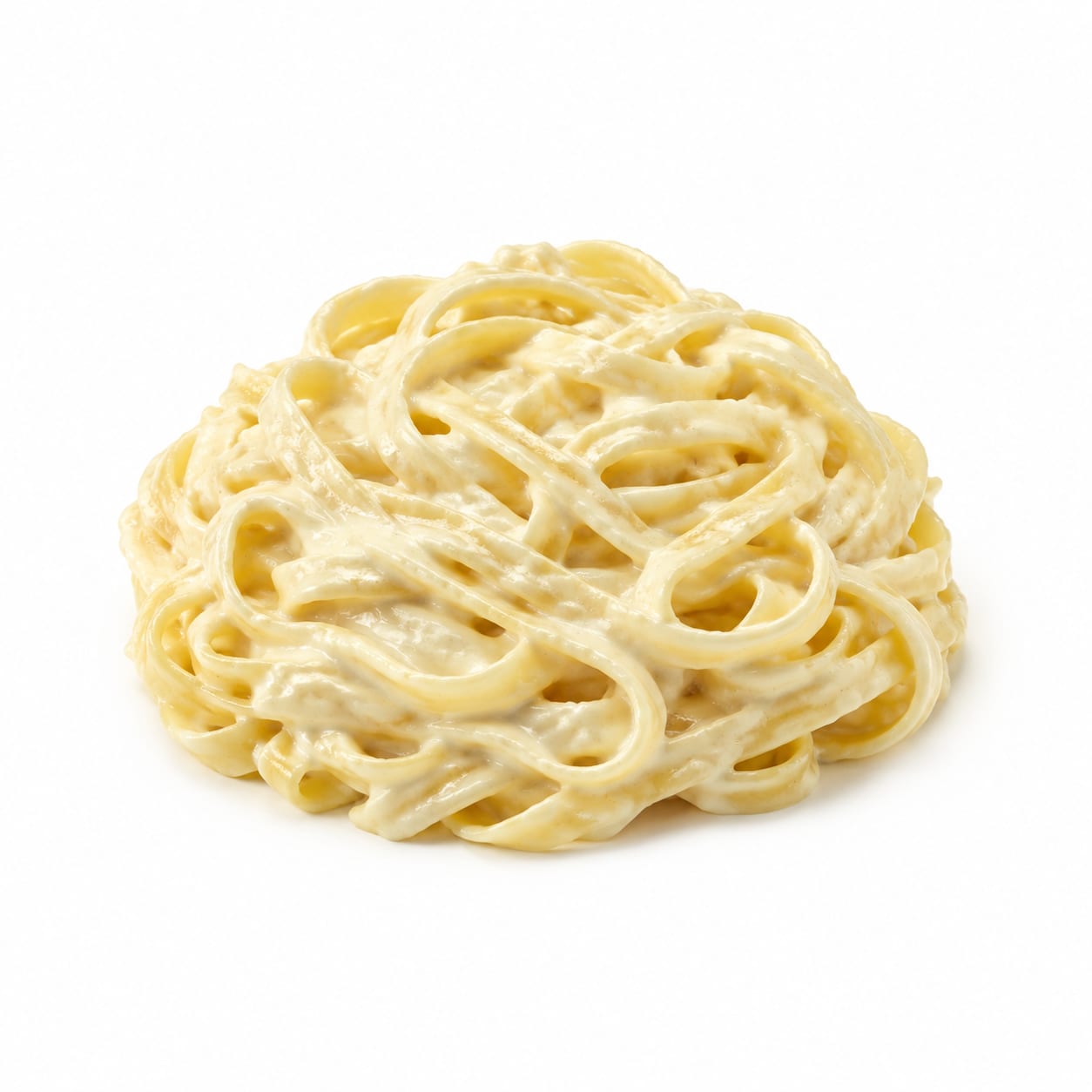
Fettuccine Alfredo
Gnocchi Sorrentina wins for most people most of the time — tomato sauce adds nutrients and cuts the fat load dramatically compared to Alfredo's cream bomb.
Gnocchi Sorrentina scores notably higher due to its tomato-based sauce providing antioxidants, lower saturated fat, and better post-meal energy. Fettuccine Alfredo is not inherently bad but its extreme calorie and saturated fat density makes it a poor regular choice.
You trade the rich, velvety indulgence of cream sauce for a lighter, more nutrient-rich tomato-based meal that leaves you less sluggish afterward.
At a glance
Executive summary
Overall
Gnocchi Sorrentina
Healthier
Gnocchi Sorrentina
More practical
It depends
Daily use
Gnocchi Sorrentina
Key comparison lenses
comfort food tradeoff: tomato-based vs cream-based Italian pasta
Users choosing between these two are almost always deciding between a tomato-driven or cream-driven comfort meal
calorie and fat density awareness
Fettuccine Alfredo is notoriously one of the highest-calorie restaurant dishes, making this a critical differentiator
heart health and saturated fat concerns
The cream and butter load in Alfredo makes cardiovascular risk a top consideration
digestive comfort and heaviness
Both dishes are heavy but in different ways — cream vs starch density matters for how you feel after eating
nutrient diversity from sauce base
Tomato sauce brings lycopene and vitamin C that cream sauce simply cannot match
Best choice for
Gnocchi Sorrentina
- People watching heart health or cholesterol
- Anyone wanting comfort food without the food coma
- Those seeking more vegetable-derived nutrients like lycopene
- People who prefer a brighter, more acidic flavor profile
- Anyone eating Italian food more than once a week
Fettuccine Alfredo
- People needing serious calorie density (athletes, underweight individuals)
- Those craving maximum indulgence for a rare treat
- Anyone wanting a dish that feels like a special occasion
- People who find tomato sauce acidic or irritating
Least suitable for
Gnocchi Sorrentina
- People with nightshade sensitivities or tomato intolerance
- Anyone on a strict low-carb diet
- People who find potato gnocchi too dense or gummy
Fettuccine Alfredo
- Anyone with lactose intolerance or dairy sensitivity
- People managing heart disease or high cholesterol
- Anyone watching calorie intake for weight loss
- People prone to acid reflux triggered by high-fat meals
Deep comparison
Dimension by dimension
Each lens scores both foods and breaks down who each option suits.
- Dimension 1 · Priority 95Gnocchi Sorrentina
Calorie Density and Weight Management
Gnocchi Sorrentina · 55Fettuccine Alfredo · 25Gnocchi Sorrentina typically runs 400-600 calories per restaurant serving, while Fettuccine Alfredo can easily hit 800-1200 calories for the same portion.
Tradeoff
You sacrifice the luxurious mouthfeel of cream for roughly half the calorie impact.
Why it matters
If you eat Italian food even twice a month, choosing Alfredo each time could mean gaining 3-5 pounds per year from that single decision pattern.
Real-world impact
After Gnocchi Sorrentina, you can still function. After Fettuccine Alfredo, you may want a nap.
Gnocchi Sorrentina
- Weight maintenance
- Staying under daily calorie targets
- Avoiding the post-pasta food coma
Better for
- Nothing significant in this dimension
Worse for
Fettuccine Alfredo
- Bulking phases
- Recovering calorie deficit after illness
Better for
- Weight loss goals
- Staying alert after lunch
- Portion control — Alfredo is easy to overeat
Worse for
- Dimension 2 · Priority 90Gnocchi Sorrentina
Heart Health and Saturated Fat
Gnocchi Sorrentina · 60Fettuccine Alfredo · 20Fettuccine Alfredo can contain 30-50g of saturated fat per serving — more than two days' worth for someone with heart concerns. Gnocchi Sorrentina's cheese adds some saturated fat, but a fraction of the Alfredo load.
Tradeoff
The creamy richness of Alfredo comes at a real cardiovascular cost that adds up over time.
Why it matters
One Alfredo meal won't hurt you, but making cream-based pasta a habit is one of the fastest dietary paths to elevated LDL cholesterol.
Real-world impact
If your doctor has mentioned cholesterol, Alfredo should be a once-or-twice-a-year choice, not a go-to order.
Gnocchi Sorrentina
- Cholesterol management
- Blood pressure maintenance
- Long-term heart health
Better for
- Still contains cheese, so not heart-perfect
Worse for
Fettuccine Alfredo
- Nothing — saturated fat this high is never a cardiovascular advantage
Better for
- LDL cholesterol spikes
- Arterial inflammation risk with regular consumption
- Completely unsuitable for cardiac diets
Worse for
- Dimension 3 · Priority 80Gnocchi Sorrentina
Nutrient Diversity and Antioxidant Value
Gnocchi Sorrentina · 65Fettuccine Alfredo · 25Tomato sauce in Gnocchi Sorrentina delivers lycopene, vitamin C, and potassium. Alfredo sauce is essentially butter, cream, and parmesan — delicious but nutritionally narrow.
Tradeoff
You give up the complexity of tomato-based micronutrients for the simplicity of fat-soluble richness.
Why it matters
Lycopene from cooked tomatoes is one of the best-studied protective compounds in the Mediterranean diet. Alfredo offers none of this.
Real-world impact
Choosing tomato-based pasta dishes over cream-based ones is one of the easiest ways to make Italian food actually work for your health.
Gnocchi Sorrentina
- Antioxidant intake
- Prostate health protection from lycopene
- Vitamin C and potassium
Better for
- Nutrient loss if sauce is heavily sweetened or over-processed
Worse for
Fettuccine Alfredo
- Calcium from parmesan and cream
- Fat-soluble vitamin absorption
Better for
- Zero antioxidant value
- Essentially empty calories beyond fat and calcium
Worse for
- Dimension 4 · Priority 75Gnocchi Sorrentina
Digestive Comfort
Gnocchi Sorrentina · 60Fettuccine Alfredo · 35Gnocchi Sorrentina is gentler on digestion for most people. The high fat content in Alfredo slows gastric emptying, which can cause bloating and reflux.
Tradeoff
Cream sauce feels soothing going down but often creates discomfort an hour later.
Why it matters
If you've ever felt uncomfortably full or had heartburn after a heavy pasta dish, it was likely the fat content, not the carbs.
Real-world impact
Gnocchi Sorrentina lets you enjoy dinner and still sleep comfortably. Alfredo may have you reaching for antacids.
Gnocchi Sorrentina
- Easier digestion for most people
- Less reflux risk
- Better for late dinners
Better for
- Potato gnocchi can feel gummy or heavy for some
- Tomato acidity may bother sensitive stomachs
Worse for
Fettuccine Alfredo
- Can feel soothing for people who tolerate dairy well
Better for
- High fat triggers reflux and bloating
- Lactose intolerance makes this a non-starter
- Sluggish digestion for hours after eating
Worse for
- Dimension 5 · Priority 70It depends
Satiety and Fullness
Gnocchi Sorrentina · 65Fettuccine Alfredo · 70Fettuccine Alfredo is more filling per bite due to extreme fat content, but Gnocchi Sorrentina provides more satisfying volume with less caloric penalty.
Tradeoff
Alfredo fills you faster but with a heavy, weighted feeling. Gnocchi Sorrentina fills you with more comfortable volume.
Why it matters
Satiety that makes you feel satisfied is different from satiety that makes you feel stuffed.
Real-world impact
After Alfredo, you're full but may still feel cravings for something fresh. After Gnocchi Sorrentina, you feel complete.
Gnocchi Sorrentina
- Comfortable fullness without the weighted-down feeling
- More balanced satisfaction
Better for
- May feel less indulgent and satisfying for some
Worse for
Fettuccine Alfredo
- Maximum fullness per serving
- Longer suppression of hunger due to fat content
Better for
- Fullness comes with heaviness and potential regret
- Can trigger cravings for something light or sweet after
Worse for
- Dimension 6 · Priority 65It depends
Blood Sugar Stability
Gnocchi Sorrentina · 45Fettuccine Alfredo · 40Neither dish is great for blood sugar. Potato gnocchi can spike glucose fast, but the fat in Alfredo slows absorption while adding its own metabolic burden.
Tradeoff
You choose between a faster carb spike with Gnocchi or a slower but more metabolically taxing hit with Alfredo.
Why it matters
For diabetics, both are challenging. For everyone else, the difference is moderate but worth knowing.
Real-world impact
If you're sensitive to blood sugar swings, neither dish is ideal, but pairing either with a side salad helps significantly.
Gnocchi Sorrentina
- Tomato sauce has lower glycemic impact than cream sauce base
- Acidic foods slow carb absorption slightly
Better for
- Potato gnocchi digests into glucose quickly
- Less fat to slow absorption
Worse for
Fettuccine Alfredo
- High fat slows gastric emptying and glucose rise
Better for
- High saturated fat worsens insulin resistance over time
- Total metabolic load is heavier
Worse for
Timeline
Health impact over time
Short-term
Hours to days
Gnocchi Sorrentina
- Comfortable satisfaction without excessive sleepiness
- Mild blood sugar rise that resolves within 2-3 hours
- Possible slight warmth from baked cheese topping
Fettuccine Alfredo
- Heavy, sluggish feeling within 30-60 minutes
- Potential heartburn or acid reflux, especially if eaten late
- Strong satiety but with a weighted-down sensation
Long-term
Months to years
Gnocchi Sorrentina
- Lycopene intake supports prostate and cellular health
- Moderate saturated fat from cheese is manageable with balanced diet
- Can be part of a sustainable weekly meal rotation
Fettuccine Alfredo
- Regular consumption significantly raises LDL cholesterol
- High saturated fat intake linked to increased cardiovascular risk
- Calorie density makes weight creep likely if eaten frequently
Risk profile
Safety & processing
Both dishes use processed base ingredients (pasta and cheese), but Fettuccine Alfredo often relies on heavy cream and sometimes stabilizers in restaurant settings. Gnocchi Sorrentina's tomato sauce is closer to whole-food preparation, especially when made with simple San Marzano tomatoes and fresh mozzarella.
Gnocchi Sorrentina
Dairy contamination from mozzarella
lowFresh mozzarella is a low-risk cheese but should be kept refrigerated and consumed promptly when melted.
Tomato sauce acidity and canned lining exposure
lowIf canned tomatoes are used, BPA from can linings is a minor concern. Fresh or jarred sauce avoids this entirely.
Fettuccine Alfredo
Dairy spoilage and foodborne illness
mediumCream and butter are more prone to spoilage than cheese. Improperly stored cream sauce can harbor listeria or other pathogens.
Restaurant cream sauce additives
mediumMany restaurants use pre-made Alfredo sauce with preservatives, emulsifiers, and modified starches that home versions would not include.
Who wins for whom
Audience fit
Same foods, different winners depending on your goal.
children
Gnocchi SorrentinaKids benefit from the lycopene and vitamin C in tomato sauce, and the lower fat content is more appropriate for developing bodies. Many children also prefer the sweeter, tangier tomato flavor.
daily consumption
Gnocchi SorrentinaGnocchi Sorrentina can reasonably be eaten weekly as part of a balanced diet. Fettuccine Alfredo should be an occasional indulgence, not a regular meal.
diabetes
It dependsNeither is ideal. Gnocchi Sorrentina has a slightly better profile due to tomato's lower glycemic contribution, but potato gnocchi spikes blood sugar fast. Portion control matters more than choice here.
elderly
Gnocchi SorrentinaLower saturated fat and higher potassium from tomatoes support cardiovascular health, which becomes increasingly important with age. The lighter digestive load is also gentler on aging systems.
muscle gain
Fettuccine AlfredoHigher calorie density and more protein from parmesan and cream make Alfredo a better fit for bulking, though neither is optimal for clean muscle gain.
weight loss
Gnocchi SorrentinaRoughly half the calories per serving and far less saturated fat make Gnocchi Sorrentina the clear choice for anyone managing weight.
Your move
Decision guide
Choose Gnocchi Sorrentina
- You want comfort food without the after-meal regret
- Heart health or cholesterol is any concern for you
- You're eating Italian food more than once a month
- You prefer brighter, more complex flavors over pure richness
- You have a lunch meeting and need to stay alert afterward
Choose Fettuccine Alfredo
- It's a rare celebration and you want maximum indulgence
- You're actively trying to gain weight
- Tomato sauce bothers your stomach or triggers acid reflux
- You haven't had Alfredo in months and the craving is real
Either works if
- You're splitting portions with someone
- You're ordering a side salad to balance the meal
- Neither dish is a regular part of your diet
Avoid both if
- You're on a strict low-carb or ketogenic diet
- You have severe gluten intolerance or celiac disease
- You're managing diabetes and cannot control portion size
- You have dairy allergies that eliminate both options
Final recommendation
For most people on most occasions, Gnocchi Sorrentina is the smarter choice — it delivers the comfort of Italian pasta with real nutrients from tomato sauce and a fraction of the saturated fat. Save Fettuccine Alfredo for genuine celebrations, not regular Tuesday dinners. Your heart and your energy levels will thank you.
Practical
Consumer tips
- 1
Ask for half-portions of either dish — Italian restaurant servings are typically 2-3 times what you need
- 2
Pair either dish with a large side salad dressed with olive oil and vinegar to add fiber and slow carb absorption
- 3
If ordering Fettuccine Alfredo, consider asking for light cream or half the sauce — you'll still get the flavor with significantly less fat
- 4
Look for Gnocchi Sorrentina made with fresh gnocchi rather than shelf-stable — the texture and digestibility are noticeably better
- 5
Either dish can be reheated, but Gnocchi Sorrentina reheats better since cream sauces often break when reheated
- 6
If making either at home, use whole-wheat or legume-based pasta alternatives to boost fiber and protein