
Nutrition comparison
Gnocchi Sorrentina vs Lasagna: Which Italian Baked Dish Is Healthier?
Compare Gnocchi Sorrentina and Lasagna on calories, protein, fat, blood sugar impact, and digestion. Find out which Italian comfort dish fits your health goals better.
Overall winner · Gnocchi Sorrentina
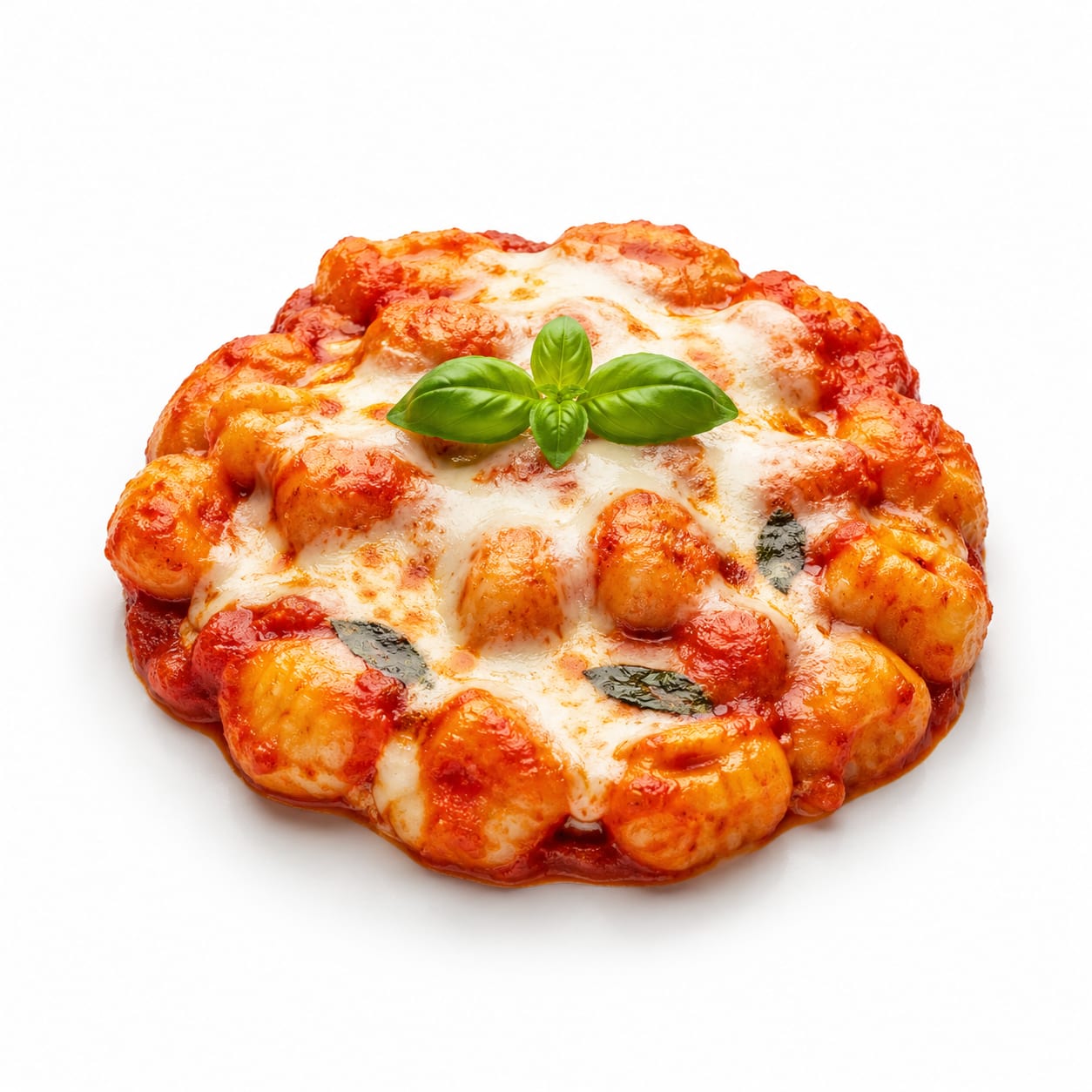
Gnocchi Sorrentina
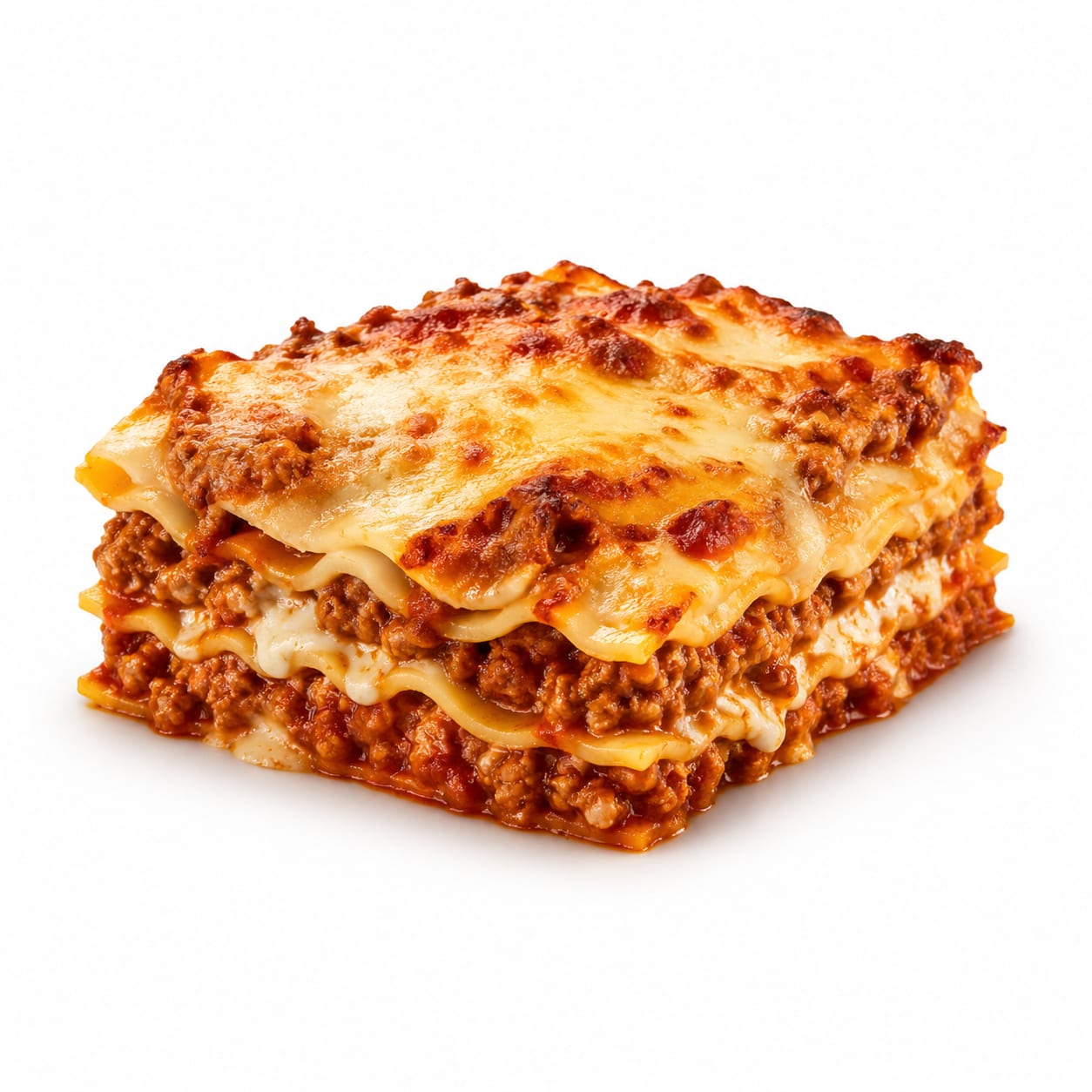
Lasagna
Gnocchi Sorrentina delivers the same comforting baked-pasta satisfaction as lasagna with noticeably fewer calories and less saturated fat, though it falls short on protein and staying power.
Gnocchi Sorrentina scores moderately due to its lighter profile and lower saturated fat, while lasagna's high calorie density and fat content pull it down despite stronger protein content. Neither is a health food, but Gnocchi Sorrentina is easier to fit into a balanced diet.
Lighter and easier on the body versus more filling and protein-rich but significantly heavier
At a glance
Executive summary
Overall
Gnocchi Sorrentina
Healthier
Gnocchi Sorrentina
More practical
Gnocchi Sorrentina
Daily use
Gnocchi Sorrentina
Key comparison lenses
Comfort food calorie tradeoff
Both are heavy Italian baked dishes but with very different calorie densities, making portion control a key concern
Blood sugar and carb load comparison
Potato-based gnocchi vs wheat pasta sheets create meaningfully different glycemic responses
Satiety and meal satisfaction
Users choosing between these want to know which will keep them fuller longer without overeating
Heart health and fat profile
Lasagna's meat ragù and béchamel dramatically increase saturated fat compared to the simpler Gnocchi Sorrentina
Digestive comfort after heavy meals
Both are rich dishes but lasagna's layered fat content makes it harder on digestion for many people
Best choice for
Gnocchi Sorrentina
- Lighter weeknight dinners where you want comfort without the food coma
- Anyone watching saturated fat or calorie intake
- People prone to heartburn or heaviness after rich meals
- Smaller appetites who still want a satisfying Italian dish
Lasagna
- Post-workout meals needing serious protein recovery
- Active individuals with high caloric needs
- Special occasions where indulgence is the point
- Those who find lighter meals unsatisfying and end up snacking later
Least suitable for
Gnocchi Sorrentina
- Athletes needing high protein intake
- Anyone looking for a meal that keeps them full for 5+ hours
- People trying to gain healthy weight
- Those who find potato-heavy meals too blood-sugar-spiky
Lasagna
- Anyone managing cholesterol or heart conditions
- Weight loss diets unless portions are tightly controlled
- People with GERD or sensitive digestion
- Regular weeknight meals due to caloric load
Deep comparison
Dimension by dimension
Each lens scores both foods and breaks down who each option suits.
- Dimension 1 · Priority 93Gnocchi Sorrentina
Caloric Density & Weight Management
Gnocchi Sorrentina · 68Lasagna · 38Gnocchi Sorrentina is significantly less calorie-dense, making it far easier to manage portions without feeling deprived.
Tradeoff
You save hundreds of calories but may feel hungry sooner
Why it matters
A typical restaurant portion of lasagna can easily hit 800-1000+ calories, while Gnocchi Sorrentina often lands 200-300 calories lighter for a similar visual portion
Real-world impact
Choosing Gnocchi Sorrentina means you can enjoy a full plate of baked Italian comfort without blowing past your daily calorie budget by mid-dinner
Gnocchi Sorrentina
- Weight management
- Calorie-conscious eating
- Smaller appetite individuals
Better for
- Situations requiring long-lasting fullness
- Recovery after intense training
Worse for
Lasagna
- Bulking or weight gain phases
- Very active days with high energy output
Better for
- Sustained weight loss efforts
- Controlling late-night cravings driven by heavy meals
Worse for
- Dimension 2 · Priority 87Lasagna
Protein Content & Quality
Gnocchi Sorrentina · 35Lasagna · 72Lasagna's meat ragù and multiple cheese layers deliver substantially more protein per serving than the cheese-lighter Gnocchi Sorrentina.
Tradeoff
More protein comes packaged with significantly more saturated fat
Why it matters
Protein drives satiety and muscle maintenance, and lasagna can provide 25-35g per serving versus roughly 12-18g in Gnocchi Sorrentina
Real-world impact
After lasagna you are likely full for 4-5 hours; after Gnocchi Sorrentina you may be hunting for a snack within 2-3
Gnocchi Sorrentina
- Lighter meal occasions where protein is coming from other meals
- Plant-leaning eaters who prefer less meat
Better for
- Athletes and physically active people
- Older adults needing protein for muscle preservation
Worse for
Lasagna
- Muscle recovery after exercise
- Anyone struggling to hit protein targets
- Active younger people with higher needs
Better for
- Those limiting animal protein for heart health
- Anyone monitoring saturated fat strictly
Worse for
- Dimension 3 · Priority 84Gnocchi Sorrentina
Blood Sugar Stability
Gnocchi Sorrentina · 55Lasagna · 48Neither dish is ideal for blood sugar, but lasagna's higher fat and protein content slows glucose absorption slightly, while Gnocchi Sorrentina's potato base can spike blood sugar faster.
Tradeoff
Potato gnocchi digest faster causing quicker spikes, but lasagna's heavy fat load creates its own metabolic drag
Why it matters
Both are high-carb dishes, but the source of those carbs matters: potato starch in gnocchi absorbs quickly while wheat pasta sheets in lasagna digest more gradually
Real-world impact
After Gnocchi Sorrentina you might feel a quicker energy rise and dip; lasagna provides more of a slow, heavy roll rather than a spike
Gnocchi Sorrentina
- Pre-workout energy when you need faster-available carbs
- Smaller portions paired with fiber-rich sides
Better for
- Insulin-resistant individuals sensitive to potato carbs
- Anyone prone to post-meal energy crashes
Worse for
Lasagna
- Longer events where sustained energy matters
- Meals followed by low activity
Better for
- Sedentary evenings where slow-digesting heavy meals disrupt sleep
Worse for
- Dimension 4 · Priority 82Gnocchi Sorrentina
Heart Health & Fat Profile
Gnocchi Sorrentina · 62Lasagna · 32Gnocchi Sorrentina's simpler tomato-and-mozzarella profile contains far less saturated fat than lasagna's meat ragù and béchamel combination.
Tradeoff
Heart-friendlier fat profile means giving up the rich depth that makes lasagna so satisfying
Why it matters
A single lasagna portion can deliver 15-25g saturated fat, approaching or exceeding a full day's recommended limit, while Gnocchi Sorrentina typically stays under 8-12g
Real-world impact
Regular lasagna consumption meaningfully raises cardiovascular risk over time; Gnocchi Sorrentina is the safer choice for anyone with cholesterol concerns or family history of heart disease
Gnocchi Sorrentina
- Heart health-conscious eaters
- Cholesterol management
- More frequent Italian meal rotation
Better for
- Those who find low-fat meals unsatisfying and overcompensate later
Worse for
Lasagna
- Occasional indulgence meals where fat intake is less concerning
- Lean individuals with no cardiovascular risk factors
Better for
- Anyone with diagnosed heart conditions
- Regular consumption patterns
- People on cholesterol-lowering diets
Worse for
- Dimension 5 · Priority 76Gnocchi Sorrentina
Digestive Comfort
Gnocchi Sorrentina · 65Lasagna · 40Gnocchi Sorrentina is gentler on the digestive system thanks to its lighter sauce and lower fat content, while lasagna's layered richness is a common trigger for heaviness and reflux.
Tradeoff
Easier digestion comes with less staying power
Why it matters
High-fat, multi-layered dishes like lasagna slow gastric emptying significantly, which can cause bloating, heartburn, and that sluggish feeling for hours
Real-world impact
Gnocchi Sorrentina lets you finish dinner and still feel like moving; lasagna often chains you to the couch
Gnocchi Sorrentina
- Prone to heartburn or GERD
- Evening meals before any activity
- Sensitive digestion
Better for
- Those who interpret light digestion as insufficient meal size
Worse for
Lasagna
- Robust digestion with no reflux history
- Late lunches with hours before bedtime
Better for
- Anyone with GERD or acid reflux
- Eating within 3 hours of bedtime
- IBS-sensitive individuals
Worse for
- Dimension 6 · Priority 80Lasagna
Satiety & Fullness Duration
Gnocchi Sorrentina · 45Lasagna · 78Lasagna keeps you full for significantly longer due to its dense protein, fat, and layered structure, while Gnocchi Sorrentina's softer profile digests noticeably faster.
Tradeoff
Longer satiety comes with a heavier physical toll
Why it matters
The combination of meat protein, béchamel fat, and dense pasta layers in lasagna creates prolonged gastric emptying and sustained fullness
Real-world impact
Lasagna can easily serve as a one-dish meal that carries you to the next; Gnocchi Sorrentina often needs a side salad or protein addition to avoid mid-evening hunger
Gnocchi Sorrentina
- Lighter appetite occasions
- Multi-course meals where this is one of several dishes
Better for
- Anyone prone to late-night snacking after insufficient dinner
- Situations where you cannot eat again for 6+ hours
Worse for
Lasagna
- One-dish meal solutions
- Busy days with no time for snacking
- Physical labor or active days
Better for
- Hot summer days when heavy meals feel oppressive
- Anyone who dislikes the prolonged fullness sensation
Worse for
- Dimension 7 · Priority 70Gnocchi Sorrentina
Sodium Load
Gnocchi Sorrentina · 55Lasagna · 35Both are salty Italian dishes, but lasagna's combination of cured meats, multiple cheeses, and seasoned ragù pushes sodium significantly higher.
Tradeoff
Lower sodium means less flavor intensity per bite in Gnocchi Sorrentina
Why it matters
Restaurant lasagna can easily exceed 1500mg sodium per serving, while Gnocchi Sorrentina typically lands closer to 800-1100mg
Real-world impact
If you are salt-sensitive or have hypertension, lasagna is the riskier choice; Gnocchi Sorrentina still requires caution but gives you more margin
Gnocchi Sorrentina
- Blood pressure management
- Salt-sensitive individuals
- More frequent meal rotation
Better for
- Anyone assuming Italian baked dishes are automatically low in sodium
Worse for
Lasagna
- Those who find low-sodium meals bland and unsatisfying
- Active individuals who lose sodium through sweat
Better for
- Hypertension patients
- Daily or near-daily consumption
- Older adults more sensitive to sodium
Worse for
Timeline
Health impact over time
Short-term
Hours to days
Gnocchi Sorrentina
- Moderate energy boost from potato carbs followed by a gentle dip within 2-3 hours
- Comfortable fullness without the heavy sluggishness typical of richer baked dishes
- Possible mild bloating if portion is large due to potato and cheese combination
Lasagna
- Prolonged heavy fullness that can last 4-5 hours and reduce desire to move
- Higher likelihood of post-meal drowsiness due to fat-induced digestive demands
- Risk of heartburn or acid reflux, especially if eaten within 3 hours of lying down
Long-term
Months to years
Gnocchi Sorrentina
- More sustainable for regular rotation due to lower saturated fat and calorie load
- Potato-heavy carb base may challenge insulin sensitivity if consumed very frequently
- Generally easier to maintain healthy weight when this is your go-to comfort dish
Lasagna
- Regular consumption significantly increases saturated fat and sodium intake, raising cardiovascular risk
- Higher calorie density makes accidental overconsumption and gradual weight gain more likely
- The protein content supports muscle maintenance, but the fat package undermines the overall benefit
Risk profile
Safety & processing
Both dishes are traditionally made from whole-food ingredients like potatoes, flour, tomatoes, cheese, and meat. Neither is ultra-processed in its authentic homemade form. The main concern is restaurant or frozen versions, where preservatives, added sugars in sauce, and processed cheese become more likely. Homemade versions of both are relatively clean.
Gnocchi Sorrentina
Dairy spoilage from mozzarella
mediumBaked cheese dishes must be kept at safe temperatures; leftover Gnocchi Sorrentina should be refrigerated within 2 hours and reheated thoroughly
Undercooked potato gnocchi
lowCommercially produced gnocchi is pre-cooked, but homemade versions with raw potato can harbor bacteria if not heated through
Lasagna
Ground meat contamination in ragù
mediumGround beef or pork must be cooked to safe internal temperatures; improper handling or storage of meat sauce is a common foodborne illness vector
Multi-ingredient temperature abuse
highLasagna's combination of meat, dairy, and starch creates multiple vectors for bacterial growth if left at room temperature too long, especially at buffets or potlucks
Dairy spoilage from béchamel and cheese layers
mediumMultiple dairy components mean more opportunities for spoilage; leftovers require prompt refrigeration and should be consumed within 3-4 days
Who wins for whom
Audience fit
Same foods, different winners depending on your goal.
children
Gnocchi SorrentinaGnocchi Sorrentina's softer texture, milder flavor, and lighter fat content make it more kid-friendly and easier on developing digestive systems
daily consumption
Gnocchi SorrentinaNeither should be eaten daily, but Gnocchi Sorrentina's lighter profile makes it more reasonable for regular rotation if portion sizes are controlled
diabetes
It dependsNeither is great for blood sugar, but it depends on the individual: lasagna's fat slows glucose absorption while Gnocchi Sorrentina's potato carbs spike faster; portion control matters more than the choice itself
elderly
Gnocchi SorrentinaLower saturated fat, easier digestion, and softer texture make Gnocchi Sorrentina more appropriate for older adults managing heart health and digestive sensitivity
muscle gain
LasagnaLasagna's substantially higher protein content from meat ragù and multiple cheeses supports muscle recovery and growth more effectively
weight loss
Gnocchi SorrentinaGnocchi Sorrentina's lower calorie density allows satisfying portions without overshooting daily targets, though neither is ideal for aggressive weight loss
Your move
Decision guide
Choose Gnocchi Sorrentina
- You want Italian comfort without the heavy aftermath
- Heart health or cholesterol is a concern
- You prefer lighter dinners that do not kill your evening energy
- You are eating a multi-course meal and need a reasonable main
- You are watching calories but refuse to eat bland food
Choose Lasagna
- You just finished a hard workout and need serious protein and calories
- It is a special occasion and indulgence is the whole point
- You have one meal to carry you through a long busy stretch
- You find lighter meals unsatisfying and end up snacking anyway
- Active lifestyle with high daily energy expenditure
Either works if
- You are serving a crowd with diverse preferences and either works as a centerpiece
- You pair it with a large salad and control portions carefully
- It is a cold winter evening and warm baked comfort is the priority
Avoid both if
- You are managing strict blood sugar control and need low-carb meals
- You have severe dairy intolerance or allergy
- You are following a calorie-restricted diet under 1500 calories daily
- You have acute GERD and any rich baked dish triggers symptoms
Final recommendation
For most people most of the time, Gnocchi Sorrentina is the smarter choice: it delivers the emotional satisfaction of baked Italian comfort with significantly less metabolic cost. Save lasagna for when you truly need the protein and staying power, or when indulgence is the whole point of the meal. The best strategy is making Gnocchi Sorrentina your regular rotation and keeping lasagna as a deliberate occasion dish.
Practical
Consumer tips
- 1
Add a side of roasted vegetables or a large green salad to either dish to boost fiber and slow carb absorption
- 2
Pair Gnocchi Sorrentina with a protein side like grilled chicken to fix its biggest weakness without adding much fat
- 3
If making lasagna at home, use lean ground turkey and part-skim mozzarella to cut saturated fat by roughly 40%
- 4
Restaurant portions of both dishes are typically 2-3 times a reasonable serving size; consider splitting or boxing half immediately
- 5
Whole wheat gnocchi or pasta sheets improve fiber content meaningfully for either dish with minimal flavor sacrifice
- 6
Freeze individual portions of either dish for convenient meal prep that prevents overeating compared to fresh-batch temptation
- 7
For Gnocchi Sorrentina, a light drizzle of olive oil instead of extra cheese topping maintains richness while reducing saturated fat