
Vegetable
Flat Bean
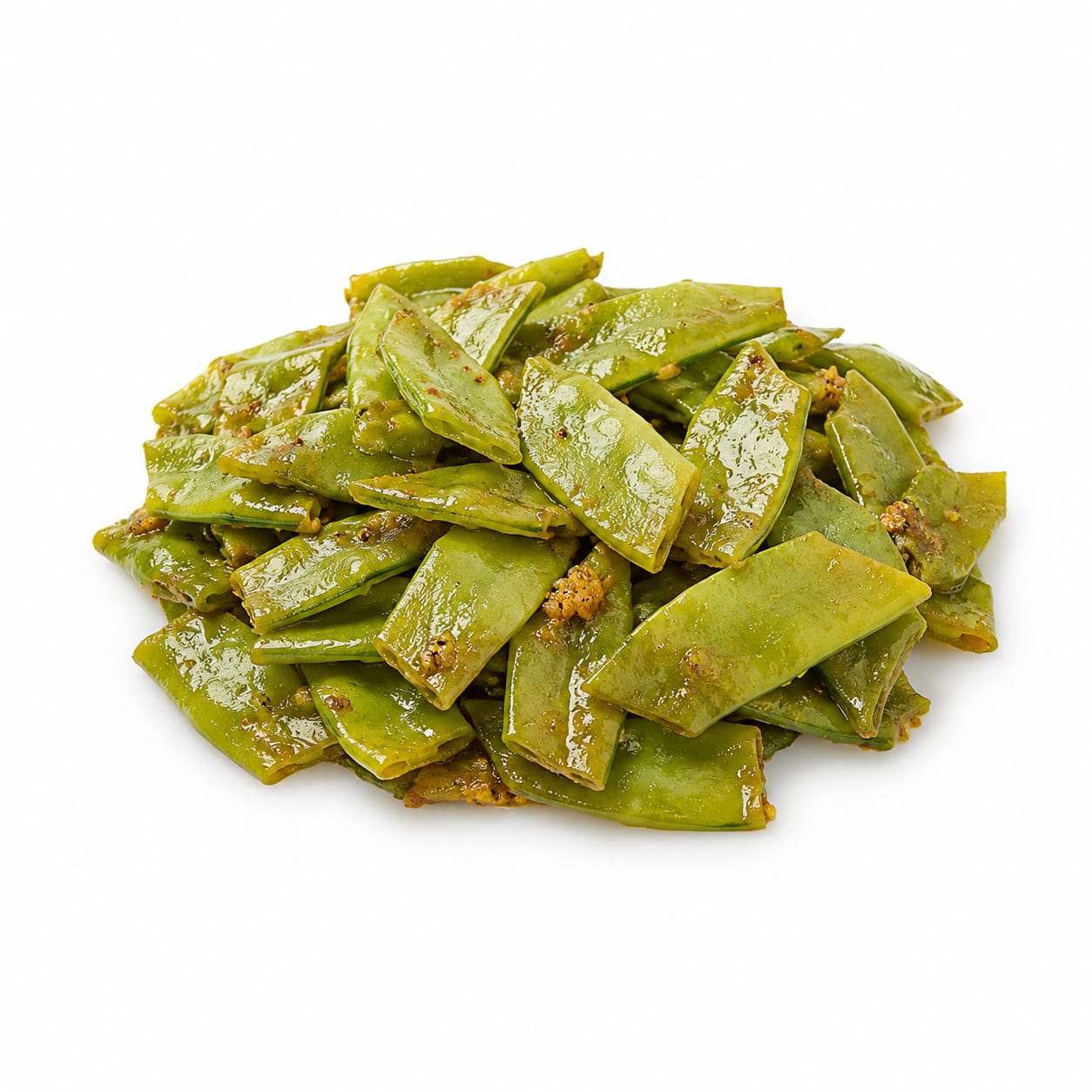
Flat beans are wide-podded green beans prized for their crisp texture and high fiber content.
Flat beans, also known as helda beans or runner beans, are a type of green bean characterized by their wide, flat pods and slightly sweet, robust flavor. They are enjoyed cooked as a side dish or incorporated into various culinary recipes.
high-fiber low-calorie vegetable
Typical serving · 125g
Common varieties · Helda, Romano, Pole Runner, Bush Flat Bean, Italian Flat Bean
Overall context score across nutrition, safety, and diet fit
At a glance
Quick facts
Simple indicators based on nutrition, processing, and diet fit.
The story
What makes it unique
Flat beans digest moderately slowly due to their dietary fiber content, which promotes satiety and moderates glycemic response. Their macronutrient profile is low in fat and protein but rich in complex carbohydrates and fiber. As a whole plant food, they are minimally processed and retain their natural cellular structure, enhancing nutrient bioavailability and gut health benefits.
Varieties: Helda · Romano · Pole Runner · Bush Flat Bean · Italian Flat Bean
Per 100g
Nutrition breakdown
Macro balance and key metrics at a glance.
Energy
Density 0.31 kcal/g
Protein
Carbs
Fat
Fiber
Sugar
2.5 g
Sodium
5 mg
Potassium
250 mg
Glycemic index
20
Glycemic load
1
Water content
90%
Standout compounds
Nutrient highlights
Dietary Fiber
highPromotes digestive regularity and feeds gut microbiome
Vitamin K
moderateEssential for blood clotting and bone metabolism
Vitamin C
moderateSupports immune function and acts as an antioxidant
Folate
moderateImportant for cell division and DNA synthesis
Potassium
moderateHelps regulate blood pressure and fluid balance
Wellness map
Health scores & processing
NOVA processing scale
minimally processed · Whole food
Fresh flat beans are whole, unprocessed plant foods that are simply cleaned and trimmed before consumption.
Diet compatibility
- Weight loss
- Muscle gain
- Diabetes
- Gut health
- Low carb
- High protein
- Heart health
Relative standing
Food rankings
Qualitative ranks compared to similar whole foods.
- Satietygood
- Blood sugarexcellent
- Nutrient densitygood
- Fitness fuelmoderate
- Processing qualityexcellent
Eat with confidence
Food safety profile
Flat beans are generally safe but must be cooked thoroughly to neutralize naturally occurring lectins (phytohaemagglutinin), which can cause gastrointestinal distress if beans are eaten raw or undercooked. Conventional crops may carry moderate pesticide residue.
Evidence confidence 85%
- Pesticidesmoderate
- Antibioticslow
- Heavy metalslow
- Contaminationlow
Watch for
- pesticide residues
- phytohaemagglutinin
Safer choices
Organic flat beans reduce pesticide exposure risk.
Prep tips
Wash thoroughly under running water, trim ends, and boil or steam until completely tender to ensure lectins are destroyed.
Standard agricultural pesticide limits apply; green beans frequently appear on environmental working group watchlists for pesticide residues.
Deep dive
Health analysis
How this food may fit different goals and preparation choices.
Weight loss
Low energy density and high water content allow for large portion sizes with minimal calories, promoting fullness.
Blood sugar
Very low glycemic index and load. Fiber slows carbohydrate absorption, preventing blood sugar spikes.
Fitness & energy
Provides light, slow-digesting carbohydrates suitable for general activity but lacks the dense energy or protein needed for intense workout fuel or recovery.
Gut health
Good source of dietary fiber that supports regular bowel movements and feeds beneficial gut bacteria.
Processing quality
A whole, unrefined plant food with intact cellular structure and maximal micronutrient retention.
Food safety
Safe when properly cooked. Moderate pesticide risk warrants washing or choosing organic.
Common mistakes
Eating them raw or undercooked in salads, which can cause digestive issues due to lectins. Over-boiling can leach water-soluble vitamins.
Best preparation
Steaming or sautéing until tender-crisp preserves nutrients while ensuring lectins are fully neutralized.
Practical guide
Best use cases
When and how this food fits real eating patterns.
High-volume low-calorie eating
Add large portions to meals to increase volume and satiety without significantly increasing caloric intake.
Blood sugar friendly side dish
Replace starchy sides like potatoes or rice with flat beans to keep post-meal blood sugar stable.
Fiber boost for meals
Incorporate into salads, soups, or stir-fries to increase daily fiber intake easily.
Balance sheet
Pros & cons
Upsides
- Very low in calories and energy density
- High in dietary fiber for gut health and satiety
- Minimal impact on blood sugar levels
- Good source of essential vitamins like K and C
- Versatile and easy to prepare
Trade-offs
- Must be cooked thoroughly to neutralize toxic lectins
- Not a significant source of protein or healthy fats
- Conventional varieties may carry moderate pesticide residues
- Can become mushy if overcooked
Fit check
Who is it for?
Great match
- weight loss diets
- blood sugar management
- increasing daily vegetable volume
- low-carb eating plans
Consider alternatives
- high-protein diets
- strict ketogenic diets
- raw food diets
- those seeking dense workout fuel
Side by side
How it compares
Open the full head-to-head analysis for nutrition, safety, and practical tradeoffs.
This food
Flat Bean
VS95% alike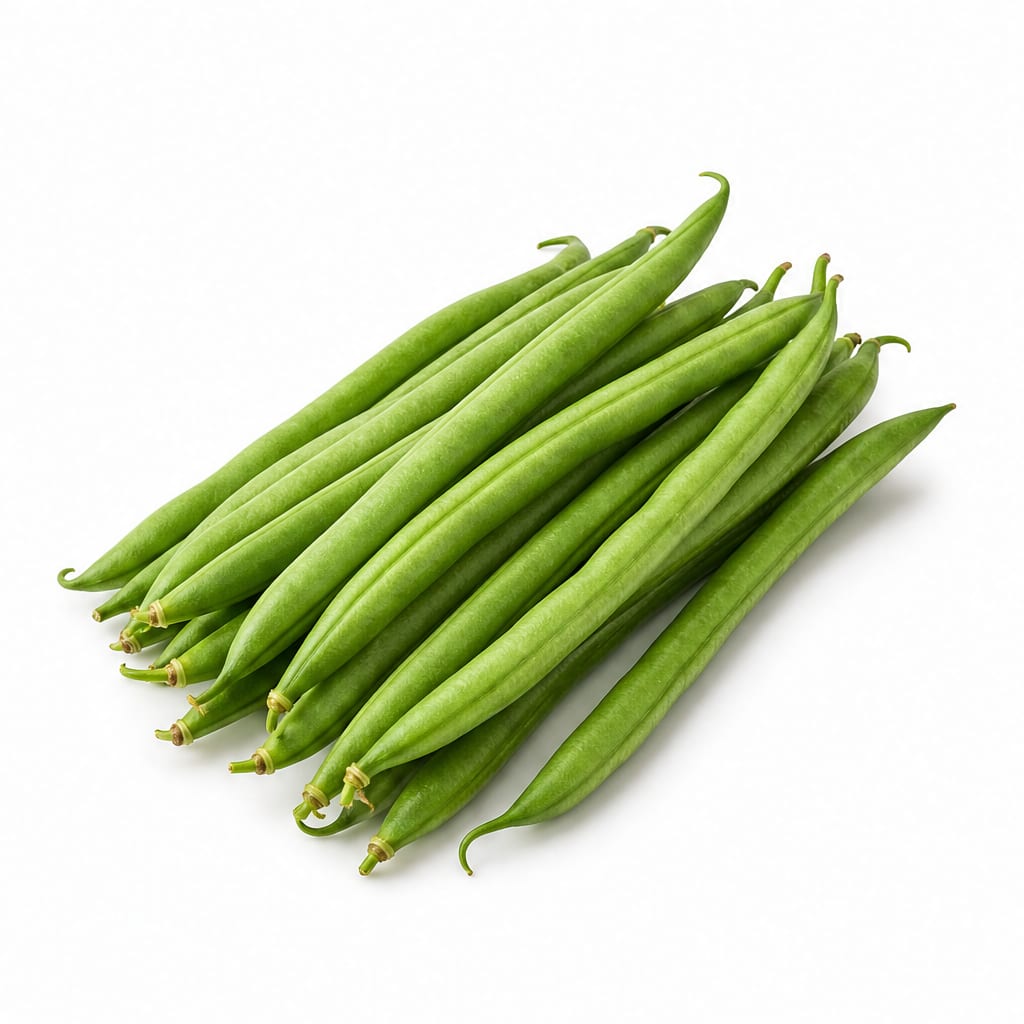
Compare with
Green Beans
Flat beans are wider and slightly sweeter than standard round green beans, but both offer similar low-calorie, high-fiber nutrition profiles.
Flat beans and green beans are nutritionally similar, but flat beans offer slightly more fiber per serving, making them marginally better for satiety.
This food
Flat Bean
VS70% alike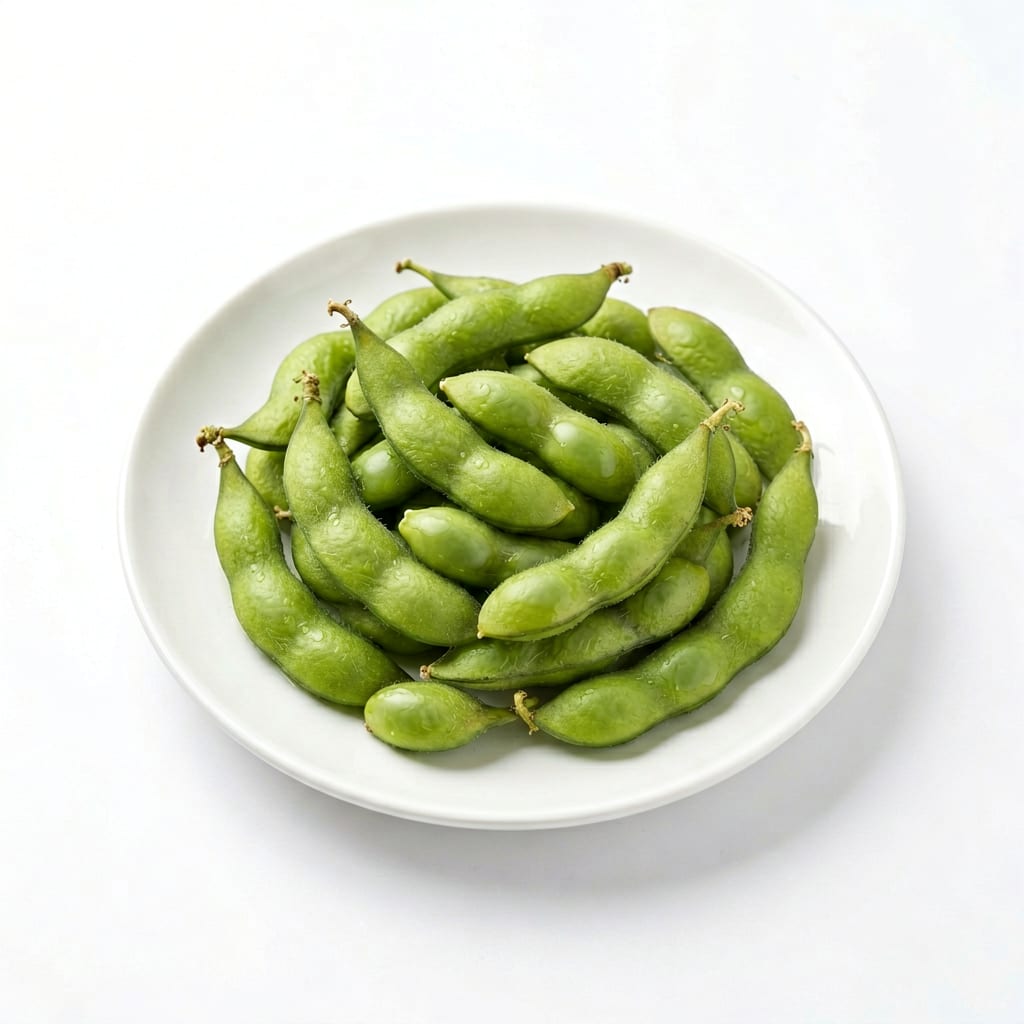
Compare with
Edamame
Edamame is significantly higher in protein and fat, while flat beans are much lower in calories and carbohydrates.
Edamame provides far more protein for muscle recovery, while flat beans are a lighter, lower-calorie choice for weight loss.
This food
Flat Bean
VS65% alike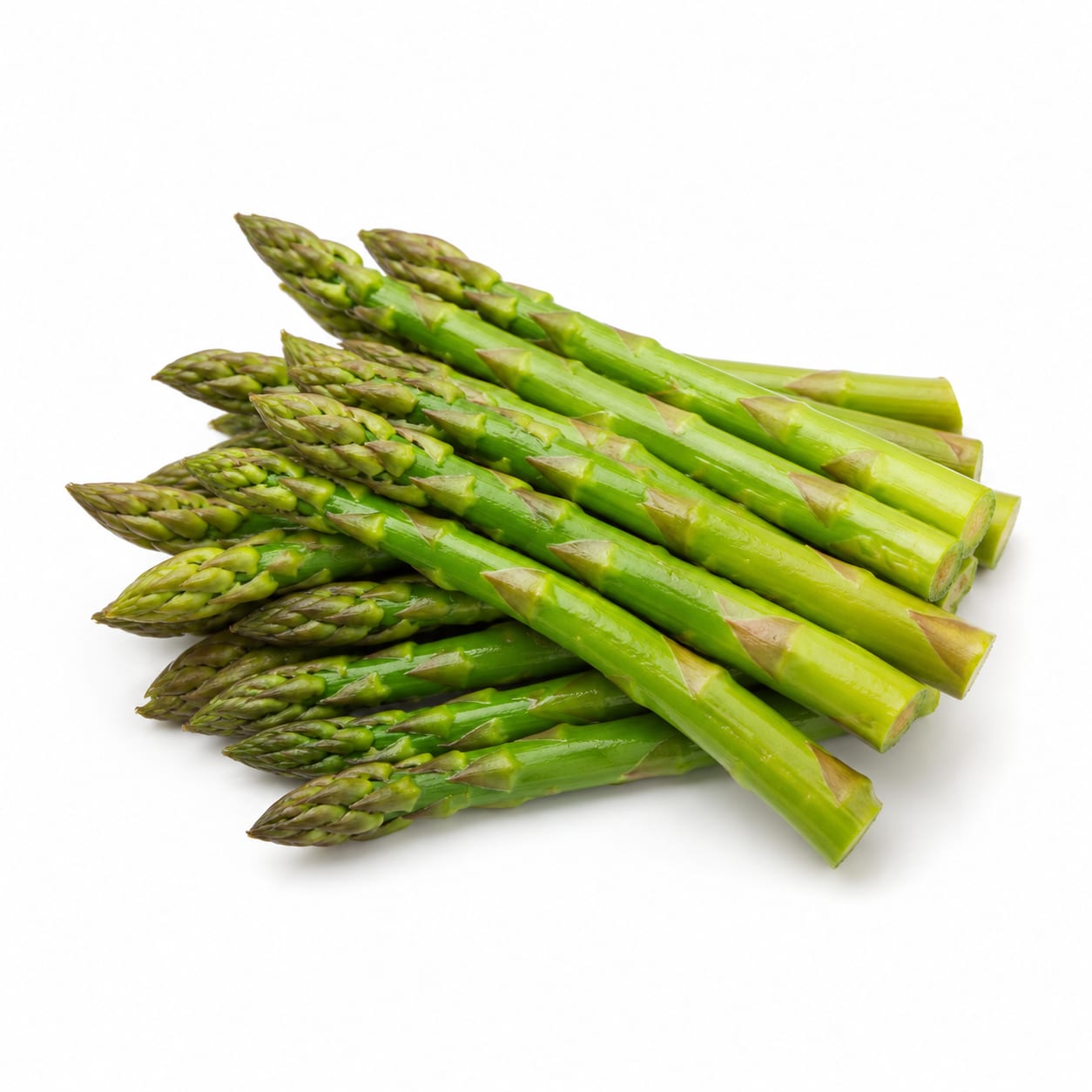
Compare with
Asparagus
Asparagus is richer in folate and vitamin K, while flat beans provide slightly more fiber and carbohydrates.
Asparagus and flat beans are both excellent low-calorie vegetables; flat beans offer slightly more fiber, while asparagus provides more folate.
This food
Flat Bean
VS75% alike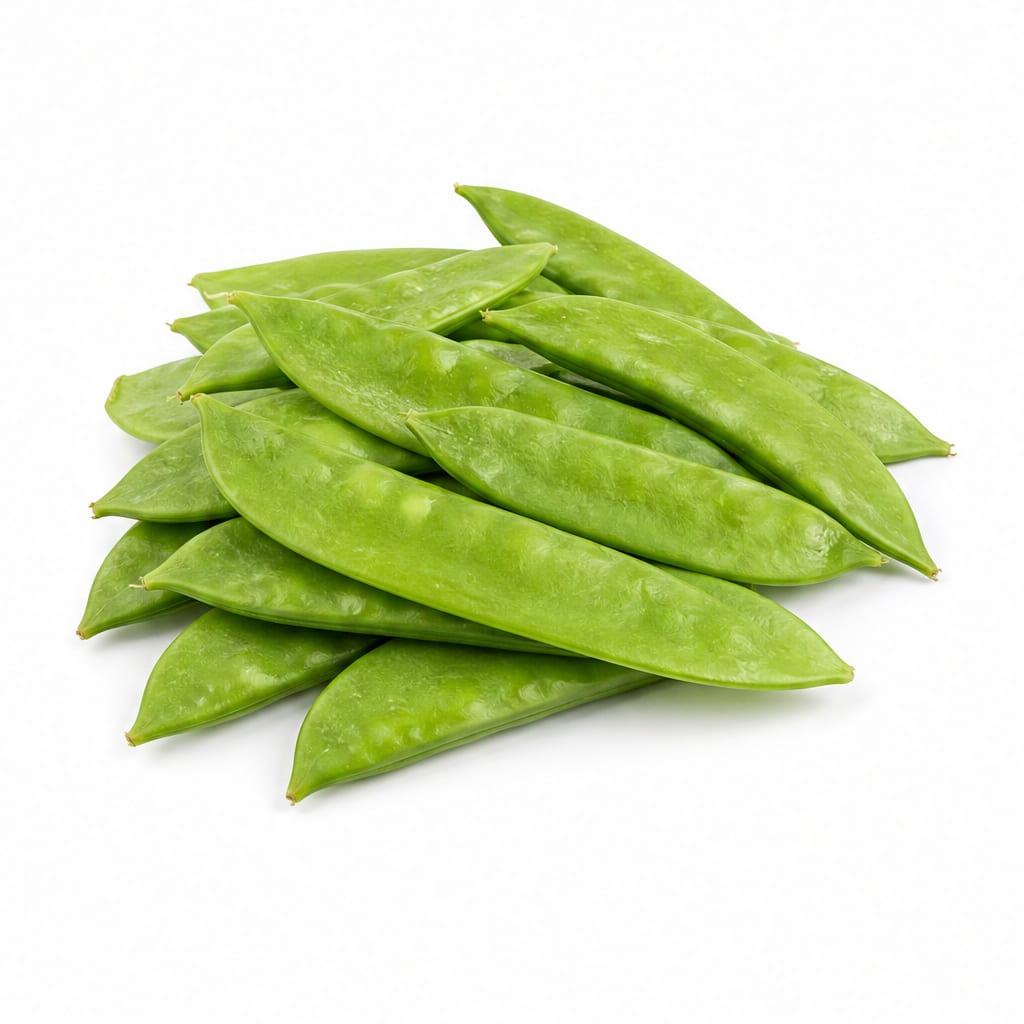
Compare with
Snow Peas
Snow peas are lower in calories and higher in sugar, while flat beans are richer in fiber and more satiating.
Snow peas are slightly lower in calories, but flat beans are higher in fiber and better for blood sugar control.
This food
Flat Bean
VS60% alike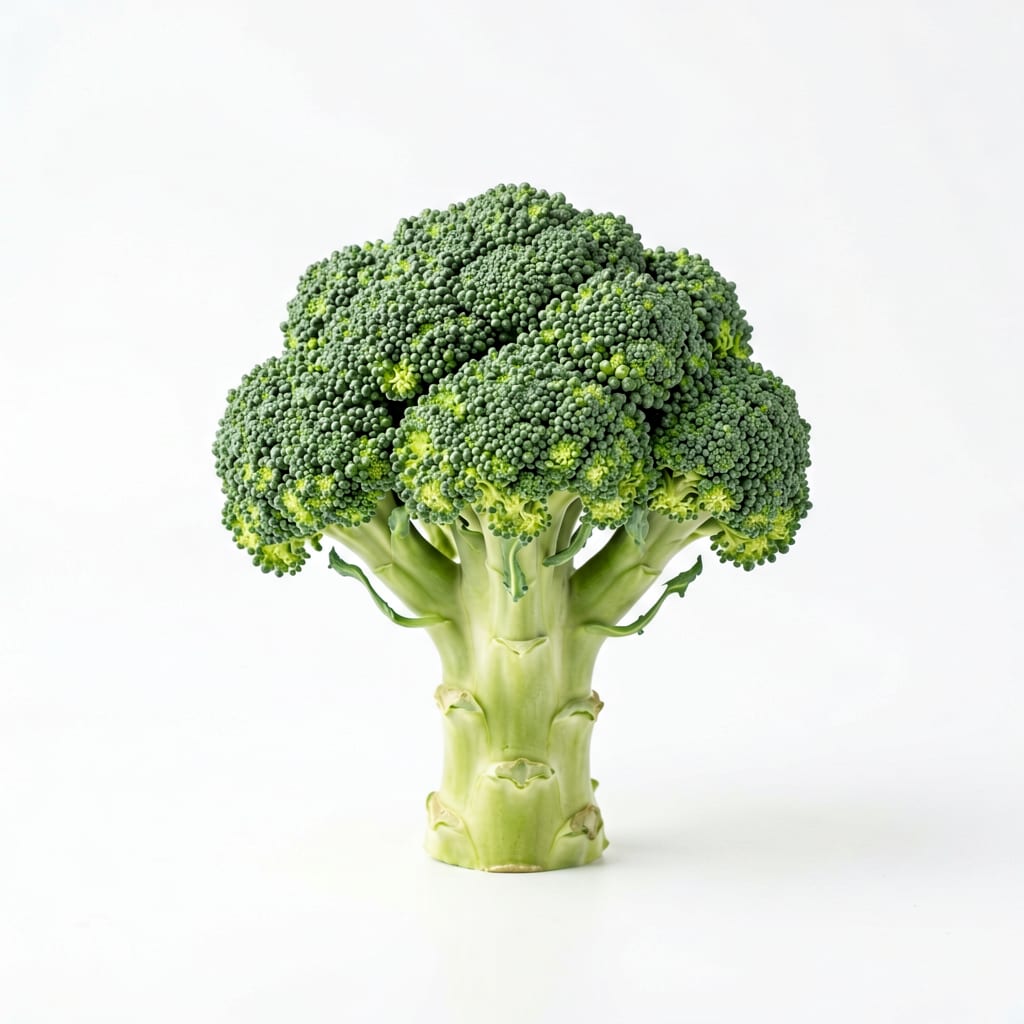
Compare with
Broccoli
Broccoli offers more vitamin C and cancer-fighting compounds, while flat beans provide a slightly better texture for certain side dishes.
Broccoli and flat beans are both nutritional powerhouses; broccoli is richer in vitamin C, while flat beans offer a satisfying crispness.
This food
Flat Bean
VS55% alike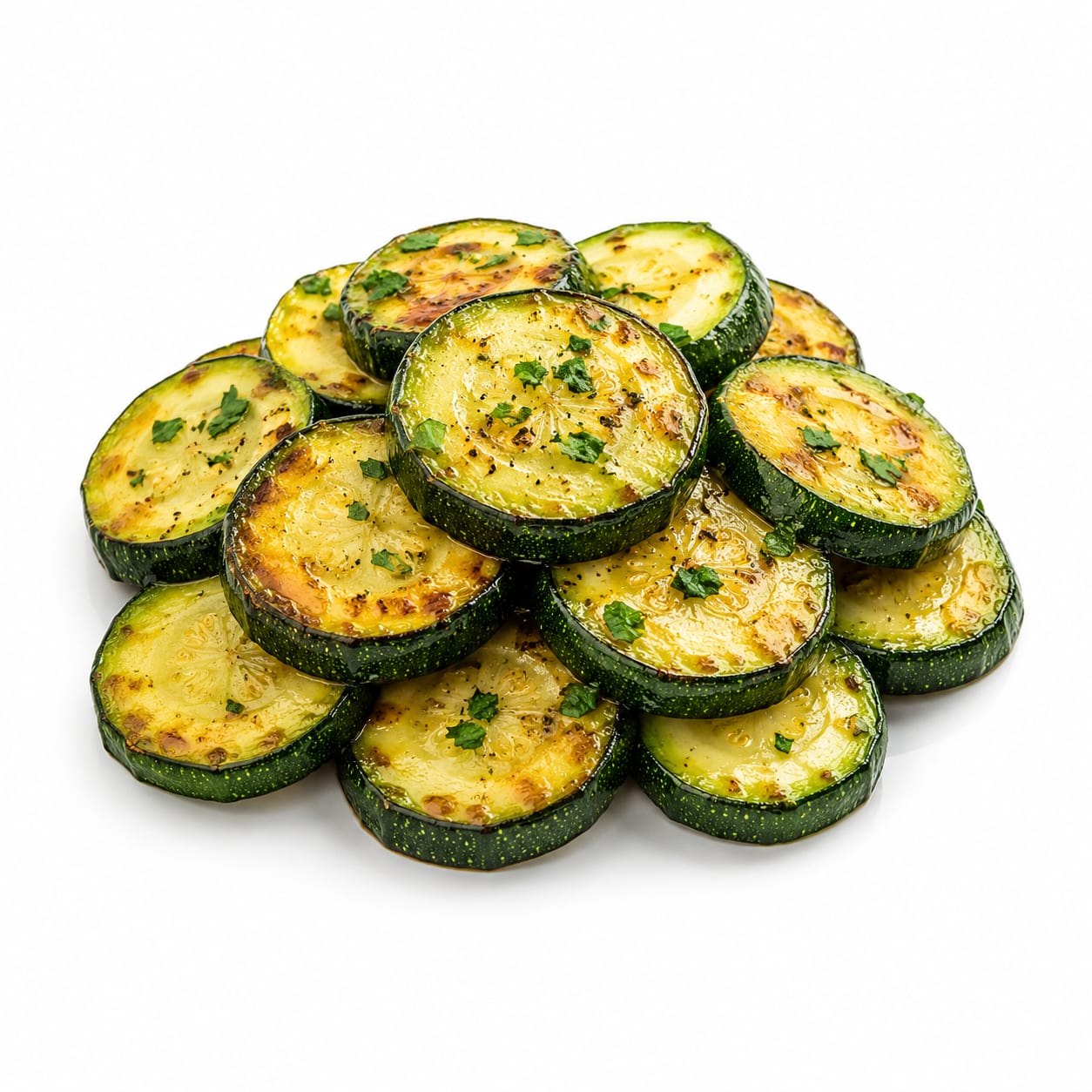
Compare with
Zucchini
Zucchini is lower in carbohydrates and calories, but flat beans offer significantly more fiber per serving.
Zucchini is lower in carbs, but flat beans provide more fiber to keep you full and support digestion.
This food
Flat Bean
VS50% alike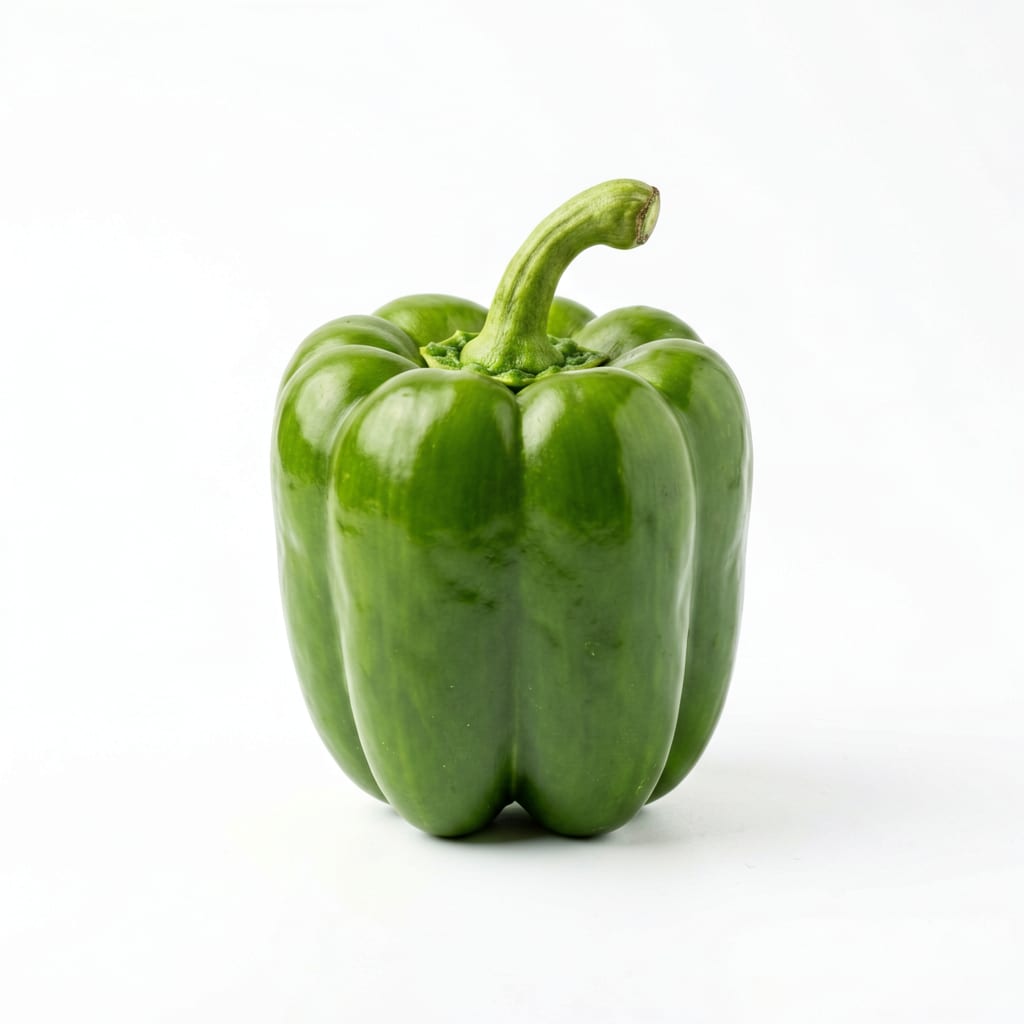
Compare with
Bell Pepper
Bell peppers are much higher in vitamin C and sugar, while flat beans are higher in fiber and lower in glycemic impact.
Flat beans are better for blood sugar control and satiety due to higher fiber, while bell peppers provide a massive boost of vitamin C.
This food
Flat Bean
VS50% alike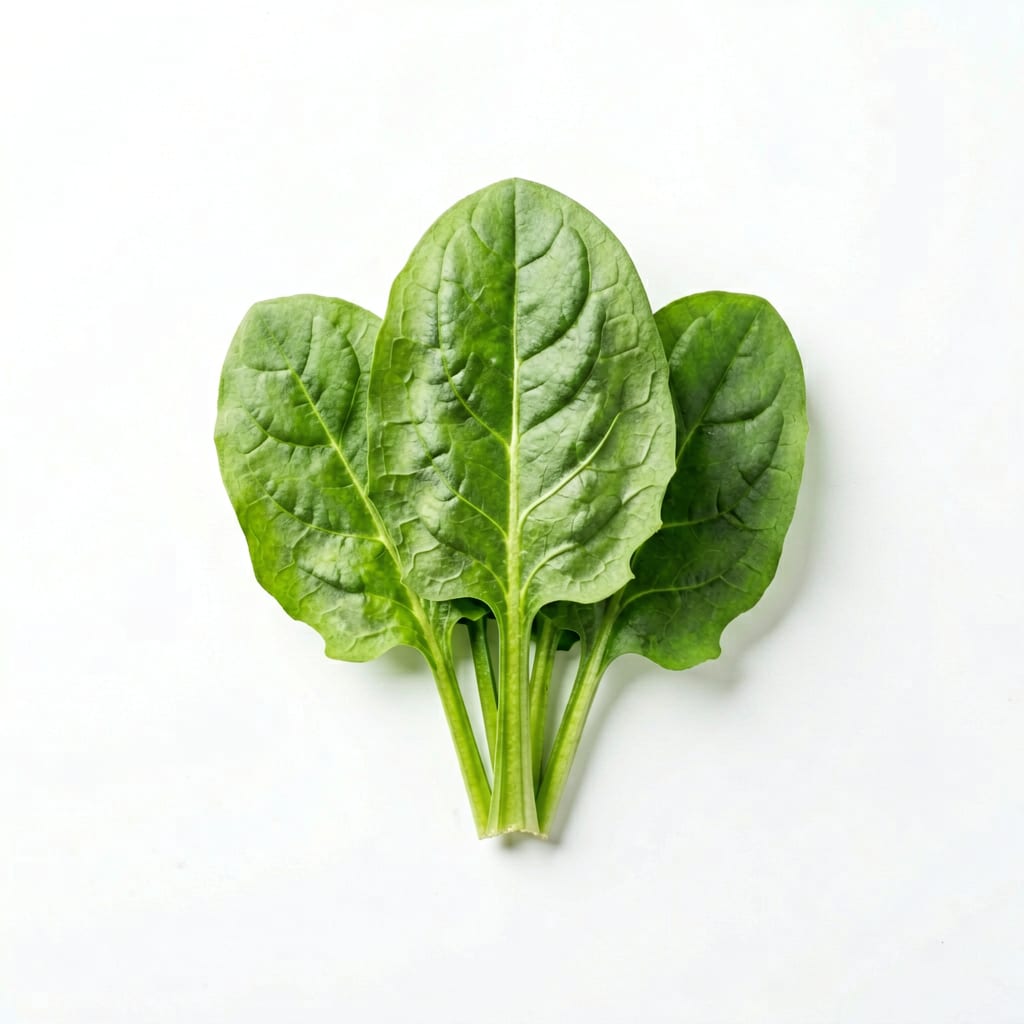
Compare with
Spinach
Spinach is extremely low in calories and high in iron, while flat beans provide more substantial fiber and carbohydrates.
Spinach is lower in calories and higher in iron, but flat beans offer more substantial fiber for gut health and fullness.
This food
Flat Bean
VS55% alike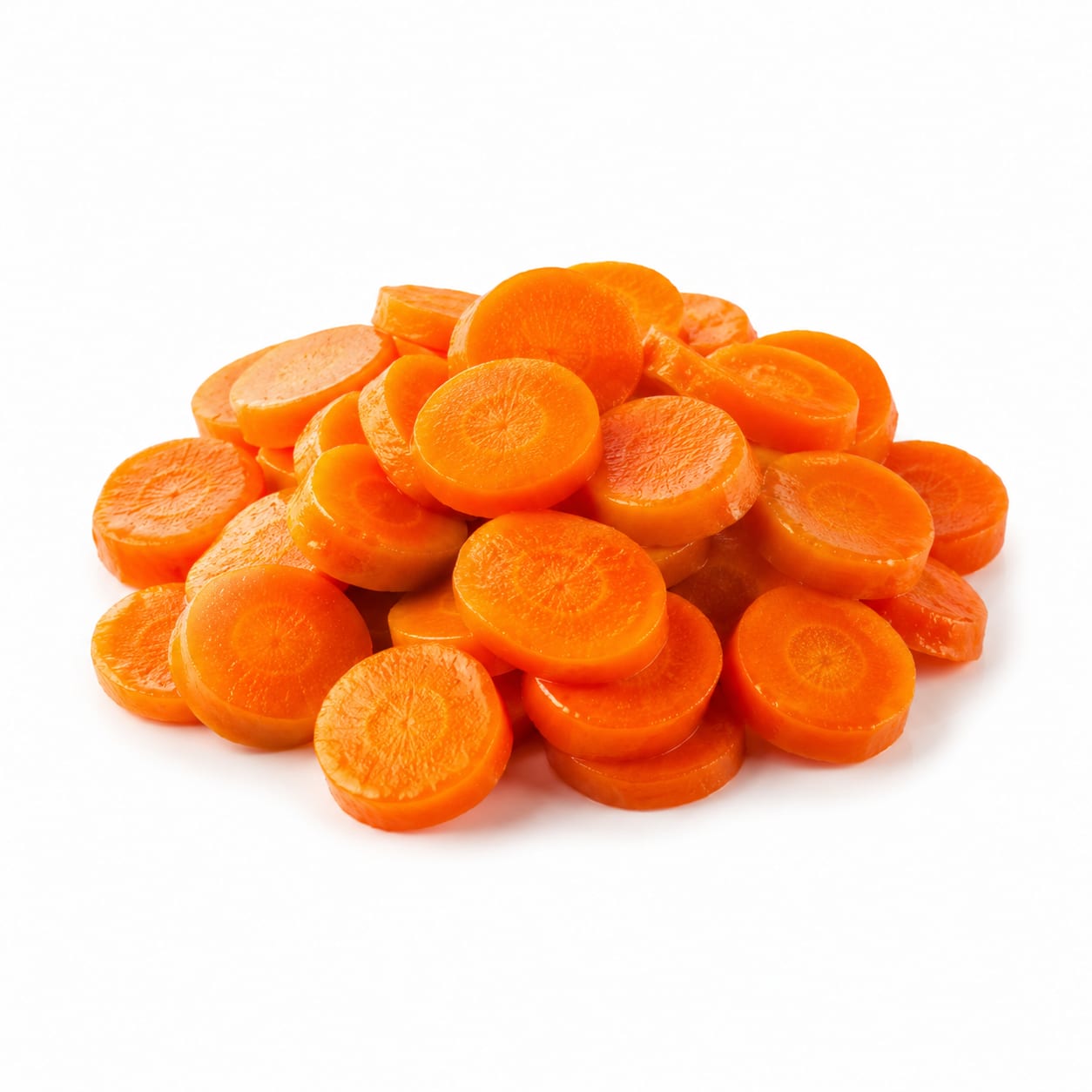
Compare with
Carrots
Carrots are high in beta-carotene and sugar, while flat beans are lower in carbs and higher in fiber.
Flat beans are lower in sugar and higher in fiber than carrots, making them a better choice for strict blood sugar control.
This food
Flat Bean
VS55% alike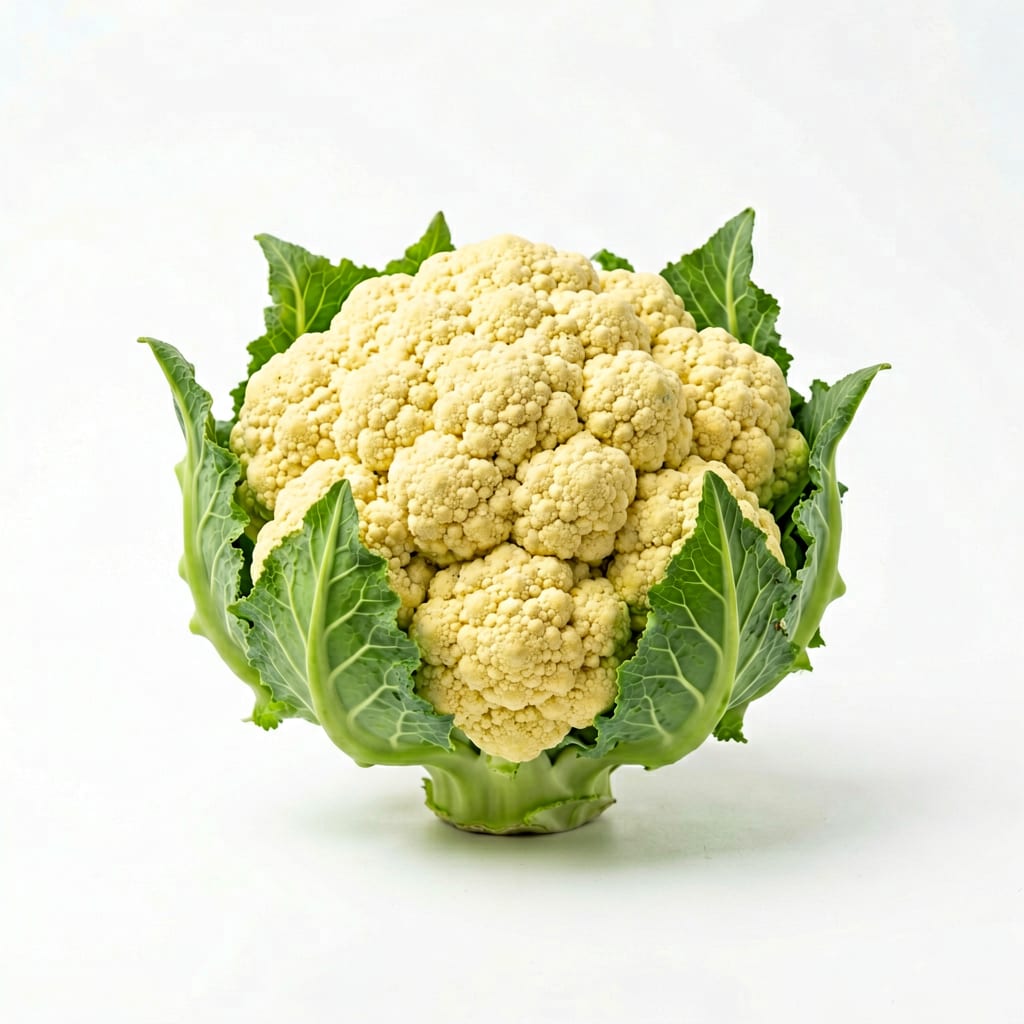
Compare with
Cauliflower
Cauliflower is lower in carbs and higher in vitamin C, while flat beans provide slightly more protein and fiber.
Cauliflower is lower in carbohydrates, but flat beans offer more fiber per serving, making them slightly more satiating.
Common questions
FAQ
Answers aligned with how people search for this food.
Are flat beans good for weight loss?
Yes, flat beans are excellent for weight loss. They are very low in calories and high in fiber, which helps you feel full longer without consuming excess energy.
Can diabetics eat flat beans?
Yes, flat beans have a very low glycemic index and glycemic load. Their fiber content slows down sugar absorption, making them a safe and healthy choice for blood sugar control.
Do flat beans need to be cooked?
Yes, flat beans must be cooked thoroughly. Raw flat beans contain lectins that can cause nausea and digestive distress. Boiling or steaming until tender destroys these compounds.
Are flat beans the same as green beans?
Flat beans are a variety of green beans (often runner beans) distinguished by their wide, flat pods. Nutritionally they are very similar, though flat beans can sometimes be slightly sweeter and more fibrous.
How do you cook flat beans without losing nutrients?
Steaming or sautéing flat beans until tender-crisp is the best way to preserve their water-soluble vitamins while ensuring they are cooked enough to neutralize lectins.
Are flat beans high in carbs?
No, flat beans are relatively low in digestible carbs. While they contain about 7g of total carbohydrates per 100g, nearly half of that is dietary fiber, resulting in only about 3.8g of net carbs.
Can you eat flat beans raw?
No, you should never eat flat beans raw. They contain phytohaemagglutinin, a type of lectin that is toxic when raw and can cause severe gastrointestinal upset.
What are the health benefits of flat beans?
Flat beans support digestive health through high fiber, aid in weight management due to low calories, and help regulate blood sugar. They also provide vitamin C, vitamin K, and folate.
Transparency
Data confidence
Estimated confidence for nutrition data, interpretation, safety notes, and comparisons.
Nutrition data
Health analysis
Food safety
Comparisons