
Nutrition comparison
Flat Beans vs Spinach: Which Is Healthier for You?
Compare flat beans and spinach side by side — nutrition, satiety, safety, and real-world usability. Find out which green vegetable fits your health goals better.
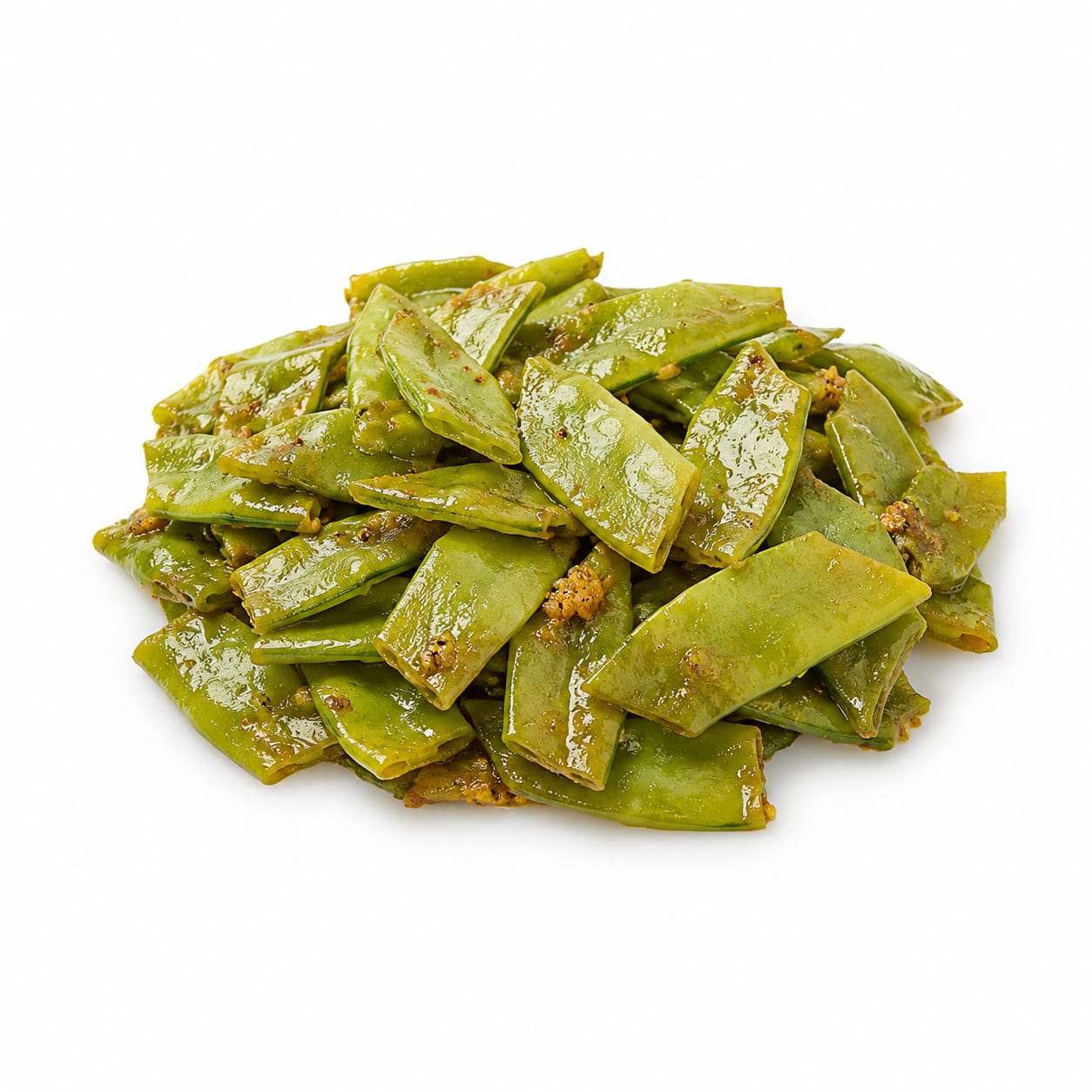
Flat Bean
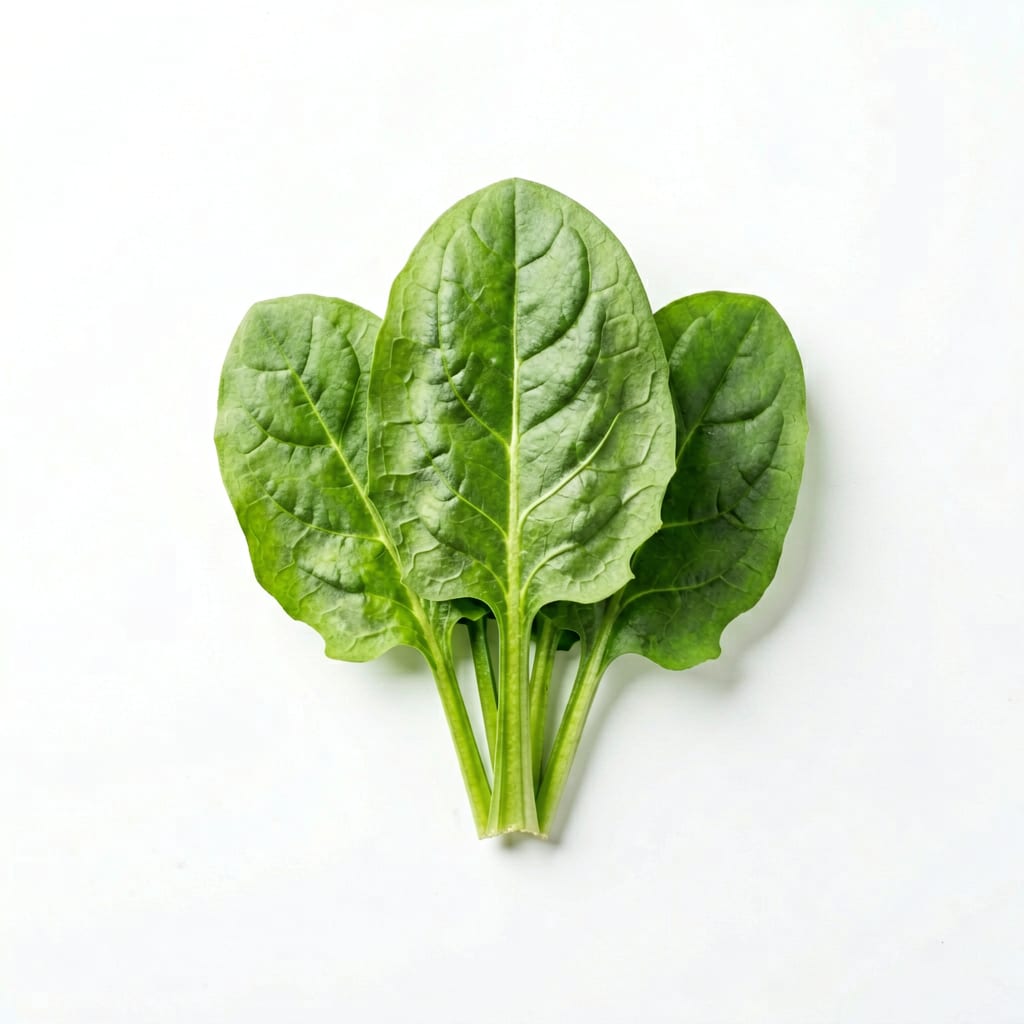
Spinach
Spinach is the vitamin and antioxidant powerhouse you can toss into anything; flat beans are the satisfying, protein-rich option that keeps you full longer.
Spinach edges ahead for everyday versatility and vitamin density, but flat beans win on satiety and protein. The gap is modest because both are genuinely nutritious — the right choice depends on what your meal is missing.
Spinach gives you more vitamins per bite but barely fills you up; flat beans take more effort but deliver real satiety and steadier energy.
At a glance
Executive summary
Overall
It depends
Healthier
It depends
More practical
Spinach
Daily use
Spinach
Key comparison lenses
nutrient density comparison
Both are green vegetables but deliver very different nutrient profiles — spinach dominates vitamins while flat beans lead in protein and fiber
satiety and meal satisfaction
Flat beans are substantially more filling due to higher protein and fiber, which matters for real-world hunger management
mineral absorption and antinutrient concerns
Spinach contains oxalates that block calcium and iron absorption, while flat beans have lectins that require proper cooking — both have absorption tradeoffs
versatility and convenience
Spinach can be eaten raw or cooked in seconds; flat beans always require cooking and preparation
blood sugar stability
Flat beans provide steadier energy with more protein and complex carbs, while spinach alone will not sustain energy
Best choice for
Flat Bean
- People needing more plant protein from vegetables
- Those wanting longer-lasting fullness from a side dish
- Anyone managing blood sugar who wants a low-glycemic vegetable
- Athletes seeking post-workout recovery carbs with protein
Spinach
- Anyone wanting maximum vitamins with minimal calories
- People who need quick-prep greens for smoothies or salads
- Those focused on eye health and antioxidant intake
- Anyone short on time who wants nutrition in seconds
Least suitable for
Flat Bean
- People with severe legume allergies or sensitivities
- Anyone who needs raw or no-cook meal options
- Those prone to bloating from high-fiber foods
Spinach
- People with kidney stones or oxalate sensitivity
- Those needing calorie-dense or protein-rich vegetables
- Anyone who finds spinach's texture or taste unappealing raw
Deep comparison
Dimension by dimension
Each lens scores both foods and breaks down who each option suits.
- Dimension 1 · Priority 92Spinach
nutrient density
Flat Bean · 68Spinach · 90Spinach delivers far more vitamins A, K, folate, and antioxidants per calorie than flat beans.
Tradeoff
Flat beans offer more protein and fiber, which spinach barely provides — so nutrient density depends on which nutrients you actually need.
Why it matters
If you are eating plenty of protein already, spinach fills the vitamin gap better. If your meal is protein-light, flat beans contribute more where it counts.
Real-world impact
A handful of spinach in a smoothie covers half your vitamin K needs; a serving of flat beans covers a meaningful chunk of your daily fiber and protein.
Flat Bean
- Meals already rich in vitamins but low in protein
- Vegetarian diets needing more plant protein from greens
Better for
- Quick vitamin boosts where cooking is impractical
Worse for
Spinach
- Meals that are protein-heavy but vegetable-light
- Anyone tracking micronutrients closely
Better for
- Satiety-focused meals where you need to stay full for hours
Worse for
- Dimension 2 · Priority 88Flat Bean
satiety and fullness
Flat Bean · 82Spinach · 45Flat beans are significantly more filling thanks to higher protein and fiber content.
Tradeoff
Spinach is so low in calories and protein that it barely moves the hunger needle on its own — you need to pair it with something substantial.
Why it matters
If you are trying to eat less but feel satisfied, flat beans do more of the heavy lifting per serving.
Real-world impact
A plate of flat beans as a side keeps you full for 2-3 hours; a spinach side leaves you looking for a snack within an hour.
Flat Bean
- Weight management through natural fullness
- Replacing starchy sides with something satisfying
Better for
- Very small appetites where heavy sides feel like too much
Worse for
Spinach
- Light meals where you intentionally want to stay light
Better for
- Anyone prone to overeating later because meals did not feel substantial
Worse for
- Dimension 3 · Priority 85Flat Bean
mineral absorption and antinutrients
Flat Bean · 75Spinach · 55Spinach's oxalates block much of its own calcium and iron from being absorbed; flat beans have fewer absorption barriers once cooked properly.
Tradeoff
Flat beans contain lectins that are neutralized by cooking, while spinach's oxalate issue cannot be fully solved — only reduced by boiling.
Why it matters
Eating spinach for iron is a common misconception — your body absorbs very little of it. Flat beans deliver more usable minerals per serving.
Real-world impact
If you are relying on greens for iron, flat beans actually get more iron into your bloodstream than spinach, despite spinach having more on paper.
Flat Bean
- Anyone counting on vegetable iron actually being absorbed
- People avoiding high-oxalate foods for kidney health
Better for
- People who undercook beans and get digestive distress from lectins
Worse for
Spinach
- Those who pair spinach with vitamin C sources to boost absorption
Better for
- Anyone with a history of calcium oxalate kidney stones
Worse for
- Dimension 4 · Priority 80Spinach
versatility and convenience
Flat Bean · 50Spinach · 90Spinach works raw in salads, blended in smoothies, wilted into pasta, or sautéed as a side — flat beans always require cooking and trimming.
Tradeoff
Flat beans need 8-15 minutes of cooking minimum and have a more limited range of uses, but they hold their texture better in cooked dishes.
Why it matters
On a busy weeknight, spinach is a 30-second addition; flat beans are a deliberate cooking choice.
Real-world impact
You can throw spinach into almost anything at the last minute. Flat beans require planning and a pot of boiling water.
Flat Bean
- Casseroles and stews where you want a vegetable that keeps its shape
- Mediterranean-style meals where beans are traditional
Better for
- No-cook meal situations like packed lunches
- Quick breakfast additions
Worse for
Spinach
- Smoothies, salads, and quick stir-fries
- Meal prep where you need a flexible green that works in anything
Better for
- Dishes where you want a vegetable with real bite and chew
Worse for
- Dimension 5 · Priority 78Flat Bean
blood sugar stability
Flat Bean · 80Spinach · 55Flat beans provide a steadier, slower energy release due to their protein and fiber combo.
Tradeoff
Spinach alone will not spike blood sugar, but it also will not stabilize it — there is simply not enough substance to matter much.
Why it matters
For anyone managing diabetes or energy crashes, flat beans as a side dish actively help; spinach is neutral at best.
Real-world impact
Pairing flat beans with a carb-heavy meal slows the glucose response noticeably. Spinach does not move the needle the same way.
Flat Bean
- Diabetics wanting a blood-sugar-friendly vegetable side
- Athletes needing sustained energy without spikes
Better for
- Small children who may find beans too filling before finishing other foods
Worse for
Spinach
- Very low-calorie diets where any calorie intake is being minimized
Better for
- People who experience afternoon energy crashes from insufficient protein at lunch
Worse for
- Dimension 6 · Priority 75Spinach
antioxidant and anti-inflammatory value
Flat Bean · 60Spinach · 88Spinach is loaded with lutein, zeaxanthin, and flavonoids that flat beans simply do not match.
Tradeoff
Flat beans have some antioxidants but are not in the same league as spinach for eye health and inflammation-fighting compounds.
Why it matters
If long-term eye health and reducing inflammation are priorities, spinach is one of the best vegetables you can eat.
Real-world impact
Regular spinach consumption is linked to lower risk of age-related macular degeneration — flat beans cannot make that claim.
Flat Bean
- General vegetable variety for a balanced antioxidant intake
Better for
- Anyone specifically targeting lutein and zeaxanthin intake
Worse for
Spinach
- Eye health and long-term vision protection
- Reducing chronic inflammation through diet
Better for
- Situations where anti-inflammatory benefits are already well-covered by other foods
Worse for
Timeline
Health impact over time
Short-term
Hours to days
Flat Bean
- Noticeable fullness after eating due to protein and fiber
- Possible gas or bloating if you are not used to high-fiber beans
- Steadier energy without the crash that follows lighter vegetables
Spinach
- Very light feeling after eating — almost no digestive burden
- Quick nutrient infusion without feeling weighed down
- Raw spinach may cause mild stomach discomfort in sensitive people due to oxalates
Long-term
Months to years
Flat Bean
- Better blood sugar management from consistent fiber intake
- Improved gut health from prebiotic fiber feeding beneficial bacteria
- More sustainable vegetable intake because the satiety keeps you coming back
Spinach
- Stronger eye health protection from regular lutein and zeaxanthin intake
- Lower inflammation markers from consistent antioxidant consumption
- Potential kidney stone risk if consumed in large quantities by susceptible individuals
Risk profile
Safety & processing
Both flat beans and spinach are whole, minimally processed vegetables. Fresh or frozen versions of either are equally clean choices. Canned flat beans may contain added sodium, and pre-washed bagged spinach can carry slightly higher food safety risks, but the foods themselves are as natural as it gets.
Flat Bean
Lectin toxicity from undercooking
mediumRaw or undercooked flat beans contain phytohaemagglutinin, which can cause nausea and vomiting. Always cook thoroughly for at least 8-10 minutes.
Pesticide residue
lowFlat beans are not on high-pesticide lists but washing is still recommended, especially for conventionally grown varieties.
Spinach
Oxalate accumulation and kidney stones
mediumSpinach is very high in oxalates. People with a history of calcium oxalate kidney stones should limit intake or boil spinach to reduce oxalate content.
Bacterial contamination in pre-washed packages
mediumBagged spinach has been linked to E. coli and listeria outbreaks. Always wash pre-packaged spinach, even if labeled pre-washed.
Pesticide residue
mediumSpinach consistently appears on the Environmental Working Group's Dirty Dozen list for high pesticide residue. Organic is worth considering.
Who wins for whom
Audience fit
Same foods, different winners depending on your goal.
children
SpinachSpinach can be hidden in smoothies, pasta sauces, and scrambled eggs more easily. Flat beans are a tougher sell to picky eaters and pose a slightly higher choking risk for very young children.
daily consumption
SpinachSpinach is easier to incorporate daily across different meals without fatigue. Flat beans are more of a few-times-a-week vegetable due to preparation effort and digestive load.
diabetes
Flat BeanThe fiber and protein combination in flat beans actively slows glucose absorption. Spinach is safe but does not provide the same stabilizing effect.
elderly
SpinachSpinach is easier to chew and digest, and its high vitamin K supports bone health. Flat beans may be too fibrous for sensitive digestive systems.
muscle gain
Flat BeanFlat beans provide more protein per serving, which directly supports muscle repair. Spinach is too protein-light to contribute meaningfully.
weight loss
It dependsSpinach is lower in calories and easier to add to any meal, but flat beans keep you full longer which prevents overeating later. Choose spinach for calorie counting; choose flat beans for appetite control.
Your move
Decision guide
Choose Flat Bean
- You want a vegetable that actually fills you up as a side dish
- You are managing blood sugar and need a stabilizing vegetable
- You are vegetarian and need more protein from plant sources
- You enjoy cooking and do not mind the 10-15 minute prep time
- You have a history of kidney stones and want to avoid high-oxalate greens
Choose Spinach
- You need maximum vitamins with minimum calories
- You want a green you can eat raw, blend, or cook in under 2 minutes
- Eye health and antioxidant intake are top priorities for you
- You meal-prep and need a versatile green that works in anything
- You are building salads or smoothies and need a nutrient-dense base
Either works if
- You simply want more vegetables in your diet and both are available
- You are rotating greens for nutrient diversity — both are excellent choices
- You are cooking a stir-fry or soup where either would work as an addition
Avoid both if
- You are on a very strict low-fiber diet for medical reasons
- You have specific allergies to legumes or oxalate-sensitive kidney conditions
Final recommendation
Keep both in your rotation. Spinach is your daily driver — toss it into everything for a quick vitamin boost. Flat beans are your secret weapon when you need a vegetable that actually satisfies. The best strategy is spinach most days and flat beans two or three times a week for the protein, fiber, and satiety that spinach cannot deliver alone.
Practical
Consumer tips
- 1
Boil spinach for 1 minute and drain the water to reduce oxalate content by up to 40% if kidney stones are a concern
- 2
Always cook flat beans for at least 8-10 minutes to neutralize lectins — never eat them raw or al dente
- 3
Buy organic spinach when possible since it consistently ranks high for pesticide residue
- 4
Pair spinach with a vitamin C source like lemon juice or bell peppers to significantly boost iron absorption
- 5
Freeze fresh flat beans within a day of purchase if you cannot use them immediately — they lose sweetness quickly
- 6
Add flat beans to grain bowls or pasta for a satisfying vegetarian protein boost that keeps you full for hours