
Nutrition comparison
Flat Beans vs Bell Peppers: Which Vegetable Is Better for You?
Compare flat beans and bell peppers nutritionally. Flat beans offer more protein and satiety; bell peppers deliver massive vitamin C and raw convenience. Find out which fits your goals.
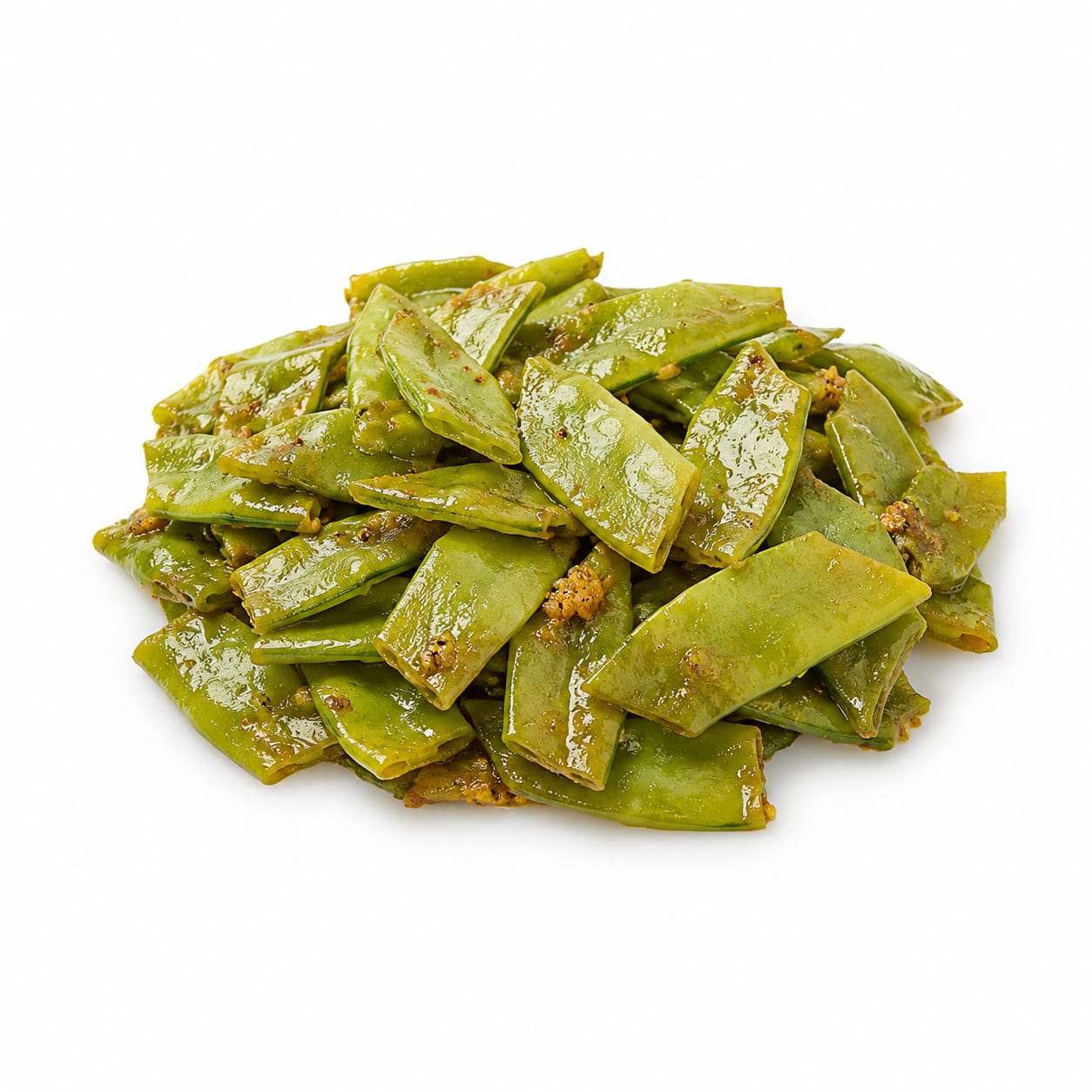
Flat Bean
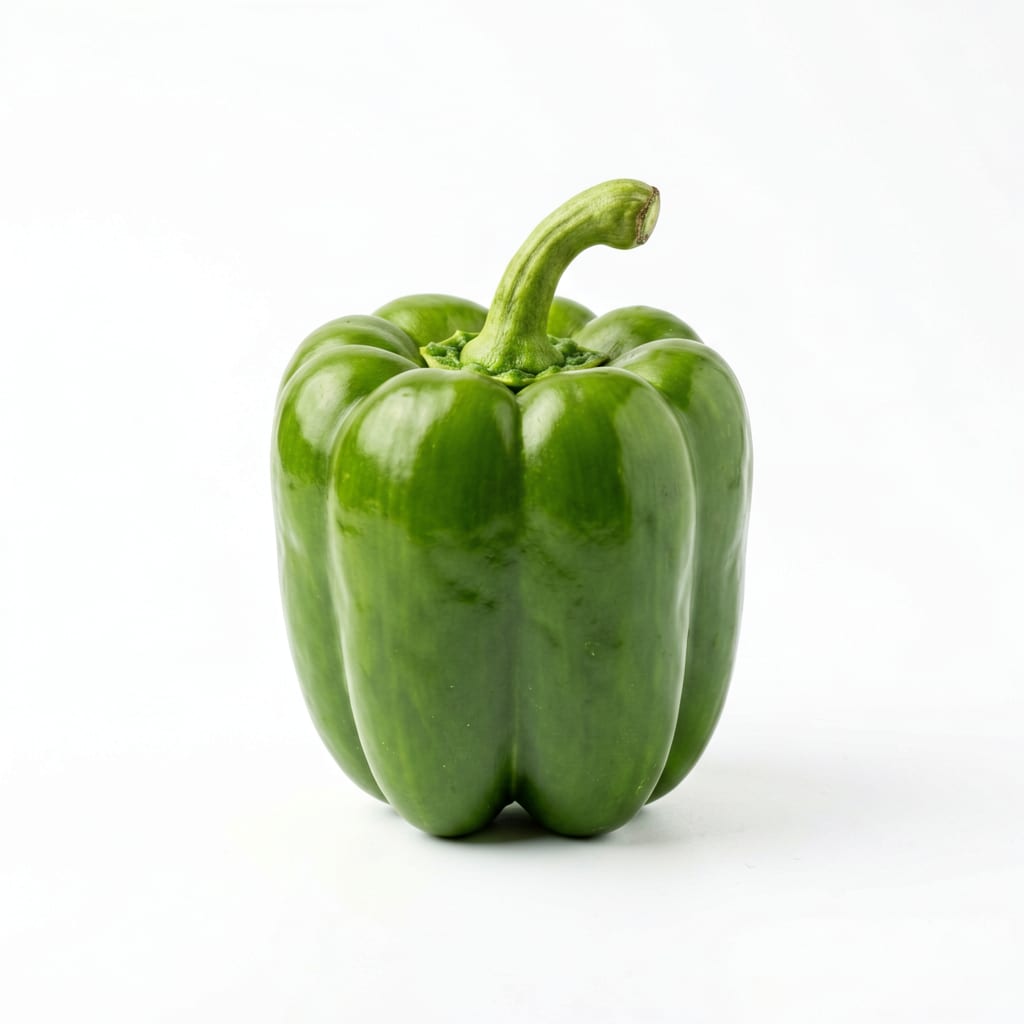
Bell Pepper
Flat beans fill you up with protein and fiber; bell peppers deliver a massive vitamin C hit with zero prep. Choose based on whether you need substance or convenience.
Bell peppers edge ahead slightly due to raw convenience and extraordinary vitamin C content, but flat beans win on satiety and blood sugar stability. The close scores reflect that both are excellent choices serving different needs.
Satiety and steady energy from flat beans versus instant raw snackability and immune-boosting vitamin C from bell peppers.
At a glance
Executive summary
Overall
It depends
Healthier
It depends
More practical
Bell Pepper
Daily use
Bell Pepper
Key comparison lenses
vegetable nutrient density comparison
Users choosing between these vegetables want to know which delivers more nutritional value per bite
satiety and meal satisfaction
Flat beans offer protein and fiber that fill you up, while bell peppers are lighter and more refreshing
raw vs cooked convenience
Bell peppers can be eaten raw as a snack; flat beans require cooking, which changes practical use
blood sugar and diabetes management
Fiber and protein content differences matter significantly for glucose control
antioxidant and immune support
Bell peppers are vitamin C powerhouses, while flat beans offer different phytonutrients
Best choice for
Flat Bean
- People needing sustained energy and fullness from meals
- Anyone managing blood sugar or insulin resistance
- Those wanting plant-based protein from vegetables
- Meal preppers who cook in batches
Bell Pepper
- People who snack raw and want zero-prep nutrition
- Anyone seeking immune support and vitamin C
- Busy individuals needing instant vegetable intake
- Those who find cooked vegetables inconvenient
Least suitable for
Flat Bean
- People who want grab-and-go raw snacks
- Anyone sensitive to legume-related digestive issues
- Those who dislike cooking preparation
Bell Pepper
- People with nightshade sensitivities or arthritis flares
- Those needing high-protein vegetable options
- Anyone seeking sustained satiety from a single vegetable
Deep comparison
Dimension by dimension
Each lens scores both foods and breaks down who each option suits.
- Dimension 1 · Priority 90Flat Bean
Satiety and Fullness
Flat Bean · 82Bell Pepper · 48Flat beans are significantly more filling due to their protein and fiber combination, while bell peppers are light and watery.
Tradeoff
You get lasting fullness from flat beans but lose the refreshing lightness of bell peppers.
Why it matters
If a vegetable keeps you full, you snack less between meals and maintain steadier energy.
Real-world impact
A serving of flat beans with lunch can prevent the 3pm energy crash; bell peppers alone would leave you hungry again within an hour.
Flat Bean
- Main meal sides where staying full matters
- Replacing higher-calorie filling foods
- Post-workout recovery meals
Better for
- When you want a light refreshing bite
- Right before intense exercise
Worse for
Bell Pepper
- Light snacking without feeling heavy
- Hot summer meals where heaviness feels wrong
- Appetizer trays and social eating
Better for
- As a standalone meal component
- When you need lasting energy for hours
Worse for
- Dimension 2 · Priority 88Bell Pepper
Vitamin C and Immune Support
Flat Bean · 35Bell Pepper · 95Bell peppers are one of the richest vitamin C sources available, delivering over 150% of daily needs per serving. Flat beans contain modest amounts.
Tradeoff
Bell peppers give you an immediate immune and antioxidant boost; flat beans cannot compete in this area.
Why it matters
Vitamin C supports immune function, collagen production, and iron absorption — daily intake matters more than most people realize.
Real-world impact
Eating one red bell pepper covers your vitamin C for the day; you would need multiple servings of flat beans to get close.
Flat Bean
- Situations where other vitamin C sources are already in the meal
Better for
- When vitamin C is the primary nutritional goal
Worse for
Bell Pepper
- Cold and flu season immune support
- Iron-rich meals where vitamin C boosts absorption
- Skin health and collagen support
- Recovery from illness or stress
Better for
- Situations where you already exceed vitamin C needs from other sources
Worse for
- Dimension 3 · Priority 85Flat Bean
Blood Sugar Stability
Flat Bean · 85Bell Pepper · 60Flat beans provide a fiber-protein combo that slows glucose absorption significantly. Bell peppers, while low-glycemic, lack the protein to stabilize blood sugar over time.
Tradeoff
Flat beans give you steadier blood sugar for hours; bell peppers are safe but do not actively stabilize glucose the same way.
Why it matters
Blood sugar crashes drive cravings, fatigue, and overeating — the vegetable you choose can either help or leave you vulnerable.
Real-world impact
Pairing flat beans with a carb-heavy meal blunts the sugar spike; bell peppers help less in this role.
Flat Bean
- Diabetics and pre-diabetics
- People prone to afternoon energy crashes
- Carb-heavy meals needing glucose buffering
Better for
- Rarely a downside here for blood sugar
Worse for
Bell Pepper
- Light snacks where blood sugar impact is minimal anyway
Better for
- As a standalone blood sugar management tool
Worse for
- Dimension 4 · Priority 82Bell Pepper
Convenience and Preparation
Flat Bean · 40Bell Pepper · 92Bell peppers are ready to eat raw with zero cooking. Flat beans require trimming and cooking to be palatable and safe.
Tradeoff
Bell peppers win on instant usability; flat beans demand time and effort but reward with deeper savory flavor.
Why it matters
The best vegetable is the one you actually eat. If prep time stops you from eating vegetables, convenience wins.
Real-world impact
You can slice a bell pepper in 30 seconds for a snack; flat beans need 10-15 minutes of cooking minimum.
Flat Bean
- Weekend meal prep sessions
- Cooked dishes where beans add substance
- Stews and casseroles
Better for
- Last-minute meal needs
- Raw snack situations
Worse for
Bell Pepper
- Quick weekday snacks
- Salads and raw preparations
- Lunchbox packing
- Travel and on-the-go eating
Better for
- Cooked dishes where a meaty vegetable texture is desired
Worse for
- Dimension 5 · Priority 75Flat Bean
Protein Content
Flat Bean · 72Bell Pepper · 18Flat beans contain meaningful protein for a vegetable at roughly 5g per cup cooked. Bell peppers offer less than 1g.
Tradeoff
Flat beans contribute noticeably to daily protein targets; bell peppers contribute essentially nothing protein-wise.
Why it matters
Vegetable protein adds up across meals and helps reduce reliance on animal sources or supplements.
Real-world impact
A cup of flat beans covers about 10% of an average adult's protein needs; a bell pepper covers under 2%.
Flat Bean
- Plant-based eaters needing protein from all sources
- Athletes trying to hit protein targets
- Vegetarian and vegan meal building
Better for
- When protein is not a concern for the meal
Worse for
Bell Pepper
- Meals where protein is already covered by other components
Better for
- Meals where every gram of protein matters
Worse for
- Dimension 6 · Priority 72Bell Pepper
Antioxidant Diversity
Flat Bean · 58Bell Pepper · 82Bell peppers offer a wider range of antioxidants including capsanthin, lutein, and quercetin alongside massive vitamin C. Flat beans provide some flavonoids but less variety.
Tradeoff
Bell peppers deliver broader antioxidant coverage, especially from carotenoids; flat beans offer more targeted benefits from their flavonoid profile.
Why it matters
Diverse antioxidant intake protects different tissues and systems — variety matters more than quantity alone.
Real-world impact
Red bell peppers specifically offer eye-protecting lutein and anti-inflammatory capsanthin that flat beans simply do not provide.
Flat Bean
- General vegetable diversity in an already antioxidant-rich diet
Better for
- When broad antioxidant coverage is the goal
Worse for
Bell Pepper
- Eye health and vision protection
- Anti-inflammatory eating patterns
- Skin aging and UV protection support
Better for
- When specific legume flavonoids are desired
Worse for
- Dimension 7 · Priority 70Bell Pepper
Digestive Tolerance
Flat Bean · 50Bell Pepper · 78Bell peppers are gentle on most digestive systems. Flat beans can cause gas and bloating due to oligosaccharides and fiber load.
Tradeoff
Bell peppers are easier on the stomach for most people; flat beans may cause discomfort especially if you are not used to high-fiber legumes.
Why it matters
A nutrient-dense food that causes bloating may not be worth the discomfort, especially for those with sensitive digestion.
Real-world impact
Someone with IBS might tolerate bell peppers well but find flat beans trigger symptoms for hours.
Flat Bean
- People with well-adapted high-fiber digestive systems
- Those who gradually increase bean intake
Better for
- People prone to gas and bloating
- Those unaccustomed to legume fiber
Worse for
Bell Pepper
- People with sensitive digestion or IBS
- Those new to eating more vegetables
- Before social events where bloating is undesirable
Better for
- People with nightshade sensitivity who experience joint pain
Worse for
Timeline
Health impact over time
Short-term
Hours to days
Flat Bean
- Noticeable fullness after eating due to protein and fiber
- Possible gas or bloating within a few hours if unaccustomed
- Steady energy without a sugar crash
Bell Pepper
- Immediate refreshing hydration from high water content
- Quick vitamin C absorption supporting immune function
- Light feeling without digestive heaviness
Long-term
Months to years
Flat Bean
- Improved blood sugar regulation with regular consumption
- Better satiety signaling that may support weight management
- Gradual digestive adaptation to higher fiber intake
Bell Pepper
- Sustained immune resilience from consistent vitamin C intake
- Eye health protection from lutein and zeaxanthin
- Lower inflammatory markers from regular carotenoid consumption
Risk profile
Safety & processing
Both flat beans and bell peppers are whole vegetables with minimal processing concerns. Fresh or frozen versions of both are equally natural. The main consideration is pesticide exposure on conventionally grown bell peppers, which frequently appear on the Dirty Dozen list.
Flat Bean
Lectin content in raw beans
mediumRaw flat beans contain lectins that can cause nausea and digestive distress. Always cook thoroughly before eating.
Pesticide residue
lowGreen beans typically have moderate pesticide residue; washing and cooking reduces exposure significantly.
Bell Pepper
Pesticide residue
highBell peppers consistently rank on the Dirty Dozen list with high pesticide detection rates. Choose organic when possible, especially for children.
Nightshade sensitivity
lowSome individuals with autoimmune conditions or arthritis report increased joint pain from nightshade vegetables like bell peppers.
Who wins for whom
Audience fit
Same foods, different winners depending on your goal.
children
Bell PepperBell peppers are sweeter, can be eaten raw as finger food, and require no cooking — making them far more practical and appealing for kids.
daily consumption
Bell PepperBell peppers are easier to incorporate daily due to raw snackability and versatility. Flat beans require more preparation and may cause digestive fatigue with daily use.
diabetes
Flat BeanThe fiber-protein combination in flat beans significantly slows glucose absorption and improves post-meal blood sugar control compared to bell peppers.
elderly
Bell PepperBell peppers are easier to digest, require no cooking effort, and provide vitamin C that supports aging immune systems and collagen for joint health.
muscle gain
Flat BeanFlat beans contribute meaningful protein alongside their vegetable benefits, making them more useful in a muscle-building context than near-zero-protein bell peppers.
weight loss
Flat BeanFlat beans provide more satiety per calorie, reducing overall food intake throughout the day. Their protein-fiber combination makes them a more effective weight loss tool.
Your move
Decision guide
Choose Flat Bean
- You want a vegetable that actually fills you up and reduces snacking
- You are managing blood sugar, insulin resistance, or diabetes
- You are building plant-based meals and need protein from vegetables
- You enjoy cooking and do not mind the preparation time
- You want steady energy that lasts for hours after eating
Choose Bell Pepper
- You need a zero-prep vegetable you can eat right now
- Immune support and vitamin C intake are your priority
- You want a light refreshing vegetable that does not sit heavy
- You are packing lunches or snacks for work or school
- You have digestive sensitivity to legumes or high-fiber foods
Either works if
- You are building a diverse vegetable intake and both fit your week
- You are making a stir-fry or mixed vegetable dish where both work
- Your overall diet already covers protein and vitamin C adequately
Avoid both if
- You have specific allergies to legumes or nightshades
- You are on a very restricted diet that limits vegetable variety
Final recommendation
Keep both in rotation. Use flat beans when you need substance and staying power in a meal. Use bell peppers when you need quick, raw nutrition and an immune boost. If forced to pick one for daily use, bell peppers win on convenience — but adding flat beans a few times per week gives you the satiety and blood sugar benefits that bell peppers cannot match.
Practical
Consumer tips
- 1
Choose organic bell peppers when possible — they are consistently high in pesticide residue
- 2
Cook flat beans thoroughly to neutralize lectins and improve digestibility
- 3
Pair bell peppers with iron-rich foods to boost absorption through their vitamin C content
- 4
Introduce flat beans gradually if you are not used to high-fiber legumes to minimize bloating
- 5
Red bell peppers contain more vitamin C and antioxidants than green ones — choose red for maximum nutrition
- 6
Freeze flat beans in batches after blanching for quick weeknight cooking
- 7
Slice bell peppers ahead of time for easy snacking throughout the week