
Nutrition comparison
Flat Beans vs Zucchini: Nutrition, Satiety, and Which to Choose
Flat beans deliver more protein, fiber, and iron per serving while zucchini offers ultra-low calories and convenience. Compare nutritional tradeoffs to find which vegetable fits your goals.
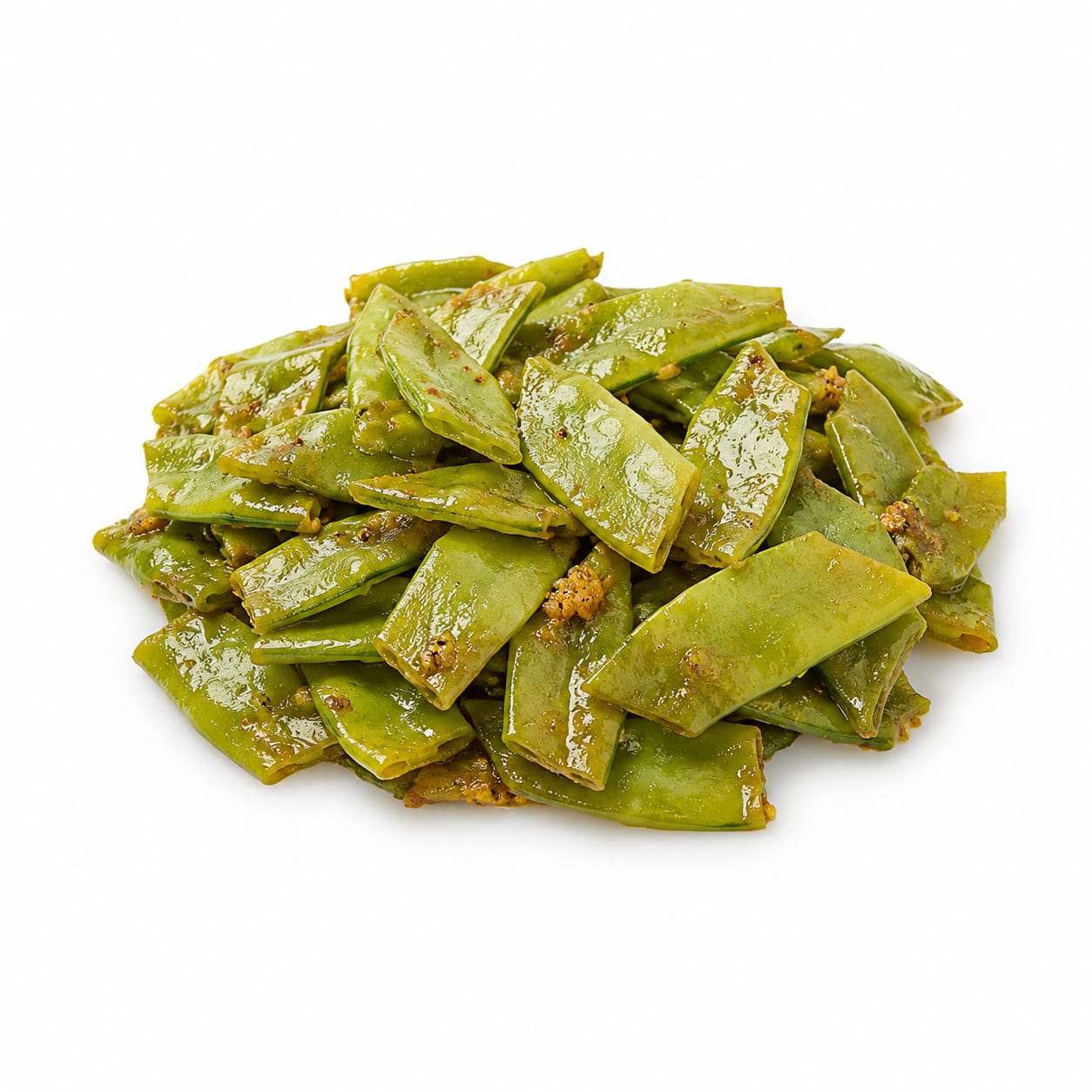
Flat Bean
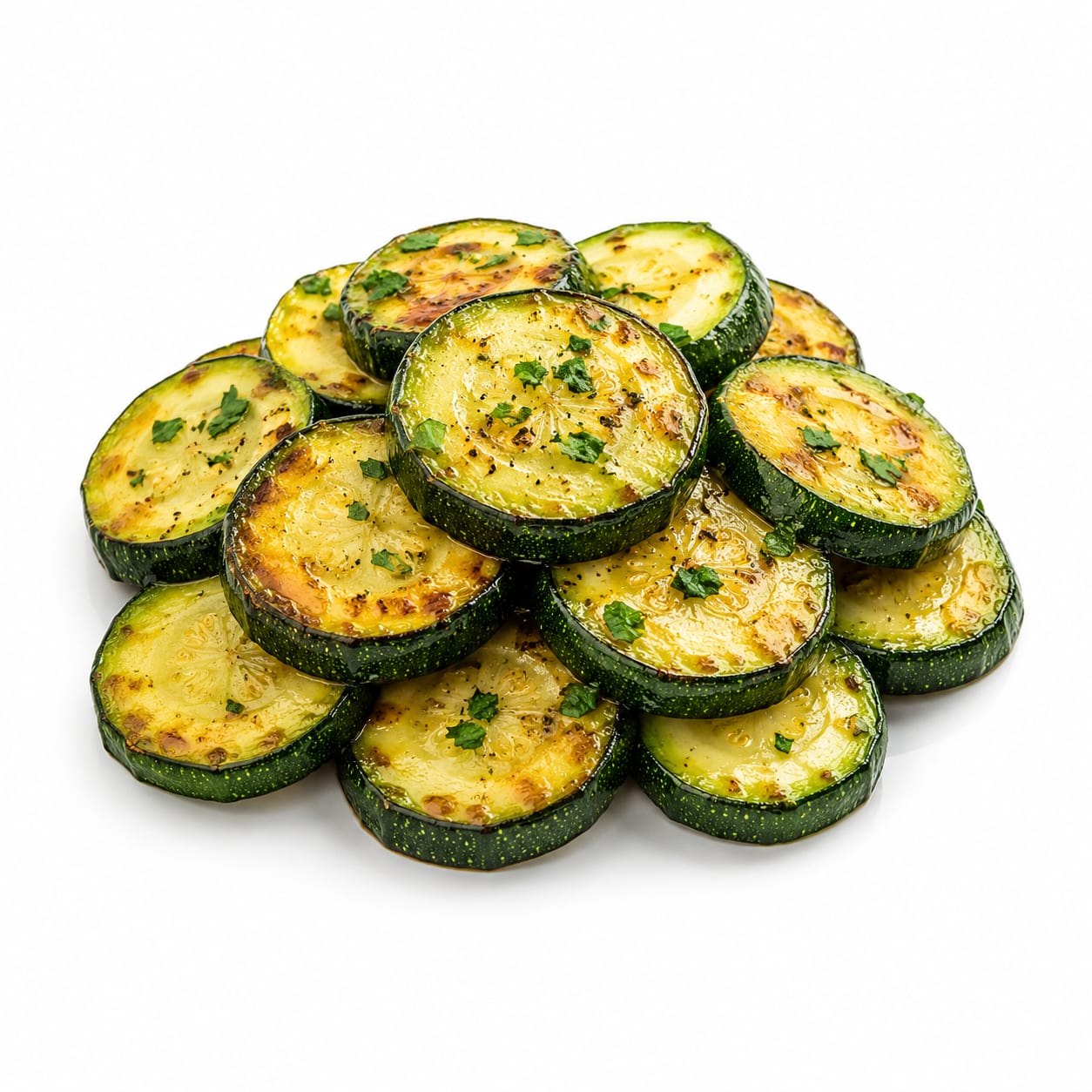
Zucchini
Flat beans win on nutrition and staying full; zucchini wins on calories and convenience. Your choice depends on whether you prioritize nutrient density or lightness.
Flat beans score higher on nutritional substance but zucchini stays competitive through calorie efficiency and convenience. The gap reflects that flat beans simply deliver more per bite.
Substance versus lightness — flat beans fill you up with protein and fiber, zucchini lets you eat large volumes with almost no calories.
At a glance
Executive summary
Overall
It depends
Healthier
Flat Bean
More practical
Zucchini
Daily use
It depends
Key comparison lenses
nutrient density comparison
Flat beans deliver significantly more protein, fiber, and minerals per serving than zucchini, making this the most consequential difference
weight management strategy
Users comparing these vegetables are often deciding between filling satisfaction versus ultra-low calorie volume eating
blood sugar and satiety
The protein-fiber gap between these foods meaningfully impacts hunger control and glucose stability
meal prep and versatility
Zucchini can be eaten raw or cooked in minutes while flat beans require cooking, affecting daily practicality
digestive tolerance
Flat beans can cause bloating in sensitive individuals while zucchini is generally gentler on digestion
Best choice for
Flat Bean
- People needing more plant protein and iron
- Anyone who gets hungry quickly after vegetable-only meals
- Those managing blood sugar who benefit from fiber-protein combos
- Active individuals needing sustained energy from meals
Zucchini
- Anyone counting calories who wants large portion sizes
- People who want minimal-prep vegetables for busy weeknights
- Those with sensitive digestion who struggle with legumes
- Raw food enthusiasts or salad-heavy eaters
Least suitable for
Flat Bean
- People prone to bloating or gas from legumes
- Those wanting ultra-low-calorie bulk eating
- Raw food dieters since flat beans must be cooked
Zucchini
- Anyone relying on vegetables as a meaningful protein source
- People who find low-calorie meals unsatisfying
- Those needing iron or folate from their vegetable choices
Deep comparison
Dimension by dimension
Each lens scores both foods and breaks down who each option suits.
- Dimension 1 · Priority 92Flat Bean
nutrient_density
Flat Bean · 88Zucchini · 52Flat beans deliver substantially more protein, fiber, iron, folate, and manganese per serving. Zucchini offers vitamin C and hydration but is nutritionally lighter overall.
Tradeoff
You get far more nutritional value from flat beans but they cost more calories and require cooking time.
Why it matters
If vegetables are a primary nutrient source rather than just a side, flat beans pull far more weight in your diet.
Real-world impact
A serving of flat beans contributes meaningfully toward your daily protein and iron needs. Zucchini mostly contributes water and a little vitamin C.
Flat Bean
- Meeting iron needs on plant-based diets
- Getting sufficient folate during pregnancy
- Building meals around vegetable protein
Better for
- Quick snack situations requiring no prep
Worse for
Zucchini
- Staying hydrated in hot weather
- Adding volume without nutritional heaviness
- Boosting vitamin C intake alongside iron-rich foods
Better for
- Meals where vegetables need to carry nutritional weight
Worse for
- Dimension 2 · Priority 88Flat Bean
satiety_and_fullness
Flat Bean · 82Zucchini · 45Flat beans keep you full significantly longer thanks to their protein-fiber combination. Zucchini is filling only by volume and water weight, which fades quickly.
Tradeoff
Flat beans provide lasting satisfaction but feel heavier. Zucchini feels light and fresh but hunger returns sooner.
Why it matters
If you find yourself snacking again an hour after vegetable-heavy meals, the protein gap explains why.
Real-world impact
A flat bean side dish at lunch can keep you satisfied until dinner. Zucchini as a main component often needs protein added to prevent afternoon crashes.
Flat Bean
- Long workdays without snack access
- Reducing between-meal hunger naturally
- Making vegetable-based meals actually satisfying
Better for
- Hot days when heavy food sounds unappealing
Worse for
Zucchini
- Light summer meals when appetite is low
- Post-heavy-meal recovery days
- Evening snacking with minimal caloric impact
Better for
- Anyone trying to use vegetables as a meal foundation
Worse for
- Dimension 3 · Priority 80Zucchini
calorie_efficiency
Flat Bean · 55Zucchini · 90Zucchini delivers massive portions for minimal calories. Flat beans cost more calories per serving but still remain a low-calorie food overall.
Tradeoff
Zucchini lets you eat freely with almost no calorie concern. Flat beans are still low-calorie but portion awareness matters more.
Why it matters
For aggressive calorie restriction, zucchini is hard to beat. For sustainable eating, flat beans prevent the hunger that derails diets.
Real-world impact
You can eat an entire large zucchini for under 55 calories. A comparable serving of flat beans runs roughly 130 calories but keeps you full much longer.
Flat Bean
- Diets where satisfaction matters more than calorie minimization
Better for
- Very low-calorie diet phases
Worse for
Zucchini
- Volume eating strategies for weight loss
- Large-plate visual satisfaction without the calories
- Cutting calories without shrinking portion appearance
Better for
- Situations where calorie restriction triggers rebound overeating
Worse for
- Dimension 4 · Priority 82Flat Bean
blood_sugar_stability
Flat Bean · 80Zucchini · 65Flat beans stabilize blood sugar better through their protein and soluble fiber content. Zucchini has a low glycemic load but lacks the macronutrients that actively slow glucose absorption.
Tradeoff
Flat beans actively help regulate blood sugar. Zucchini simply does not spike it, which is not the same as stabilizing it.
Why it matters
For prediabetes or insulin resistance, the difference between passive and active blood sugar support matters over time.
Real-world impact
Pairing flat beans with a carb source slows sugar absorption noticeably. Zucchini alongside carbs adds volume but minimal glucose-buffering effect.
Flat Bean
- Prediabetes and insulin resistance management
- Balancing higher-carb meals naturally
- Sustained energy without crashes
Better for
- Severe digestive sensitivity during glucose episodes
Worse for
Zucchini
- Immediate post-meal glucose when you need light food
- Low-appetite days with blood sugar concerns
Better for
- Meals needing active glucose regulation support
Worse for
- Dimension 5 · Priority 75Zucchini
preparation_convenience
Flat Bean · 40Zucchini · 88Zucchini can be eaten raw, spiralized, sautéed in minutes, or grated into baked goods. Flat beans require trimming and cooking before eating.
Tradeoff
Zucchini fits into almost any meal with zero planning. Flat beans demand cooking time but reward you with better nutrition.
Why it matters
The vegetable you actually prepare consistently beats the one that sits in your fridge because cooking feels like too much effort.
Real-world impact
Zucchini can go from fridge to plate in under five minutes. Flat beans need at least 10-15 minutes of cooking, sometimes longer for tougher pods.
Flat Bean
- Meal prep sessions where you cook once for several days
Better for
- Spontaneous meals requiring immediate preparation
- Raw vegetable platters and crudités
Worse for
Zucchini
- Weeknight dinners when time is tight
- Raw snacks and salads
- Batch cooking where versatility across recipes matters
Better for
- Recipes specifically calling for hearty bean texture
Worse for
- Dimension 6 · Priority 65Zucchini
digestive_tolerance
Flat Bean · 50Zucchini · 82Zucchini is gentle on most digestive systems. Flat beans can cause gas and bloating, especially for people unaccustomed to legumes.
Tradeoff
Zucchini is the safer choice for sensitive stomachs. Flat beans become more tolerable with regular consumption but require an adjustment period.
Why it matters
Digestive discomfort can override nutritional benefits entirely if it discourages you from eating a food regularly.
Real-world impact
Someone with IBS might handle zucchini effortlessly but experience bloating after flat beans. Gradual introduction usually resolves this within weeks.
Flat Bean
- Digestive systems already adapted to regular legume intake
Better for
- First-time legume eaters unprepared for fiber increases
- Important events where bloating would be problematic
Worse for
Zucchini
- IBS and sensitive digestion
- Post-gastrointestinal-illness recovery
- Introducing vegetables to children with picky digestion
Better for
- Situations where digestive ease is not a priority
Worse for
Timeline
Health impact over time
Short-term
Hours to days
Flat Bean
- Noticeable fullness after meals due to protein and fiber
- Possible gas or bloating if your body is not used to legume fiber
- Steadier energy for hours after eating compared to lighter vegetables
Zucchini
- Light feeling with minimal digestive effort
- Quick hydration boost from high water content
- Hunger returning sooner if eaten without protein or fat
Long-term
Months to years
Flat Bean
- Improved iron status, especially valuable for plant-based eaters
- Better blood sugar regulation from consistent fiber-protein intake
- Potential for improved cholesterol levels through soluble fiber
Zucchini
- Easier weight maintenance from consistently low calorie intake
- Good hydration habits supported by high water content
- Possible nutrient gaps if relied on as a primary vegetable without variety
Risk profile
Safety & processing
Both flat beans and zucchini are whole, minimally processed vegetables. Neither typically carries additive concerns when purchased fresh or frozen. Canned flat beans may contain added sodium, so check labels if that matters to you.
Flat Bean
Lectin exposure from undercooking
mediumRaw or undercooked flat beans contain lectins that can cause nausea and digestive distress. Thorough cooking eliminates this risk entirely.
Pesticide residue
lowGreen beans generally appear on moderate pesticide residue lists. Washing thoroughly or choosing organic reduces exposure.
Zucchini
Pesticide residue
mediumZucchini is often grown with pesticides and thin skin means less barrier. Peeling helps but removes nutrients. Organic is worthwhile if available.
Bitter compound toxicity
lowOccasionally zucchini produces cucurbitacins causing extreme bitterness. If a zucchini tastes unusually bitter, discard it immediately as it can cause illness.
Who wins for whom
Audience fit
Same foods, different winners depending on your goal.
children
ZucchiniZucchini is milder in flavor, easier to chew, gentler on small digestive systems, and can be hidden in familiar foods like pasta and muffins.
daily consumption
It dependsZucchini is easier to eat daily due to convenience and digestive ease. Flat beans offer more nutritional reward but require cooking and digestive adaptation.
diabetes
Flat BeanThe protein-fiber combination in flat beans actively stabilizes blood sugar. Zucchini does not spike glucose but also does not buffer it as effectively.
elderly
Flat BeanOlder adults benefit more from flat beans' iron, folate, and protein to counteract age-related nutrient absorption decline and muscle loss.
muscle gain
Flat BeanFlat beans provide meaningful plant protein per serving, supporting muscle maintenance. Zucchini contributes negligible protein.
weight loss
It dependsZucchini wins for calorie restriction and volume eating. Flat beans win for sustainable weight loss because their protein and fiber prevent the hunger that leads to diet abandonment.
Your move
Decision guide
Choose Flat Bean
- You want vegetables that actually contribute protein and iron to your diet
- Staying full for hours matters more than minimizing calories
- You are plant-based and need nutrient-dense legume options
- You meal prep and do not mind cooking vegetables in advance
- Blood sugar management is a daily priority
Choose Zucchini
- You want maximum food volume for minimal calories
- Convenience and quick preparation drive your vegetable choices
- You have a sensitive stomach that struggles with beans and legumes
- You prefer raw vegetables or light cooking methods
- You are adding vegetables to dishes where a neutral flavor works best
Either works if
- You simply need more vegetables in your diet regardless of type
- You are building a varied vegetable rotation throughout the week
- Both fit within your calorie and nutrition targets
Avoid both if
- You have a specific allergy to either food, which is rare but possible
- Your doctor has advised limiting high-fiber foods during a medical recovery
Final recommendation
Eat both on different days. Flat beans give you the nutritional substance that makes vegetable-based meals actually satisfying. Zucchini gives you the light versatility that makes adding vegetables effortless. If forced to pick one, choose flat beans for nutritional impact and zucchini for daily convenience.
Practical
Consumer tips
- 1
If flat beans cause bloating, start with small portions and increase gradually over two weeks as your gut adapts
- 2
Choose organic zucchini when possible since the thin skin absorbs pesticides more readily
- 3
Cook flat beans thoroughly to eliminate lectins and improve digestibility
- 4
Spiralize zucchini as a low-calorie pasta base, then add a protein source to make the meal satisfying
- 5
Batch-cook flat beans on weekends so they are ready to add to meals throughout the week
- 6
If buying canned flat beans, rinse them well to remove excess sodium