
Nutrition comparison
Flat Beans vs Green Beans: Nutrition, Taste, and Which to Choose
Compare flat beans and green beans on nutrition, fiber, cooking convenience, and health benefits. Find out which bean fits your diet and lifestyle better.
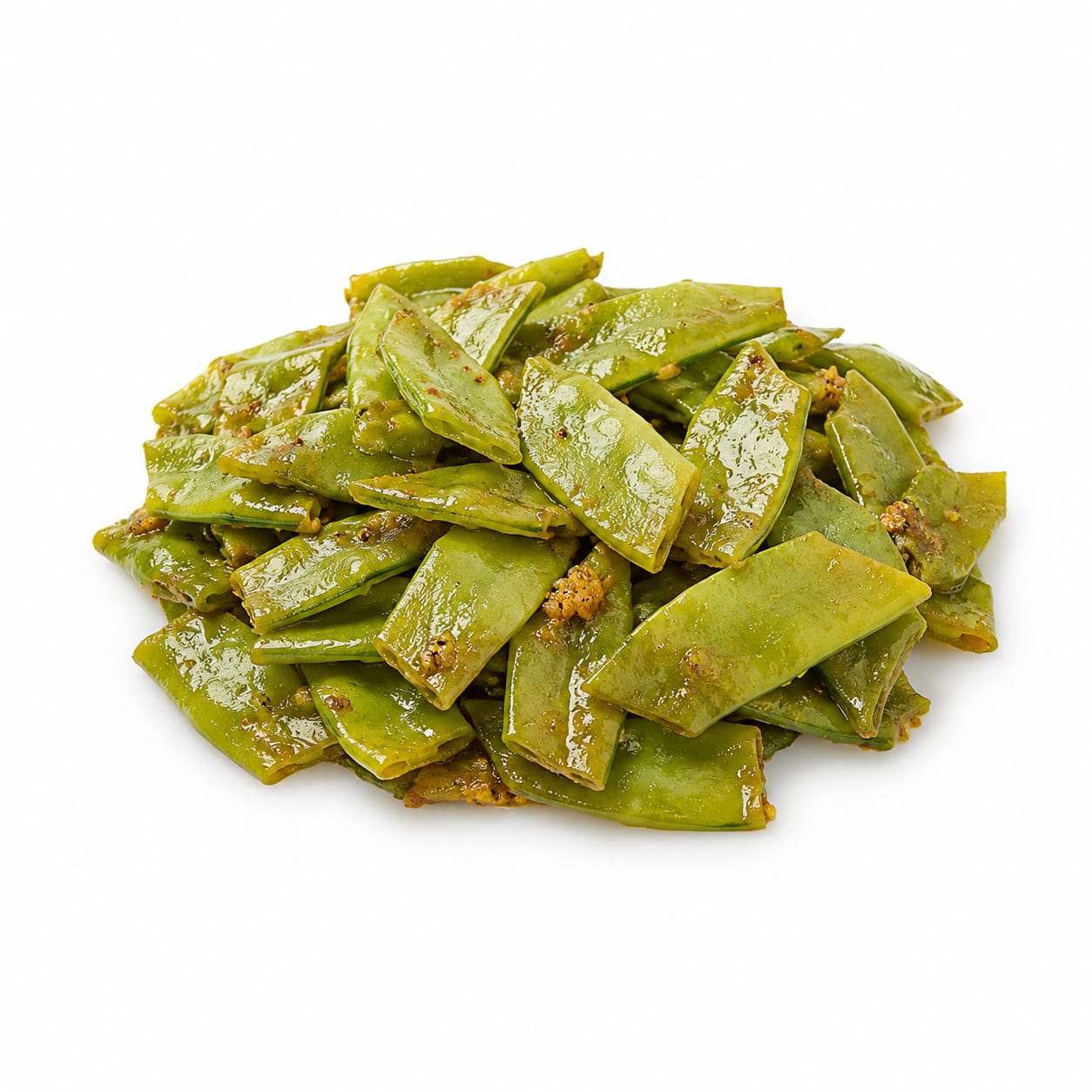
Flat Bean
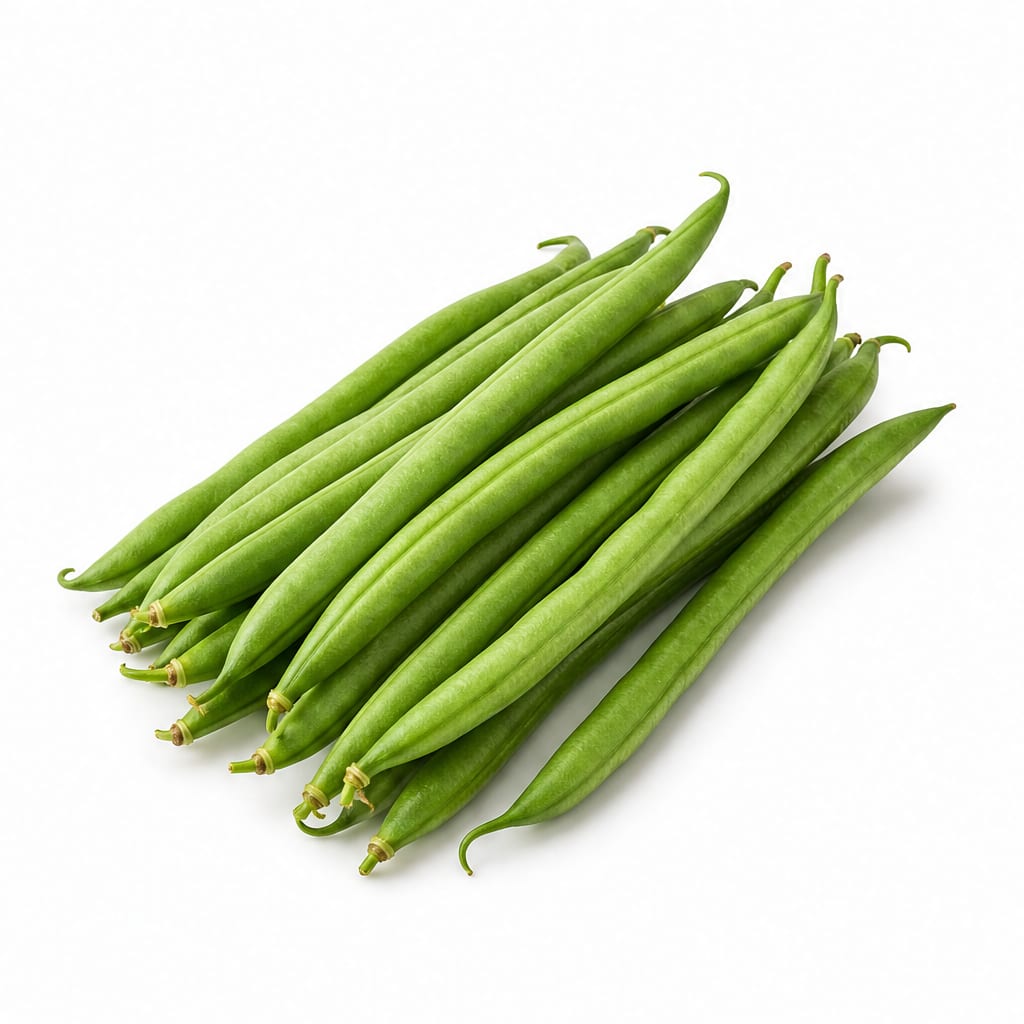
Green Beans
Flat beans win on nutrition density and satiety; green beans win on convenience, digestibility, and everyday versatility.
Flat beans score slightly higher due to superior nutrient density and satiety, but green beans remain competitive thanks to broader practicality and easier digestion. The gap is small because both are genuinely healthy vegetables.
More substance and nutrients per bite with flat beans versus lighter, easier digestion and faster cooking with green beans.
At a glance
Executive summary
Overall
It depends
Healthier
Flat Bean
More practical
Green Beans
Daily use
Green Beans
Key comparison lenses
nutritional density comparison
Flat beans are meatier and often more nutrient-dense per serving, while green beans are lighter and more commonly consumed
digestive tolerance and fiber impact
Flat beans have significantly more fiber which affects digestion differently than the gentler fiber in green beans
meal versatility and cooking practicality
Green beans cook faster and are more widely available, while flat beans require different preparation approaches
blood sugar management
Both are low-glycemic but differ in fiber and carbohydrate content enough to matter for diabetics
satiety and portion satisfaction
Flat beans are more filling per serving due to density, while green beans are easier to eat in larger volumes
Best choice for
Flat Bean
- People wanting maximum nutrition per serving
- Those seeking better fullness from vegetable sides
- Anyone managing iron deficiency
- Mediterranean diet followers
- People who enjoy heartier vegetable textures
Green Beans
- People with sensitive digestion
- Busy home cooks wanting fast preparation
- Anyone wanting a lighter side dish
- Those who prefer tender-crisp textures
- People seeking wider recipe compatibility
Least suitable for
Flat Bean
- People with severe IBS or fiber sensitivity
- Those wanting quick-cooking weeknight vegetables
- Anyone unfamiliar with preparing broader bean varieties
Green Beans
- People needing higher iron intake from vegetables
- Those wanting a more substantial, filling side dish
- Anyone looking for peak nutrient density per calorie
Deep comparison
Dimension by dimension
Each lens scores both foods and breaks down who each option suits.
- Dimension 1 · Priority 92Flat Bean
Nutrient Density
Flat Bean · 82Green Beans · 68Flat beans deliver more protein, iron, potassium, and fiber per serving than green beans.
Tradeoff
That extra nutrition comes with a heavier, denser eating experience that not everyone prefers at every meal.
Why it matters
If you are trying to maximize what you get from each bite, flat beans give you more to work with.
Real-world impact
A single serving of flat beans can cover a larger share of your daily iron and fiber needs compared to the same volume of green beans.
Flat Bean
- Closing nutrient gaps without supplements
- Building more nourishing vegetable sides
- Supporting iron needs during pregnancy
Better for
- Small appetites where a little goes a long way
Worse for
Green Beans
- Lighter meals where density feels heavy
- Eating larger volumes without feeling stuffed
Better for
- Situations where every calorie needs to count nutritionally
Worse for
- Dimension 2 · Priority 88It depends
Fiber and Digestion
Flat Bean · 75Green Beans · 78Flat beans have more fiber overall, but green beans are gentler on sensitive stomachs.
Tradeoff
More fiber supports gut health and fullness but can cause bloating in people unaccustomed to it.
Why it matters
Your digestive comfort determines whether you actually keep eating a vegetable regularly.
Real-world impact
Flat beans may leave you fuller for longer but could cause gas if you ramp up portions too quickly. Green beans are a safer starting point for fiber-sensitive people.
Flat Bean
- People wanting to increase daily fiber meaningfully
- Those with healthy digestion who benefit from bulk
Better for
- Evening meals when bloating disrupts sleep
Worse for
Green Beans
- Anyone with IBS or fiber intolerance
- People recovering from digestive issues
- Those introducing more vegetables gradually
Better for
- People who genuinely need more fiber to meet daily targets
Worse for
- Dimension 3 · Priority 80Flat Bean
Blood Sugar Stability
Flat Bean · 79Green Beans · 73Both are excellent for blood sugar, but flat beans have a slight edge thanks to more fiber and protein slowing glucose absorption.
Tradeoff
The difference is modest and unlikely to matter unless you are closely managing diabetes.
Why it matters
Fiber and protein together create a steadier blood sugar response than either alone.
Real-world impact
After a meal with flat beans, you may notice slightly longer-lasting energy without a crash compared to green beans.
Flat Bean
- Diabetics optimizing meal choices
- People prone to afternoon energy dips
Better for
- Not a meaningful concern for this food
Worse for
Green Beans
- Anyone who still wants solid blood sugar support with lighter intake
Better for
- Situations where every small glycemic advantage counts
Worse for
- Dimension 4 · Priority 78Green Beans
Cooking Convenience
Flat Bean · 58Green Beans · 85Green beans cook faster, are available year-round everywhere, and require less prep know-how.
Tradeoff
Flat beans need more cooking time and may require stringing, but reward you with a richer texture.
Why it matters
The vegetable you can cook easily is the vegetable you will actually eat.
Real-world impact
Green beans can go from fridge to plate in under 10 minutes. Flat beans often need 15-20 minutes and more attention to get right.
Flat Bean
- Weekend cooking when time is not a constraint
- Slow-cooked stews and braises where longer cooking is expected
Better for
- Last-minute side dish needs
- People who dislike multi-step vegetable prep
Worse for
Green Beans
- Weeknight dinners after a long day
- Meal prep sessions where speed matters
- Beginners learning to cook vegetables
Better for
- Dishes where a meatier texture is desired
Worse for
- Dimension 5 · Priority 75Flat Bean
Satiety and Fullness
Flat Bean · 80Green Beans · 62Flat beans are substantially more filling per serving due to their density, fiber, and protein content.
Tradeoff
Feeling full is great for weight management but can feel heavy if you want a light meal.
Why it matters
Vegetables that actually fill you up reduce the temptation to overeat other foods.
Real-world impact
A plate of flat beans as a side can genuinely reduce how much you eat afterward. Green beans are less likely to move the needle on fullness.
Flat Bean
- People using vegetables to manage appetite
- Larger meals where the side dish contributes real substance
Better for
- Small appetites at lunchtime
Worse for
Green Beans
- Light summer meals
- Multi-course dinners where you do not want to fill up early
Better for
- People relying on vegetables to carry more of the satiety load
Worse for
- Dimension 6 · Priority 72Green Beans
Culinary Versatility
Flat Bean · 65Green Beans · 82Green beans fit into more recipes across more cuisines with less effort and more consistent results.
Tradeoff
Flat beans shine in specific dishes but have a narrower sweet spot for preparation.
Why it matters
A versatile vegetable gets eaten more often and wasted less.
Real-world impact
Green beans work in stir-fries, salads, casseroles, and as a simple steamed side. Flat beans are best in braises, stews, and Mediterranean-style preparations where their texture is an asset.
Flat Bean
- Italian and Greek recipes
- Slow-cooked dishes where the bean holds its shape
- Grilled vegetable platters
Better for
- Quick-cooking recipes
- Dishes requiring a tender-crisp texture
Worse for
Green Beans
- Stir-fries and quick sautés
- Salads and cold preparations
- Casseroles and holiday sides
- Asian-inspired dishes
Better for
- Hearty braises where a more substantial bean is preferred
Worse for
Timeline
Health impact over time
Short-term
Hours to days
Flat Bean
- Noticeable fullness after eating due to fiber and protein density
- Possible gas or bloating if you are not used to higher-fiber beans
- Steadier energy for a few hours post-meal
Green Beans
- Light comfortable digestion with minimal bloating risk
- Quick preparation means you are more likely to actually eat them
- Mild satiety that does not interfere with the next course
Long-term
Months to years
Flat Bean
- Better iron status over time, especially valuable for women of reproductive age
- Improved bowel regularity from consistent higher fiber intake
- Greater contribution to daily nutrient targets from a single vegetable
Green Beans
- Consistent gentle fiber intake supporting gut health without discomfort
- Easier long-term adherence since they are simple to prepare and eat
- Reliable source of vitamin K and vitamin C with regular consumption
Risk profile
Safety & processing
Both flat beans and green beans are whole, minimally processed vegetables. Neither typically carries additive concerns when purchased fresh or frozen. The main difference is that canned green beans are more common and may contain added sodium, while flat beans are less frequently canned.
Flat Bean
Pesticide residue
mediumFlat beans are less commonly available organic and their broad surface area can retain pesticide residue. Washing thoroughly or choosing organic reduces this risk.
Undercooking
lowLike many beans, undercooked flat beans can contain lectins that cause digestive upset. Proper cooking eliminates this concern entirely.
Green Beans
Pesticide residue
mediumGreen beans consistently appear on lists of vegetables with higher pesticide residue. Buying organic significantly reduces exposure.
Canned sodium content
mediumCanned green beans often contain substantial added sodium. Rinsing helps but does not eliminate it entirely. Fresh or frozen is preferable.
Who wins for whom
Audience fit
Same foods, different winners depending on your goal.
children
Green BeansGreen beans are milder, more tender, and more familiar to most kids. Their simpler texture and blander flavor make them an easier sell at the dinner table.
daily consumption
Green BeansGreen beans are easier to prepare, more widely available, and gentler on digestion for daily use. Consistency beats intensity for long-term health habits.
diabetes
Flat BeanHigher fiber and protein content in flat beans creates a slightly more favorable glycemic response, though both are excellent choices for blood sugar management.
elderly
Green BeansGreen beans are easier to chew and gentler on digestion. For older adults with dental concerns or sensitive stomachs, they are the safer everyday choice.
muscle gain
Flat BeanFlat beans have more protein per serving, though neither is a primary protein source. The extra protein and iron support muscle recovery marginally better.
weight loss
Flat BeanFlat beans provide more satiety per calorie, making it easier to eat less overall. Their density helps you feel satisfied with smaller portions of other foods.
Your move
Decision guide
Choose Flat Bean
- You want the most nutrition you can get from a vegetable side
- You enjoy hearty, meaty vegetable textures
- You are managing iron deficiency and need food-based sources
- You cook Mediterranean-style meals regularly
- You want a vegetable that actually fills you up
Choose Green Beans
- You want a quick-cooking vegetable for busy weeknights
- You have a sensitive stomach or are increasing fiber gradually
- You need a vegetable most family members will accept easily
- You want maximum recipe versatility
- You prefer lighter, tender-crisp textures
Either works if
- You simply want more vegetables in your diet and both are available
- You are rotating vegetables for dietary variety
- You are already eating a balanced diet and the difference is marginal
Avoid both if
- You have a confirmed legume allergy
- You are on a very strict low-fiber diet for medical reasons
Final recommendation
Keep both in rotation. Use flat beans when you want a nutrient-dense, satisfying side for heartier meals. Use green beans for everyday convenience and lighter dishes. If you must pick one for daily use, green beans are the more sustainable habit. If you want to maximize nutrition per bite, flat beans are the stronger choice.
Practical
Consumer tips
- 1
Buy both fresh and frozen. Frozen green beans retain nutrients well and are always ready. Frozen flat beans are harder to find but worth grabbing when available.
- 2
If buying canned green beans, look for no-salt-added versions or rinse thoroughly before using.
- 3
For flat beans, remove the string along the edge before cooking for better texture. This takes an extra minute but dramatically improves the eating experience.
- 4
Steam or sauté green beans briefly to keep their crisp texture and vitamin C content. Overcooking makes them mushy and less nutritious.
- 5
Flat beans benefit from slightly longer cooking with olive oil, garlic, and tomatoes. This Mediterranean treatment brings out their best flavor and texture.
- 6
If you are new to flat beans, start with smaller portions to test digestive tolerance before making them a regular side dish.
- 7
Wash both vegetables thoroughly under running water to reduce pesticide residue, or choose organic when budget allows.