
Nutrition comparison
Flat Beans vs Asparagus: Which Vegetable Is Better for You?
Compare flat beans and asparagus on protein, calories, digestion, and meal versatility. Find out which fits your health goals and eating style.
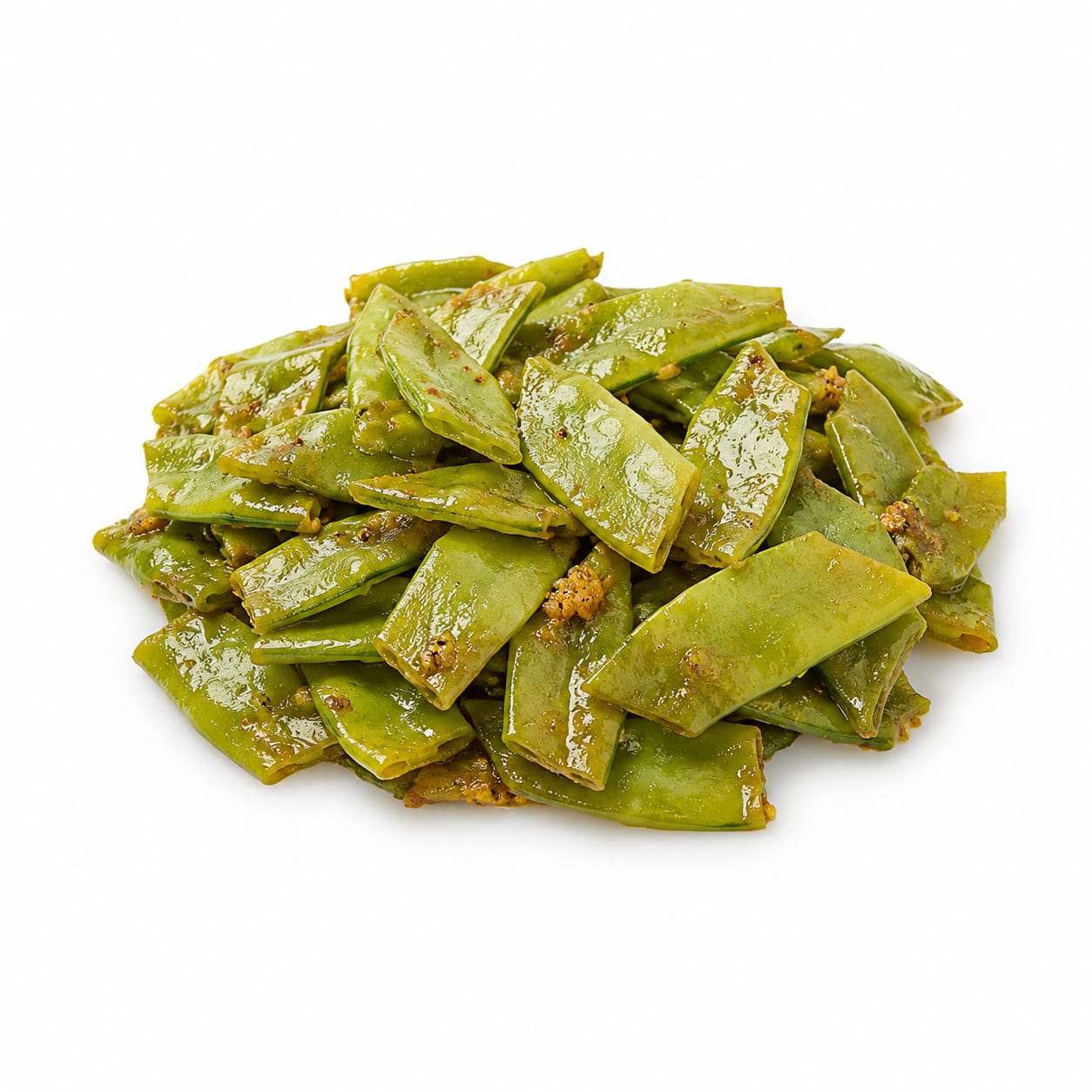
Flat Bean
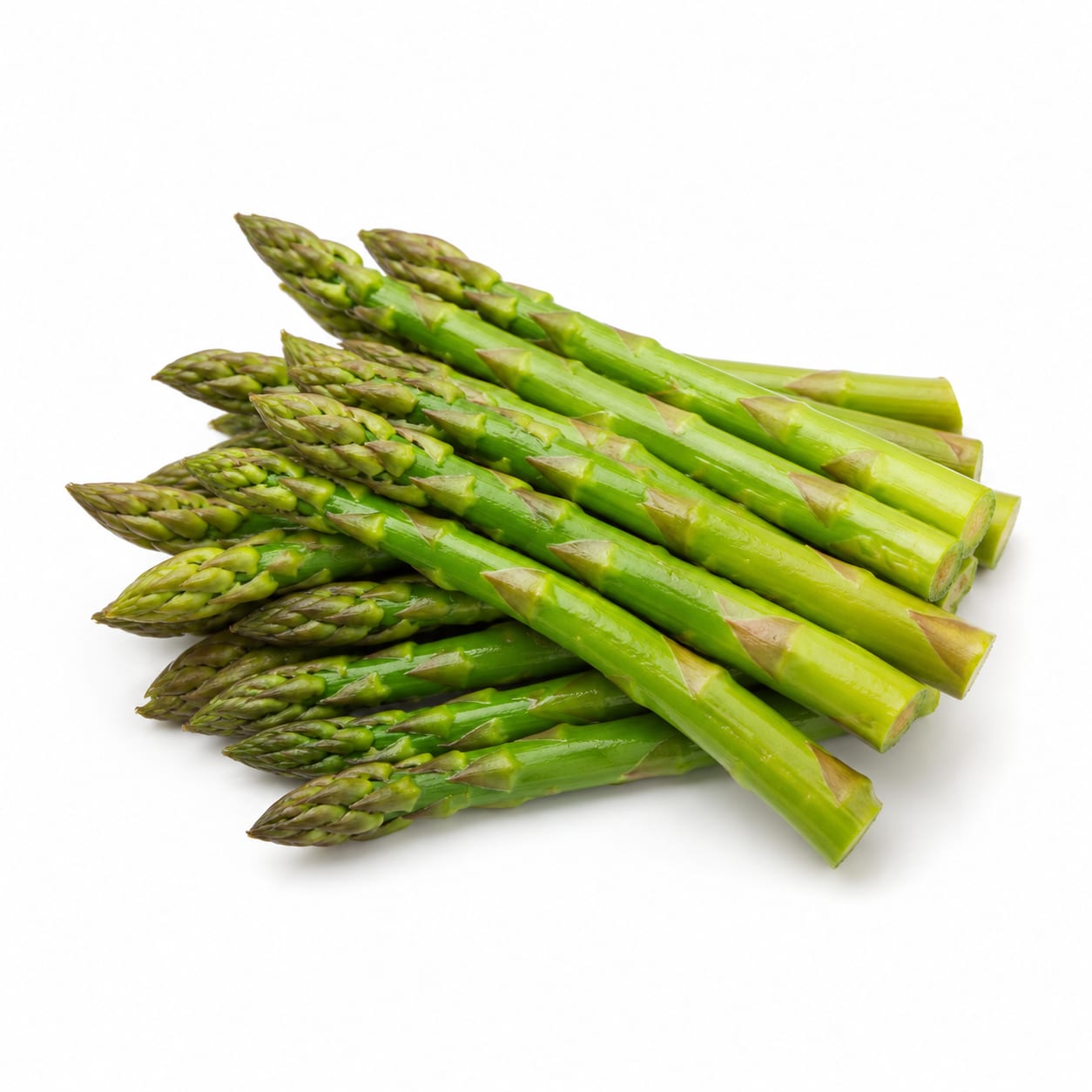
Asparagus
Flat beans fill you up; asparagus keeps you light. Choose based on whether your meal needs substance or freshness.
Flat beans score slightly higher due to superior protein and satiety, but asparagus stays competitive with its exceptional calorie efficiency and convenience. The close scores reflect that neither is universally better.
Flat beans offer more protein and staying power but cost more calories. Asparagus is nearly calorie-free but won't satisfy hunger alone.
At a glance
Executive summary
Overall
It depends
Healthier
It depends
More practical
Asparagus
Daily use
Flat Bean
Key comparison lenses
vegetable protein and satiety comparison
Flat beans deliver significantly more protein and fiber, making them far more filling than asparagus
weight loss and calorie efficiency
Asparagus is dramatically lower in calories, appealing to anyone managing intake
digestive tolerance and gas concerns
Both foods can cause digestive discomfort but through different mechanisms
blood sugar impact
Flat beans have more carbs but also more fiber, creating a nuanced glycemic comparison
meal versatility and cooking convenience
Asparagus cooks faster and pairs with more dishes, while flat beans work better as a substantial side
Best choice for
Flat Bean
- people needing more plant protein
- anyone who gets hungry soon after eating vegetables
- athletes seeking filling carb sources
- those wanting a vegetable that doubles as a protein source
Asparagus
- anyone actively cutting calories
- people seeking a quick-cooking elegant side dish
- those preferring lighter evening meals
- anyone managing blood sugar who wants minimal carbs
Least suitable for
Flat Bean
- people sensitive to legumes or prone to bloating
- anyone on a very low-calorie diet
- those who want a quick-cooking vegetable
Asparagus
- anyone needing substantial protein from vegetables
- people who find asparagus urine odor distressing
- those with gout flares triggered by purines
Deep comparison
Dimension by dimension
Each lens scores both foods and breaks down who each option suits.
- Dimension 1 · Priority 95Flat Bean
satiety and fullness
Flat Bean · 82Asparagus · 45Flat beans keep you full for hours; asparagus barely moves the hunger needle.
Tradeoff
You gain lasting fullness with flat beans but take in more calories to get it.
Why it matters
If you snack again an hour after eating vegetables, the problem might be choosing too-light options.
Real-world impact
A serving of flat beans with dinner often prevents late-night snacking. Asparagus alone rarely does that.
Flat Bean
- replacing meat with a filling plant option
- avoiding between-meal hunger
- making a light meal feel complete
Better for
- wanting a light pre-workout snack
Worse for
Asparagus
- eating something without feeling heavy
- keeping appetite low before a big event
Better for
- needing sustained energy through a long afternoon
Worse for
- Dimension 2 · Priority 90Asparagus
calorie efficiency
Flat Bean · 55Asparagus · 95Asparagus delivers big flavor and nutrients for almost no calories. Flat beans cost more per bite.
Tradeoff
Asparagus lets you eat freely without counting. Flat beans require some awareness of portions.
Why it matters
For anyone tracking calories, asparagus is essentially a free food. Flat beans are not.
Real-world impact
You can eat a large plate of roasted asparagus guilt-free. A large plate of flat beans adds up noticeably.
Flat Bean
- getting more nutrition per serving when calories are not a concern
Better for
- strict calorie restriction
Worse for
Asparagus
- weight loss phases
- volume eating strategies
- large portions without calorie guilt
Better for
- situations where you need caloric density to meet daily needs
Worse for
- Dimension 3 · Priority 88Flat Bean
protein content
Flat Bean · 78Asparagus · 35Flat beans provide meaningful protein for a vegetable. Asparagus offers only trace amounts.
Tradeoff
Flat beans partially bridge the protein gap for plant-based eaters. Asparagus cannot help there.
Why it matters
Most vegetables are protein-poor. Flat beans are a rare exception that makes a real difference.
Real-world impact
A cup of flat beans contributes roughly 8-9 grams of protein. Asparagus gives you about 3 grams.
Flat Bean
- vegetarians and vegans seeking protein
- balancing a grain-heavy meal
- post-workout recovery meals
Better for
- those who already exceed protein needs
Worse for
Asparagus
- meals where protein already comes from other sources
Better for
- plant-based eaters struggling to hit protein targets
Worse for
- Dimension 4 · Priority 82It depends
blood sugar stability
Flat Bean · 68Asparagus · 72Asparagus has minimal carbs and almost no blood sugar impact. Flat beans have more carbs but enough fiber to slow absorption.
Tradeoff
Asparagus is safer for strict low-carb diets. Flat beans offer steadier energy for longer periods despite higher carbs.
Why it matters
For diabetes management, both work but through different mechanisms.
Real-world impact
Asparagus will not spike blood sugar at all. Flat beans may cause a small rise but sustain energy longer.
Flat Bean
- active people needing sustained energy
- preventing energy crashes during long days
Better for
- very low-carb diet phases
Worse for
Asparagus
- strict ketogenic diets
- immediate post-meal blood sugar control
- diabetics counting every gram of carbohydrate
Better for
- endurance activities where some carbs help
Worse for
- Dimension 5 · Priority 78It depends
digestive tolerance
Flat Bean · 50Asparagus · 60Both can cause issues. Flat beans produce gas from complex sugars. Asparagus can irritate in large amounts.
Tradeoff
Flat beans are more likely to cause bloating. Asparagus is gentler but not trouble-free for everyone.
Why it matters
Social situations and comfort matter. Neither food is risk-free for sensitive stomachs.
Real-world impact
A big portion of flat beans at lunch can mean afternoon discomfort. Asparagus is usually safer in moderate amounts.
Flat Bean
- people accustomed to legumes who tolerate them well
Better for
- irritable bowel syndrome sufferers
- people unaccustomed to high-fiber legumes
Worse for
Asparagus
- those with sensitive digestion
- eating before social events where bloating is undesirable
Better for
- those with asparagus-specific sensitivities
Worse for
- Dimension 6 · Priority 72Asparagus
cooking convenience and versatility
Flat Bean · 55Asparagus · 78Asparagus cooks in minutes and pairs with almost anything. Flat beans need more time and technique.
Tradeoff
Asparagus is weeknight-friendly. Flat beans reward patience with a more substantial result.
Why it matters
The vegetable you actually cook always beats the one that sits in your fridge.
Real-world impact
Asparagus can go from fridge to plate in under 10 minutes. Flat beans often need 15-25 minutes of cooking.
Flat Bean
- slow-cooked stews and casseroles
- meal prep sessions where cooking time matters less
Better for
- time-pressed cooking
- improvisational quick meals
Worse for
Asparagus
- busy weeknight dinners
- quick elegant sides for entertaining
- last-minute meal additions
Better for
- dishes where you want the vegetable to be the main event
Worse for
- Dimension 7 · Priority 75It depends
micronutrient profile
Flat Bean · 72Asparagus · 76Asparagus excels in folate and vitamin K. Flat beans offer more iron and magnesium.
Tradeoff
Asparagus supports cellular repair and blood clotting. Flat beans support oxygen transport and muscle function.
Why it matters
Different deficiencies call for different vegetables. Neither covers everything.
Real-world impact
Asparagus is particularly valuable during pregnancy for folate. Flat beans help more with iron needs.
Flat Bean
- those at risk of iron deficiency
- people needing more magnesium for sleep or muscle recovery
Better for
- those who need maximum folate intake
Worse for
Asparagus
- pregnant women seeking natural folate
- anyone focusing on vitamin K for bone health
Better for
- people with iron deficiency anemia
Worse for
Timeline
Health impact over time
Short-term
Hours to days
Flat Bean
- Noticeable fullness after eating due to protein and fiber combination
- Possible gas and bloating within a few hours, especially if you rarely eat legumes
- Steadier blood sugar compared to refined carb sides
Asparagus
- Very light feeling after eating, minimal digestive load
- Mild diuretic effect may reduce water retention
- Distinct urine odor within hours, which is harmless but noticeable
Long-term
Months to years
Flat Bean
- Improved satiety signaling from regular high-fiber intake
- Better blood sugar regulation over months of consistent consumption
- Potential for increased digestive tolerance as gut adapts to legumes
Asparagus
- Sustained folate intake supports cell repair and healthy aging
- Low calorie density helps maintain healthy weight long-term
- Antioxidant compounds may reduce chronic inflammation markers
Risk profile
Safety & processing
Both flat beans and asparagus are whole vegetables typically sold fresh or frozen without additives. Canned flat beans may contain added sodium, so check labels. Fresh asparagus is about as natural as food gets.
Flat Bean
phytohemagglutinin toxicity from undercooking
mediumRaw or undercooked flat beans contain lectins that can cause nausea and vomiting. Thorough cooking eliminates this risk entirely.
pesticide residue on conventional crops
lowFlat beans are not on high-pesticide lists but washing is still recommended.
Asparagus
pesticide residue on conventional asparagus
lowAsparagus typically tests low for pesticide residue, making conventional options reasonably safe.
purine content and gout
lowAsparagus contains moderate purines. Most gout sufferers tolerate it fine, but some may need to monitor intake during flares.
Who wins for whom
Audience fit
Same foods, different winners depending on your goal.
children
AsparagusAsparagus is easier to cook soft, has milder flavor when prepared simply, and causes less gas in small digestive systems.
daily consumption
Flat BeanFlat beans offer more balanced macronutrients for everyday meals, providing protein and fiber that support consistent energy.
diabetes
AsparagusAsparagus has negligible carbohydrate content, removing blood sugar concerns almost entirely.
elderly
AsparagusAsparagus is gentler on digestion, provides folate for cellular health, and requires less chewing when cooked tender.
muscle gain
Flat BeanFlat beans contribute meaningful protein alongside carbs that support training energy.
weight loss
AsparagusAsparagus provides volume and nutrients for minimal calories, making it easier to sustain a deficit.
Your move
Decision guide
Choose Flat Bean
- you want a vegetable that actually fills you up
- you are plant-based and need more protein sources
- you are cooking a hearty meal like a stew or casserole
- you struggle with hunger between meals
Choose Asparagus
- you are actively cutting calories or managing weight
- you want a quick-cooking side for busy evenings
- you need a vegetable that will not make you feel heavy
- you are eating a protein-rich main and want a light complement
Either works if
- you simply want more vegetables in your diet
- you are rotating produce for gut microbiome diversity
- neither is a staple and you just want variety
Avoid both if
- you have severe digestive sensitivity to both legumes and high-fiber vegetables
- you are on a very restricted diet that limits most plant foods
Final recommendation
Keep both in rotation. Flat beans are your filling, protein-supporting vegetable for substantial meals. Asparagus is your light, elegant side for richer mains. The best choice depends on what else is on your plate.
Practical
Consumer tips
- 1
Soak and cook flat beans thoroughly to eliminate lectins and reduce gas-causing compounds
- 2
Roast asparagus with olive oil at high heat for maximum flavor with minimal effort
- 3
If flat beans cause bloating, start with small portions and increase gradually over weeks
- 4
Buy asparagus in season for better flavor and lower cost — spring is ideal
- 5
Frozen flat beans retain nutrition well and are convenient for meal prep
- 6
Pair asparagus with a fat source like olive oil to absorb its fat-soluble vitamins