
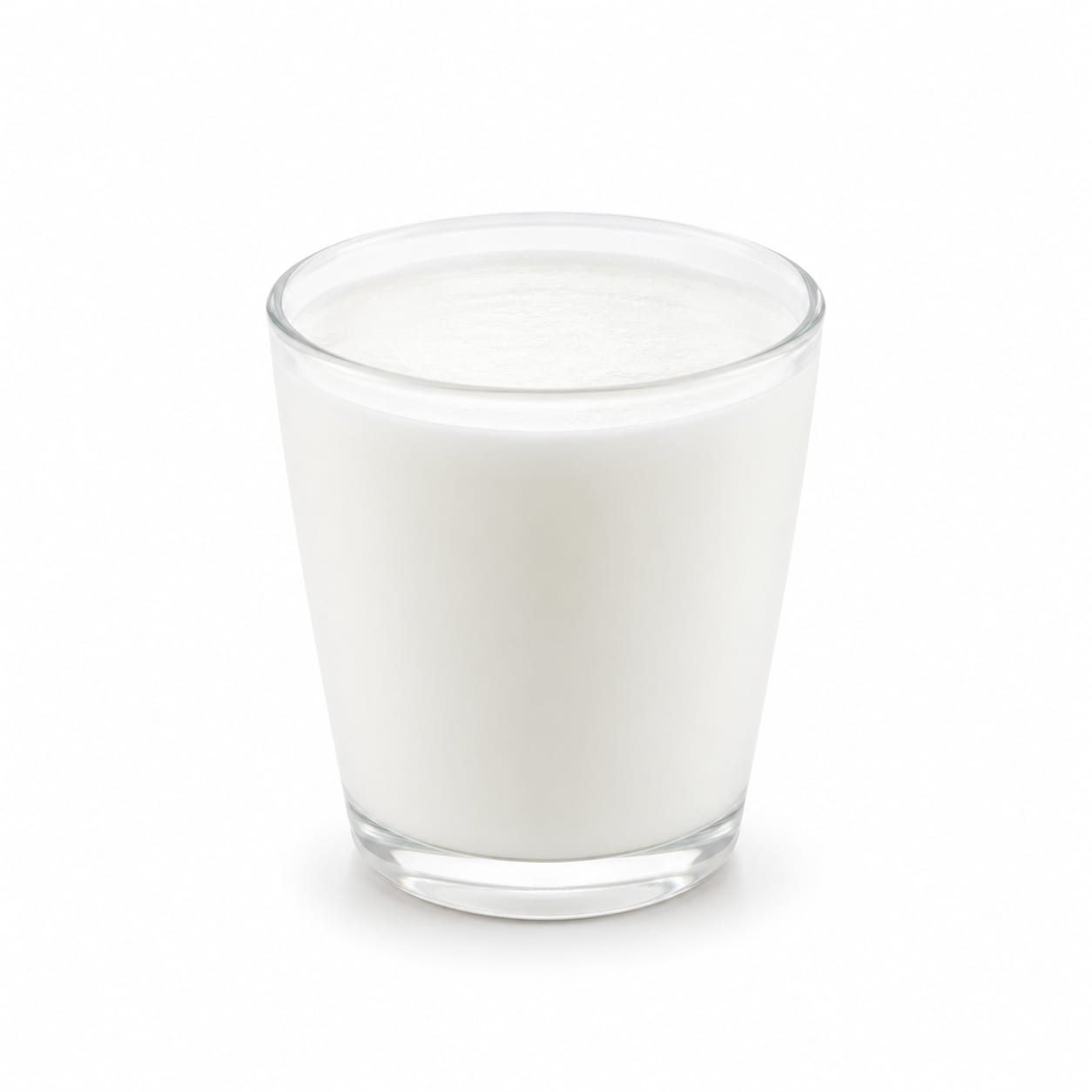
Dairy
Camel Milk
A low-fat, vitamin C-rich dairy milk from camels known for its unique immune proteins and blood sugar benefits.
Nutrient-rich milk produced by female camels, traditionally consumed in arid and semi-arid regions. It is lower in fat and higher in vitamin C compared to cow milk, and contains unique immune proteins.
low-glycemic dairy with unique immunoglobulins
Typical serving · 240g
Common varieties · raw, pasteurized, powdered, fermented
Overall context score across nutrition, safety, and diet fit
At a glance
Quick facts
Simple indicators based on nutrition, processing, and diet fit.
The story
What makes it unique
Camel milk digests moderately due to distinct whey proteins and an absence of beta-lactoglobulin. It provides moderate satiety from its protein and fat content. The macronutrient profile features lower fat and higher carbohydrates than cow milk, alongside notable levels of vitamin C and insulin-like proteins. Processing is typically minimal, limited to pasteurization or fermentation.
Varieties: raw · pasteurized · powdered · fermented
Per 100g
Nutrition breakdown
Macro balance and key metrics at a glance.
Energy
Density 0.52 kcal/g
Protein
Carbs
Fat
Fiber
Sugar
4.5 g
Sodium
50 mg
Potassium
150 mg
Glycemic index
32
Glycemic load
1.4
Water content
87%
Standout compounds
Nutrient highlights
Vitamin C
highSupports immune function and collagen synthesis, unusually high for a milk.
Insulin-like proteins
highMimics insulin action and helps regulate blood glucose without gastric breakdown.
Immunoglobulins
moderateEnhances immune defense by fighting pathogens, uniquely small in size for better absorption.
Iron
moderateEssential for oxygen transport; camel milk has higher bioavailable iron than cow milk.
Wellness map
Health scores & processing
NOVA processing scale
minimally processed · Whole food
Fresh camel milk is typically consumed raw or pasteurized, qualifying as a minimally processed food. Powdered versions undergo gentle dehydration.
Diet compatibility
- Weight loss
- Muscle gain
- Diabetes
- Gut health
- Low carb
- High protein
- Heart health
Relative standing
Food rankings
Qualitative ranks compared to similar whole foods.
- Satietygood
- Blood sugarexcellent
- Nutrient densitygood
- Fitness fuelmoderate
- Processing qualityexcellent
Eat with confidence
Food safety profile
Camel milk is generally safe when pasteurized. Raw milk carries a moderate risk of bacterial contamination and zoonotic viruses. Camels are typically free-range with low antibiotic and pesticide exposure.
Evidence confidence 85%
- Pesticideslow
- Antibioticslow
- Heavy metalslow
- Contaminationmoderate
Watch for
- Brucella
- Salmonella
- MERS-CoV
Safer choices
Pasteurized camel milk
Prep tips
Always choose pasteurized versions. If consuming raw, ensure it is sourced from heavily tested and regulated farms.
Raw camel milk can carry zoonotic pathogens and Middle East Respiratory Syndrome Coronavirus (MERS-CoV); pasteurization is strongly recommended.
Deep dive
Health analysis
How this food may fit different goals and preparation choices.
Weight loss
Low energy density and moderate protein content promote fullness without excessive calories, making it a reasonable choice for weight management.
Blood sugar
Contains insulin-like proteins and a low glycemic index, which significantly blunts blood sugar spikes and improves glycemic control.
Fitness & energy
Provides a balanced ratio of carbs and protein for light recovery, but lacks the high protein density needed for serious muscle gain.
Gut health
Lacks beta-lactoglobulin, making it tolerable for many with cow milk protein allergy. Contains lactose, so it may still trigger symptoms for lactose-intolerant individuals.
Processing quality
Typically sold raw or pasteurized, retaining its natural nutrient profile without additives or refinement.
Food safety
Raw camel milk poses zoonotic risks including MERS-CoV and Brucellosis. Pasteurization eliminates these threats while preserving nutritional value.
Common mistakes
Assuming camel milk is lactose-free; it contains lactose, though often in slightly lower amounts than cow milk.
Best preparation
Drink pasteurized, blend into smoothies, or use in fermented forms like camel milk kefir for enhanced probiotic benefits.
Practical guide
Best use cases
When and how this food fits real eating patterns.
Blood sugar management
Consuming camel milk can help stabilize glucose levels due to its low GI and insulin-like proteins.
Cow milk protein allergy alternative
A viable dairy option for individuals who react to beta-lactoglobulin found in cow milk.
Immune support
High levels of immunoglobulins and lysozymes provide natural antibacterial and antiviral properties.
Balance sheet
Pros & cons
Upsides
- Contains insulin-like proteins that lower blood sugar
- Lacks beta-lactoglobulin, reducing cow milk allergy risk
- Higher in vitamin C than cow milk
- Rich in natural antimicrobial immunoglobulins
- Lower in saturated fat than whole cow milk
Trade-offs
- Expensive and hard to find in many regions
- Contains lactose, unsuitable for lactose-intolerant individuals
- Lower in calcium compared to cow milk
- Raw milk poses serious zoonotic infection risks
- Taste profile is unfamiliar to many consumers
Fit check
Who is it for?
Great match
- blood sugar control
- cow milk protein allergy
- immune system support
- low-fat dairy diets
Consider alternatives
- strict ketogenic diets
- severe lactose intolerance
- budget-conscious consumers
- high-protein muscle building
Side by side
How it compares
Open the full head-to-head analysis for nutrition, safety, and practical tradeoffs.
This food
Camel Milk
VS95% alike
Compare with
Cow Milk
Camel milk is lower in fat, higher in vitamin C, and better for blood sugar, while cow milk is higher in protein and calcium.
Camel milk provides more vitamin C and better blood sugar control, while cow milk offers more protein and calcium for fitness.
This food
Camel Milk
VS88% alike
Compare with
Goat Milk
Both are tolerable for some cow milk allergy sufferers. Goat milk is easier to digest due to smaller fat globules, but camel milk is superior for diabetes.
Camel milk beats goat milk for blood sugar control, while goat milk is higher in protein and easier to digest for some.
This food
Camel Milk
VS60% alike
Compare with
Almond Milk
Almond milk is much lower in calories and carbs, but camel milk provides actual protein, vitamins, and immune benefits.
Almond milk is lower in calories and carbs, while camel milk offers real protein, vitamin C, and blood sugar benefits.
This food
Camel Milk
VS70% alike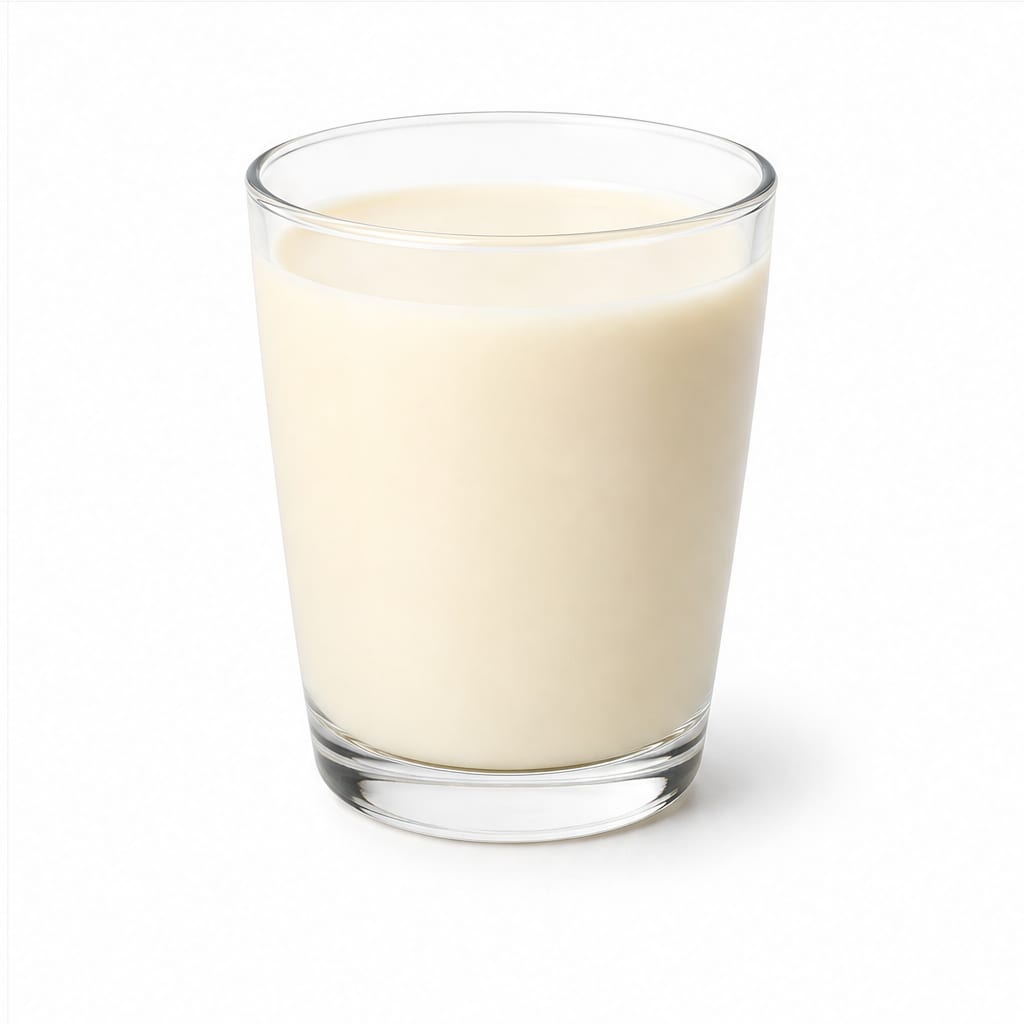
Compare with
Soy Milk
Soy milk is lactose-free and higher in protein, while camel milk offers unique insulin-like proteins and natural dairy micronutrients.
Soy milk provides more protein and no lactose, while camel milk excels at blood sugar regulation and immune support.
This food
Camel Milk
VS65% alike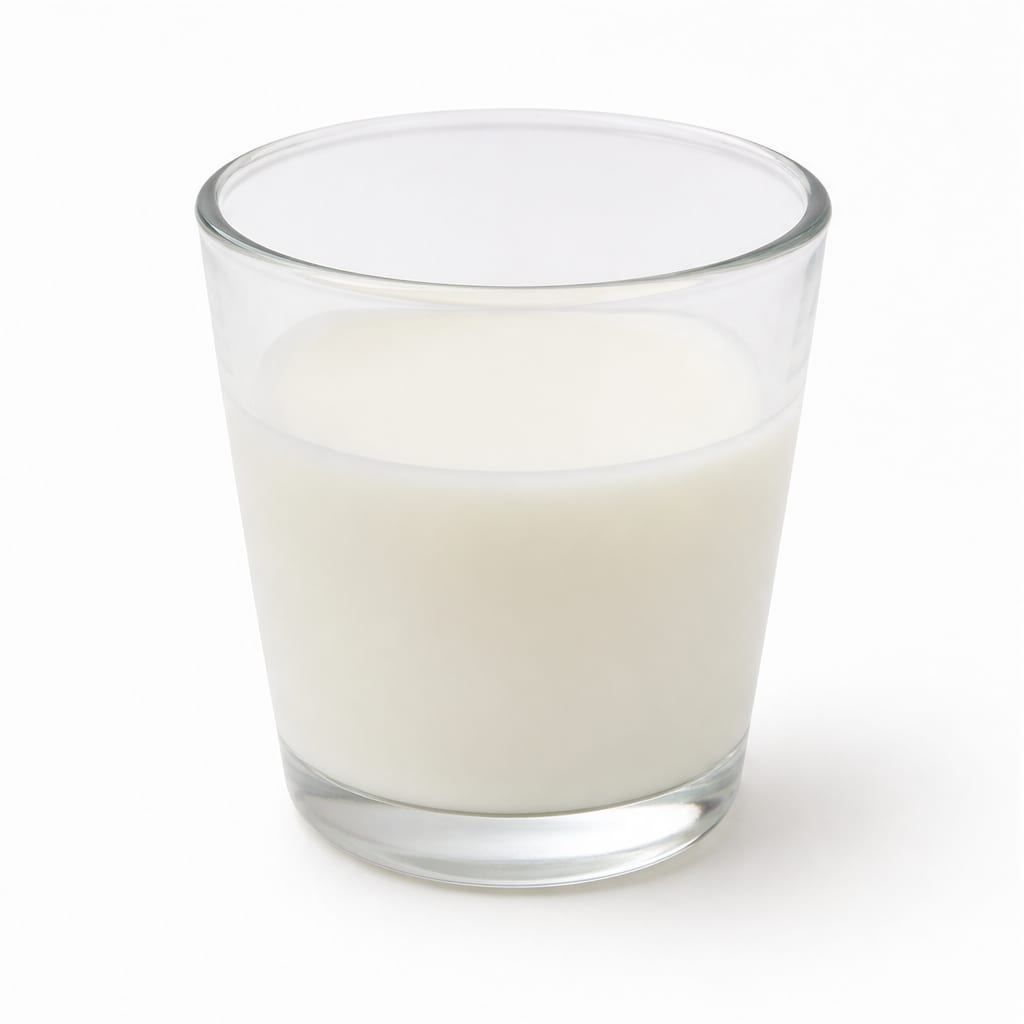
Compare with
Breast Milk
Both contain immune-boosting compounds. Breast milk is uniquely tailored for infants, while camel milk is the closest animal milk in terms of immune protein structure.
Camel milk shares similar immune proteins with breast milk but is lower in sugar and tailored for adult nutrition.
This food
Camel Milk
VS75% alike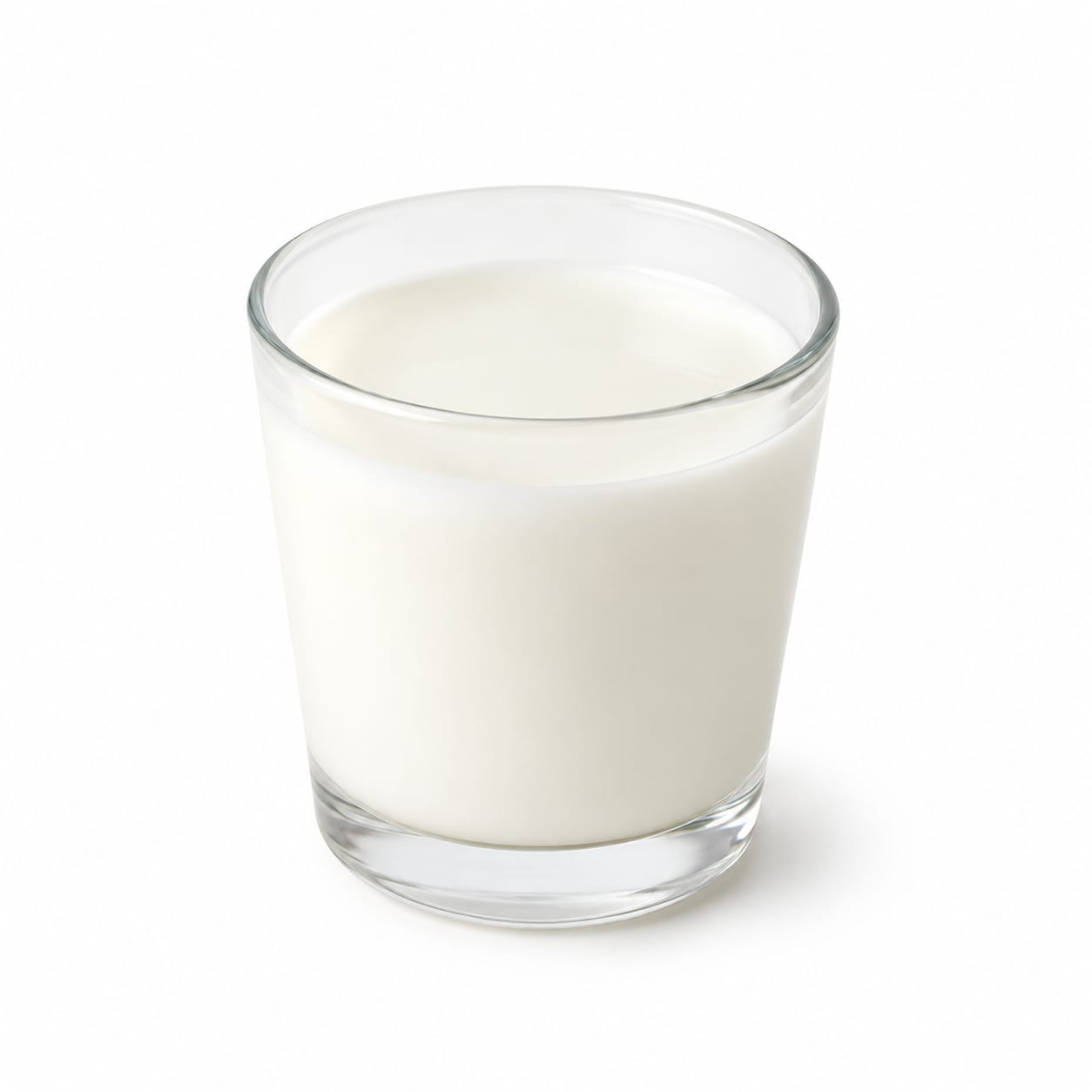
Compare with
Sheep Milk
Sheep milk is much higher in protein, fat, and calcium, making it richer but less suitable for low-calorie diets than camel milk.
Camel milk is lower in calories and better for blood sugar, while sheep milk provides superior protein and calcium.
This food
Camel Milk
VS55% alike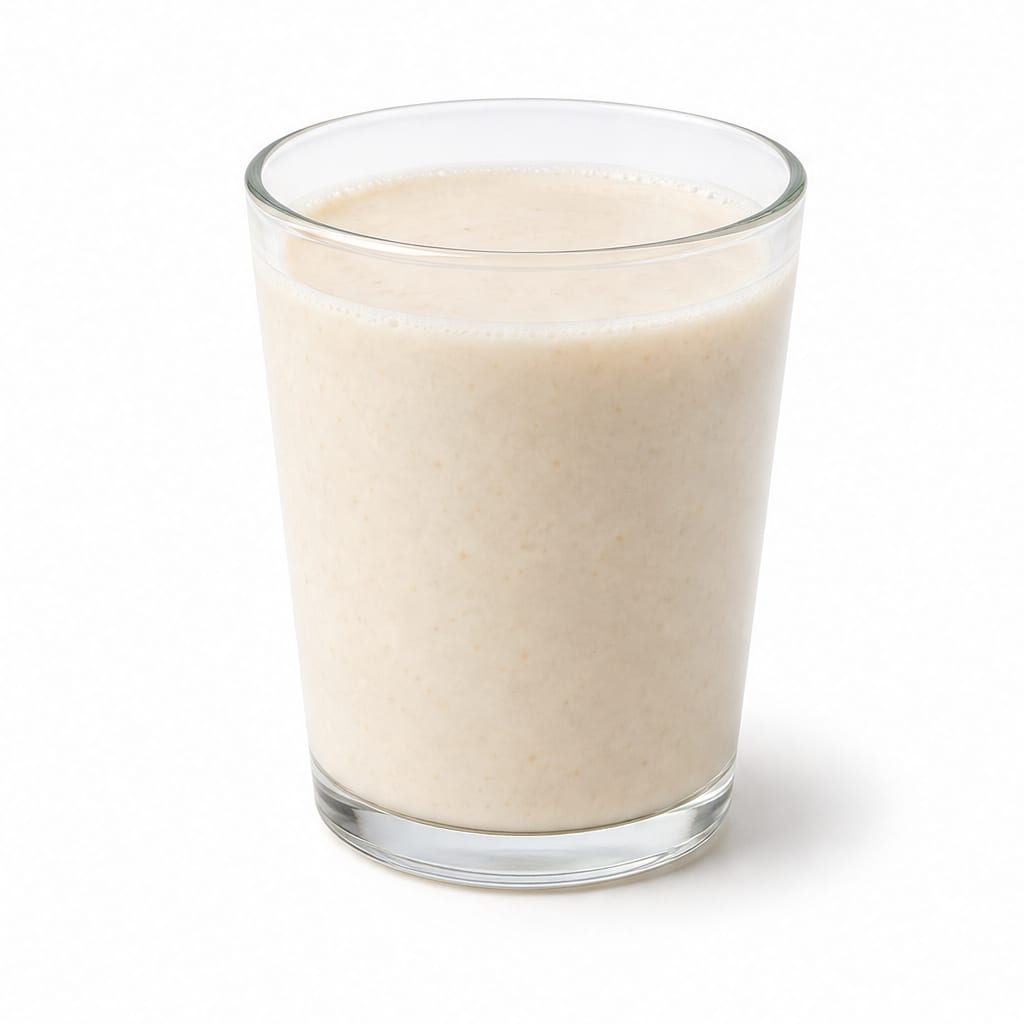
Compare with
Oat Milk
Oat milk is higher in carbs and often added sugars, while camel milk has a lower GI and natural insulin-mimetic properties.
Camel milk is far better for blood sugar control than oat milk, which is higher in carbohydrates.
This food
Camel Milk
VS50% alike
Compare with
Coconut Milk
Coconut milk is high in saturated fat and low in carbs, while camel milk is low in fat and contains beneficial proteins.
Camel milk provides protein and vitamins, while coconut milk is much higher in fat and lacks protein.
This food
Camel Milk
VS72% alike
Compare with
Buffalo Milk
Buffalo milk is extremely high in fat and protein, whereas camel milk is lean and uniquely beneficial for blood sugar.
Camel milk is much lower in calories and better for diabetes, while buffalo milk is a high-protein, high-fat bulking food.
This food
Camel Milk
VS80% alike
Compare with
A2 Milk
A2 milk lacks the A1 beta-casein protein to aid digestion, but camel milk avoids beta-lactoglobulin entirely and offers blood sugar benefits.
Camel milk provides better blood sugar control and different allergy benefits, while A2 milk offers more protein for muscle building.
Common questions
FAQ
Answers aligned with how people search for this food.
Is camel milk good for diabetics?
Yes, camel milk has a low glycemic index and contains unique insulin-like proteins that help lower blood sugar levels and improve glycemic control.
Does camel milk contain lactose?
Yes, camel milk contains lactose. While the amount is slightly lower than in cow milk, it is not safe for those with severe lactose intolerance.
Can I drink camel milk if I am allergic to cow milk?
Often yes. Camel milk lacks beta-lactoglobulin, the main allergen in cow milk, making it tolerable for many with cow milk protein allergy. Consult an allergist first.
Is camel milk healthier than cow milk?
Camel milk is lower in fat, higher in vitamin C, and better for blood sugar control. Cow milk is higher in protein and calcium. Healthiness depends on your specific goals.
What does camel milk taste like?
Camel milk has a slightly salty, mild, and clean flavor. It is less sweet than cow milk and has a thinner consistency.
Is raw camel milk safe to drink?
Raw camel milk carries a risk of bacterial contamination and MERS-CoV. Pasteurized camel milk is the only safe choice for consumption.
Why is camel milk so expensive?
Camels produce far less milk than cows, and the farming, milking, and distribution infrastructure is much smaller, driving up the price.
Does camel milk help with autism?
Some preliminary studies suggest camel milk may improve behavioral symptoms in children with autism, but evidence is limited and more rigorous clinical trials are needed.
Transparency
Data confidence
Estimated confidence for nutrition data, interpretation, safety notes, and comparisons.
Nutrition data
Health analysis
Food safety
Comparisons