
Nutrition comparison
Camel Milk vs Soy Milk: Nutrition, Diabetes Benefits, and Which to Choose
Compare camel milk and soy milk to find out which is better for diabetes, weight loss, and daily use. Discover the pros, cons, and nutritional tradeoffs.
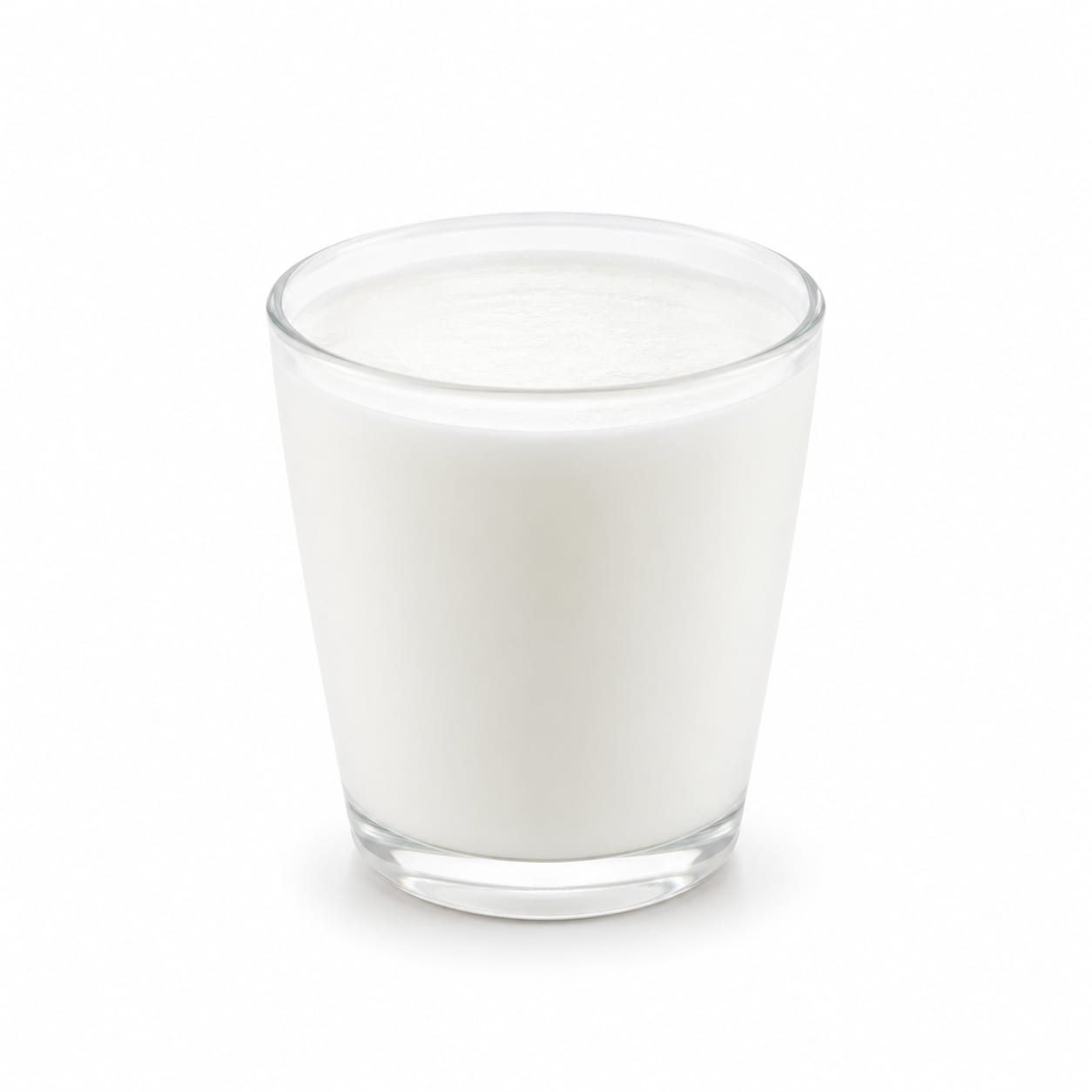
Camel Milk
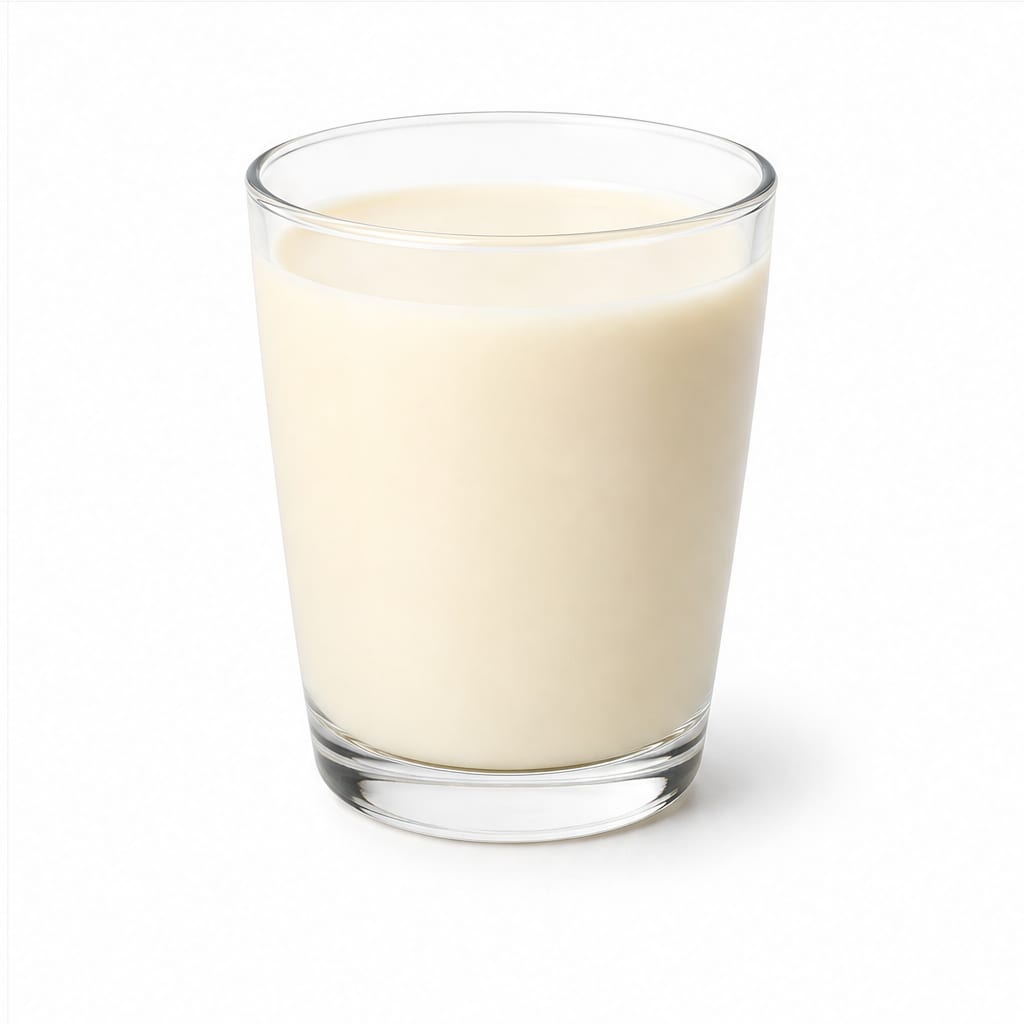
Soy Milk
Camel milk offers unique blood sugar benefits and is easier to digest than cow's milk, but soy milk is far more practical, affordable, and completely dairy-free.
Soy milk scores higher due to practicality, cost, and broad suitability for dairy-free diets, while camel milk remains a niche therapeutic option with a high barrier to daily use.
Niche therapeutic potential and natural dairy profile versus everyday affordability and plant-based accessibility.
At a glance
Executive summary
Overall
It depends
Healthier
It depends
More practical
Soy Milk
Daily use
Soy Milk
Key comparison lenses
Diabetes management and blood sugar control
Camel milk is renowned for its insulin-like proteins, making blood sugar impact the most critical differentiator.
Dairy vs plant-based dietary alignment
Users are often deciding between an animal-based alternative or a fully plant-based staple.
Allergen profile and digestive tolerance
Camel milk lacks common dairy allergens, while soy milk brings its own major allergen class.
Everyday practicality and cost
Camel milk is extremely expensive and niche, whereas soy milk is a cheap, everyday commodity.
Best choice for
Camel Milk
- People managing type 2 diabetes
- Those with mild lactose intolerance who still want real dairy
- Consumers seeking novel immune-supporting properties
Soy Milk
- Vegans and vegetarians
- People avoiding all dairy
- Budget-conscious shoppers needing a daily milk alternative
Least suitable for
Camel Milk
- Vegans
- People with severe dairy allergies
- Those on a tight budget
Soy Milk
- People with soy allergies
- Those avoiding phytoestrogens due to hormone-sensitive conditions
- Consumers wanting a completely whole, unprocessed food
Deep comparison
Dimension by dimension
Each lens scores both foods and breaks down who each option suits.
- Dimension 1 · Priority 88Soy Milk
Protein Quality & Satiety
Camel Milk · 70Soy Milk · 85Soy milk provides a robust, complete plant protein that rivals animal sources, keeping you full longer for fewer calories.
Tradeoff
Camel milk offers natural animal protein but typically in smaller quantities per serving compared to soy milk.
Why it matters
Better protein quality means steadier energy and less snacking between meals.
Real-world impact
A soy milk breakfast smoothie will likely keep you satisfied until lunch, whereas camel milk might require adding extra protein.
Camel Milk
- Those who digest plant proteins poorly
Better for
- Budget-conscious dieters needing high protein per dollar
Worse for
Soy Milk
- Vegans needing reliable protein
- People managing weight who want high satiety for low calories
Better for
- People with soy allergies
Worse for
- Dimension 2 · Priority 92It depends
Digestive Tolerance & Allergens
Camel Milk · 75Soy Milk · 75Camel milk is naturally low in lactose and lacks beta-lactoglobulin, while soy milk is 100% lactose-free but contains soy allergens.
Tradeoff
You trade dairy sensitivities for soy sensitivities, making this highly individual.
Why it matters
Digestive comfort dictates whether a food can become a daily staple or a source of bloating.
Real-world impact
Someone with mild lactose intolerance might tolerate camel milk perfectly, while someone with a soy allergy would experience stomach upset from soy milk.
Camel Milk
- People with mild lactose intolerance
- Those allergic to beta-lactoglobulin in cow's milk
Better for
- People with severe cow's milk allergy due to cross-reactivity risk
- Vegans
Worse for
Soy Milk
- Anyone with complete lactose intolerance
- People avoiding all mammal dairy
Better for
- People with soy allergies
- Those sensitive to common soy milk thickeners like carrageenan
Worse for
- Dimension 3 · Priority 95Camel Milk
Blood Sugar & Metabolic Health
Camel Milk · 90Soy Milk · 80Camel milk contains insulin-like proteins that may actively lower blood sugar, whereas unsweetened soy milk simply avoids raising it.
Tradeoff
Camel milk has natural sugars but offers therapeutic potential, while unsweetened soy milk has zero sugars but no active blood sugar-lowering properties.
Why it matters
For diabetics, active blood sugar management is far more valuable than just avoiding carbs.
Real-world impact
A diabetic drinking camel milk might see improved fasting blood sugar over time, while unsweetened soy milk simply prevents glucose spikes.
Camel Milk
- Type 2 diabetics seeking complementary therapy
- Those with insulin resistance
Better for
- Keto dieters who cannot afford the natural carbs
Worse for
Soy Milk
- People on strict low-carb or keto diets
- Those who struggle with portion control and need zero-sugar options
Better for
- Diabetics hoping for active blood sugar reduction from their milk
Worse for
- Dimension 4 · Priority 80Soy Milk
Practicality & Cost
Camel Milk · 30Soy Milk · 95Soy milk is affordable and available at any grocery store, while camel milk is extremely expensive and hard to find.
Tradeoff
You pay a massive premium for camel milk's unique properties, making it unrealistic as an everyday staple for most.
Why it matters
A healthy food only works if you can actually afford and access it consistently.
Real-world impact
You can grab soy milk for a few dollars at any corner store, but camel milk might cost over fifteen dollars per pint and require online ordering.
Camel Milk
- Wealthy consumers seeking niche health products
- Those willing to invest heavily in diabetes management
Better for
- Students and low-income households
- People who need milk for cooking in large quantities
Worse for
Soy Milk
- Families on a budget
- Anyone who shops at regular grocery stores
- Daily coffee drinkers
Better for
- Those seeking a luxury or novel health experience
Worse for
Timeline
Health impact over time
Short-term
Hours to days
Camel Milk
- May cause slight digestive adjustment if transitioning from cow's milk
- Provides steady energy without the crash of high-lactose dairy
Soy Milk
- Can cause bloating if you have an undiagnosed soy sensitivity
- Unsweetened versions provide very light, low-calorie hydration
Long-term
Months to years
Camel Milk
- Potential improved blood sugar control for diabetics
- May support immune function due to unique immunoglobulins
Soy Milk
- Heart health benefits from soy isoflavones
- Possible hormonal effects from phytoestrogens, which may be beneficial or concerning depending on individual health history
Risk profile
Safety & processing
Camel milk is typically consumed in a natural, minimally processed state, while commercial soy milk often contains thickeners, stabilizers, and fortified vitamins.
Camel Milk
Bacterial contamination
mediumRaw camel milk carries similar pathogen risks as raw cow's milk if not pasteurized properly.
Cross-reactivity for dairy allergy
mediumThough it lacks beta-lactoglobulin, some with severe cow's milk allergies may still react to camel milk proteins.
Soy Milk
Soy allergen exposure
highSoy is one of the top major allergens, making this entirely unsafe for a significant portion of the population.
Additive sensitivities
mediumCarrageenan or other gums used for texture can cause digestive inflammation in sensitive individuals.
Who wins for whom
Audience fit
Same foods, different winners depending on your goal.
children
It dependsCamel milk is closer to human milk in some protein structures and may be better tolerated, but soy milk is often fortified with calcium and vitamin D essential for growth, provided the child doesn't have a soy allergy.
daily consumption
Soy MilkSoy milk is affordable, widely available, and easy to incorporate into daily routines like coffee and cereal without breaking the bank.
diabetes
Camel MilkCamel milk has unique insulin-like proteins that have shown promise in actively lowering blood sugar, whereas soy milk merely avoids raising it.
elderly
Soy MilkSoy milk is typically fortified with calcium and vitamin D for bone health, and is easier on aging digestive systems that may struggle with any form of lactose.
muscle gain
Soy MilkSoy milk generally offers more protein per calorie and per dollar, making it easier to consume in the higher volumes needed for muscle gain.
weight loss
Soy MilkUnsweetened soy milk is much lower in calories and natural sugars, making it easier to fit into a calorie deficit.
Your move
Decision guide
Choose Camel Milk
- You are managing type 2 diabetes and want a complementary dietary therapy
- You love dairy but struggle with the lactose or allergens in cow's milk
- Cost is not a barrier and you want a unique, minimally processed milk
Choose Soy Milk
- You are vegan or strictly avoiding all animal products
- You need an affordable, everyday milk for coffee, cereal, and cooking
- You want a low-calorie, low-carb option for weight management
Either works if
- You need a lactose-free alternative to cow's milk and have no soy allergies
- You are looking for a milk alternative with a solid protein profile
Avoid both if
- You have both a severe dairy allergy and a soy allergy
- You are on a strict keto diet and cannot tolerate any natural milk sugars or added carbs from fortified milks
Final recommendation
Choose soy milk for an affordable, practical, and protein-rich daily staple. Opt for camel milk only if you have a specific therapeutic need, like diabetes management, and the budget to support it.
Practical
Consumer tips
- 1
Always choose unsweetened soy milk to avoid hidden sugars and keep the blood sugar benefits intact.
- 2
If trying camel milk for diabetes, consult your doctor first, as its blood sugar-lowering effects can interact with medication.
- 3
Check soy milk labels for carrageenan if you have a sensitive stomach, and opt for brands using alternative thickeners.
- 4
Store camel milk properly; its rarity means you don't want it spoiling before you finish it.