
Nutrition comparison
Camel Milk vs Almond Milk: Nutrition, Protein, and Health Comparison
Compare camel milk and almond milk to find out which is better for protein, weight loss, and daily nutrition. Discover the pros and cons of each milk.
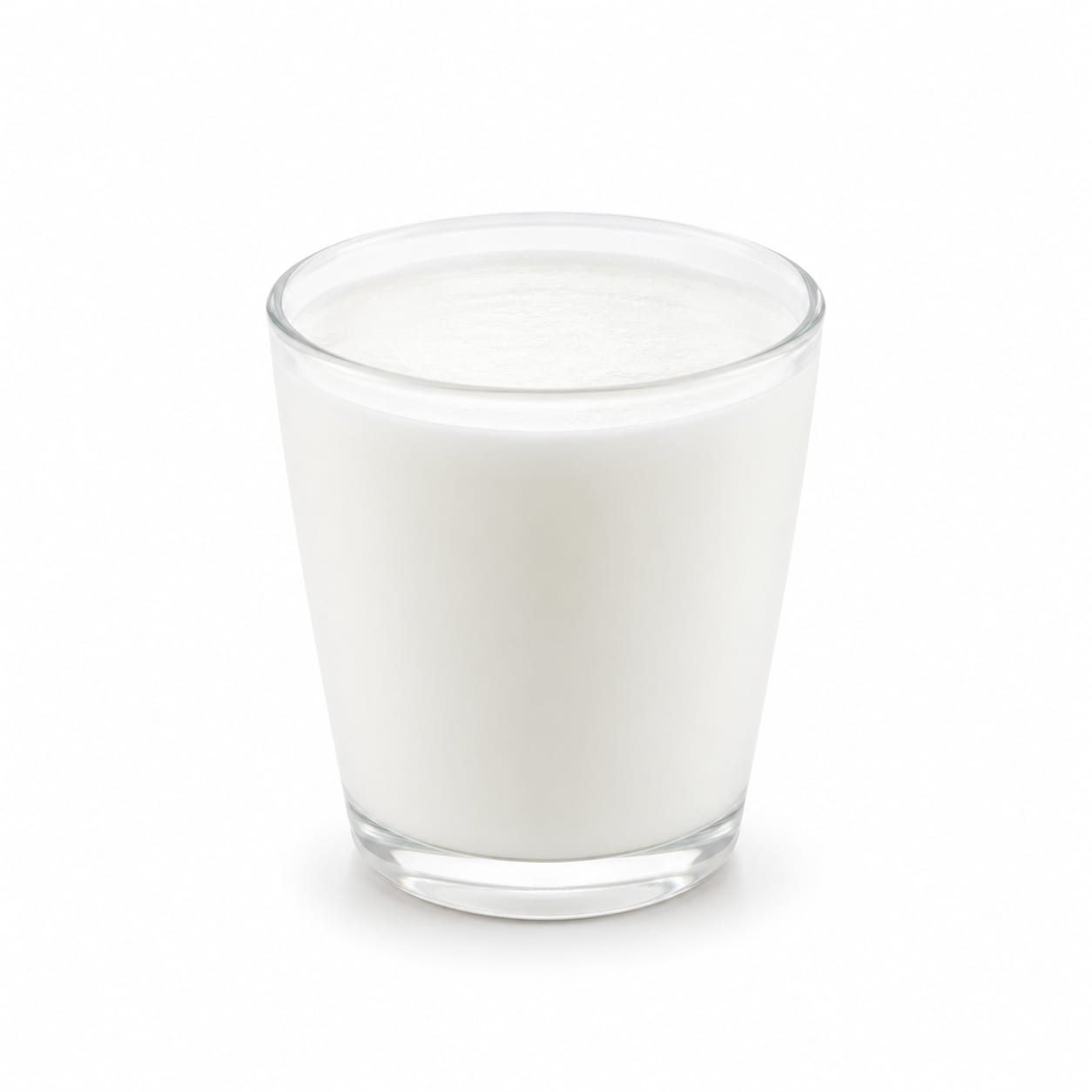
Camel Milk
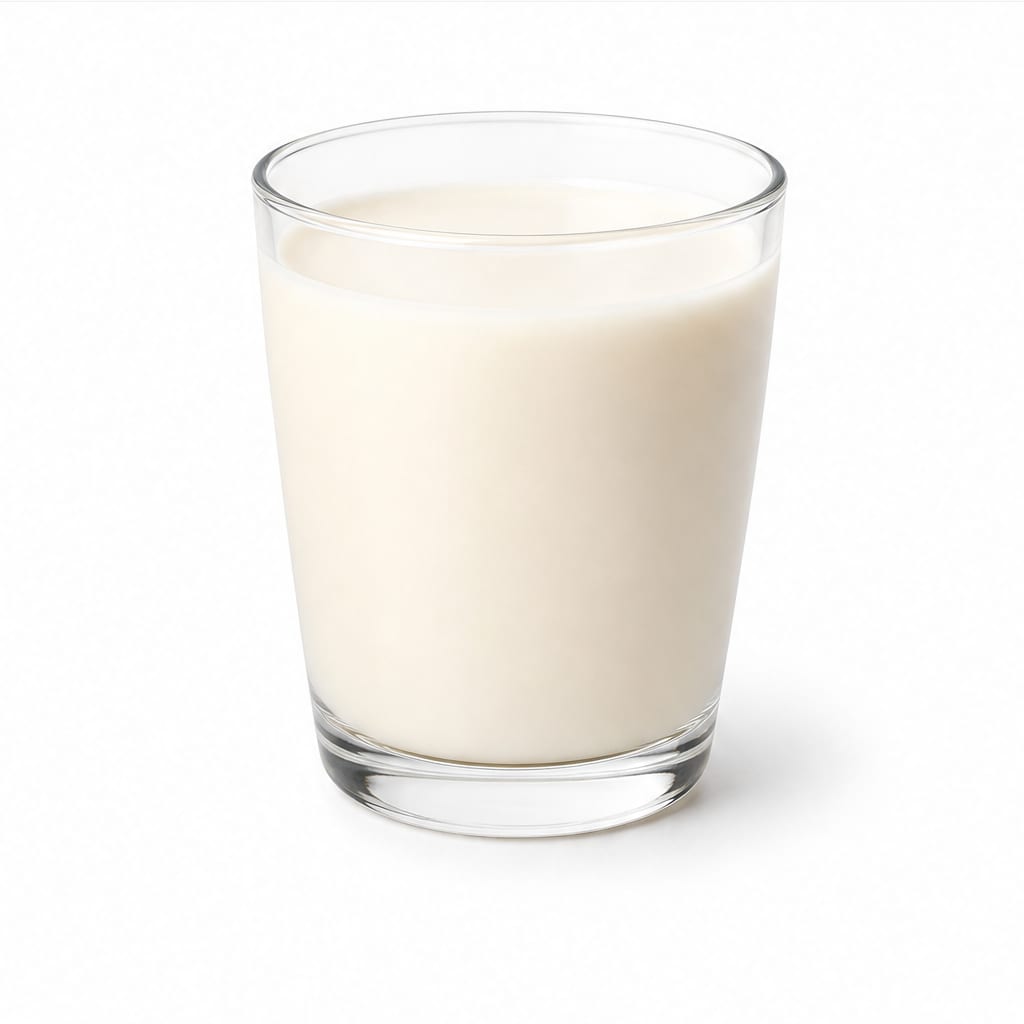
Almond Milk
Camel milk delivers real nutrition and protein, while almond milk offers a low-calorie, dairy-free base.
Camel milk scores higher due to its superior nutritional profile and natural state, but almond milk remains highly relevant for low-calorie and plant-based needs.
Substantial nutrition and natural profile versus minimal calories and widespread convenience.
At a glance
Executive summary
Overall
It depends
Healthier
Camel Milk
More practical
Almond Milk
Daily use
It depends
Key comparison lenses
Dairy vs Plant-Based Nutritional Completeness
Camel milk provides actual protein and natural fats, whereas almond milk is mostly water with minimal macronutrients.
Weight Management and Calorie Intake
Almond milk is a staple for calorie counters, while camel milk provides sustenance at a higher caloric cost.
Allergies and Digestive Tolerance
Users often seek these milks for cow dairy issues, but must navigate nut allergies versus dairy sensitivities.
Processing and Additive Exposure
Commercial almond milk relies on emulsifiers and fortifiers, while camel milk is typically a whole, natural food.
Best choice for
Camel Milk
- People needing protein and natural nutrition
- Those with cow dairy sensitivities seeking an alternative
- Individuals looking for a whole-food milk
Almond Milk
- Calorie counters
- Vegans
- People who just want a low-calorie coffee creamer
Least suitable for
Camel Milk
- Budget-conscious shoppers
- Vegans
- Those with severe dairy allergies
Almond Milk
- People needing protein from their milk
- Those avoiding emulsifiers and additives
- People with nut allergies
Deep comparison
Dimension by dimension
Each lens scores both foods and breaks down who each option suits.
- Dimension 1 · Priority 95Camel Milk
Nutritional Completeness & Protein
Camel Milk · 90Almond Milk · 25Camel milk provides high-quality protein and natural vitamins, whereas almond milk is mostly water with minimal protein.
Tradeoff
You get real sustenance from camel milk, but it comes with more calories.
Why it matters
Protein keeps you full and supports muscle; almond milk does neither effectively.
Real-world impact
A glass of camel milk can be a mini-meal; almond milk is just hydration with a hint of flavor.
Camel Milk
- Muscle maintenance
- Satiety between meals
- Growing children
Better for
- Strict calorie restriction
Worse for
Almond Milk
- Fasting routines
- Very low-calorie diets
Better for
- Recovery after exercise
- Replacing a meal
Worse for
- Dimension 2 · Priority 90Almond Milk
Calorie Density & Weight Management
Camel Milk · 50Almond Milk · 90Almond milk is extremely low in calories, making it a go-to for weight loss, while camel milk is more calorie-dense.
Tradeoff
Almond milk saves calories but leaves you hungry; camel milk fills you up but costs more energy.
Why it matters
If you drink multiple glasses a day, the calorie difference adds up quickly.
Real-world impact
Swapping to almond milk in your daily latte saves you hundreds of calories a week effortlessly.
Camel Milk
- Feeling full and satisfied
- Preventing overeating later
Better for
- Liquid calorie overconsumption
Worse for
Almond Milk
- Creating a calorie deficit
- Mindless drinking without weight gain
Better for
- Unsatisfying meal replacements
Worse for
- Dimension 3 · Priority 85It depends
Digestibility & Allergies
Camel Milk · 75Almond Milk · 70Camel milk lacks A1 beta-casein and is often tolerated by those with cow milk issues, but almond milk is completely dairy-free.
Tradeoff
Camel milk is still an animal product, while almond milk carries a nut allergy risk.
Why it matters
Food sensitivities dictate long-term compliance and comfort.
Real-world impact
If cow's milk bloats you, camel milk might be a game-changer, but if you have tree nut allergies, almond milk is off the table.
Camel Milk
- Cow dairy sensitivity
- Lactose intolerance (often tolerated)
Better for
- Vegan lifestyles
- True dairy allergies
Worse for
Almond Milk
- Vegan diets
- Complete dairy avoidance
Better for
- Tree nut allergies
- Sensitive guts reacting to emulsifiers
Worse for
- Dimension 4 · Priority 80Camel Milk
Processing & Additives
Camel Milk · 85Almond Milk · 40Camel milk is typically consumed in a natural state, while commercial almond milk contains emulsifiers, stabilizers, and fortified vitamins.
Tradeoff
Convenience and shelf stability of almond milk come at the cost of ultra-processing.
Why it matters
Additives like carrageenan or lecithin can irritate the gut over time.
Real-world impact
Reading the ingredient list on almond milk often reveals a chemistry project; camel milk is just milk.
Camel Milk
- Clean eating
- Avoiding emulsifiers
- Whole food diets
Better for
- Shorter shelf life
- Higher price for raw quality
Worse for
Almond Milk
- Shelf stability
- Cost-effective fortification
Better for
- Gut irritation from additives
- Ultra-processed diet concerns
Worse for
- Dimension 5 · Priority 75It depends
Blood Sugar Impact
Camel Milk · 70Almond Milk · 85Unsweetened almond milk has almost zero carbs, while camel milk contains natural lactose but also insulin-like proteins that help regulate blood sugar.
Tradeoff
Almond milk avoids blood sugar spikes entirely, but camel milk offers unique blood sugar-regulating properties.
Why it matters
Managing blood sugar is crucial for energy stability and diabetes risk.
Real-world impact
Diabetics might benefit from camel milk's unique properties, but almond milk is the safer bet for zero-carb diets.
Camel Milk
- Potential blood sugar regulation
- Insulin-sensitive individuals
Better for
- Strict ketogenic diets
Worse for
Almond Milk
- Keto diets
- Zero-carb requirements
Better for
- Those relying on milk for sustained energy
Worse for
Timeline
Health impact over time
Short-term
Hours to days
Camel Milk
- Provides lasting satiety
- May cause slight bloating if sensitive to dairy
Almond Milk
- Almost zero caloric impact
- Can leave you feeling hungry shortly after
Long-term
Months to years
Camel Milk
- Supports muscle and bone health naturally
- May aid in blood sugar management
Almond Milk
- Helps maintain calorie deficit for weight loss
- Risk of nutrient gaps if used as a primary milk without fortification
Risk profile
Safety & processing
Camel milk is a whole food with minimal interference, whereas almond milk is an industrial extraction requiring thickeners and fortifiers to mimic milk.
Camel Milk
Bacterial contamination (raw camel milk)
mediumIf consumed raw, there is a risk of foodborne illness; pasteurization is recommended.
Dairy allergen
mediumStill a dairy product, so those with severe dairy allergies should be cautious.
Almond Milk
Tree nut allergy
highCan cause severe anaphylactic reactions in those with almond or tree nut allergies.
Additive sensitivity
mediumEmulsifiers like carrageenan or gums can cause digestive distress in sensitive individuals.
Who wins for whom
Audience fit
Same foods, different winners depending on your goal.
children
Camel MilkCamel milk offers essential fats, protein, and calcium for development, whereas almond milk is mostly water.
daily consumption
It dependsAlmond milk is cheaper and easier for daily coffee and cereal, but camel milk is better if you need daily nutritional support.
diabetes
It dependsAlmond milk has zero carbs, but camel milk contains insulin-like proteins that may help manage diabetes.
elderly
Camel MilkThe natural calcium, protein, and vitamin C in camel milk support bone density and immunity in aging bodies.
muscle gain
Camel MilkCamel milk provides actual protein necessary for muscle repair and growth.
weight loss
Almond MilkAlmond milk's extremely low calorie count makes it effortless to maintain a deficit.
Your move
Decision guide
Choose Camel Milk
- You want a nutritionally complete beverage
- You are looking for a cow milk alternative that still provides protein
- You have budget flexibility and value whole foods
Choose Almond Milk
- You are strictly counting calories
- You follow a vegan diet
- You just need a low-calorie liquid for smoothies or coffee
Either works if
- You need a lactose-free alternative to cow's milk (assuming tolerance)
- You want to rotate milk types for variety
Avoid both if
- You have severe dairy and tree nut allergies
- You are looking for a high-fat, keto-friendly milk (like macadamia or coconut)
Final recommendation
Choose camel milk if nutrition and satiety are your priorities, and almond milk if you want a low-calorie, plant-based option for everyday use.
Practical
Consumer tips
- 1
Always choose unsweetened almond milk to avoid hidden sugars.
- 2
Check almond milk labels for carrageenan or excessive gums if you have a sensitive stomach.
- 3
Start with a small amount of camel milk to test your tolerance, even if you are lactose intolerant.
- 4
Consider camel milk powder if fresh camel milk is too expensive or hard to find.
- 5
Do not rely on almond milk as a protein source; you must get protein elsewhere in your diet.