
Nutrition comparison
Camel Milk vs Oat Milk: Nutrition, Blood Sugar, and Health Compared
Discover the surprising differences between camel milk and oat milk. Learn which is better for blood sugar, digestion, and daily nutrition in this expert comparison.
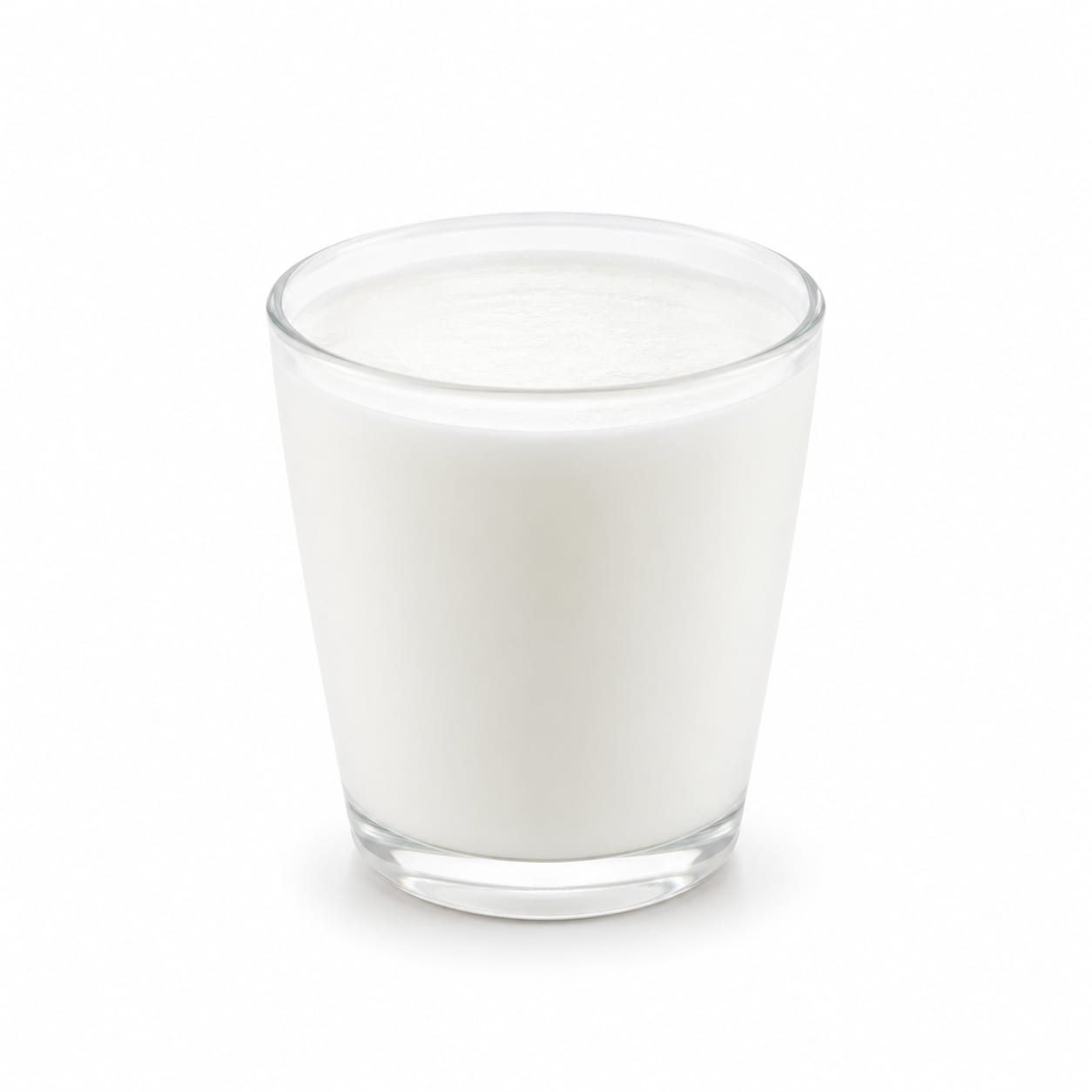
Camel Milk
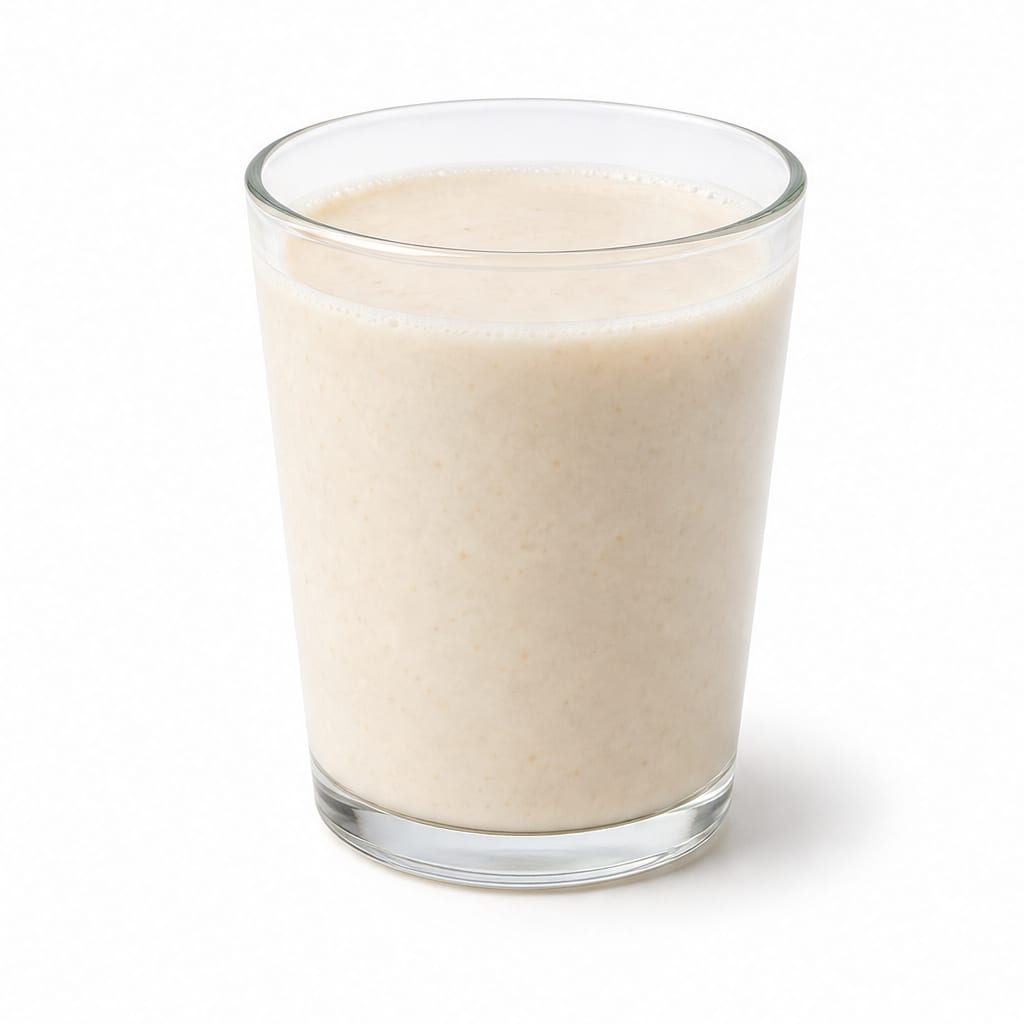
Oat Milk
Camel milk delivers superior natural nutrition and blood sugar stability, but oat milk wins on convenience, cost, and strict vegan compliance.
Camel milk scores significantly higher for natural nutrition and metabolic health, but loses practical points due to high cost and limited availability. Oat milk is accessible and allergy-friendly but penalized for high processing and blood sugar spikes.
You are choosing between a low-processed, nutrient-dense animal milk and a convenient, vegan plant milk with a higher sugar spike risk.
At a glance
Executive summary
Overall
It depends
Healthier
Camel Milk
More practical
Oat Milk
Daily use
Oat Milk
Key comparison lenses
Whole food nutrition vs fortified plant alternative
Camel milk provides natural bioavailable nutrients, while oat milk relies on fortification and processing to match standard milk profiles.
Blood sugar impact
Oat milk is notoriously high in maltose and can spike blood sugar, whereas camel milk has unique insulin-like proteins that support glycemic control.
Allergies and digestive tolerance
Users comparing these often have dairy sensitivities or vegan preferences, making lactose content and allergen profiles a major deciding factor.
Processing and additive exposure
Commercial oat milk contains emulsifiers and seed oils, while camel milk is typically a single-ingredient whole food.
Best choice for
Camel Milk
- People managing blood sugar issues or diabetes
- Those seeking high-quality natural protein and immune support
- Consumers wanting a minimally processed beverage
Oat Milk
- Vegans and strict vegetarians
- People with severe dairy allergies or lactose intolerance
- Budget-conscious shoppers needing an everyday coffee creamer
Least suitable for
Camel Milk
- Vegans and those avoiding all animal products
- People with severe dairy or casein allergies
- Shoppers on a tight grocery budget
Oat Milk
- People with severe blood sugar instability
- Those avoiding seed oils and food additives
- Individuals needing high-quality protein from liquids
Deep comparison
Dimension by dimension
Each lens scores both foods and breaks down who each option suits.
- Dimension 1 · Priority 95Camel Milk
Blood Sugar Stability
Camel Milk · 88Oat Milk · 35Camel milk contains unique insulin-like proteins that help lower blood sugar, while oat milk's enzymatic processing creates maltose, a high-glycemic sugar.
Tradeoff
Choosing oat milk for convenience risks an afternoon energy crash, whereas camel milk supports steadier energy but requires sourcing effort.
Why it matters
Blood sugar spikes drive cravings, fatigue, and fat storage. A morning latte made with oat milk can set off a glycemic rollercoaster.
Real-world impact
An oat milk latte might leave you hungry an hour later, while camel milk feels more satisfying and steadies your appetite until lunch.
Camel Milk
- Diabetics and prediabetics
- Morning energy stability
- Reducing sugar cravings
Better for
- Those who dislike the slightly savory taste
Worse for
Oat Milk
- Those who only use a tiny splash in coffee
- Endurance athletes needing quick carbs
Better for
- Insulin-resistant individuals
- People prone to afternoon energy crashes
Worse for
- Dimension 2 · Priority 90Camel Milk
Nutritional Density & Protein
Camel Milk · 92Oat Milk · 30Camel milk offers complete, bioavailable protein and natural vitamins, while oat milk provides minimal protein and relies on synthetic fortification.
Tradeoff
You get real, body-ready nutrition from camel milk, whereas oat milk mostly offers empty carbs with added laboratory vitamins.
Why it matters
Liquids with protein trigger fullness signals. Without it, you are just drinking flavored sugar water that will not keep you full.
Real-world impact
Camel milk works as a quick breakfast sustainer; oat milk is just a coffee lightener that leaves your stomach rumbling.
Camel Milk
- Muscle maintenance
- Growing children
- Satiety between meals
Better for
- Those who need a completely plant-based diet
Worse for
Oat Milk
- Low-protein diet compliance
Better for
- Anyone relying on milk as a protein source
- Elderly needing muscle-supporting nutrition
Worse for
- Dimension 3 · Priority 85Camel Milk
Processing & Additives
Camel Milk · 90Oat Milk · 25Camel milk is typically a single-ingredient whole food. Commercial oat milk contains seed oils, emulsifiers, and added salts.
Tradeoff
Camel milk gives you a clean label, while oat milk introduces industrial ingredients that can irritate the gut lining over time.
Why it matters
Emulsifiers like rapeseed oil and gums in oat milk can disrupt the gut microbiome and cause subtle digestive inflammation.
Real-world impact
If you are trying to clean up your diet, camel milk fits seamlessly. Oat milk often sneaks ultra-processed ingredients into an otherwise healthy routine.
Camel Milk
- Clean-eating advocates
- Gut healing protocols
- Avoiding seed oils
Better for
- None regarding processing
Worse for
Oat Milk
- Those who prioritize a creamy texture over ingredient purity
Better for
- People with sensitive digestion
- Those avoiding emulsifiers and gums
Worse for
- Dimension 4 · Priority 80Oat Milk
Allergen & Digestive Tolerance
Camel Milk · 65Oat Milk · 90Oat milk is 100% lactose-free and vegan, while camel milk contains lower lactose than cow milk but still has dairy proteins.
Tradeoff
Oat milk is the safest bet for strict vegans and severe dairy allergies, but camel milk is often tolerated by those with mild cow dairy sensitivities.
Why it matters
Different camel casein proteins mean many who react to cow milk can drink camel milk, but it is not safe for true dairy allergies.
Real-world impact
If cow milk makes you bloated, camel milk might be fine. If you are strictly vegan, oat milk is your only choice here.
Camel Milk
- People with cow dairy sensitivity but not allergy
- Those wanting bioavailable calcium without cow dairy
Better for
- True dairy allergy sufferers
- Vegans
Worse for
Oat Milk
- Vegans
- Those with severe lactose intolerance
- People with casein allergies
Better for
- People with gluten sensitivity if oats are not certified gluten-free
Worse for
- Dimension 5 · Priority 70Oat Milk
Convenience & Cost
Camel Milk · 20Oat Milk · 95Oat milk is cheap, widely available, and shelf-stable. Camel milk is expensive, often sold as powder, and hard to find.
Tradeoff
Oat milk fits effortlessly into daily life and budgets, while camel milk requires premium spending and planning.
Why it matters
The healthiest food in the world is useless if you cannot afford it or find it regularly.
Real-world impact
You can grab oat milk at any corner store. Camel milk usually requires online orders, frozen storage, or reconstituting powder.
Camel Milk
- Those willing to invest heavily in health foods
Better for
- Quick morning routines
- Cost-conscious households
Worse for
Oat Milk
- Everyday coffee drinkers
- Budget-friendly grocery trips
- Travel and convenience
Better for
- None regarding convenience
Worse for
Timeline
Health impact over time
Short-term
Hours to days
Camel Milk
- Provides steady energy without a sugar crash
- May improve satiety due to natural fat and protein content
- Easier on the stomach than cow milk for some people
Oat Milk
- Can cause a rapid blood sugar spike followed by a crash
- May cause mild bloating from gums and emulsifiers
- Provides quick hydration but little lasting fullness
Long-term
Months to years
Camel Milk
- Unique immunoglobulins may support immune resilience
- Consistent blood sugar control aids metabolic health
- High natural vitamin C and iron support healthy aging
Oat Milk
- Daily consumption of maltose and emulsifiers may hinder metabolic health
- Fortified vitamins may not absorb as effectively as whole-food sources
- Seed oil additives could promote low-grade inflammation if consumed heavily
Risk profile
Safety & processing
Camel milk is typically just pasteurized milk. Oat milk requires extensive industrial processing to turn oats into liquid, necessitating added oils, gums, and fortification to mimic dairy.
Camel Milk
Pathogen exposure from unpasteurized versions
mediumRaw camel milk is popular but carries bacterial risks; always choose pasteurized unless you trust the source explicitly.
Novel protein allergy
lowWhile rare, some individuals may react to unique camel milk proteins if they have unpredictable allergy profiles.
Oat Milk
Glyphosate residue
mediumConventional oats are heavily sprayed with glyphosate; non-organic oat milk likely contains trace residues.
Emulsifier-induced gut irritation
mediumAdditives like carrageenan or dipotassium phosphate can disrupt the gut lining and microbiome over time.
Who wins for whom
Audience fit
Same foods, different winners depending on your goal.
children
Camel MilkCamel milk offers bioavailable nutrients essential for growth, while oat milk is mostly carbohydrate water and inadequate as a primary milk replacement for toddlers.
dailyConsumption
Oat MilkOat milk's affordability and accessibility make it a realistic daily staple, whereas camel milk is too costly and scarce for most people to consume every day.
diabetes
Camel MilkCamel milk has clinically studied insulin-like properties and a low glycemic impact, unlike the maltose-heavy oat milk.
elderly
Camel MilkNatural vitamin C, iron, and easily digestible proteins in camel milk support aging immune systems and muscle preservation better than fortified oat carbs.
muscle gain
Camel MilkCamel milk provides complete, high-quality protein necessary for muscle repair; oat milk offers negligible protein.
weight loss
Camel MilkCamel milk's protein and fat content keep you full, reducing overall snacking, whereas oat milk's sugar spike can trigger cravings.
Your move
Decision guide
Choose Camel Milk
- You are focused on blood sugar control and metabolic health
- You want a clean-label, minimally processed milk alternative to cow dairy
- You need high-quality protein and immune support from your beverages
- Budget is not a primary constraint
Choose Oat Milk
- You are strictly vegan or avoiding all animal products
- You need a cheap, widely available creamer for coffee or tea
- You have a severe dairy allergy or very sensitive lactose intolerance
- You prioritize taste and texture over nutritional density
Either works if
- You are just looking for something different than cow milk
- You only use milk occasionally in recipes or beverages
Avoid both if
- You are strictly following a ketogenic diet, as both contain too many carbs
- You have severe sensitivities to both dairy proteins and gluten or oats
Final recommendation
If nutrition and metabolic health are your top priorities and you can afford it, camel milk is vastly superior. If you need a practical, vegan, everyday coffee companion, oat milk is the realistic choice, but opt for organic brands with minimal additives to reduce the health tradeoffs.
Practical
Consumer tips
- 1
If choosing oat milk, look for organic, unsweetened varieties with no added oil or gums to minimize the ultra-processing downside.
- 2
If buying camel milk, powder forms are more affordable and shelf-stable, but mix thoroughly to avoid a grainy texture.
- 3
Never substitute oat milk for camel milk or cow milk in infant formula without pediatric supervision, as it lacks essential fats and protein for development.
- 4
If camel milk tastes too savory, try blending it with a frozen banana or a date to naturally sweeten it without spiking your blood sugar like oat milk would.