
Appetizer
Bruschetta
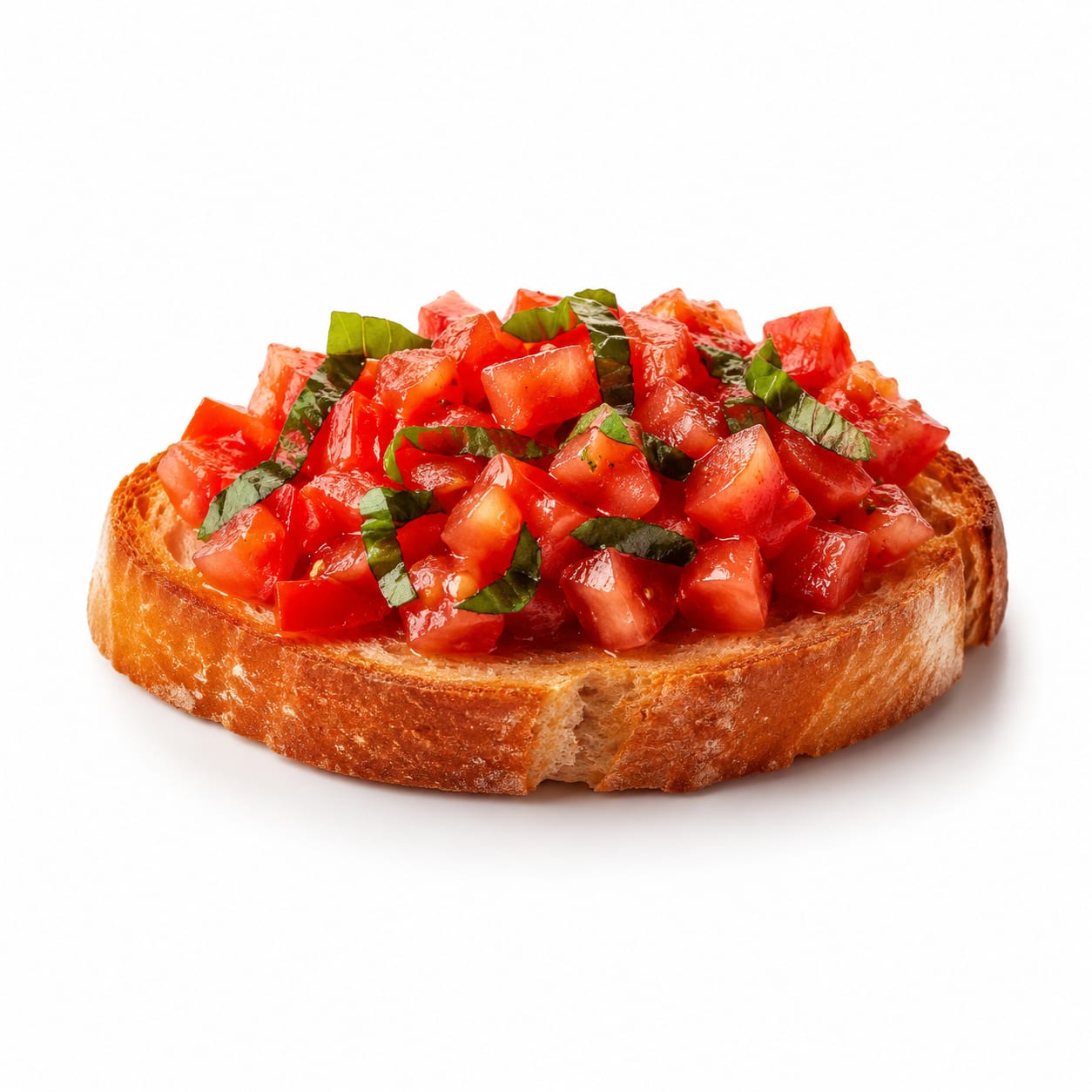
An Italian appetizer featuring toasted bread topped with a fresh mixture of tomatoes, garlic, and olive oil.
An Italian antipasto consisting of grilled or toasted bread rubbed with garlic, topped with olive oil, salt, and often diced tomatoes, basil, and other fresh ingredients.
carbohydrate-dense appetizer with healthy fats
Typical serving · 80g
Common varieties · tomato and basil, white bean and sage, mushroom and garlic, prosciutto and cheese, olive tapenade
Overall context score across nutrition, safety, and diet fit
At a glance
Quick facts
Simple indicators based on nutrition, processing, and diet fit.
The story
What makes it unique
A carbohydrate-dominant appetizer with moderate fat from olive oil and low protein. Digestion speed is moderate to fast depending on the bread used, with the olive oil and tomato fiber slightly slowing gastric emptying compared to plain bread. Satiety is moderate but the low protein content limits prolonged fullness.
Varieties: tomato and basil · white bean and sage · mushroom and garlic · prosciutto and cheese · olive tapenade
Per 100g
Nutrition breakdown
Macro balance and key metrics at a glance.
Energy
Density 2.20 kcal/g
Protein
Carbs
Fat
Fiber
Sugar
3 g
Sodium
400 mg
Potassium
180 mg
Glycemic index
65
Glycemic load
15
Water content
45%
Standout compounds
Nutrient highlights
Monounsaturated fat
moderateSupports cardiovascular health and reduces inflammation
Lycopene
moderateAntioxidant from tomatoes that supports cellular health
Allicin
lowCompound in garlic with antimicrobial and prebiotic properties
Carbohydrates
highProvides quick energy for physical activity
Wellness map
Health scores & processing
NOVA processing scale
moderate · Whole food
Uses commercially processed bread (Nova 3) combined with minimally processed fresh ingredients like tomatoes, garlic, and olive oil.
Diet compatibility
- Weight loss
- Muscle gain
- Diabetes
- Gut health
- Low carb
- High protein
- Heart health
Relative standing
Food rankings
Qualitative ranks compared to similar whole foods.
- Satietymoderate
- Blood sugarpoor
- Nutrient densitymoderate
- Fitness fuelgood
- Processing qualitymoderate
Eat with confidence
Food safety profile
Fresh bruschetta is generally safe. Garlic stored in oil without proper acidification can pose a rare botulism risk if left at room temperature. Tomatoes should be washed to reduce pesticide residue.
Evidence confidence 90%
- Pesticideslow
- Antibioticslow
- Heavy metalslow
- Contaminationmoderate
Watch for
- garlic-in-oil botulism risk if improperly stored
Safer choices
Using organic tomatoes and freshly prepared garlic-olive oil mixtures consumed immediately
Prep tips
Wash tomatoes thoroughly under running water and consume garlic-in-oil mixtures promptly or refrigerate immediately.
None significant for fresh preparation
Deep dive
Health analysis
How this food may fit different goals and preparation choices.
Weight loss
Not ideal for weight loss due to high energy density and low protein, making it easy to overconsume calories from bread and oil.
Blood sugar
Refined bread causes rapid glucose elevation. The olive oil and fiber from tomatoes offer a minor buffer, but overall glycemic load remains moderate to high.
Fitness & energy
Provides quick-digesting carbohydrates suitable for a pre-workout energy boost, but lacks the protein needed for muscle recovery.
Gut health
Garlic acts as a prebiotic and olive oil supports gut lining health, but the refined grains offer minimal microbiome benefits compared to whole grains.
Processing quality
A mix of fresh produce and processed carbohydrates. Choosing whole grain or sourdough bread significantly improves the processing quality.
Food safety
Low risk overall. The main concern is improper storage of garlic in oil, which can create anaerobic conditions for bacterial growth.
Common mistakes
Assuming bruschetta is a low-calorie salad alternative. The bread and oil make it calorie-dense, similar to garlic bread.
Best preparation
Use whole grain or sourdough bread to lower glycemic impact, and be conservative with olive oil to manage calorie density.
Practical guide
Best use cases
When and how this food fits real eating patterns.
Pre-workout energy
Provides easily digestible carbohydrates for quick energy before exercise.
Social appetizer
A flavorful starter to share that incorporates heart-healthy olive oil and fresh vegetables.
Mediterranean diet side
Fits within a Mediterranean eating pattern when portion sizes are managed and whole grains are used.
Balance sheet
Pros & cons
Upsides
- Contains heart-healthy monounsaturated fats from olive oil
- Provides antioxidants like lycopene from fresh tomatoes
- Garlic offers prebiotic benefits for gut health
- Versatile base that can be modified for better nutrition
Trade-offs
- High in refined carbohydrates if made with white bread
- Calorie-dense due to oil and bread combination
- Low in protein which limits satiety
- Easy to overconsume as a pre-meal appetizer
Fit check
Who is it for?
Great match
- pre-workout carbohydrate loading
- Mediterranean diet followers
- social gatherings and appetizers
Consider alternatives
- strict low-carb diets
- weight loss programs requiring high satiety
- blood sugar management without whole grain modifications
Side by side
How it compares
Open the full head-to-head analysis for nutrition, safety, and practical tradeoffs.
This food
Bruschetta
VS80% alike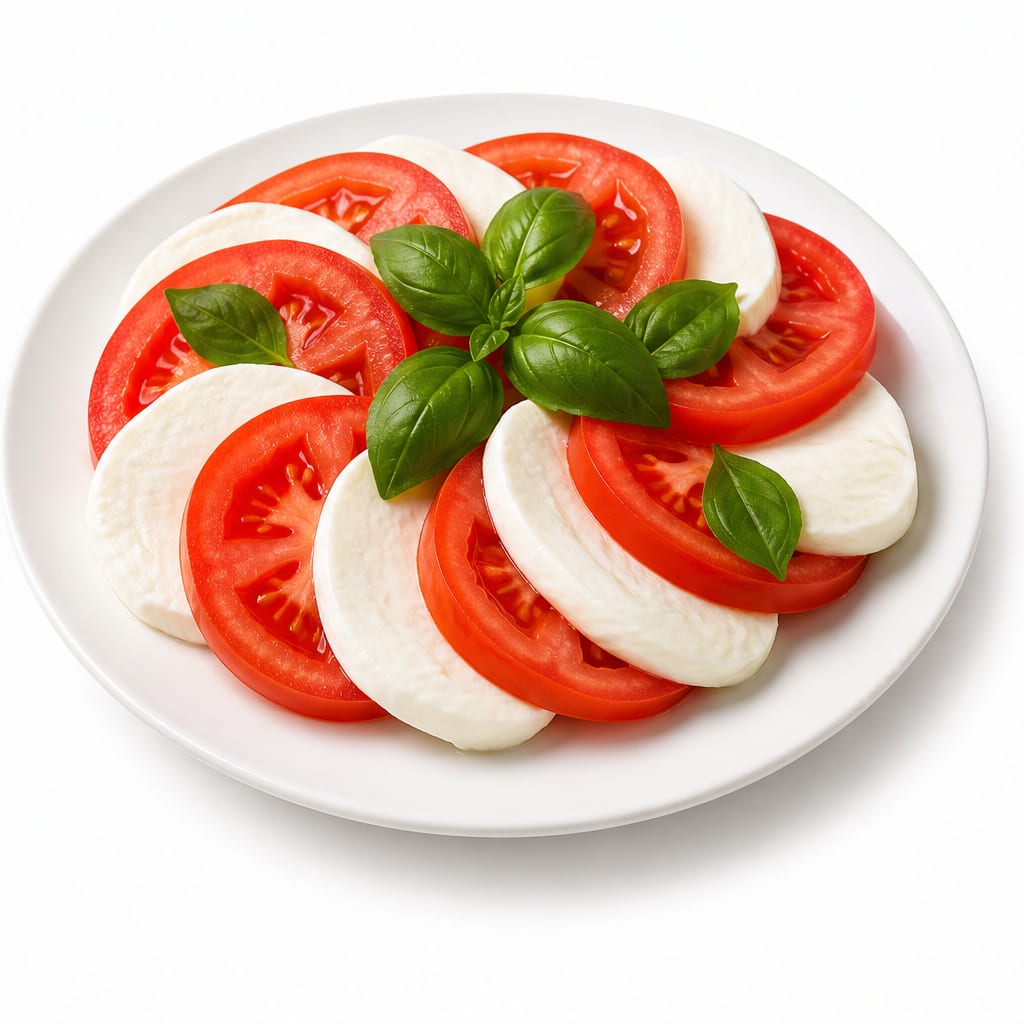
Compare with
Caprese Salad
Caprese replaces bread with fresh mozzarella, lowering carbs and raising protein.
Caprese salad is lower in carbs and higher in protein than bruschetta, making it better for blood sugar control, while bruschetta provides quicker energy for workouts.
This food
Bruschetta
VS85% alike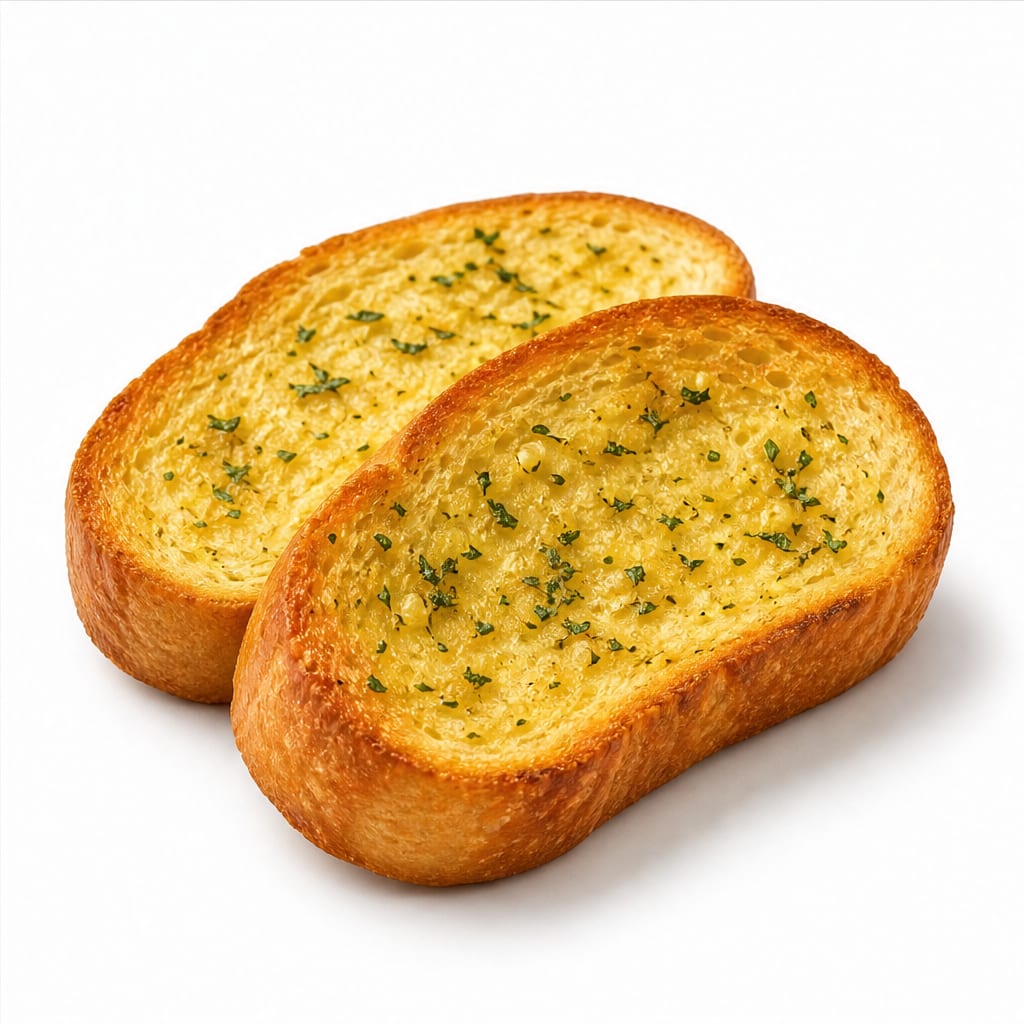
Compare with
Garlic Bread
Garlic bread is higher in saturated fat and calories, lacking the fresh tomato antioxidants of bruschetta.
Bruschetta is healthier than garlic bread, offering fresh tomato nutrients and less saturated fat, though both are carbohydrate-heavy appetizers.
This food
Bruschetta
VS90% alike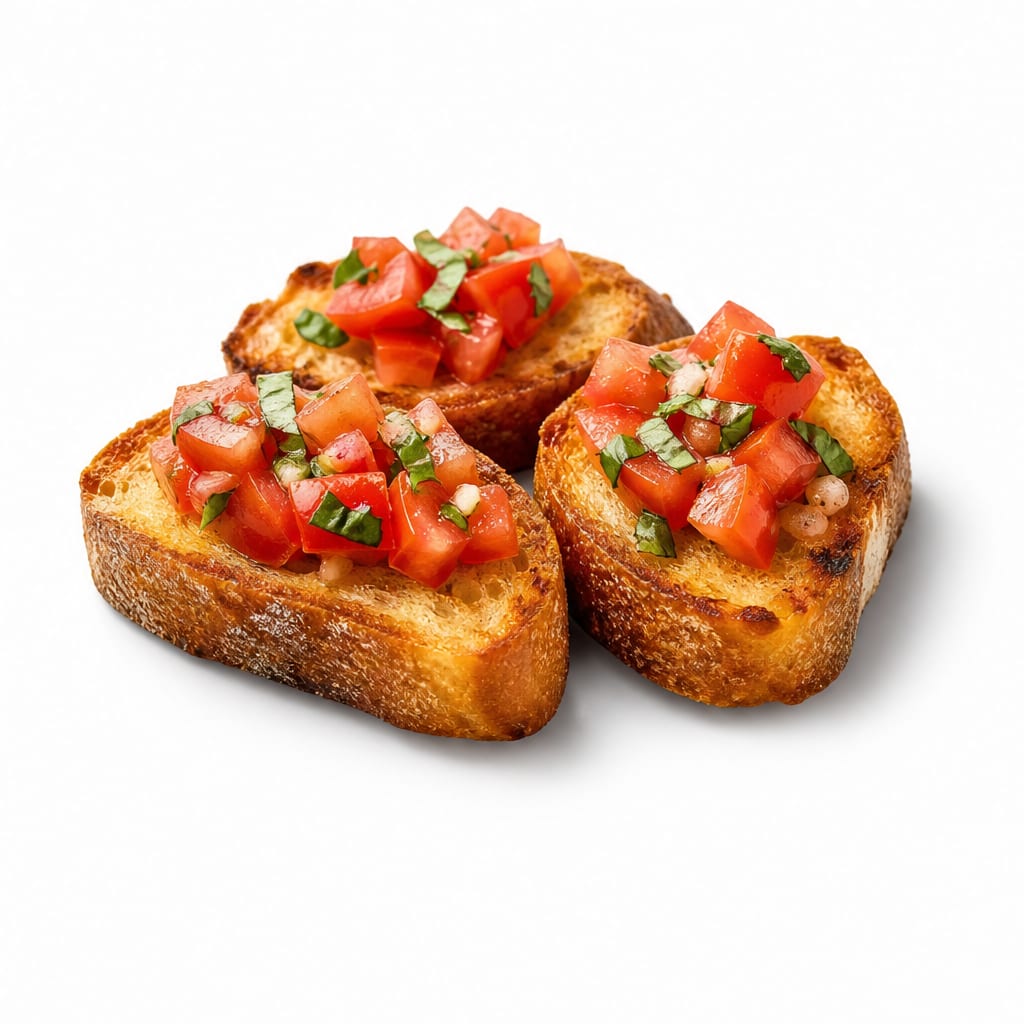
Compare with
Crostini
Crostini uses smaller, thinner bread slices, often with varied toppings, yielding similar nutrition per gram.
Crostini and bruschetta have nearly identical nutritional profiles, but crostini's smaller portions may help with calorie control at parties.
This food
Bruschetta
VS75% alike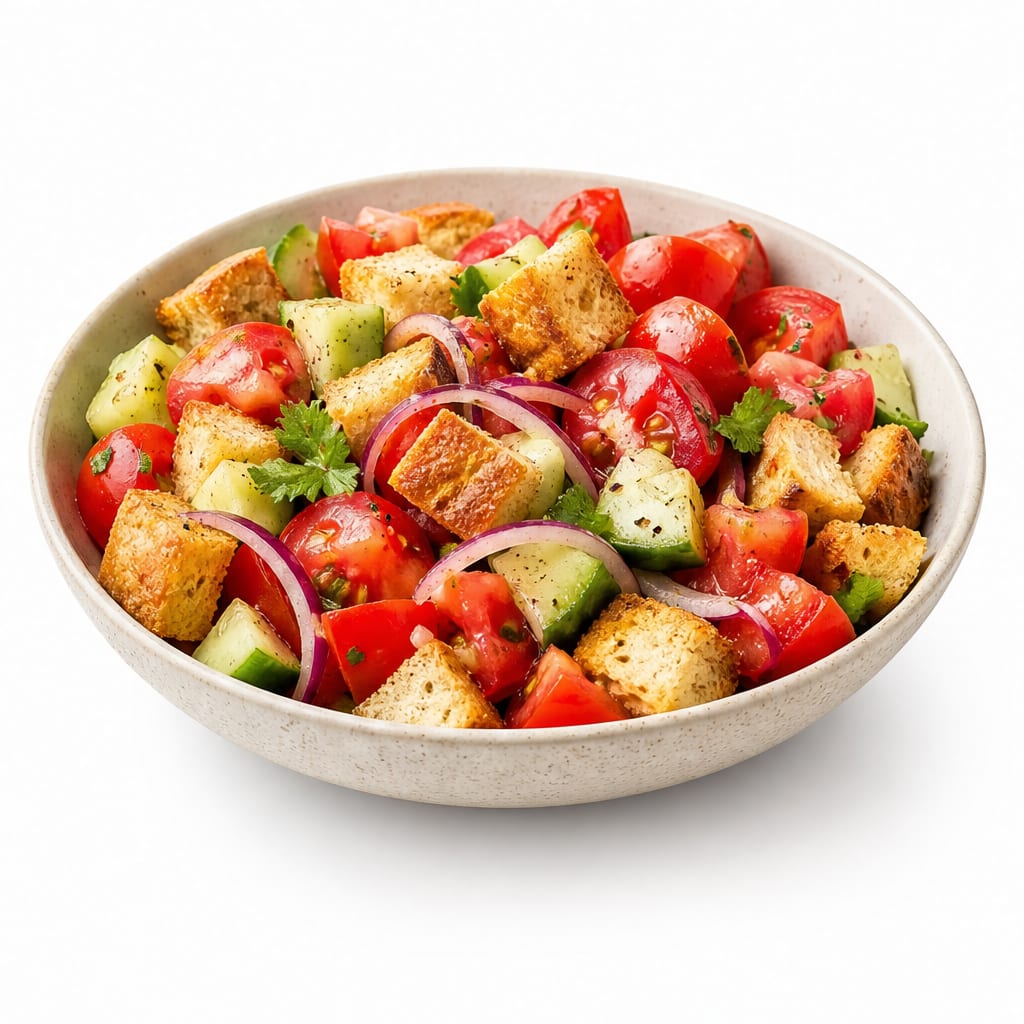
Compare with
Panzanella
Panzanella is a bread salad with more vegetables, offering slightly better nutrient density.
Panzanella offers more vegetable volume per calorie than bruschetta, making it better for weight loss, while bruschetta provides a neater pre-workout snack.
This food
Bruschetta
VS70% alike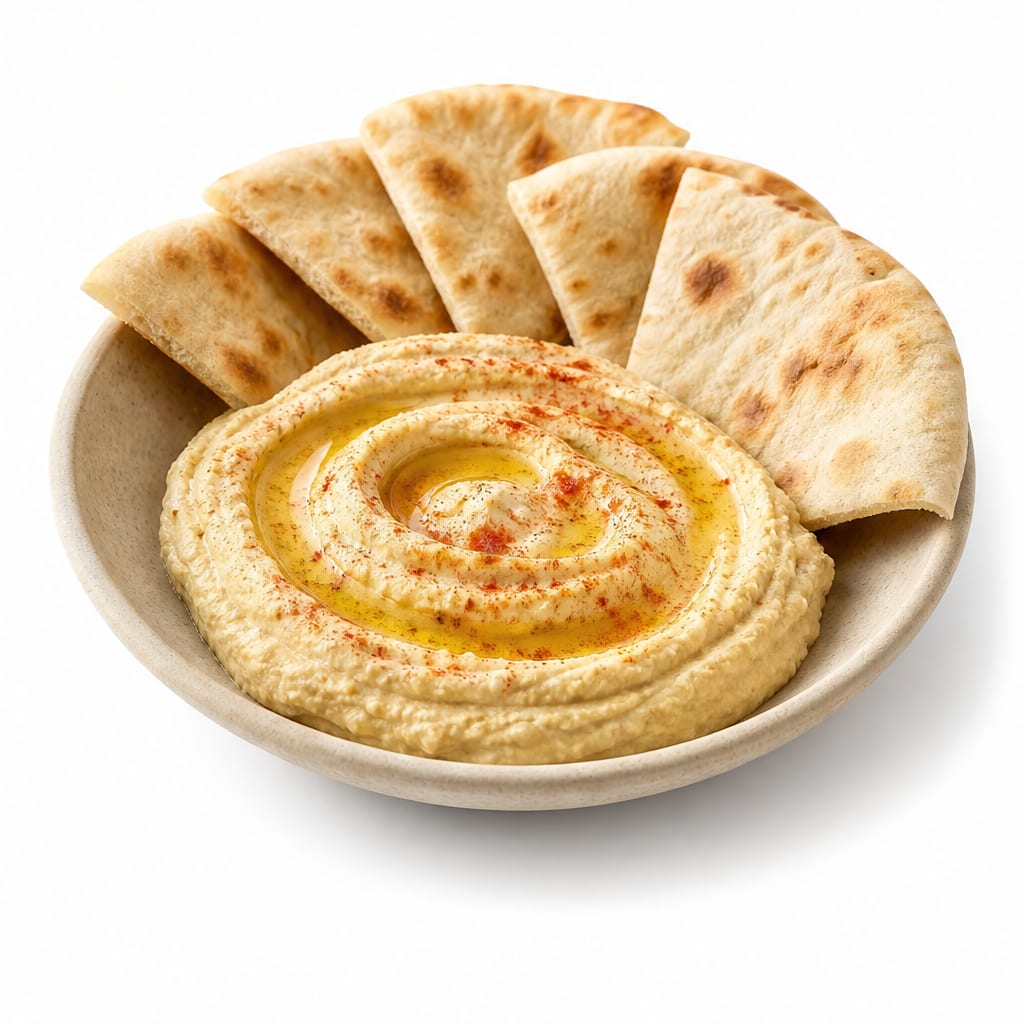
Compare with
Pita Bread with Hummus
Hummus provides more protein and fiber than tomato topping, making pita with hummus better for satiety.
Pita with hummus beats bruschetta for satiety and blood sugar control thanks to the protein and fiber in chickpeas, though both are carb-focused snacks.
This food
Bruschetta
VS65% alike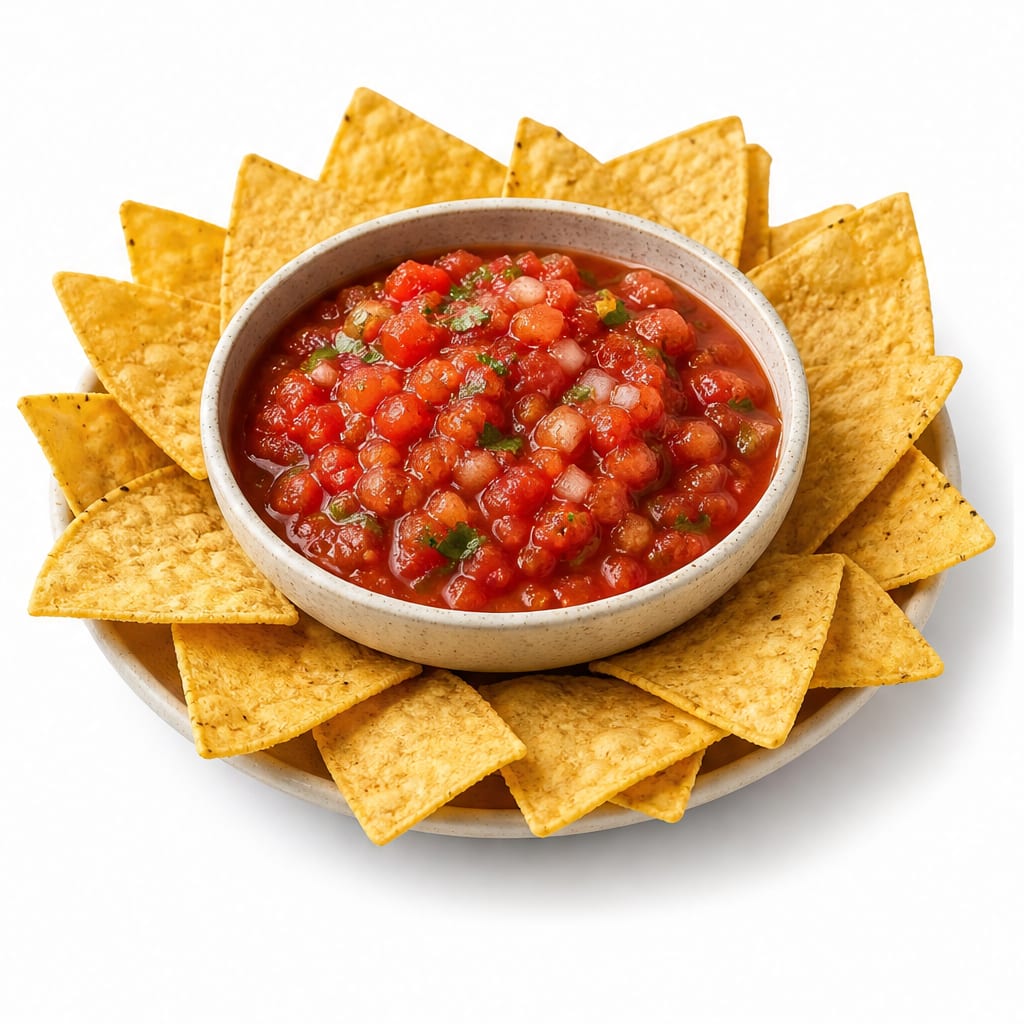
Compare with
Salsa with Tortilla Chips
Chips are typically fried, making salsa with chips higher in fat and calories than bruschetta.
Bruschetta is generally lower in calories and fat than salsa with fried tortilla chips, offering a lighter way to enjoy a tomato-based appetizer.
This food
Bruschetta
VS75% alike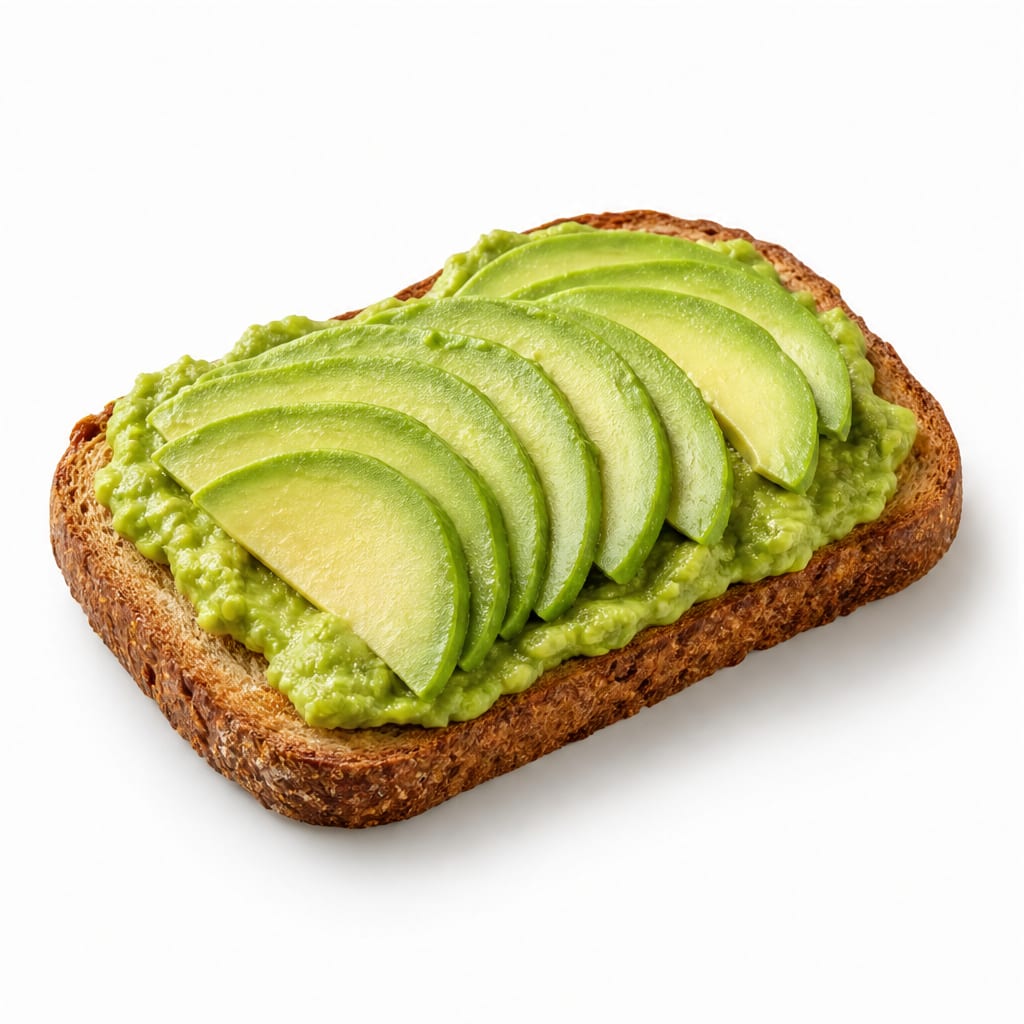
Compare with
Avocado Toast
Avocado toast offers more fiber and healthy fats, making it superior for satiety and heart health.
Avocado toast provides more fiber and satiety than bruschetta, keeping you fuller longer, though bruschetta is slightly lower in overall fat calories.
This food
Bruschetta
VS70% alike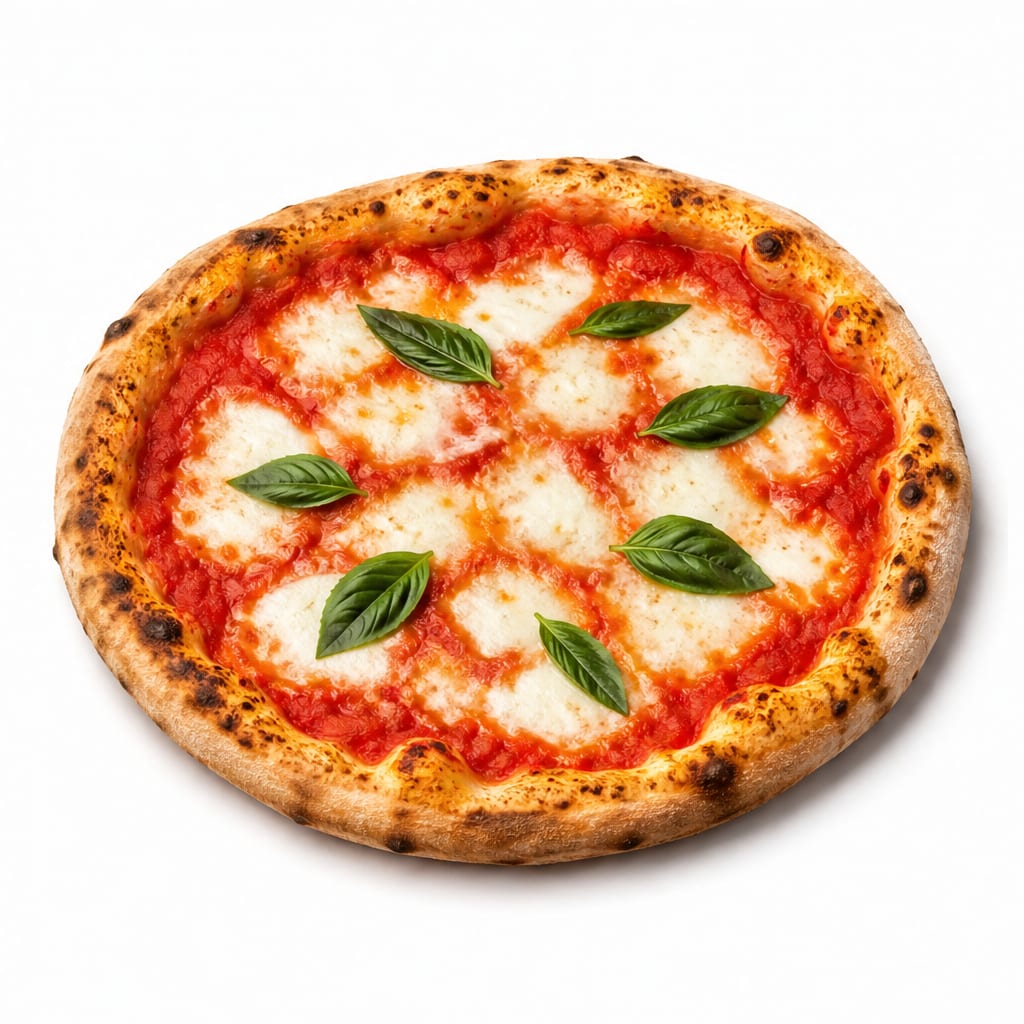
Compare with
Margherita Pizza
Pizza adds cheese, increasing protein and saturated fat, while bruschetta is lighter and lower in calories per piece.
Bruschetta is lighter and lower in calories than Margherita pizza, but the pizza provides more protein from cheese, making it slightly more filling.
This food
Bruschetta
VS50% alike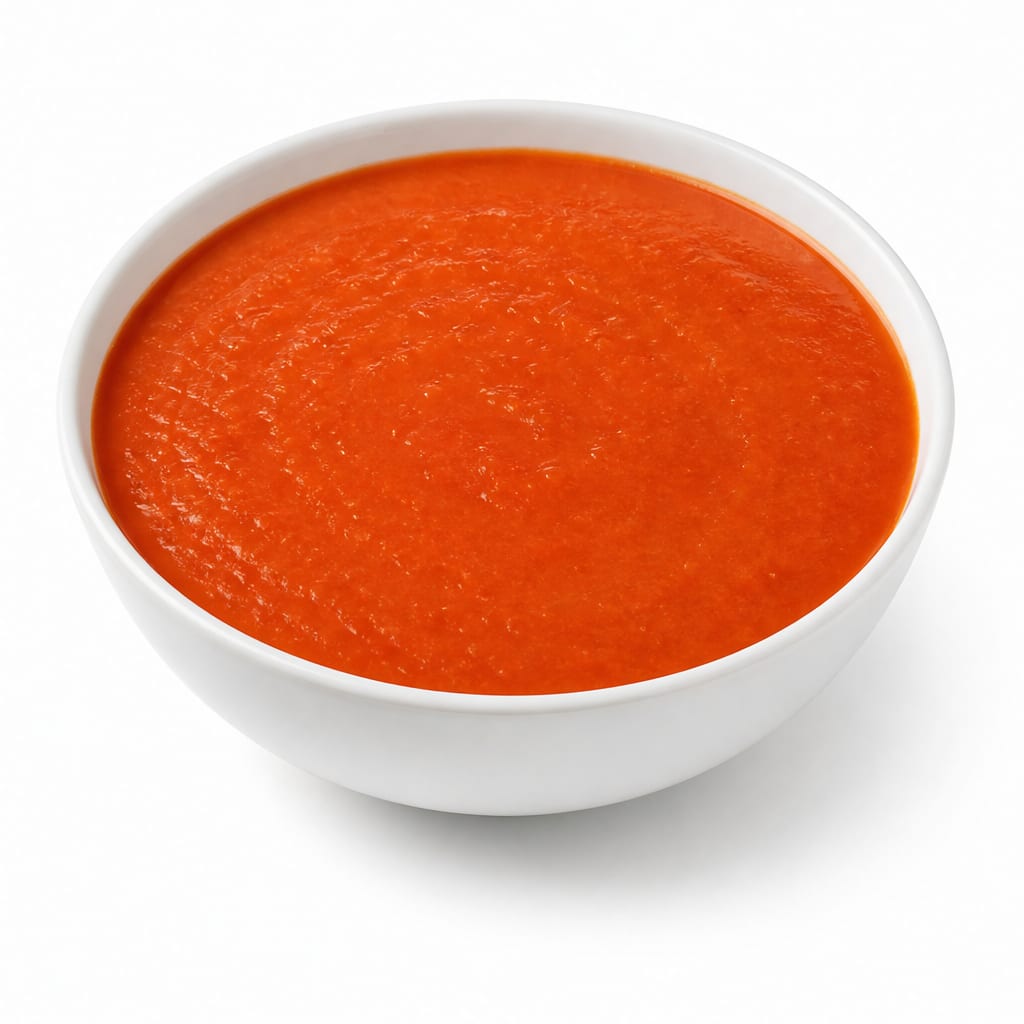
Compare with
Tomato Soup
Soup is much lower in calories and carbs, offering higher volume and satiety per calorie than bread-based bruschetta.
Tomato soup is far lower in calories and carbs than bruschetta, making it better for weight loss, while bruschetta provides portable carbs for energy.
This food
Bruschetta
VS60% alike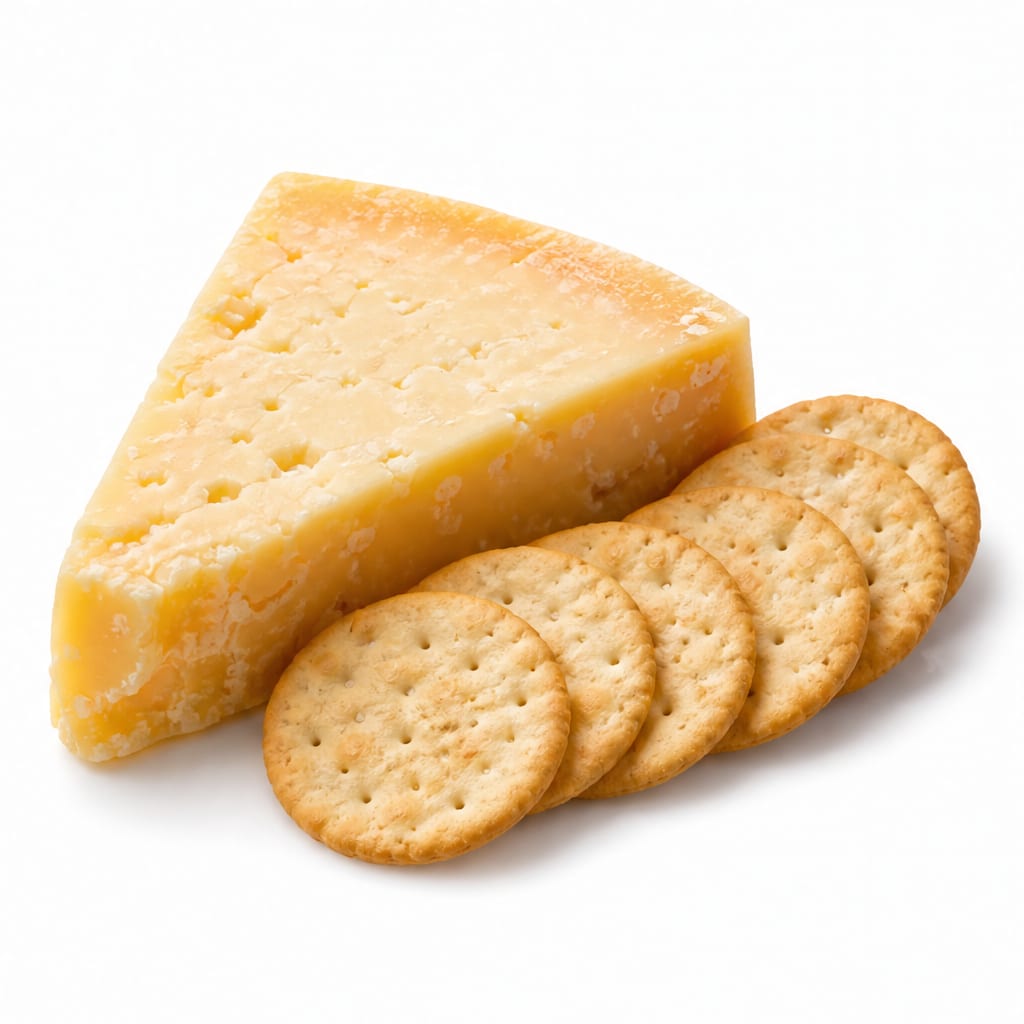
Compare with
Cheese and Crackers
Crackers are often ultra-processed, but the cheese adds protein; bruschetta offers fresher ingredients and healthier fats.
Bruschetta uses fresher ingredients and healthier fats than cheese and crackers, though the cheese adds protein that helps with satiety.
Common questions
FAQ
Answers aligned with how people search for this food.
Is bruschetta healthy?
Bruschetta offers healthy fats from olive oil and antioxidants from tomatoes, but it is carbohydrate-dense and can be high in calories depending on the bread and amount of oil used.
Can diabetics eat bruschetta?
Diabetics should be cautious due to the high carbohydrate content from the bread. Using whole grain or sourdough bread can help moderate blood sugar spikes.
How many calories are in a piece of bruschetta?
A typical piece of tomato bruschetta contains about 80 to 120 calories, depending on the thickness of the bread and the amount of olive oil used.
Is bruschetta good for weight loss?
It is not ideal for weight loss because the combination of bread and oil is calorie-dense and low in protein, which can leave you hungry sooner.
What is the difference between bruschetta and crostini?
Bruschetta typically uses larger slices of rustic bread grilled over coals, while crostini uses smaller, thinner slices of fine-textured bread toasted in an oven.
Is bruschetta high in carbs?
Yes, the bread base makes bruschetta a moderate to high carbohydrate food.
Can you eat bruschetta on a low carb diet?
Traditional bruschetta is not low carb, but you can make low carb versions using cheese crisps, zucchini slices, or bell peppers as the base.
Does bruschetta have a lot of sodium?
It can be moderately high in sodium depending on added salt and any cured meats or cheeses used as toppings.
Is bruschetta safe during pregnancy?
Yes, if made with fresh washed produce and consumed immediately. Avoid versions with unpasteurized cheese or cold cured meats.
What are the healthiest bruschetta toppings?
Diced tomatoes, garlic, basil, and olive oil are healthy, but adding white beans or grilled vegetables increases fiber and protein.
Transparency
Data confidence
Estimated confidence for nutrition data, interpretation, safety notes, and comparisons.
Nutrition data
Health analysis
Food safety
Comparisons