
Nutrition comparison
Bruschetta vs Tomato Soup: Nutrition, Calories, and Health Comparison
Compare Bruschetta vs Tomato Soup to see which is healthier. Discover the nutritional differences, calorie density, and best uses for each tomato dish.
Overall winner · Tomato Soup
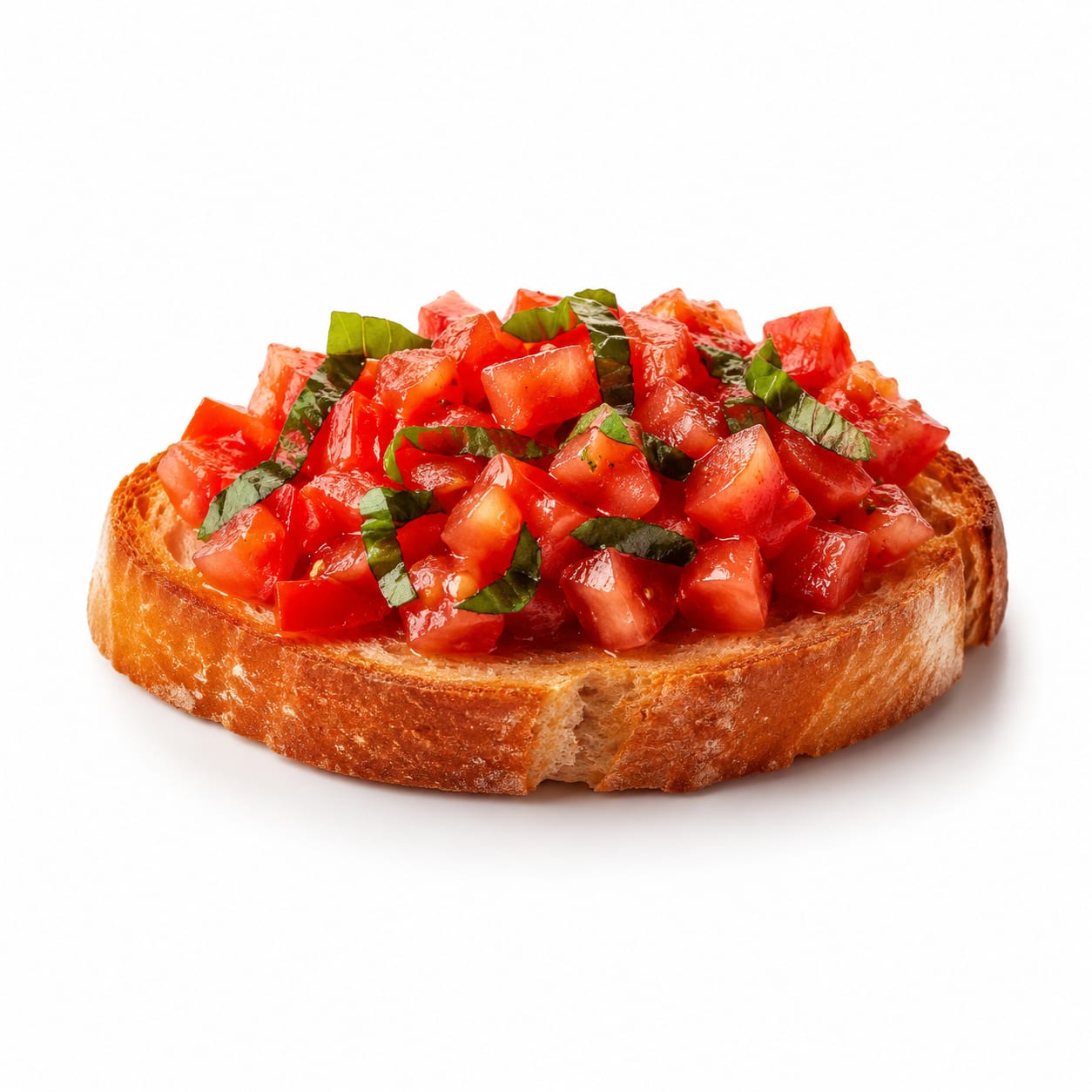
Bruschetta
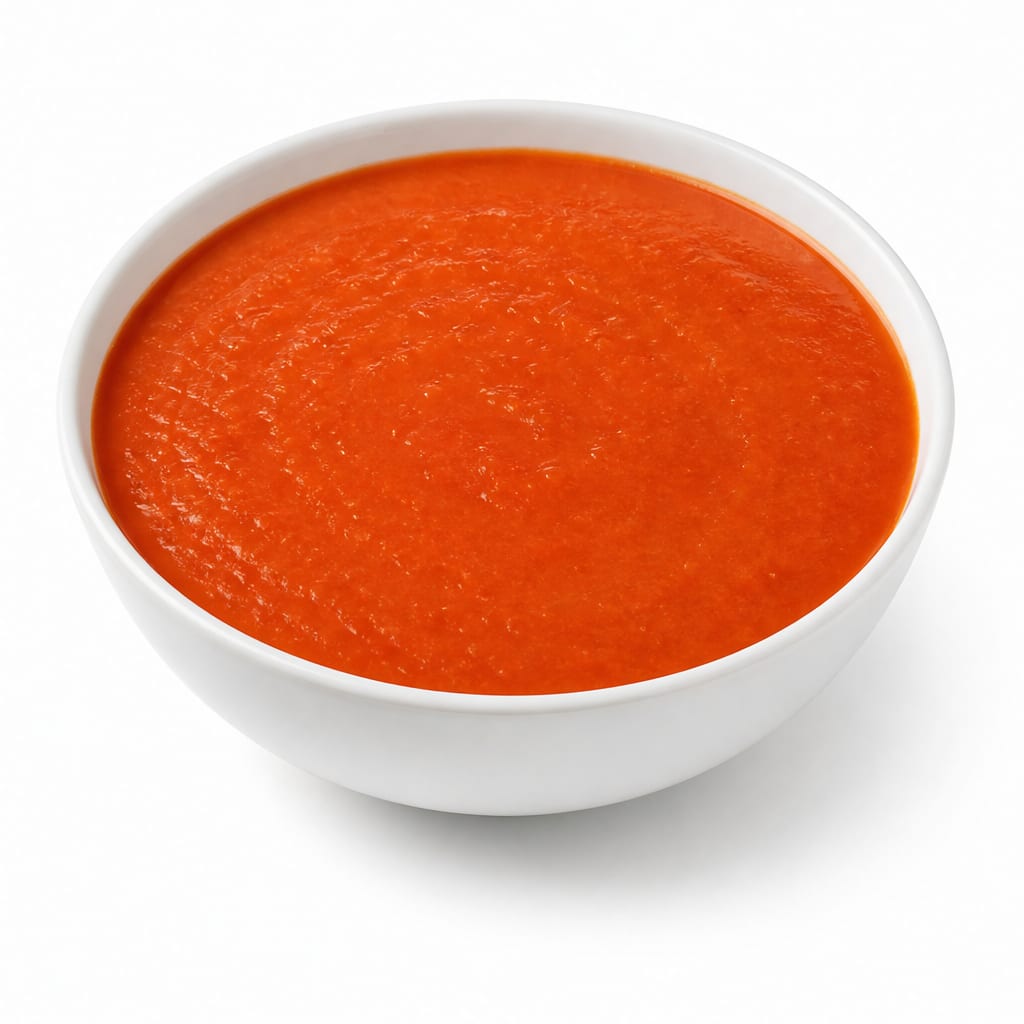
Tomato Soup
Tomato Soup offers a lighter, comforting meal with a better calorie-to-volume ratio, while Bruschetta delivers satisfying crunch and healthy fats but with higher calorie density.
Tomato Soup edges out Bruschetta slightly due to better calorie control and digestibility, but Bruschetta's whole-food ingredients and healthy fats keep it competitive.
Liquid comfort and lower calories versus solid crunch and satiating fats.
At a glance
Executive summary
Overall
Tomato Soup
Healthier
Tomato Soup
More practical
Tomato Soup
Daily use
Tomato Soup
Key comparison lenses
Meal format and satiety comparison
Bruschetta is a solid, crunchy appetizer while Tomato Soup is a liquid comfort food, leading to very different fullness cues.
Calorie density versus volume
Oil and bread make Bruschetta calorie-dense, whereas Tomato Soup provides high volume for fewer calories.
Sodium and processing concerns
Canned or restaurant Tomato Soup is often extremely high in sodium and hidden additives compared to freshly assembled Bruschetta.
Digestive comfort
Blended warm soup is gentle on the gut, while toasted bread with raw garlic and onions can trigger reflux or bloating.
Best choice for
Bruschetta
- Social gatherings and appetizer sharing
- Getting healthy fats from olive oil
- Satisfying a craving for something crunchy and substantial
Tomato Soup
- Cold weather comfort meals
- Light lunches that won't cause an afternoon slump
- Easy digestion when your stomach is sensitive
Least suitable for
Bruschetta
- Strict low-carb diets
- Calorie restriction plans
- Acid reflux or GERD flare-ups
Tomato Soup
- Sodium-sensitive diets if eating canned varieties
- Those needing a high-protein, filling meal
- On-the-go snacking
Deep comparison
Dimension by dimension
Each lens scores both foods and breaks down who each option suits.
- Dimension 1 · Priority 90Bruschetta
Satiety and Fullness
Bruschetta · 85Tomato Soup · 60Bruschetta's bread and olive oil provide lasting fullness, whereas Tomato Soup's liquid volume can pass quickly.
Tradeoff
You get longer-lasting energy from Bruschetta, but at a higher calorie cost.
Why it matters
Staying full between meals prevents mindless snacking.
Real-world impact
Bruschetta holds you over for hours; Tomato Soup might leave you hungry again by mid-afternoon.
Bruschetta
- Long gaps between meals
- Active days requiring sustained energy
Better for
- Sedentary evenings
- Right before a heavy dinner
Worse for
Tomato Soup
- Light eaters
- Post-heavy meal recovery
Better for
- After intense workouts
- Busy mornings needing lasting fuel
Worse for
- Dimension 2 · Priority 85Tomato Soup
Calorie Density and Weight Management
Bruschetta · 55Tomato Soup · 80Tomato Soup packs fewer calories per cup, making it easier to fit into a weight loss plan.
Tradeoff
Soup is lower in calories but less filling, while Bruschetta is more filling but calorie-dense.
Why it matters
Managing calorie intake without feeling deprived is key to sustainable weight loss.
Real-world impact
A bowl of Tomato Soup is a low-risk lunch; a few slices of Bruschetta can easily become a calorie bomb if you overdo the oil.
Bruschetta
- Maintaining weight
- Bulking phases
Better for
- Strict calorie counting
- Late-night snacking
Worse for
Tomato Soup
- Cutting calories
- Volume eating strategies
Better for
- Those needing to gain healthy weight
Worse for
- Dimension 3 · Priority 80Bruschetta
Sodium Load
Bruschetta · 70Tomato Soup · 45Restaurant and canned Tomato Soups are notoriously high in sodium, while homemade Bruschetta keeps salt in your control.
Tradeoff
Convenient soup often comes with a heavy sodium penalty.
Why it matters
High sodium intake raises blood pressure and causes bloating.
Real-world impact
Eating canned Tomato Soup for lunch can leave you puffy and thirsty all afternoon.
Bruschetta
- Blood pressure management
- Reducing water retention
Better for
- Those needing high electrolyte intake after intense exercise
Worse for
Tomato Soup
- Replenishing after heavy sweating
Better for
- Heart health
- Kidney issues
Worse for
- Dimension 4 · Priority 75Tomato Soup
Digestive Comfort
Bruschetta · 60Tomato Soup · 85Warm, blended Tomato Soup is incredibly gentle on the stomach, while Bruschetta's toasted bread and raw garlic can be irritating.
Tradeoff
Soup is soothing and easy to process; Bruschetta requires more digestive effort.
Why it matters
Eating easily digestible foods prevents bloating and fatigue after meals.
Real-world impact
Tomato Soup is perfect when your stomach is upset; Bruschetta might feel heavy if you are already bloated.
Bruschetta
- Robust digestion
- Need for physical substance in the stomach
Better for
- Acid reflux triggered by garlic and onions
- IBS flare-ups
Worse for
Tomato Soup
- Sensitive stomachs
- Recovery from illness
Better for
- Need for mechanical digestion stimulation
Worse for
Timeline
Health impact over time
Short-term
Hours to days
Bruschetta
- Quick energy from bread carbohydrates
- Potential heartburn from raw garlic and acidic tomatoes
Tomato Soup
- Immediate hydration and warmth
- Possible bloating from high sodium if canned
Long-term
Months to years
Bruschetta
- Improved heart health from olive oil monounsaturated fats
- Weight gain risk if portion control is poor
Tomato Soup
- High lycopene intake supporting cellular health
- Blood pressure concerns if relying on high-sodium canned versions
Risk profile
Safety & processing
Bruschetta is typically assembled from whole, raw ingredients right before eating. Tomato Soup is often commercially processed, containing thickeners, hidden sugars, and excess sodium, though homemade versions are equally natural.
Bruschetta
Foodborne illness from fresh produce
lowRaw tomatoes and basil can carry surface bacteria; washing thoroughly minimizes this risk.
Tomato Soup
BPA exposure from can linings
mediumCanned tomatoes are acidic and can leach BPA from can linings; choosing tetra packs or glass jars avoids this.
High sodium preservatives
mediumCommercial soups use salt as both a flavor enhancer and preservative, which can strain cardiovascular health.
Who wins for whom
Audience fit
Same foods, different winners depending on your goal.
children
Tomato SoupWarm, smooth Tomato Soup is easier for kids to eat and digest, and feels more like a comforting meal.
daily consumption
Tomato SoupA light bowl of soup is easier to fit into a daily routine without excessive calories, provided sodium is managed.
diabetes
Tomato SoupTomato Soup generally has fewer carbohydrates than bread-based Bruschetta, assuming the soup is not loaded with added sugars.
elderly
Tomato SoupSoup is much easier to chew and swallow, making it ideal for those with dental concerns or slower digestion.
muscle gain
It dependsNeither is a strong protein source, though Bruschetta can be topped with chicken or beans to better support muscle growth.
weight loss
Tomato SoupTomato Soup provides a larger portion size for fewer calories, helping with portion control and volume eating.
Your move
Decision guide
Choose Bruschetta
- You want a satisfying appetizer to share with friends
- You need lasting energy from healthy fats
- You are eating fresh, in-season tomatoes and want to highlight them
Choose Tomato Soup
- You want a comforting, light lunch on a cold day
- You need something easy to digest after a heavy weekend
- You are watching your calorie intake closely
Either works if
- You are pairing it with a large side salad for a complete meal
- You just want a savory tomato-flavored dish
Avoid both if
- You have a severe nightshade allergy
- You are on a strict very-low-carb keto diet
Final recommendation
Choose Tomato Soup for a comforting, low-calorie meal that is gentle on the stomach, but opt for Bruschetta when you want a satisfying crunch with healthy fats and don't mind the extra carbohydrates.
Practical
Consumer tips
- 1
Make Tomato Soup from scratch to control sodium and avoid BPA from cans.
- 2
Use whole grain bread for Bruschetta to add fiber and steady energy.
- 3
Go easy on the olive oil drizzle on Bruschetta to keep calories in check.
- 4
Blend white beans into Tomato Soup for a creamy texture that adds protein and fiber without dairy.