
Nutrition comparison
Bruschetta vs Caprese Salad: Which Italian Appetizer Is Healthier?
Compare Bruschetta and Caprese Salad nutrition, protein, carbs, and health benefits. Find out which Italian classic fits your diet better with our expert breakdown.
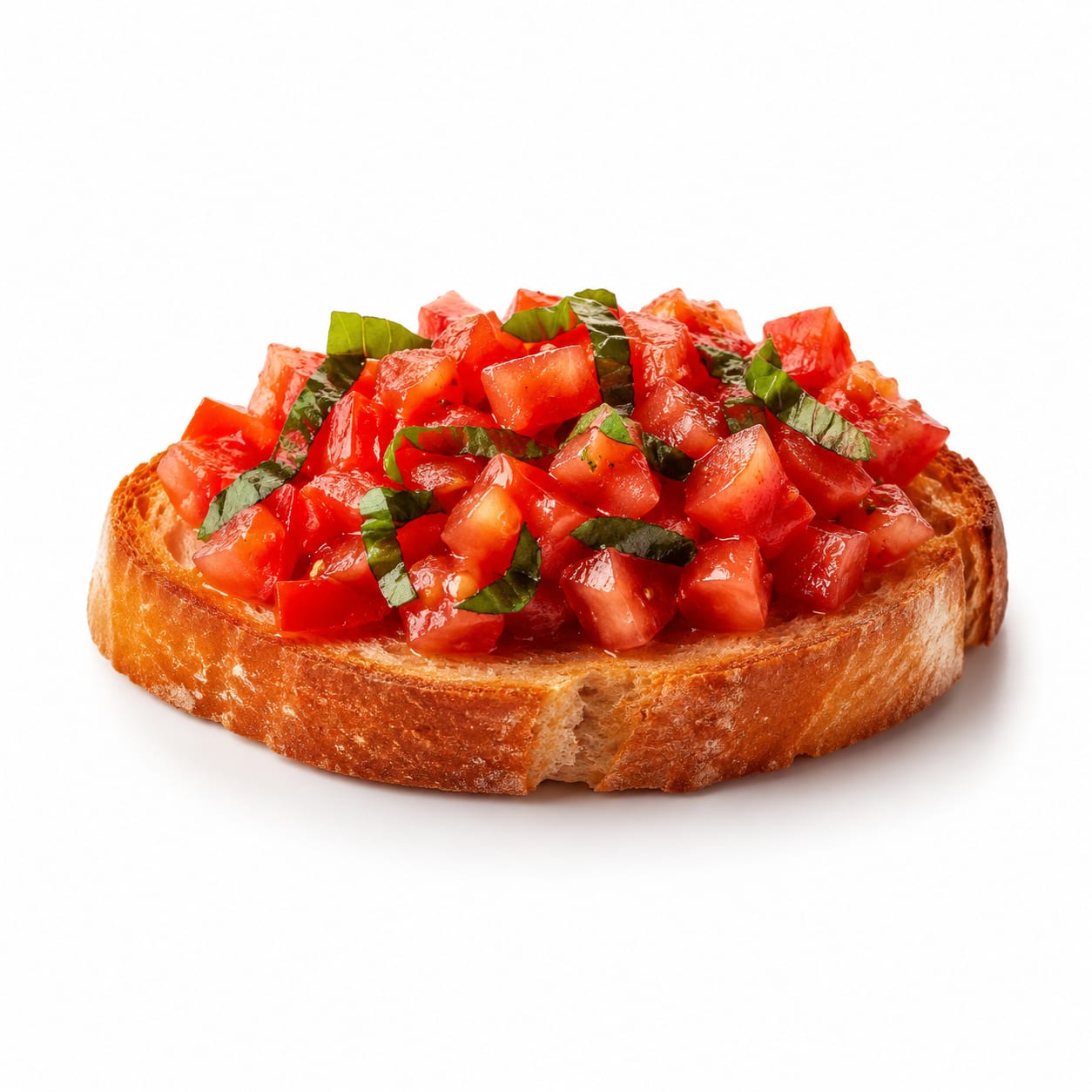
Bruschetta
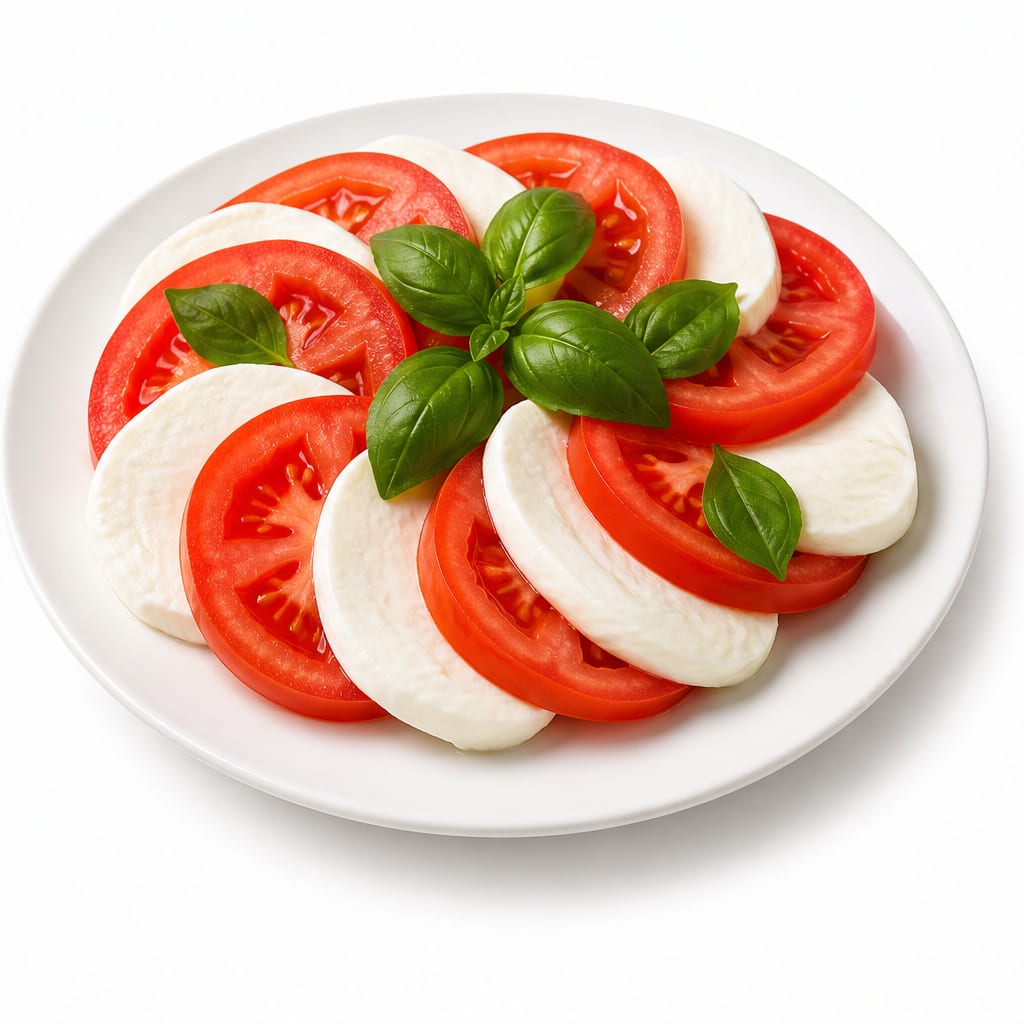
Caprese Salad
Caprese Salad wins for protein, satiety, and low-carb diets. Bruschetta wins for energy, affordability, and satisfying carb cravings. Both are wholesome choices with different nutritional profiles.
Caprese Salad scores moderately higher due to superior protein content, better blood sugar stability, and broader dietary compatibility. Bruschetta remains competitive for energy needs and accessibility but carries the nutritional limitations of bread as a base.
Bread-based carbs and lighter calories in Bruschetta versus cheese-based protein and fat in Caprese Salad
At a glance
Executive summary
Overall
It depends
Healthier
It depends
More practical
Caprese Salad
Daily use
Caprese Salad
Key comparison lenses
Low-carb vs carb-inclusive appetizer choice
The bread in Bruschetta versus the cheese in Caprese creates a fundamental macronutrient split that drives most dietary decisions between these two
Protein and satiety comparison
Caprese delivers meaningful protein from mozzarella while Bruschetta relies mostly on carbs, making fullness levels noticeably different
Weight management suitability
Calorie density and macronutrient composition differ enough to matter for anyone tracking intake or managing portions
Heart health and fat quality tradeoffs
Both feature olive oil, but Caprese adds saturated fat from cheese while Bruschetta adds refined carbs from bread, creating competing cardiovascular concerns
Dietary restriction compatibility
Gluten-free and keto diners will find these foods polarize quickly, with Caprese being far more accommodating
Best choice for
Bruschetta
- Pre-workout fuel or active days needing carbs
- Budget-conscious entertaining
- People who find cheese heavy or difficult to digest
- Those wanting a lighter, crunch-focused appetizer
Caprese Salad
- Low-carb and keto lifestyles
- Higher protein needs without meat
- Blood sugar management
- Longer-lasting satiety between meals
Least suitable for
Bruschetta
- Gluten-free or celiac diets
- Strict low-carb protocols
- Blood sugar-sensitive individuals
- Those avoiding refined grains
Caprese Salad
- Lactose-intolerant individuals
- Vegan diets
- People limiting saturated fat intake
- Those watching calorie density closely
Deep comparison
Dimension by dimension
Each lens scores both foods and breaks down who each option suits.
- Dimension 1 · Priority 90Caprese Salad
Satiety & Fullness
Bruschetta · 45Caprese Salad · 78Caprese Salad keeps you fuller longer thanks to mozzarella's protein and fat content slowing digestion.
Tradeoff
Bruschetta's carbs digest faster, potentially leaving you hungry sooner despite feeling initially satisfying from the bread volume.
Why it matters
Appetite control between meals often determines whether you reach for unnecessary snacks.
Real-world impact
A Caprese appetizer at dinner may prevent late-night fridge raids. Bruschetta might leave you peckish by 9pm.
Bruschetta
- Quick pre-workout energy without feeling heavy
Better for
- Portion control due to low satiety per calorie
Worse for
Caprese Salad
- Staying full between meals
- Reducing snacking urges after dinner
- Sustained energy without crashes
Better for
- Feeling too full if eaten before a heavy meal
Worse for
- Dimension 2 · Priority 85Caprese Salad
Blood Sugar Stability
Bruschetta · 40Caprese Salad · 75Caprese Salad has minimal impact on blood sugar. Bruschetta's bread base creates a faster glucose rise.
Tradeoff
The toasted bread in Bruschetta digests quickly into glucose, while mozzarella's fat and protein slow absorption in Caprese.
Why it matters
Steady blood sugar means steadier energy, mood, and fewer cravings throughout the day.
Real-world impact
After Bruschetta, you might feel a brief energy spike followed by a dip. Caprese provides calmer, more even energy.
Bruschetta
- Quick energy replenishment after intense exercise
Better for
- Risk of reactive hypoglycemia in sensitive individuals
Worse for
Caprese Salad
- Diabetes or prediabetes management
- Avoiding afternoon energy crashes
- Stable mood and focus after eating
Better for
- Not ideal when rapid glycogen replenishment is needed
Worse for
- Dimension 3 · Priority 82Caprese Salad
Protein Quality & Content
Bruschetta · 15Caprese Salad · 72Caprese delivers roughly 12-18g of complete protein per serving from fresh mozzarella. Bruschetta provides negligible protein.
Tradeoff
Mozzarella offers high-quality dairy protein with all essential amino acids, while Bruschetta's bread adds only trace incomplete protein.
Why it matters
Protein supports muscle maintenance, immune function, and metabolic health beyond just fullness.
Real-world impact
Choosing Caprese as an appetizer meaningfully contributes to your daily protein target. Bruschetta barely moves the needle.
Bruschetta
- Situations where lighter eating is preferred
Better for
- Reliance on other dishes to hit protein needs
Worse for
Caprese Salad
- Meeting daily protein goals without meat
- Older adults preserving muscle mass
- Post-workout recovery pairing
Better for
- Dairy-allergic individuals must avoid entirely
Worse for
- Dimension 4 · Priority 78It depends
Heart Health Profile
Bruschetta · 58Caprese Salad · 60Both feature heart-healthy olive oil, but each carries a different cardiovascular compromise.
Tradeoff
Bruschetta adds refined carbs that may raise triglycerides, while Caprese adds saturated fat from cheese that may affect LDL cholesterol.
Why it matters
Heart health depends on which risk factor matters more for your specific profile.
Real-world impact
If your triglycerides run high, Caprese is the safer bet. If LDL cholesterol is your concern, Bruschetta may be slightly preferable.
Bruschetta
- People with normal triglycerides but elevated LDL
Better for
- Metabolic syndrome with high triglycerides
Worse for
Caprese Salad
- People with elevated triglycerides
- Those who tolerate saturated fat well genetically
Better for
- Familial hypercholesterolemia or high LDL
Worse for
- Dimension 5 · Priority 74Bruschetta
Calorie Density & Portion Control
Bruschetta · 68Caprese Salad · 52Bruschetta is easier to portion lightly since bread slices create natural serving boundaries. Caprese's cheese is calorically dense per bite.
Tradeoff
A single Bruschetta slice runs 80-120 calories, while a Caprese serving with 4oz mozzarella can exceed 300 calories before oil.
Why it matters
Unconscious overeating happens more easily with calorie-dense foods, especially cheese.
Real-world impact
Three extra Bruschetta toasts add modest calories. Three extra ounces of mozzarella adds significantly more.
Bruschetta
- Controlling appetizer calories at restaurants
- Visual portion awareness from individual slices
Better for
- Easy to overconsume bread slices mindlessly
Worse for
Caprese Salad
- Getting more nutrition per calorie when you do eat
Better for
- Cheese calories add up quickly without feeling like much food
Worse for
- Dimension 6 · Priority 76Caprese Salad
Dietary Flexibility & Restrictions
Bruschetta · 35Caprese Salad · 65Caprese fits gluten-free, keto, and low-carb diets naturally. Bruschetta requires modifications for most restricted diets.
Tradeoff
Caprese excludes vegans and the lactose-intolerant, while Bruschetta excludes gluten-free and low-carb eaters.
Why it matters
Dietary restrictions are common, and a food that fits more patterns reduces friction in social dining.
Real-world impact
At a dinner party, Caprese works for gluten-free guests without modification. Bruschetta requires a complete base swap.
Bruschetta
- Dairy-free or vegan-adjacent eaters (if cheese is omitted)
Better for
- Gluten-free, celiac, and low-carb diets
Worse for
Caprese Salad
- Gluten-free and celiac diners
- Keto and low-carb lifestyles
- Mediterranean diet followers
Better for
- Vegan, dairy-free, and lactose-intolerant individuals
Worse for
- Dimension 7 · Priority 72Caprese Salad
Nutrient Density
Bruschetta · 48Caprese Salad · 70Caprese provides calcium, phosphorus, vitamin A, and B12 from mozzarella alongside tomato nutrients. Bruschetta offers fewer micronutrients beyond the tomato topping.
Tradeoff
Bread contributes some B vitamins and minerals if whole grain, but standard white bruschetta bread is micronutrient-poor.
Why it matters
Nutrient-dense foods give you more health value per calorie consumed.
Real-world impact
Caprese contributes meaningfully to calcium needs. Bruschetta relies almost entirely on the tomato topping for micronutrients.
Bruschetta
- Situations using whole grain or sourdough bread
Better for
- White bread base offers minimal micronutrients
Worse for
Caprese Salad
- Boosting calcium intake without supplements
- Getting B12 on a vegetarian diet
Better for
- Not a significant iron or fiber source
Worse for
- Dimension 8 · Priority 65It depends
Digestive Tolerance
Bruschetta · 55Caprese Salad · 55Both are generally well-tolerated, but each poses distinct issues for sensitive individuals.
Tradeoff
Bruschetta may trigger bloating in gluten-sensitive people, while Caprese may cause discomfort for lactose-intolerant individuals.
Why it matters
Post-meal comfort affects everything from social enjoyment to sleep quality.
Real-world impact
If bread makes you bloated, Caprese is the clear choice. If cheese causes congestion or stomach upset, Bruschetta wins.
Bruschetta
- Lactose-intolerant individuals
- People who find cheese constipating
Better for
- Non-celiac gluten sensitivity
Worse for
Caprese Salad
- Gluten-sensitive or IBS-D triggered by bread
- Those who feel sluggish after carb-heavy starters
Better for
- Lactose malabsorption or dairy intolerance
Worse for
Timeline
Health impact over time
Short-term
Hours to days
Bruschetta
- Quick energy from easily digested carbohydrates
- Potential blood sugar spike within 30-60 minutes
- Light feeling in stomach compared to cheese-based appetizers
- Possible bloating if sensitive to wheat or garlic
Caprese Salad
- Sustained energy with minimal glucose fluctuation
- Comforting fullness from fat and protein
- Possible nasal congestion in dairy-sensitive individuals
- Slower digestion providing lasting satisfaction
Long-term
Months to years
Bruschetta
- Frequent refined carb intake may raise triglycerides over time
- Lower protein contribution may not support muscle maintenance optimally
- Garlic and olive oil provide anti-inflammatory compounds consistently
- Whole grain variations could improve fiber intake meaningfully
Caprese Salad
- Regular mozzarella consumption supports bone density through calcium
- Saturated fat intake warrants monitoring for those with LDL concerns
- Olive oil and tomato synergy provides consistent antioxidant intake
- Higher protein supports metabolic health and body composition long-term
Risk profile
Safety & processing
Both foods are close to their natural ingredients, but Bruschetta's bread is a processed component. Caprese Salad uses only fresh mozzarella, raw tomatoes, basil, and olive oil, making it slightly closer to whole food status. Fresh mozzarella is minimally processed compared to aged cheeses, keeping Caprese remarkably clean.
Bruschetta
Acrylamide from toasted bread
lowToasting bread creates acrylamide, a probable carcinogen, but levels in typical bruschetta preparation are modest and unlikely to pose significant risk with occasional consumption.
Garlic-botulism risk in improperly stored preparations
mediumHomemade garlic-in-oil mixtures stored at room temperature can harbor Clostridium botulinum. Always refrigerate and use within a few days.
Caprese Salad
Listeria from fresh mozzarella
mediumFresh mozzarella has higher moisture content than aged cheese, creating more favorable conditions for Listeria. Pregnant women should ensure it is made from pasteurized milk.
Foodborne illness from unwashed tomatoes or basil
lowRaw produce carries surface contamination risk. Thorough washing of tomatoes and basil significantly reduces this concern.
Who wins for whom
Audience fit
Same foods, different winners depending on your goal.
children
BruschettaKids generally prefer the crunchy, finger-food nature of Bruschetta over cold cheese slices, and the carb energy supports their higher activity levels.
daily consumption
Caprese SaladCaprese provides more nutritional value per serving with protein, calcium, and healthy fats, making it a better everyday choice than carb-dominant Bruschetta.
diabetes
Caprese SaladCaprese has minimal carbohydrate content and will not spike blood sugar, making it far safer for glucose management than bread-based Bruschetta.
elderly
Caprese SaladOlder adults benefit more from Caprese's protein for muscle preservation and calcium for bone health, with softer texture that is easier to chew.
muscle gain
Caprese SaladMozzarella provides complete protein that directly supports muscle protein synthesis, while Bruschetta offers negligible protein contribution.
weight loss
Caprese SaladCaprese Salad's higher protein and fat content promotes satiety with fewer blood sugar swings, making it easier to control overall calorie intake throughout the day.
Your move
Decision guide
Choose Bruschetta
- You need pre-workout or pre-activity carb energy
- You are lactose-intolerant or avoiding dairy
- You want a lighter appetizer that will not fill you before a main course
- You are hosting on a budget and need to stretch ingredients
- You find cheese heavy or difficult to digest
Choose Caprese Salad
- You follow a low-carb, keto, or gluten-free diet
- You want an appetizer that actually contributes protein to your day
- You are managing blood sugar or insulin resistance
- You prefer longer-lasting fullness from your starter
- You want more nutrient density per calorie consumed
Either works if
- You have no dietary restrictions and just want a delicious Italian appetizer
- You are eating Mediterranean-style and both fit naturally
- You are sharing appetizers with a group and can offer both options
Avoid both if
- You have nightshade sensitivity and cannot tolerate tomatoes
- You are strictly vegan, as both contain animal-derived components
- You are on a very low-fat diet and cannot accommodate olive oil
- You have severe oral allergy syndrome triggered by raw tomatoes or basil
Final recommendation
For most health-conscious adults, Caprese Salad is the slightly better everyday choice due to its protein, calcium, and blood sugar stability. However, Bruschetta has a legitimate place on active days, before exercise, or when you simply want the satisfying crunch of good bread with fresh toppings. Neither is a wrong choice, but Caprese gives you more nutritional return per bite.
Practical
Consumer tips
- 1
Use whole grain or sourdough bread for Bruschetta to add fiber and slow glucose absorption
- 2
Choose fresh mozzarella made from pasteurized milk, especially if pregnant
- 3
Drizzle both with high-quality extra virgin olive oil to maximize anti-inflammatory polyphenols
- 4
Add a balsamic reduction to Caprese for antioxidant depth without significant sugar
- 5
Keep Bruschetta toppings heavy on tomato and light on bread for a better nutritional ratio
- 6
Let Caprese sit at room temperature for 15 minutes before serving for better flavor and digestibility
- 7
If lactose-sensitive, try Caprese with aged mozzarella which contains less lactose than fresh
- 8
Make Bruschetta with garlic rubbed lightly on bread rather than heavy garlic butter to keep calories lower