
Nutrition comparison
Bruschetta vs Panzanella: Which Italian Bread Dish Is Healthier?
Compare bruschetta and panzanella nutrition, satiety, and health impact. Discover which Italian classic is better for weight loss, blood sugar, and daily eating.
Overall winner · Panzanella
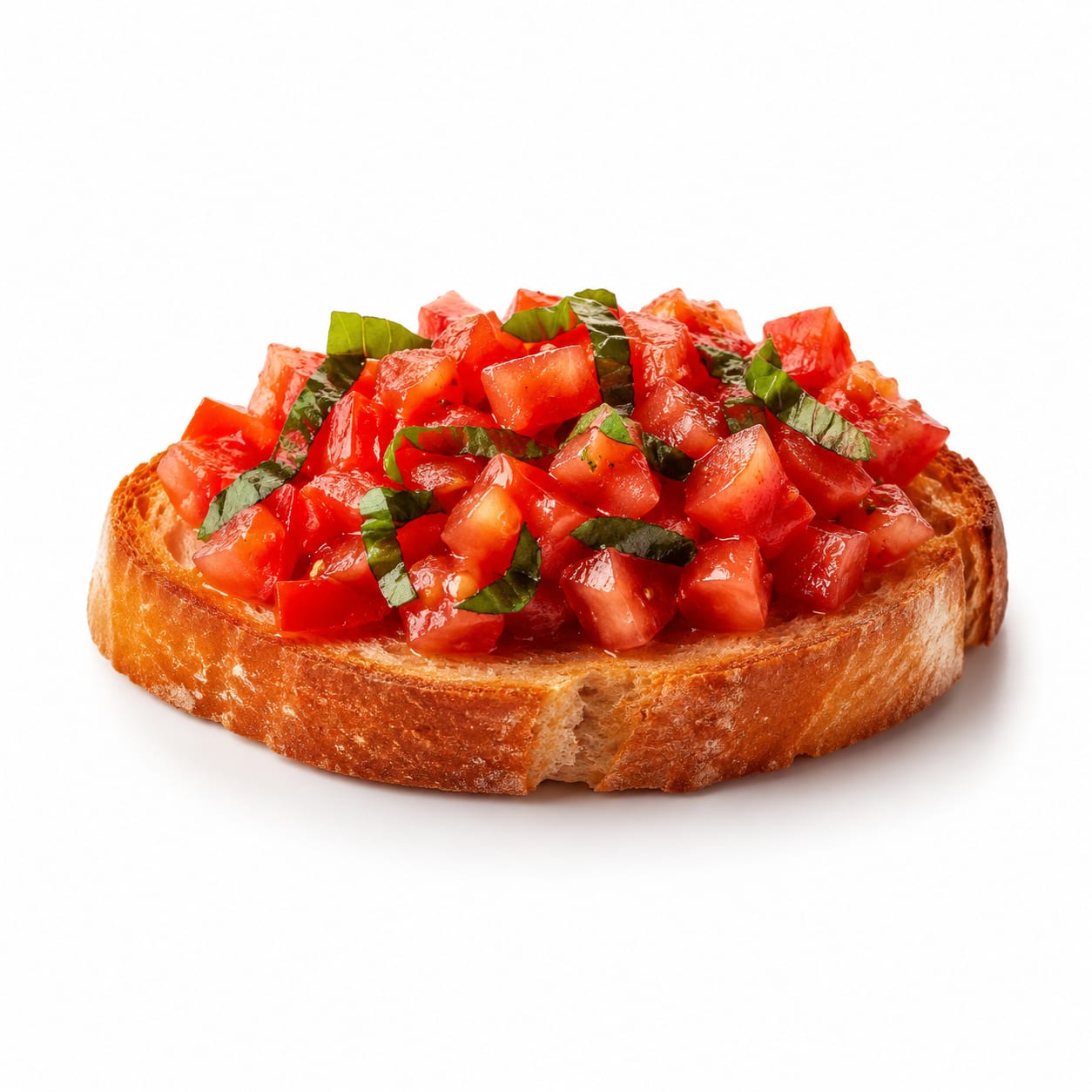
Bruschetta
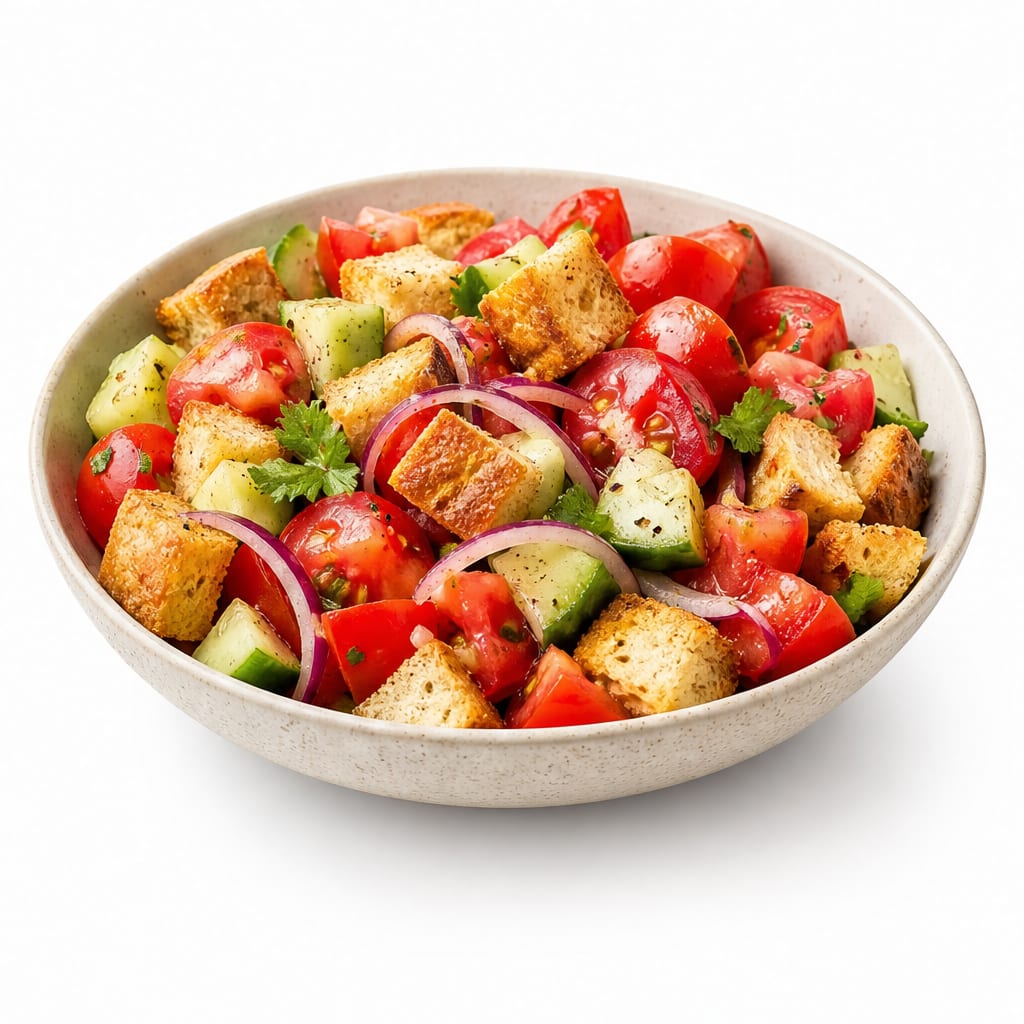
Panzanella
Panzanella wins for everyday eating — more vegetables, better satiety, and lower calorie density make it the smarter regular choice. Bruschetta shines as a quick appetizer but is harder to build a meal around.
Panzanella scores notably higher due to superior satiety, higher vegetable content, and better blood sugar stability. Bruschetta remains a perfectly enjoyable food but is harder to justify as a regular dietary staple due to its concentrated calories and lower fiber.
Bruschetta delivers concentrated flavor in a few bites but packs more calories per mouthful. Panzanella trades that crispy intensity for volume, fiber, and a more balanced plate.
At a glance
Executive summary
Overall
Panzanella
Healthier
Panzanella
More practical
It depends
Daily use
Panzanella
Key comparison lenses
appetizer vs meal satiety
Bruschetta is a topping on toast while Panzanella is a bread salad with more volume and vegetables, making fullness a key decision factor
calorie density and portion control
Both are bread-based but Panzanella stretches bread with more vegetables and vinegar, lowering calorie density significantly
blood sugar impact
Both rely on refined bread, but Panzanella's higher fiber and water content from extra vegetables slows glucose absorption
vegetable nutrient intake
Panzanella typically packs more tomatoes, onions, and cucumbers per serving, boosting vitamin and antioxidant content
practical meal planning
Bruschetta works as a quick snack or starter while Panzanella functions as a light main course, changing how each fits into daily eating
Best choice for
Bruschetta
- Quick appetizers before a main course
- Elegant dinner party starters
- When you want intense flavor in just a few bites
- Busy hosts needing fast preparation
Panzanella
- Light but satisfying lunches
- Hot summer days when you want something cooling
- Meal prep that holds well in the fridge
- Increasing daily vegetable intake without feeling deprived
Least suitable for
Bruschetta
- Anyone seeking a complete meal replacement
- People watching calorie density who struggle with portion control
- Those needing high fiber intake
- Gluten-sensitive individuals due to high bread-to-topping ratio
Panzanella
- Craving something crispy and immediate
- Formal appetizer courses where a salad feels too casual
- People who dislike vinegar-forward flavors
- Those wanting a hot meal on a cold day
Deep comparison
Dimension by dimension
Each lens scores both foods and breaks down who each option suits.
- Dimension 1 · Priority 95Panzanella
satiety_and_fullness
Bruschetta · 40Panzanella · 75Panzanella fills you up far more effectively thanks to its higher water and fiber content from extra vegetables and soaked bread volume.
Tradeoff
Bruschetta's crispy bread is satisfying in the moment but vanishes quickly, leaving you hungry again within an hour.
Why it matters
If you are replacing a meal or trying to avoid snacking later, Panzanella keeps you fuller for longer with fewer calories per bite.
Real-world impact
A plate of Panzanella at lunch can carry you to dinner. Two pieces of bruschetta will likely leave you reaching for something else by 3pm.
Bruschetta
- Quick flavor hit before a main course arrives
Better for
- Sustained energy between meals
- Anyone who tends to overeat when food does not feel filling
Worse for
Panzanella
- Replacing a full meal without heaviness
- Avoiding afternoon hunger crashes
Better for
- Situations where you want something light and minimal
Worse for
- Dimension 2 · Priority 90Panzanella
nutrient_density
Bruschetta · 45Panzanella · 72Panzanella delivers more vitamins, minerals, and antioxidants per calorie because vegetables dominate the bowl rather than sitting as a thin topping.
Tradeoff
Bruschetta's bread-to-vegetable ratio skews heavily toward refined carbs, diluting the nutritional payoff from the tomato topping.
Why it matters
If you are trying to maximize what you get nutritionally from each meal, Panzanella makes your calories work harder for you.
Real-world impact
A serving of Panzanella might deliver double the lycopene and vitamin C compared to bruschetta simply because there is more tomato per bite.
Bruschetta
- Getting a small antioxidant boost without committing to a full dish
Better for
- Reliance on a thin layer of topping for nutritional value
Worse for
Panzanella
- Meeting daily vegetable targets more easily
- Maximizing vitamin intake per calorie consumed
Better for
- Slight nutrient loss from bread soaking and sitting in vinegar
Worse for
- Dimension 3 · Priority 85Panzanella
blood_sugar_stability
Bruschetta · 38Panzanella · 65Panzanella's extra fiber and vinegar content slow carbohydrate absorption, leading to steadier blood sugar compared to the quick hit from toasted bread.
Tradeoff
Bruschetta's crispy refined bread digests rapidly, potentially causing a quicker glucose spike followed by an energy dip.
Why it matters
For anyone managing diabetes, prediabetes, or afternoon energy crashes, the vinegar and fiber in Panzanella provide meaningful metabolic buffering.
Real-world impact
After bruschetta you might feel a brief energy surge then a slump. After Panzanella, energy stays more even for hours.
Bruschetta
- Quick pre-workout fuel when you need fast-digesting carbs
Better for
- Risk of post-meal energy crash
- Not ideal for frequent consumption by those monitoring blood sugar
Worse for
Panzanella
- Steady energy through the afternoon
- Better glycemic control for insulin-resistant individuals
Better for
- Not a low-carb option by any means
Worse for
- Dimension 4 · Priority 82Panzanella
calorie_efficiency
Bruschetta · 35Panzanella · 70Panzanella stretches bread with water-rich vegetables and vinegar, giving you more food volume per calorie than the oil-heavy, bread-dense bruschetta.
Tradeoff
Bruschetta's olive oil drizzle and high bread ratio make it surprisingly calorie-dense for its small size.
Why it matters
If you are managing weight, Panzanella lets you eat a satisfying portion without accidentally consuming a meal's worth of calories in a few bites.
Real-world impact
Three pieces of bruschetta can easily hit 400+ calories. A large bowl of Panzanella might match that volume for the same calories or fewer.
Bruschetta
- When calories are not a concern and you want richness
Better for
- Easy to overconsume calories before feeling full
Worse for
Panzanella
- Weight management without feeling deprived
- Eating a visually large portion for fewer calories
Better for
- Adding too much olive oil can close the calorie gap quickly
Worse for
- Dimension 5 · Priority 70Bruschetta
convenience_and_speed
Bruschetta · 82Panzanella · 55Bruschetta comes together in minutes with minimal prep — toast bread, top, serve. Panzanella benefits from resting time for flavors to meld.
Tradeoff
Panzanella's need for marinating time makes it less spontaneous, though it actually improves as it sits while bruschetta must be eaten immediately.
Why it matters
For last-minute entertaining or a quick snack, bruschetta is ready almost instantly. Panzanella rewards planning ahead.
Real-world impact
Unexpected guests? Bruschetta is ready in 10 minutes. Panzanella needs at least 20-30 minutes of resting time to shine.
Bruschetta
- Last-minute entertaining
- Quick snack preparation
Better for
- Does not hold well — bread gets soggy fast
Worse for
Panzanella
- Make-ahead meal prep that improves overnight
- Picnic or potluck dishes that travel well
Better for
- Cannot be thrown together at the last minute for best results
Worse for
- Dimension 6 · Priority 68Panzanella
digestive_comfort
Bruschetta · 45Panzanella · 68Panzanella's soaked bread and higher water content are gentler on the stomach. Bruschetta's dry crispy bread and raw garlic can be irritating for sensitive digestion.
Tradeoff
The garlic rub on bruschetta, while delicious, can cause heartburn or bloating in sensitive people. Panzanella's vinegar may also be an issue for some.
Why it matters
If you have GERD, IBS, or a sensitive stomach, the softer texture and milder garlic exposure in Panzanella may sit better.
Real-world impact
Bruschetta late at night is more likely to cause heartburn. Panzanella at lunch is generally well tolerated.
Bruschetta
- Robust digestion that handles raw garlic and crispy bread without issue
Better for
- GERD or acid reflux triggered by raw garlic
- Sensitive teeth or jaw issues with crispy bread
Worse for
Panzanella
- Sensitive stomachs that prefer softer textures
- Those prone to heartburn from raw garlic
Better for
- Vinegar sensitivity or acid-related digestive issues
Worse for
Timeline
Health impact over time
Short-term
Hours to days
Bruschetta
- Quick energy from rapidly digested refined carbs
- Possible heartburn from raw garlic on empty stomach
- Satiety fades within 60-90 minutes
Panzanella
- Steadier energy release over 2-3 hours
- Good hydration from water-rich vegetables
- Mild blood sugar rise buffered by fiber and vinegar
Long-term
Months to years
Bruschetta
- Frequent consumption may contribute to excessive refined carb intake
- Olive oil provides heart-healthy monounsaturated fats when used moderately
- Garlic offers consistent antimicrobial and cardiovascular benefits
Panzanella
- Higher vegetable intake supports long-term heart and gut health
- Vinegar consumption associated with improved insulin sensitivity
- Fiber contribution aids digestive regularity over time
Risk profile
Safety & processing
Both dishes are traditional whole-food preparations with minimal processing. The main concern is the refined bread base both share — choosing whole grain or sourdough versions would improve either significantly.
Bruschetta
Raw garlic contamination
lowRaw garlic can harbor soil bacteria, but this is rare and typically only concerning for immunocompromised individuals.
Tomato topping left at room temperature
mediumDiced tomatoes sitting on bread at parties can grow bacteria after 2 hours. Serve fresh and refrigerate leftovers promptly.
Panzanella
Bread soaking in moist environment
lowThe acidic vinegar dressing actually inhibits bacterial growth, making Panzanella surprisingly safe at room temperature for a few hours.
Raw onion contamination
lowRaw onions can carry trace soil pathogens. Washing thoroughly before chopping eliminates most risk.
Who wins for whom
Audience fit
Same foods, different winners depending on your goal.
children
BruschettaKids tend to prefer the familiar toast-with-topping format over a vinegary bread salad. Bruschetta is also easier for small hands to hold.
daily consumption
PanzanellaPanzanella's better nutrient density, satiety, and blood sugar profile make it more sustainable as a regular meal. Bruschetta is best enjoyed occasionally.
diabetes
PanzanellaPanzanella's extra fiber and vinegar slow glucose absorption, making it the gentler choice for blood sugar management.
elderly
PanzanellaPanzanella's softer texture is easier to chew and digest for aging teeth and more sensitive stomachs.
muscle gain
It dependsNeither is ideal for muscle gain — both lack significant protein. Add cannellini beans or grilled chicken to either for a more muscle-friendly meal.
weight loss
PanzanellaPanzanella's higher volume and lower calorie density make it easier to eat a satisfying portion without overconsuming calories.
Your move
Decision guide
Choose Bruschetta
- You need an impressive appetizer in under 15 minutes
- You want intense flavor in just a few bites without filling up
- You are serving a multi-course meal and need a light starter
- You crave something crispy and immediate
Choose Panzanella
- You want a light but complete lunch that keeps you full
- You are trying to eat more vegetables without it feeling like a chore
- You are meal prepping for the week and want something that improves overnight
- You care about steady energy and avoiding afternoon crashes
Either works if
- You have great sourdough or whole grain bread to use as the base
- You want a Mediterranean-inspired dish with olive oil and tomatoes
- You are cooking for someone who appreciates simple Italian flavors
Avoid both if
- You have celiac disease or gluten intolerance and cannot source gluten-free bread
- You are following a strict low-carb or ketogenic eating plan
- You are sensitive to nightshades like tomatoes
Final recommendation
Make Panzanella your everyday choice and save bruschetta for entertaining. The vegetable volume, better satiety, and steadier energy of Panzanella make it the smarter regular option. When you do make bruschetta, use sourdough bread and go heavy on the tomato topping to close the nutritional gap.
Practical
Consumer tips
- 1
Use sourdough or whole grain bread for either dish to dramatically improve fiber content and blood sugar response
- 2
Let Panzanella rest at least 30 minutes before eating — the flavors transform and the bread absorbs the dressing properly
- 3
For bruschetta, rub the toast with garlic while still warm but go light — a little raw garlic goes a long way
- 4
Add cannellini beans or chickpeas to Panzanella to turn it into a complete protein-rich meal
- 5
Drizzle olive oil at the end rather than soaking bread in it — you get the flavor with fewer calories
- 6
Chill Panzanella leftovers overnight for an even better lunch the next day
- 7
If making bruschetta as a meal, serve alongside a large green salad to add volume and fiber