
Nutrition comparison
Bruschetta vs Margherita Pizza: Which Is Healthier?
Compare Bruschetta and Margherita Pizza on calories, saturated fat, sodium, and satiety. Find out which Italian favorite fits your health goals and when to choose each.
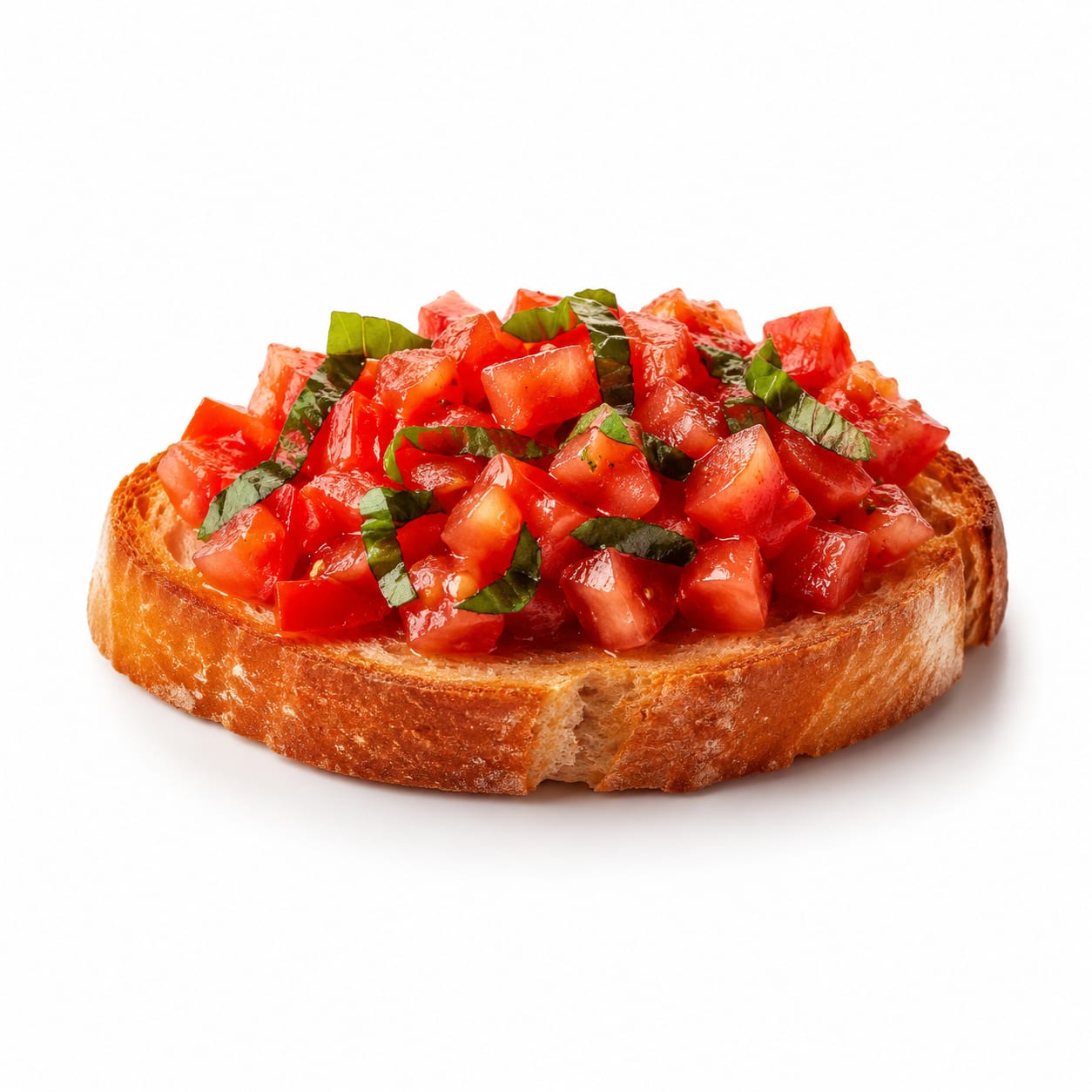
Bruschetta
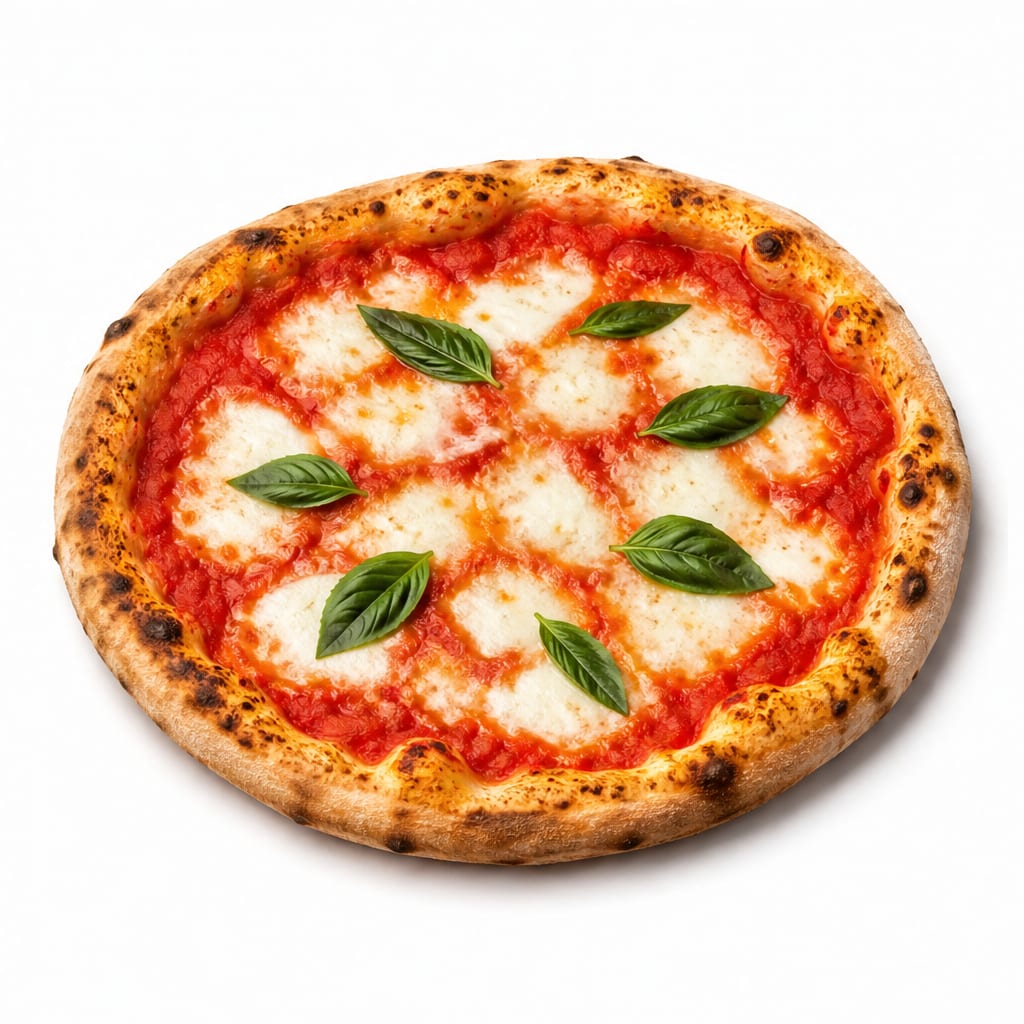
Margherita Pizza
Bruschetta wins for lighter eating and portion control; Margherita Pizza wins for satisfaction and meal replacement. They serve different purposes on the same Italian menu.
Bruschetta scores higher for health due to lower calories, less saturated fat, and built-in portion control. Margherita Pizza scores lower mainly because its calorie density and sodium make it harder to eat regularly without consequence. Both are reasonable choices in context.
You trade the lighter, veggie-forward simplicity of Bruschetta for the filling, protein-rich completeness of Margherita Pizza — and the calories that come with it.
At a glance
Executive summary
Overall
It depends
Healthier
Bruschetta
More practical
Margherita Pizza
Daily use
Bruschetta
Key comparison lenses
Appetizer vs meal decision
Bruschetta is typically a starter or snack while Margherita Pizza is a full meal, making portion and satiety the most practical comparison point
Calorie density and weight management
Both are bread-based Italian foods but differ dramatically in calorie load per serving, which matters for anyone watching intake
Cheese and saturated fat tradeoff
Margherita Pizza relies heavily on mozzarella while Bruschetta is cheese-free, creating a clear fat and calorie divergence
Overeating potential
Pizza is notoriously easy to overconsume while Bruschetta's appetizer format naturally limits portions
Sodium and heart health concerns
Both carry sodium from bread and tomato, but pizza adds cheese sodium which significantly increases the load
Best choice for
Bruschetta
- Light lunch or pre-dinner appetizer
- Weight-conscious eating without feeling deprived
- Lower saturated fat goals
- Hot weather or lighter appetite days
Margherita Pizza
- Satisfying solo dinner
- Post-workout refueling needing carbs and protein
- Sharing meals with friends where everyone wants a slice
- Days when only a real meal will do
Least suitable for
Bruschetta
- Anyone needing a complete meal
- Very active people needing substantial calories
- Those seeking high protein intake
Margherita Pizza
- Strict calorie counters
- People managing high blood pressure or sodium intake
- Anyone trying to limit saturated fat
Deep comparison
Dimension by dimension
Each lens scores both foods and breaks down who each option suits.
- Dimension 1 · Priority 92Bruschetta
Calorie Density and Weight Management
Bruschetta · 82Margherita Pizza · 42Bruschetta delivers big flavor for roughly 150-200 calories per serving. A single Margherita Pizza slice runs 250-350 calories, and most people eat 2-3 slices.
Tradeoff
Bruschetta keeps calories predictable. Pizza calories escalate quickly because it is hard to stop at one slice.
Why it matters
For anyone managing weight, the difference between a 200-calorie snack and a 700-calorie meal is the difference between staying on track and blowing past your budget.
Real-world impact
A Bruschetta order leaves room for a main course. A pizza order usually becomes the main course — plus dessert you did not plan on.
Bruschetta
- Calorie-conscious eaters
- People who want a taste without the commitment
- Anyone tracking intake precisely
Better for
- Very active people needing energy density
Worse for
Margherita Pizza
- Active individuals needing substantial fuel
- People who skip meals and need to catch up on calories
Better for
- Anyone trying to lose or maintain weight
- People prone to overeating comfort foods
Worse for
- Dimension 2 · Priority 88Margherita Pizza
Satiety and Fullness
Bruschetta · 38Margherita Pizza · 82Margherita Pizza provides protein from mozzarella and a substantial carb base that keeps you full for hours. Bruschetta is a temporary bite that leaves you looking for the next course.
Tradeoff
Pizza fills you up but at a high calorie cost. Bruschetta stays light but will not carry you through an afternoon.
Why it matters
If you are hungry now and need to stay satisfied, pizza does the job. If you just want a taste before a real meal, Bruschetta is the right tool.
Real-world impact
Eat Bruschetta at noon and you are hungry again by 1:30. Eat two slices of Margherita Pizza and you are set until dinner.
Bruschetta
- Pre-dinner snacking
- Multi-course meals where you want to save room
Better for
- Anyone relying on this as a standalone meal
Worse for
Margherita Pizza
- Solo dinners when you need lasting satisfaction
- Post-workout meals requiring refueling
- Busy days when you cannot eat again for hours
Better for
- People who eat late and want something light before bed
Worse for
- Dimension 3 · Priority 85Bruschetta
Saturated Fat and Heart Health
Bruschetta · 85Margherita Pizza · 45Bruschetta relies on olive oil for fat, which is predominantly monounsaturated. Margherita Pizza gets most of its fat from mozzarella, which adds significant saturated fat.
Tradeoff
You give up heart-friendlier fats when you choose pizza's cheese over Bruschetta's olive oil drizzle.
Why it matters
Regular saturated fat intake from cheese adds up. If heart health is a priority, this is a meaningful difference.
Real-world impact
Two slices of Margherita Pizza can deliver 10-14g of saturated fat — half or more of a day's recommended limit. Bruschetta keeps you well under that.
Bruschetta
- People managing cholesterol
- Anyone following heart-healthy eating patterns
- Those watching saturated fat specifically
Better for
- No real downside here for heart health
Worse for
Margherita Pizza
- People who tolerate dairy fat well and eat pizza occasionally
Better for
- Anyone with cardiovascular risk factors
- People who eat cheese-heavy meals frequently
Worse for
- Dimension 4 · Priority 78Bruschetta
Sodium Load
Bruschetta · 65Margherita Pizza · 38Both foods carry sodium from bread and tomato, but Margherita Pizza piles on cheese sodium, pushing a serving well above 600mg. Bruschetta typically lands under 400mg.
Tradeoff
Pizza's cheese makes it far saltier. If blood pressure is a concern, Bruschetta is the safer bet.
Why it matters
Sodium creeps up fast in Italian food. Pizza is one of the top sodium contributors in typical Western diets.
Real-world impact
Two pizza slices can hit 1000mg sodium — nearly half your daily limit. Bruschetta with moderate salting stays in more manageable territory.
Bruschetta
- People with hypertension
- Anyone monitoring sodium for kidney health
Better for
- Still not a low-sodium food — the bread and tomato add up
Worse for
Margherita Pizza
- Athletes who lose sodium through sweat and need repletion
Better for
- Salt-sensitive individuals
- Anyone already exceeding daily sodium targets
Worse for
- Dimension 5 · Priority 72Bruschetta
Vegetable and Antioxidant Content
Bruschetta · 78Margherita Pizza · 55Bruschetta is essentially a tomato delivery system with a high ratio of fresh produce to bread. Margherita Pizza spreads its tomato thinner under a layer of cheese.
Tradeoff
You get more lycopene and vitamin C per bite from Bruschetta. Pizza offers some tomato but dilutes it with cheese and crust.
Why it matters
Tomato antioxidants like lycopene are most available with oil and heat, so both foods deliver some — but Bruschetta's topping ratio is simply higher.
Real-world impact
Bruschetta feels like eating vegetables on bread. Pizza feels like eating bread and cheese with a hint of tomato.
Bruschetta
- Anyone trying to increase vegetable intake
- People seeking antioxidant-rich foods
Better for
- Not a complete vegetable serving by any means
Worse for
Margherita Pizza
- Still provides some lycopene from cooked tomato sauce
Better for
- The cheese-to-tomato ratio is low for vegetable benefits
Worse for
- Dimension 6 · Priority 82Bruschetta
Overeating and Cravings Potential
Bruschetta · 80Margherita Pizza · 35Bruschetta is self-limiting — you get a few pieces and move on. Pizza triggers the classic carb-fat-salt reward loop that makes stopping difficult.
Tradeoff
Bruschetta respects your portion intentions. Pizza challenges them.
Why it matters
The food you can stop eating is almost always the better choice for long-term health. Pizza is engineered by tradition to be irresistible.
Real-world impact
Nobody binges on Bruschetta. Plenty of people have eaten an entire pizza when they planned on two slices.
Bruschetta
- Emotional eaters
- Anyone who struggles with portion control
- People who want to enjoy food without triggering a binge
Better for
- May leave you unsatisfied and seeking more food elsewhere
Worse for
Margherita Pizza
- People with strong self-regulation who can pre-portion
Better for
- High risk of consuming far more calories than intended
- Triggers cravings for more carb-heavy comfort food
Worse for
- Dimension 7 · Priority 75Margherita Pizza
Protein and Nutritional Completeness
Bruschetta · 25Margherita Pizza · 72Margherita Pizza provides 12-16g protein per slice from mozzarella. Bruschetta offers minimal protein — mostly just the small amount from bread.
Tradeoff
Pizza is closer to a nutritionally complete meal. Bruschetta is a carb-and-produce bite that needs accompaniment.
Why it matters
Protein matters for muscle maintenance, satiety, and blood sugar stability. Pizza accidentally delivers on this; Bruschetta does not.
Real-world impact
Pizza can stand alone as dinner. Bruschetta always needs something else to become a meal.
Bruschetta
- Situations where protein is coming from another course
Better for
- Cannot function as a standalone meal nutritionally
Worse for
Margherita Pizza
- Anyone needing a one-dish meal
- Post-workout recovery
- Older adults who need protein at every eating occasion
Better for
- Protein comes alongside high saturated fat and sodium
Worse for
Timeline
Health impact over time
Short-term
Hours to days
Bruschetta
- Light, energizing feeling without heaviness
- Quick satisfaction of savory cravings without a crash
- May leave you hungry within 1-2 hours if eaten alone
Margherita Pizza
- Strong fullness that lasts 3-4 hours
- Possible sluggishness after a multi-slice serving due to calorie and fat load
- Blood sugar rise followed by gradual decline — manageable but noticeable
Long-term
Months to years
Bruschetta
- Easier to maintain healthy weight when chosen over heavier options
- Heart-friendlier fat profile supports cardiovascular health over time
- Lower sodium intake reduces long-term blood pressure risk
Margherita Pizza
- Frequent consumption increases saturated fat and sodium exposure
- Occasional enjoyment poses minimal risk; regular pizza nights add up
- The cheese provides calcium and protein benefits that should not be dismissed entirely
Risk profile
Safety & processing
Bruschetta is about as simple as Italian food gets — bread, tomato, olive oil, garlic, basil. Margherita Pizza is still relatively clean by pizza standards, but commercial versions often include processed dough conditioners, added sugars in sauce, and pre-shredded cheese with anti-caking agents. Homemade versions of both narrow this gap significantly.
Bruschetta
Raw garlic and tomato handling
lowFresh toppings can harbor bacteria if not washed and handled properly, but this is standard kitchen hygiene territory.
Listeria risk from unpasteurized toppings
lowIf using unpasteurized cheese or contaminated fresh basil, there is a small listeria risk — mainly relevant for pregnant women.
Margherita Pizza
Dairy-related foodborne illness
mediumMozzarella, especially fresh mozzarella, is a perishable dairy product. Improper storage or insufficient cooking increases listeria and staph risk.
Acrylamide in baked crust
lowHigh-heat baking of bread dough produces small amounts of acrylamide, a probable carcinogen. This is common to all baked breads and not unique to pizza.
Who wins for whom
Audience fit
Same foods, different winners depending on your goal.
children
Margherita PizzaKids generally need calorie-dense foods with protein and calcium for growth. Pizza delivers these acceptably and is far more likely to be eaten without complaint.
daily consumption
BruschettaBruschetta's lighter profile makes it more sustainable as a regular choice. Daily pizza consumption would accumulate too much sodium, saturated fat, and calories for most people.
diabetes
BruschettaBruschetta's smaller bread portion and lack of cheese-fat-sugar combination creates a more manageable blood sugar response. Pizza's dense carb load with fat slows absorption but increases total glucose burden.
elderly
BruschettaLower sodium, easier digestion, and less saturated fat make Bruschetta more appropriate for older adults managing blood pressure and heart health.
muscle gain
Margherita PizzaMargherita Pizza provides substantially more protein from mozzarella and enough carbs to support recovery, making it the better post-training option.
weight loss
BruschettaLower calories, less saturated fat, built-in portion control, and no cheese-driven overeating make Bruschetta the clear choice for weight management.
Your move
Decision guide
Choose Bruschetta
- You want something light before a main course
- You are watching calories, sodium, or saturated fat
- You crave fresh tomato flavor without the heaviness of cheese
- You tend to overeat pizza and need a safer alternative
- You are eating on a hot day and want something refreshing
Choose Margherita Pizza
- You need a complete meal, not a snack
- You are hungry after exercise and need carbs and protein together
- You are sharing food with others and want something everyone will enjoy
- You have been eating light all day and need satisfying calories
- You are at a proper mealtime and only pizza will feel like real food
Either works if
- You are at an Italian restaurant and can order both as courses
- You want an occasional treat and neither is a daily habit
- You are splitting with someone who prefers the other option
Avoid both if
- You are strictly gluten-free and neither is made with alternative flour
- You are on a very low-carb eating plan and cannot afford the bread load
- You have a nightshade sensitivity and cannot tolerate tomatoes
Final recommendation
Choose Bruschetta when you want to stay light and in control. Choose Margherita Pizza when you need a real meal and can afford the calorie and sodium investment. Neither is a health food, but Bruschetta is the safer default and Pizza is the satisfying exception.
Practical
Consumer tips
- 1
Ask for Bruschetta with extra tomato and less bread to boost the vegetable ratio even further
- 2
If ordering Margherita Pizza, stick to one or two slices and pair with a side salad to limit overeating
- 3
Blotting pizza oil does almost nothing for calories — portion control is what matters
- 4
Make either at home to control sodium, oil amount, and ingredient quality — the gap between homemade and restaurant versions is substantial
- 5
If choosing pizza, thin crust Margherita is already one of the lightest options on most menus — do not upgrade to meat-topped versions
- 6
Bruschetta makes a smart appetizer choice that leaves room for a healthier main course like grilled fish