
Nutrition comparison
Bruschetta vs Crostini: Which Italian Appetizer Is Healthier?
Compare Bruschetta and Crostini nutrition, calories, and health impact. Learn which Italian bread appetizer is better for weight loss, blood sugar, and everyday eating.
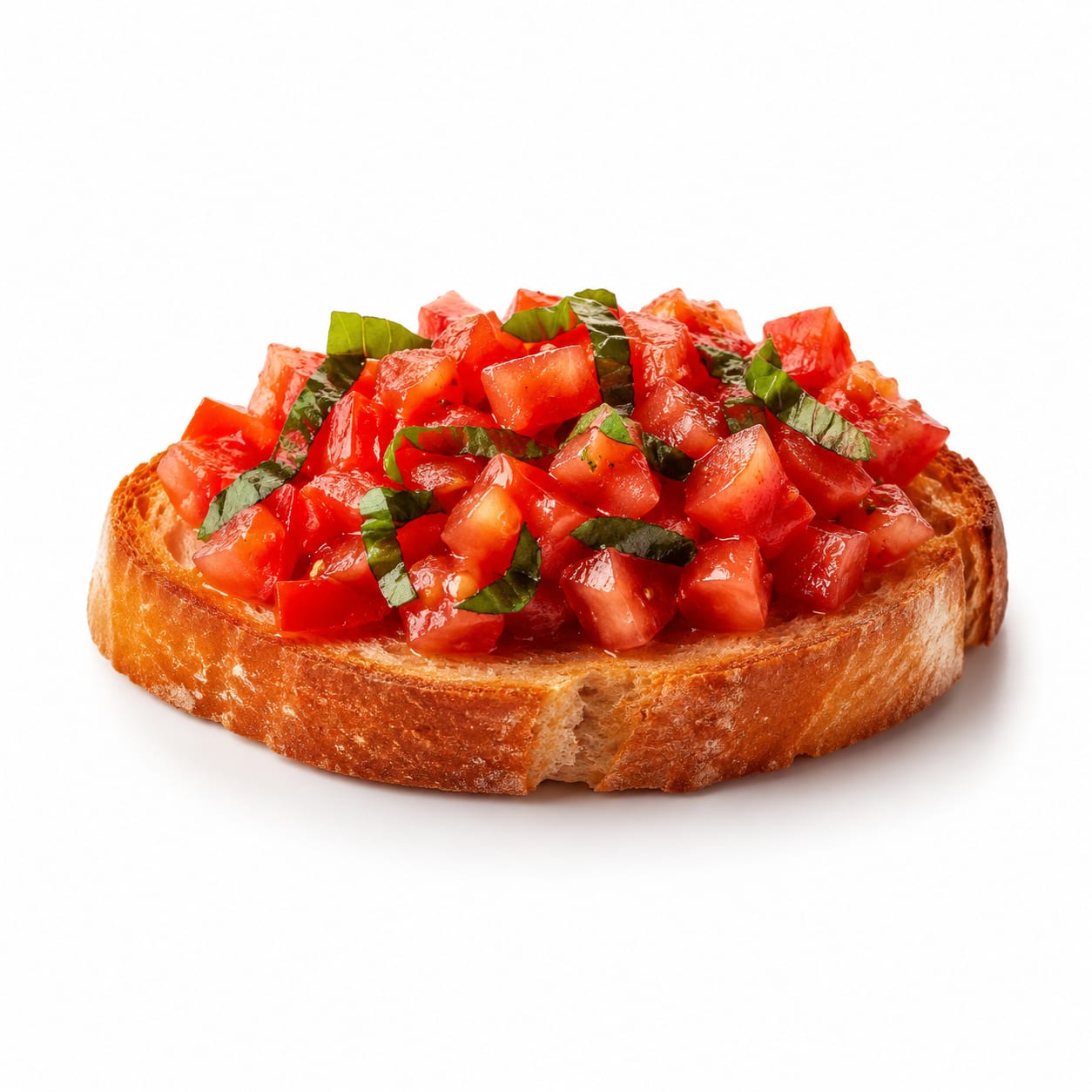
Bruschetta
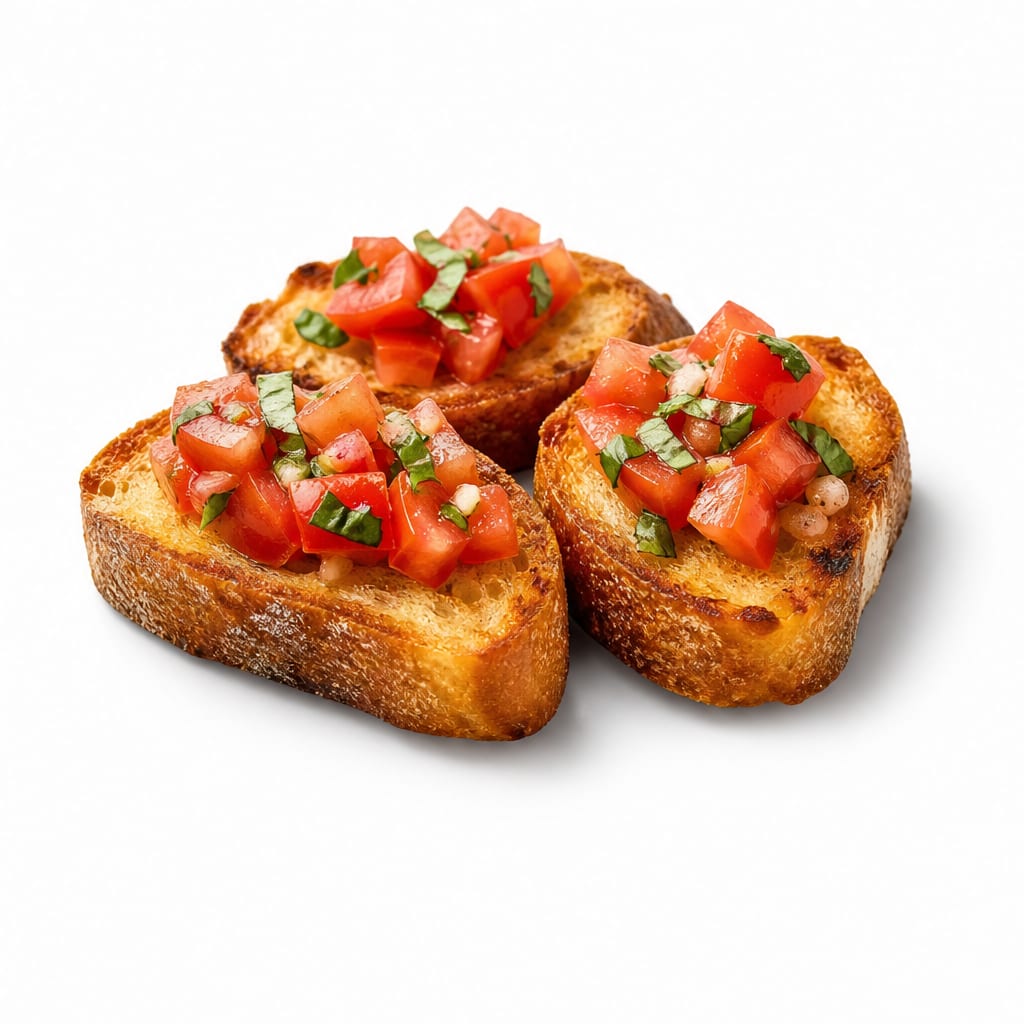
Crostini
Bruschetta delivers more vegetables and better nutritional balance per piece, while Crostini offers built-in portion control and greater topping variety that can swing healthier or unhealthier depending on choices.
Bruschetta scores slightly higher because its classic tomato-basil-olive oil topping delivers consistent vegetable nutrition, while Crostini's health profile is wildly variable depending on toppings. However, Crostini's portion-control advantage keeps it close.
Bruschetta gives you more tomato-garlic goodness per bite but with more bread and calories per serving, whereas Crostini lets you control portions easily but the nutritional value depends entirely on what you top them with.
At a glance
Executive summary
Overall
It depends
Healthier
Bruschetta
More practical
Crostini
Daily use
It depends
Key comparison lenses
appetizer selection for health-conscious entertaining
Both are classic Italian appetizers often served at gatherings, so users are likely deciding which to serve or order
portion control and calorie management
Crostini are smaller and thinner, making portion awareness more natural, while Bruschetta tends to be larger and more calorie-dense per piece
nutritional balance of bread-based snacks
Both are bread-centric, so the topping-to-bread ratio heavily determines nutritional value
blood sugar impact of bread appetizers
Refined bread bases in both options raise glycemic concerns, especially before meals
Best choice for
Bruschetta
- Maximizing vegetable intake per appetizer serving
- Heartier appetizer needs where you want something satisfying
- Classic Mediterranean diet-aligned eating
- Situations where you want a more filling pre-meal snack
Crostini
- Portion-controlled snacking without overthinking
- Entertaining large groups with varied topping options
- Lighter grazing where guests want variety over volume
- Building a balanced appetizer spread with multiple flavors
Least suitable for
Bruschetta
- Strict low-carb eating due to thicker bread base
- Large gatherings where cost per serving matters
- People who struggle to stop at one or two pieces
Crostini
- Anyone loading them with pâté, cheese, or processed meats expecting a healthy choice
- Those wanting a substantial appetizer that actually fills them up
- Gluten-sensitive individuals since the smaller size encourages eating more pieces
Deep comparison
Dimension by dimension
Each lens scores both foods and breaks down who each option suits.
- Dimension 1 · Priority 90Bruschetta
Nutritional Balance
Bruschetta · 72Crostini · 55Bruschetta's classic tomato topping provides lycopene, vitamin C, and antioxidants alongside healthy olive oil fats, creating a more reliably balanced bite.
Tradeoff
Crostini can match or exceed Bruschetta's nutrition with the right toppings, but the most popular crostini toppings like whipped ricotta or prosciutto push it in a less balanced direction.
Why it matters
Appetizers eaten before meals often set the metabolic tone for the eating experience. Starting with vegetables and healthy fats leads to steadier blood sugar than starting with refined carbs and rich cheeses.
Real-world impact
Eating Bruschetta before dinner is less likely to spike your appetite compared to cheese-heavy Crostini, which can trigger overeating at the main course.
Bruschetta
- Getting vegetables in during appetizer course
- Lycopene and antioxidant intake from tomatoes
- Consistent nutritional profile regardless of restaurant
Better for
- Less flexibility to adapt for dairy-free or low-sodium needs
Worse for
Crostini
- Customizing toppings for specific dietary needs
- Adding lean proteins like white bean puree
Better for
- Popular toppings like cheese and cured meats reduce nutritional value
- Inconsistent nutrition makes it harder to track intake
Worse for
- Dimension 2 · Priority 88Crostini
Portion Control
Bruschetta · 45Crostini · 78Crostini's smaller size naturally limits calories per piece, making it easier to eat mindfully without feeling deprived.
Tradeoff
The small size can backfire if you lose track of how many you have eaten, while Bruschetta's larger pieces make each one more memorable and easier to count.
Why it matters
Mindless grazing is the biggest calorie risk with bread-based appetizers. Smaller pieces can help or hurt depending on your self-awareness.
Real-world impact
At a party, you might easily eat eight Crostini without noticing, but three pieces of Bruschetta feel like a deliberate choice.
Bruschetta
- Eaters who do better with clearly defined portions
- People who feel satisfied by fewer larger pieces
Better for
- Each piece carries more calories, so overeating adds up faster
- Thicker bread means more refined carbs per serving
Worse for
Crostini
- Tasting multiple flavors without overcommitting calories
- Built-in visual cue that each piece is a small treat
Better for
- Small size encourages mindless accumulation
- Easy to lose count at buffets or parties
Worse for
- Dimension 3 · Priority 82Bruschetta
Blood Sugar Impact
Bruschetta · 58Crostini · 48Bruschetta's tomato-olive oil topping adds fiber and fat that slow bread digestion, while Crostini's toppings vary widely in their glucose-buffering effect.
Tradeoff
Neither is ideal for blood sugar management since both are built on refined bread, but Bruschetta's consistent fat and fiber from its classic topping provides more reliable slowing of glucose absorption.
Why it matters
Eating refined carbs on an empty stomach before a meal can cause a blood sugar spike that increases hunger and fatigue within an hour.
Real-world impact
If you arrive at a restaurant hungry and eat three Crostini with just a thin spread of cheese, you may feel hungrier by the time the main course arrives compared to eating Bruschetta.
Bruschetta
- Olive oil and tomato fiber slow sugar absorption
- More fat per piece creates steadier energy
Better for
- Thicker bread means more total carbohydrate per piece
- Still a significant glycemic load despite toppings
Worse for
Crostini
- Can be topped with protein-rich options like hummus that buffer blood sugar
Better for
- Cheese-only toppings provide minimal blood sugar buffering
- Smaller pieces eaten quickly can spike glucose before satiety signals register
Worse for
- Dimension 4 · Priority 75Bruschetta
Satiety and Fullness
Bruschetta · 70Crostini · 50Bruschetta is more filling per piece due to its larger bread base and generous topping, while Crostini are designed for light grazing.
Tradeoff
Feeling full from an appetizer can be either a benefit or a drawback depending on whether you want to save room for the main course.
Why it matters
If an appetizer leaves you too hungry, you overeat later. If it leaves you too full, you waste the main course. The right choice depends on your eating context.
Real-world impact
Two pieces of Bruschetta can take the edge off hunger before dinner without ruining your appetite, while Crostini might leave you reaching for more bread.
Bruschetta
- More substantial bite reduces pre-dinner hunger pangs
- Fat from olive oil triggers satiety hormones
Better for
- Can fill you up too much before a multi-course meal
- Higher calorie per piece if you are watching intake
Worse for
Crostini
- Lighter option if you want to save room for the meal
- Easier to stop eating if you are disciplined
Better for
- Unlikely to satisfy genuine hunger on their own
- May lead to eating other appetizers to compensate
Worse for
- Dimension 5 · Priority 70It depends
Sodium Load
Bruschetta · 55Crostini · 55Both can be high in sodium depending on preparation, but the sources differ. Bruschetta gets sodium from garlic salt and tomatoes, while Crostini sodium comes mainly from toppings.
Tradeoff
Bruschetta's sodium is more predictable, while Crostini's can swing dramatically from moderate to very high depending on whether topped with vegetables or cured meats.
Why it matters
Appetizer sodium often goes unnoticed but can contribute significantly to daily intake, especially for those managing blood pressure.
Real-world impact
Three Crostini with prosciutto can deliver nearly half your daily sodium allowance before the main course even starts.
Bruschetta
- More predictable sodium levels across different restaurants
- Tomato-based toppings are naturally moderate in sodium
Better for
- Garlic-rubbed bread and salted tomatoes still add up
Worse for
Crostini
- Can be made low-sodium with fresh vegetable toppings
Better for
- Cured meat and cheese toppings create sodium bombs
- Restaurant versions often salt heavily for flavor
Worse for
Timeline
Health impact over time
Short-term
Hours to days
Bruschetta
- Moderate blood sugar rise buffered by olive oil and tomato fiber
- Satisfying enough to prevent pre-meal overeating
- Garlic may cause mild heartburn in sensitive individuals
Crostini
- Blood sugar impact varies greatly based on topping choice
- Lighter per piece but easier to overconsume in quantity
- Cheese-heavy versions may cause bloating in lactose-sensitive people
Long-term
Months to years
Bruschetta
- Regular consumption of tomato-based toppings provides consistent lycopene intake linked to heart health
- Olive oil contributes monounsaturated fats associated with reduced cardiovascular risk
- Refined bread base remains a nutritional weak point if eaten frequently
Crostini
- Long-term health impact depends almost entirely on topping choices
- Habitual cheese and cured meat toppings increase saturated fat and sodium exposure
- Bean or vegetable-topped versions can support heart health similarly to Bruschetta
Risk profile
Safety & processing
Both rely on processed bread as a base, but their toppings are typically whole foods. Bruschetta's classic tomato-basil-garlic-olive oil combination is about as natural as appetizer toppings get. Crostini toppings range from equally natural to more processed depending on whether you choose vegetable spreads or cheese-heavy options. Neither typically contains artificial additives when made traditionally.
Bruschetta
Garlic-in-oil botulism risk
mediumImproperly stored garlic in olive oil can harbor Clostridium botulinum. Restaurant-prepared Bruschetta following food safety protocols is low risk, but homemade versions left at room temperature for extended periods can be dangerous.
Tomato cross-contamination
lowFresh tomato toppings can harbor bacteria if not washed properly, but this is a standard produce handling concern rather than a Bruschetta-specific issue.
Crostini
Perishable topping spoilage at room temperature
mediumCrostini are often served buffet-style with varied toppings sitting out, increasing risk of dairy and meat toppings entering the danger zone for bacterial growth.
Cured meat contamination
lowProsciutto and salami Crostini carry slight listeria risk for pregnant women and immunocompromised individuals, though this is a general cured meat concern rather than Crostini-specific.
Who wins for whom
Audience fit
Same foods, different winners depending on your goal.
children
CrostiniCrostini's smaller size is easier for small hands, and the variety of toppings lets you choose kid-friendly options. Bruschetta's garlic rub can be too intense for young palates.
daily consumption
It dependsNeither should be a daily staple due to the refined bread base. If choosing, Bruschetta offers more consistent vegetable nutrition, but Crostini with hummus or bean toppings could work as an occasional light snack.
diabetes
BruschettaBruschetta's consistent olive oil and tomato fiber slow glucose absorption more reliably than Crostini's variable toppings, though both require moderation due to the bread base.
elderly
BruschettaBruschetta's softer grilled bread is easier to chew than some crisp Crostini, and the tomato topping provides accessible nutrition. However, those with severe dental issues may find both challenging.
muscle gain
It dependsNeither is a meaningful protein source. Crostini with chicken or bean toppings edges ahead, but both are appetizers rather than muscle-building foods.
weight loss
CrostiniCrostini's smaller size makes it easier to eat one or two and stop, though this advantage disappears if you lose track of quantity.
Your move
Decision guide
Choose Bruschetta
- You want reliable vegetable nutrition without thinking about topping choices
- You tend to eat fewer pieces when portions are larger and more visible
- You are serving a sit-down dinner where a satisfying appetizer matters
- You prefer Mediterranean-style eating with tomatoes, garlic, and olive oil
Choose Crostini
- You are hosting a party and want variety without committing to one flavor
- You do well with small portions and can stop after a few pieces
- You want to offer healthier options like white bean or roasted vegetable toppings
- You prefer grazing lightly before a meal rather than filling up
Either works if
- You are eating whole grain or sourdough versions of either
- You pair them with a large salad to balance the bread
- You only eat appetizers occasionally and the nutritional difference is minimal
Avoid both if
- You are strictly limiting refined carbohydrates
- You have celiac disease or gluten sensitivity and no gluten-free bread option is available
- You are managing significant blood sugar issues and need low-glycemic appetizers
- You are on a low-sodium diet and cannot control how they are prepared
Final recommendation
For most people, Bruschetta is the slightly healthier default because its classic tomato-olive oil topping delivers consistent vegetable nutrition and healthy fats. However, Crostini wins for portion control and versatility. If you choose Crostini, lean toward bean, hummus, or roasted vegetable toppings rather than cheese and cured meats to match or exceed Bruschetta's nutritional profile. Either way, limit yourself to two or three pieces and think of them as an appetizer, not a meal.
Practical
Consumer tips
- 1
Ask for whole grain or sourdough bread as the base for either option to improve fiber content and blood sugar response
- 2
Limit yourself to two or three pieces regardless of which you choose, then fill up on salad or vegetables
- 3
If ordering Crostini, prioritize vegetable or bean-based toppings over cheese and cured meats for better nutritional balance
- 4
For homemade Bruschetta, rub the grilled bread with a halved garlic clove instead of adding garlic salt to reduce sodium
- 5
Refrigerate leftover Bruschetta topping separately from the bread to maintain food safety and texture
- 6
If watching calories, eat the topping off one piece of Bruschetta and skip the second slice of bread