
Vegetable
Bamboo Shoots
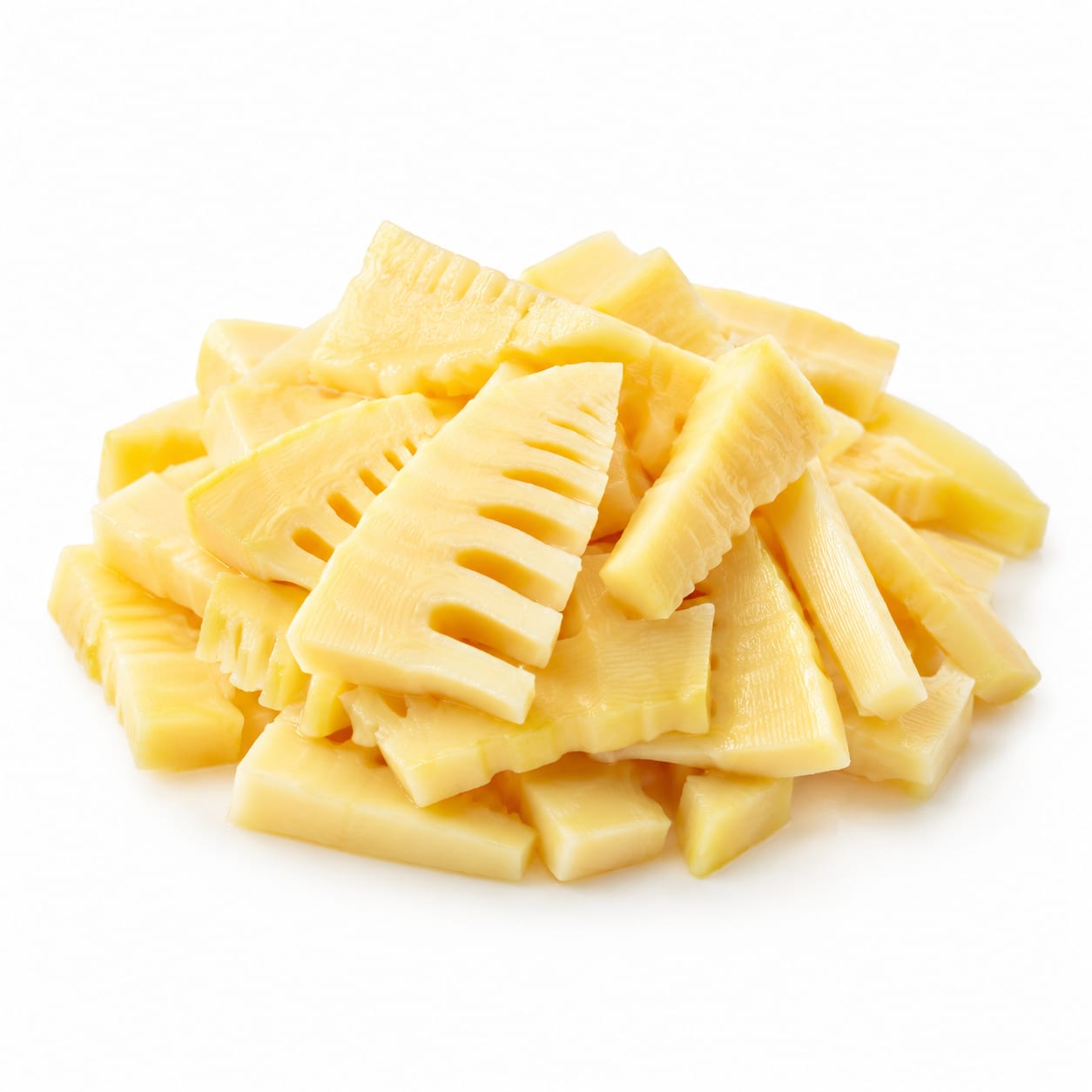
Bamboo shoots are the crisp, edible sprouts of the bamboo plant, valued as a high-volume, low-calorie vegetable rich in fiber.
Edible shoots of the bamboo plant, commonly used in Asian cuisine, known for their crisp texture, mild flavor, and very low calorie content.
high-volume low-calorie vegetable
Typical serving · 100g
Common varieties · moso, sweet bamboo, giant bamboo, timber bamboo
Overall context score across nutrition, safety, and diet fit
At a glance
Quick facts
Simple indicators based on nutrition, processing, and diet fit.
The story
What makes it unique
Bamboo shoots are composed mostly of water and dietary fiber, resulting in slow digestion and high satiety relative to caloric intake. Their macronutrient profile is very low in fat and carbohydrates, providing minimal energy density. They require cooking to neutralize natural cyanogenic glycosides before consumption.
Varieties: moso · sweet bamboo · giant bamboo · timber bamboo
Per 100g
Nutrition breakdown
Macro balance and key metrics at a glance.
Energy
Density 0.27 kcal/g
Protein
Carbs
Fat
Fiber
Sugar
3 g
Sodium
6 mg
Potassium
533 mg
Glycemic index
15
Glycemic load
1
Water content
91%
Standout compounds
Nutrient highlights
Fiber
moderatePromotes satiety and supports healthy digestion and gut microbiome.
Potassium
highHelps regulate blood pressure and supports proper muscle function.
Phytosterols
moderateMay help lower LDL cholesterol levels by blocking cholesterol absorption.
Lignin
moderateActs as insoluble fiber, aiding bowel regularity and feeding beneficial gut bacteria.
Wellness map
Health scores & processing
NOVA processing scale
minimally processed · Whole food
Fresh bamboo shoots are whole, unprocessed plant foods. Canned varieties fall into Nova Group 3 due to the addition of water, salt, and preservatives during canning.
Diet compatibility
- Weight loss
- Muscle gain
- Diabetes
- Gut health
- Low carb
- High protein
- Heart health
Relative standing
Food rankings
Qualitative ranks compared to similar whole foods.
- Satietygood
- Blood sugarexcellent
- Nutrient densitygood
- Fitness fuelpoor
- Processing qualityexcellent
Eat with confidence
Food safety profile
Fresh bamboo shoots must be boiled before eating to destroy naturally occurring cyanogenic glycosides. Canned shoots are pre-cooked and safe to eat directly. Bamboo can accumulate heavy metals from soil depending on growing conditions.
Evidence confidence 90%
- Pesticideslow
- Antibioticslow
- Heavy metalsmoderate
- Contaminationmoderate
Watch for
- cyanogenic glycosides
- heavy metals
Safer choices
Canned bamboo shoots or thoroughly boiled fresh shoots from reputable suppliers.
Prep tips
Peel the tough outer layers, slice the tender inner core, and boil in uncovered water for at least 20 minutes to remove bitter toxins before consuming.
Raw bamboo shoots naturally contain cyanogenic glycosides (taxiphyllin), which can produce cyanide. Proper cooking is mandatory to detoxify them.
Deep dive
Health analysis
How this food may fit different goals and preparation choices.
Weight loss
Extremely low energy density and high water content allow for large portion sizes with minimal calories, promoting fullness without caloric surplus.
Blood sugar
Very low glycemic index and glycemic load make them ideal for glucose management. Fiber slows carbohydrate absorption, preventing blood sugar spikes.
Fitness & energy
Not a viable primary energy source due to low carbohydrate and calorie content. Best used as a volume filler during caloric deficits rather than for workout fuel.
Gut health
Good source of dietary fiber that supports regular bowel movements and feeds beneficial gut bacteria. Phytosterols and lignin contribute to digestive health.
Processing quality
Fresh shoots are unprocessed whole foods. Canned versions are acceptable but often contain added sodium, which should be rinsed to reduce intake.
Food safety
Naturally occurring cyanogenic glycosides require strict adherence to boiling protocols for fresh shoots. Canned varieties bypass this risk but introduce potential BPA or sodium concerns.
Common mistakes
Eating fresh shoots raw or undercooked, failing to remove the tough outer sheaths, and not rinsing canned varieties to remove excess sodium.
Best preparation
Boiling fresh shoots in uncovered water for 20-30 minutes, then adding to stir-fries, soups, or curries. Canned shoots should be drained and rinsed.
Practical guide
Best use cases
When and how this food fits real eating patterns.
Volume eating for weight loss
Add bulk to meals with minimal calories, helping to stretch more caloric ingredients while maintaining large portion sizes.
Low-carb stir-fries
Provides satisfying crunch and texture in stir-fries without adding significant carbohydrates.
Blood sugar friendly meals
Acts as a filling vegetable base that will not spike blood glucose, ideal for diabetic meal planning.
Balance sheet
Pros & cons
Upsides
- Very low in calories and energy density
- High in potassium for heart health
- Excellent source of dietary fiber
- Very low glycemic impact
- Versatile texture that absorbs flavors well
Trade-offs
- Fresh shoots require extensive preparation and boiling
- Raw shoots are toxic and unsafe to eat
- Canned varieties are often high in sodium
- Naturally mild flavor offers little culinary interest without seasoning
- Can be difficult to find fresh outside of specialty markets
Fit check
Who is it for?
Great match
- volume eating
- low-carb diets
- blood sugar management
- low-calorie meal prep
Consider alternatives
- high-protein diets
- pre-workout energy
- strict low-sodium diets if using canned
- raw food diets
Side by side
How it compares
Open the full head-to-head analysis for nutrition, safety, and practical tradeoffs.
This food
Bamboo Shoots
VS90% alike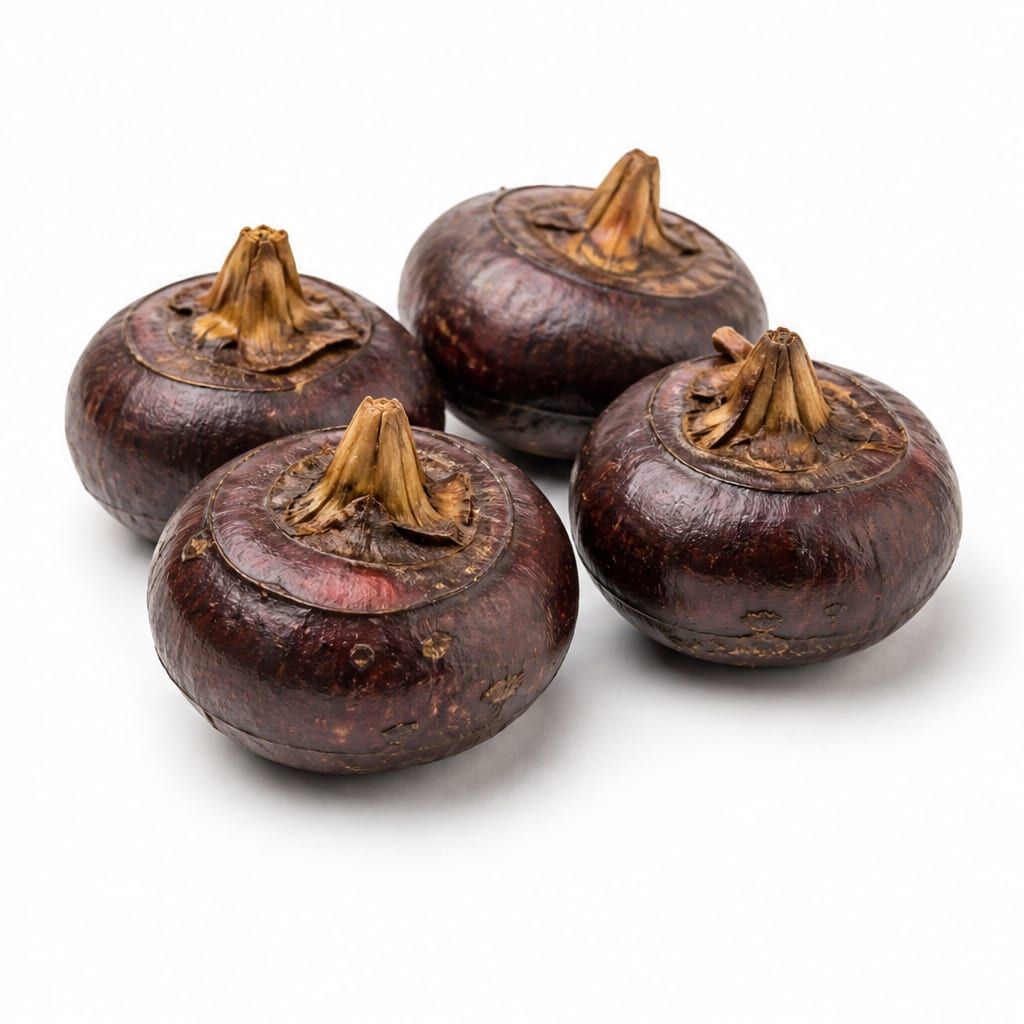
Compare with
Water Chestnuts
Both are low-calorie, crunchy Asian vegetables. Bamboo shoots offer more fiber and potassium, while water chestnuts are slightly higher in carbohydrates.
Bamboo shoots are lower in carbs and higher in fiber than water chestnuts, making them better for blood sugar control, while water chestnuts offer slightly more quick energy.
This food
Bamboo Shoots
VS85% alike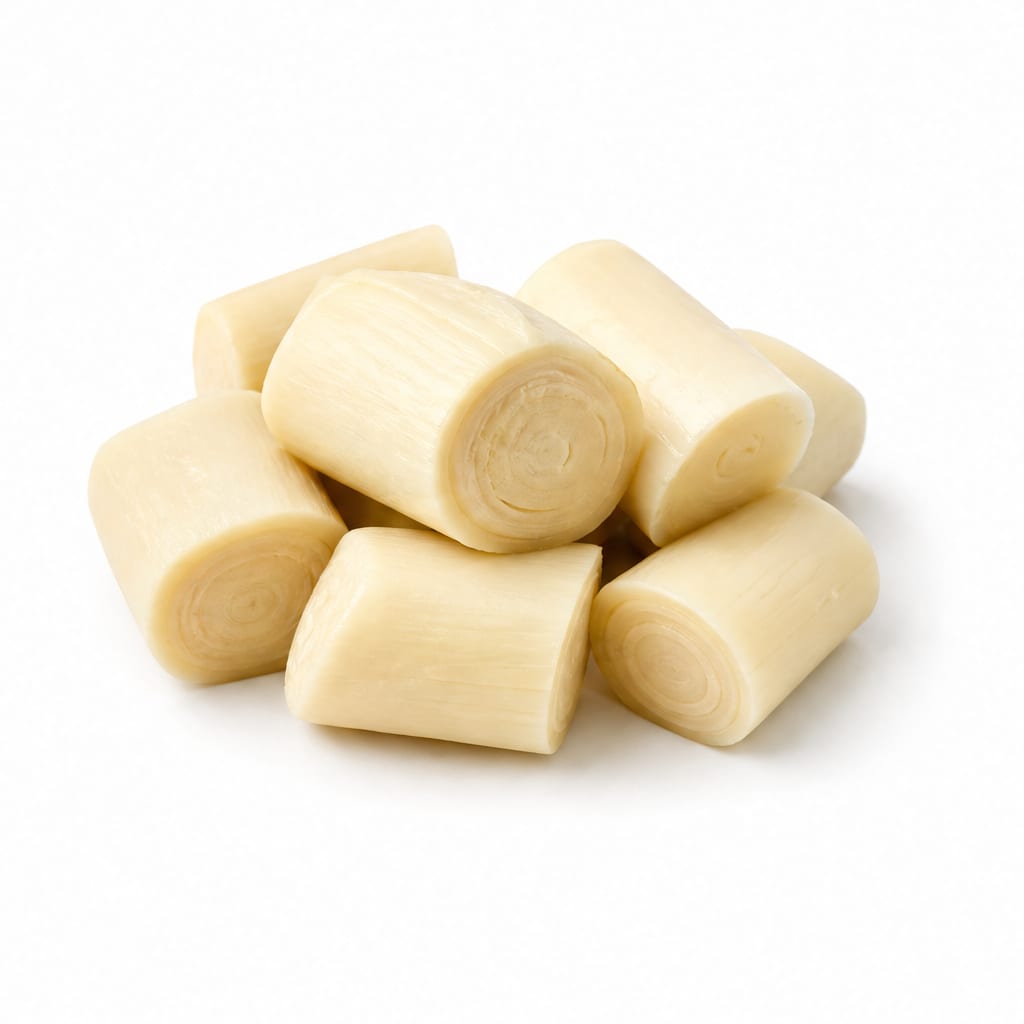
Compare with
Hearts of Palm
Both are very low-calorie vegetables with high water content. Hearts of palm are slightly lower in carbohydrates but also lower in fiber compared to bamboo shoots.
Hearts of palm are slightly lower in carbs, but bamboo shoots provide more fiber for gut health and satiety, making both excellent low-calorie choices.
This food
Bamboo Shoots
VS80% alike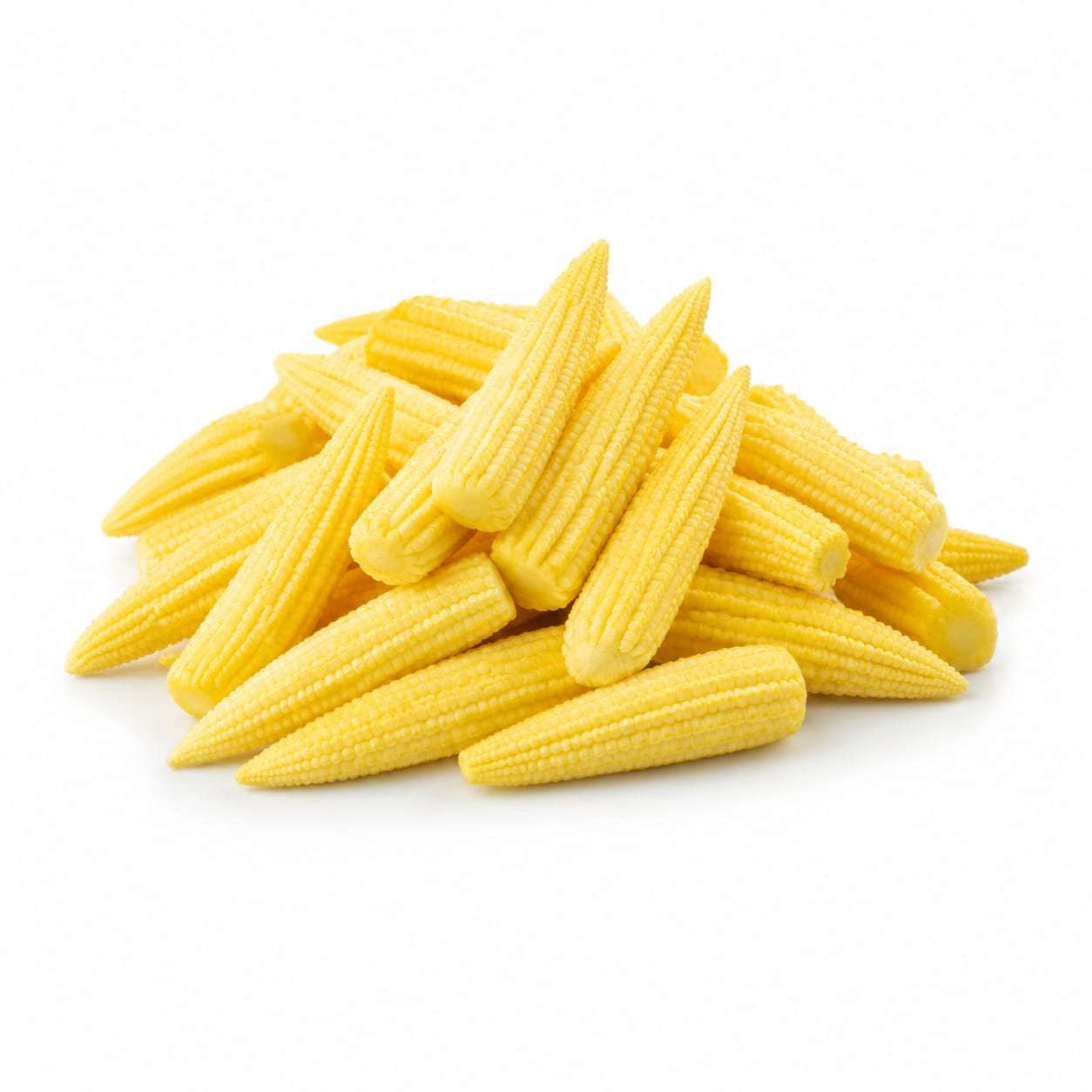
Compare with
Baby Corn
Baby corn is sweeter and higher in carbohydrates and sugar, while bamboo shoots are more fibrous and much lower in calories.
Bamboo shoots are lower in sugar and calories than baby corn, making them better for weight loss, while baby corn provides more quick carbs for energy.
This food
Bamboo Shoots
VS75% alike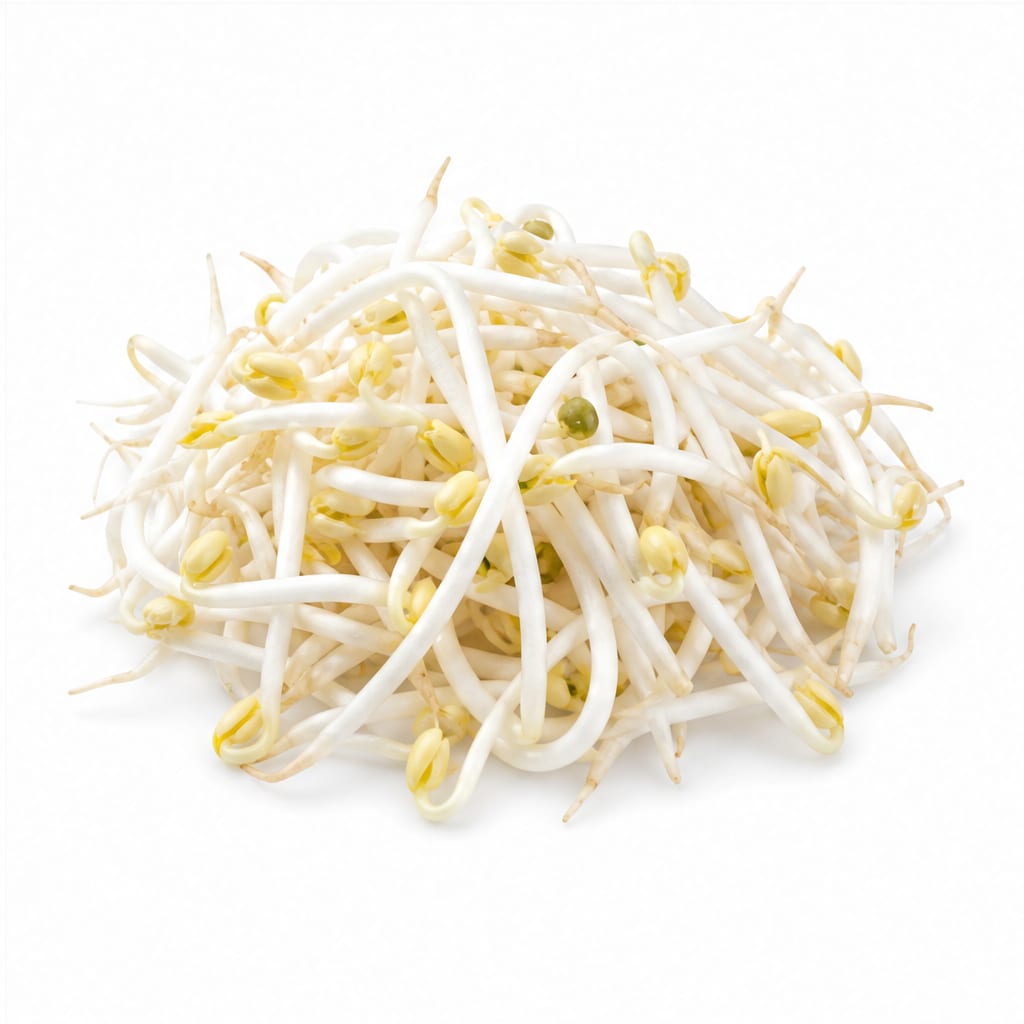
Compare with
Bean Sprouts
Bean sprouts are lower in calories but bamboo shoots offer significantly more fiber and potassium per serving.
Bean sprouts are slightly lower in calories, but bamboo shoots offer more fiber and potassium, making them better for blood sugar control and fullness.
This food
Bamboo Shoots
VS70% alike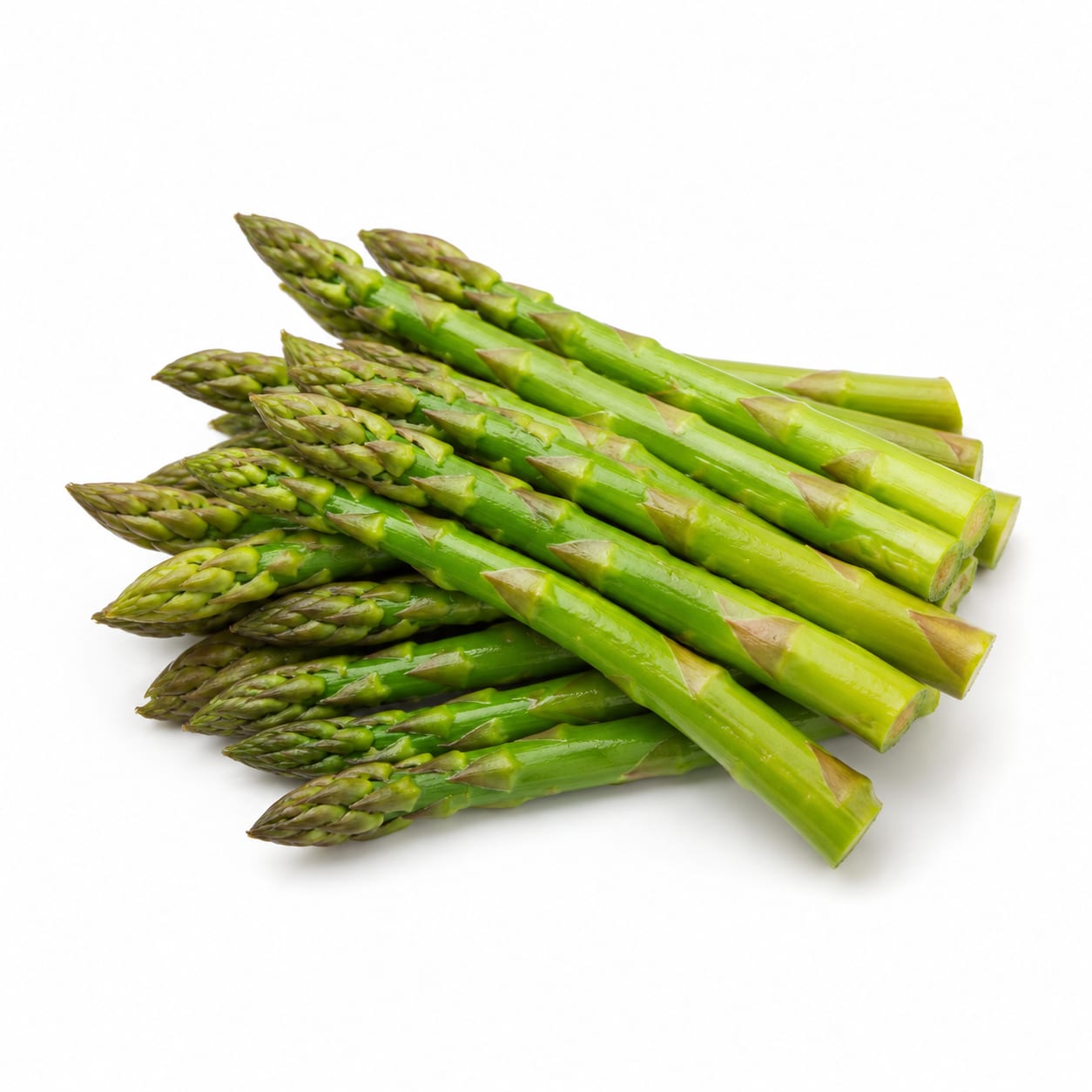
Compare with
Asparagus
Asparagus is richer in vitamins like folate and vitamin K, while bamboo shoots provide more potassium and a crunchier texture when cooked.
Asparagus is more nutrient-dense with higher vitamins, while bamboo shoots are lower in calories and higher in potassium for heart health.
This food
Bamboo Shoots
VS65% alike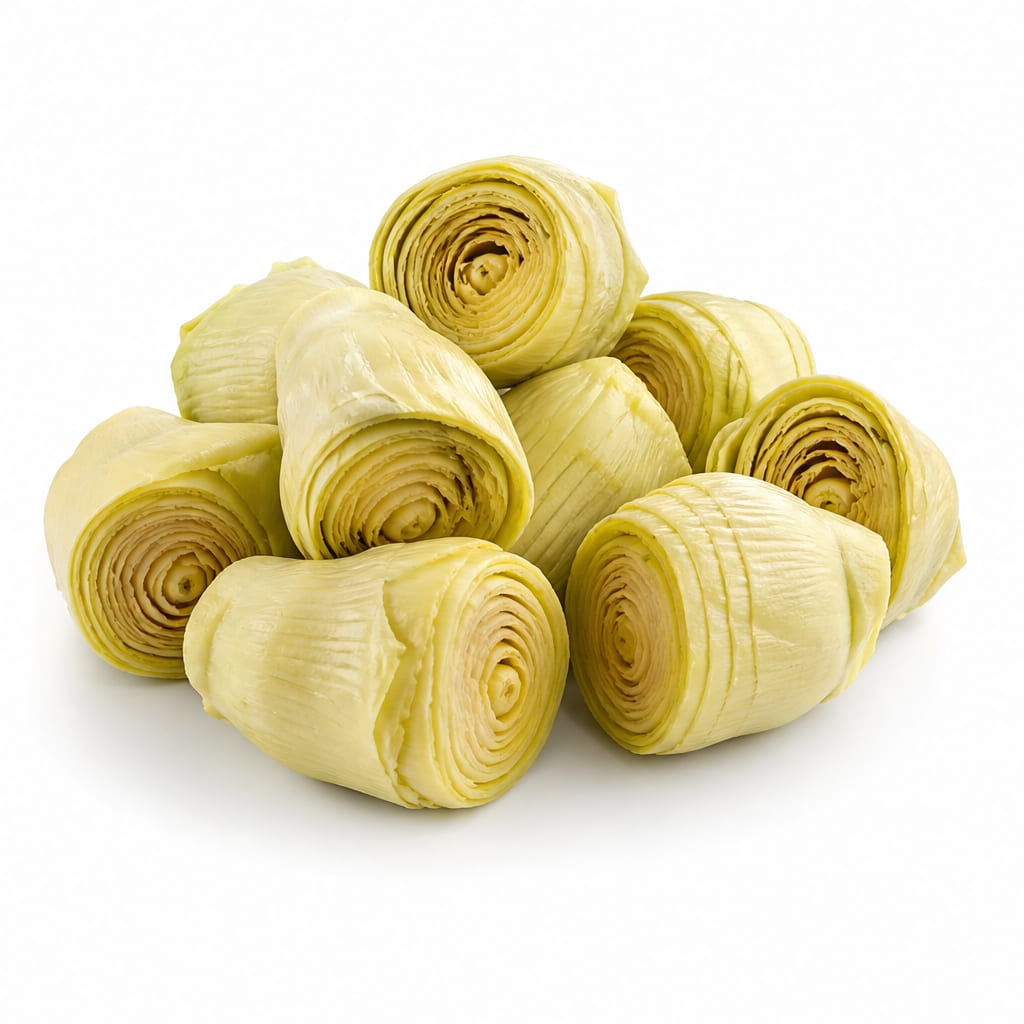
Compare with
Artichoke Hearts
Artichoke hearts are nutritional powerhouses with vastly more fiber and antioxidants, but bamboo shoots are significantly lower in calories.
Artichoke hearts provide much more fiber and antioxidants for satiety, while bamboo shoots are a lighter, lower-calorie alternative.
This food
Bamboo Shoots
VS60% alike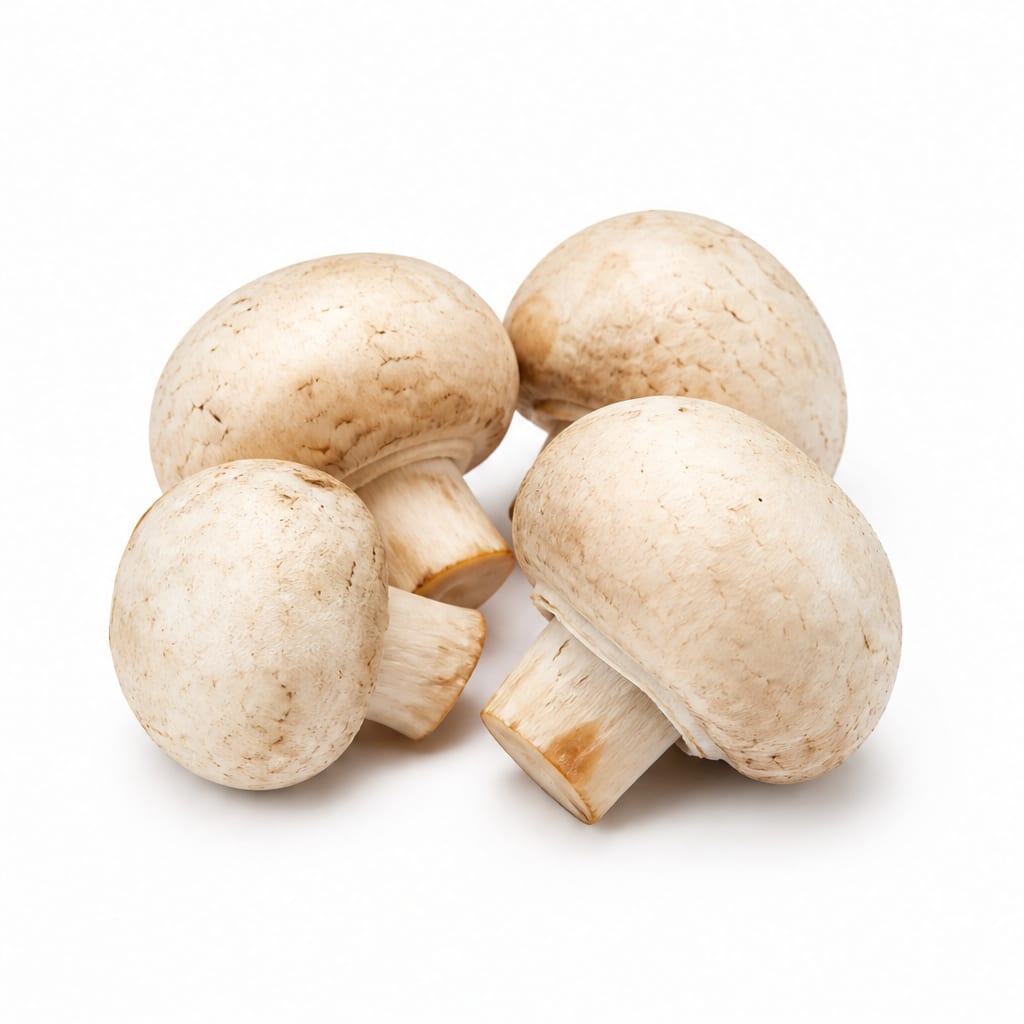
Compare with
Mushrooms
Mushrooms are virtually calorie-free and offer unique antioxidants, while bamboo shoots provide more carbohydrates and crunch.
Mushrooms are lower in calories and carbs, but bamboo shoots offer a crispier texture and more potassium per serving.
This food
Bamboo Shoots
VS55% alike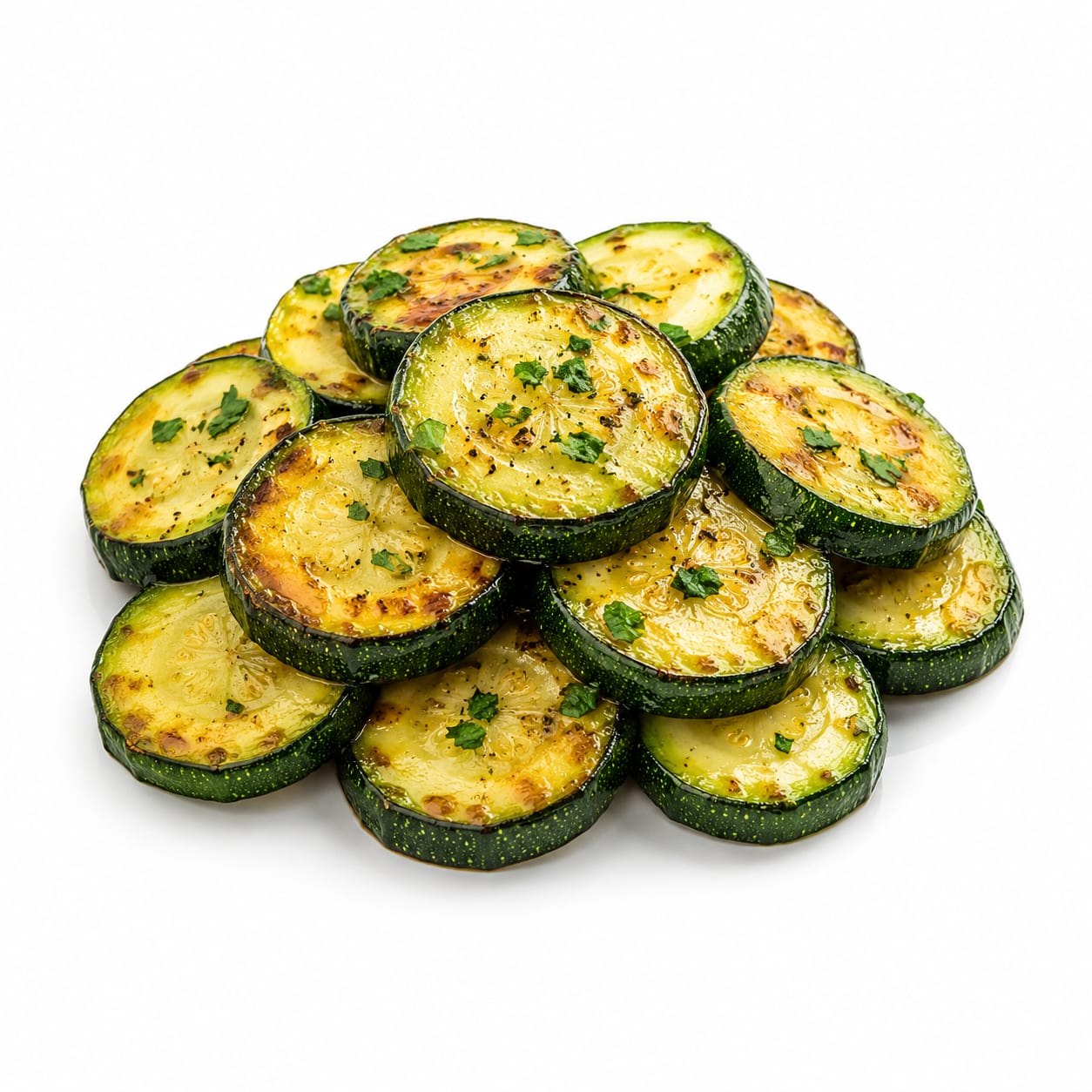
Compare with
Zucchini
Zucchini is more versatile and easier to prepare raw or cooked, while bamboo shoots have a firmer crunch and more potassium.
Zucchini is easier to prepare and more versatile, while bamboo shoots offer a distinct crunch and more fiber per calorie.
This food
Bamboo Shoots
VS55% alike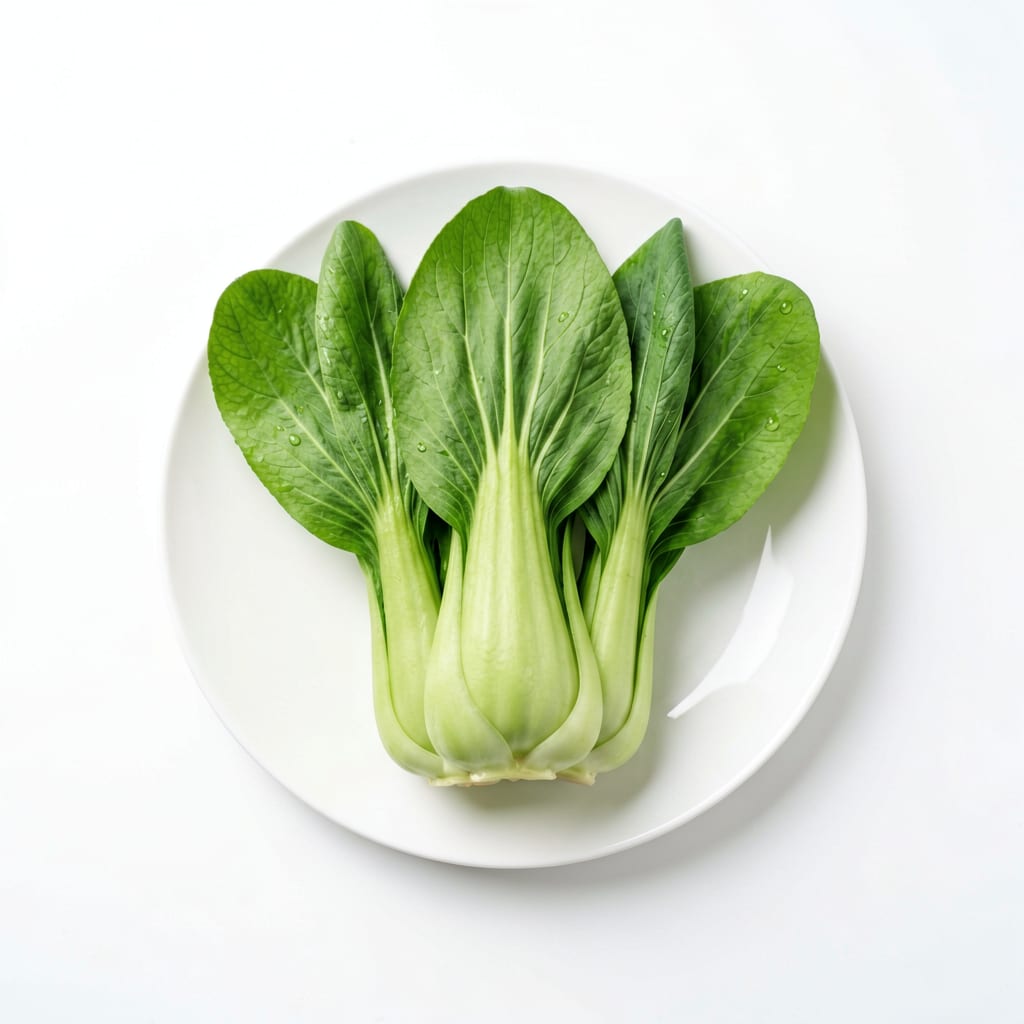
Compare with
Bok Choy
Bok choy is a cruciferous vegetable rich in vitamins A and C, while bamboo shoots provide more fiber and a different texture.
Bok choy is richer in vitamins A and C, while bamboo shoots are lower in calories and higher in fiber for digestive health.
This food
Bamboo Shoots
VS50% alike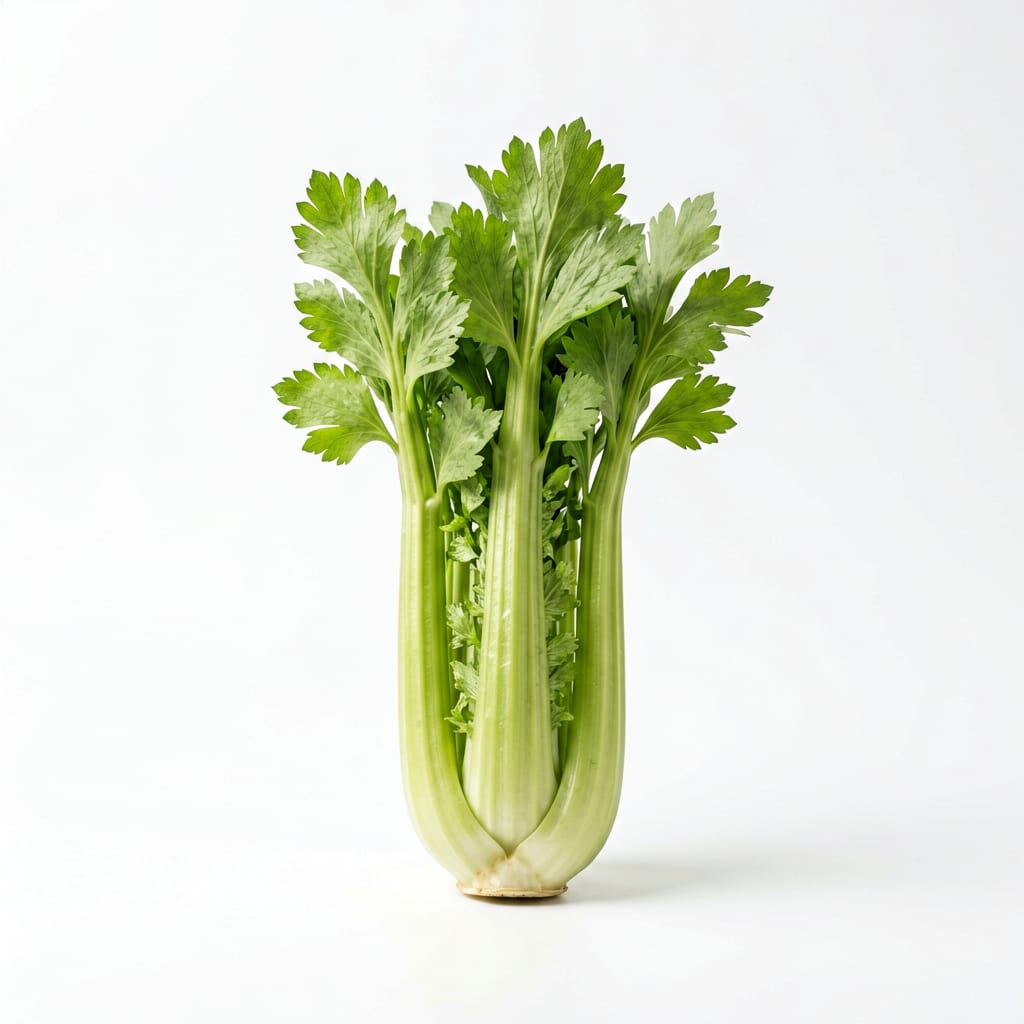
Compare with
Celery
Celery is ready to eat raw, while bamboo shoots require cooking. Bamboo shoots offer more fiber and potassium per serving.
Celery is convenient for raw snacking, but bamboo shoots provide more fiber and potassium, making them slightly better for satiety and blood sugar control.
Common questions
FAQ
Answers aligned with how people search for this food.
Are bamboo shoots good for weight loss?
Yes, bamboo shoots are excellent for weight loss. They are very low in calories and high in water and fiber, which helps you feel full without consuming excess calories.
Can diabetics eat bamboo shoots?
Yes, bamboo shoots are highly suitable for diabetics. They have a very low glycemic index and glycemic load, and their fiber content helps regulate blood sugar levels without causing spikes.
Do you have to cook bamboo shoots?
Yes, fresh bamboo shoots must be cooked before eating. Raw shoots contain cyanogenic glycosides, which can produce toxic cyanide. Boiling them for at least 20 minutes destroys this compound.
Are canned bamboo shoots healthy?
Canned bamboo shoots are healthy and convenient, retaining most of their fiber and low-calorie benefits. However, they can be high in sodium, so rinsing them under water before eating is recommended.
Are bamboo shoots keto friendly?
Yes, bamboo shoots are keto-friendly. They contain only about 3 grams of net carbs per 100-gram serving, making them easy to fit into a low-carb or ketogenic diet.
What do bamboo shoots taste like?
Bamboo shoots have a mild, slightly sweet, and earthy flavor with a crisp, crunchy texture. They readily absorb the flavors of the sauces and broths they are cooked in.
How do you remove bitterness from bamboo shoots?
To remove bitterness and toxins, peel the tough outer layers, slice the shoots, and boil them in uncovered water for 20 to 30 minutes. Adding rice bran to the boiling water is a traditional method to further reduce bitterness.
Can you eat bamboo shoots raw?
No, you should never eat raw fresh bamboo shoots. They contain natural toxins that can cause cyanide poisoning. Always boil fresh shoots thoroughly before consumption.
Transparency
Data confidence
Estimated confidence for nutrition data, interpretation, safety notes, and comparisons.
Nutrition data
Health analysis
Food safety
Comparisons